Automakers spend millions identifying target buyers before launching a new vehicle. Sometimes those predictions are spot on. Other times, a car resonates with an entirely different group of people than the one it was originally designed to attract. Whether through unexpected performance, unique styling, or surprising practicality, some vehicles end up finding loyal fans far beyond their intended audience. In many cases, that unexpected popularity becomes a major part of the vehicle’s legacy.
Honda Element
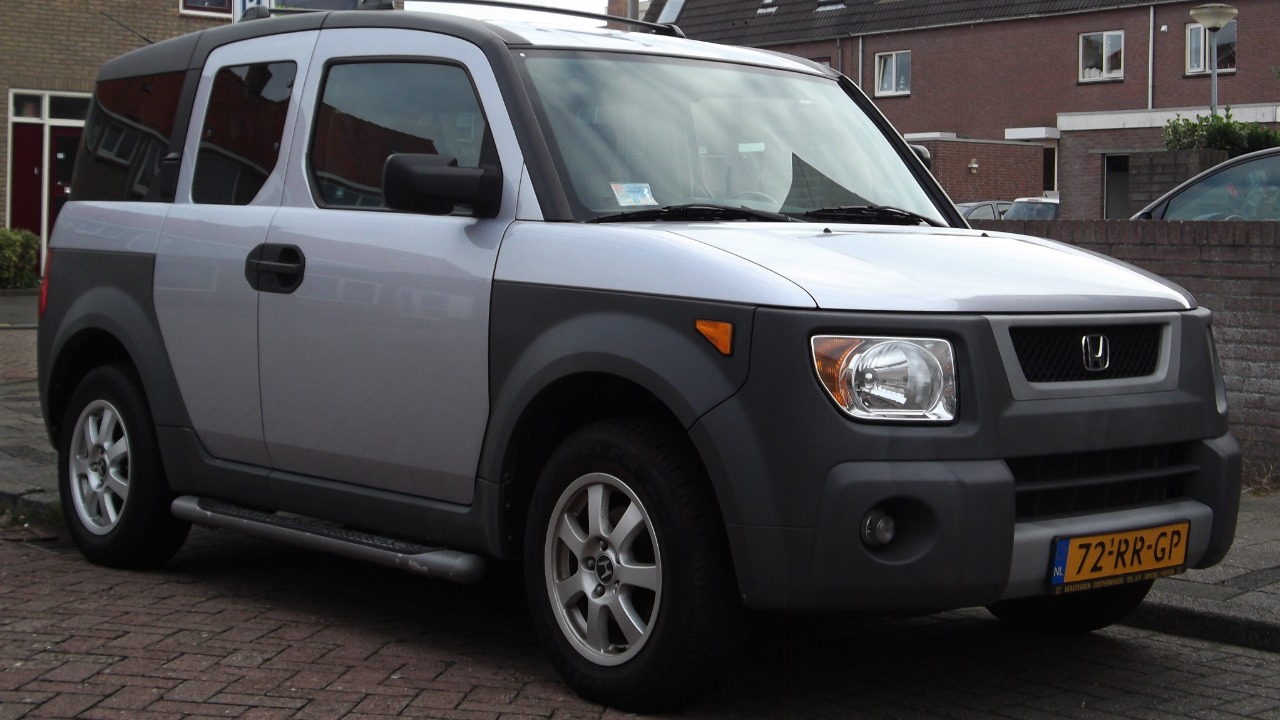
Honda originally positioned the Element toward younger buyers with active lifestyles, emphasizing its flexible interior and rugged appearance. While some younger shoppers embraced it, the vehicle found a particularly strong following among older buyers, pet owners, campers, and outdoor enthusiasts. Its spacious cabin, easy-to-clean surfaces, and practical design turned it into a cult favorite among people Honda hadn’t necessarily envisioned as its primary audience.
Ford Crown Victoria

The Ford Crown Victoria was marketed largely as a full-size family sedan and fleet vehicle. While it served those roles well, it eventually gained a devoted following among enthusiasts who appreciated its rear-wheel-drive layout, V8 power, and durable construction. Long after its retirement from police and taxi fleets, the Crown Victoria became a favorite among drivers seeking affordable, old-school American motoring.
Subaru Outback
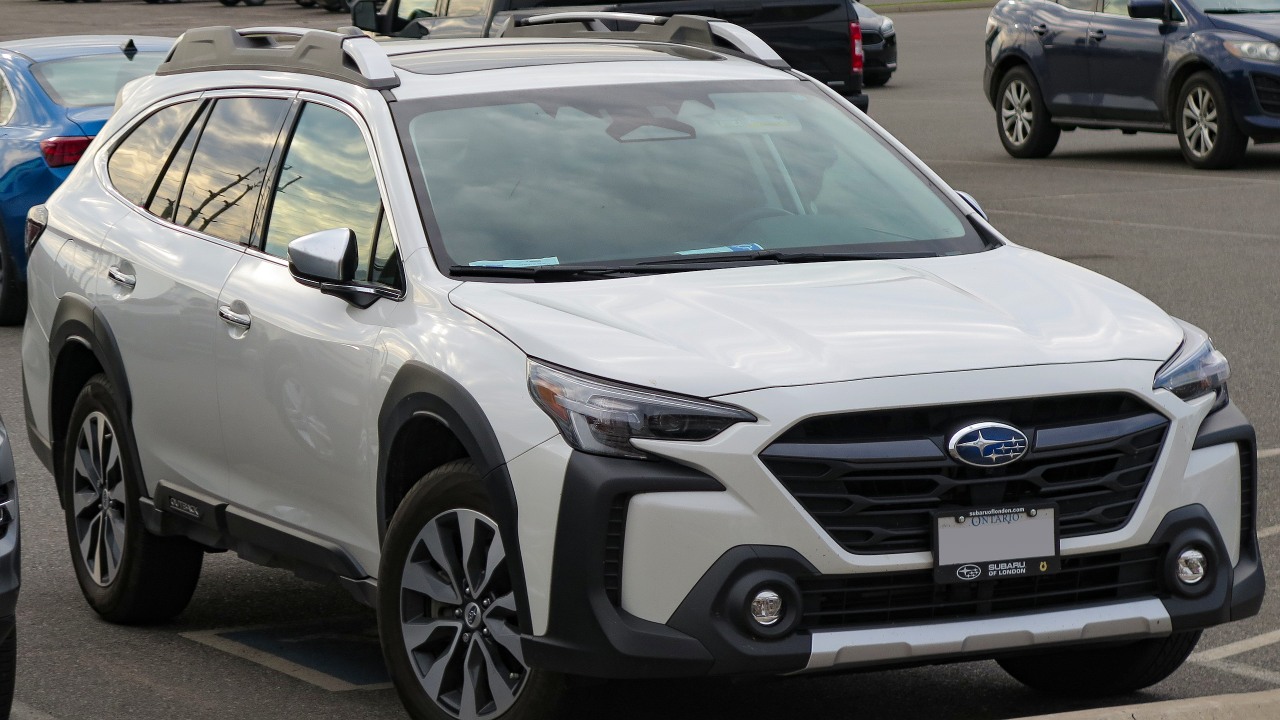
Subaru originally introduced the Outback as a wagon with extra ground clearance and all-weather capability. While families appreciated its practicality, it ultimately became a symbol of outdoor adventure and active lifestyles. Hikers, campers, cyclists, and road-trip enthusiasts embraced the vehicle, helping it develop an identity that extended far beyond its original role as a family-friendly wagon.
Volkswagen Beetle
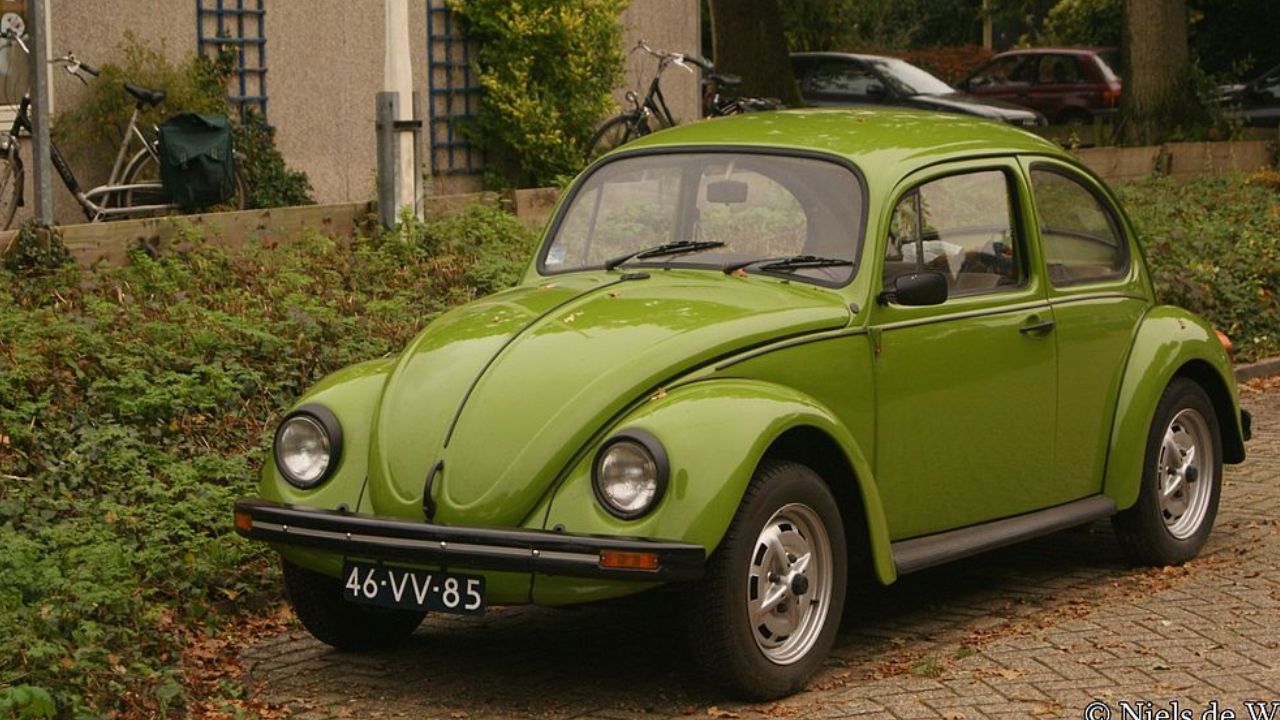
The Volkswagen Beetle was designed as simple, affordable transportation for everyday drivers. Over time, however, it became a cultural icon embraced by artists, collectors, enthusiasts, and counterculture movements around the world. Its appeal grew far beyond practical transportation, transforming the humble economy car into one of the most recognizable and beloved vehicles ever produced.
Mazda Miata
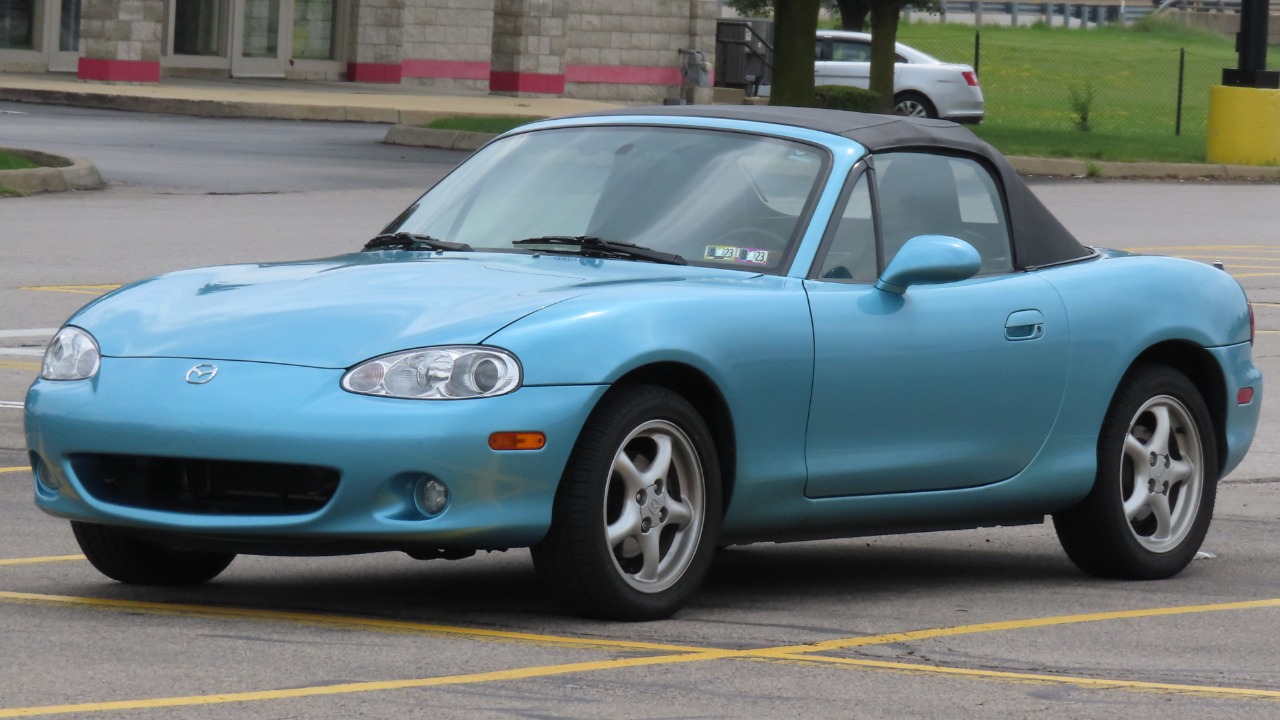
Mazda developed the Miata as a lightweight roadster inspired by classic British sports cars. While it was aimed primarily at driving enthusiasts, the car ultimately attracted a much broader audience. Its approachable handling, reliability, and affordability brought countless first-time enthusiasts into the hobby. Many buyers who had never considered a sports car found themselves drawn to the Miata’s simple charm.
Jeep Wrangler
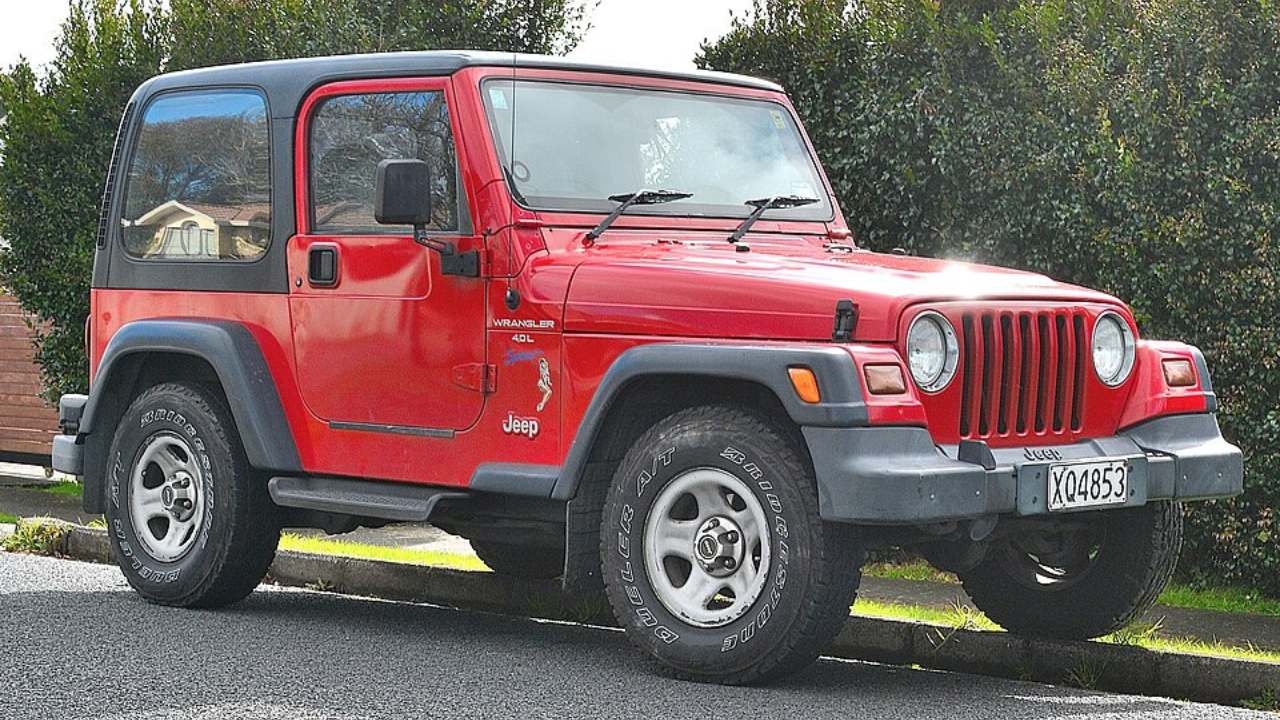
The Wrangler was created as a rugged off-road vehicle for drivers who valued capability above comfort. While it remains popular among off-road enthusiasts, it also found success with buyers who rarely leave paved roads. Its distinctive styling, removable roof, and lifestyle appeal attracted customers who simply liked its personality, helping expand its audience far beyond hardcore trail users.
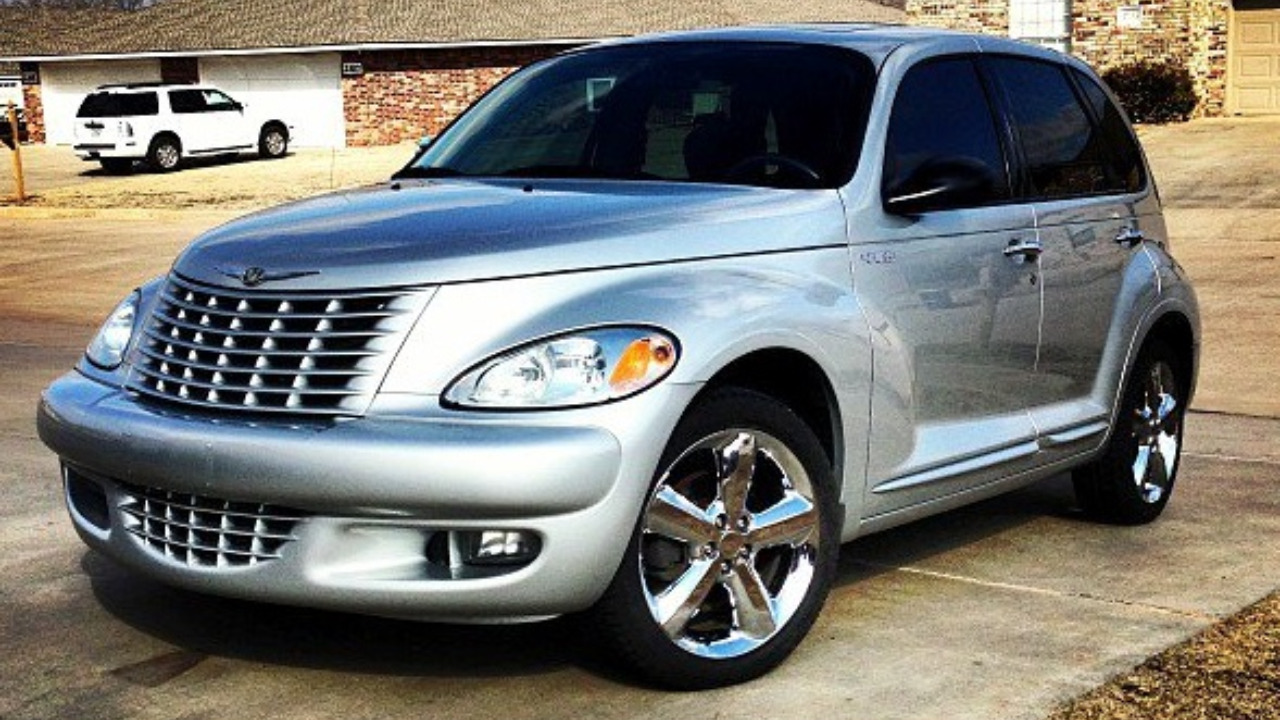
Chrysler PT Cruiser
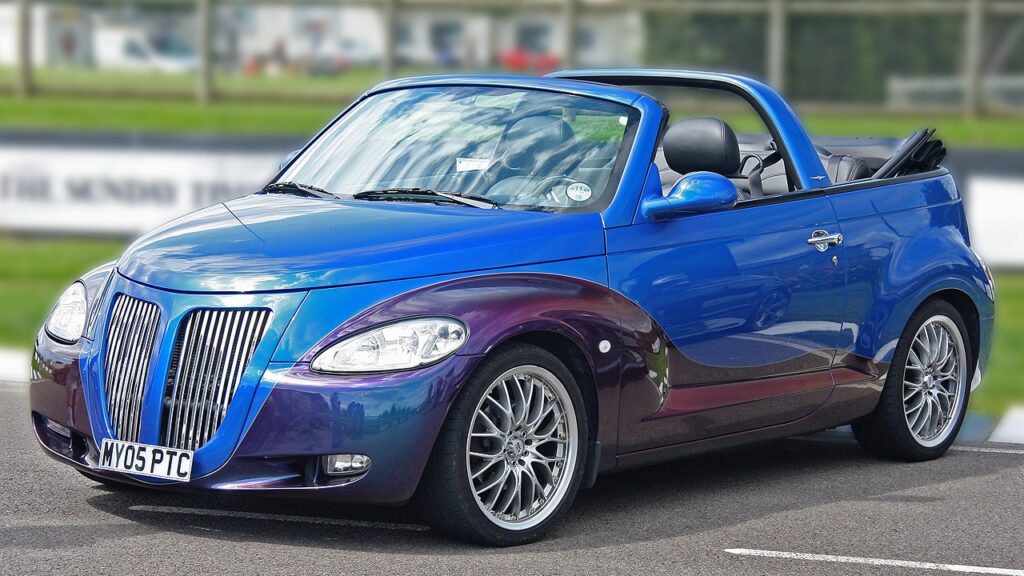
Chrysler envisioned the PT Cruiser as a retro-inspired compact vehicle with broad mainstream appeal. While its styling proved divisive, it unexpectedly developed a loyal following among customization enthusiasts and collectors. Owners embraced its unique design and individuality, creating clubs and communities that helped the PT Cruiser maintain a level of enthusiasm rarely associated with ordinary compact cars.
Toyota Prius

The Toyota Prius was introduced as an efficient hybrid focused on reducing fuel consumption. While environmentally conscious buyers were the obvious target audience, the car eventually became a cultural symbol that attracted attention far beyond traditional economy-car shoppers. Celebrities, technology enthusiasts, and early adopters helped elevate the Prius into a status symbol, giving it an influence that extended well beyond its original mission.
More from Fast Lane Only