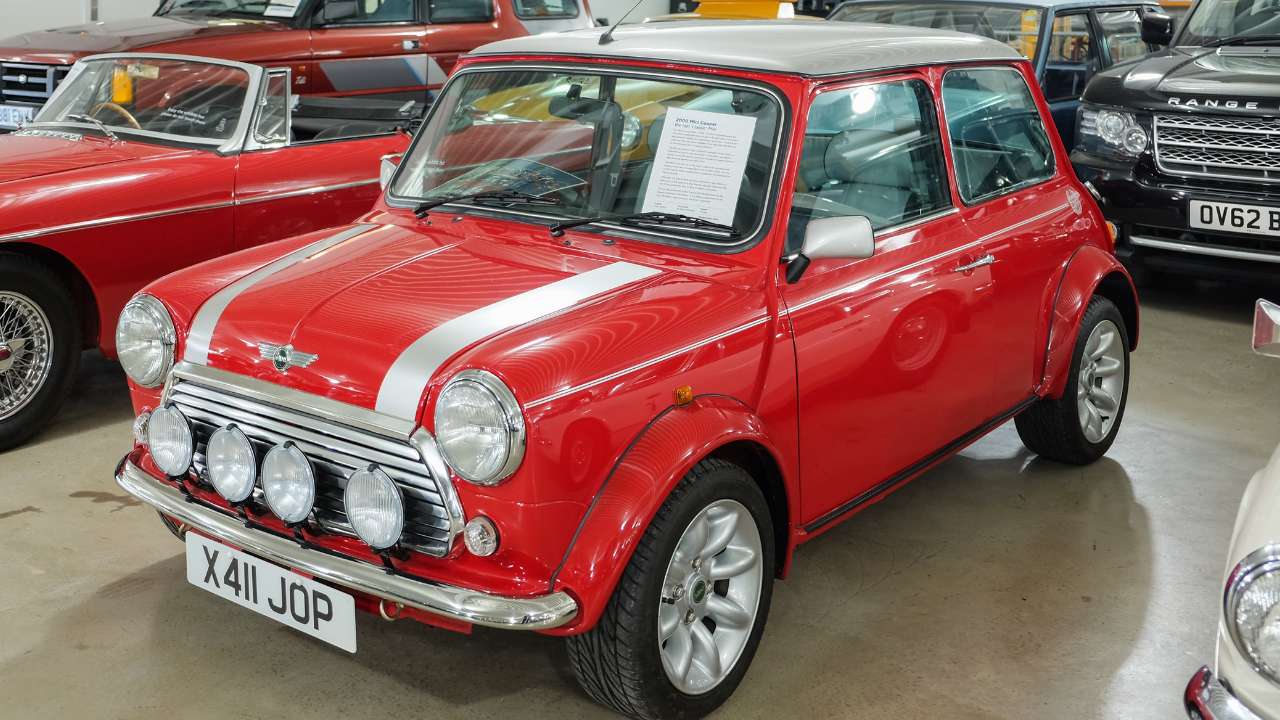
Not every memorable classic car earned its reputation through quarter-mile times or top-speed records. Some became icons because of their styling, engineering, cultural impact, comfort, or innovative features. These vehicles left lasting impressions on the automotive world by offering something unique that went far beyond pure performance and helped shape how people viewed cars.
Citroën DS
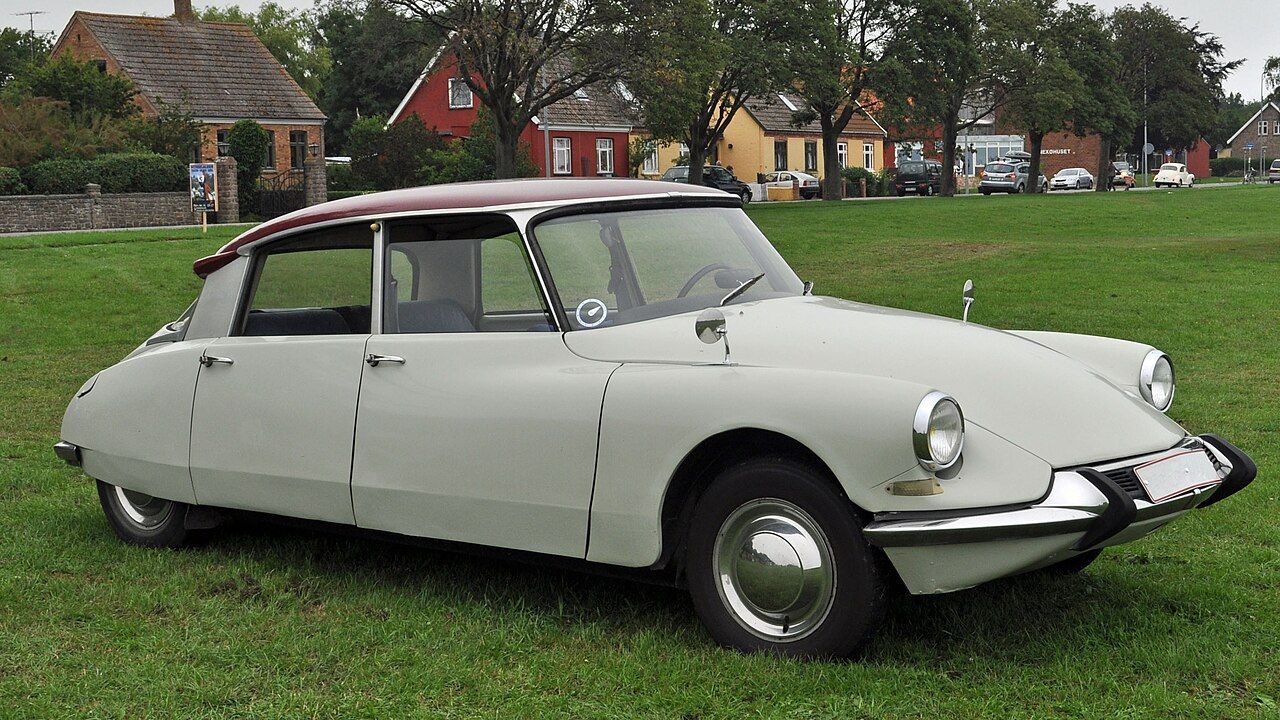
The Citroën DS stunned the automotive world with futuristic styling and advanced engineering when it debuted in the 1950s. Its hydropneumatic suspension delivered an exceptionally smooth ride that felt decades ahead of competitors. Mechanics were fascinated by its unconventional technology and innovative design solutions. The DS became legendary not because it was fast, but because it completely redefined expectations for comfort, ride quality, and automotive innovation.
Volkswagen Beetle
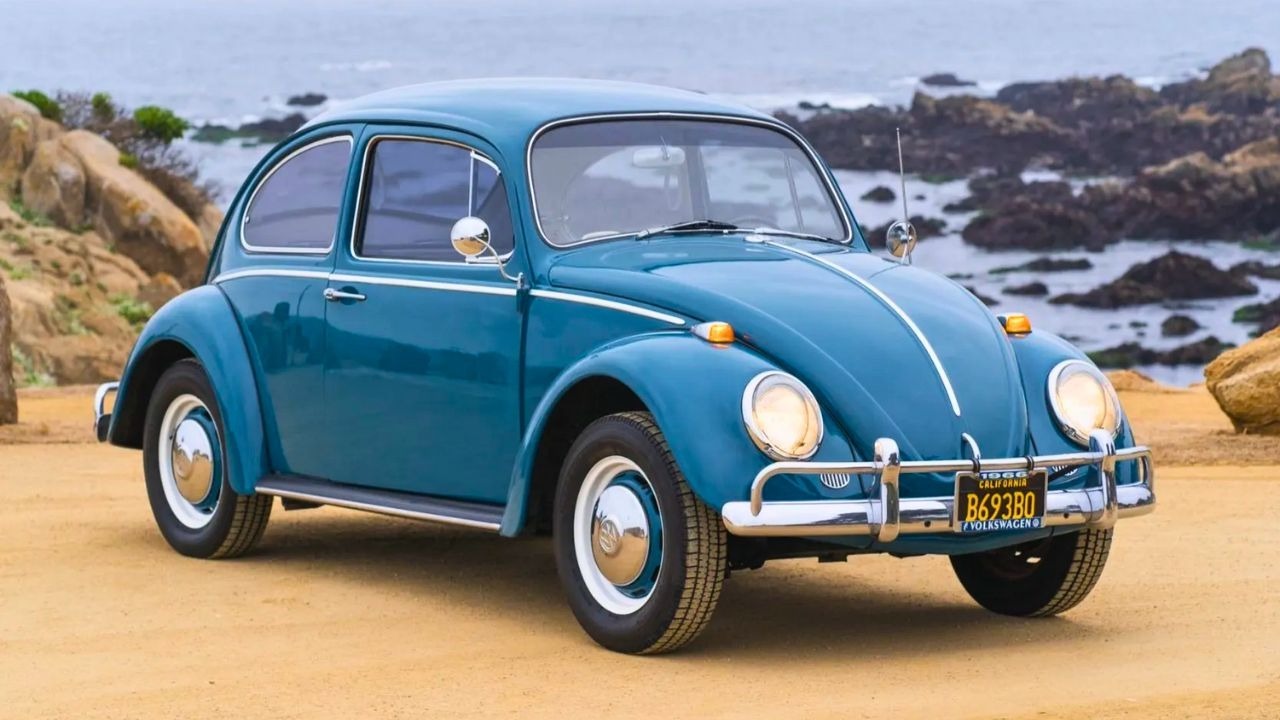
The Volkswagen Beetle became one of the most recognizable automobiles in history through simplicity, affordability, and unmatched global popularity. Its friendly shape and dependable air-cooled engine helped it win millions of loyal owners worldwide. Mechanics appreciated its straightforward design and ease of maintenance. The Beetle stood out not for speed, but because it made personal transportation accessible to generations of drivers across countless countries and cultures.
Rolls-Royce Silver Shadow
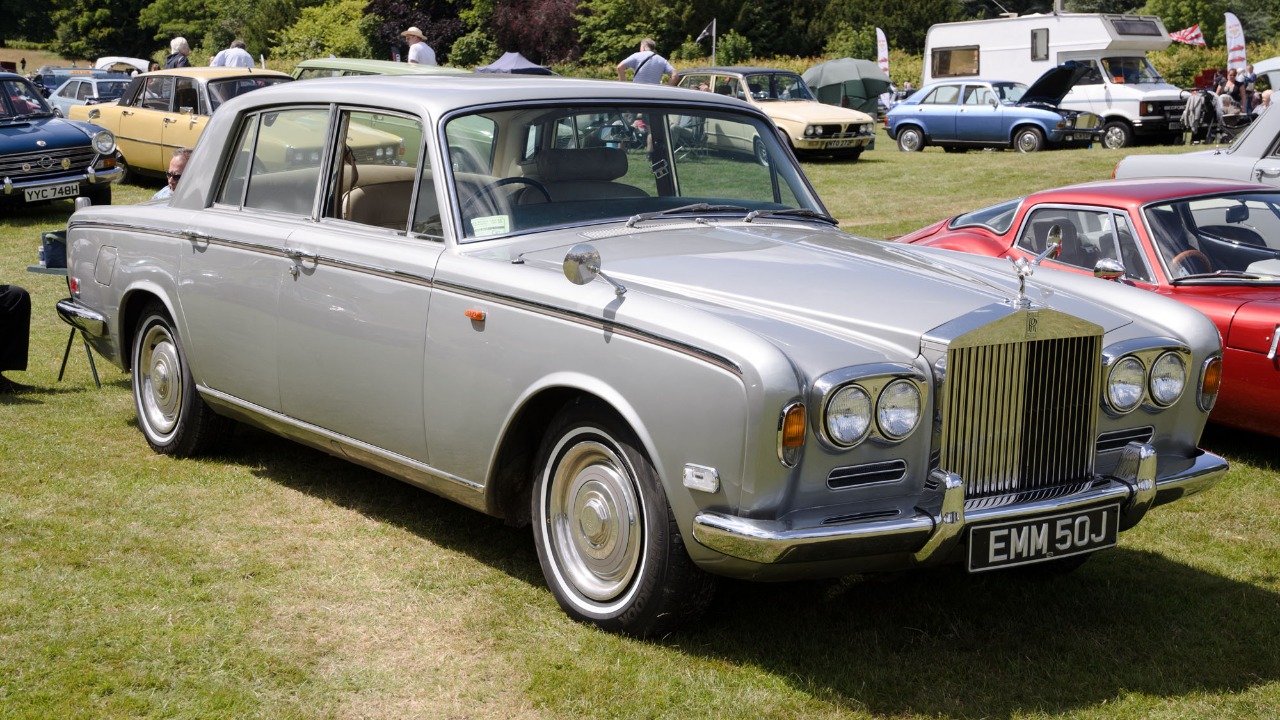
The Rolls-Royce Silver Shadow earned admiration through extraordinary refinement and craftsmanship rather than outright performance. Every detail, from the interior materials to the quiet ride, was designed to deliver a premium ownership experience. Mechanics respected the engineering devoted to comfort and durability. The Silver Shadow became a symbol of luxury because it focused on effortless elegance and prestige instead of competing in traditional performance benchmarks.
Chevrolet El Camino
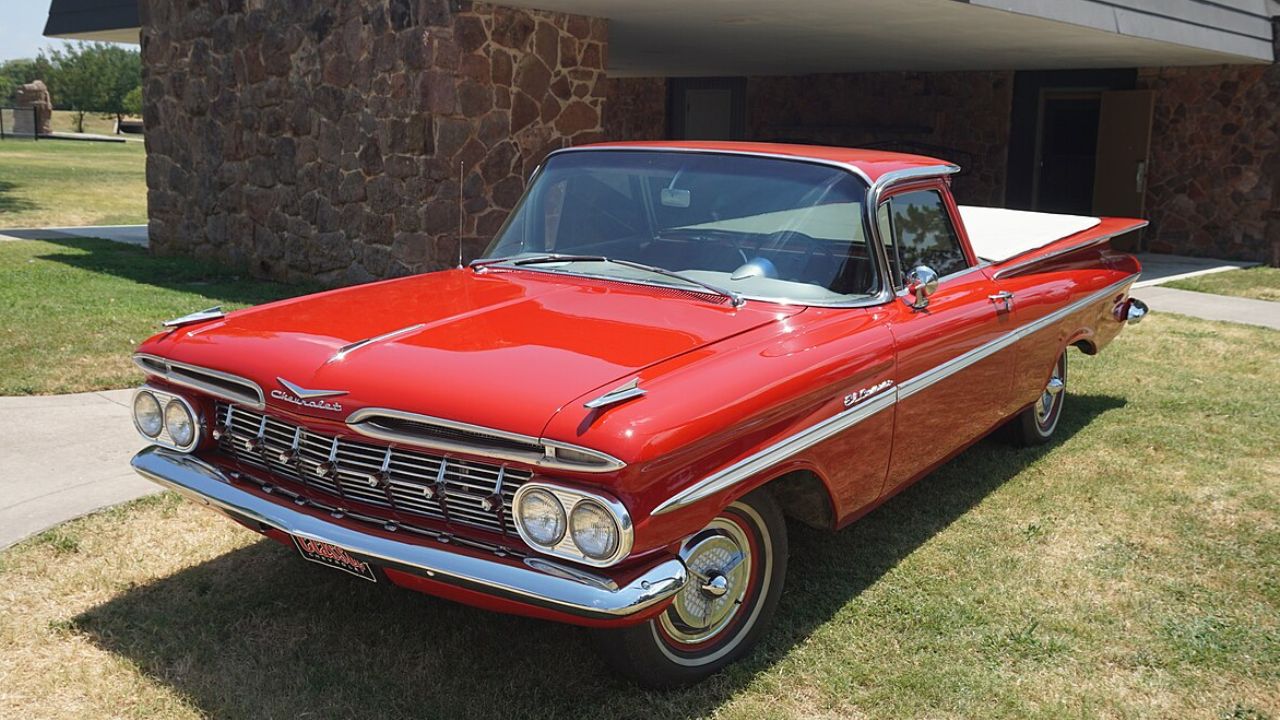
The Chevrolet El Camino carved out a unique place in automotive history by combining the practicality of a pickup truck with the style and comfort of a passenger car. Its unusual design attracted buyers who wanted versatility without sacrificing personality. Mechanics appreciated its familiar Chevrolet components and straightforward construction. The El Camino stood out because it successfully blended two very different vehicle categories into one memorable package.
Volvo 240
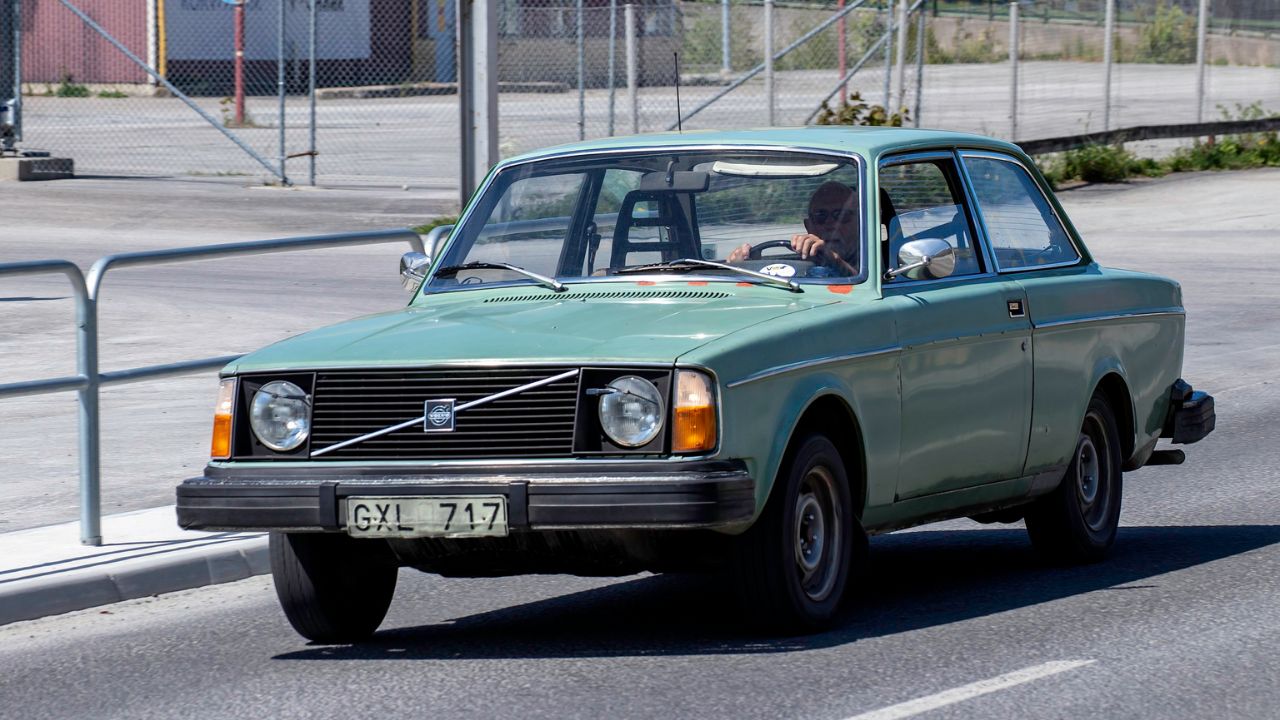
The Volvo 240 became famous for safety, durability, and longevity rather than acceleration. Its boxy styling was instantly recognizable, while its reputation for surviving hundreds of thousands of miles became legendary. Mechanics admired its robust engineering and ease of repair. The Volvo 240 stood apart because it earned trust through reliability and occupant protection, qualities that mattered more to many owners than outright speed.
Mini Cooper

The Mini Cooper changed automotive design by proving that a small car could maximize interior space through clever engineering. Its compact dimensions and distinctive appearance made it an icon of the 1960s. Mechanics respected its efficient packaging and innovative front-wheel-drive layout. The Mini stood out because it influenced countless future small cars and became a cultural symbol far beyond its modest performance capabilities.
Ford Model T
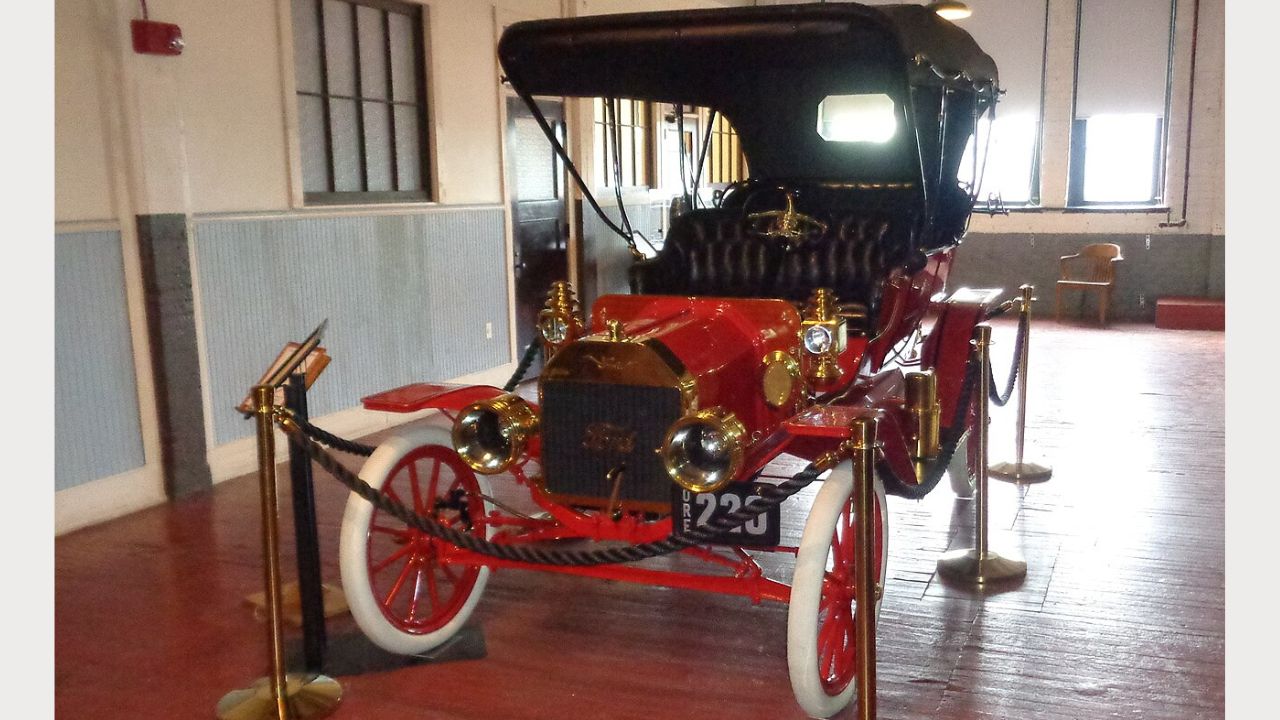
The Ford Model T transformed society by bringing affordable transportation to ordinary people on an unprecedented scale. Its simple design and mass-production methods revolutionized manufacturing across industries. Mechanics appreciated the practicality and durability that made it suitable for a wide range of conditions. The Model T became one of history’s most important cars not because of speed, but because it fundamentally changed personal mobility around the world.
AMC Pacer
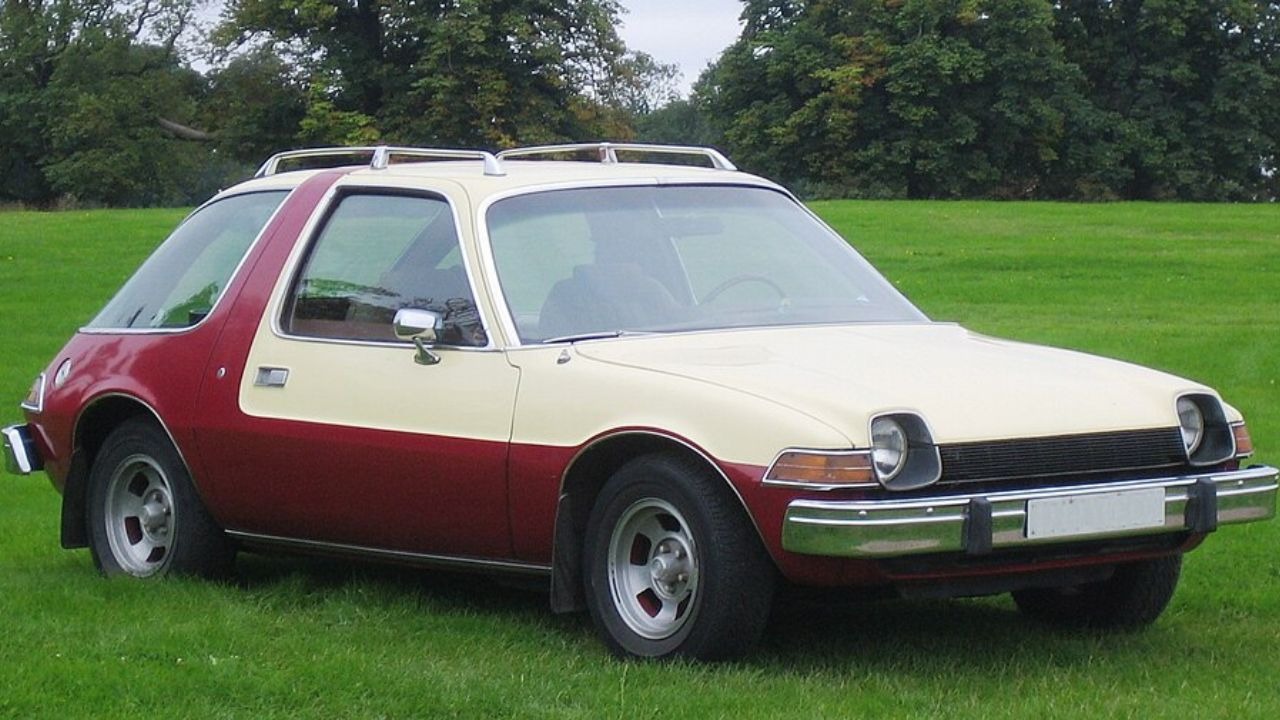
The AMC Pacer gained lasting recognition through its unconventional styling and distinctive wide-body design. Unlike anything else on the road during the 1970s, it embraced a futuristic appearance that continues to attract attention today. Mechanics appreciated its straightforward mechanical components despite the unusual exterior. The Pacer stood out because it dared to be different, becoming one of the most recognizable and talked-about designs of its era.
More from Fast Lane Only
- Unboxing the WWII Jeep in a Crate
- 15 rare Chevys collectors are quietly buying
- 10 underrated V8s still worth hunting down
- Police notice this before you even roll window down
*Research for this article included AI assistance, with all final content reviewed by human editors