Some classic vehicles inspire endless customization, while others earn respect by remaining exactly as their designers intended. Whether because of historical significance, distinctive styling, or collector value, certain classics are usually preserved rather than altered. Owners often take pride in maintaining originality, carefully protecting factory features and specifications. These vehicles have developed reputations for being most appreciated in stock form, making modifications far less common than with many other collector cars.
Jaguar E-Type
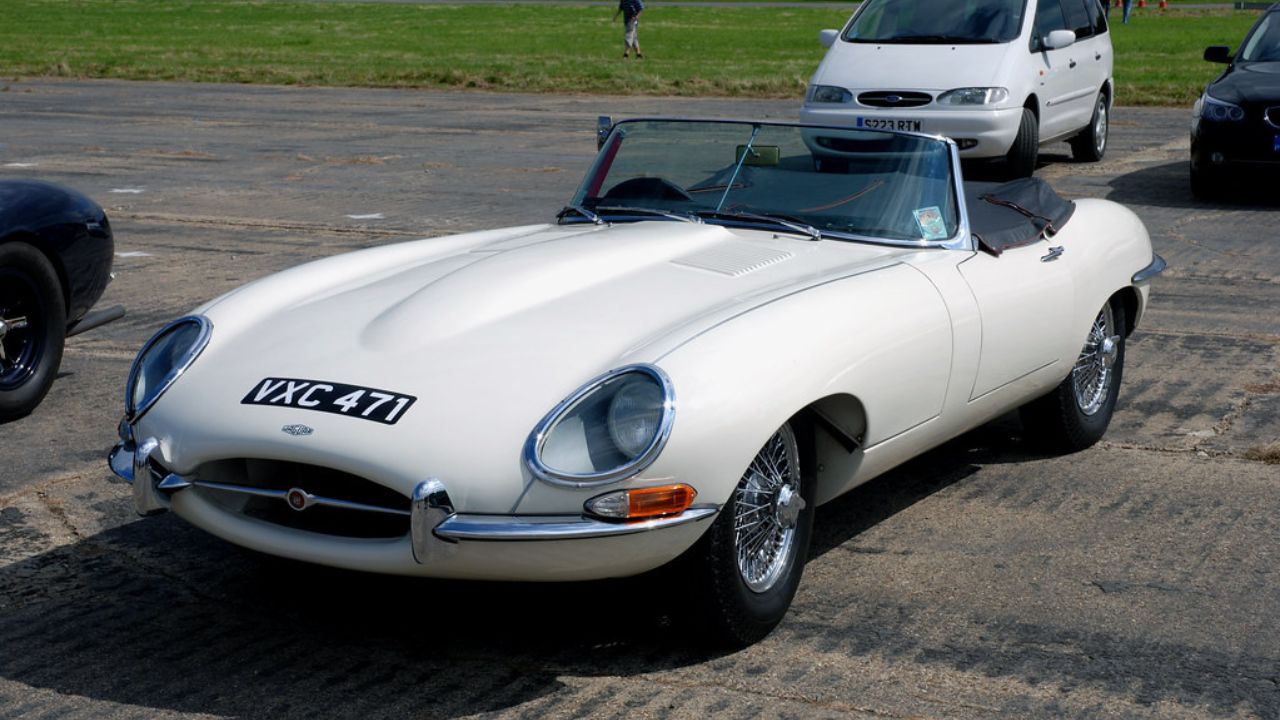
The Jaguar E-Type is widely regarded as one of the most beautiful automobiles ever created, which helps explain why owners rarely make significant modifications. Its flowing bodywork and carefully balanced proportions have become iconic in the automotive world. Enthusiasts often view the car as a work of art as much as a machine. Because originality contributes heavily to both value and historical authenticity, most owners focus on preservation and restoration rather than customization.
Mercedes-Benz 300SL Gullwing
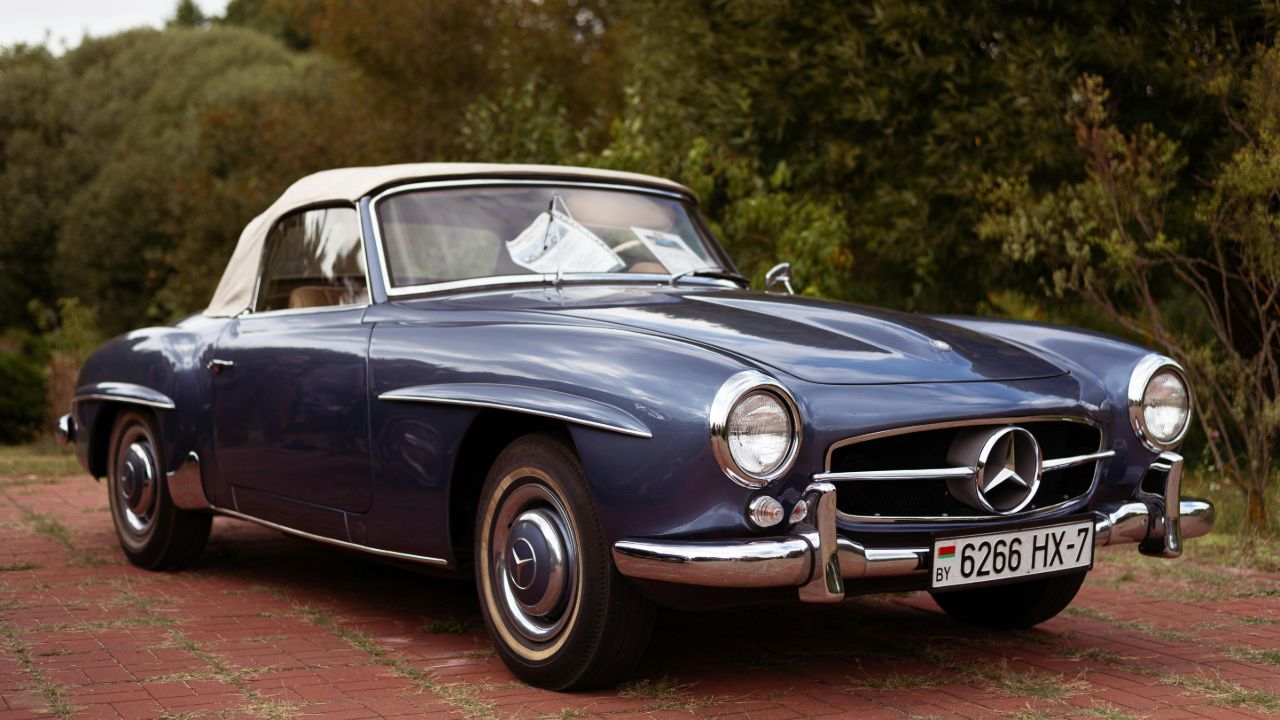
The Mercedes-Benz 300SL Gullwing occupies a special place in automotive history thanks to its advanced engineering and unforgettable design. Its distinctive doors and racing heritage make it one of the most recognizable classics ever built. Owners typically consider themselves caretakers of an important piece of automotive history rather than customizers. Because originality is closely tied to desirability and collector value, modifications are uncommon, with most examples carefully restored to factory-correct specifications whenever possible.
Toyota 2000GT
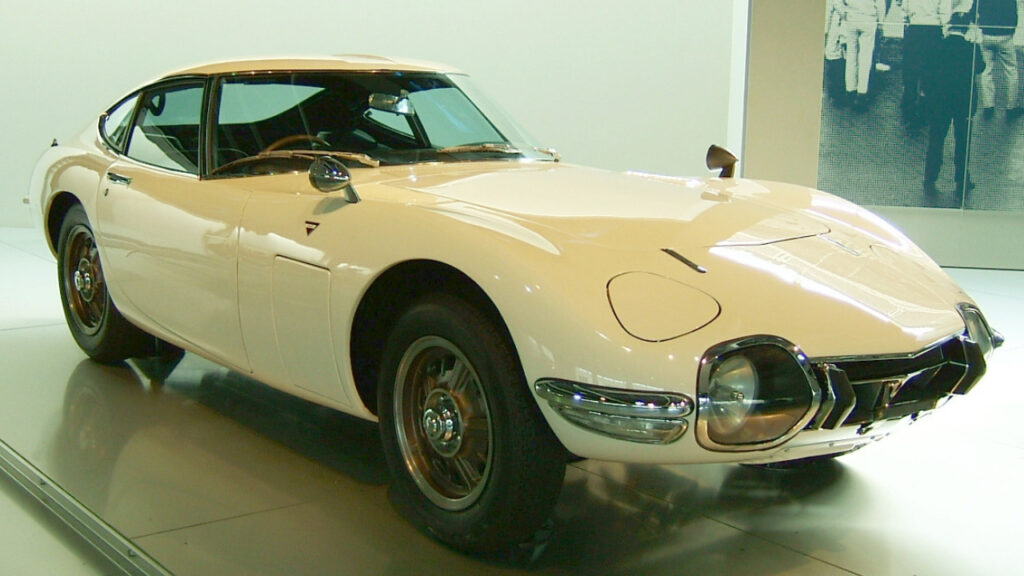
The Toyota 2000GT is one of the rarest and most significant Japanese classics ever produced. With limited production numbers and growing international recognition, owners generally prioritize authenticity over personalization. Every detail contributes to the vehicle’s historical importance and collector appeal. Because surviving examples are highly valued, modifications are often viewed as reducing both originality and significance. Most owners focus on preserving the car’s unique character exactly as it appeared when it left the factory.
Chevrolet Corvette Split-Window Coupe (1963)

The 1963 Chevrolet Corvette Split-Window Coupe stands apart because of its one-year-only rear window design. That unique feature has helped make it one of the most desirable Corvettes ever produced. Owners typically recognize the importance of preserving such a distinctive vehicle. While other Corvettes are frequently modified, the Split-Window Coupe is often maintained as close to original condition as possible. Its historical significance encourages careful restoration rather than extensive customization.
Lincoln Continental Convertible (1961–1967)
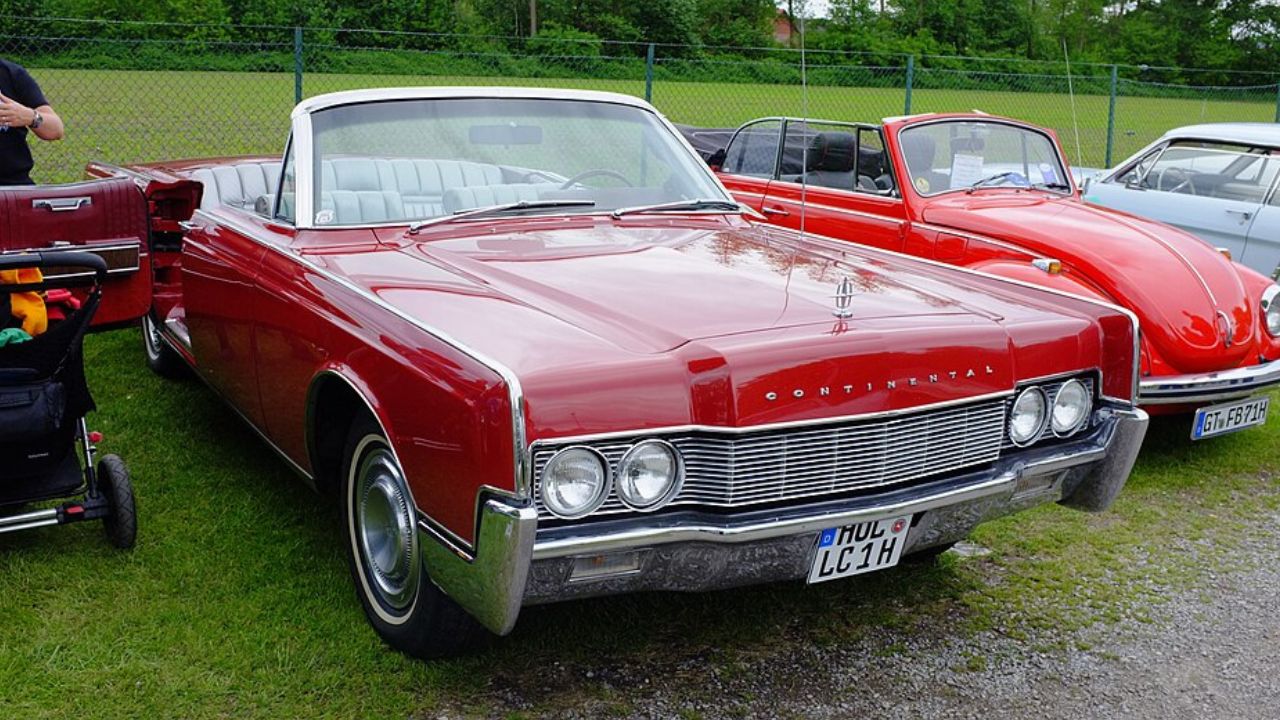
The 1961–1967 Lincoln Continental Convertible is admired for its clean styling, rear-hinged doors, and elegant design. Owners often appreciate the car’s timeless appearance and historical significance, particularly its association with important moments in American history. Because the design remains so visually striking decades later, modifications are generally considered unnecessary. Most enthusiasts prefer preserving the Continental’s original character, allowing its factory styling and engineering to speak for themselves.
Porsche 356
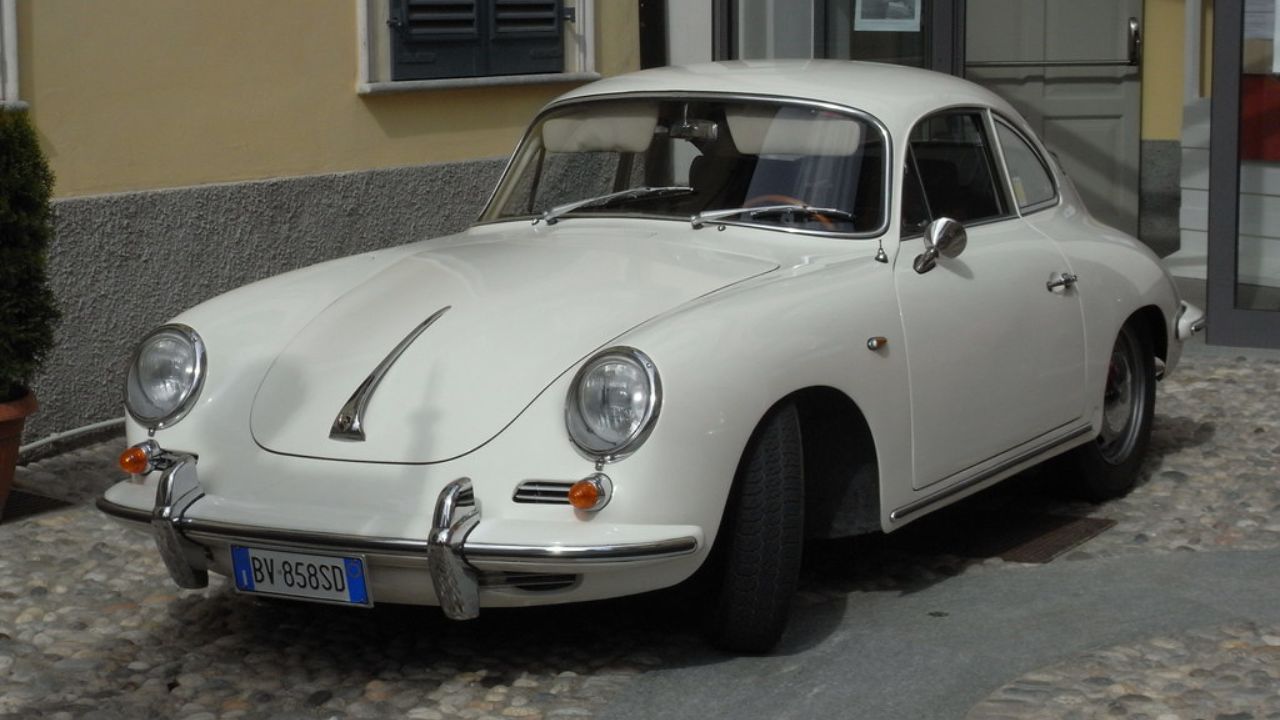
The Porsche 356 established the foundation for one of the automotive world’s most respected brands. Its simple styling and lightweight engineering remain central to its appeal. Owners often view originality as an important part of the car’s charm and historical value. Because well-preserved examples continue attracting strong collector interest, modifications are relatively uncommon. Many enthusiasts focus instead on careful maintenance and authentic restoration, ensuring the 356 remains true to its original vision.
Cadillac Eldorado Biarritz (1959)
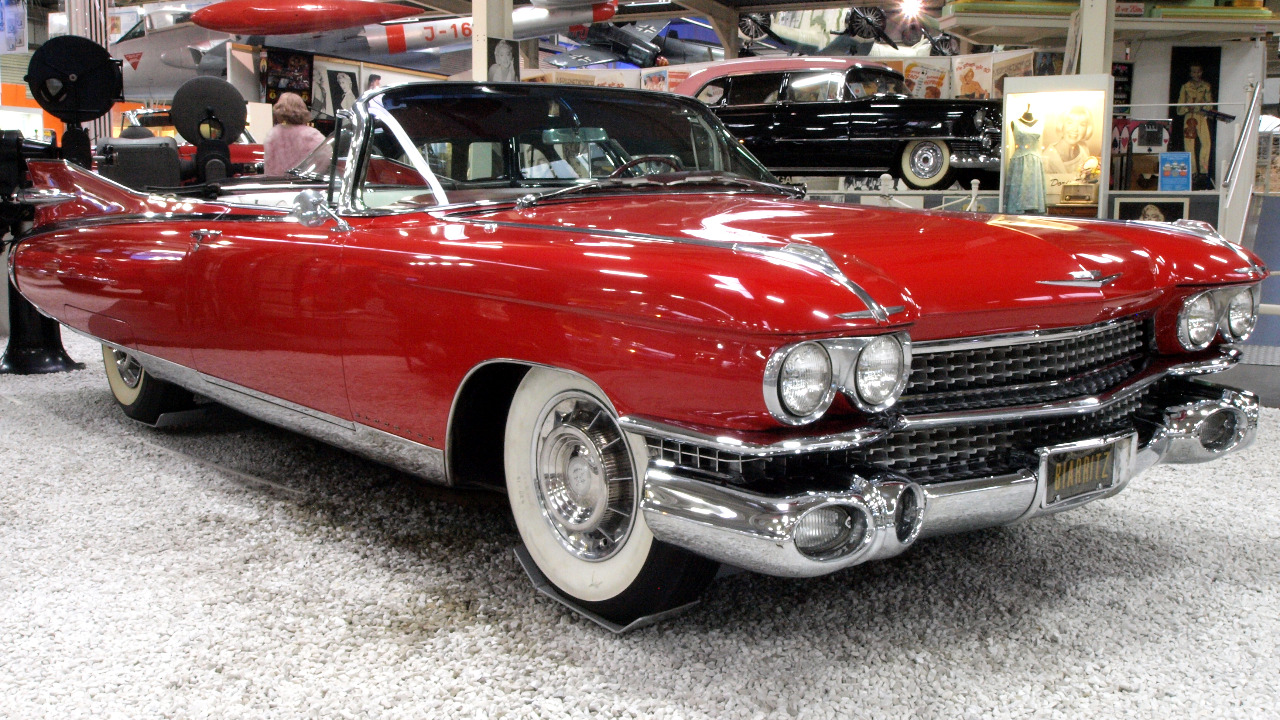
The 1959 Cadillac Eldorado Biarritz already possesses some of the most dramatic styling ever applied to an American automobile. Its enormous tailfins, extensive chrome trim, and unmistakable presence leave little room for improvement in the eyes of most collectors. Owners generally recognize that the factory design is the vehicle’s greatest strength. Rather than altering such a distinctive automobile, enthusiasts typically devote their efforts to maintaining and preserving its spectacular original appearance.
Ford Model A
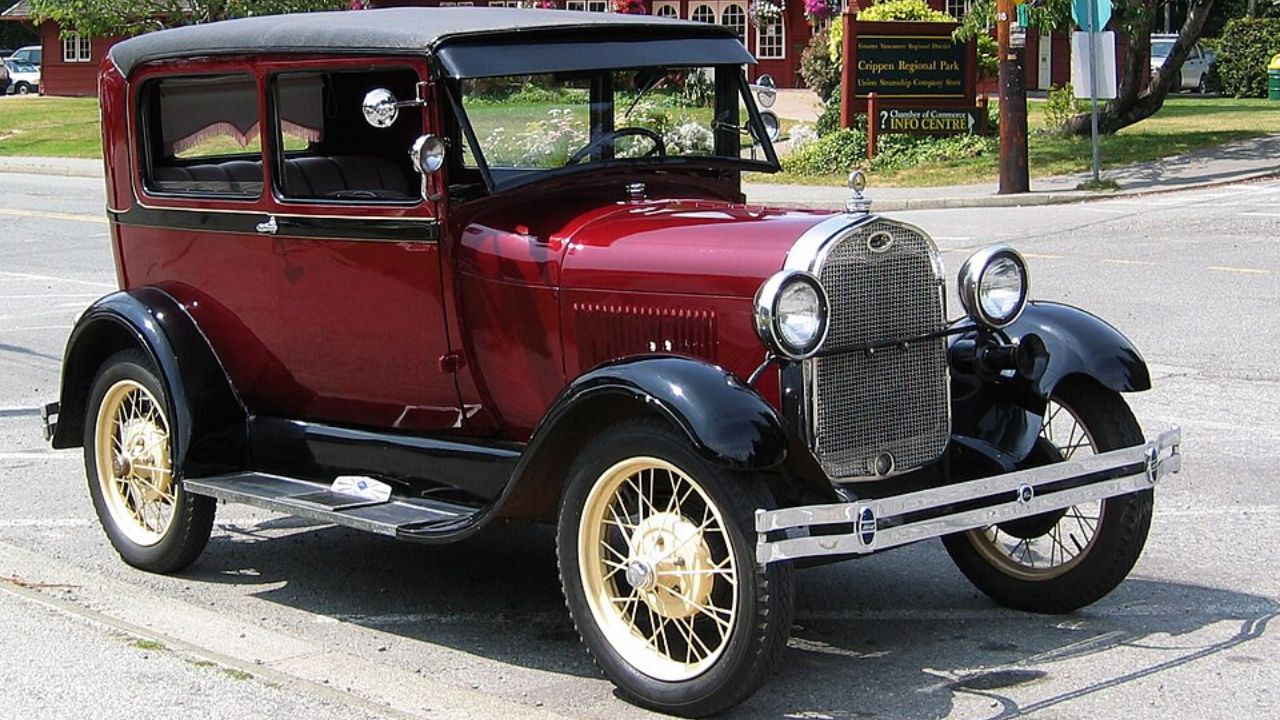
The Ford Model A represents an important chapter in automotive history, bridging the gap between early motoring and more modern vehicle design. Because of its historical significance and widespread collector support, owners often focus on authenticity. Many examples are restored using factory-correct parts and finishes whenever possible. While modifications certainly exist, enthusiasts who preserve original specifications are especially respected within the hobby. For many owners, maintaining the Model A’s historical integrity is part of its appeal.
More from Fast Lane Only
- Unboxing the WWII Jeep in a Crate
- 15 rare Chevys collectors are quietly buying
- 10 underrated V8s still worth hunting down
- Police notice this before you even roll window down
*Research for this article included AI assistance, with all final content reviewed by human editors