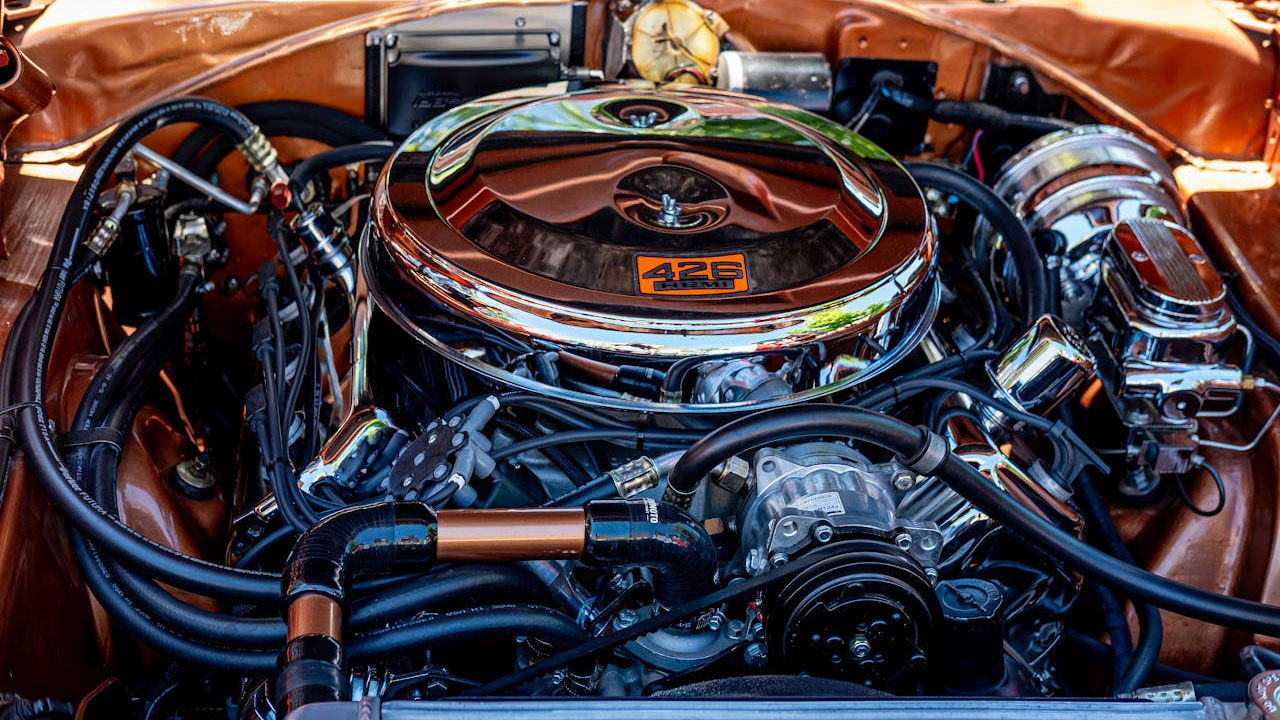
Some engines become memorable because of their sound, appearance, engineering, or performance. Long after production ended, these powerplants continue attracting attention at car shows, restoration shops, and enthusiast gatherings. Their distinctive designs and historical importance helped turn them into automotive icons that remain fascinating even when displayed outside their original vehicles.
Chevrolet 409
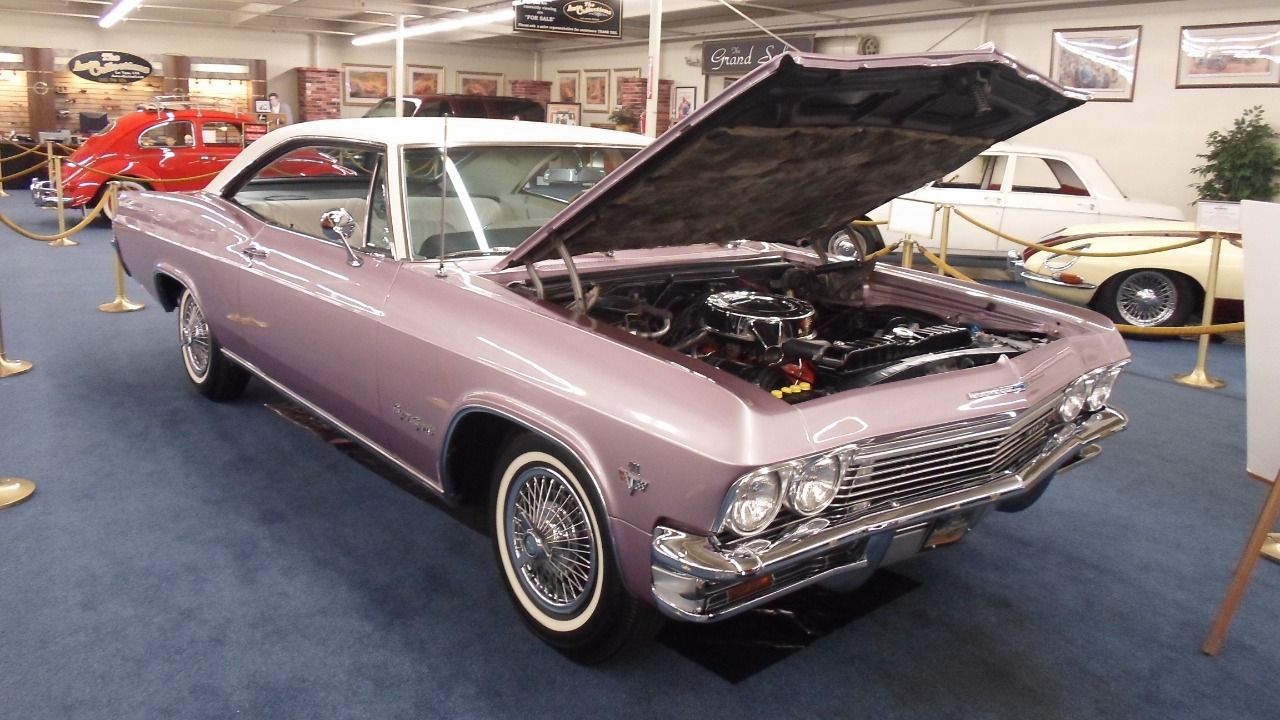
The Chevrolet 409 became famous for its role in the early 1960s performance era. Its distinctive valve covers, large displacement, and strong V8 character made it an important Chevrolet engine. The 409 gained additional cultural recognition through popular music, helping cement its place in American car history. Today, restored examples attract attention because they represent an important period in the development of Chevrolet’s performance engines.
Ford 427 SOHC
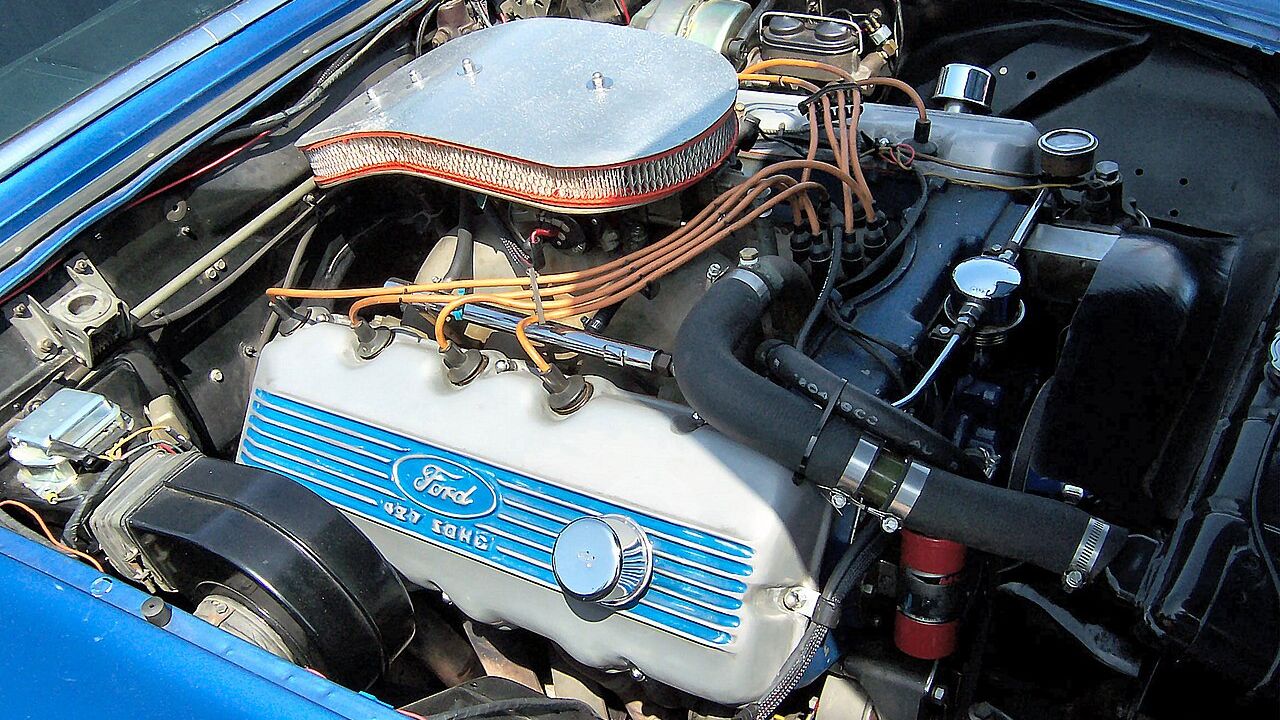
The Ford 427 SOHC became one of the most unusual American performance engines of its time. Its overhead-cam configuration was developed for serious competition and gave the big-block Ford an unmistakable appearance. The enormous valve covers and complex cylinder-head design immediately separate it from ordinary V8s. Because production was limited and the engine was closely associated with racing, authentic examples remain highly interesting to enthusiasts.
Chrysler 426 Hemi
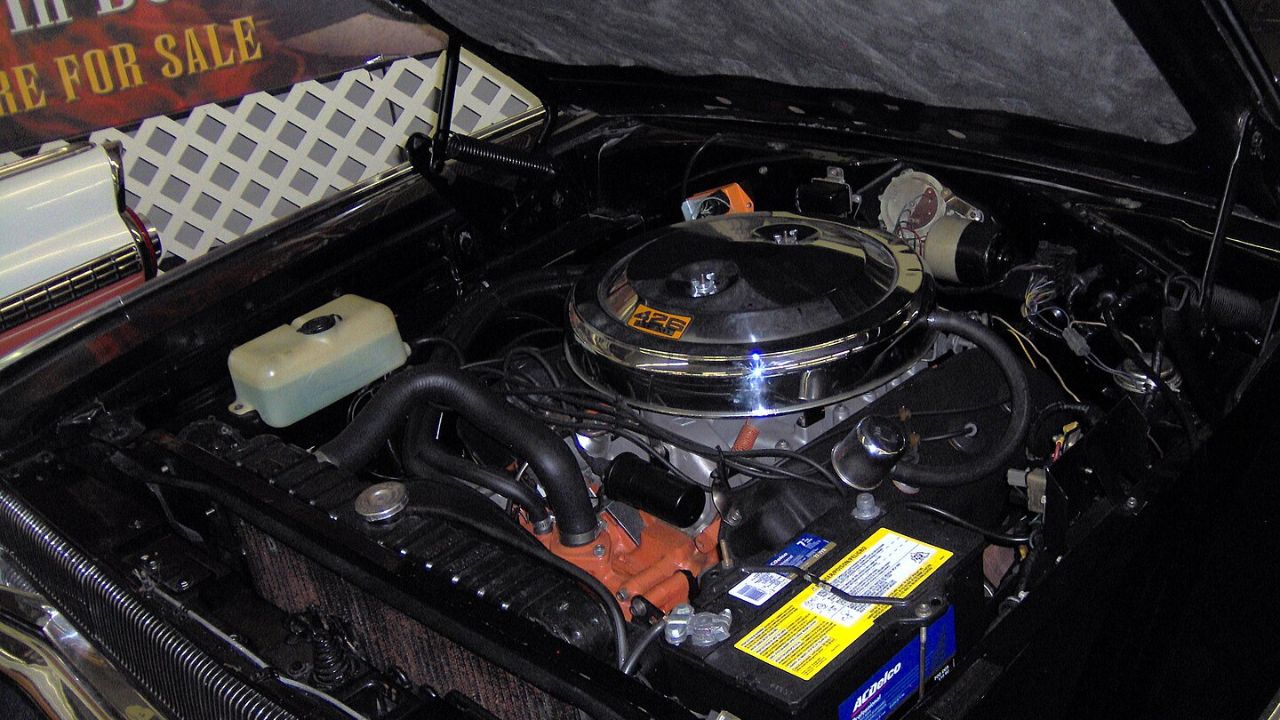
The Chrysler 426 Hemi became one of the most famous American performance engines ever built. Its hemispherical combustion chambers, large cylinder heads, and powerful V8 configuration helped it dominate drag racing and muscle-car discussions. The engine’s visual appearance is almost as recognizable as its performance reputation. Today, the 426 Hemi remains a centerpiece at classic-car shows and a highly respected piece of American engineering history.
Pontiac 421
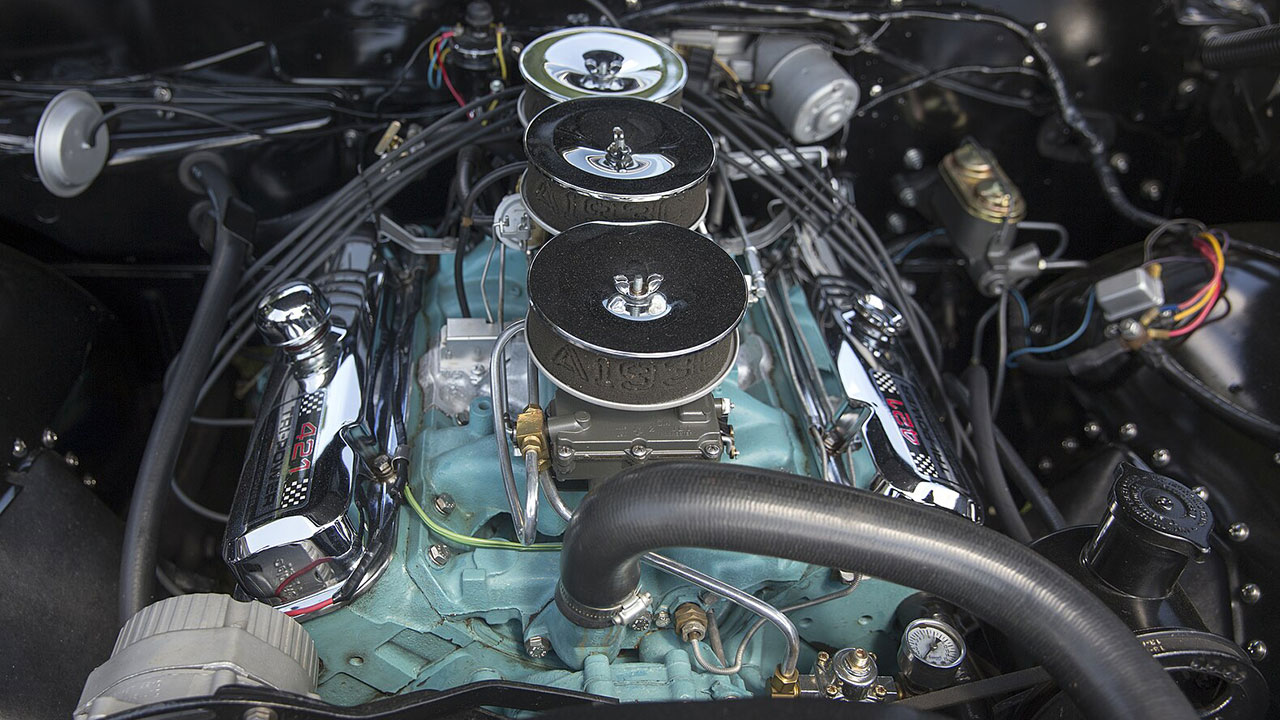
The Pontiac 421 became an important part of Pontiac’s rise as a performance-focused division. Its large displacement and strong torque made it ideal for full-size Pontiacs and high-performance applications. Distinctive valve covers and substantial physical dimensions give the engine a commanding appearance when displayed. Enthusiasts appreciate the 421 because it represents Pontiac’s transition from a conservative brand into one of America’s major performance divisions.
Oldsmobile 455
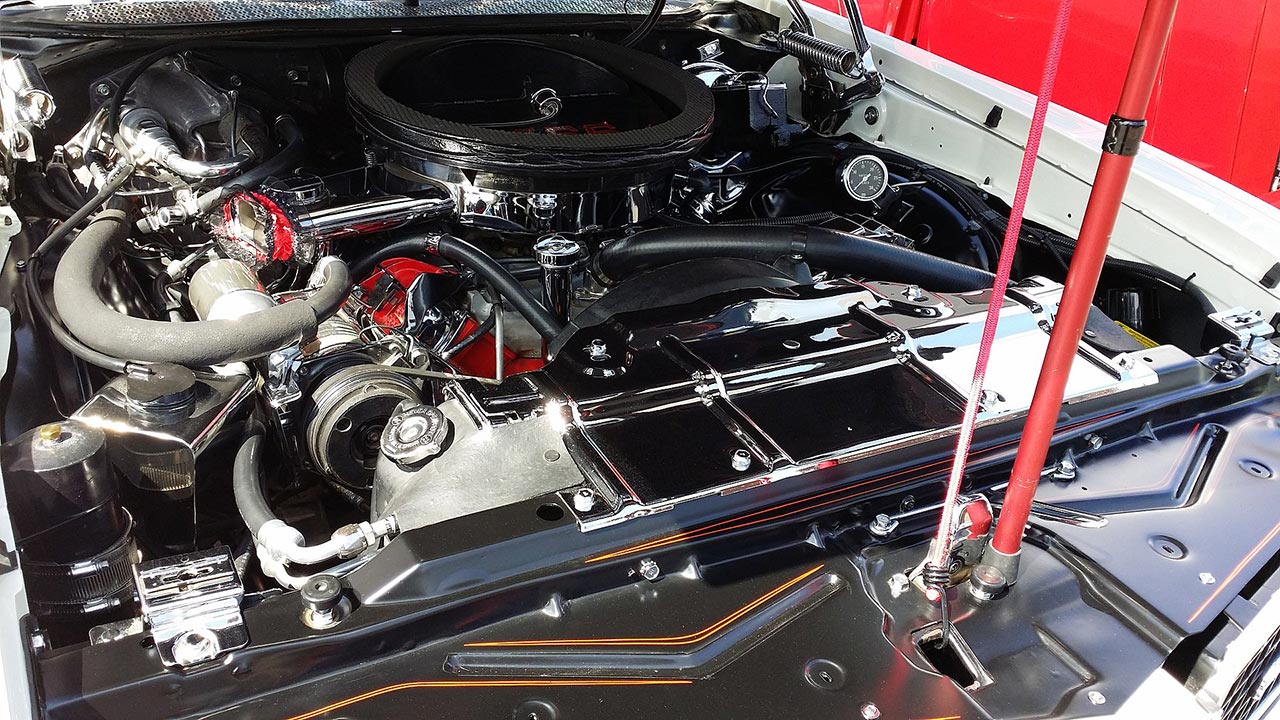
The Oldsmobile 455 became famous for delivering enormous torque from a large-displacement V8. Its broad powerband made it useful in heavy cars while also giving performance versions serious acceleration. The engine was available in several applications, including highly regarded performance variants. Its large physical presence and traditional American V8 appearance make restored 455 engines particularly impressive at classic-car gatherings.
Buick 455
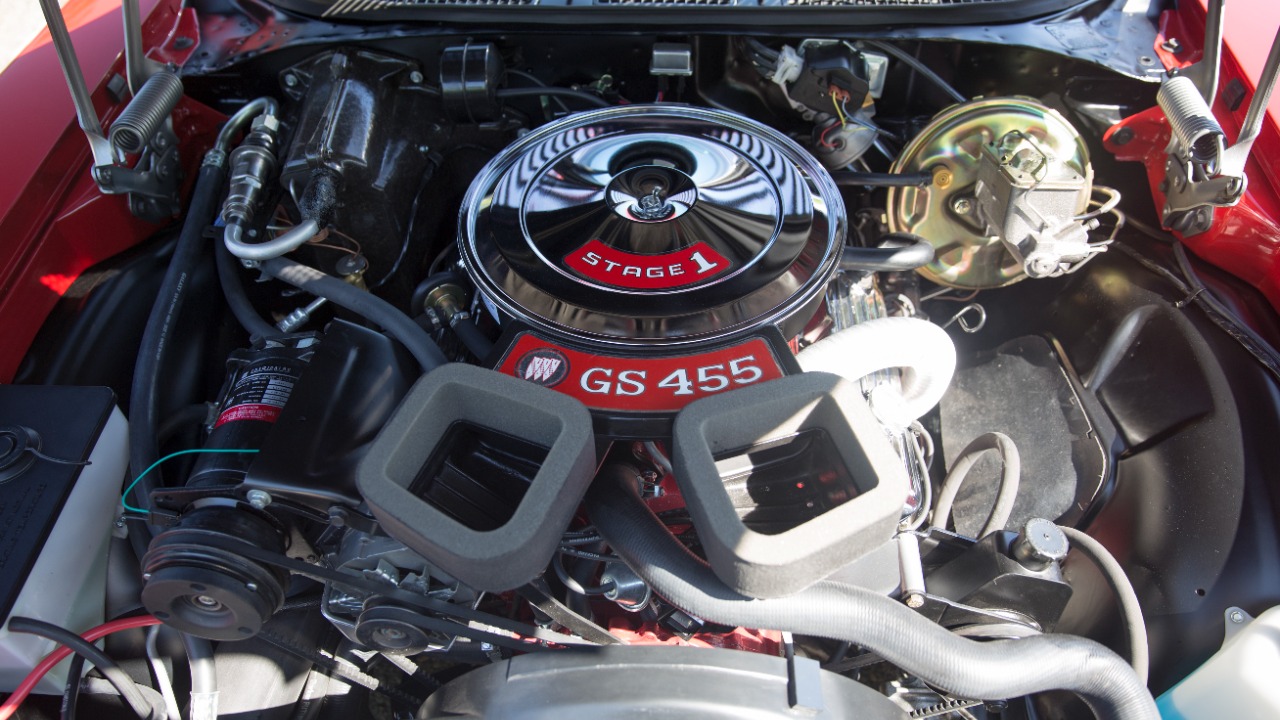
The Buick 455 developed a reputation for producing substantial torque while using an unusually lightweight big-block design. Performance versions such as the Stage 1 made the engine especially important during the muscle-car era. Its distinctive appearance and relatively uncommon presence compared with Chevrolet and Ford engines help it stand out today. Collectors and enthusiasts appreciate the Buick 455 for its combination of engineering originality and strong performance.
BMW M88
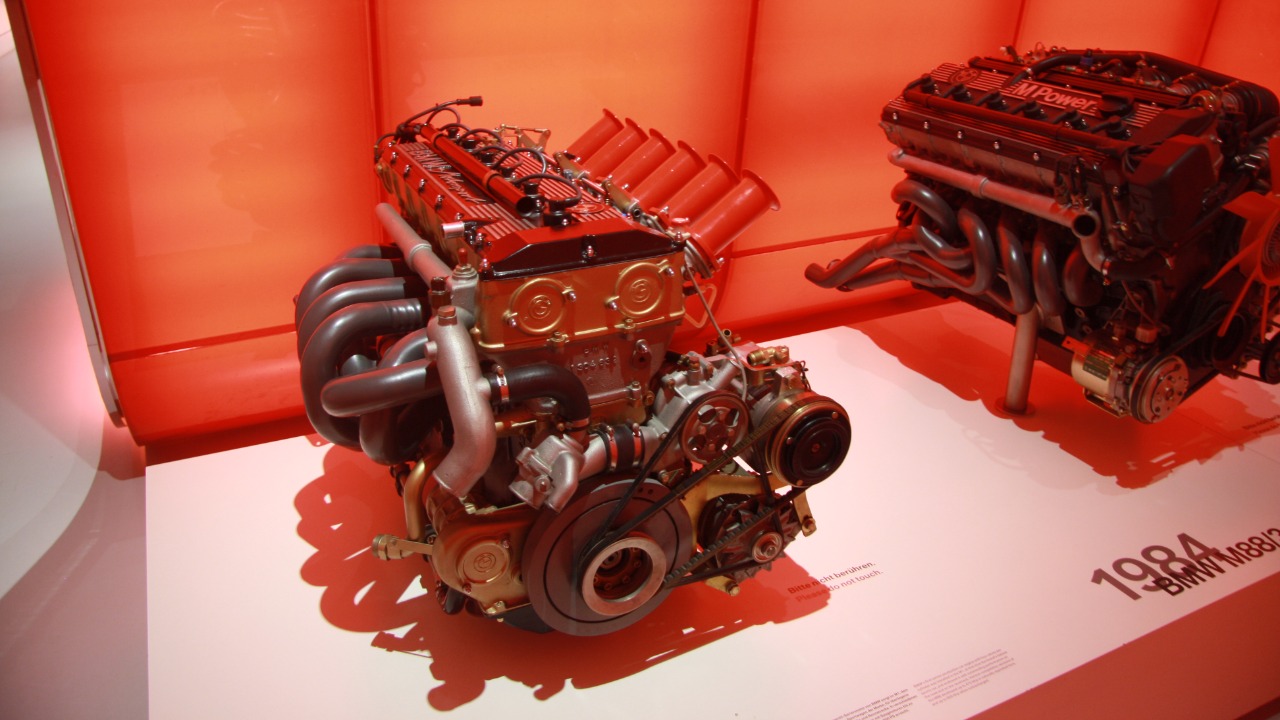
The BMW M88 became a celebrated high-performance inline-six associated with some of BMW’s most important performance cars. Its smooth power delivery, high-revving character, and advanced engineering helped establish BMW’s reputation for sophisticated performance engines. The engine’s clean appearance is very different from a large American V8, but it remains visually and mechanically impressive. Today, the M88 attracts attention from enthusiasts who appreciate classic European engineering.
Toyota 2JZ-GTE
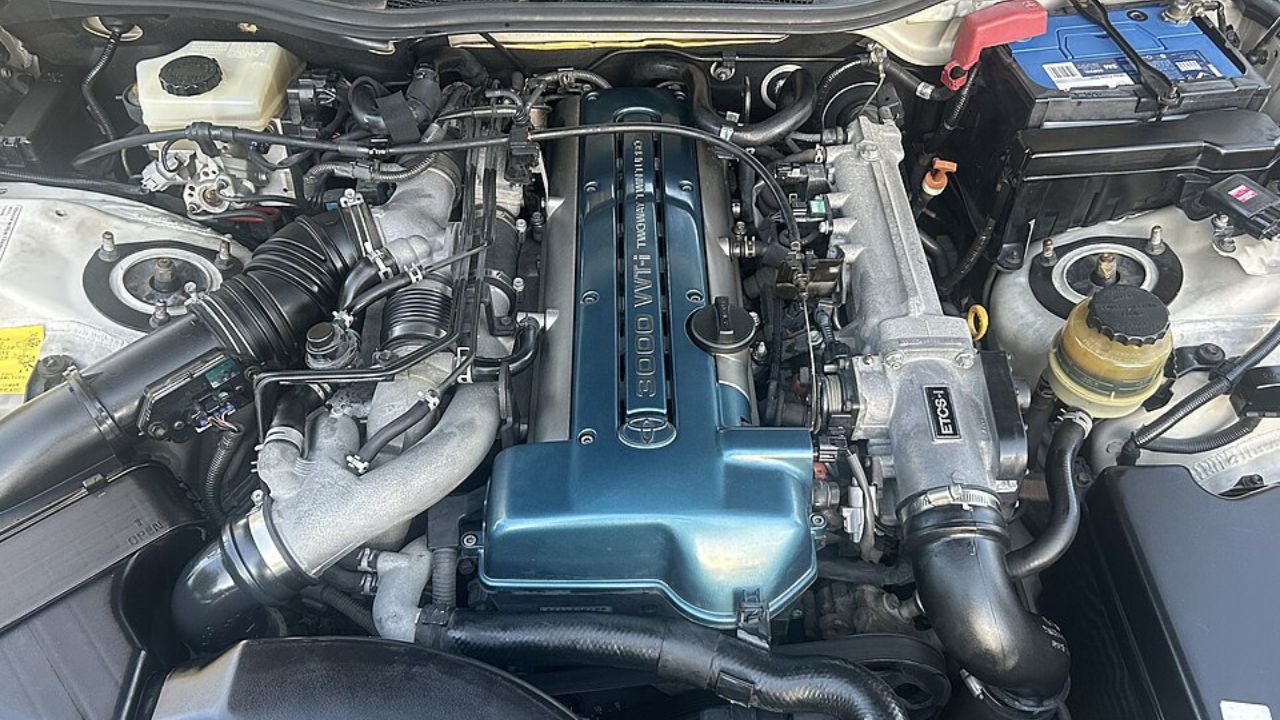
The Toyota 2JZ-GTE became famous for its strong inline-six architecture and twin-turbocharged performance. Originally developed for the Supra, the engine gained an enormous following among tuners because of its ability to support significant power when properly built and tuned. Its clean layout and recognizable intake and turbo arrangement make it interesting even when displayed outside the car. Few Japanese engines have achieved a comparable enthusiast reputation.
Ferrari Colombo V12

The Ferrari Colombo V12 became one of the defining engines of Ferrari’s early road-car history. Its compact V12 configuration provided smooth power and a distinctive mechanical appearance. Developed by engineer Gioachino Colombo, the engine powered numerous important Ferrari models and evolved through many versions. Today, a Colombo V12 attracts attention simply because it represents the engineering philosophy that helped establish Ferrari as one of the world’s most respected performance-car manufacturers.
Lamborghini V12
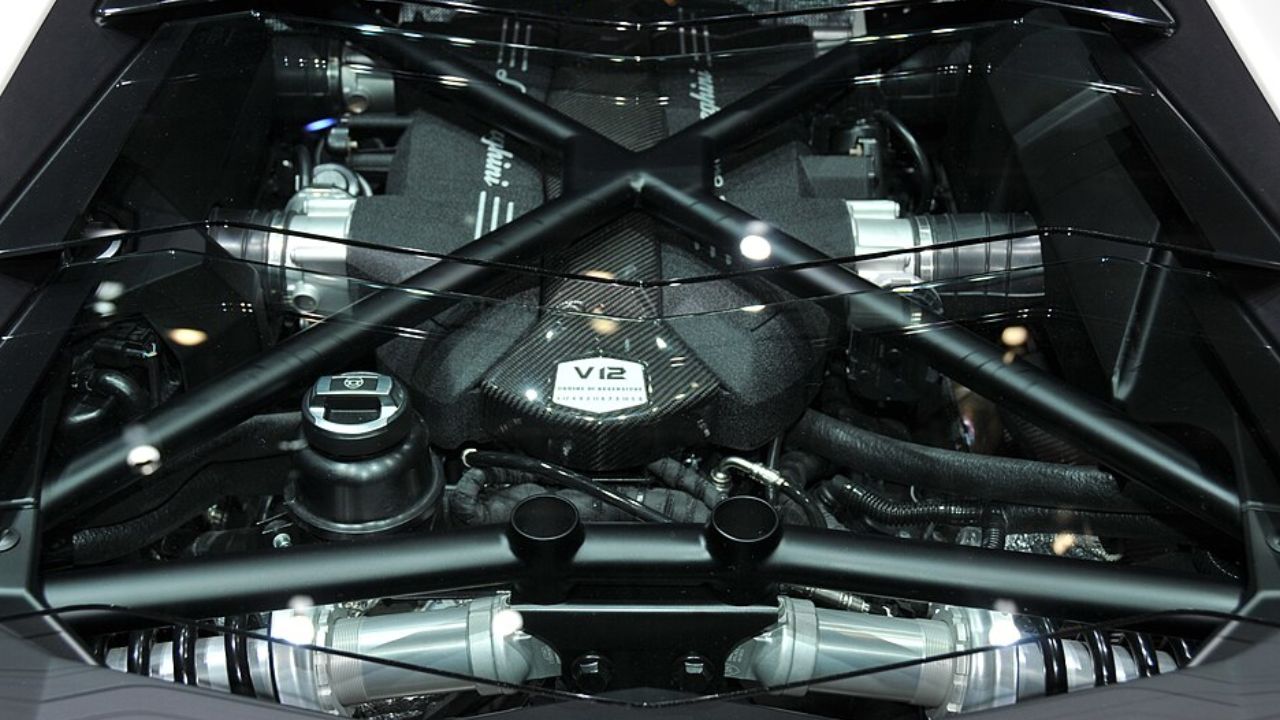
The original Lamborghini V12 became one of the most recognizable high-performance engines in automotive history. Its twelve-cylinder configuration, dramatic mechanical layout, and association with legendary Lamborghini models gave it enormous visual and historical appeal. The engine evolved considerably over its long production life while retaining its basic identity. Even when displayed separately from a car, a classic Lamborghini V12 can immediately attract the attention of enthusiasts.
More from Fast Lane Only
- Unboxing the WWII Jeep in a Crate
- 15 rare Chevys collectors are quietly buying
- 10 underrated V8s still worth hunting down
- Police notice this before you even roll window down
*Research for this article included AI assistance, with all final content reviewed by human editors