Concept cars are the dreams of the automotive world, offering a glimpse into what the future of driving could be. These vehicles showcase the latest in design and technology, but unfortunately, many never make it to production. Here’s a look at some of the most intriguing concept cars that should have been built.
Ford GT90
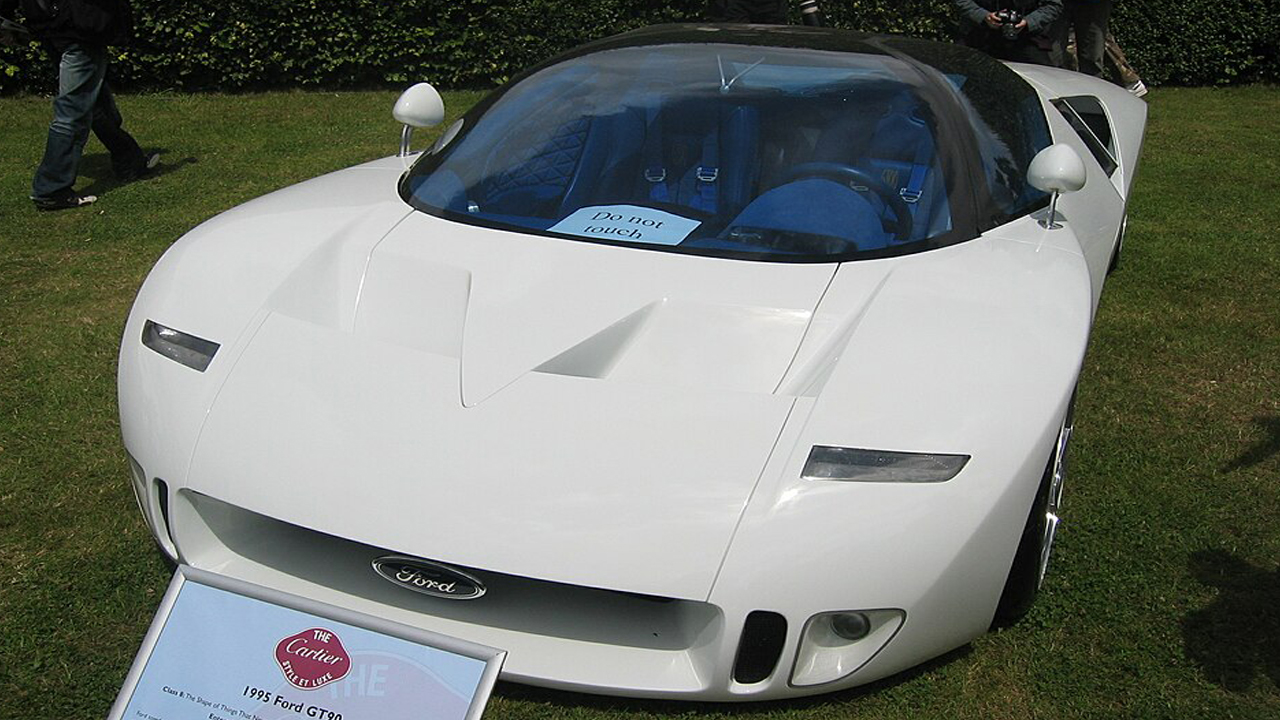
In 1995, Ford unveiled the GT90, a concept car that took inspiration from the legendary GT40. The GT90 was a futuristic supercar powered by a 720-horsepower V12 engine, which was essentially four cylinders more than the GT40’s V8. Its angular design and advanced aerodynamics were ahead of its time, capturing the imagination of car enthusiasts worldwide. Despite its appeal, the GT90 never made it to production, leaving fans wondering what could have been.
The GT90 was more than just a pretty face; it was a showcase of Ford’s engineering prowess. The car featured a carbon fiber body and an innovative suspension system that promised exceptional handling and performance. Although it remained a concept, the GT90’s influence can be seen in later Ford models, particularly in the design of the 2005 Ford GT.
BMW GINA
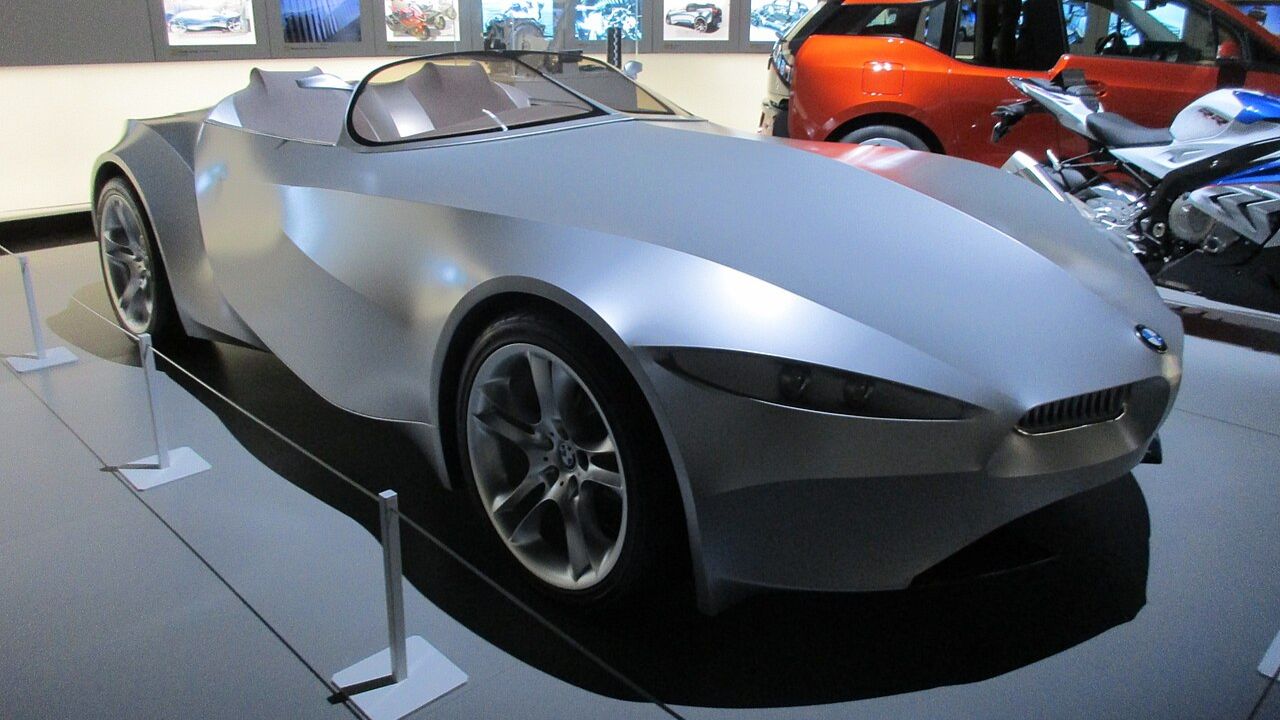
The BMW GINA Light Visionary Model, introduced in 2008, was not your typical concept car. Its most striking feature was the flexible fabric skin stretched over a moveable substructure, allowing the car to change shapes and adapt to different driving conditions. This innovative design challenged the traditional norms of car manufacturing and hinted at a future where cars could be more dynamic and interactive.
While the GINA’s unique design never made it to production, its influence is evident in BMW’s approach to design and technology. The concept encouraged the exploration of new materials and manufacturing techniques, and its spirit of innovation continues to inspire the brand’s future models.
Chrysler ME Four-Twelve
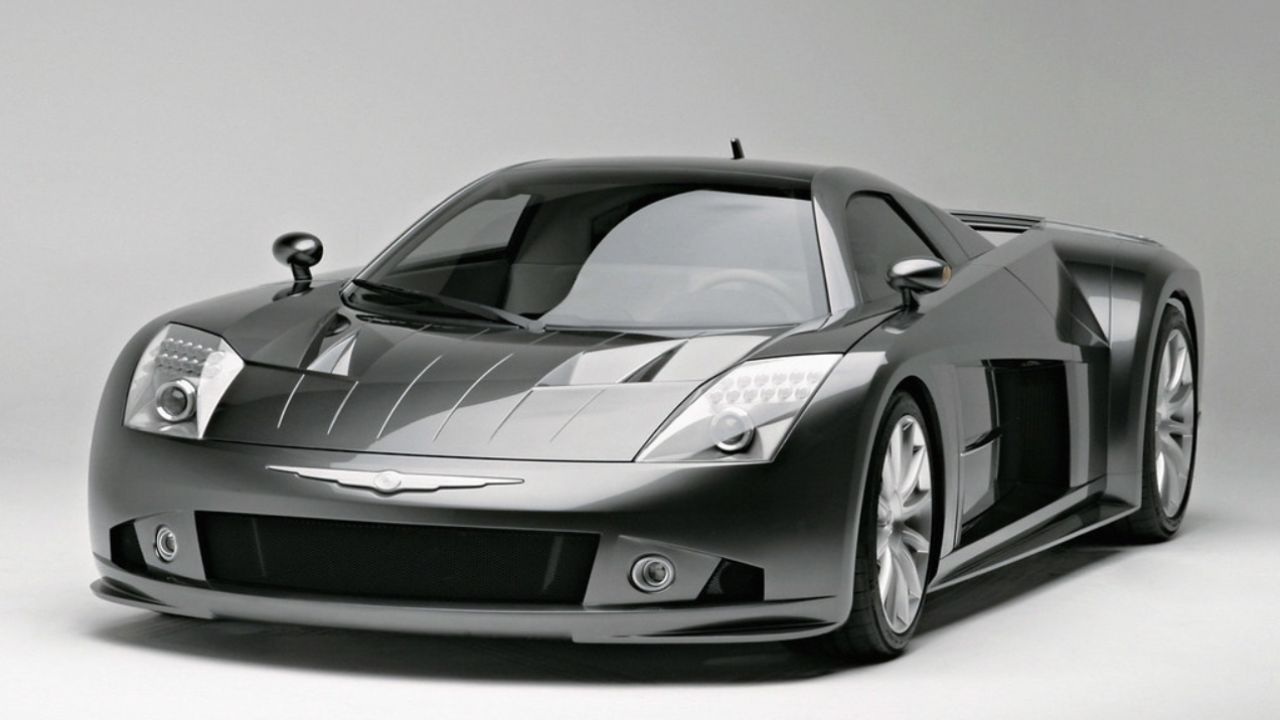
In 2004, Chrysler introduced the ME Four-Twelve, a hypercar that promised to redefine performance. Equipped with a quad-turbocharged V12 engine producing 850 horsepower, the car was capable of reaching speeds over 240 mph. Its lightweight construction and advanced aerodynamics were designed to deliver an unparalleled driving experience.
Despite generating significant excitement, the ME Four-Twelve never saw production. It remains a testament to Chrysler’s ability to push the boundaries of automotive engineering. The car’s design and performance capabilities still capture the imagination of car enthusiasts who wonder what might have been if it had hit the roads.
Saab Aero-X
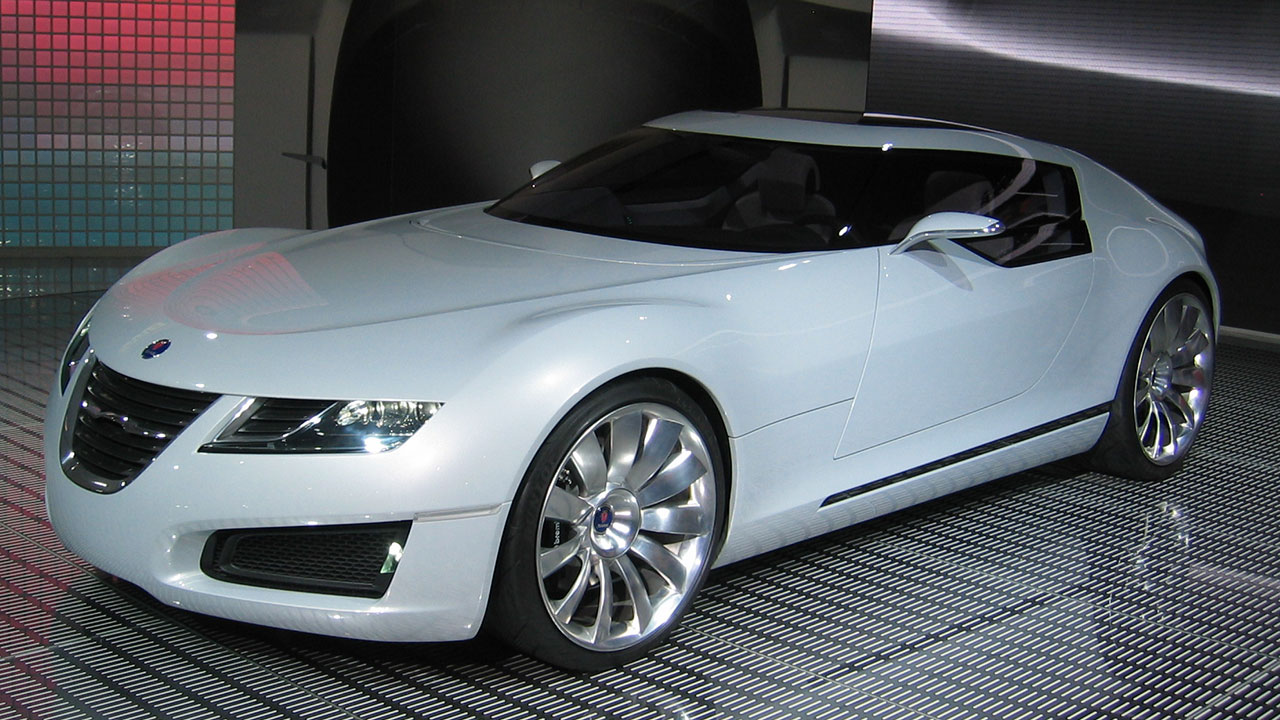
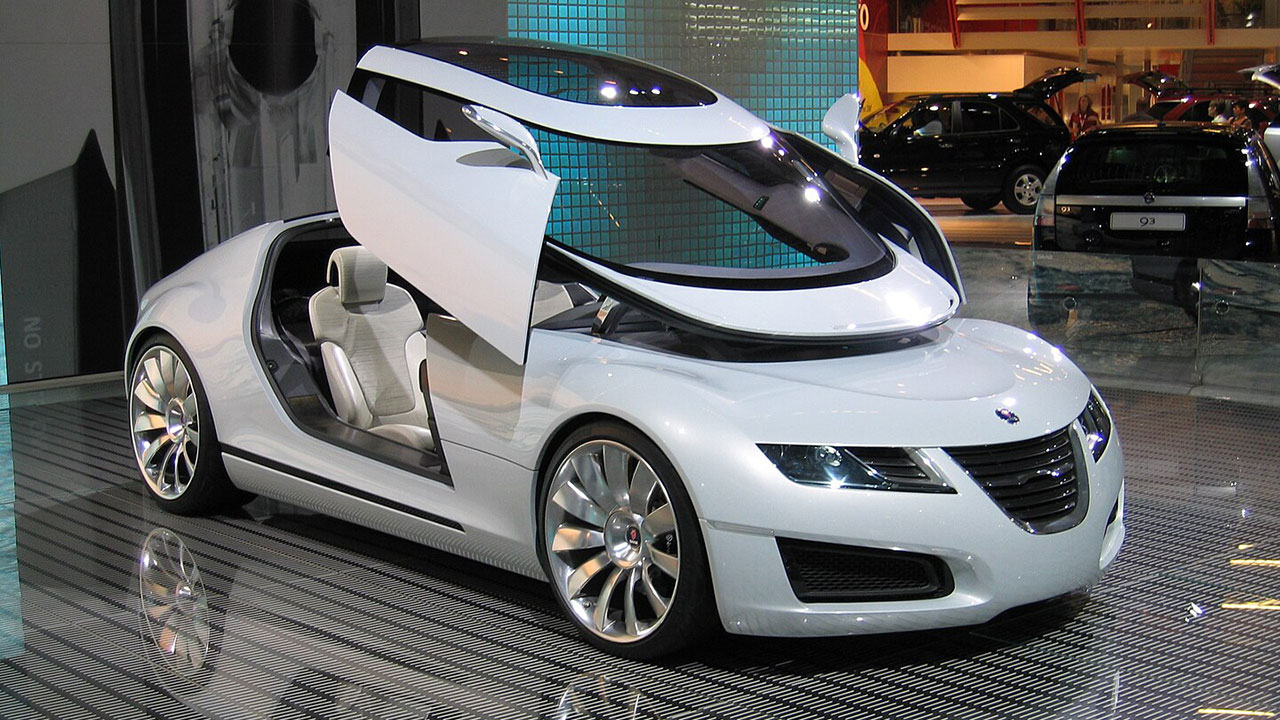
Debuting in 2006, the Saab Aero-X was a concept car that combined futuristic design with innovative technology. Its most notable feature was the cockpit-like canopy, which replaced traditional doors and provided a unique entry experience. Powered by a twin-turbocharged V6 engine running on bioethanol, the Aero-X was Saab’s vision of a sustainable, high-performance vehicle.
Although the Aero-X never made it to production, its influence is still felt within the automotive industry. The concept embodied Saab’s commitment to sustainability and innovation, inspiring other manufacturers to consider alternative fuels and unconventional designs in their own vehicles.
Cadillac Cien
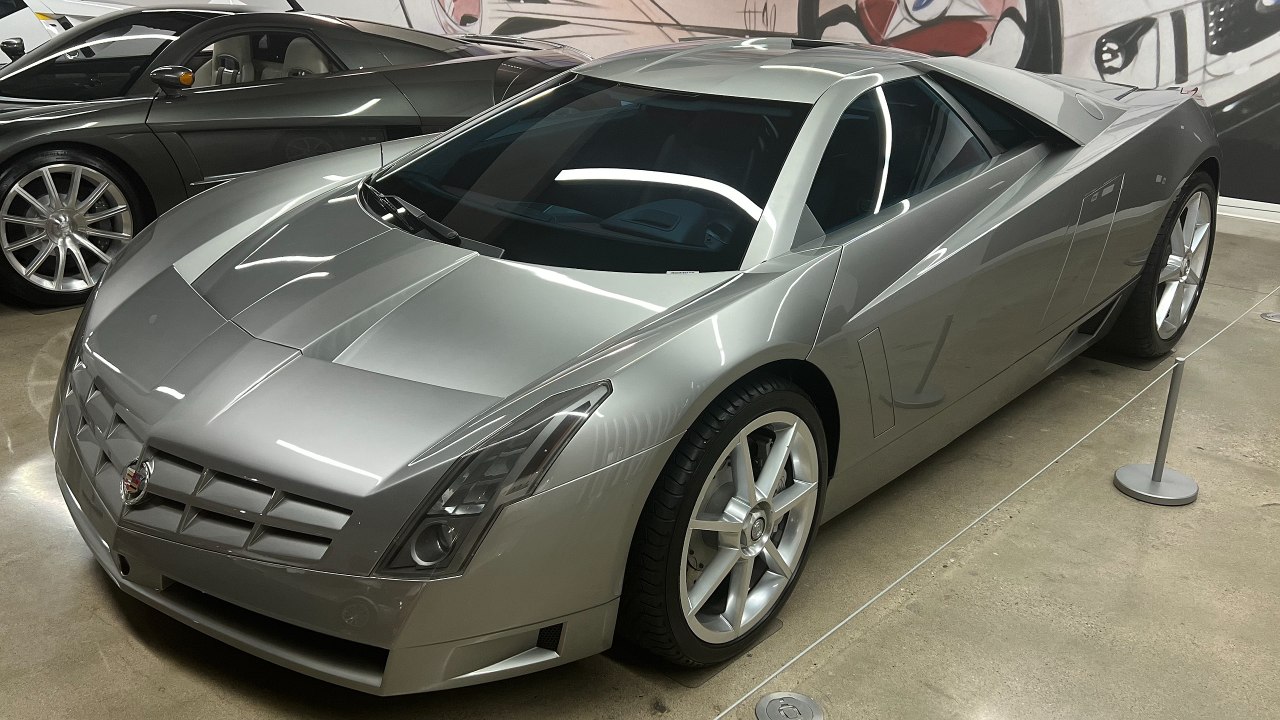
The Cadillac Cien, unveiled in 2002, was a celebration of Cadillac’s 100-year anniversary. Powered by a 7.5-liter V12 engine producing 750 horsepower, the Cien was a high-performance machine wrapped in a sleek, aerodynamic package. Its aggressive design and advanced technology made it an instant hit among car enthusiasts.
Despite its popularity, the Cien never transitioned from concept to production. However, the car influenced Cadillac’s design language and technological advancements in subsequent models. The Cien remains a symbol of Cadillac’s potential to produce world-class supercars.
Nissan IDx
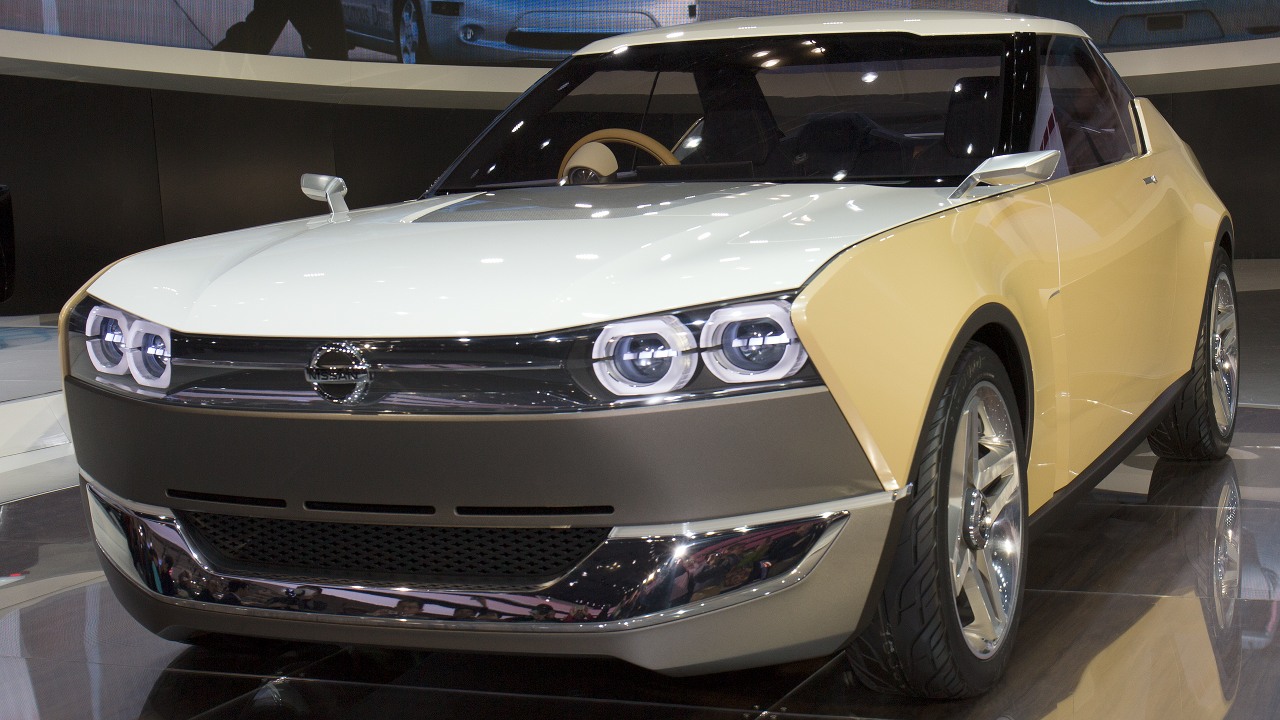
Introduced in 2013, the Nissan IDx concepts, including the IDx Freeflow and IDx NISMO, were a nod to the brand’s heritage. With retro-inspired design elements reminiscent of the Datsun 510, these cars aimed to capture the hearts of enthusiasts seeking a modern yet nostalgic driving experience. The IDx NISMO, in particular, promised sporty performance with its aggressive styling and turbocharged engine.
Fans eagerly anticipated the production of the IDx, but Nissan ultimately decided against it. However, the concept’s blend of retro aesthetics and modern features continues to inspire Nissan’s design strategy, appealing to a new generation of car enthusiasts.
Jaguar C-X75
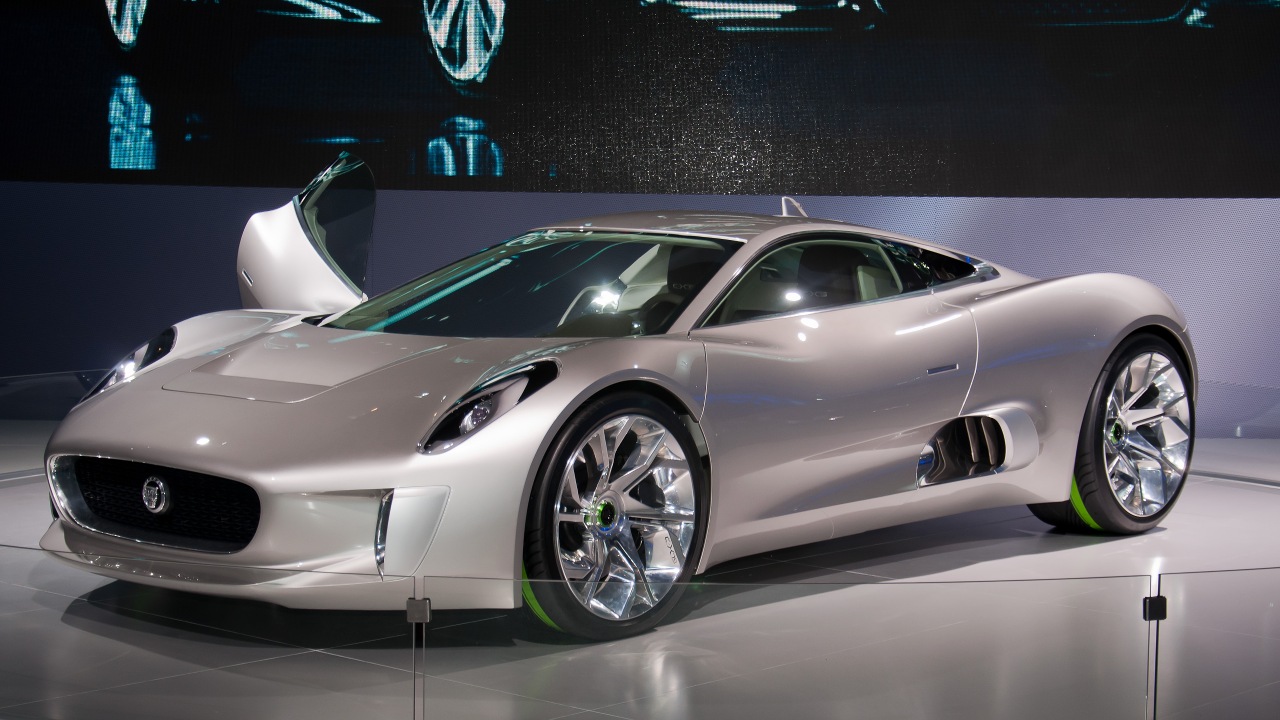
The Jaguar C-X75, revealed in 2010, was a hybrid supercar concept that combined breathtaking design with cutting-edge technology. Featuring a 1.6-liter turbocharged and supercharged engine paired with electric motors, the C-X75 aimed to deliver both high performance and efficiency. Its design was nothing short of stunning, with sleek lines and a futuristic silhouette.
Despite plans for limited production, the C-X75 was ultimately shelved. However, its legacy lives on, influencing Jaguar’s approach to hybrid technology and design. The car’s appearance in the James Bond film “Spectre” further cemented its status as a symbol of automotive excellence.
Volkswagen W12 Nardo
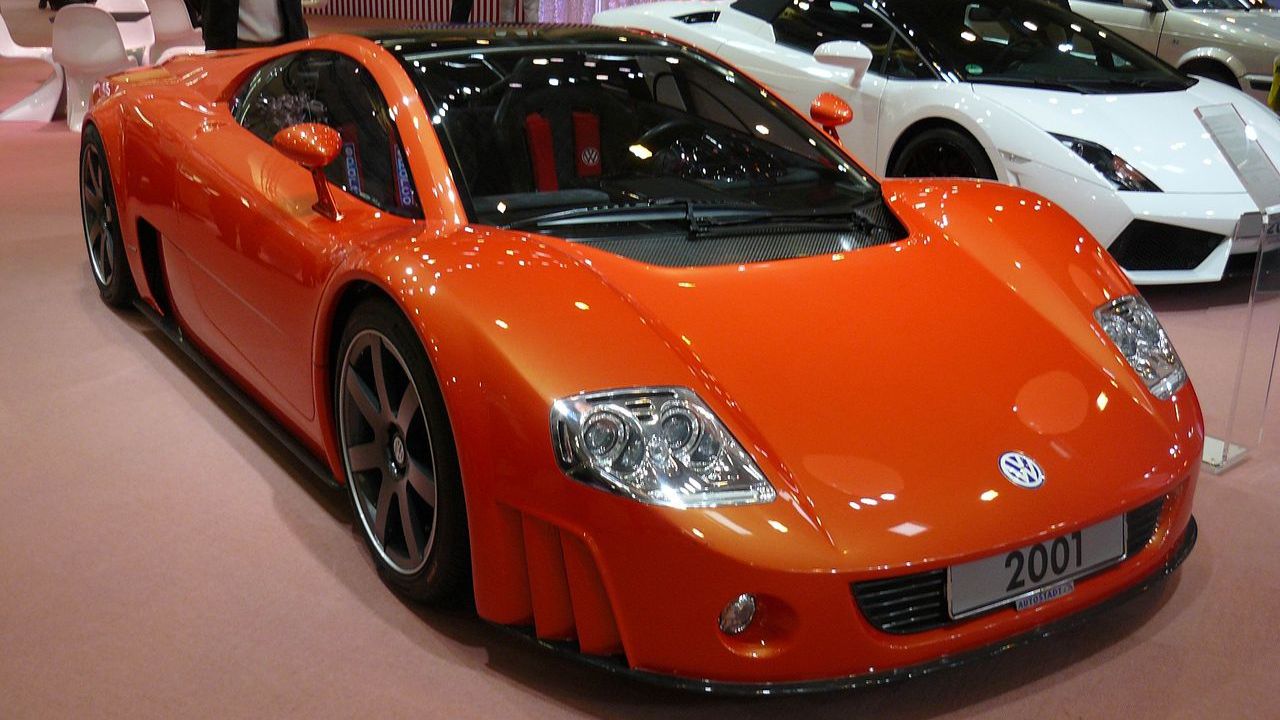
The Volkswagen W12 Nardo, introduced in 2001, was a supercar concept designed to showcase VW’s engineering capabilities. Powered by a 6.0-liter W12 engine producing 600 horsepower, the Nardo was capable of reaching speeds over 220 mph. Its sleek design and impressive performance made it a standout at auto shows.
Although it never made it to production, the W12 Nardo set several speed records and demonstrated the potential of VW’s W engine configuration. The concept’s influence can be seen in later VW Group vehicles, highlighting its lasting impact on the automotive world.
Like Fast Lane Only’s content? Be sure to follow us.
Here’s more from us:
*Created with AI assistance and editor review.