The Chevrolet small block 350 engine has long been a staple in American automotive culture, often overshadowed by its legendary status. Despite its humble beginnings, this engine has quietly delivered more horsepower than many buyers ever realized, making it a true icon in the world of performance engines.
The Origins of the Small Block 350
The Chevrolet small block family traces its roots back to 1955, when the first generation of small block V8s was introduced. However, it wasn’t until the early 1960s that the small block 350 engine was born, emerging as a refined version of its predecessors. The 350 was officially introduced in 1967, and from the outset, it was designed to be a versatile powerhouse that could meet the needs of a diverse range of vehicles, from family cars to high-performance muscle cars. The engine quickly became a mainstay in Chevrolet’s lineup, solidifying its reputation as one of the best engines in its class.
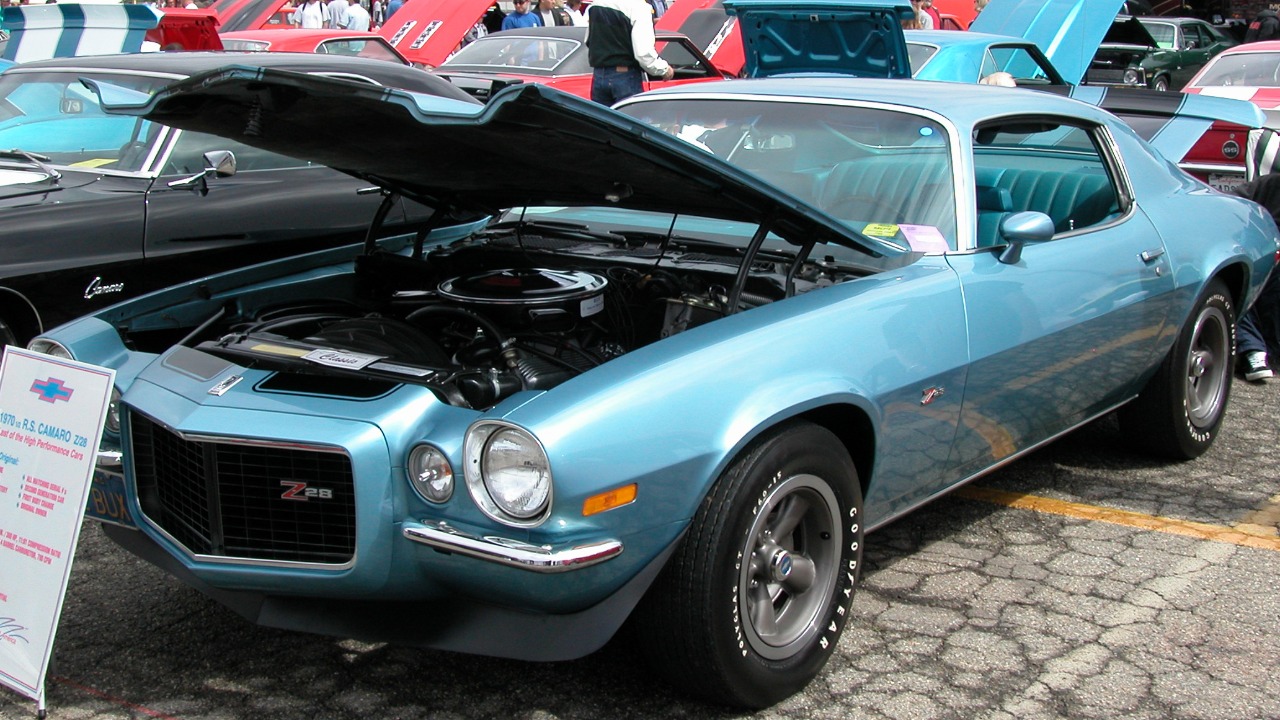
What set the 350 apart from earlier small block versions were its unique engineering features. It boasted a larger 4.00-inch bore and a 3.48-inch stroke, optimizing airflow and combustion efficiency. Additionally, the 350’s design allowed for a wide array of applications, as it could be fitted into numerous Chevrolet models, including the Camaro, Corvette, and full-size trucks. This adaptability has made the 350 a favorite among builders and enthusiasts alike.
Performance Specs and Capabilities
The Chevrolet small block 350 was typically advertised with standard horsepower ratings ranging from 145 to 370 horsepower, depending on the specific variant and application. Torque figures were equally impressive, often clocking in at around 380 lb-ft. However, many buyers may not have realized that these figures were merely the tip of the iceberg. In real-world conditions, particularly with aftermarket modifications, the small block 350 has been known to exceed its factory specifications by a significant margin.
The engine’s design elements play a crucial role in its performance capabilities. The cylinder head design, featuring larger intake and exhaust ports, allows for improved airflow, while the intake manifold is optimized for better fuel distribution. These factors, combined with the engine’s robust construction, contribute to its ability to deliver power that goes beyond what is advertised. Many enthusiasts have discovered that with the right tuning and modifications, the 350 can easily generate over 400 horsepower, transforming it into a formidable performance engine.
Aftermarket Enhancements and Upgrades
The aftermarket scene for the small block 350 is thriving, offering a plethora of enhancements that can unlock hidden horsepower potential. Popular modifications include upgrading camshafts, installing high-performance headers, and opting for larger carburetors. These enhancements not only improve airflow and combustion efficiency but also allow for greater customization based on the owner’s specific performance goals.
For instance, a common upgrade is to replace the factory camshaft with a performance variant that offers a higher lift and longer duration, allowing for better valve timing and increased airflow. Additionally, installing a set of aftermarket headers can reduce exhaust backpressure, significantly improving engine performance. Many enthusiasts have shared personal stories about how these upgrades have transformed their small block 350s into high-performance machines, often exceeding their expectations and providing an exhilarating driving experience.
The Small Block 350 in Motorsports
The small block 350 has made a significant mark in various motorsports disciplines, ranging from drag racing to stock car racing. Its combination of power, durability, and adaptability has made it a popular choice among racing teams. For example, the 350 engine powered numerous Chevrolet entries in NASCAR, where it proved its mettle on the track. One notable achievement was the 1979 NASCAR season, where cars equipped with the small block 350 engine captured multiple victories, solidifying its status as a competitive powerplant.
Moreover, the engine’s robust design has allowed it to endure the rigors of racing. Many teams have utilized the 350’s inherent adaptability to modify it for specific racing conditions, whether it be for the drag strip or oval tracks. The engine’s ability to handle high RPMs and maintain reliability under extreme conditions has made it a favorite among racers, further enhancing its reputation in the motorsports community.
Impact on Automotive Culture and Legacy
The influence of the small block 350 extends far beyond just performance; it has become a cultural icon among car enthusiasts and the DIY automotive community. From classic car shows to modern muscle car meets, the 350 engine is often celebrated for its versatility and power. Enthusiasts frequently share their passion for the small block 350 on platforms like Facebook and forums dedicated to automotive performance, fostering a vibrant community that continues to thrive.
Additionally, the engine’s portrayal in popular media has solidified its status in American car culture. Numerous movies and television shows have featured iconic cars powered by the 350, from classic Chevelles in the 1970s to modern interpretations in films like “Fast & Furious.” Its presence in these narratives has contributed to a romanticized view of the American muscle car, inspiring new generations to appreciate and modify these classic engines.
Looking to the future, the small block 350 remains relevant in modern performance vehicles. With the rise of electric vehicles, some may question the future of traditional combustion engines. However, the 350’s enduring popularity and the aftermarket support it receives suggest that it will continue to be a beloved choice for performance enthusiasts for years to come. The adaptability of the small block 350 ensures that it will remain a viable option for those looking to enhance their vehicles, whether they are classic restorers or modern-day performance builders.
Conclusion: Uncovering the True Power of the 350
The Chevrolet small block 350 engine has been a cornerstone of American automotive history, quietly delivering more horsepower than many buyers ever realized. Its legacy is characterized by a combination of engineering excellence, adaptability, and a passionate community of enthusiasts who continue to unlock its potential. For current and future car owners, exploring the small block 350’s capabilities can lead to an exhilarating journey of discovery and performance enhancement.
As we look back on the impact of this iconic engine, it is clear that the small block 350 will always hold a special place in the hearts of automotive enthusiasts. Its understated horsepower and remarkable legacy serve as a reminder that sometimes, the greatest treasures lie beneath the surface, waiting to be unleashed.
More from Fast Lane Only
- Unboxing the WWII Jeep in a Crate
- 15 rare Chevys collectors are quietly buying
- 10 underrated V8s still worth hunting down
- Police notice this before you even roll window down
*Research for this article included AI assistance, with all final content reviewed by human editors.