Tesla, Inc. has become synonymous with innovation and risk-taking in the automotive industry. By challenging conventional norms and pushing the boundaries of technology, Tesla has established itself as a trailblazer. The company’s willingness to embrace engineering risks has been a key factor in its rise as a disruptor in the market.
Pioneering Electric Vehicle Technology
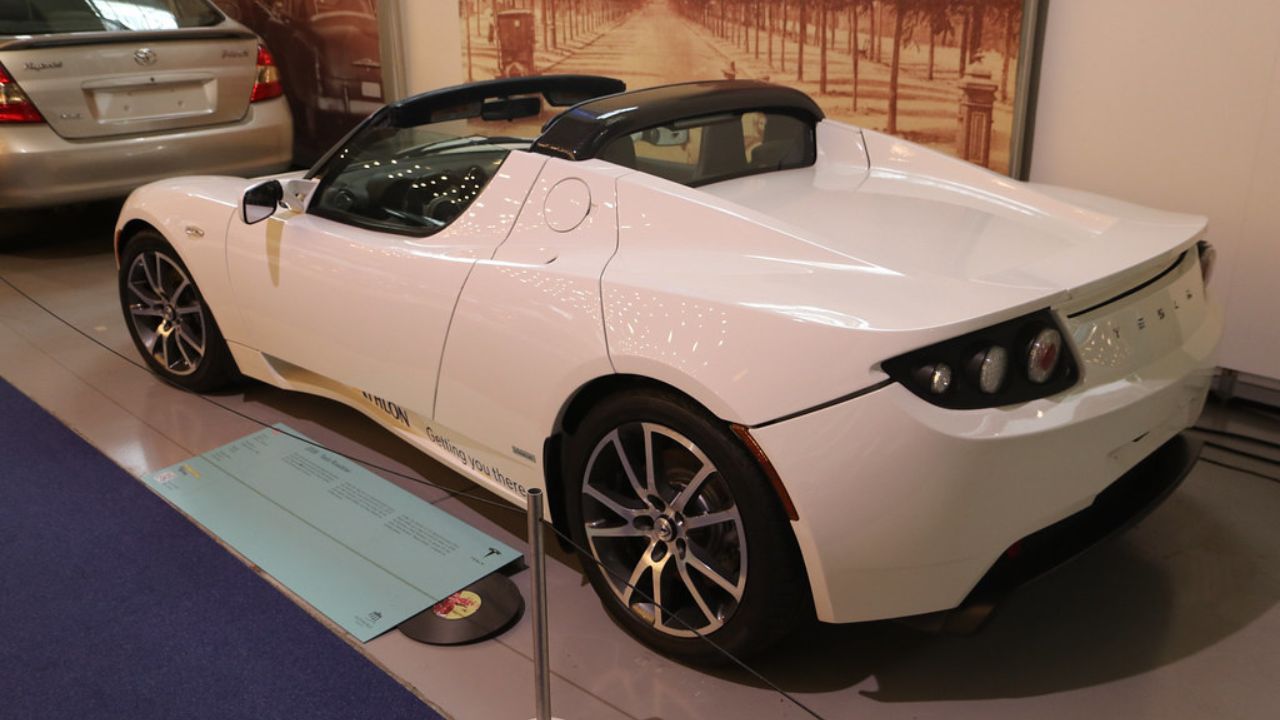
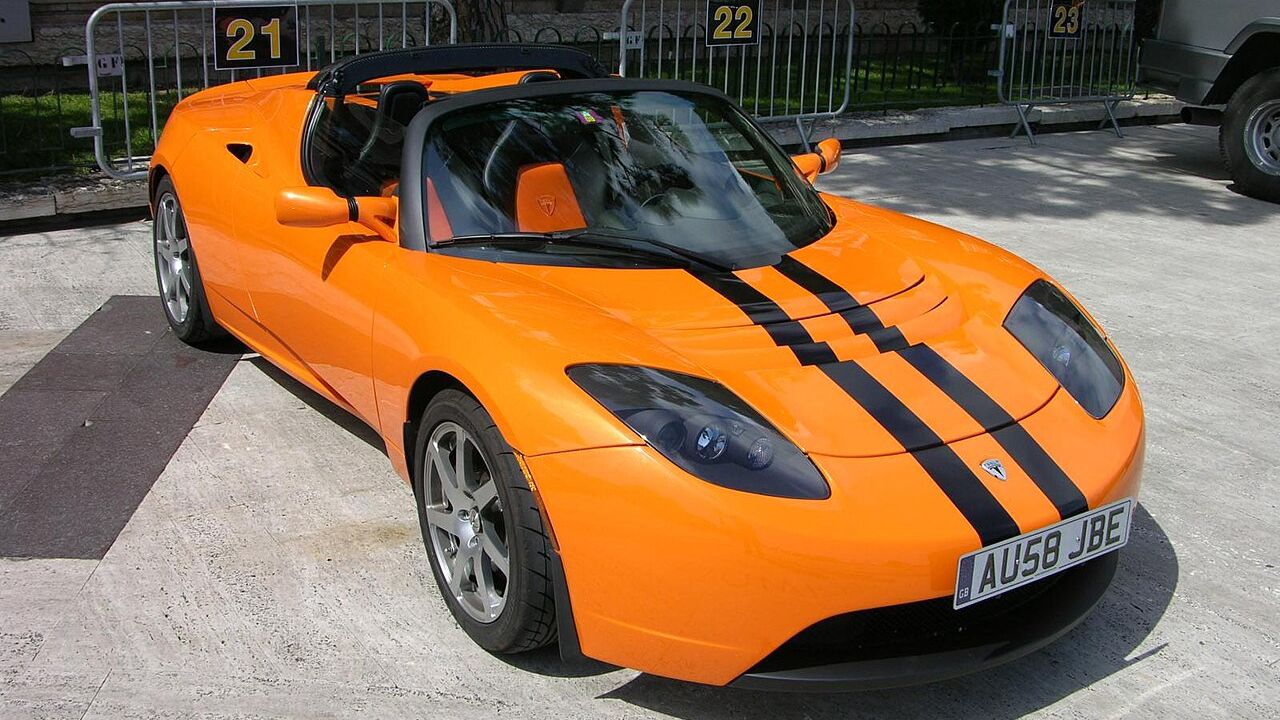
When Tesla launched the Roadster in 2008, it was one of the first electric vehicles (EVs) capable of traveling over 200 miles on a single charge. This feat challenged the perception of EVs as impractical and laid the foundation for Tesla’s future success. The Roadster’s introduction was a bold move that forced other manufacturers to reconsider their approach to electric technology.
Building on this initial success, Tesla continued to innovate with models like the Model S, Model 3, and Model Y. Each vehicle pushed the limits of what was possible with electric powertrains, offering longer ranges and faster acceleration than most competitors. Tesla’s investment in EV technology has significantly advanced the industry and set a new standard for electric vehicles.
Autonomous Driving Innovations

Tesla’s Autopilot, introduced in 2014, marked a significant leap forward in autonomous driving technology. By integrating hardware and software that allowed for semi-autonomous driving, Tesla attracted attention and sparked debate over the future of self-driving cars. The company’s continuous updates and improvements to its Full Self-Driving (FSD) software demonstrate its commitment to advancing this technology.
While full autonomy remains a work in progress, Tesla’s efforts have accelerated the industry’s focus on autonomous driving. The company’s bold approach to releasing and refining its self-driving features has set it apart from competitors, many of whom have taken a more cautious path.
Battery Production and Efficiency

Tesla’s investment in battery technology has been a cornerstone of its strategy. The company has focused on improving battery efficiency and reducing costs, leading to innovations like the 4680 battery cell. This new cell design promises to increase range and energy density while lowering production costs, making electric vehicles more accessible to a broader audience.
By establishing its own battery production facilities, Tesla has gained greater control over its supply chain and reduced its reliance on third-party suppliers. This vertical integration allows the company to iterate rapidly and maintain a competitive edge in the battery market.
Gigafactory Expansion

The construction of Gigafactories worldwide has been a bold move by Tesla to scale its production capabilities. These massive facilities, like Gigafactory Nevada and Gigafactory Shanghai, are designed to produce batteries and vehicles at unprecedented scales. Tesla’s aggressive expansion strategy aims to meet the growing demand for electric vehicles while reducing manufacturing costs.
Each Gigafactory is a testament to Tesla’s commitment to innovation and sustainability. By producing its own components, Tesla can streamline its operations and drive down prices, making electric vehicles more competitive with traditional internal combustion engine cars.
Over-the-Air Software Updates

Tesla’s ability to deliver over-the-air (OTA) software updates has transformed the vehicle ownership experience. This feature allows Tesla to roll out new features, improvements, and bug fixes without requiring a visit to a service center. The continuous enhancement of vehicles through OTA updates keeps Tesla’s cars updated with the latest technology and safety features.
Notable updates have included performance boosts, new Autopilot capabilities, and even entertainment options like in-car video streaming. This approach has set Tesla apart from traditional automakers, who typically offer limited software updates and improvements after a vehicle is sold.
Solar Energy Solutions

With the acquisition of SolarCity in 2016, Tesla expanded its focus to include solar energy solutions. Tesla’s Solar Roof and Powerwall products aim to create a sustainable energy ecosystem for homes and businesses. The Solar Roof integrates solar panels into a traditional-looking roof, while the Powerwall stores energy for later use.
These products reflect Tesla’s commitment to sustainability and renewable energy. By offering integrated energy solutions, Tesla is not only transforming the automotive industry but also the way people power their homes, reinforcing its role as an industry disruptor.
Cybertruck’s Radical Design

The unveiling of the Cybertruck in 2019 showcased Tesla’s willingness to defy traditional automotive design norms. With its angular, futuristic appearance and stainless steel exoskeleton, the Cybertruck broke the mold of conventional pickup trucks. This bold design choice generated significant attention and debate, highlighting Tesla’s innovative spirit.
Despite its unconventional looks, the Cybertruck promises impressive performance, with high towing capacity and long-range capabilities. By challenging the status quo, Tesla has once again pushed the boundaries of what consumers expect from vehicles, reinforcing its position as an industry disruptor.
SpaceX Collaboration and Synergies

Tesla’s collaboration with SpaceX, another venture led by Elon Musk, provides unique synergies between the two companies. Innovations in materials science, manufacturing techniques, and battery technology have benefited both Tesla and SpaceX, driving advancements in their respective fields.
SpaceX’s experience in aerospace engineering has influenced Tesla’s approach to vehicle design and manufacturing. This cross-pollination of ideas and expertise contributes to Tesla’s innovative culture and its ability to take on engineering risks. By leveraging these synergies, Tesla continues to disrupt the automotive industry and explore new frontiers.
More from Fast Lane Only