Throughout history, certain engines have pushed the boundaries of power and performance to such extremes that they were eventually banned in competitive settings. These engineering marvels were often deemed too powerful for their own good, leading to regulatory changes that outlawed their use. Here are eight engines that were so potent they ultimately faced the ban hammer.
The Napier Deltic Engine

The Napier Deltic Engine is a marvel of engineering, originally designed for naval use. Its unique triangular configuration allowed it to generate immense power while maintaining a compact size. The Deltic found its way into the world of rail transport, powering British locomotives with unrivaled speed and efficiency.
However, the engine’s complexity and maintenance demands eventually led to its withdrawal from service. The Deltic’s sheer power and revolutionary design remain a testament to the boundaries of engineering innovation during its time.
The Porsche 917 Engine
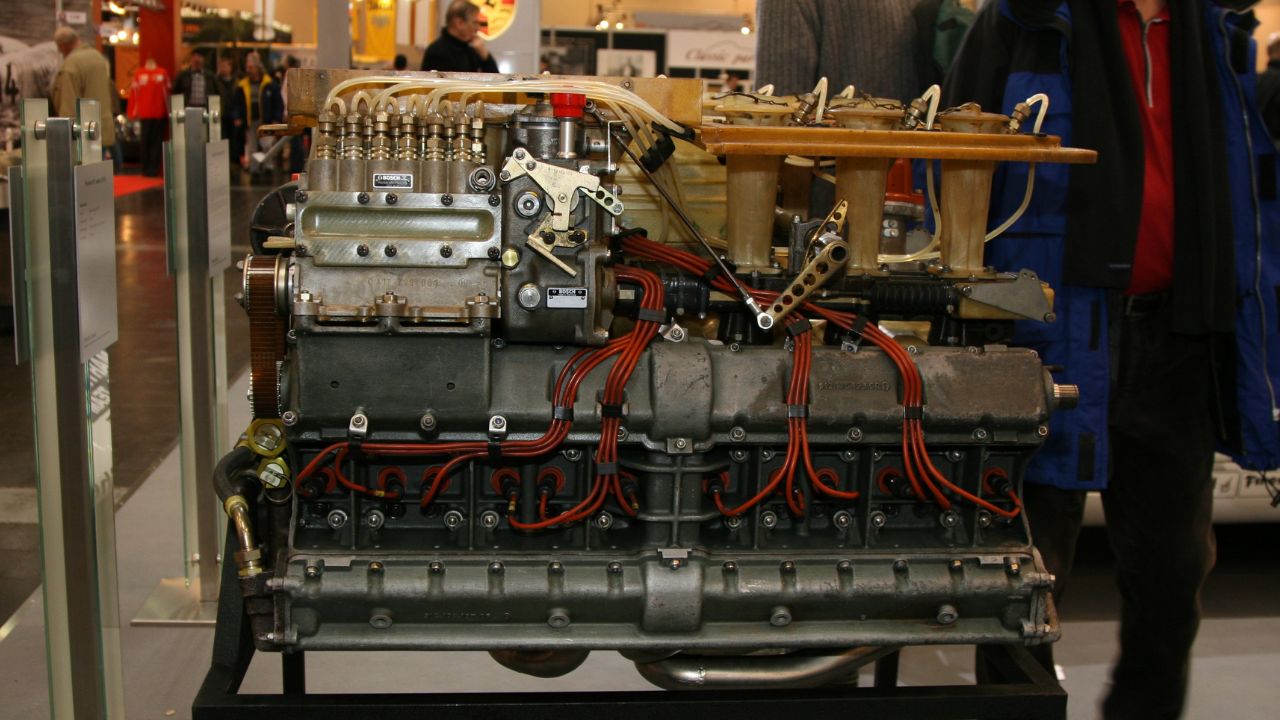
The Porsche 917 engine became legendary in the world of motorsport, dominating races like the 24 Hours of Le Mans in the early 1970s. Its flat-12 engine configuration allowed it to produce over 1,100 horsepower in its turbocharged variants, setting speed records on the track.
However, the unprecedented power output and speed capabilities led to changes in racing regulations, ultimately banning certain configurations of the 917. Despite its brief reign, the Porsche 917 remains an iconic symbol of raw racing power and engineering excellence.
The BRM H16 Engine

The BRM H16 engine was a bold experiment in Formula 1, featuring an intricate 16-cylinder layout. Despite its potential, the engine was plagued by reliability issues and excessive weight, making it difficult to handle.
Although it achieved a victory at the 1966 United States Grand Prix, the engine’s complexity and lack of consistent performance led to its eventual ban. The BRM H16 remains a fascinating chapter in F1 history, showcasing the risks and rewards of innovative engineering.
The Mazda 787B Rotary Engine

Mazda’s 787B rotary engine made history by winning the 1991 24 Hours of Le Mans, becoming the first and only rotary-powered car to do so. Its distinctive sound and high-revving nature were matched by its impressive performance on the track.
However, following its victory, regulations were changed to outlaw rotary engines from the competition. The 787B’s triumph remains a milestone in automotive history, highlighting the potential of alternative engine designs.
The Chevrolet 427 ZL1 Engine
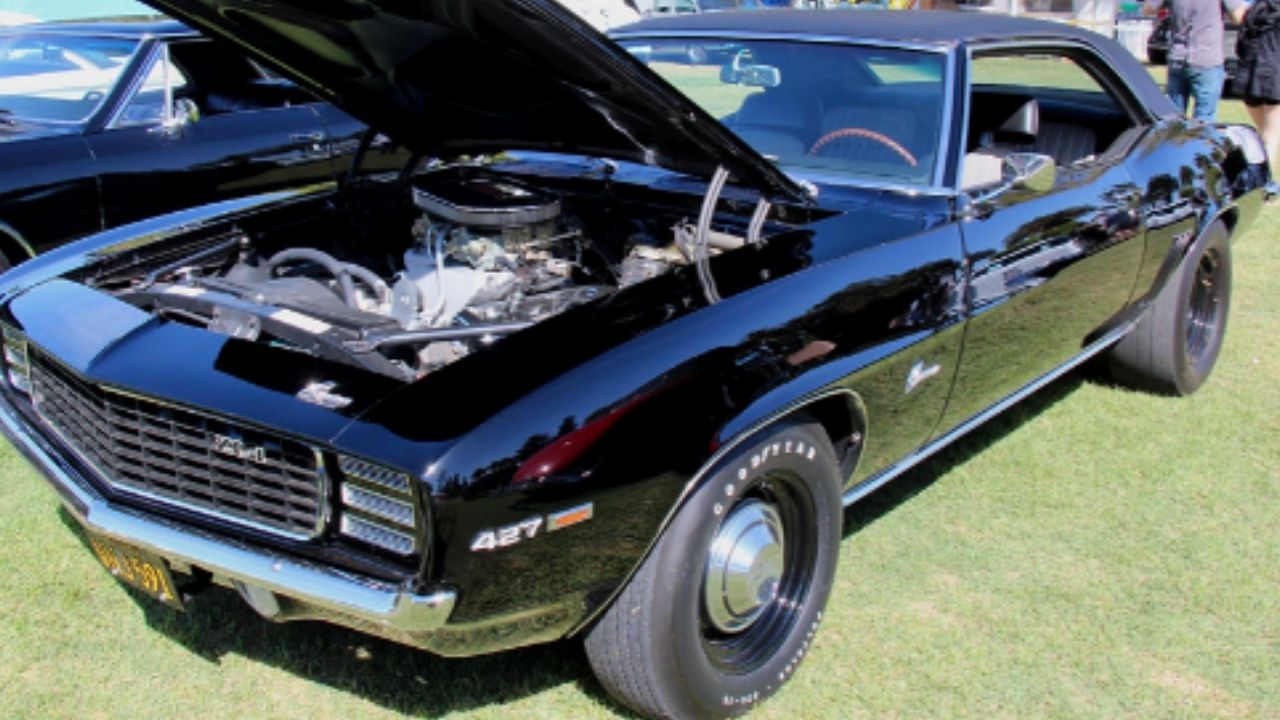
The Chevrolet 427 ZL1 engine was a powerhouse in the muscle car era, known for its lightweight aluminum construction and formidable horsepower. It found a home in models like the 1969 Chevrolet Camaro, making them legends on the drag strip.
However, its limited production and high cost, combined with tightening emissions regulations, led to its discontinuation. The 427 ZL1 is still celebrated by car enthusiasts for its raw power and contribution to the muscle car legacy.
The Oldsmobile Rocket V8 Engine

Oldsmobile’s Rocket V8 engine was a game-changer in the post-war automotive industry, offering unprecedented power and performance for its time. Its introduction in the late 1940s set the stage for the muscle car era.
However, as emissions standards became more stringent, the engine’s high-output variants were phased out. Despite this, the Rocket V8 remains a pivotal development in automotive history, illustrating the evolution of American performance cars.
The Rolls-Royce Merlin Engine

The Rolls-Royce Merlin engine is synonymous with World War II aviation, powering iconic aircraft like the Spitfire and the P-51 Mustang. Its exceptional power and reliability played a crucial role in the Allied victory.
Post-war, its application in racing cars highlighted its versatility, but its immense power proved too much for some racing circuits. While the Merlin is no longer in competitive use, its legacy endures in both aviation and automotive circles.
The Ford Cosworth DFV Engine
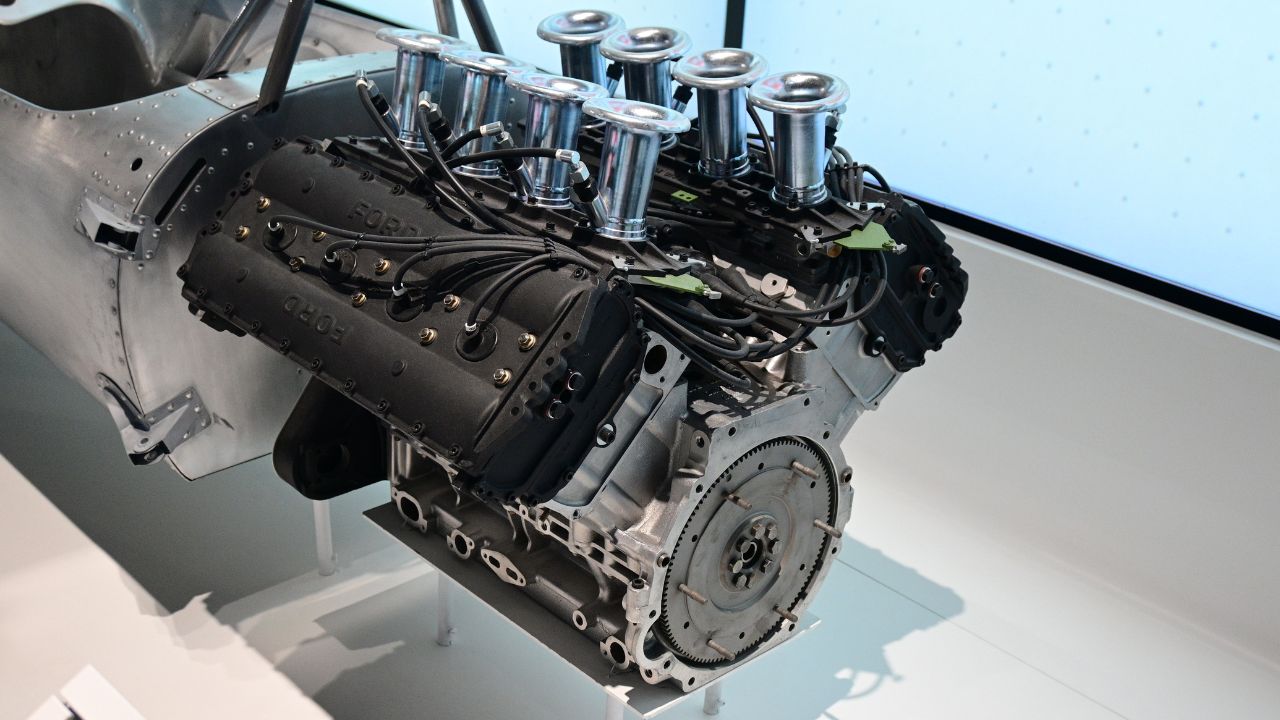
The Ford Cosworth DFV engine revolutionized Formula 1 with its lightweight design and impressive power output. Debuting in 1967, it quickly became the engine of choice for many teams, securing numerous championships.
However, as F1 regulations evolved, the DFV’s dominance led to changes that ultimately ended its competitive run. The DFV remains a symbol of engineering prowess, having shaped the landscape of motorsport during its illustrious career.
Like Fast Lane Only’s content? Be sure to follow us.
Here’s more from us:
*Created with AI assistance and editor review.