Some engines were dismissed because of their unusual designs, modest reputations, or early doubts about their potential. Yet many went on to earn loyal followings through durability, performance, innovation, or sheer versatility. These eight engines demonstrated that first impressions could be misleading, becoming influential powerplants that exceeded expectations and remained respected long after their critics had moved on.
Toyota 2JZ-GTE
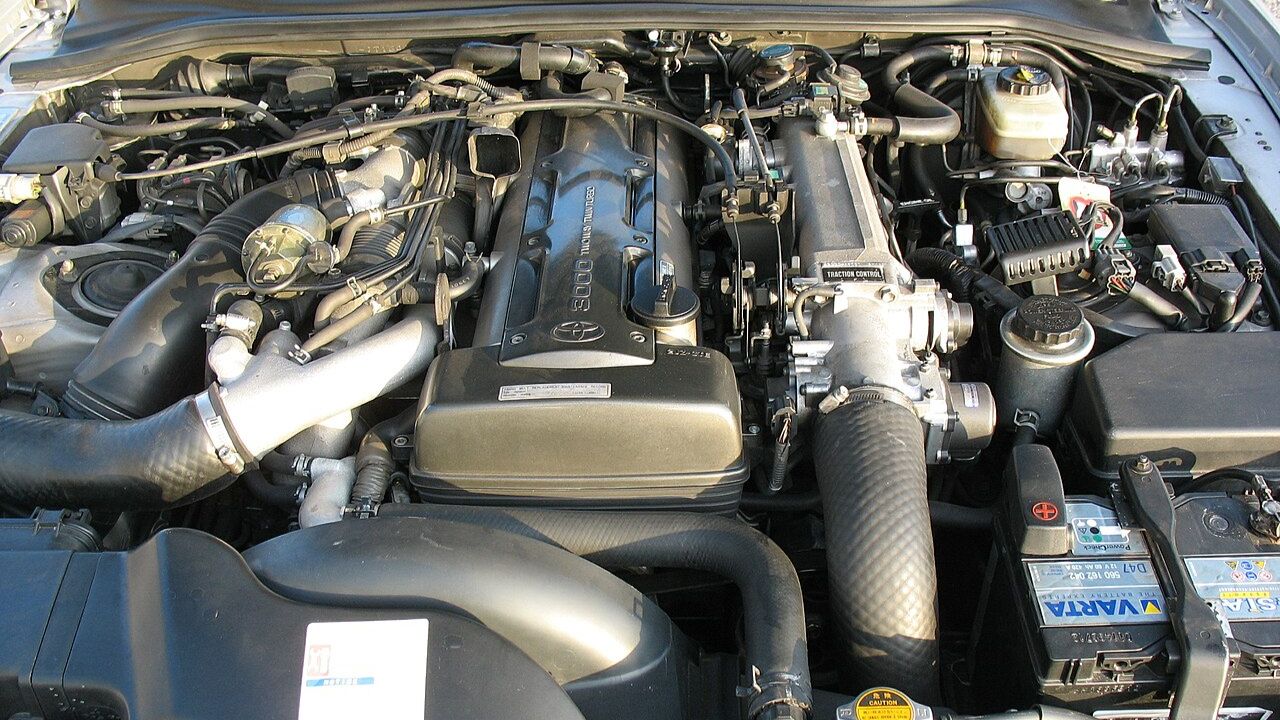
The Toyota 2JZ-GTE initially appeared to be simply a sophisticated inline-six designed for performance cars, but its enormous tuning potential eventually changed its reputation. A strong iron block, robust bottom end, and factory turbocharging provided an impressive foundation for modifications. Enthusiasts discovered that the engine could tolerate substantial increases in power when properly prepared. Its reputation eventually extended far beyond Toyota’s original applications, making the 2JZ one of the most respected tuning engines ever produced.
Buick 3.8 V6
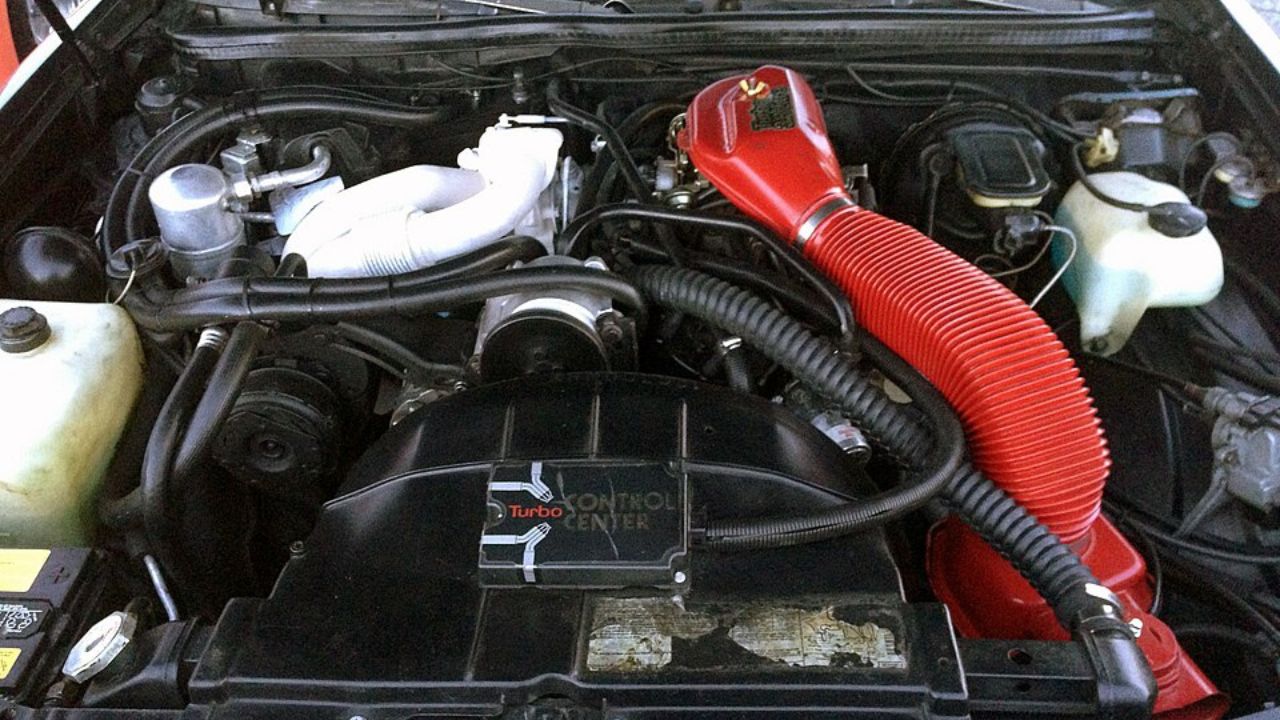
The Buick 3.8 V6 challenged the idea that serious performance required a large V8. Its compact dimensions and relatively efficient design eventually became the foundation for increasingly capable turbocharged applications. The turbocharged versions demonstrated that a V6 could deliver impressive power while retaining useful everyday drivability. Over time, the 3.8 became one of Buick’s most important engines, proving that smaller displacement could still produce remarkable performance when the surrounding engineering was right.
Ford 5.0 Coyote
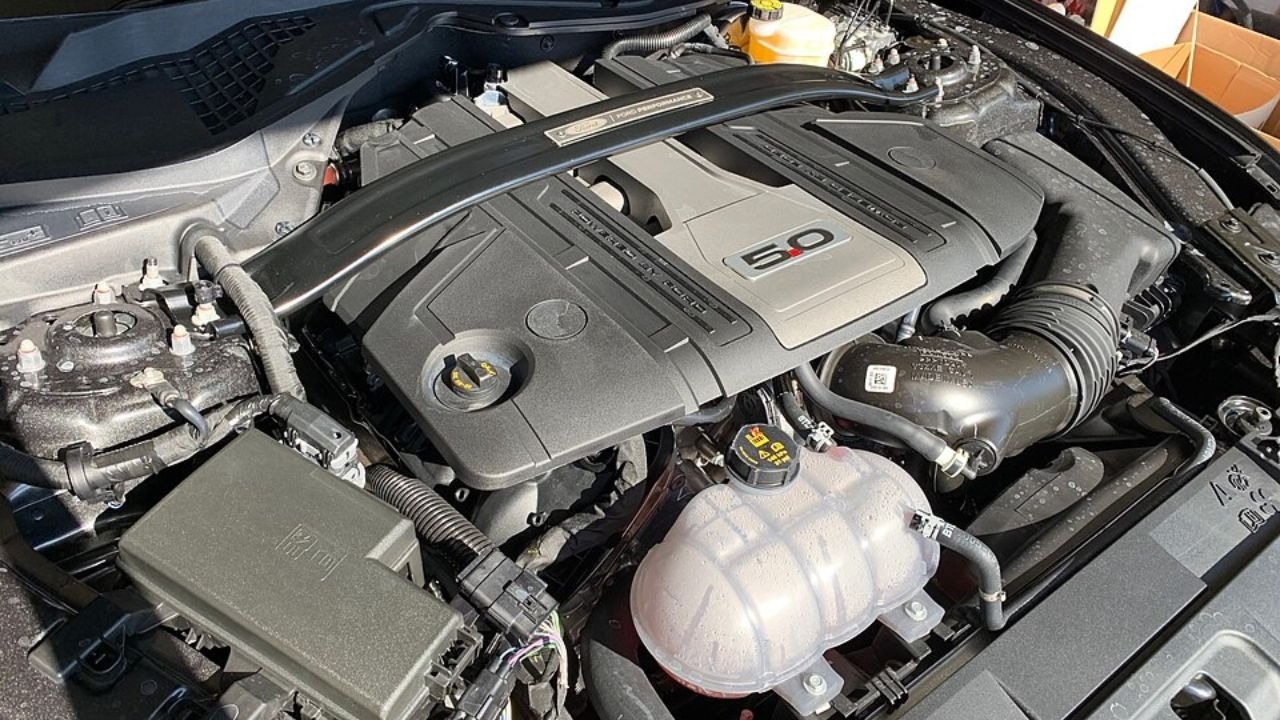
The Ford 5.0 Coyote V8 showed that a modern naturally aspirated V8 could combine advanced technology with traditional muscle-car character. Its overhead-cam architecture, four-valve cylinder heads, and sophisticated variable camshaft timing represented a major departure from older pushrod designs. Despite concerns about complexity, the Coyote developed a strong reputation for performance and tuning potential. It became a central part of Ford’s modern Mustang and performance strategy.
Chrysler 426 Hemi
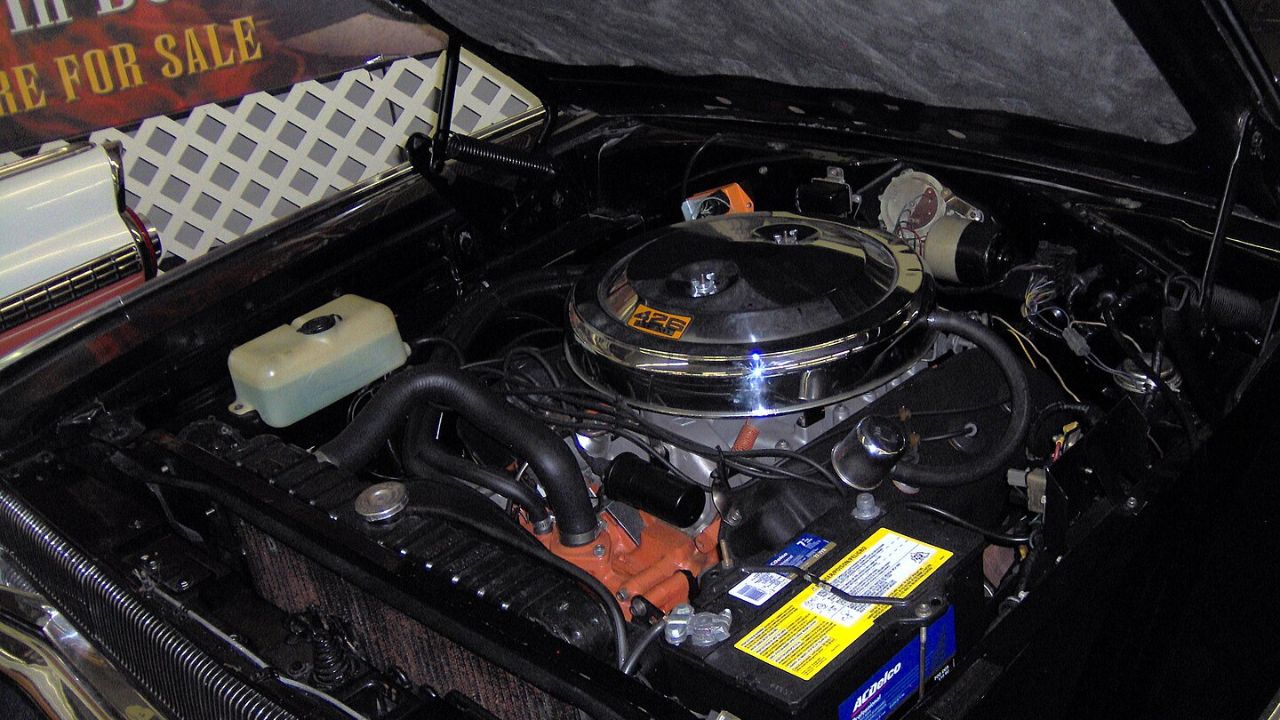
The Chrysler 426 Hemi became famous because its unconventional cylinder-head design delivered exceptional breathing and high-performance potential. Early skepticism about its complexity quickly faded as the engine proved itself in competition and high-performance street applications. Its hemispherical combustion chambers allowed large valves and efficient airflow, helping produce remarkable power. The 426 Hemi eventually became one of the most recognizable symbols of American high-performance engineering.
Honda B18C
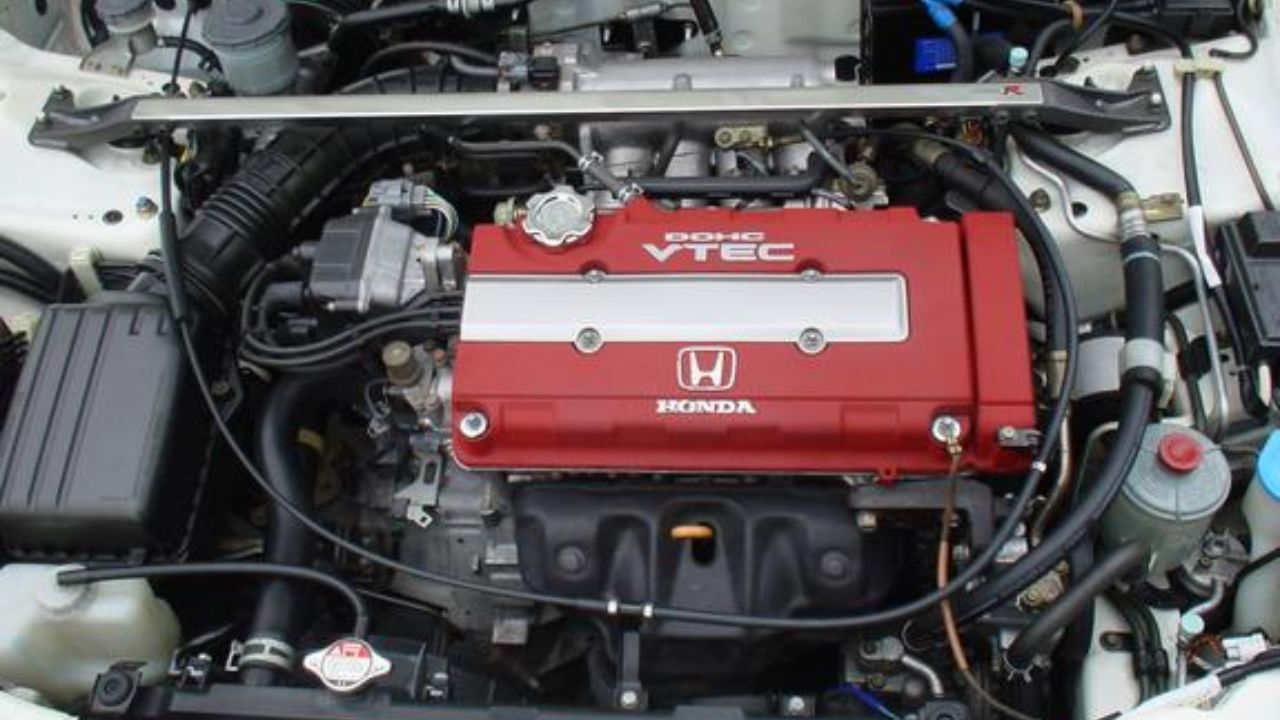
The Honda B18C demonstrated how a relatively small naturally aspirated engine could produce impressive performance through high engine speeds and careful engineering. Its variable valve-timing technology helped provide a broad usable power range while maintaining strong top-end output. Rather than relying on displacement or forced induction, Honda extracted performance through efficiency and precision. The B18C became especially respected among enthusiasts for its responsiveness, reliability, and ability to handle demanding applications.
Mazda 13B Rotary
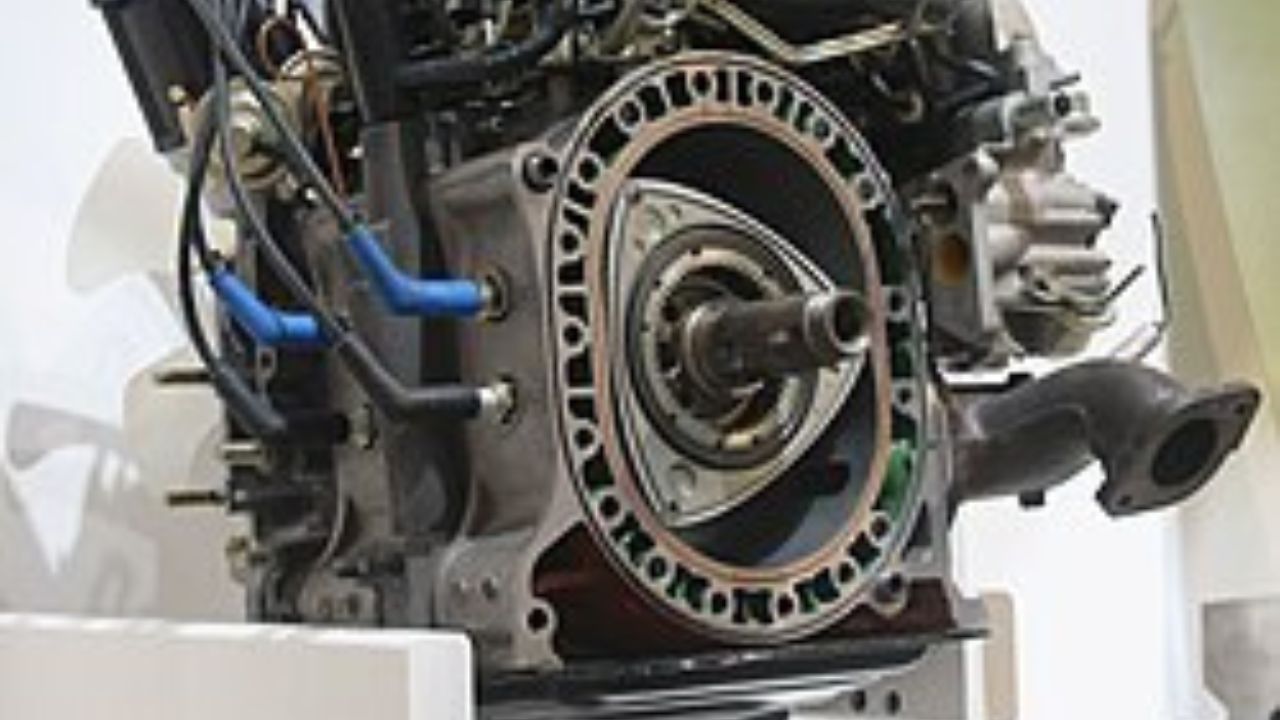
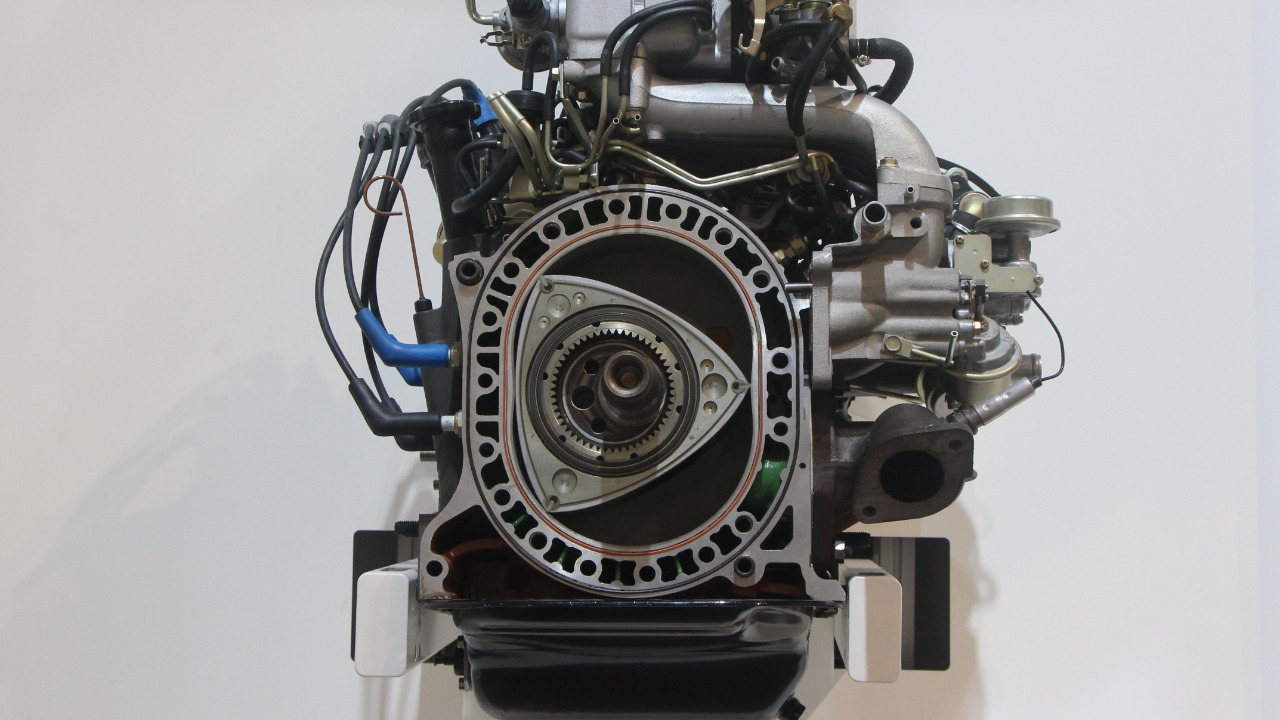
The Mazda 13B rotary engine repeatedly challenged conventional thinking about how an internal-combustion engine should work. Instead of pistons moving up and down, it used rotating triangular rotors to produce power from a compact package. Critics questioned aspects such as fuel consumption and sealing durability, yet Mazda continued developing the concept. The 13B ultimately became an important part of Mazda’s identity, particularly through its association with the RX-7 sports car.
Chevrolet LS1
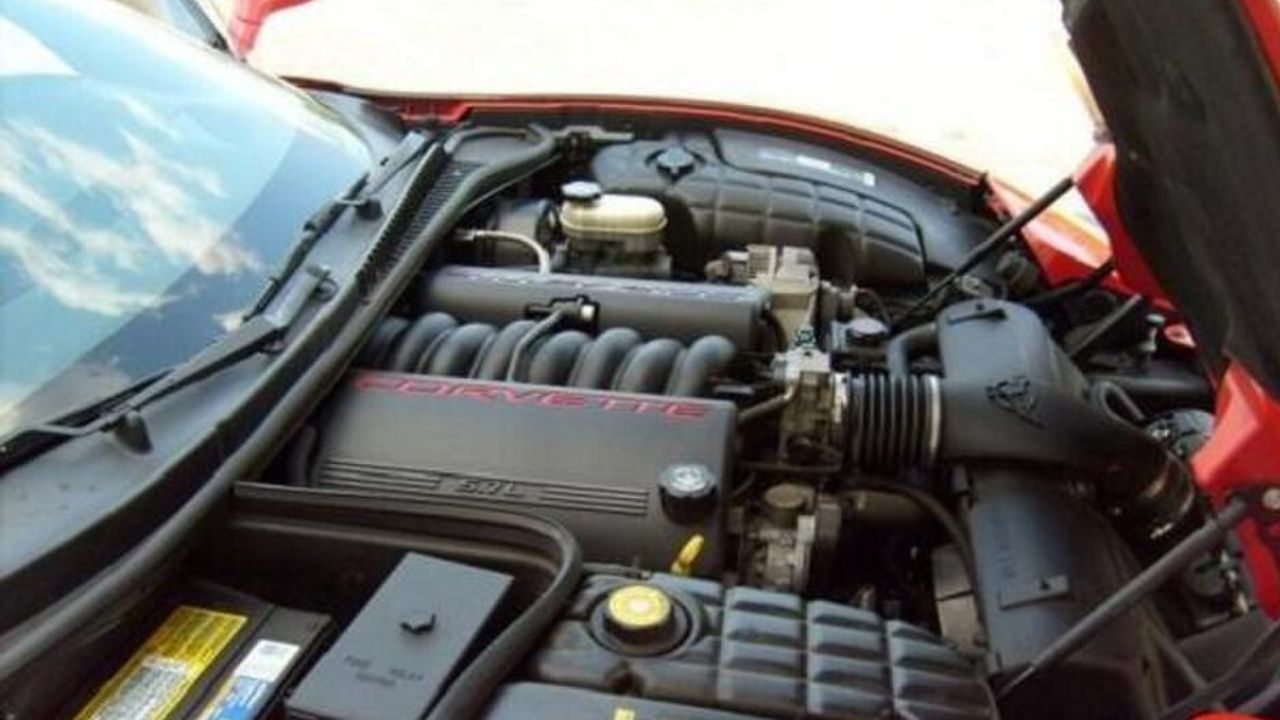
The Chevrolet LS1 initially faced skepticism from enthusiasts accustomed to older small-block V8 architecture. Its aluminum construction, compact dimensions, modern cylinder heads, and electronic management represented a significant evolution. The engine quickly demonstrated strong performance, durability, and enormous aftermarket potential. Its relatively compact size also made swaps easier across numerous vehicles. The LS1 eventually became one of the most influential modern American V8s and helped redefine expectations for pushrod engine technology.
Volkswagen 1.9 TDI
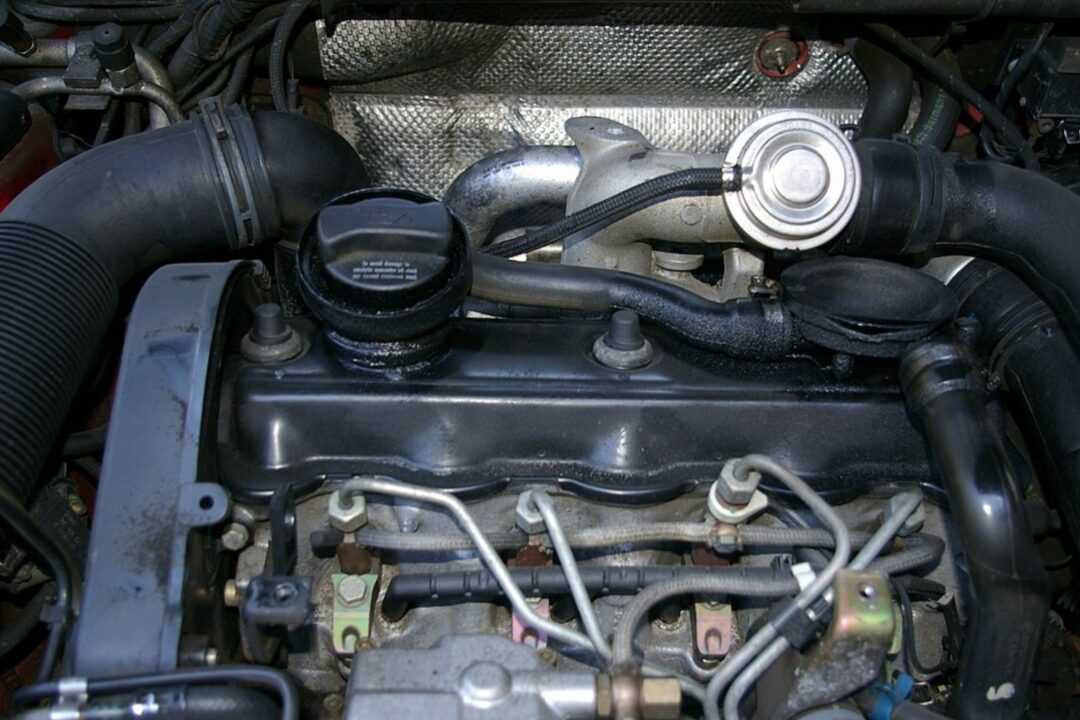
The Volkswagen 1.9 TDI demonstrated that a small diesel engine could provide impressive real-world performance while maintaining excellent fuel efficiency. Its turbocharging and direct-injection technology delivered strong low-end torque that made the engine feel more capable than its displacement suggested. Long service life also contributed to its reputation. The 1.9 TDI became particularly respected among owners who valued economy, durability, and usable torque over outright horsepower.
More from Fast Lane Only
- Unboxing the WWII Jeep in a Crate
- 15 rare Chevys collectors are quietly buying
- 10 underrated V8s still worth hunting down
- Police notice this before you even roll window down
*Research for this article included AI assistance, with all final content reviewed by human editors