British sports cars helped turn open-top motoring into an experience built around simplicity, character, and driver involvement. From lightweight roadsters to elegant grand tourers, these cars emphasized the pleasure of feeling the road and weather directly. Their distinctive designs and mechanical personalities made them enduring symbols of classic British motoring.
MG MGB
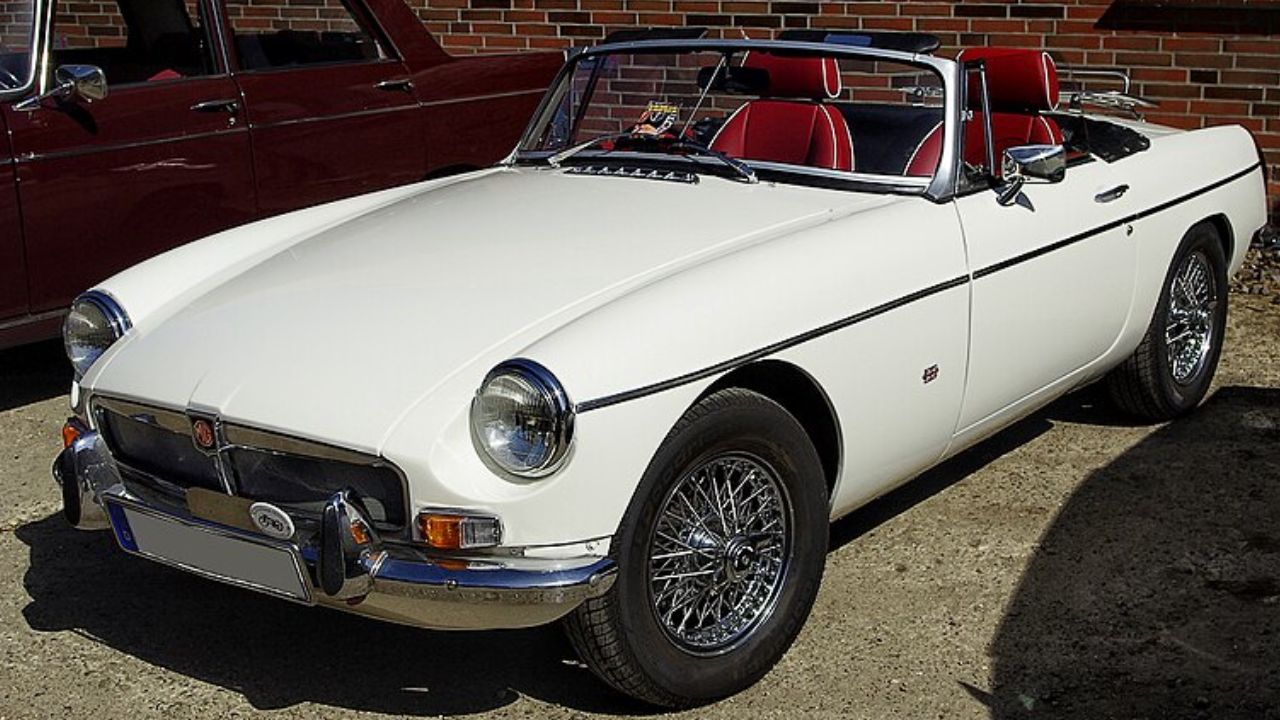
The MG MGB became one of Britain’s most recognizable roadsters by combining simple engineering with an approachable driving experience. Its compact proportions, folding soft top, and rear-wheel-drive layout made open-air motoring accessible to a wide audience. The MGB was not about overwhelming power; instead, it emphasized light controls, modest performance, and the feeling of being connected to the road. Its enormous popularity helped define the classic British roadster formula.
Triumph TR6
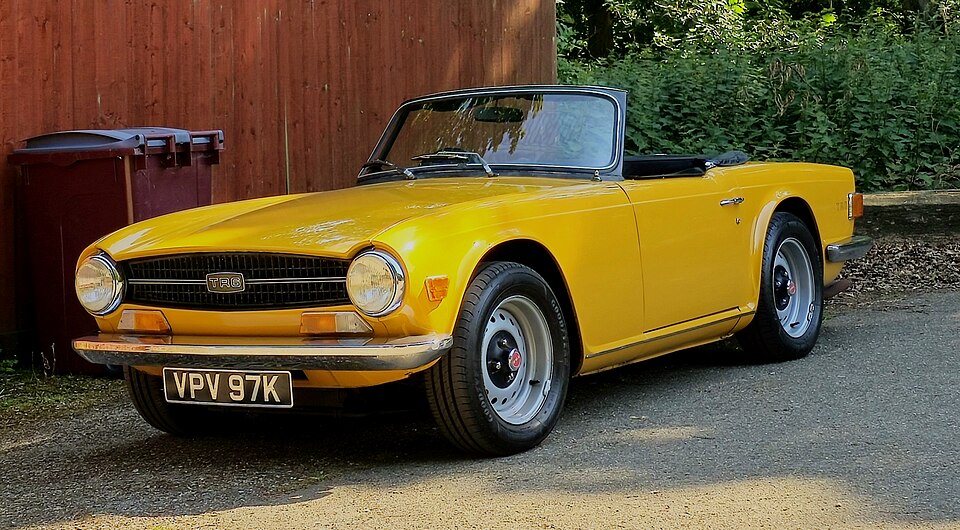
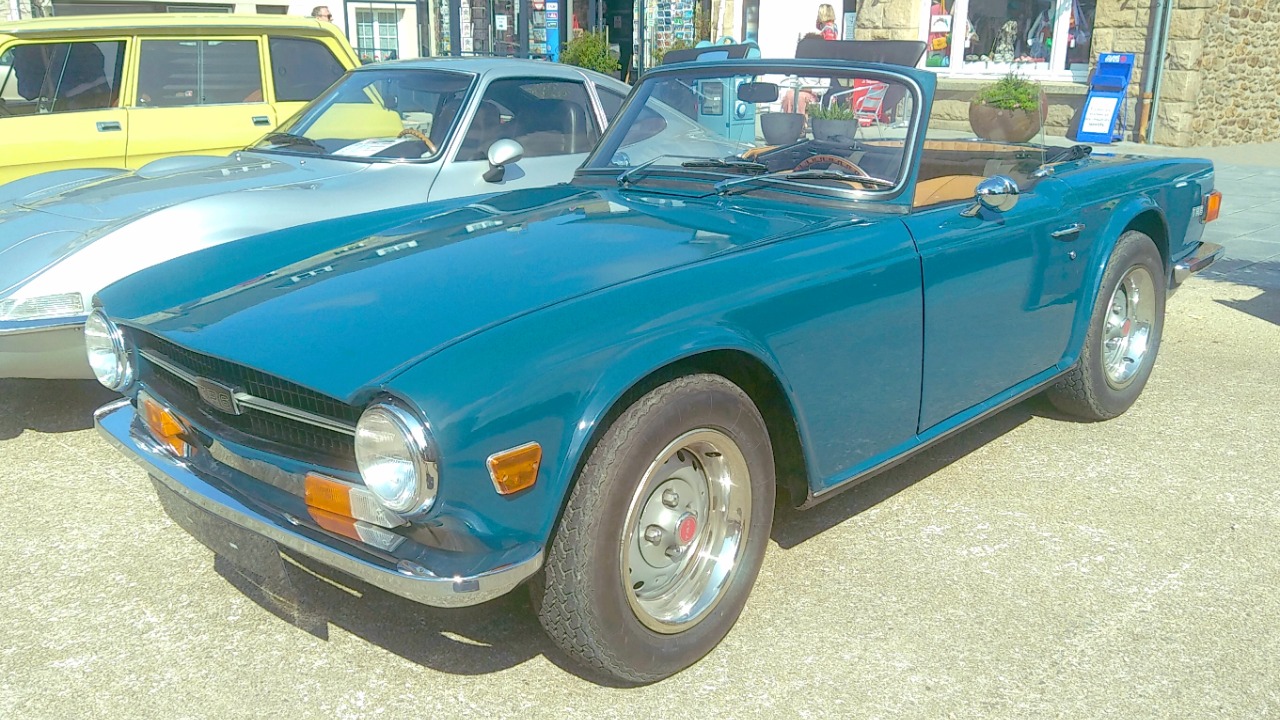
The Triumph TR6 brought a more muscular personality to British open-top driving. Its long hood, traditional rear-wheel-drive layout, and six-cylinder engine gave it a character distinct from smaller roadsters. The cockpit placed the driver close to the mechanical experience, while the removable or folding roof encouraged owners to enjoy sunny roads whenever possible. Today, the TR6 remains particularly recognizable for combining traditional British styling with a stronger performance-oriented character.
Austin-Healey 3000
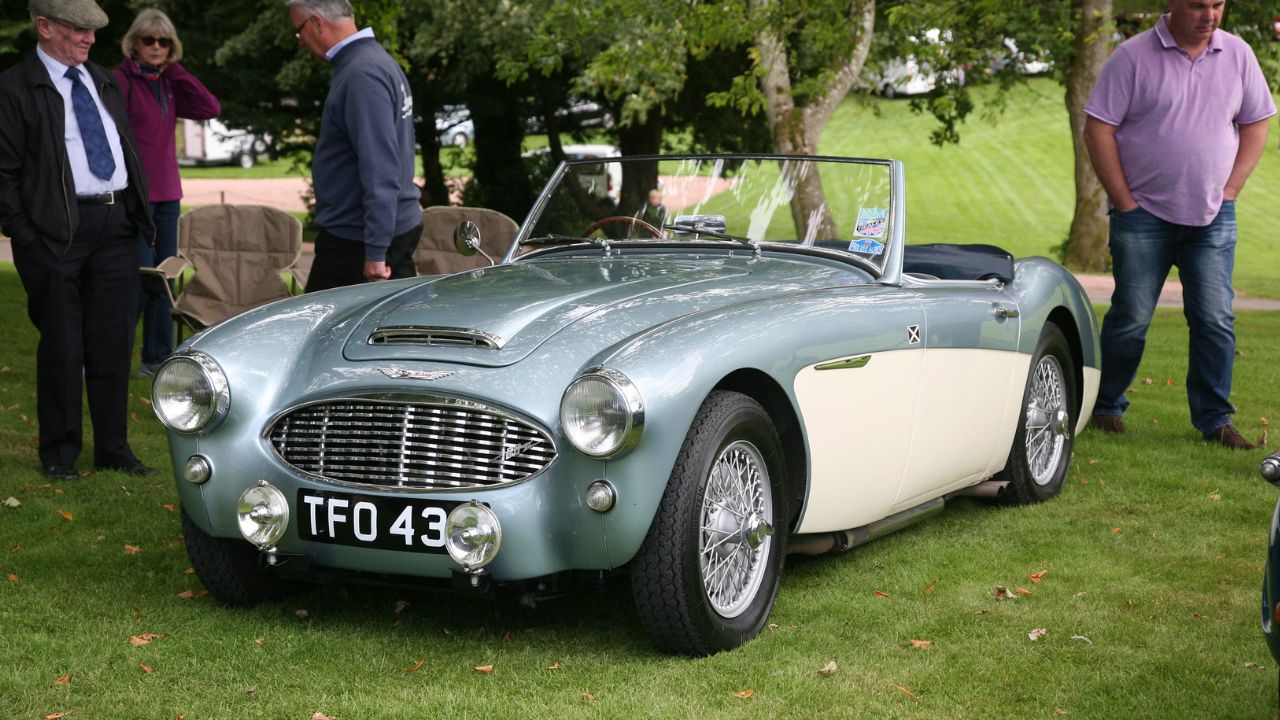
The Austin-Healey 3000 represented the grand-touring side of British roadster culture. Its larger six-cylinder engine gave it enough power for longer journeys, while the open cockpit maintained the excitement expected from a classic sports car. The Healey’s broad proportions and distinctive grille created an unmistakable presence. It demonstrated that an open-top British car could provide both spirited driving and enough character to make extended road trips memorable.
Jaguar E-Type Roadster
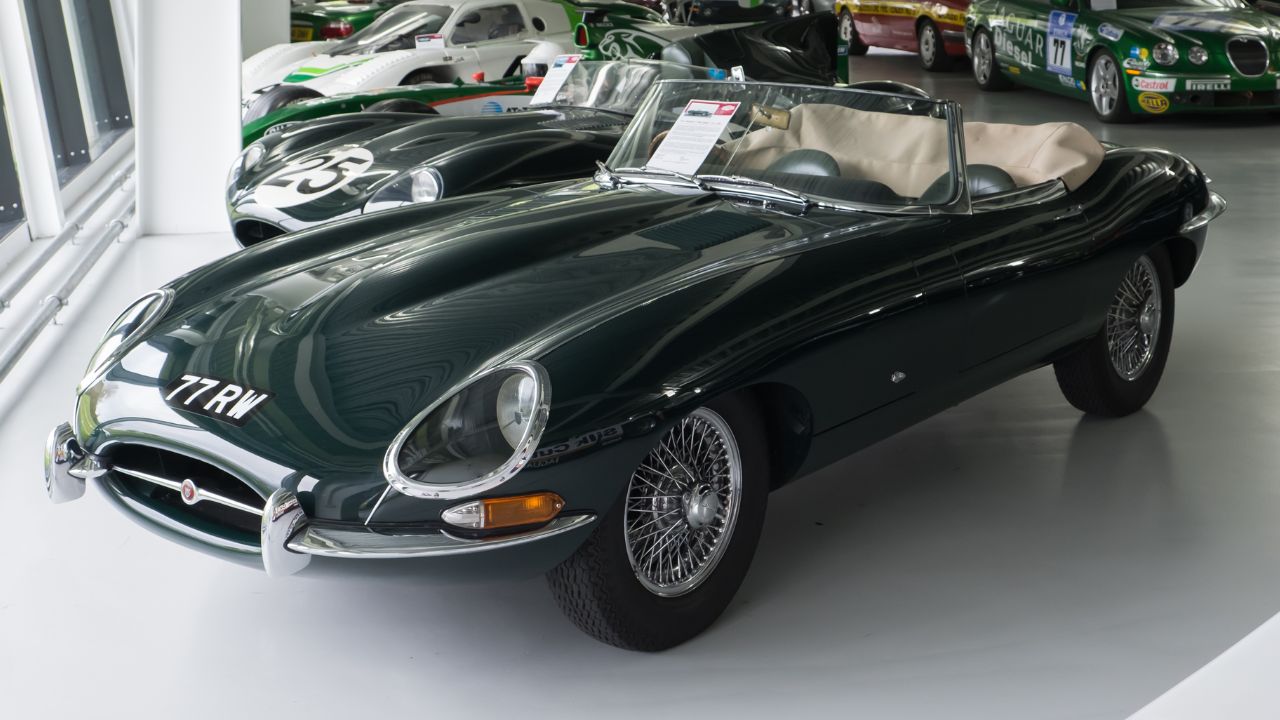
The Jaguar E-Type Roadster transformed the image of British sports cars with its dramatic proportions and elegant bodywork. Beneath the beautiful exterior was a serious performance machine, featuring a powerful inline-six in many early examples and sophisticated chassis engineering for its time. With the roof removed, the long hood and low seating position became even more dramatic. The E-Type showed that open-top driving could combine speed, beauty, and luxury.
Lotus Elan
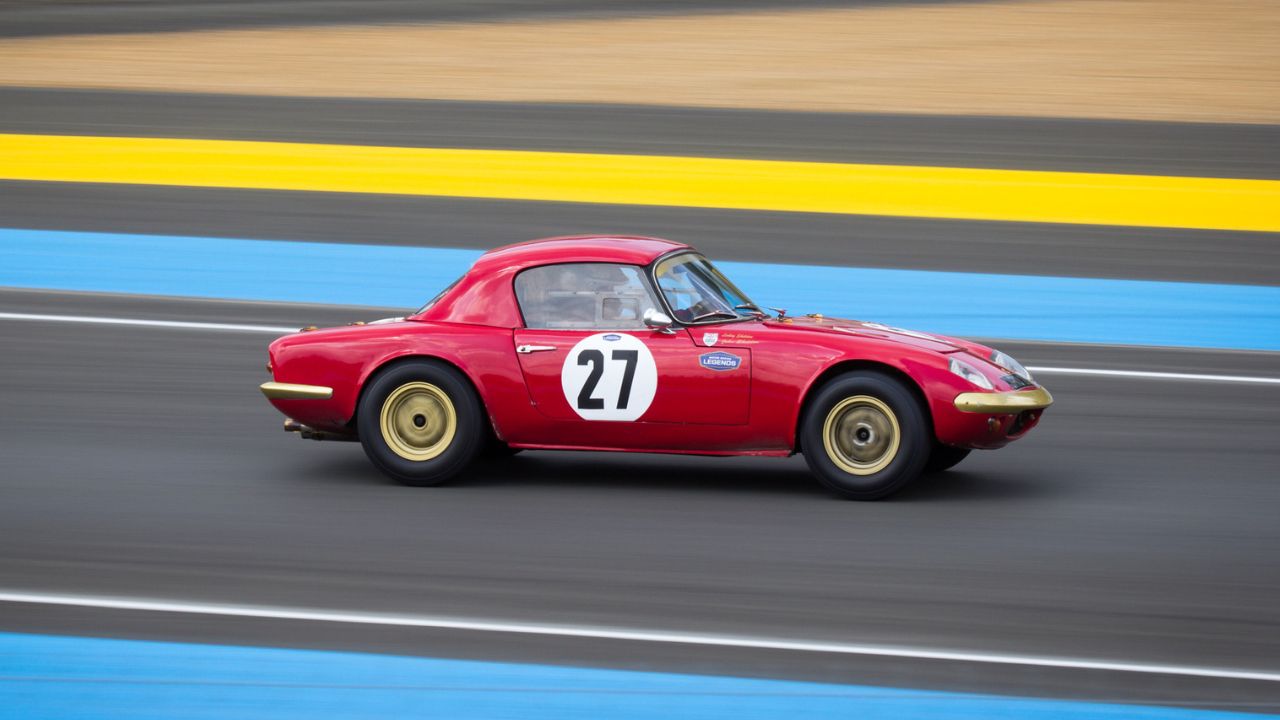
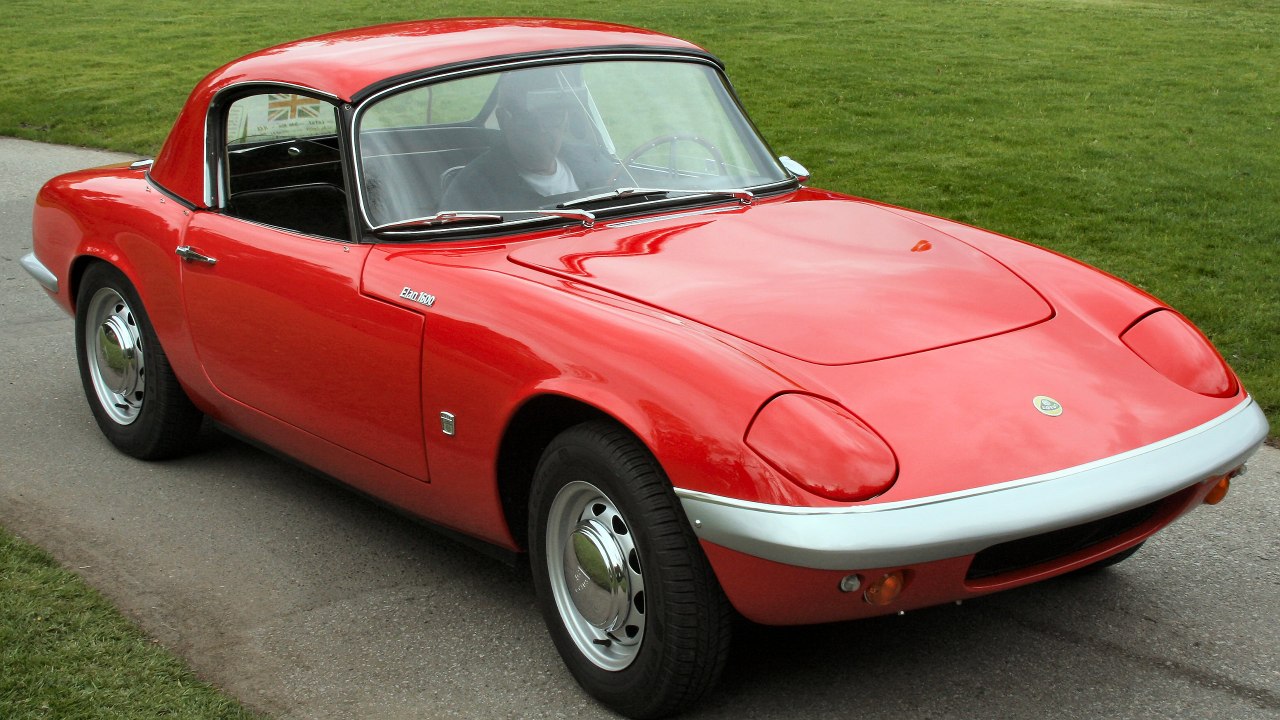
The Lotus Elan approached open-top driving from a completely different direction. Instead of relying on a large engine, it used lightweight construction and carefully engineered suspension to create exceptional agility. Its compact body and low driving position made even ordinary roads feel engaging. The Elan demonstrated Colin Chapman’s philosophy that reducing weight could produce remarkable performance. For enthusiasts, it remains one of the purest expressions of lightweight British sports-car design.
Morgan Plus 4
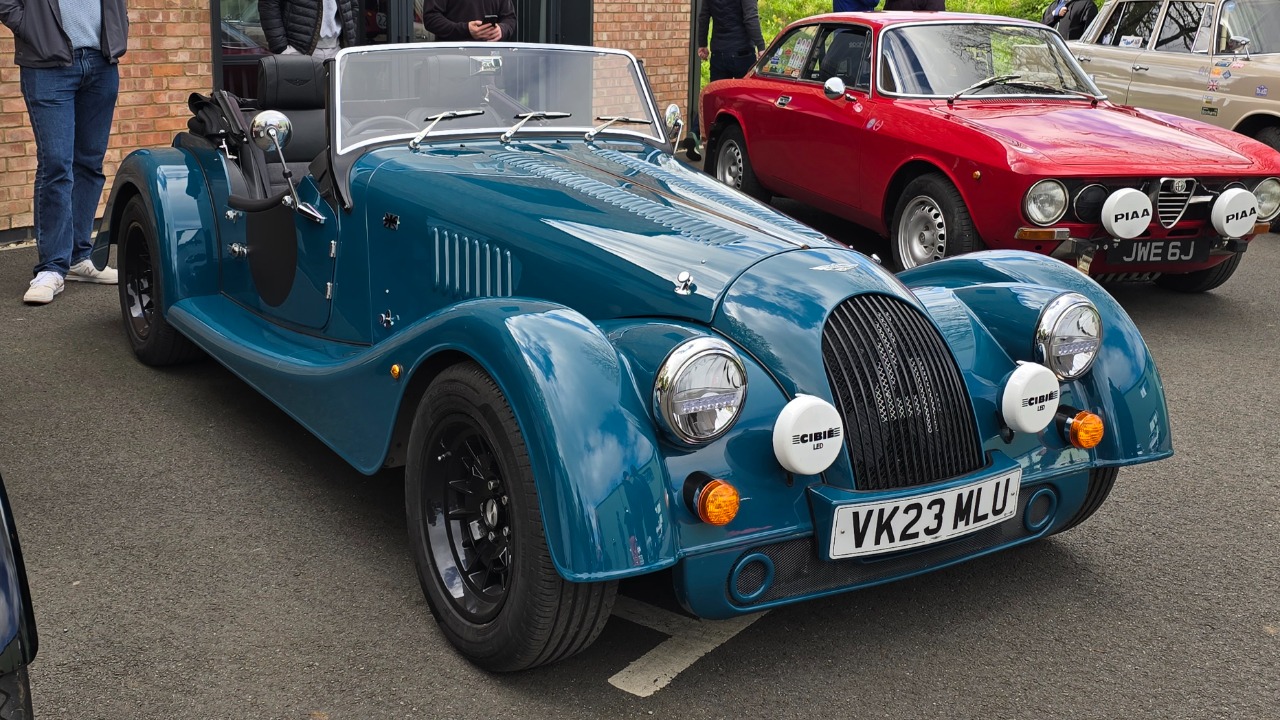
The Morgan Plus 4 preserved an unusually traditional approach to open-top motoring long after many manufacturers moved toward more modern designs. Its upright proportions, exposed character, and hand-built construction gave drivers an experience that felt remarkably connected to the automobile itself. The Plus 4 appealed to enthusiasts who valued craftsmanship and individuality over technological complexity. Its longevity also made it one of Britain’s most recognizable traditional roadsters.
Triumph Spitfire
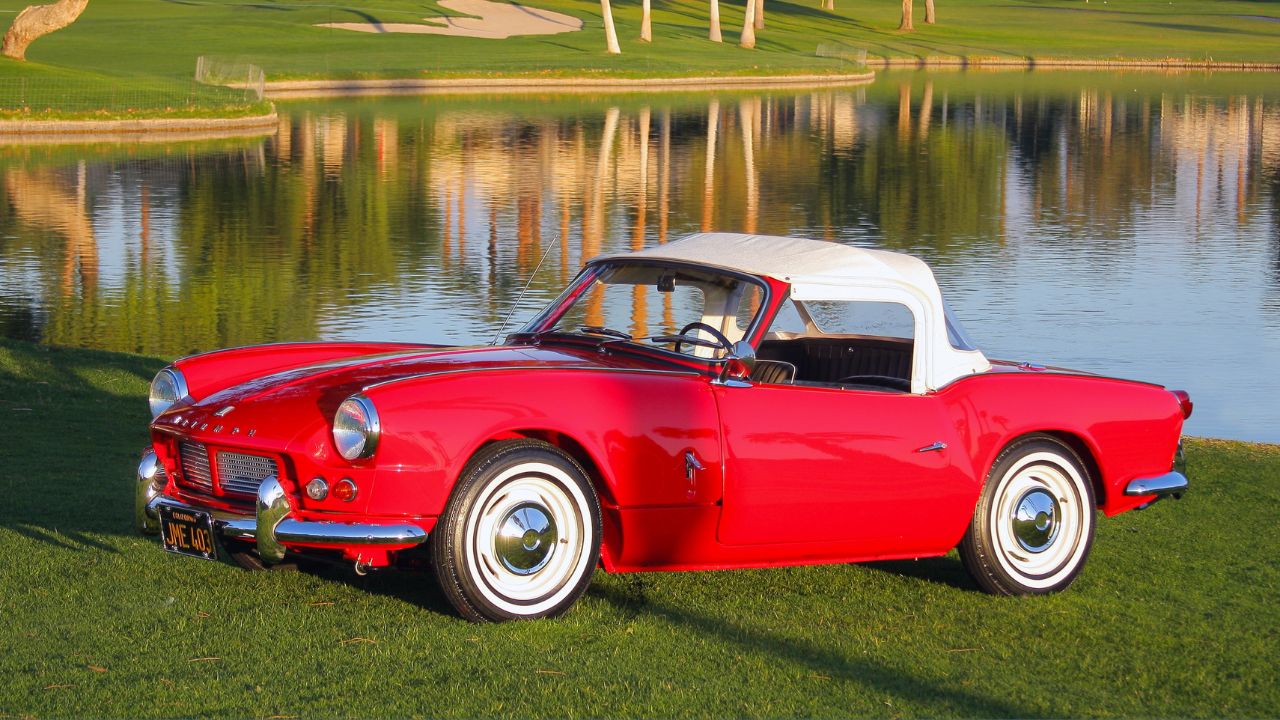
The Triumph Spitfire made British open-top driving approachable through its small dimensions, attractive styling, and relatively simple mechanical layout. Its low seating position and compact body created a sense of speed even without enormous horsepower. The folding roof encouraged casual enjoyment, while rear-wheel drive kept the experience engaging. The Spitfire became an enduring example of how a lightweight, affordable roadster could capture the essential fun of driving with the sky overhead.
More from Fast Lane Only
- Unboxing the WWII Jeep in a Crate
- 15 rare Chevys collectors are quietly buying
- 10 underrated V8s still worth hunting down
- Police notice this before you even roll window down
*Research for this article included AI assistance, with all final content reviewed by human editors