Breaking 200 mph used to be the kind of milestone reserved for race cars and experimental prototypes. When factory production cars began crossing that barrier, it permanently reshaped what performance meant. These machines didn’t just go fast; they reset expectations for engineering, aerodynamics, and brand ambition. Here are eight factory-built cars that blasted past 200 mph and changed the game.
Ferrari F40
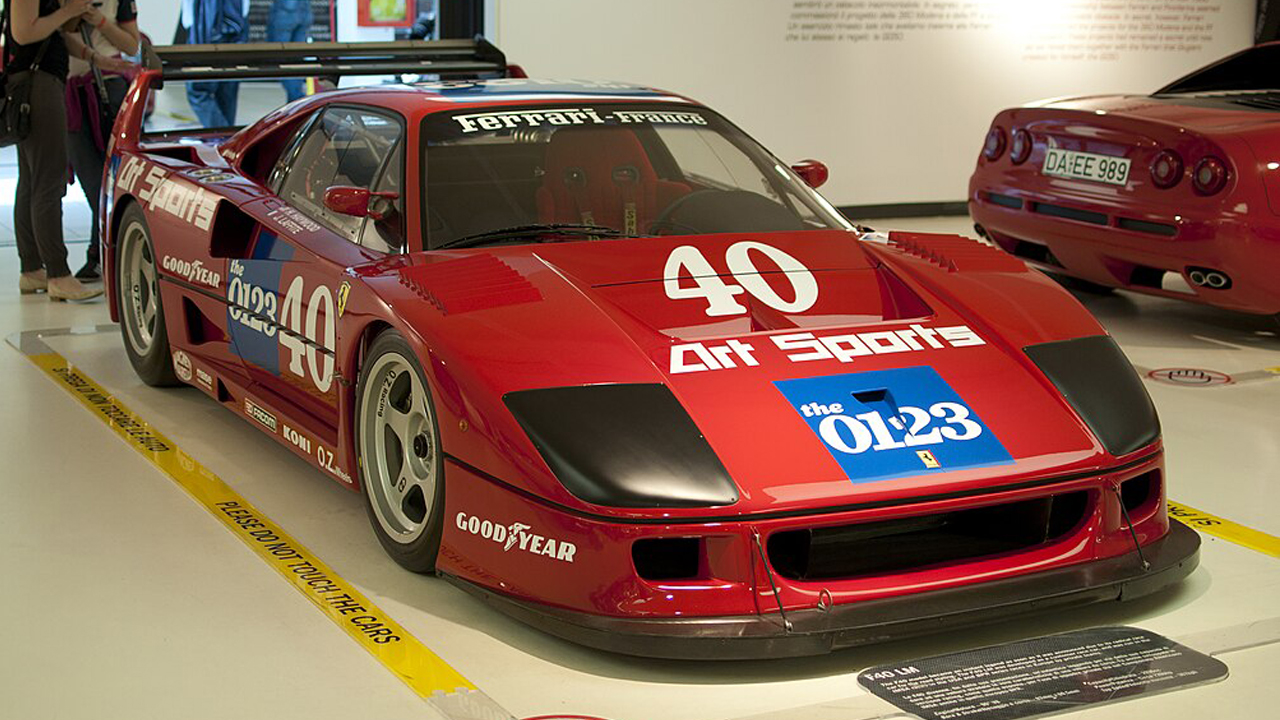
When the Ferrari F40 crossed 200 mph in 1987, it became the first production car to officially smash that barrier. Its twin-turbocharged 2.9-liter V8 produced 471 horsepower and delivered savage, unfiltered acceleration. Built with lightweight composites and minimal comforts, it felt closer to a Le Mans machine than a road car. The F40 proved a street-legal Ferrari could operate in genuine race-car territory.
Porsche 959
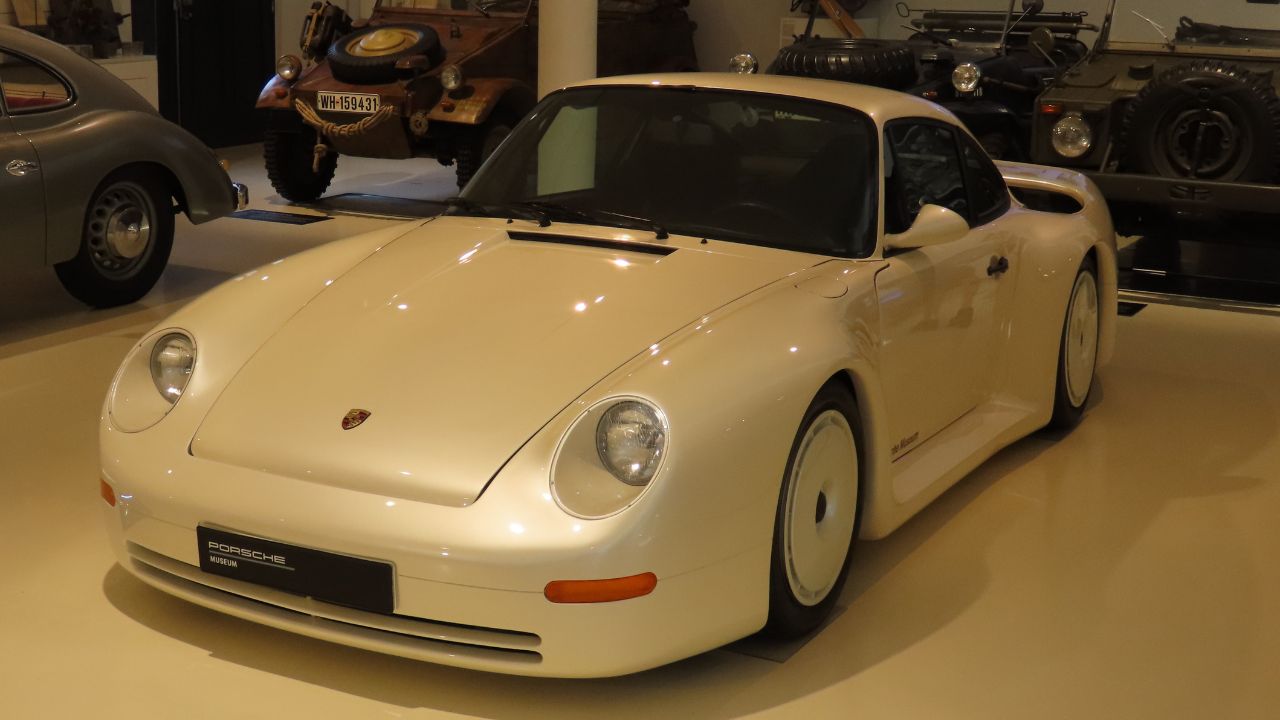
The Porsche 959 reached approximately 197 mph in standard trim, but later Sport variants and unrestricted versions pushed beyond 200 mph. Its twin-turbo flat-six and advanced all-wheel-drive system were revolutionary for the era. Unlike many raw exotics, it combined stability with staggering pace. The 959 showed that cutting-edge technology could coexist with extreme top-end performance.
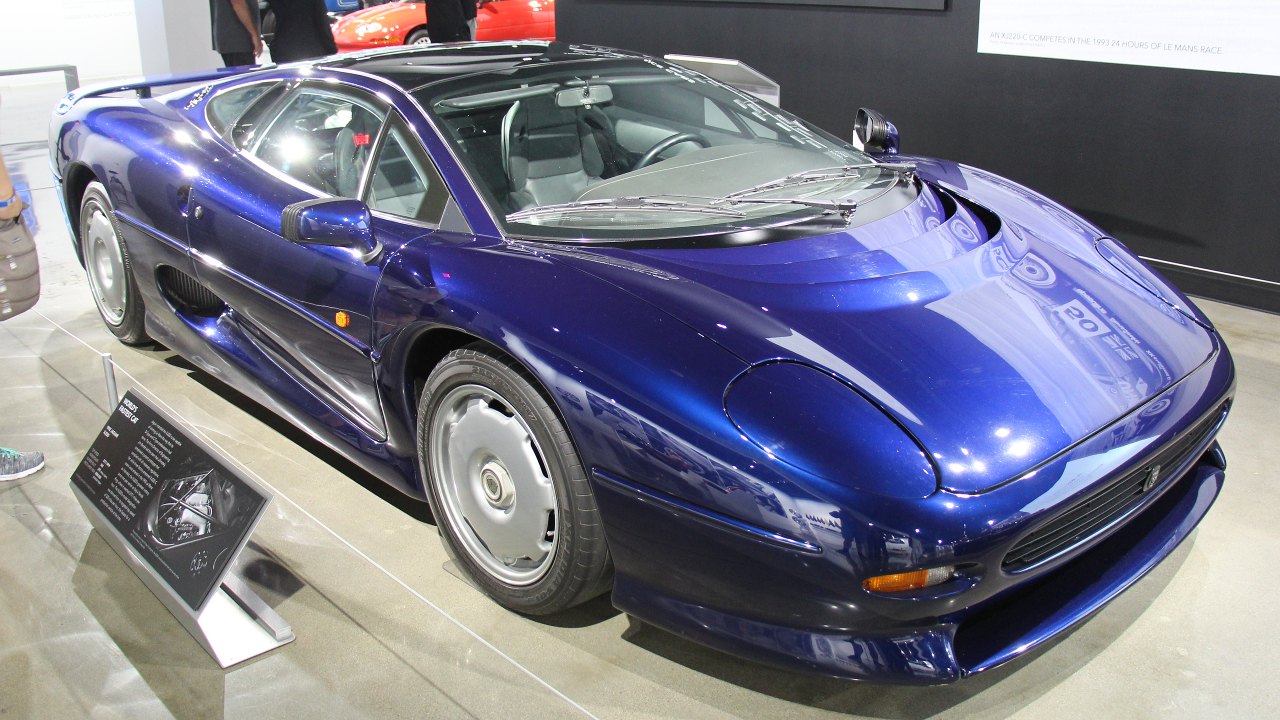
Jaguar XJ220
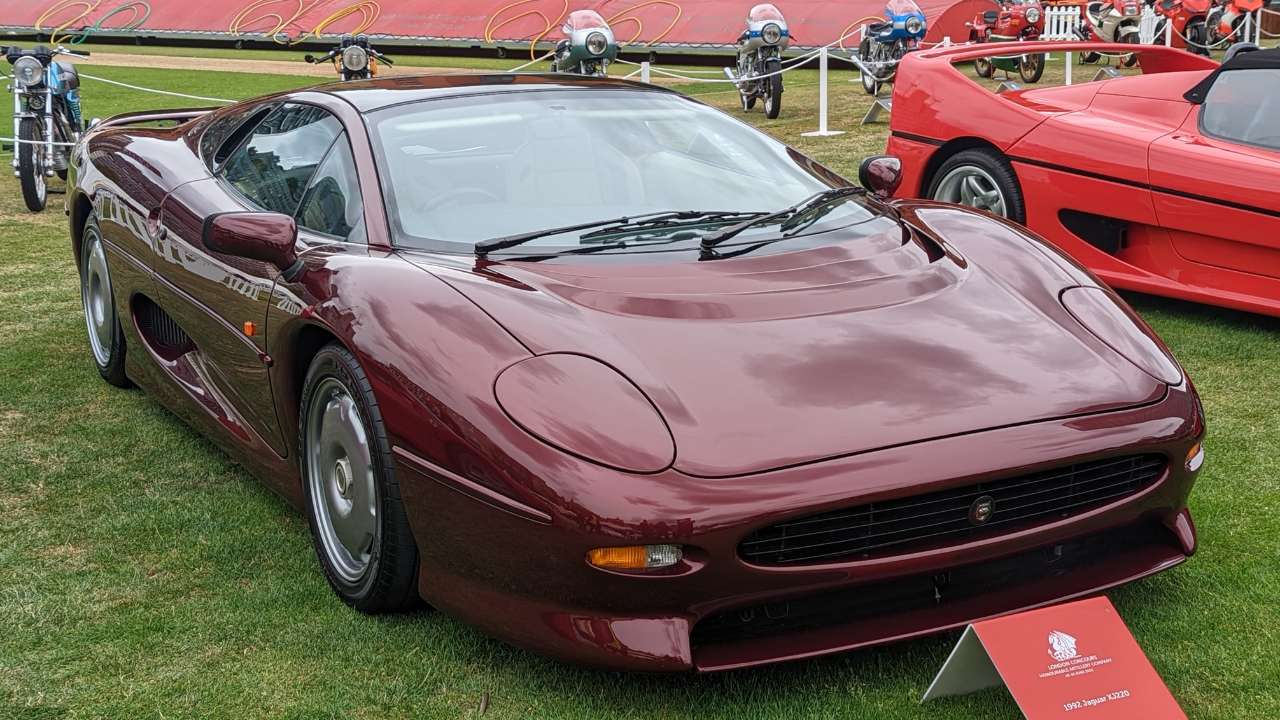
The Jaguar XJ220 stunned the early 1990s by recording a verified 212 mph top speed. Powered by a twin-turbocharged 3.5-liter V6 producing 542 horsepower, it briefly held the title of the world’s fastest production car. Its aluminum construction and sleek body were engineered specifically for high-speed stability. The XJ220 proved Britain could dominate the top-speed arms race.
McLaren F1
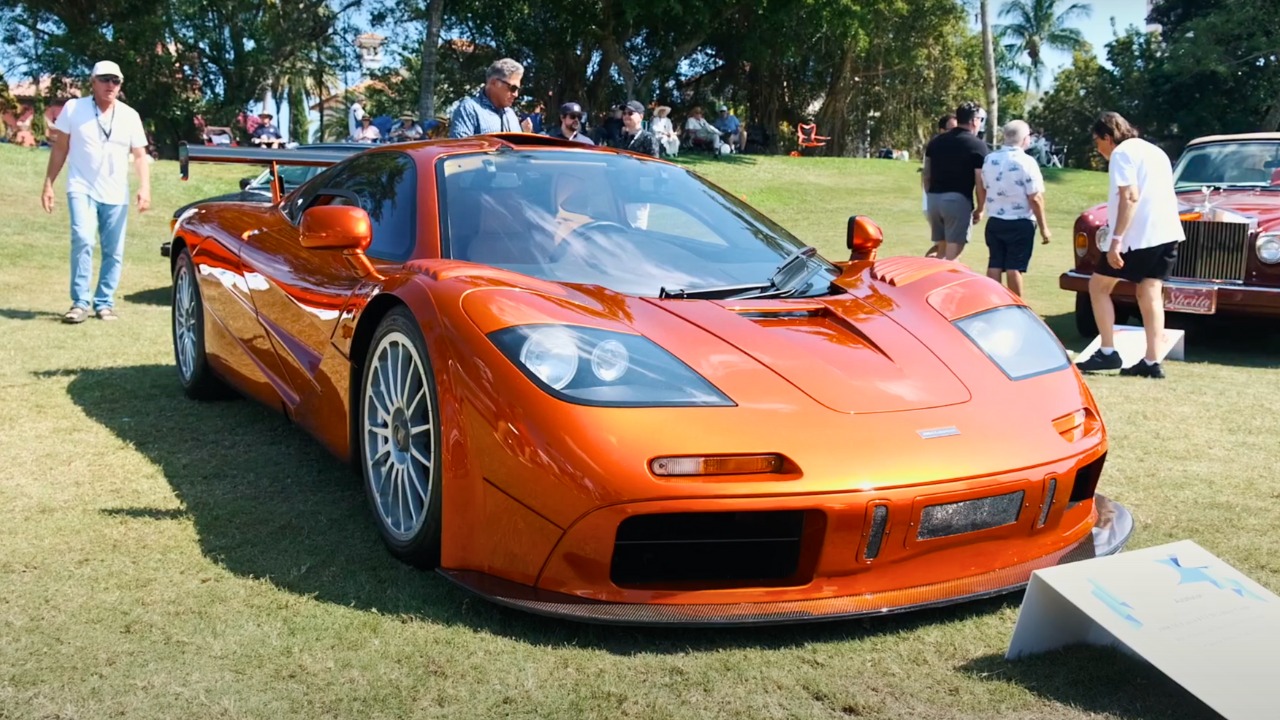
The McLaren F1 redefined limits in 1998 when it reached 240 mph in a production-spec configuration. Its naturally aspirated 6.1-liter BMW V12 generated 618 horsepower without turbochargers. A carbon-fiber monocoque and central driving position made it radically advanced. It didn’t just break 200 mph—it rewrote what was mechanically possible for a road car.
Bugatti Veyron 16.4
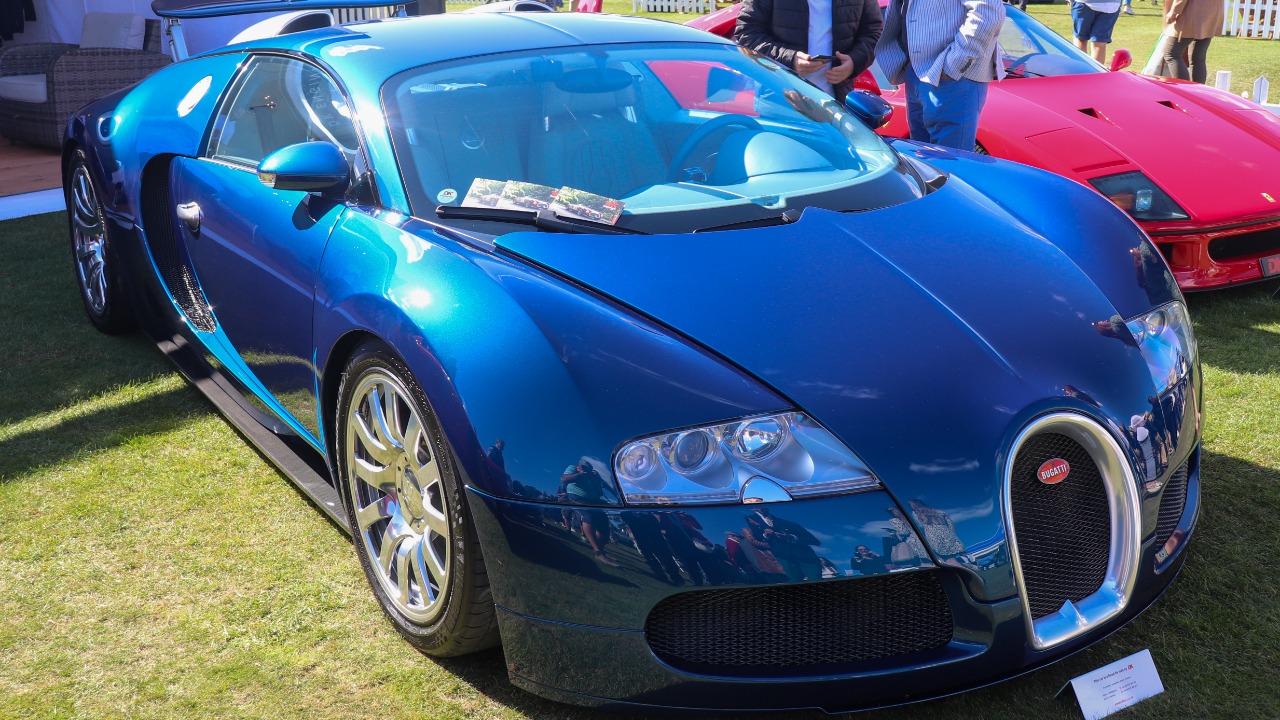
The Bugatti Veyron 16.4 obliterated previous benchmarks by reaching 253 mph with its quad-turbocharged W16 engine producing 1,001 horsepower. Achieving that speed required unprecedented cooling systems and aerodynamic innovation. It demonstrated that massive horsepower could be paired with everyday drivability. The Veyron turned 200 mph from an elite milestone into a new baseline for hypercars.
Saleen S7 Twin Turbo
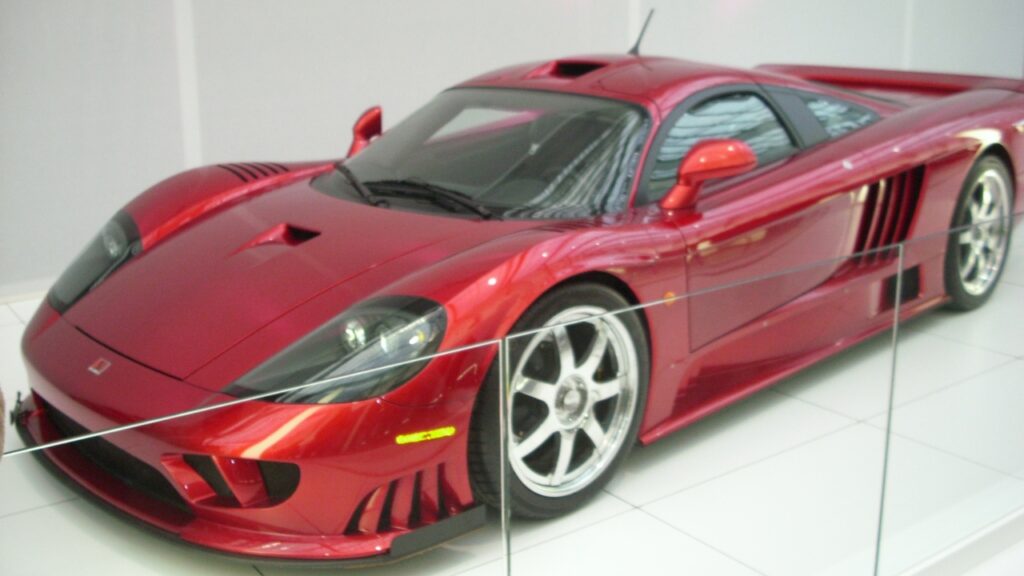
The Saleen S7 Twin Turbo pushed American engineering into the 200-mph club with a top speed around 248 mph. Its 7.0-liter twin-turbo V8 produced 750 horsepower, later increased in special versions. Built around a lightweight chassis and race-derived suspension, it was uncompromising at speed. The S7 showed the U.S. could compete in the global hypercar arena.
Koenigsegg CCR

The Koenigsegg CCR briefly held the world record in 2005 with a top speed of 241 mph. Its supercharged 4.7-liter V8 delivered immense power in an ultra-light carbon-fiber structure. Aerodynamic refinement allowed it to slice through air more efficiently than many rivals. The CCR cemented Koenigsegg as a serious challenger to established supercar brands.
SSC Ultimate Aero

The SSC Ultimate Aero shocked the industry in 2007 by reaching 256 mph, surpassing the Veyron at the time. Its twin-turbocharged 6.3-liter V8 produced over 1,100 horsepower. With minimal electronic intervention and extreme aerodynamic tuning, it prioritized raw speed above all else. The Ultimate Aero proved small manufacturers could topple giants in the top-speed war.
More from Fast Lane Only