.
Long before launch control, adaptive suspension, and hybrid boost filled spec sheets, some cars were already terrifyingly fast. These machines relied on raw displacement, lightweight construction, and fearless engineering to smash past speed limits. They didn’t have stability programs to save drivers. They simply had power, nerve, and ambition.
Shelby Cobra 427
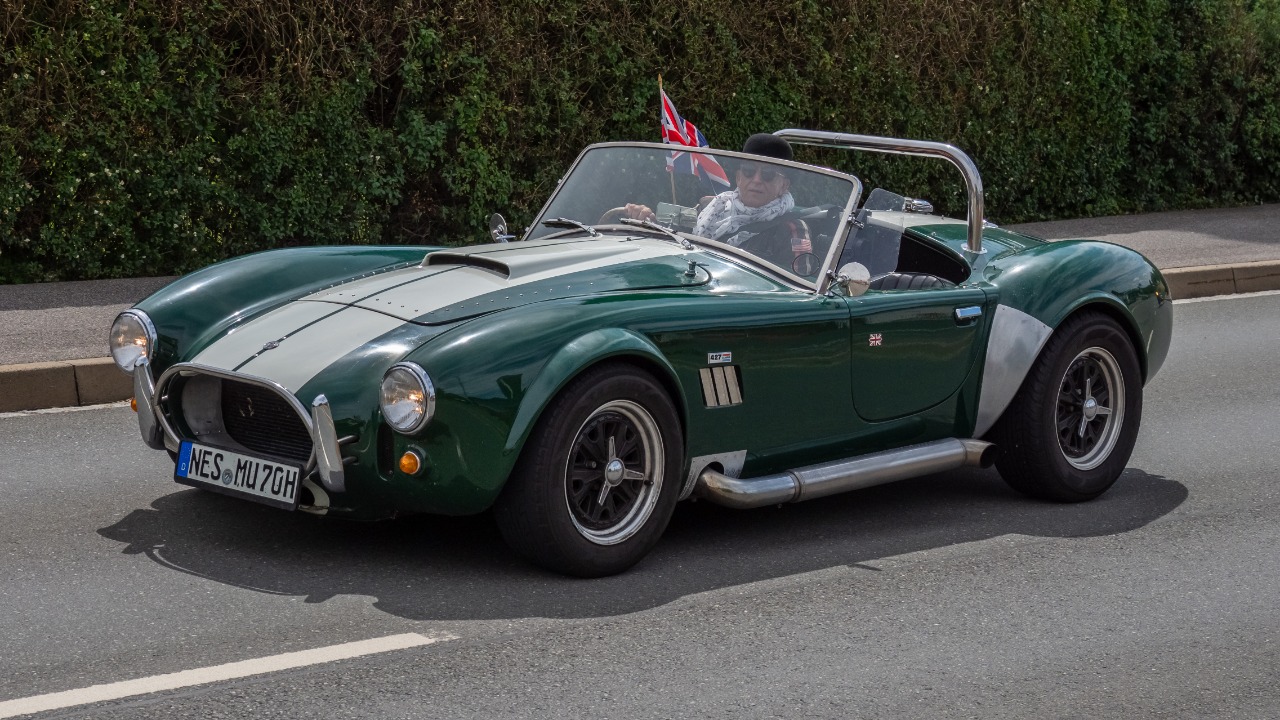
The Shelby Cobra 427 stuffed a massive 7.0-liter V8 into a tiny British roadster body, producing around 425 horsepower in the mid-1960s. Weighing barely over 2,300 pounds, it delivered brutal acceleration that overwhelmed tires and drivers alike. Top speeds approached 165 mph, outrageous for its era. There were no electronic aids, no traction control, just torque and courage. It earned its reputation the hard way, overpowering roads long before modern performance tech existed.
Ferrari 365 GTB/4 Daytona
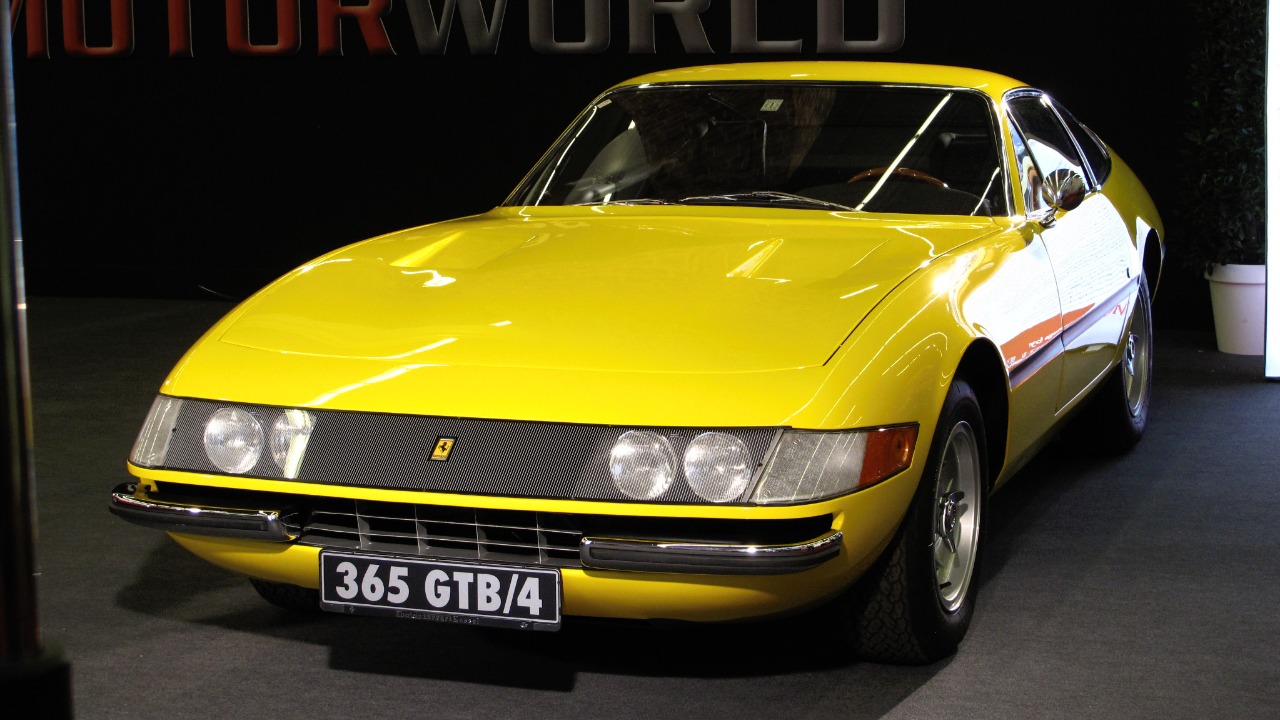
The Ferrari 365 GTB/4 Daytona used a 4.4-liter V12 producing 352 horsepower and pushing the car to nearly 174 mph in the late 1960s. That top speed made it one of the fastest production cars in the world at the time. Its five-speed manual transmission and rear-wheel-drive layout demanded precision from drivers.
Lamborghini Miura P400S

The Lamborghini Miura P400S mounted its 3.9-liter V12 transversely behind the seats, producing roughly 370 horsepower and reshaping supercar design forever. It could exceed 170 mph, a shocking number for the early 1970s. The mid-engine layout created thrilling but sometimes unpredictable handling at high speed. With no stability systems to intervene, drivers relied entirely on skill. It proved that exotic engineering could shatter speed barriers long before computers entered the equation.
Mercedes-Benz 300SEL 6.3
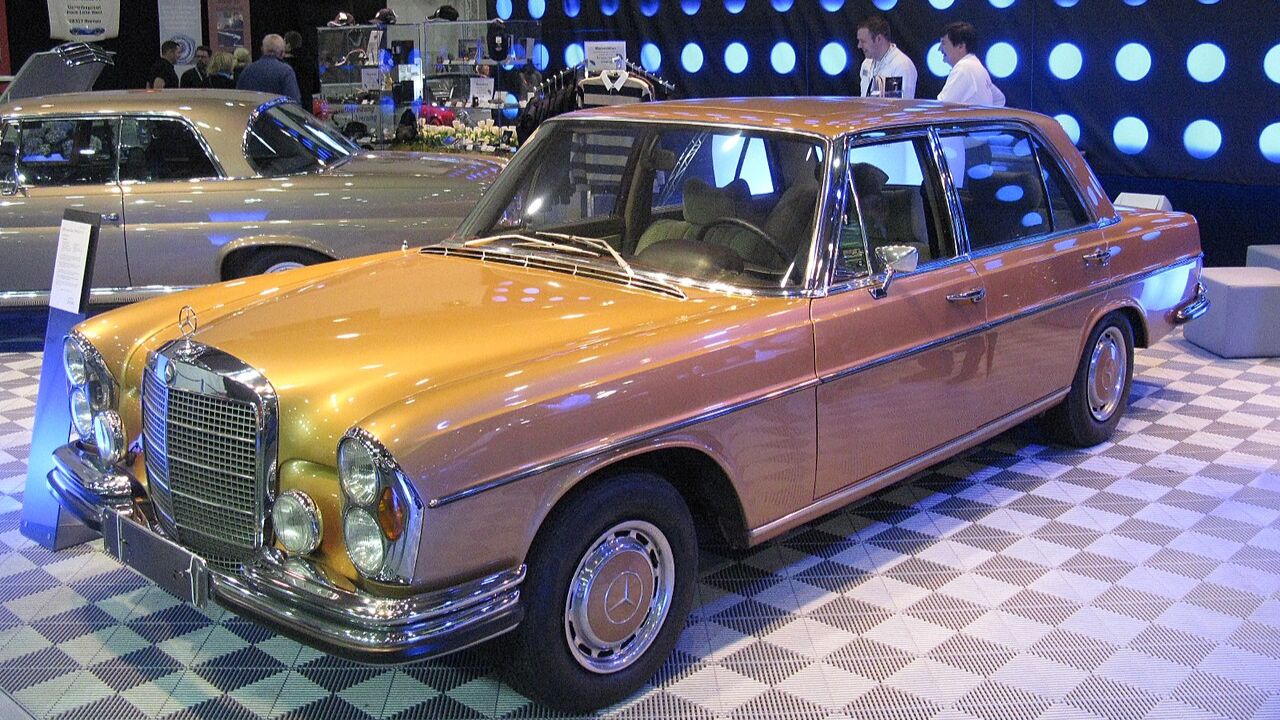
The Mercedes-Benz 300SEL 6.3 disguised a 6.3-liter V8 producing 247 horsepower inside a formal luxury sedan body. Despite its understated looks, it could reach nearly 137 mph and sprint to 60 mph in about 6.5 seconds in 1968. That level of performance shocked rivals and embarrassed sports cars of the day. Air suspension and sheer torque delivered relentless pace without modern electronic assistance, making it one of the earliest true high-speed sedans.
Chevrolet Corvette C2 427
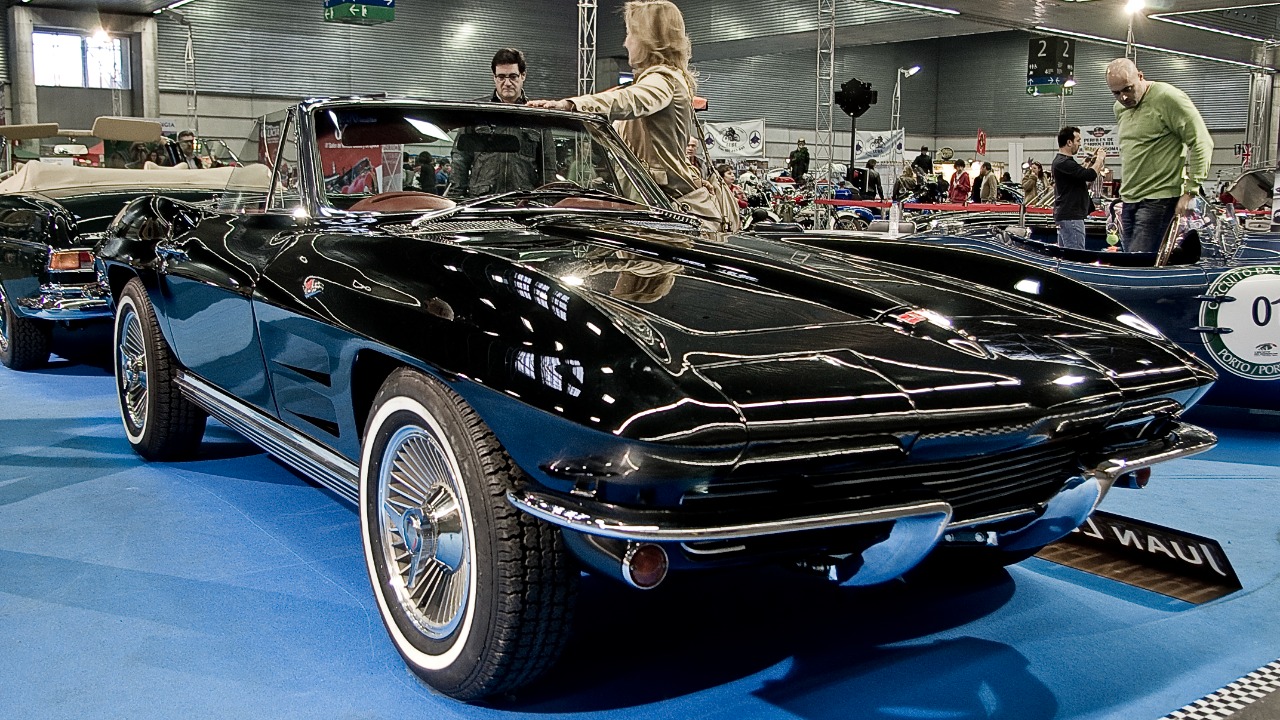
The Chevrolet Corvette C2 427 packed a big-block V8 producing up to 435 horsepower, depending on specification. In the mid-1960s, that output pushed top speeds beyond 160 mph and delivered savage straight-line acceleration. Lightweight fiberglass construction enhanced its power-to-weight advantage. There were no digital driving modes, just a four-speed manual and massive torque. For more classic
Jaguar E-Type Series 1
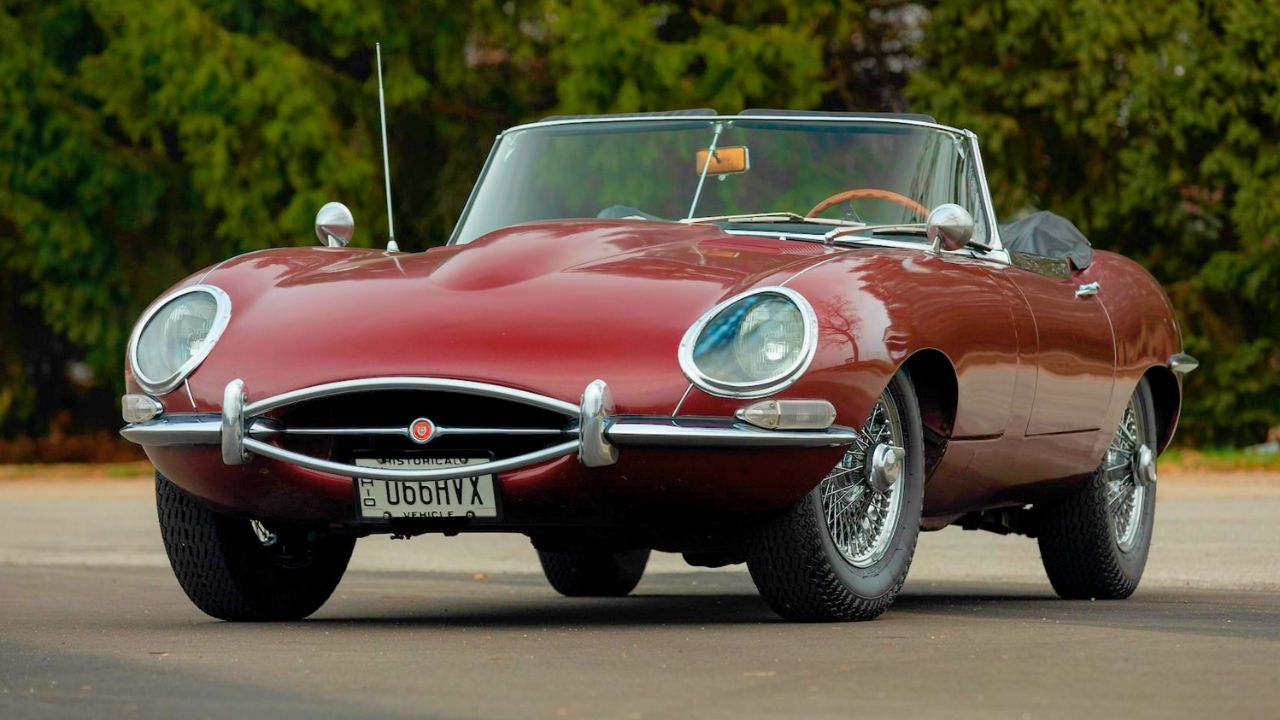
The Jaguar E-Type Series 1 debuted with a 3.8-liter inline-six generating 265 horsepower and a claimed 150 mph top speed. In 1961, that number placed it among the fastest production cars in the world. Independent suspension and disc brakes were advanced for the era, but driver skill still mattered most at high speeds. It combined beauty and brute pace, breaking perceived limits before traction control ever became imaginable.
Porsche 930 Turbo
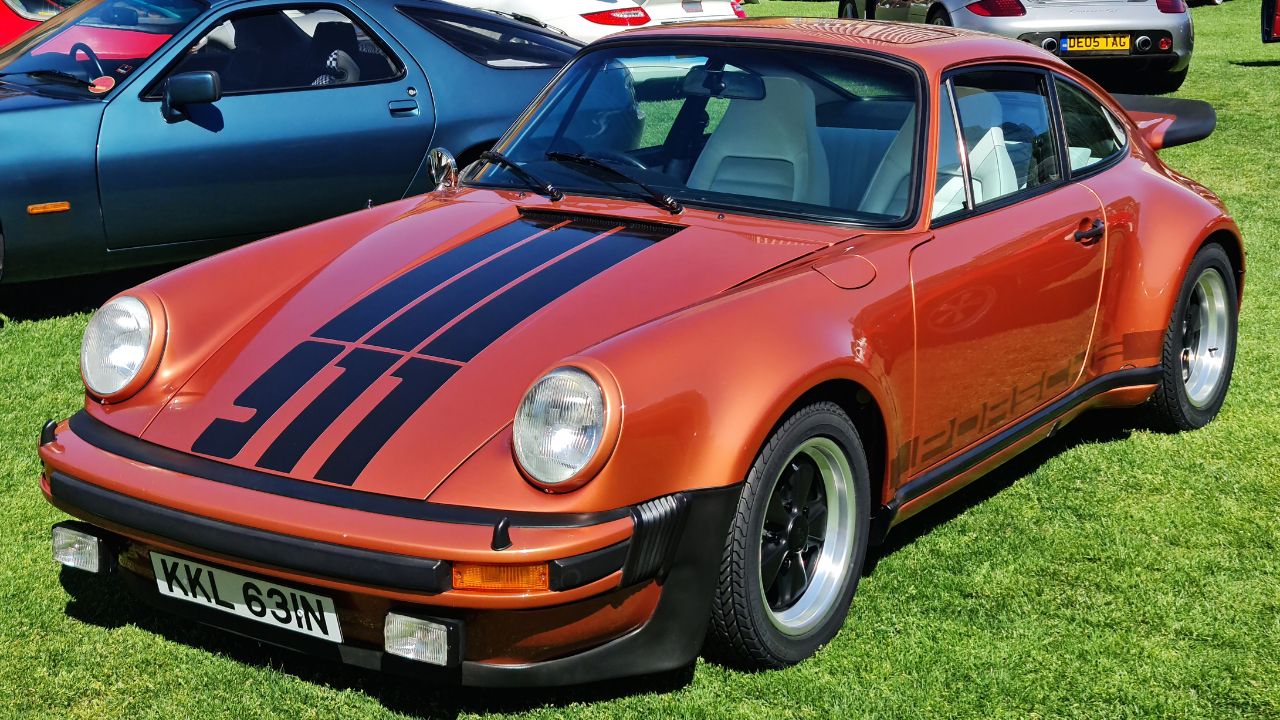
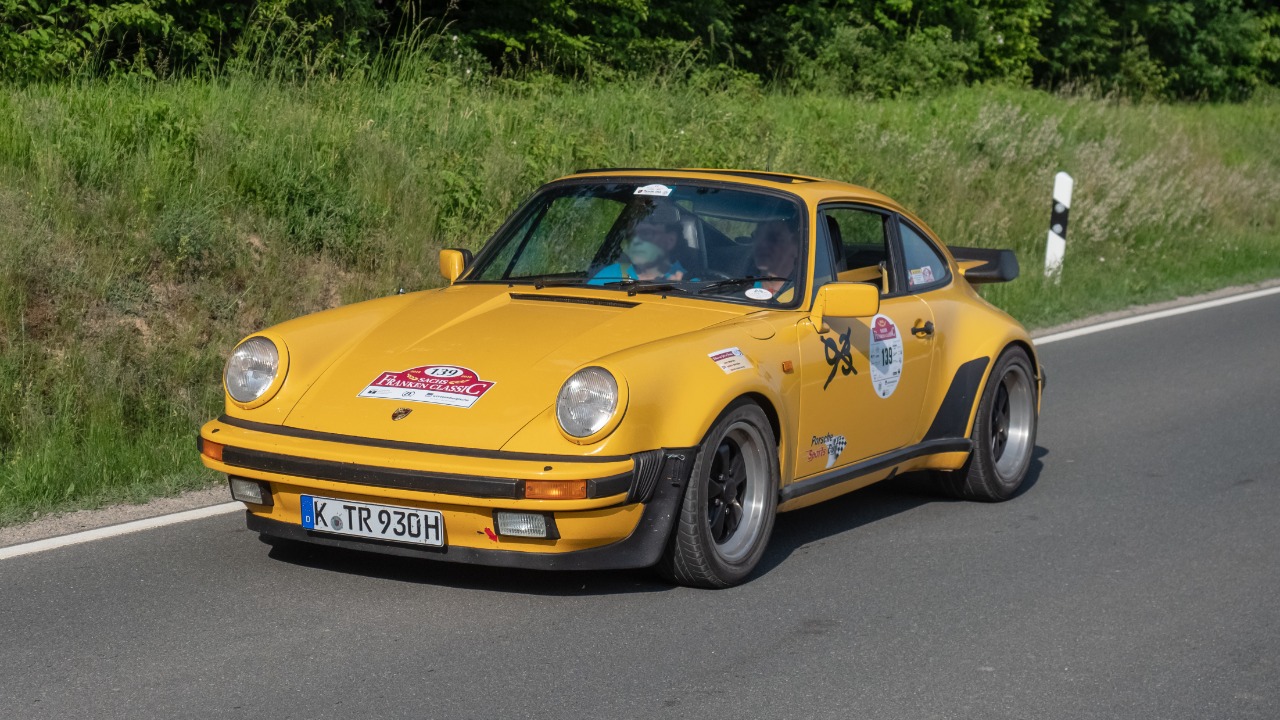
The Porsche 930 Turbo arrived in the mid-1970s with a turbocharged 3.0-liter flat-six producing around 260 horsepower initially, later rising significantly. It could exceed 155 mph, but its real reputation came from explosive turbo lag that delivered sudden, dramatic acceleration. Rear-engine balance and limited electronic safeguards made it notoriously demanding at the limit.
Ford GT40 (Road Version)
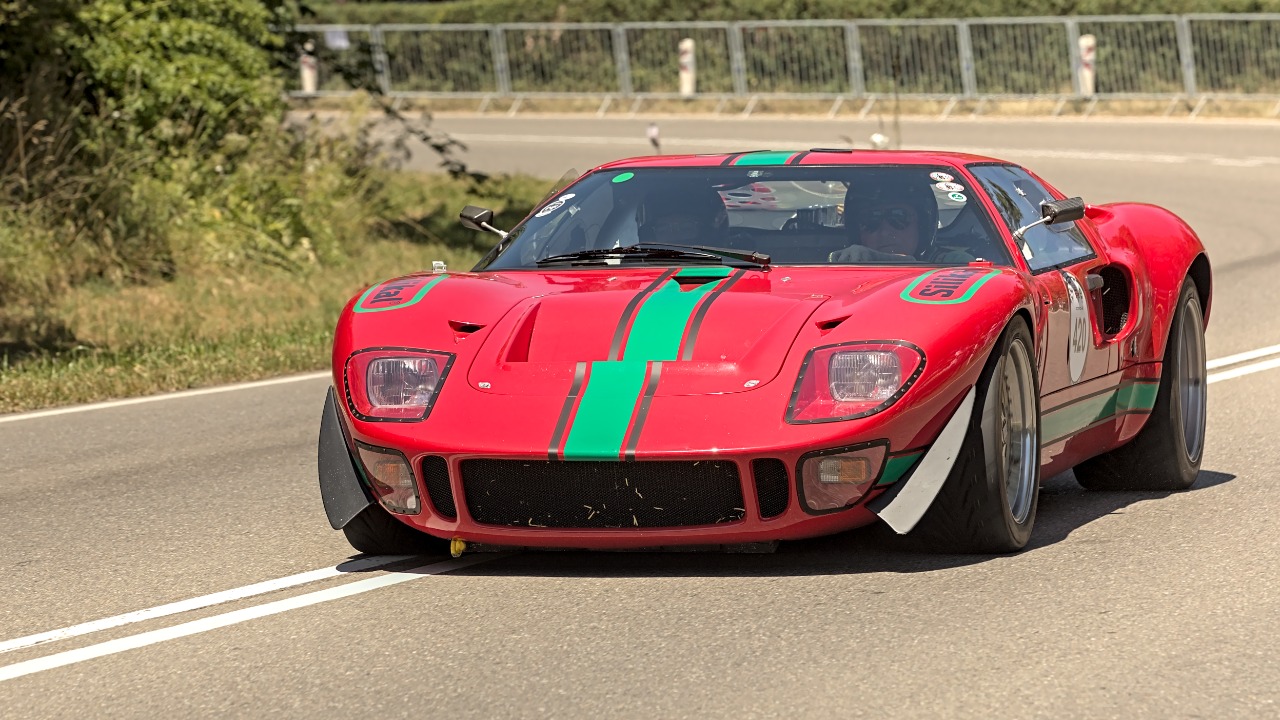
The Ford GT40 road-going versions carried racing DNA directly from Le Mans, using V8 powerplants capable of pushing speeds near 200 mph in competition trim. Even detuned road variants offered staggering acceleration for the 1960s. With minimal insulation and race-bred aerodynamics, it felt raw and uncompromising. There were no computerized safety nets, just mechanical grip and massive power, proving that true speed existed long before modern technology stepped in.
More from Fast Lane Only