Factory horsepower numbers don’t always tell the full story. In the golden age of muscle, insurance pressure, politics, and creative marketing often meant official figures were conservative at best. Some cars were clearly stronger than advertised the moment you floored the throttle. These seven muscle machines felt far more ferocious than their paperwork ever admitted.
Chevrolet Camaro ZL1 (1969)

The 1969 Chevrolet Camaro ZL1 was officially rated at 430 horsepower, but many believe the all-aluminum 427 V8 produced well over 500. Built primarily for drag racing homologation, it delivered savage acceleration straight from the factory. Lightweight construction and massive torque made it brutally quick off the line. Anyone who drove one knew the rating barely hinted at its true output.
Ford Mustang Boss 429
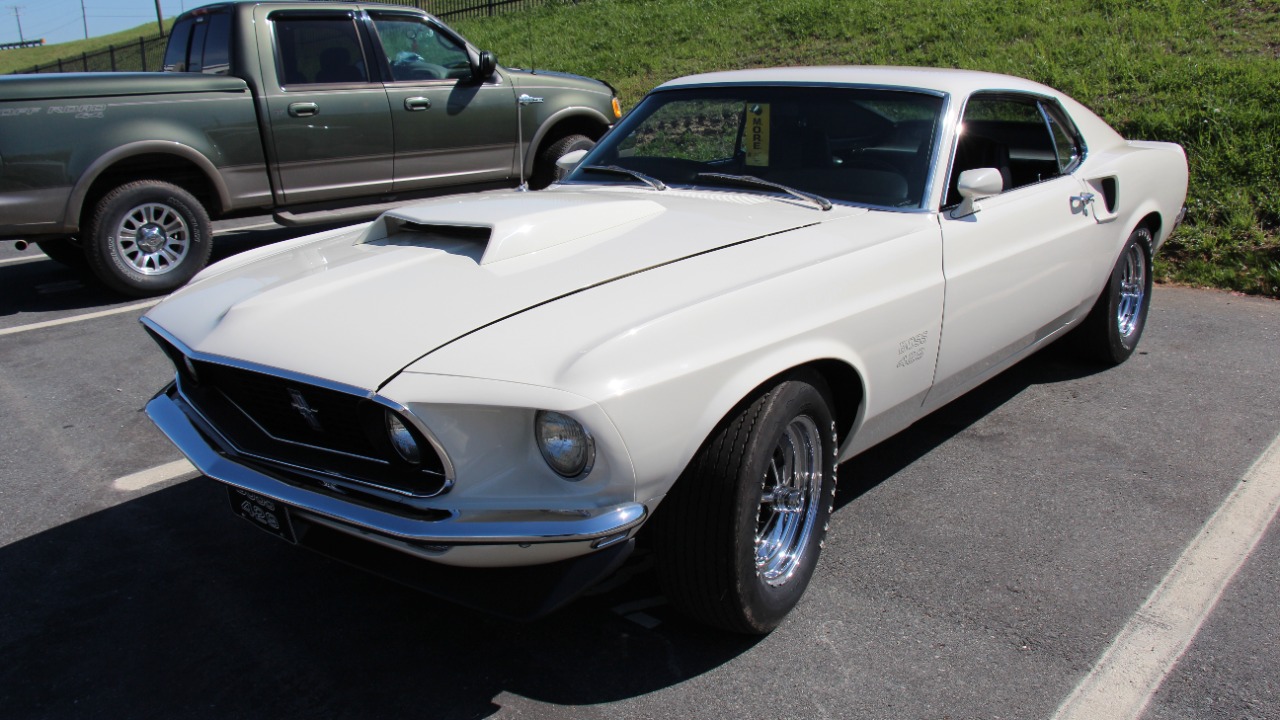
The Ford Mustang Boss 429 carried an official rating of 375 horsepower, yet real-world performance suggested much more. Designed to homologate the massive 429 cubic-inch engine for NASCAR, it packed serious breathing capability. Its oversized valves and high-flow heads hinted at hidden strength. On the street, it felt stronger and faster than its conservative number suggested.
Plymouth HEMI ’Cuda
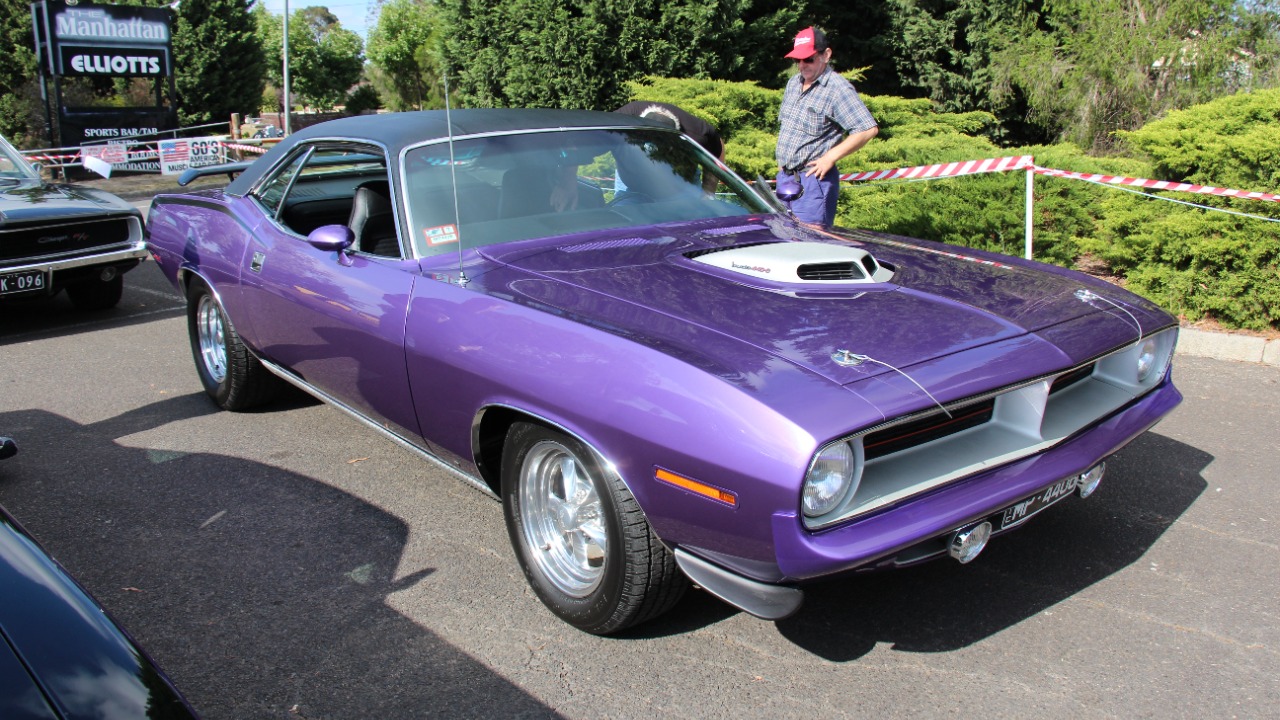
The Plymouth HEMI ’Cuda listed 425 horsepower from its 426 HEMI V8, but that figure was widely considered understated. Massive torque and brutal midrange thrust made it a terror in stoplight battles. Quarter-mile times often outpaced expectations based on the rating alone. It delivered an experience that felt closer to race-car intensity than brochure statistics.
Pontiac GTO Judge Ram Air IV

The Pontiac GTO Judge with the Ram Air IV engine carried a 370-horsepower rating, yet its high-compression setup and aggressive cam told another story. It revved harder and pulled stronger than many competitors with higher advertised numbers. Real-world acceleration proved it was seriously underrated. Drivers quickly realized the badge understated the fury under the hood.
Chevrolet Chevelle SS 454 LS6

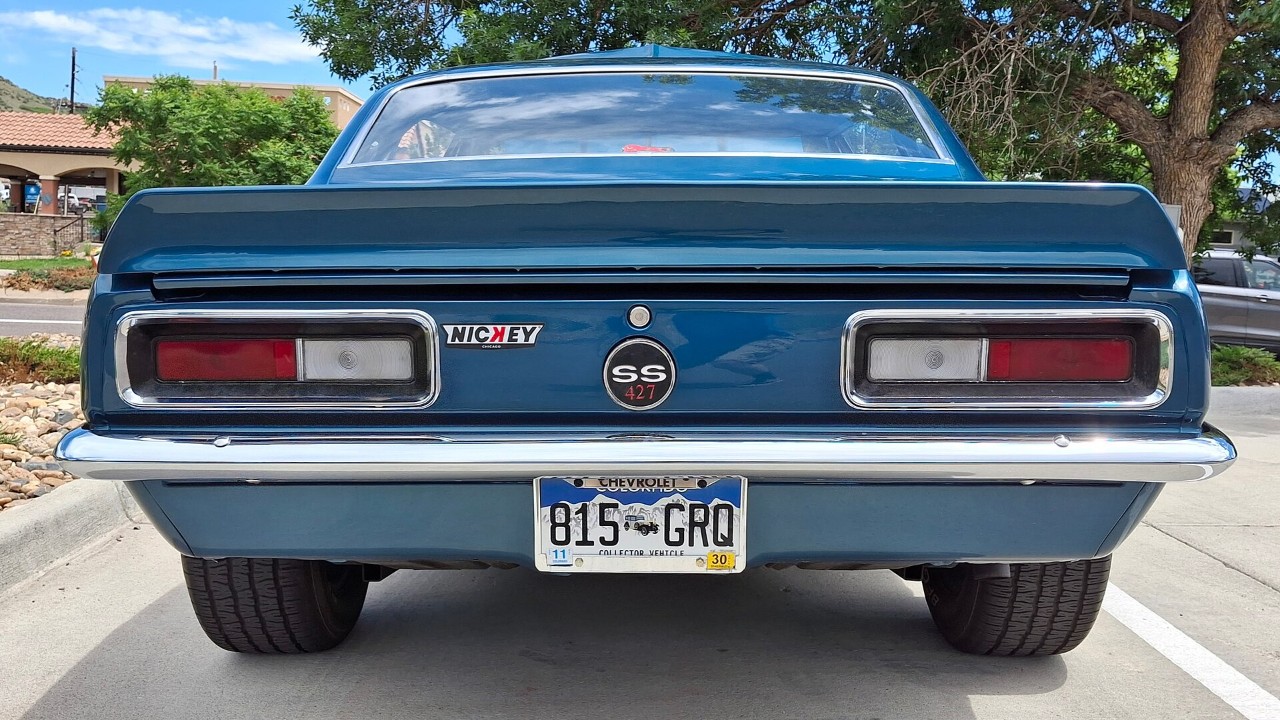
The Chevrolet Chevelle SS 454 LS6 was rated at 450 horsepower, already outrageous for its time, yet many tests indicated even more potential. Its massive torque made traction a constant challenge. The LS6 package included high compression and serious breathing upgrades straight from the factory. On open pavement, it felt even more explosive than the spec sheet implied.
Dodge Challenger R/T 440 Six Pack

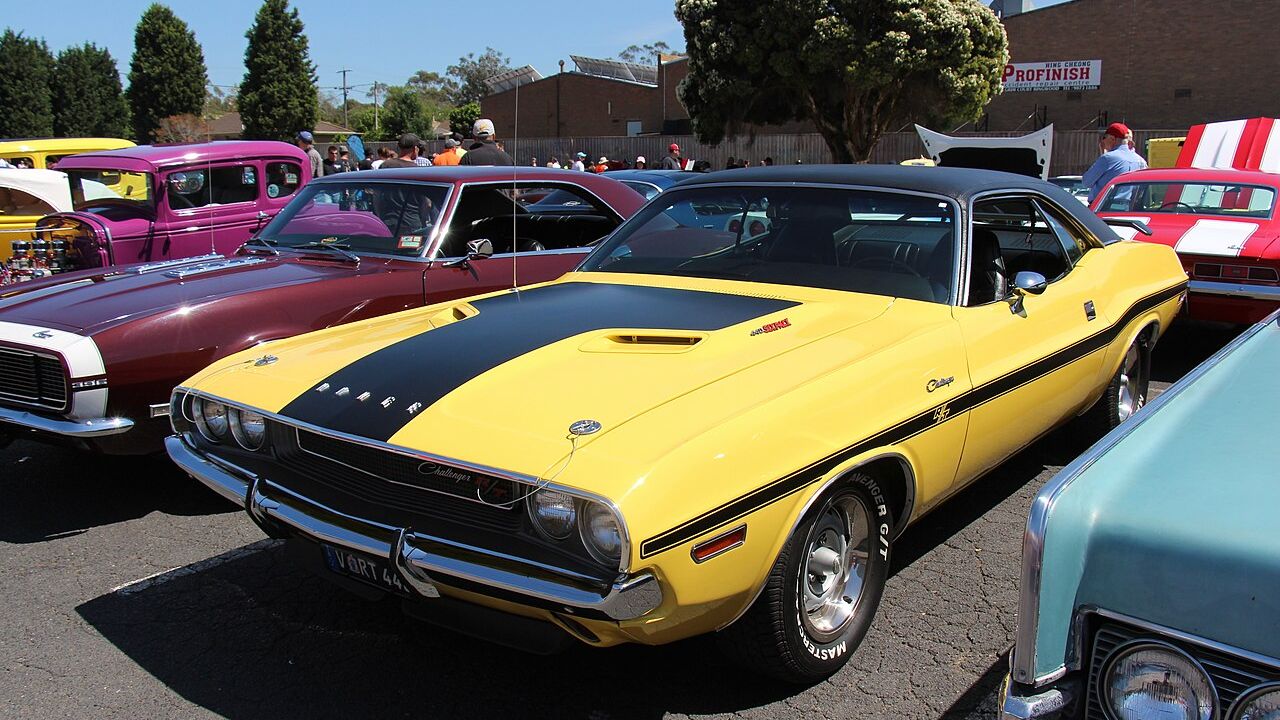
The Dodge Challenger R/T with the 440 Six Pack was rated at 390 horsepower, but its triple two-barrel carburetors delivered punch that felt stronger. The surge of torque when all three carbs opened created an aggressive rush. Street racers often claimed it ran with supposedly higher-rated competitors. The official figure seemed like a polite understatement of its true muscle.
Buick GSX Stage 1

The Buick GSX Stage 1 officially made 360 horsepower, yet its torque rating of 510 lb-ft hinted at hidden dominance. In reality, its acceleration shocked drivers who expected something milder from Buick. Strong low-end pull made it devastating in real-world street conditions. It proved that sometimes the quietest-looking muscle car carried the biggest surprise.
More from Fast Lane Only