American automotive history is rich with innovation and creativity, yet many remarkable vehicles have faded into obscurity. These forgotten cars not only pushed the boundaries of design and technology but also paved the way for future innovations. Here are eight American cars that were ahead of their time, showcasing unique features and bold ideas that deserve recognition.
The Tucker 48
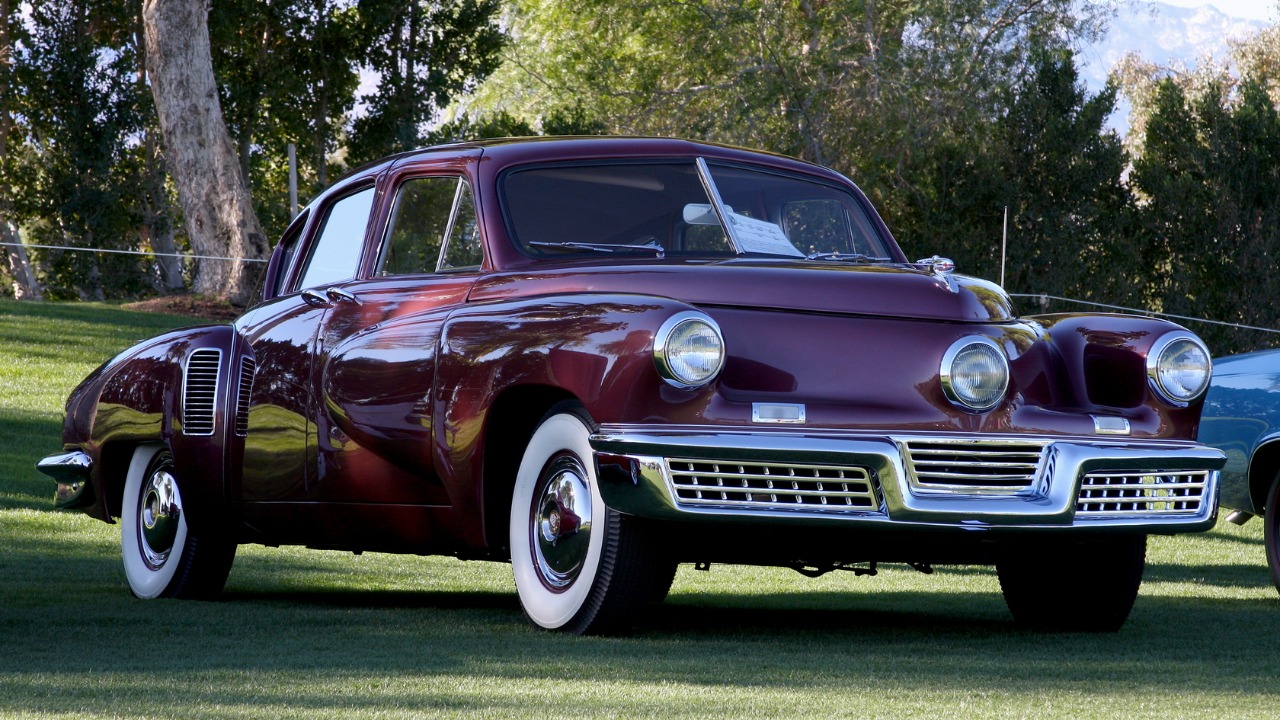
The Tucker 48, designed by Preston Tucker in 1948, aimed to revolutionize the automotive industry with its innovative safety features and modern styling. With only 51 units produced, this limited-run sedan was equipped with a rear engine and a unique third headlight that turned with the steering wheel, providing enhanced visibility at night. The Tucker 48’s design was not just aesthetically pleasing but also practical, integrating features like a padded dashboard and an advanced suspension system. Despite its groundbreaking innovations, the car struggled against industry giants and ultimately fell victim to financial challenges. Today, the Tucker 48 is celebrated as a symbol of what could have been in American automotive history, with enthusiasts often discussing its impact on car design. You can read more about its legacy at Old Cars Weekly.
The Cord 810
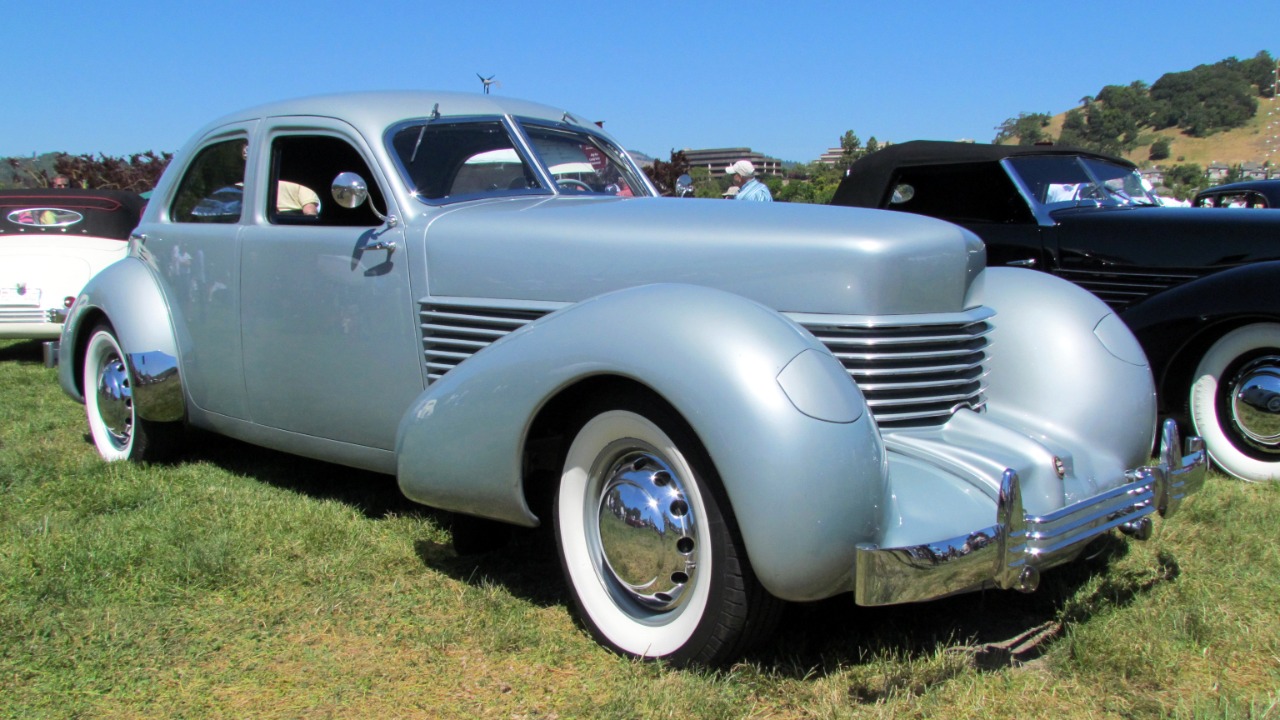
Launched in 1936, the Cord 810 was a true standout in automotive design, featuring a front-wheel-drive layout and a streamlined body that was both stylish and functional. Its distinctive “coffin-nose” front end and retractable headlights set it apart from its contemporaries. The Cord was powered by a supercharged V8 engine, delivering impressive performance for its time. Despite its advanced engineering, the Great Depression severely impacted sales, leading to its discontinuation just a year later. Nonetheless, the Cord 810 has left a lasting legacy, often regarded as one of the most beautiful cars ever produced. For those interested in classic cars, the Cord 810 is a prime example of innovation meeting aesthetics, and it continues to be a sought-after collector’s item today.
The Pontiac Fiero
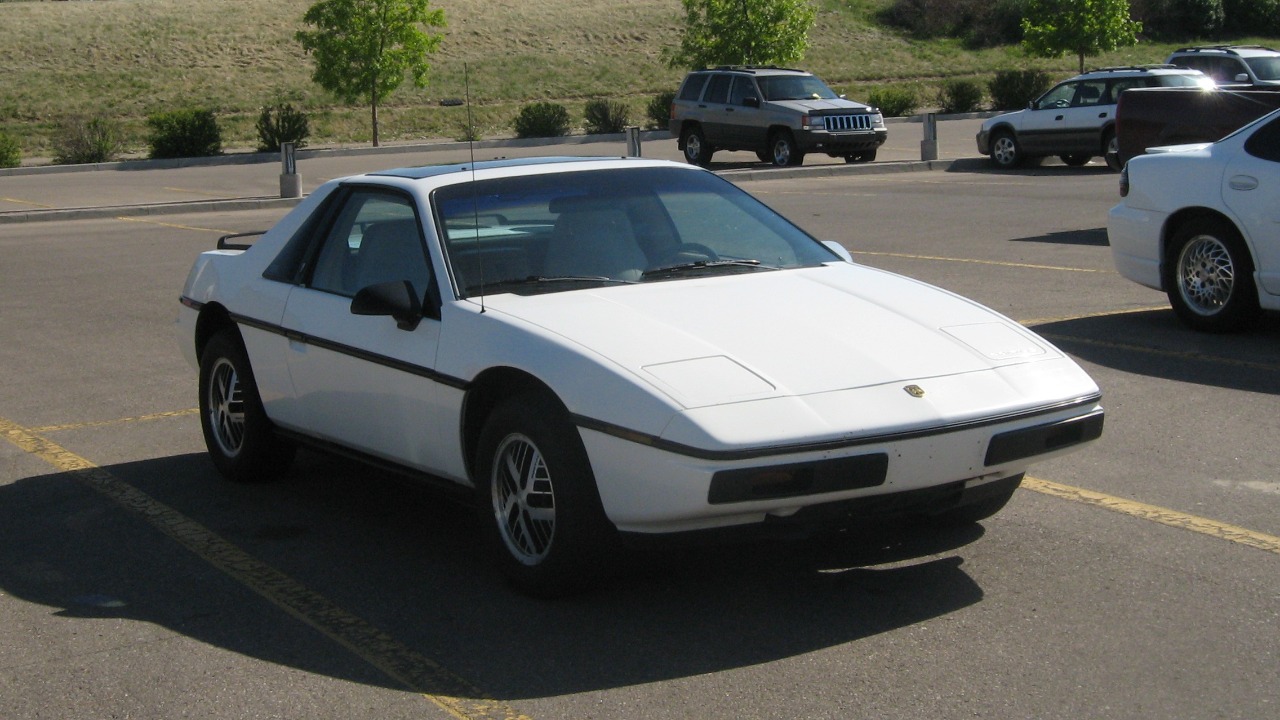
The Pontiac Fiero, introduced in 1984, was a mid-engine sports car that aimed to combine affordability with performance. Its lightweight design and sporty handling made it an attractive option for driving enthusiasts. The Fiero was notable for its unique styling, which included an option for a fastback body style, and it was one of the first American cars to utilize a composite plastic body. However, production issues and a lack of marketing support led to its decline, and it was discontinued in 1988. The Fiero has since gained a cult following, with many enthusiasts restoring and modifying them for modern performance. Its innovative design elements can still be seen in contemporary sports cars, making it a noteworthy chapter in American automotive history. You can explore its fascinating story in-depth at MotorTrend.
The DeLorean DMC-12
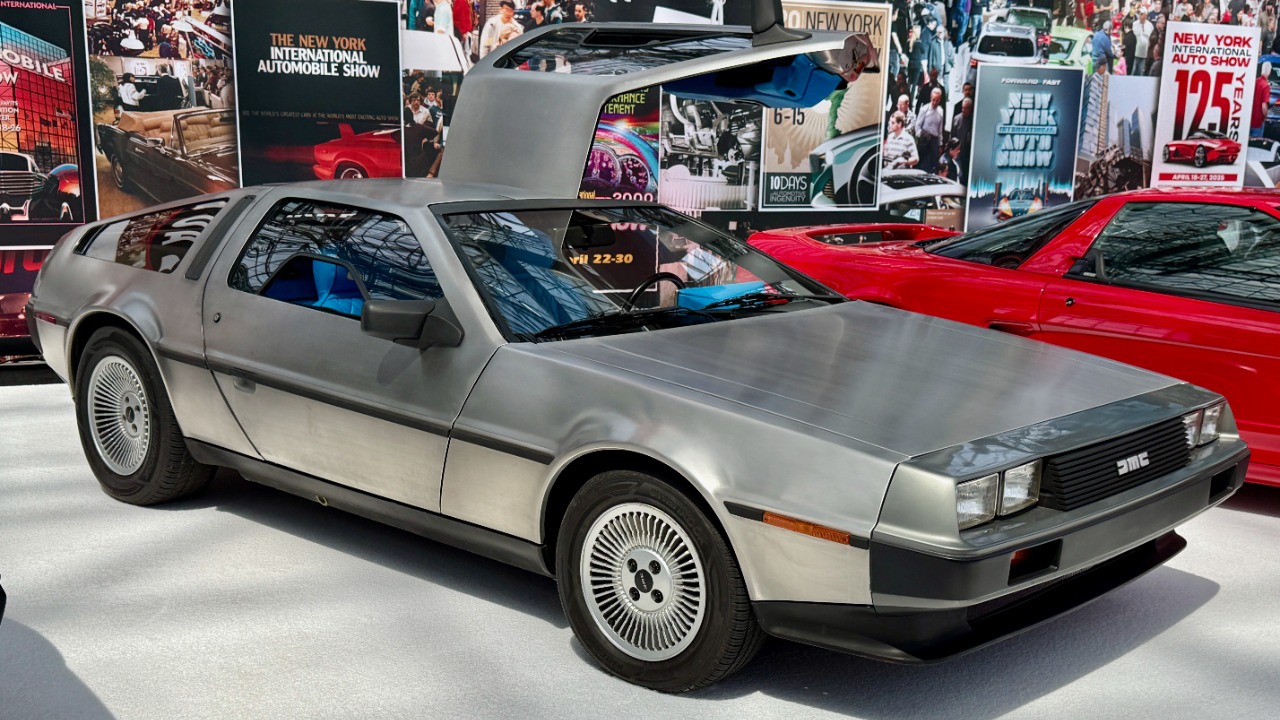
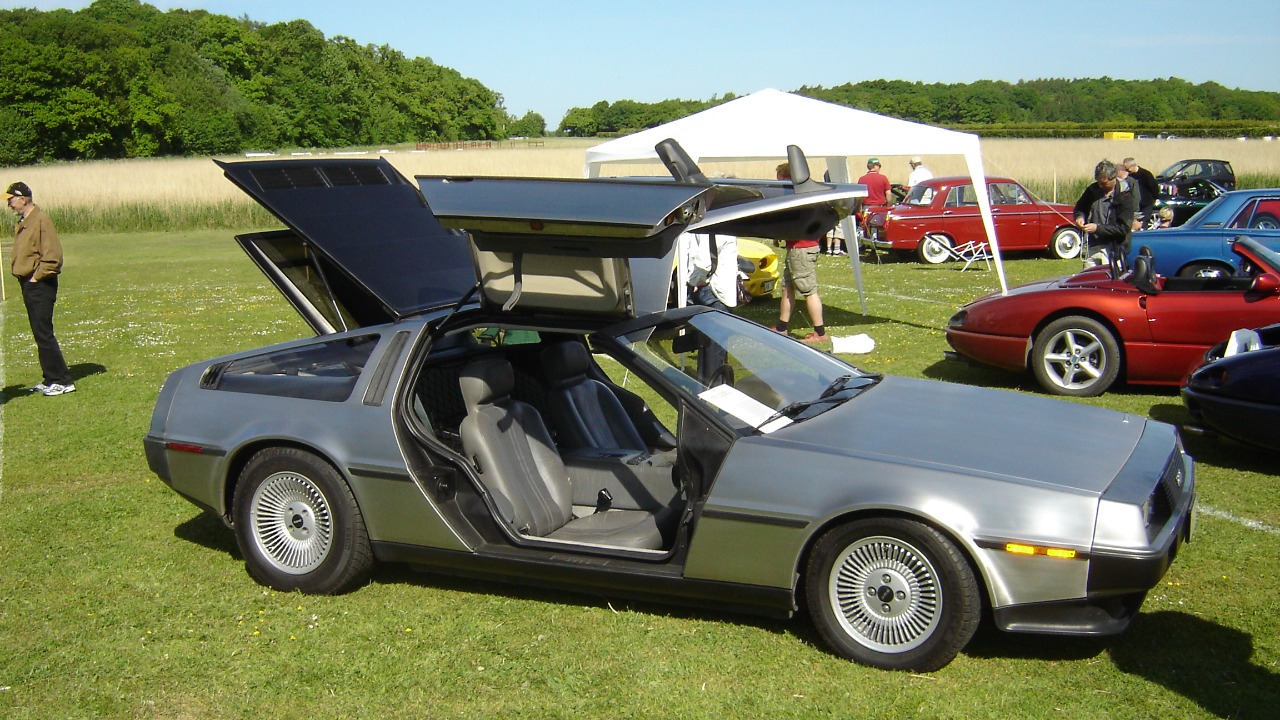
Famous for its role in the “Back to the Future” films, the DeLorean DMC-12 was produced from 1981 to 1983 and featured a striking stainless-steel body and gullwing doors. Designed by John DeLorean, the DMC-12 aimed to be a futuristic sports car, but it was marred by financial issues and a troubled production timeline. Despite its limited production run of about 9,000 units, the DeLorean has become an icon of 1980s pop culture. Its unique design and innovative features, such as a rear-mounted engine and a fiberglass chassis, make it a fascinating study in automotive history. Today, the DeLorean commands significant attention from collectors and enthusiasts alike, and its status as a cultural artifact continues to grow.
The Chrysler Airflow
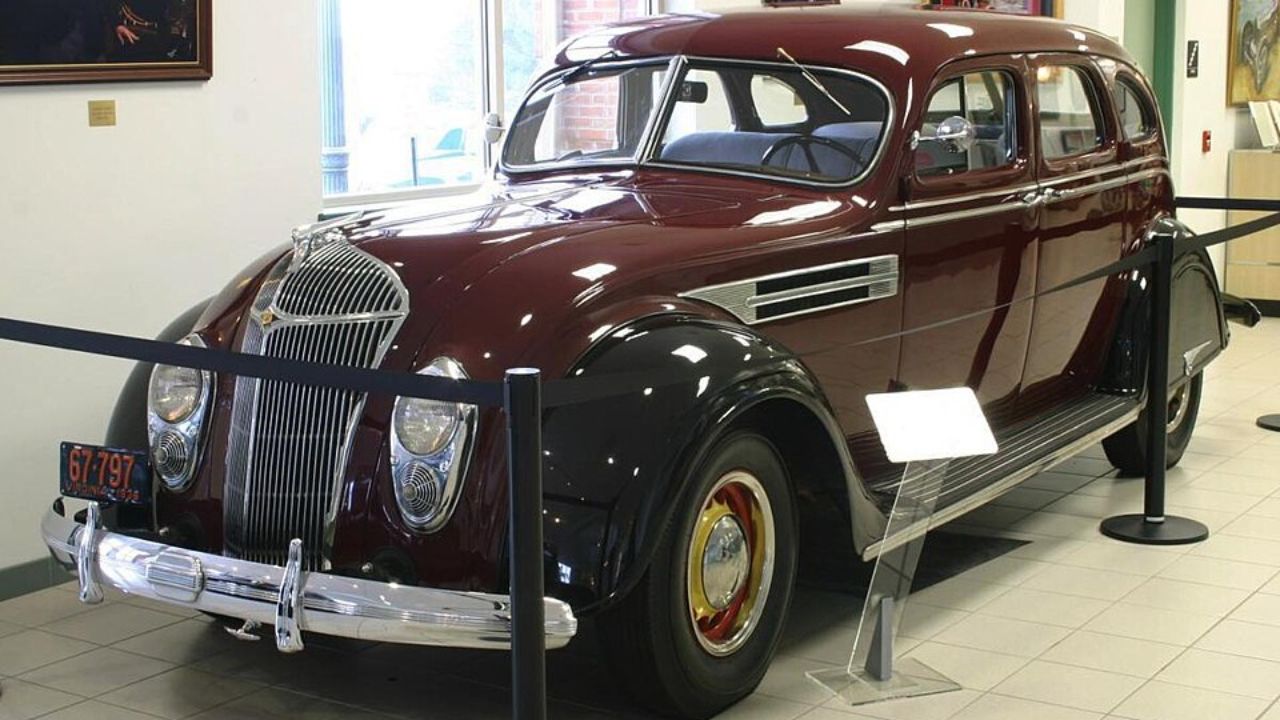
Introduced in 1934, the Chrysler Airflow was a revolutionary car that challenged traditional design norms with its streamlined shape and aerodynamic principles. The Airflow was one of the first vehicles to prioritize aerodynamics, resulting in improved fuel efficiency and performance. Its unique design featured a low-slung silhouette and a spacious interior, which was rare for its time. Despite these innovations, the public was slow to embrace the Airflow, and Chrysler ended production in 1937. Today, the Airflow is recognized as a pioneering vehicle that influenced future designs, and it serves as an important reminder of the automotive industry’s evolution. Enthusiasts often highlight its impact on modern car design, making it an essential part of American automotive history.
The AMC Pacer
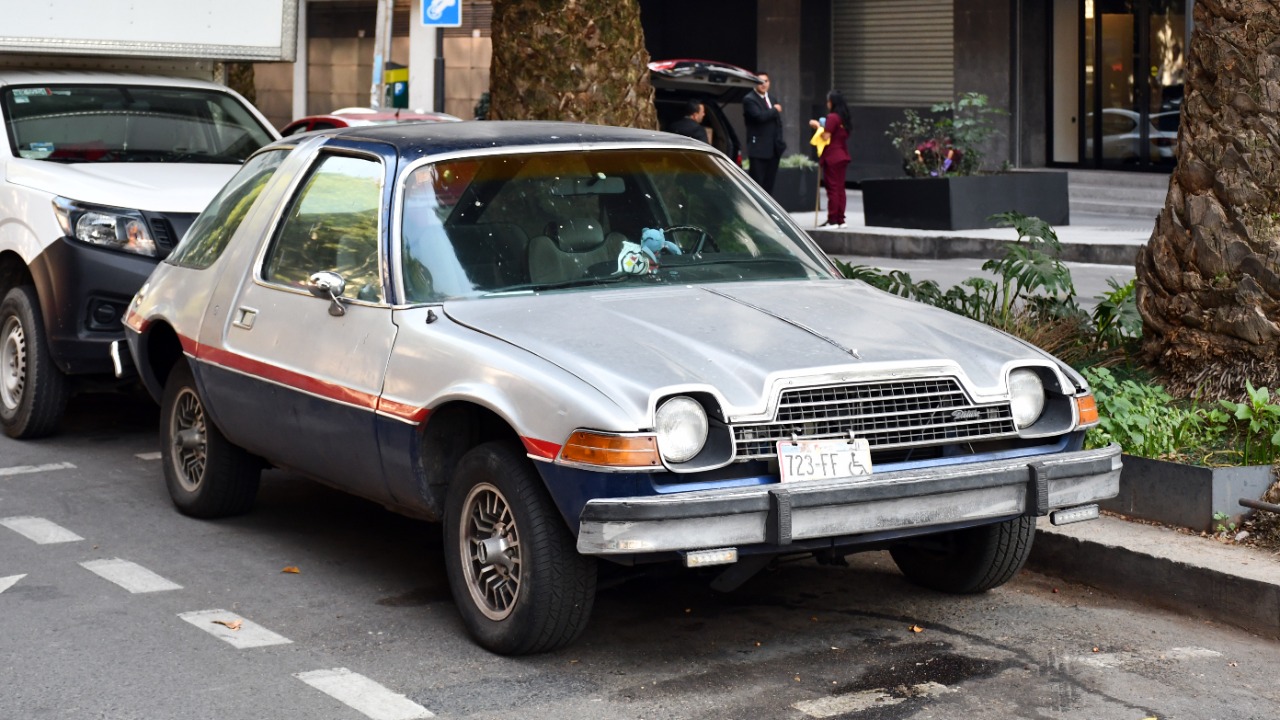
The AMC Pacer, produced from 1975 to 1980, is often remembered for its quirky design and unique shape. With its wide stance and large glass area, the Pacer was marketed as a “compact car” that offered ample interior space. It featured a distinctive egg-shaped design that made it stand out on the road. Although it was initially well-received, the Pacer’s reputation suffered due to fuel efficiency issues and a lack of performance. Despite this, the Pacer has gained a cult following in recent years, often celebrated for its retro charm and unique aesthetics. It remains a fascinating example of 1970s automotive design and continues to be a topic of discussion among car enthusiasts.
The Ford Mustang II

The Ford Mustang II, produced from 1974 to 1978, represented a significant shift in the Mustang’s identity. Designed to compete in the fuel-crisis era, it was smaller and more economical than its predecessors. While some traditionalists viewed it as a departure from the Mustang’s muscle car roots, the Mustang II offered a variety of engine options and sporty styling that appealed to a new generation of buyers. Although it faced criticism for lacking the performance of earlier models, the Mustang II helped keep the Mustang brand alive during challenging economic times. Today, it is often overlooked in favor of its more iconic counterparts, but it played a crucial role in the evolution of this beloved American marque.
The Chevrolet Corvair
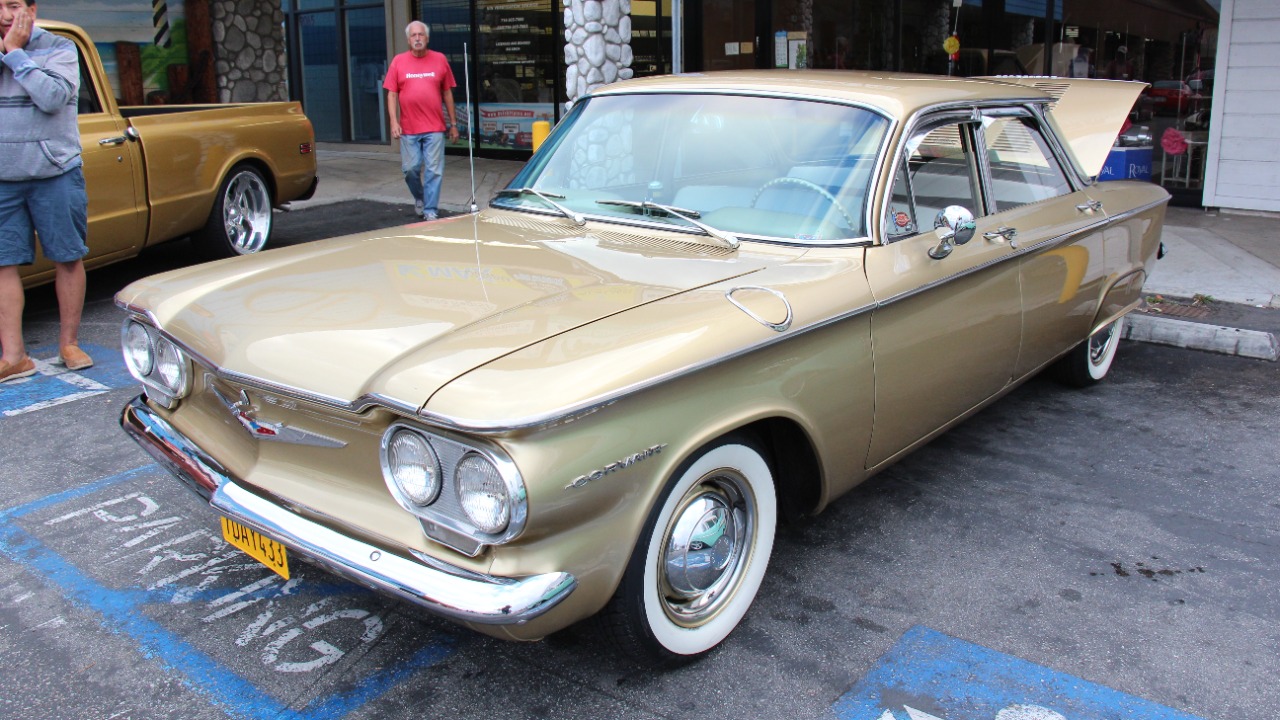
The Chevrolet Corvair, produced from 1960 to 1969, was an innovative compact car that introduced several groundbreaking features, including a rear-engine layout and independent suspension. It was one of the few American cars to compete with imports in the compact market. However, the Corvair became controversial due to safety concerns, particularly after Ralph Nader’s book “Unsafe at Any Speed” criticized its handling characteristics. Despite this, the Corvair was praised for its unique styling and versatility, with variations including a coupe, convertible, and even a station wagon. While its reputation was tarnished, the Corvair remains a significant part of automotive history, often discussed among enthusiasts and collectors today. For more on its intriguing legacy, check out Hot Cars.
More from Fast Lane Only
- Unboxing the WWII Jeep in a Crate
- 15 rare Chevys collectors are quietly buying
- 10 underrated V8s still worth hunting down
- Police notice this before you even roll window down
*Research for this article included AI assistance, with all final content reviewed by human editors.