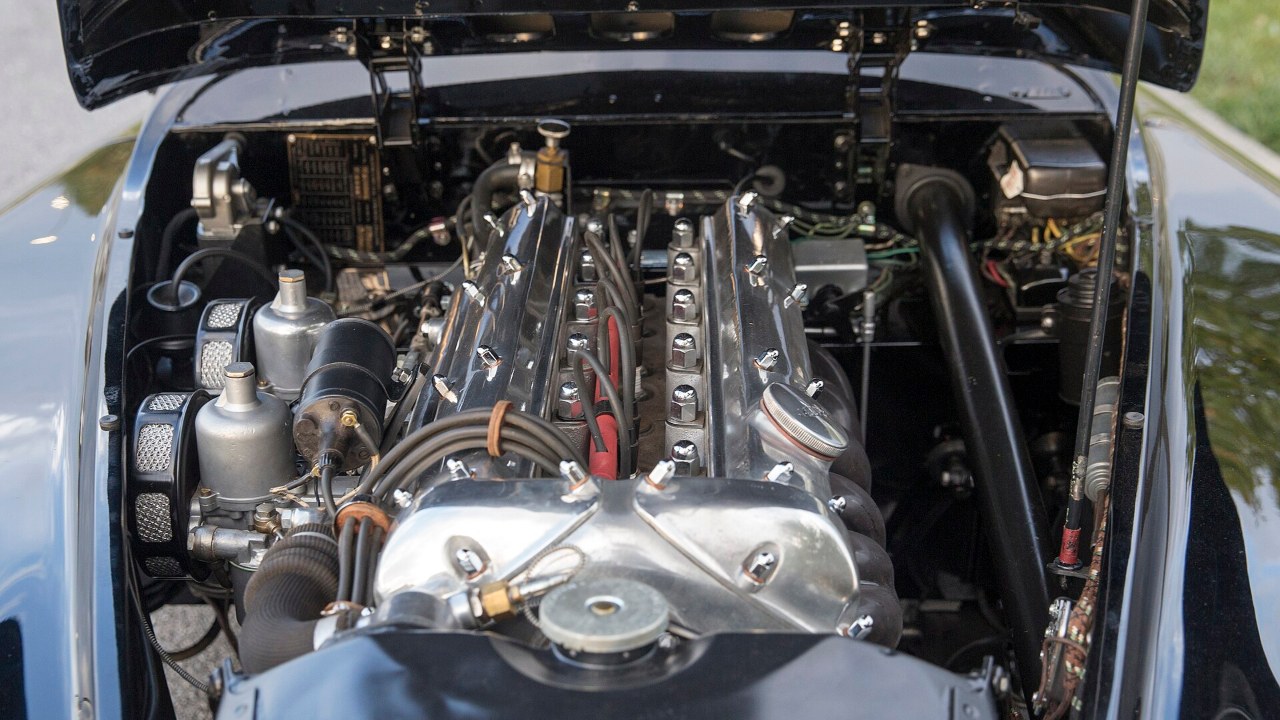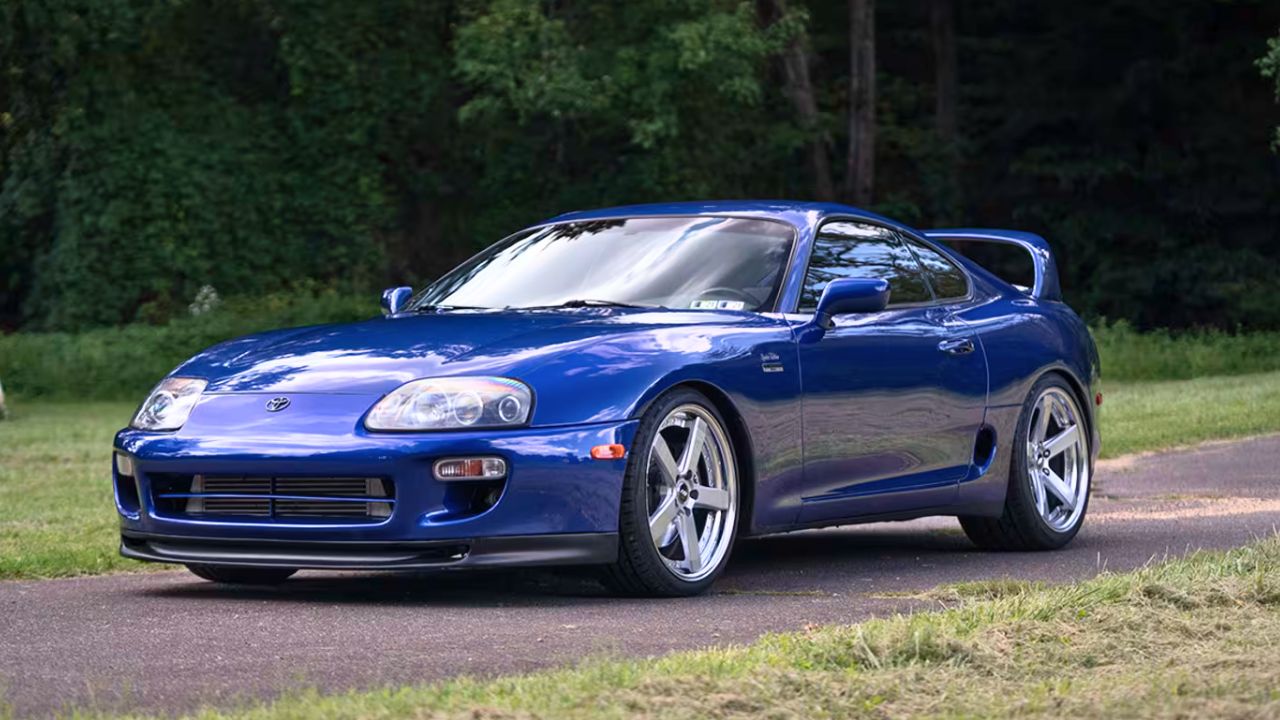
The 1990s marked a golden era for Japanese performance engineering as automakers produced ambitious halo cars that challenged European exotics and American muscle alike. These machines combined advanced technology, turbocharged power, and aggressive styling with surprising reliability. Decades later, they remain legendary among enthusiasts who still admire the innovation and performance that made Japanese cars globally respected.
Nissan Skyline GT-R R34
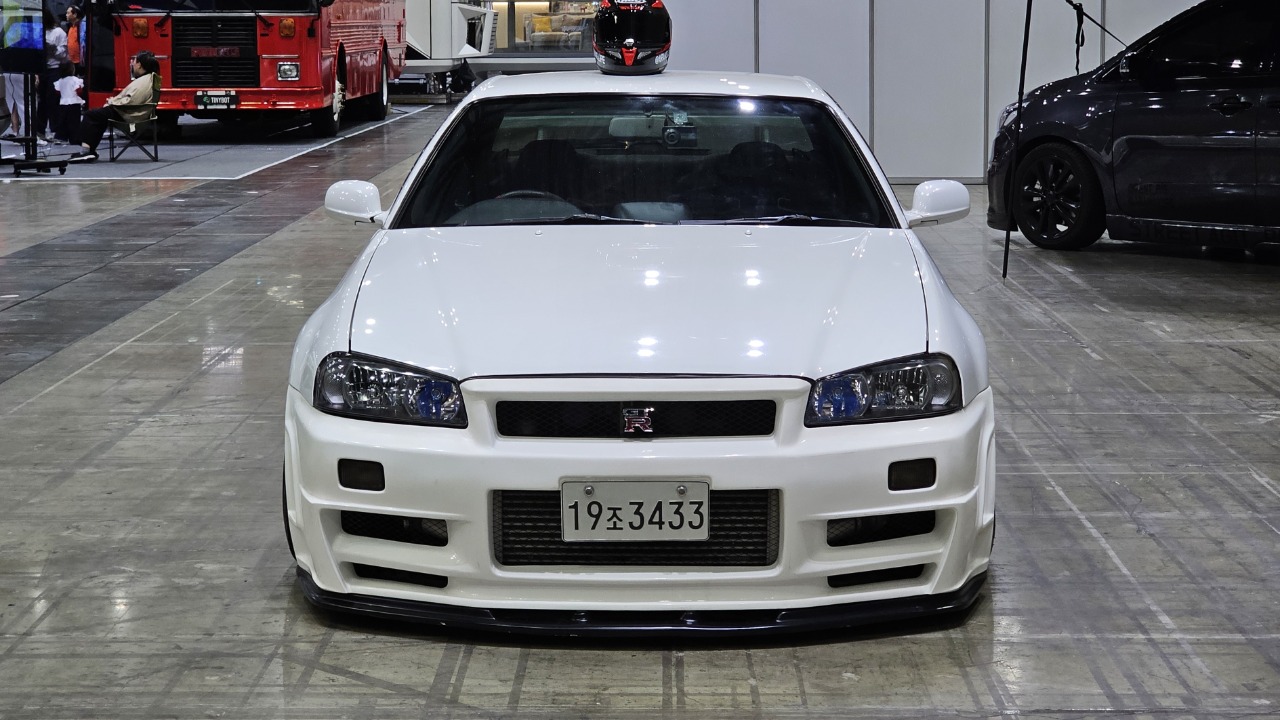
The Nissan Skyline GT-R R34 became one of the most iconic Japanese performance cars ever built because of its advanced all-wheel-drive system and twin-turbocharged inline-six engine. Nicknamed “Godzilla,” the R34 delivered astonishing grip and tuning potential that amazed enthusiasts worldwide. Mechanics respected the durability of the RB26DETT engine under extreme performance modifications. Its aggressive styling, sophisticated electronics, and racing pedigree made the GT-R impossible to ignore during the late 1990s and helped cement Japan’s reputation for elite high-performance engineering.
Toyota Supra MK4
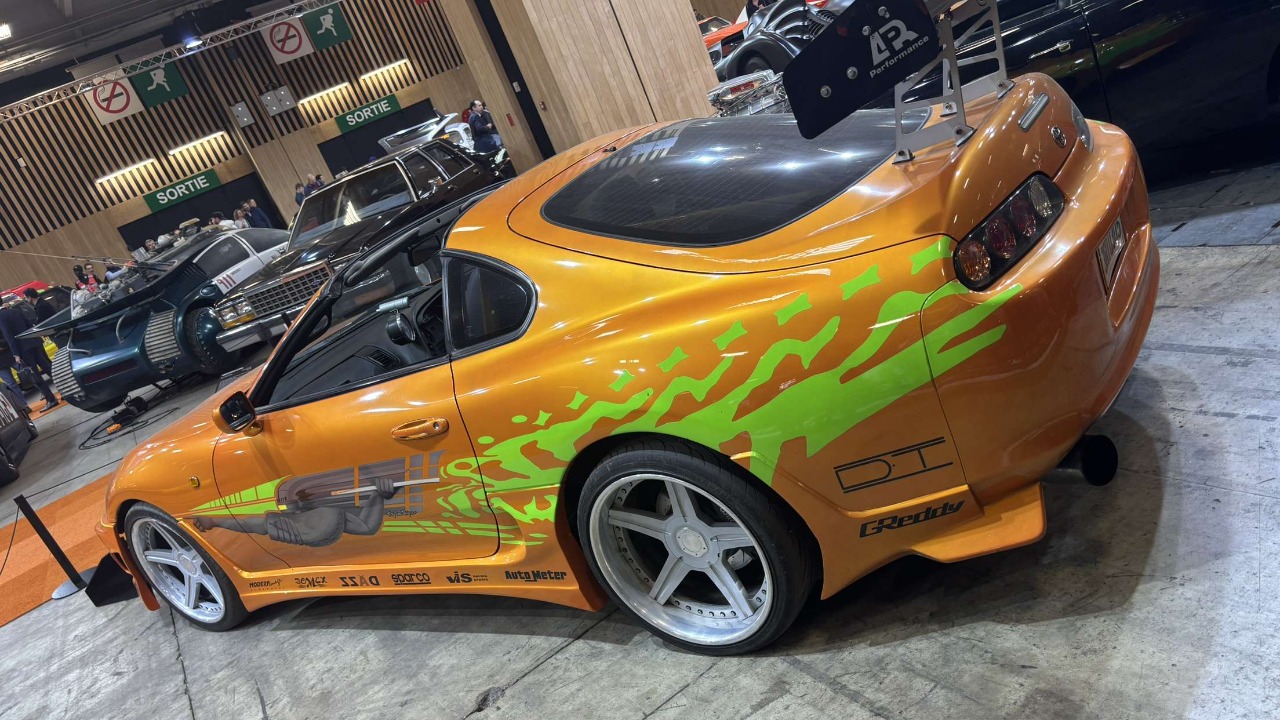
The Toyota Supra MK4 gained legendary status thanks to its incredibly durable 2JZ-GTE inline-six engine and massive aftermarket tuning capability. Built with strong internal components from the factory, the Supra handled huge horsepower increases while maintaining reliability that mechanics deeply respected. Its smooth turbocharged power delivery and balanced chassis made it equally impressive on streets and racetracks. Although initially overshadowed by some rivals, the Supra eventually became one of the most recognizable Japanese halo cars ever produced during the performance-focused 1990s era.
Acura NSX
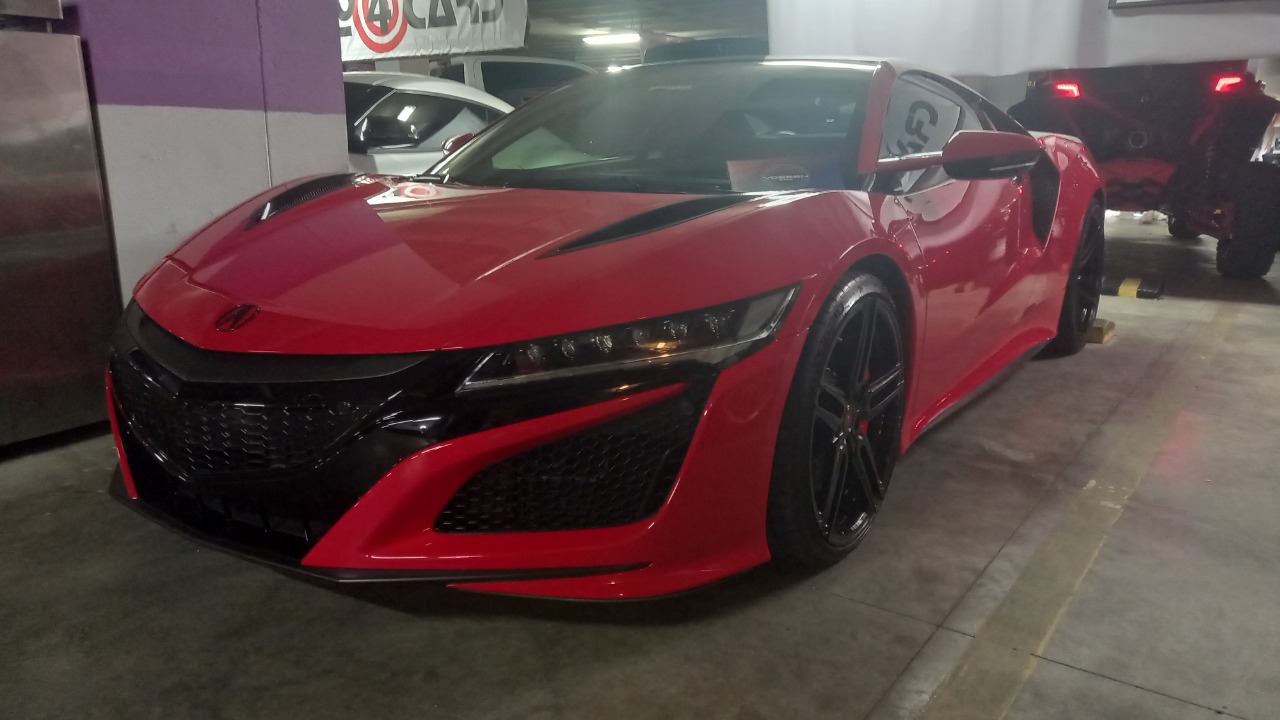
The Acura NSX changed the supercar world by combining exotic performance with everyday reliability and usability. Developed with input from Ayrton Senna, the NSX featured lightweight aluminum construction and a high-revving V6 engine mounted behind the driver. Mechanics admired how Honda engineered the car to avoid many reliability problems common in European exotics. Its sharp handling, visibility, and comfortable driving manners made it revolutionary. The NSX proved Japanese manufacturers could build true world-class supercars without sacrificing durability or practicality.
Mazda RX-7 FD
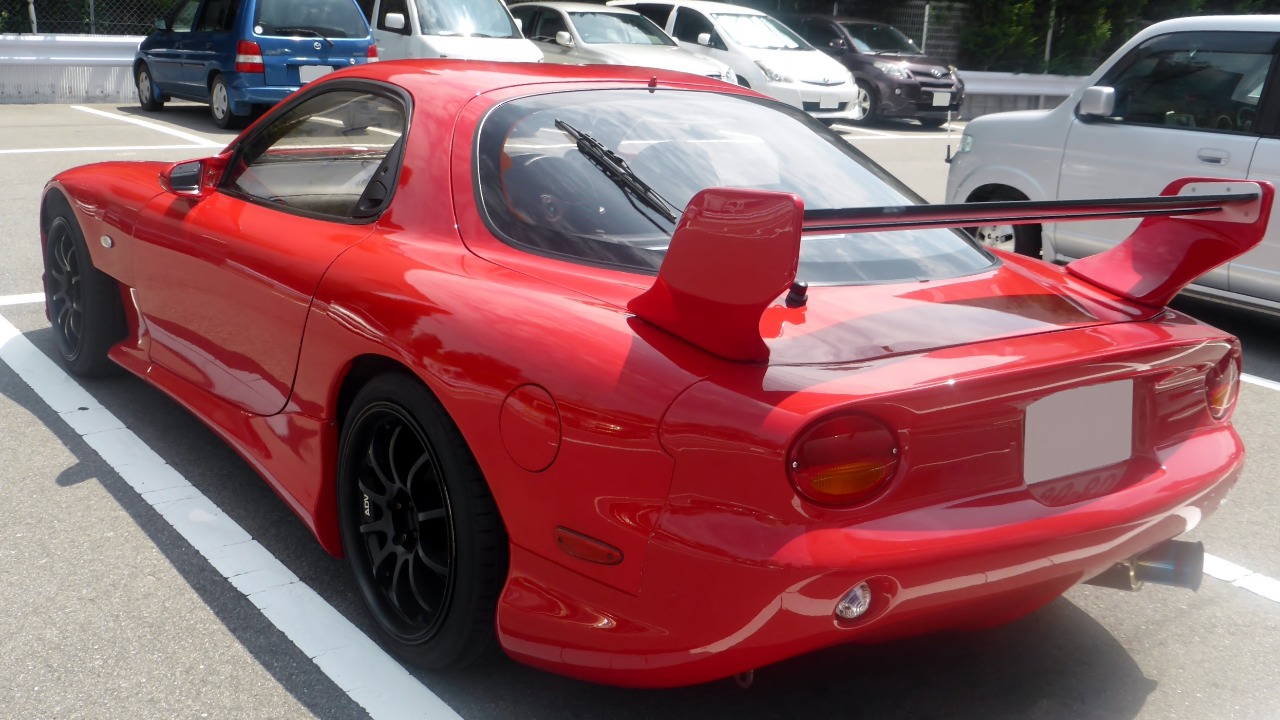
The Mazda RX-7 FD stood out because of its lightweight chassis and unique twin-rotor rotary engine that delivered smooth high-revving performance unlike anything else from the era. The RX-7’s near-perfect balance and sharp steering created an engaging driving experience that enthusiasts still praise today. Mechanics appreciated the engineering creativity behind the rotary setup, though it required specialized maintenance knowledge. Its flowing body design and exceptional agility helped the RX-7 become one of the most visually striking and respected Japanese halo cars of the 1990s.
Mitsubishi 3000GT VR-4
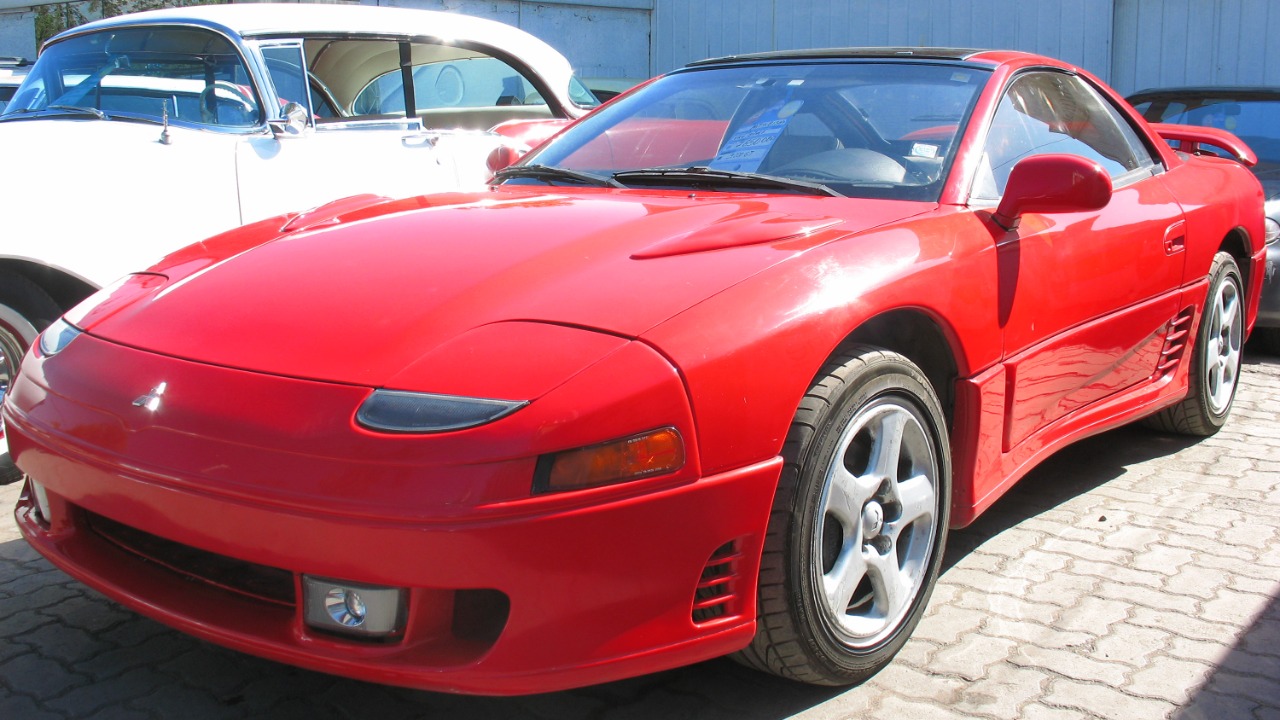
The Mitsubishi 3000GT VR-4 packed advanced technology rarely seen in production sports cars during the early 1990s. Featuring twin turbochargers, all-wheel drive, four-wheel steering, and active aerodynamics, the VR-4 showcased Mitsubishi’s engineering ambition at full strength. Mechanics respected the car’s complexity and impressive straight-line performance, even though maintenance could become demanding. While heavier than some competitors, the 3000GT VR-4 still delivered strong acceleration and futuristic technology that made it one of Japan’s most ambitious halo cars of the decade.
Subaru Impreza 22B STI
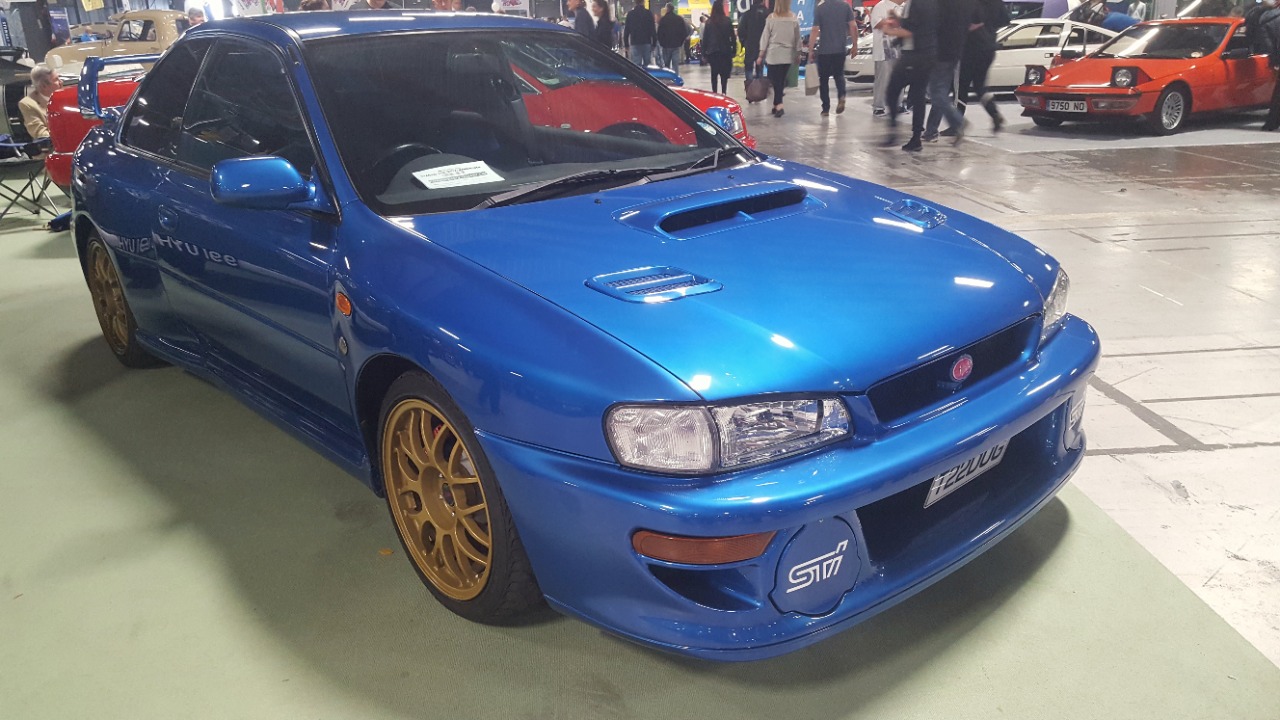
The Subaru Impreza 22B STI became legendary because it brought rally championship engineering directly to the street. Built to celebrate Subaru’s World Rally Championship success, the 22B featured aggressive wide-body styling, turbocharged boxer power, and advanced all-wheel drive capability. Mechanics admired the durability and tunability of Subaru’s turbocharged drivetrain under hard driving conditions. Limited production numbers made the car extremely desirable, while its raw rally-inspired character helped establish the 22B as one of the most unforgettable Japanese performance icons ever created.
Honda Integra Type R
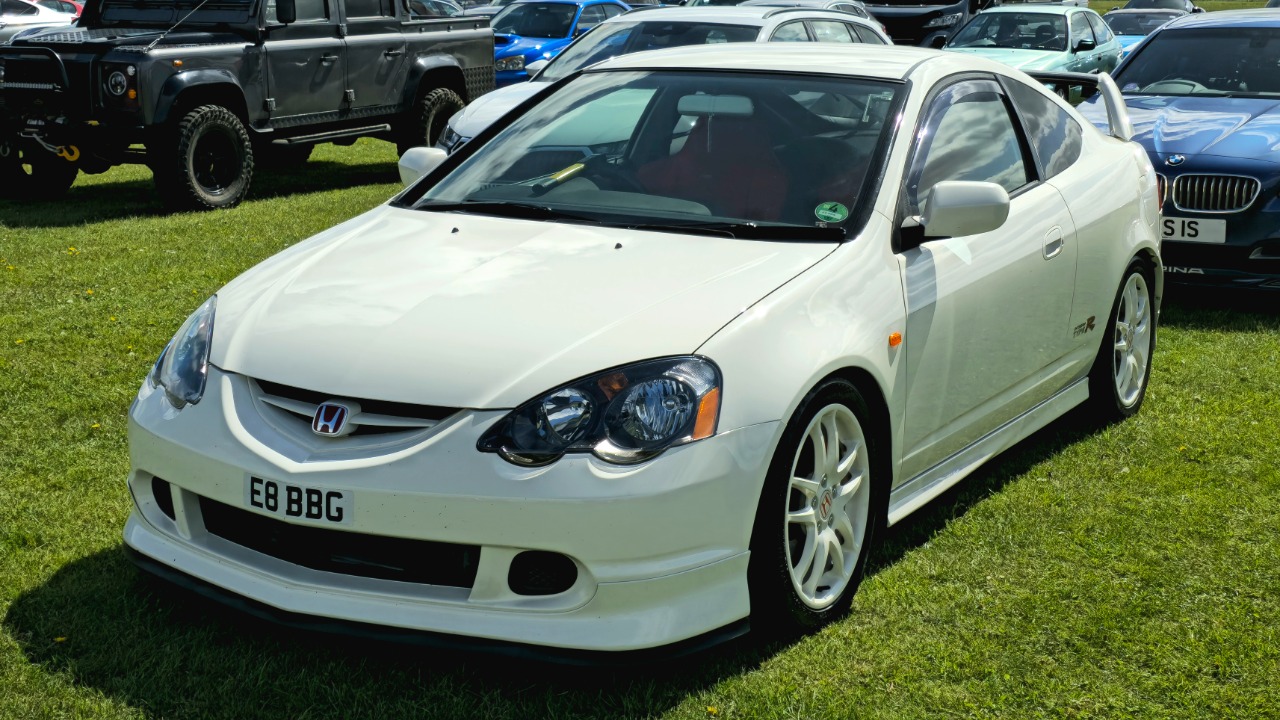
The Honda Integra Type R proved lightweight engineering and precision handling could rival far more powerful sports cars. Powered by a naturally aspirated VTEC engine that thrived at extremely high RPM, the Integra Type R delivered one of the purest driving experiences of the 1990s. Mechanics appreciated Honda’s engineering precision and remarkable reliability even under aggressive track use. Its sharp steering, balanced chassis, and race-inspired tuning made the car an instant legend among enthusiasts who valued driver involvement over sheer horsepower numbers.
Toyota Celica GT-Four
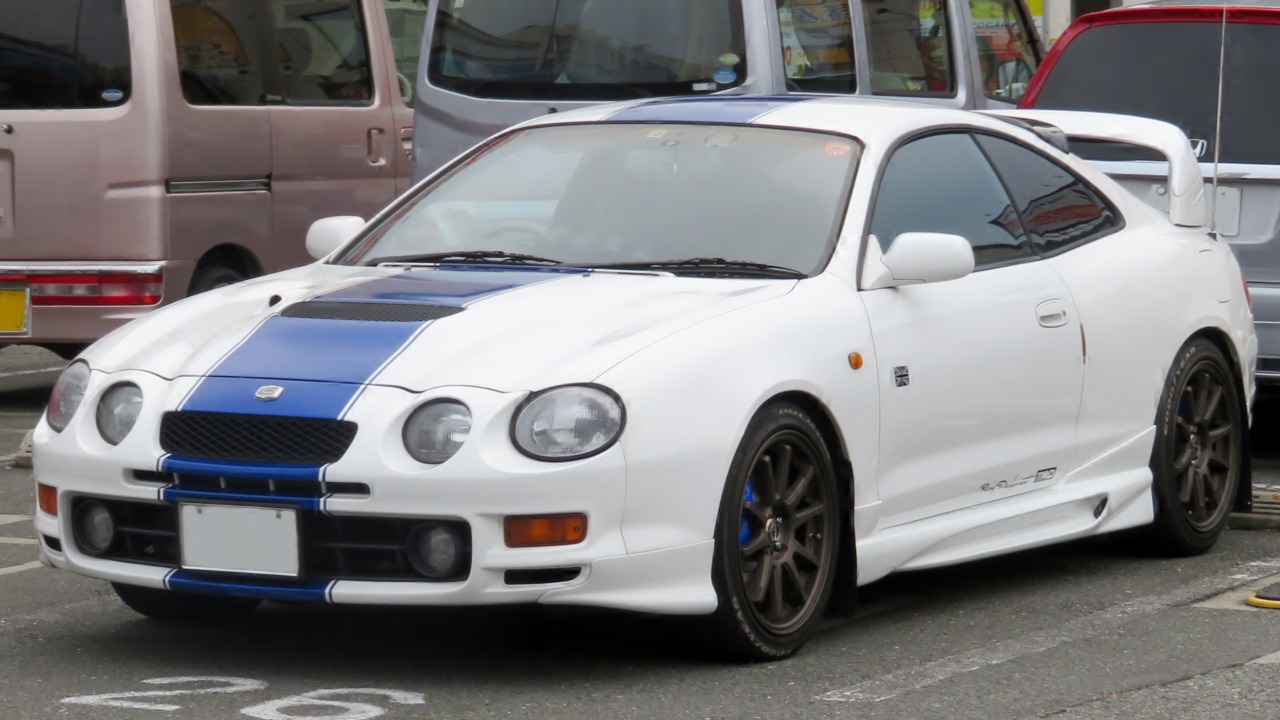
The Toyota Celica GT-Four earned worldwide recognition because of its direct connection to Toyota’s rally racing success during the 1990s. Equipped with turbocharged power and all-wheel drive, the GT-Four delivered excellent traction and strong performance in all weather conditions. Mechanics respected the durability of the drivetrain and the car’s ability to handle performance modifications reliably. Its aggressive styling and motorsports pedigree helped the Celica GT-Four stand out among Japanese performance cars and solidified Toyota’s presence in the global rally scene.
More from Fast Lane Only