The inline-six engine has long been celebrated for its smoothness and balance. Over the decades, several legendary cars have carried this configuration while delivering serious performance. From Japanese turbo monsters to elegant European icons, these cars made the most of their six-cylinder setups. Here are eight of the most powerful and respected inline-six cars that helped shape performance history.
BMW 3.0 CSL
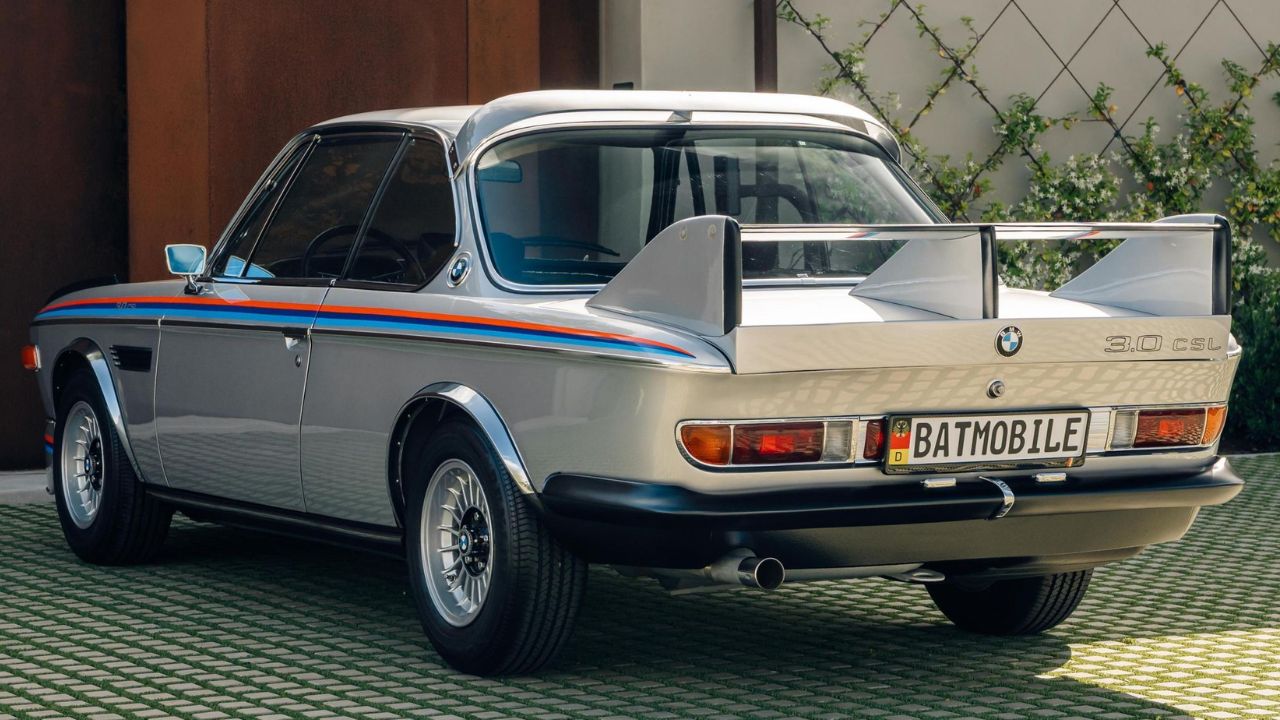
The BMW 3.0 CSL, often called the “Batmobile,” was built in the early 1970s as a lightweight homologation special for touring car racing. Under the hood was a 3.0L (later 3.2L) inline-six producing up to 206 hp, which was impressive given the car’s reduced weight and track focus.
Its aggressive aero and stripped-down bodywork made it a true factory-backed racer. The 3.0 CSL helped establish BMW’s motorsport credibility and laid the groundwork for the future M division.
Toyota Supra MK4
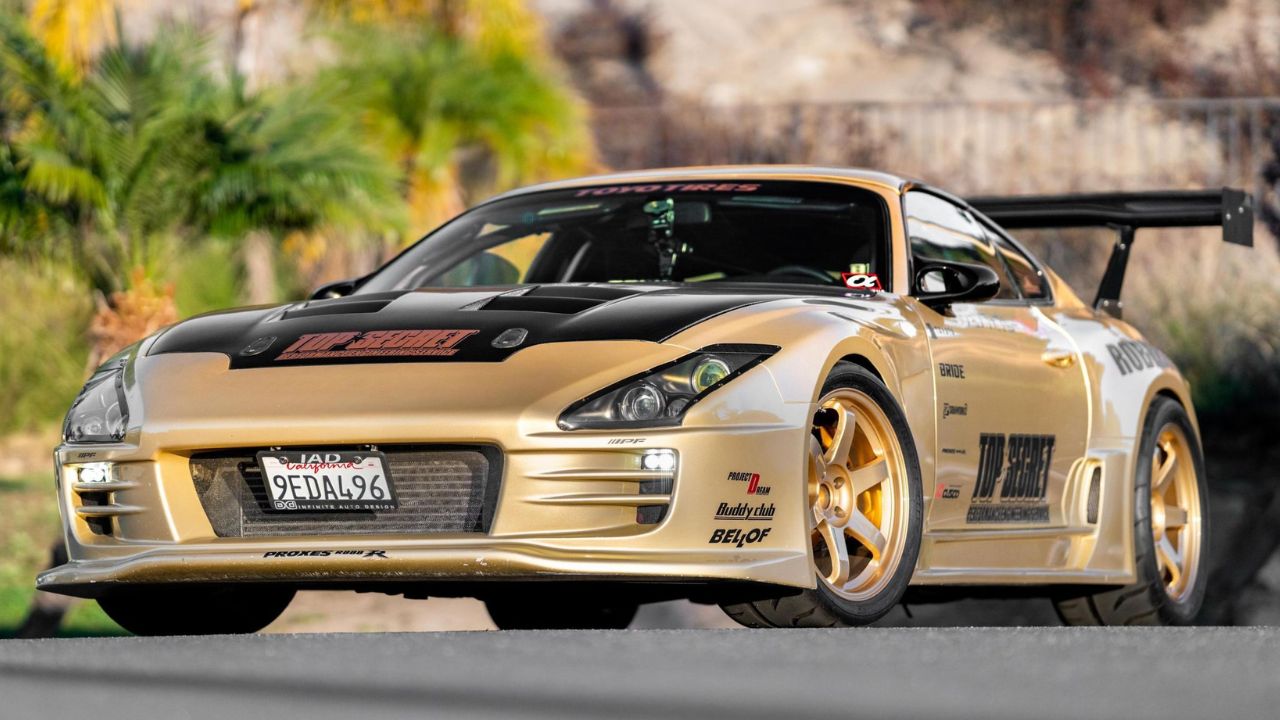
The Supra Mk4, produced from 1993 to 2002, featured the now-legendary 3.0L twin-turbo 2JZ-GTE inline-six. U.S. versions made 320 hp and 315 lb-ft of torque, while Japanese models were limited to 276 hp due to domestic regulations.
Thanks to its forged internals and iron block, the 2JZ became a favorite for tuners chasing four-digit horsepower. Even in stock form, the Supra’s smooth power delivery and bulletproof engine earned it a lasting legacy.
Nissan Skyline GT-R R34
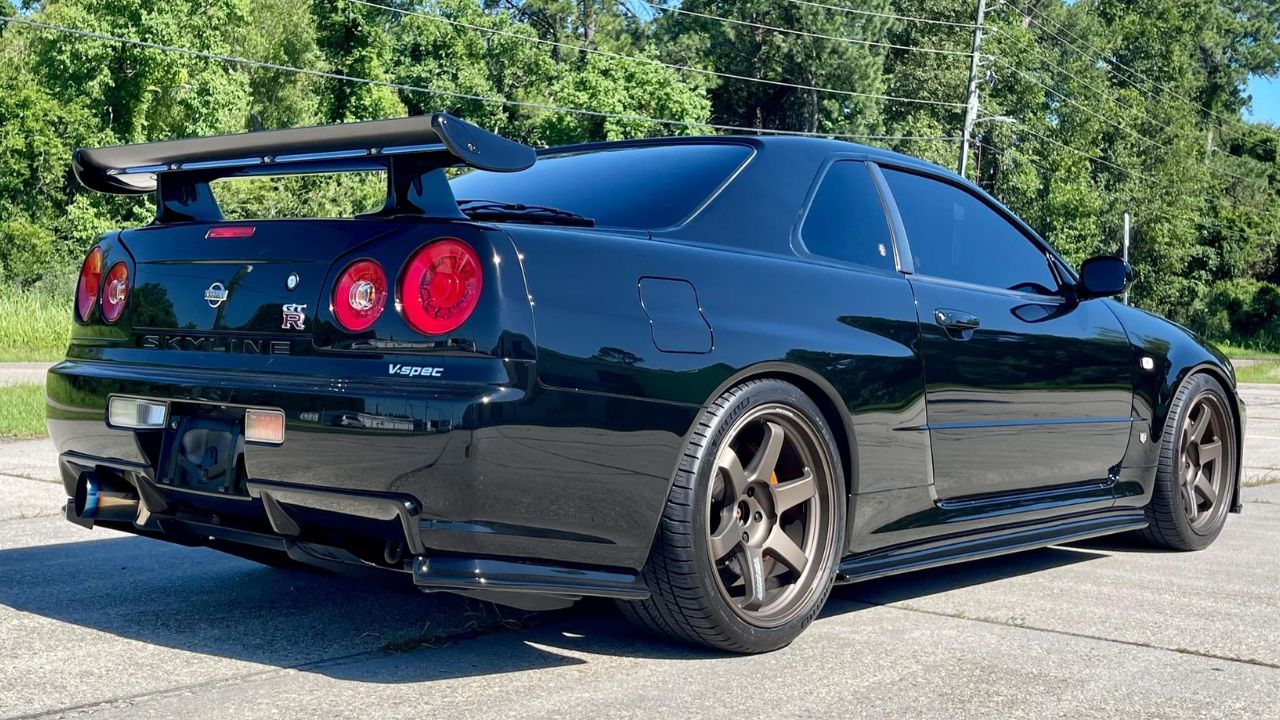
Launched in 1999, the R34 GT-R was the final and most advanced version of the Skyline GT-R series. It used the 2.6L twin-turbo RB26DETT inline-six, officially rated at 276 hp but commonly believed to make well over 300 in reality.
With its ATTESA E-TS all-wheel-drive system and aggressive chassis tuning, the R34 was a track weapon in street clothes. It remains one of the most sought-after JDM legends today.
Jaguar E-Type Series I 4.2
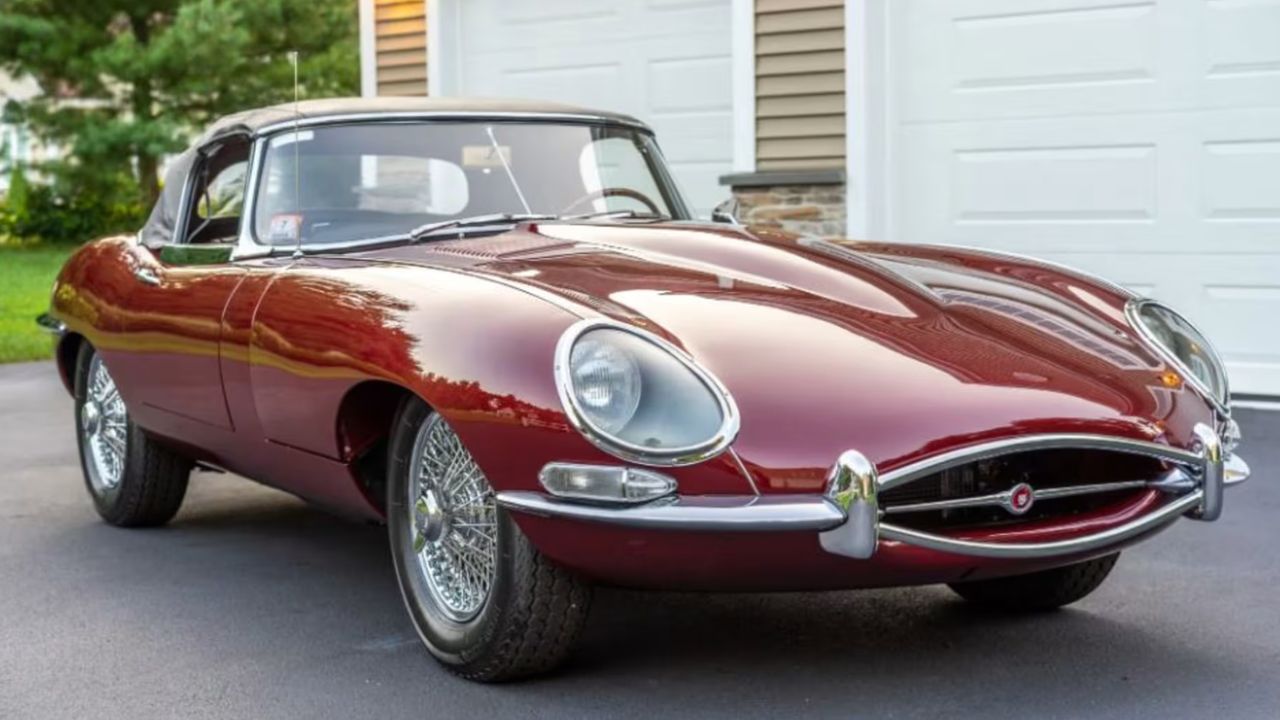
The Jaguar E-Type combined British design flair with a powerful straight-six. The original 3.8L was replaced in 1964 with a 4.2L inline-six making 265 hp and 283 lb-ft of torque. It was paired with triple SU carbs and a four-speed manual.
While not a pure sports car by modern standards, the E-Type could exceed 140 mph, which was serious speed in the 1960s. It remains one of the most admired designs in automotive history.
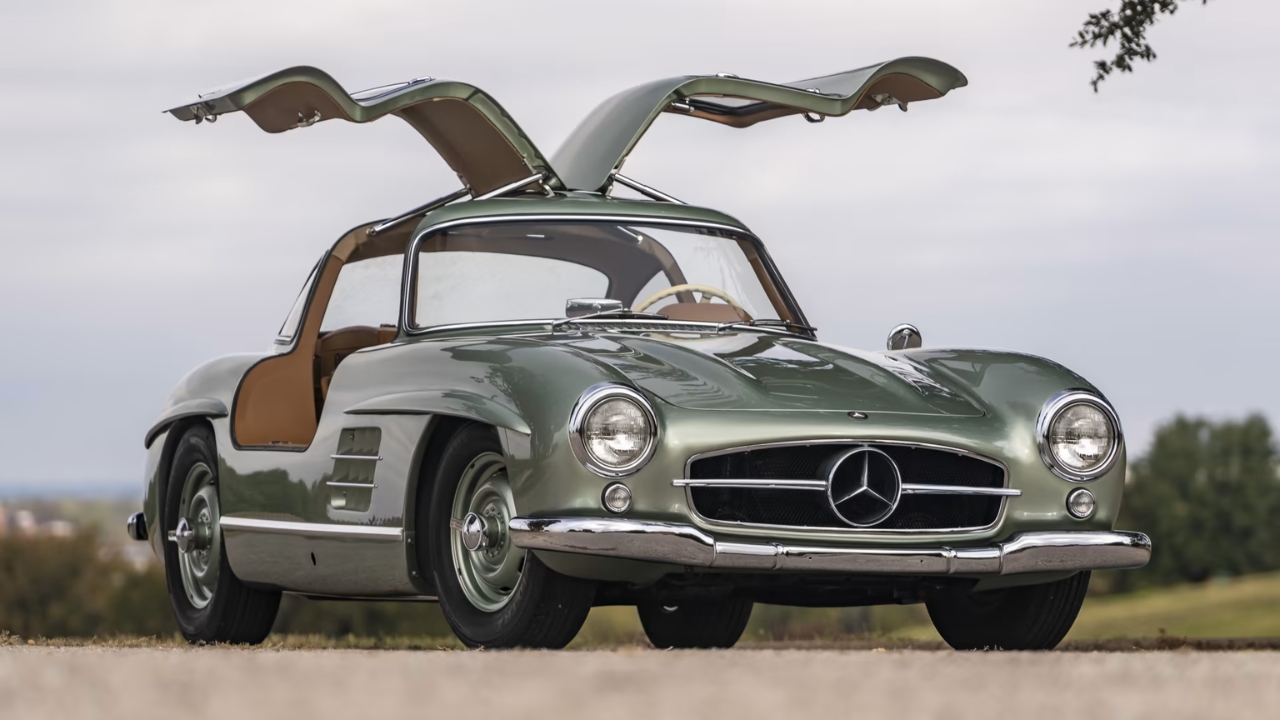
Mercedes-Benz 300SL Gullwing
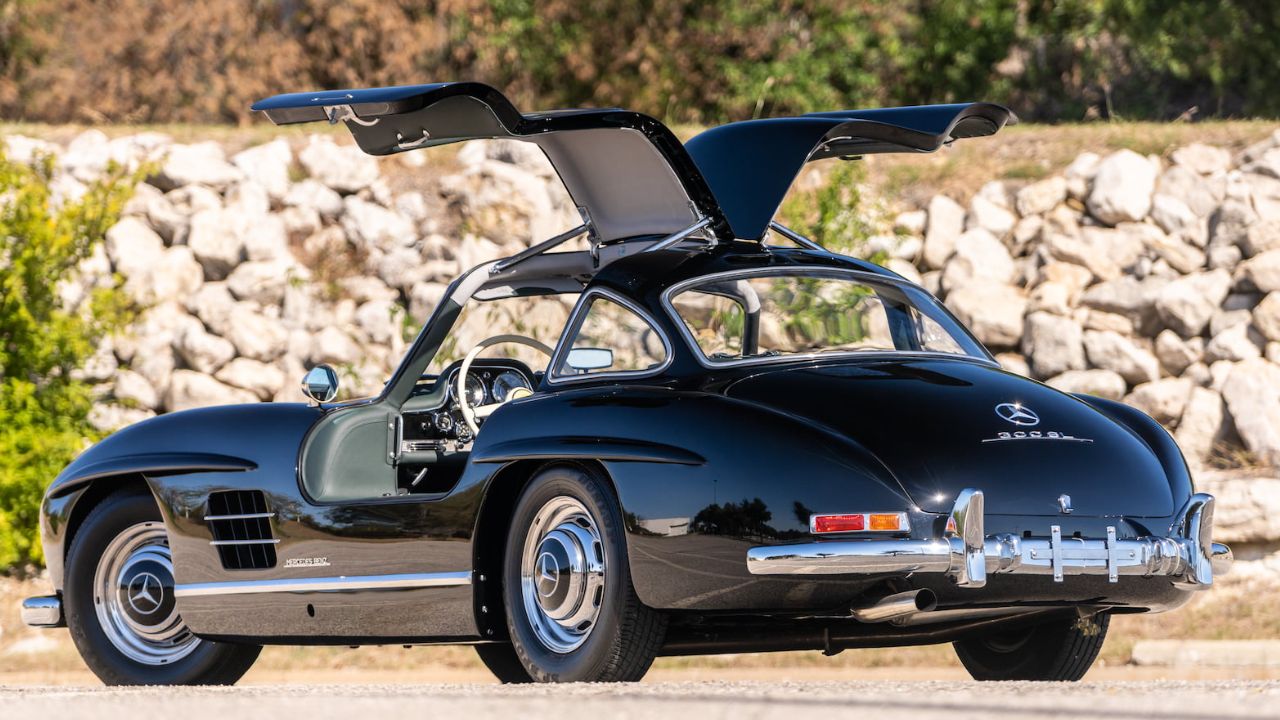
Introduced in 1954, the 300SL Gullwing featured a 3.0L inline-six with Bosch mechanical fuel injection, producing 215 hp—outstanding for its time. It could reach 60 mph in around 8 seconds and top out near 160 mph.
It was as much a technological showcase as a performance machine. Gullwing doors and a tubular space frame added to its mystique. While not the most powerful inline-six today, it was groundbreaking in the 1950s.
BMW E46 M3
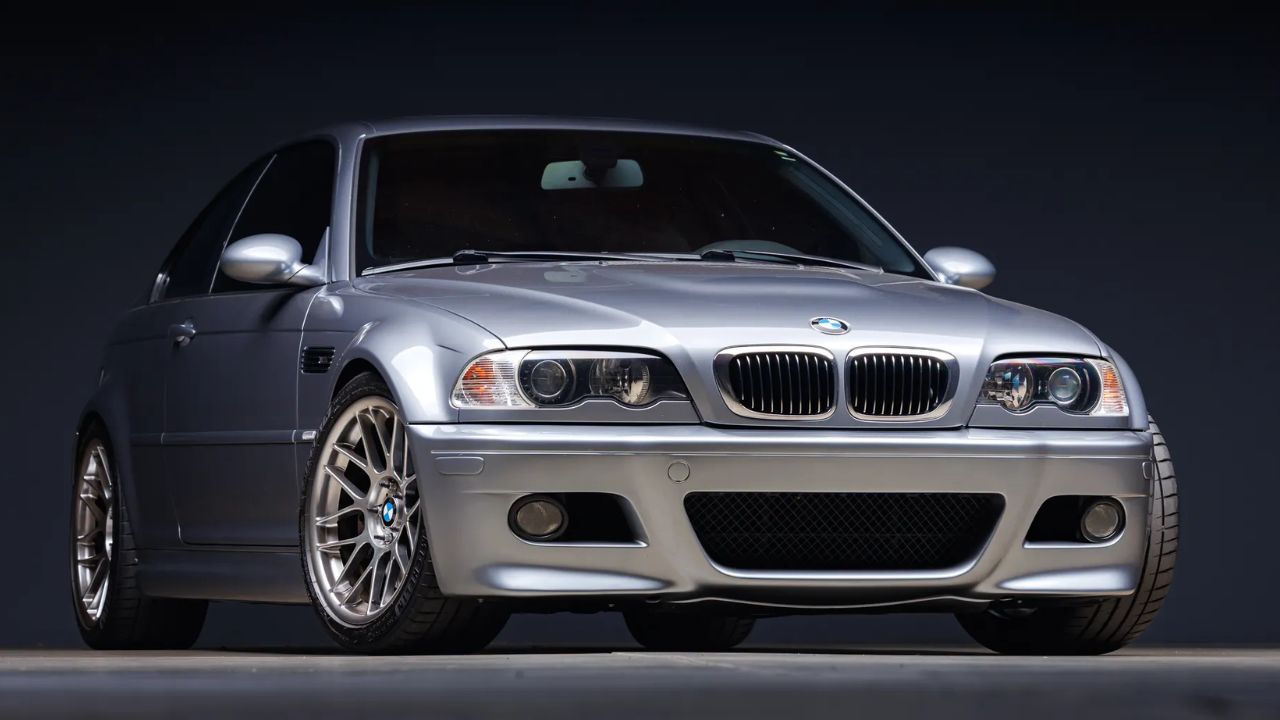
The E46 M3, sold from 2000 to 2006, used the S54—a 3.2L naturally aspirated inline-six producing 333 hp and 269 lb-ft. With an 8,000 rpm redline and individual throttle bodies, the engine delivered sharp response and serious top-end pull.
0–60 came in under five seconds with the manual gearbox. Today, the S54 is considered one of BMW’s best engines and helped the E46 M3 earn a reputation as a near-perfect driver’s car.
Toyota 2000GT
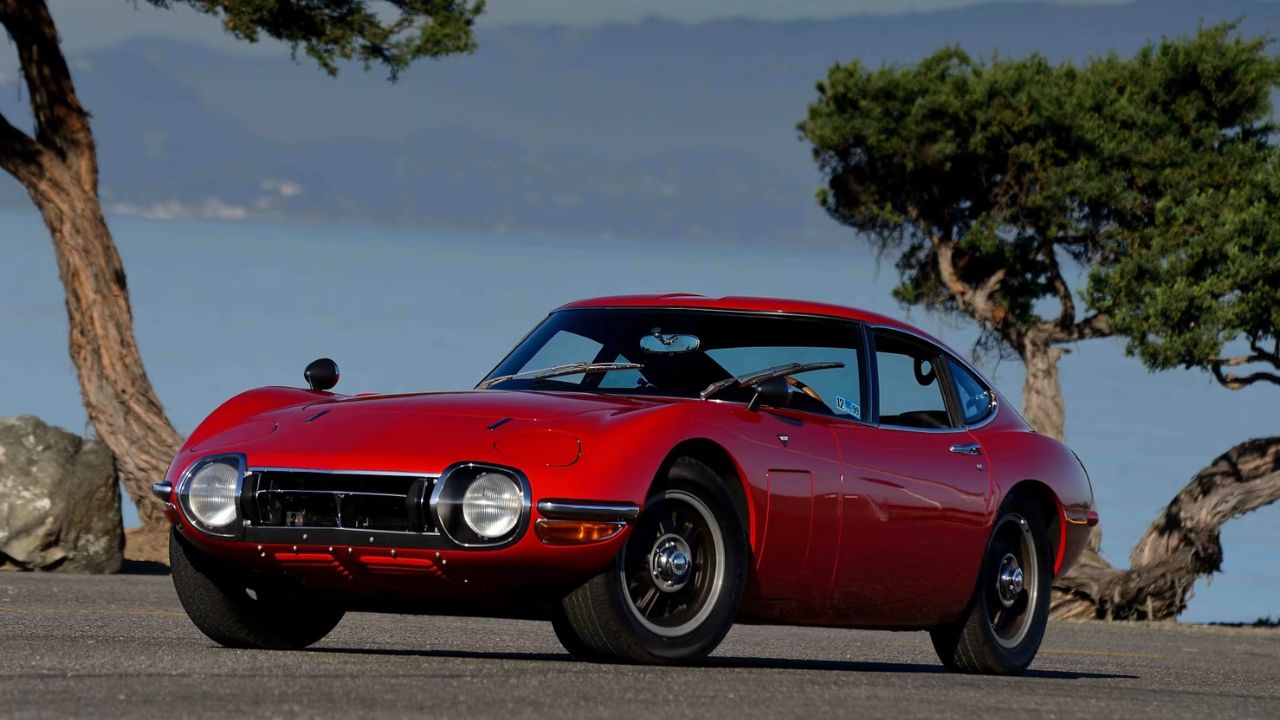
Built from 1967 to 1970, the Toyota 2000GT featured a Yamaha-tuned 2.0L DOHC inline-six making 150 hp. Though that number wasn’t staggering, the car weighed under 2,500 lbs and was geared for agility over brute force.
Its all-aluminum body, five-speed gearbox, and rarity (just 351 units made) helped it punch well above its weight. It also helped change perceptions of Japanese performance worldwide.
Aston Martin DB5
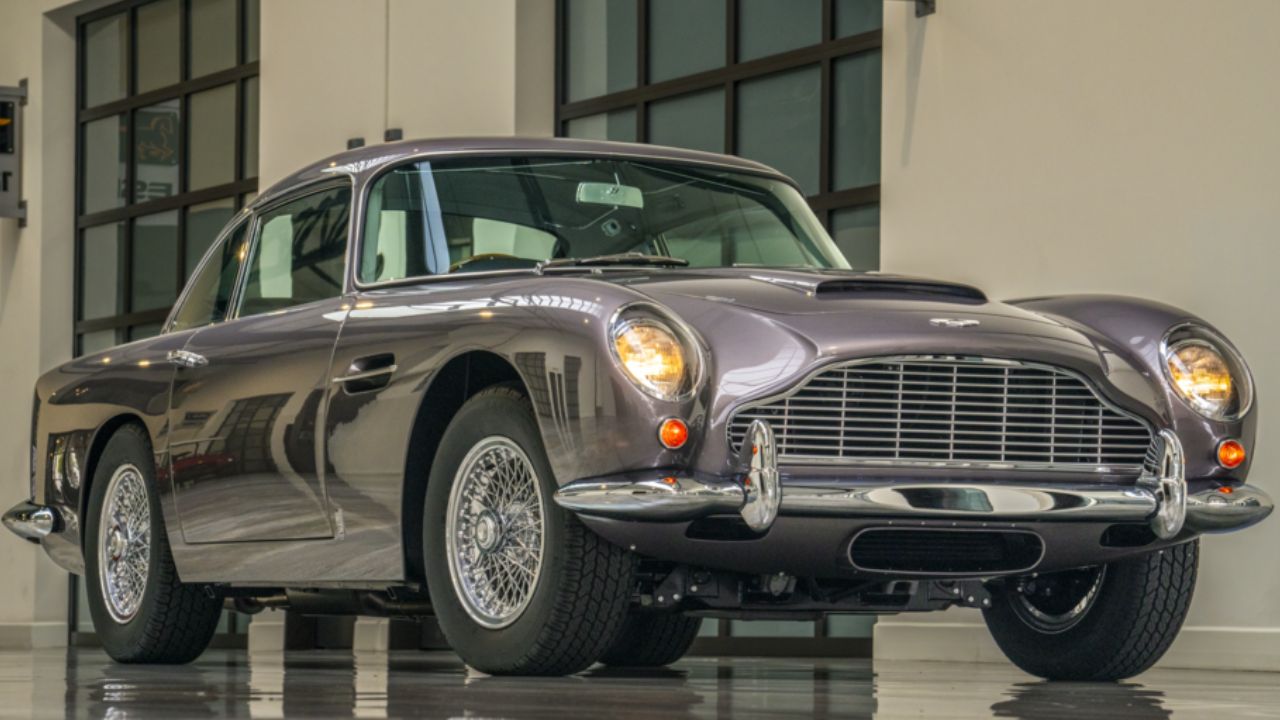
The 1963 Aston Martin DB5 was powered by a 4.0L inline-six making up to 325 hp in Vantage trim. It used triple SU or Weber carbs and produced strong midrange torque with a cultured exhaust note.
Its role in James Bond films sealed its place in pop culture, but the engine’s performance stood on its own. The DB5 blended luxury and speed in a way few cars of the era could match.
Like Fast Lane Only’s content? Be sure to follow us.
Here’s more from us:
*Created with AI assistance and editor review.