The Tri-Five era, spanning the years 1955 to 1957, is renowned for its iconic Chevrolet designs and vibrant color palettes. During this period, General Motors (GM) introduced a variety of eye-catching hues that not only defined the cars of the era but also became emblematic of 1950s Americana. The best GM colors from the Tri-Five era are explored here, examining their historical significance and enduring appeal.
The Significance of the Tri-Five Era

The Tri-Five Chevrolet models, including the Bel Air, 210, and 150, were pivotal in shaping automotive design during the mid-20th century. These models were celebrated for their sleek lines, prominent tailfins, and innovative features. The 1950s was a time of post-war prosperity, and the optimism of the era heavily influenced automotive design, including the color palettes used by manufacturers.
GM played a crucial role in setting color trends during the Tri-Five era. The company recognized the growing consumer desire for personalization and variety, leading to the introduction of a wide range of colors. This period saw a departure from the subdued tones of the past, with bold and vibrant hues becoming a hallmark of modern style and progress.
Iconic Colors of 1955

One of the standout colors of 1955 was “Gypsy Red”, which quickly became a favorite among Chevrolet enthusiasts. Its bright and cheerful tone captured the spirit of the era, symbolizing energy and excitement. Another popular choice was “India Ivory,” often used in two-tone combinations to add a touch of elegance and contrast to the vehicles.
“Harvest Gold” also emerged as a significant color in 1955, representing the optimism and prosperity of the 1950s. This warm and inviting hue was favored by those looking to make a statement on the road, offering a sunny disposition that matched the optimistic outlook of the time.
Standout Shades of 1956
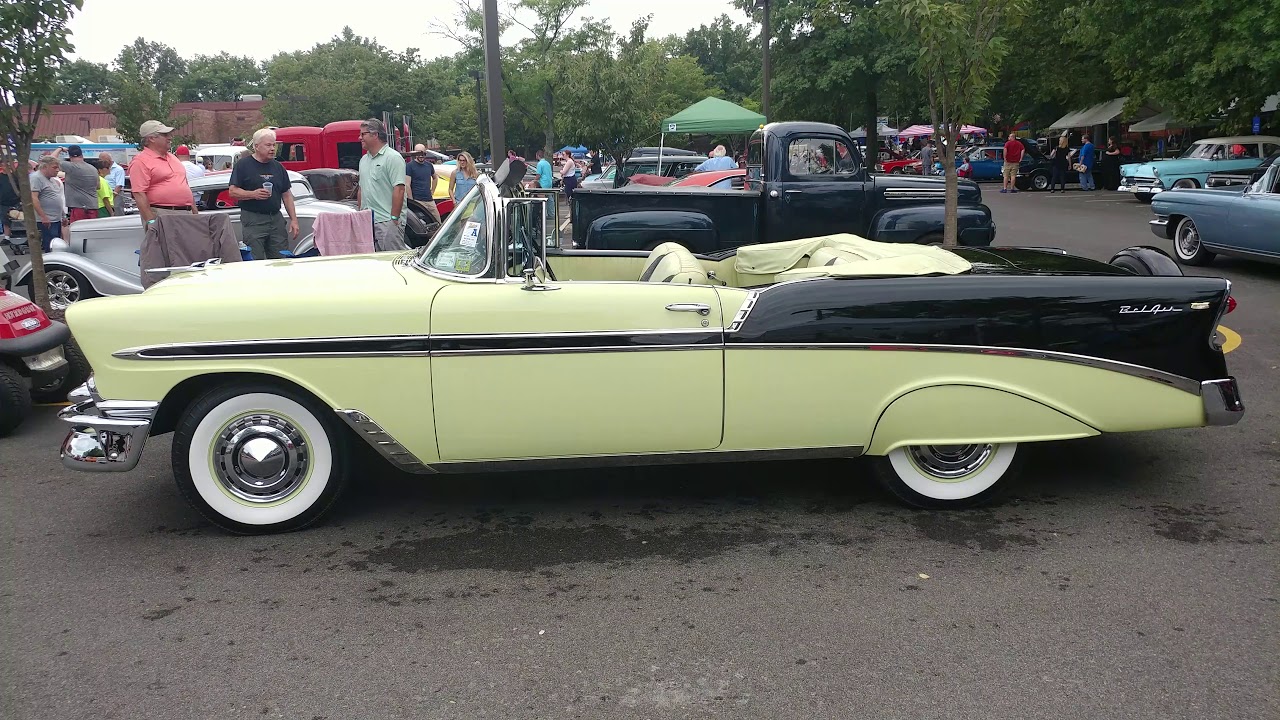
The year 1956 saw the introduction of “Crocus Yellow,” a vibrant color that had a significant impact on consumer preferences. Its bright and sunny hue was a departure from more traditional colors, reflecting the era’s fascination with newness and innovation. “Onyx Black” also gained popularity, becoming a symbol of sophistication and style. Its sleek and timeless appeal made it a favorite among those seeking a more refined look.
Another notable color from 1956 was “Dusk Rose,” which tapped into the burgeoning market for pastel colors. This soft and romantic hue was particularly appealing to the growing number of female car buyers, offering a gentle yet distinctive option for personalizing their vehicles.
Memorable Hues of 1957
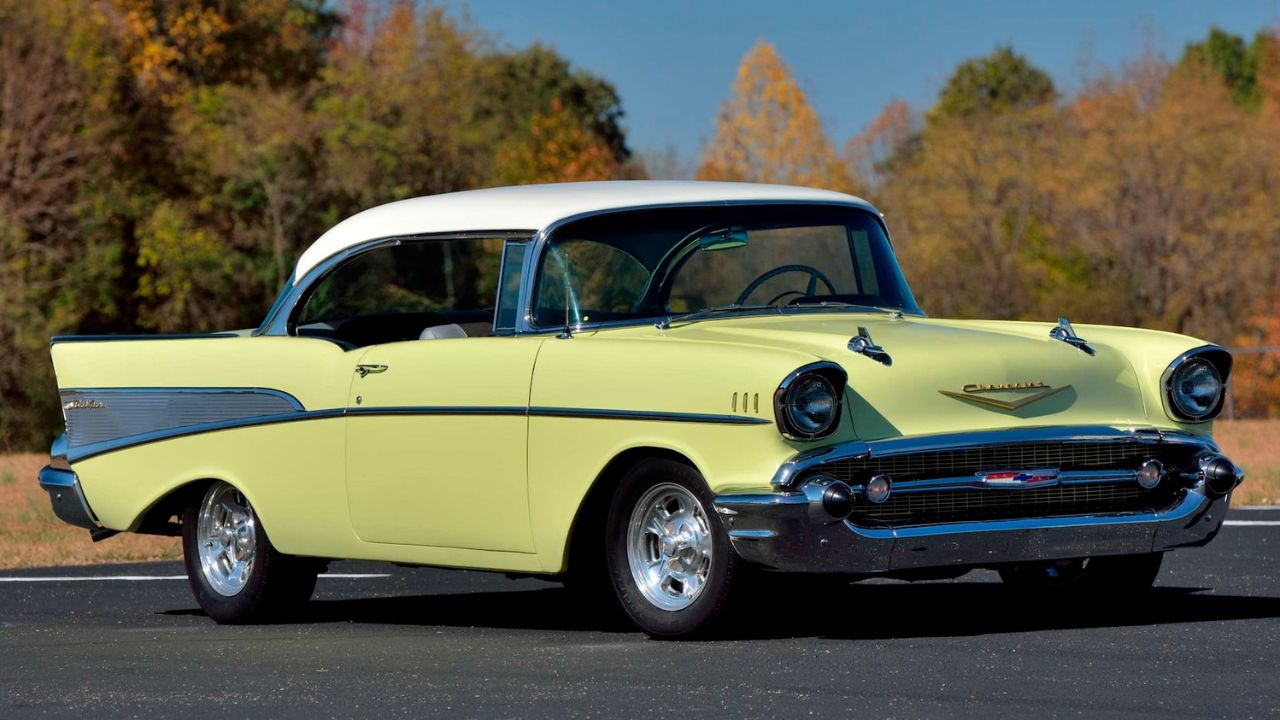
“Tropical Turquoise” emerged as a quintessential 1950s color in 1957, capturing the playful and adventurous spirit of the time. This bright and refreshing hue has a lasting legacy, remaining a popular choice among collectors and restorers today. “Matador Red” also made a bold statement on the road, with its deep and rich tone conveying confidence and power.
Another memorable color from 1957 was “Colonial Cream,” which played a significant role in the era’s two-tone trends. This soft and versatile hue was often paired with bolder colors to create striking and attractive combinations, enhancing the visual appeal of the vehicles.
Rarest and Most Coveted Colors
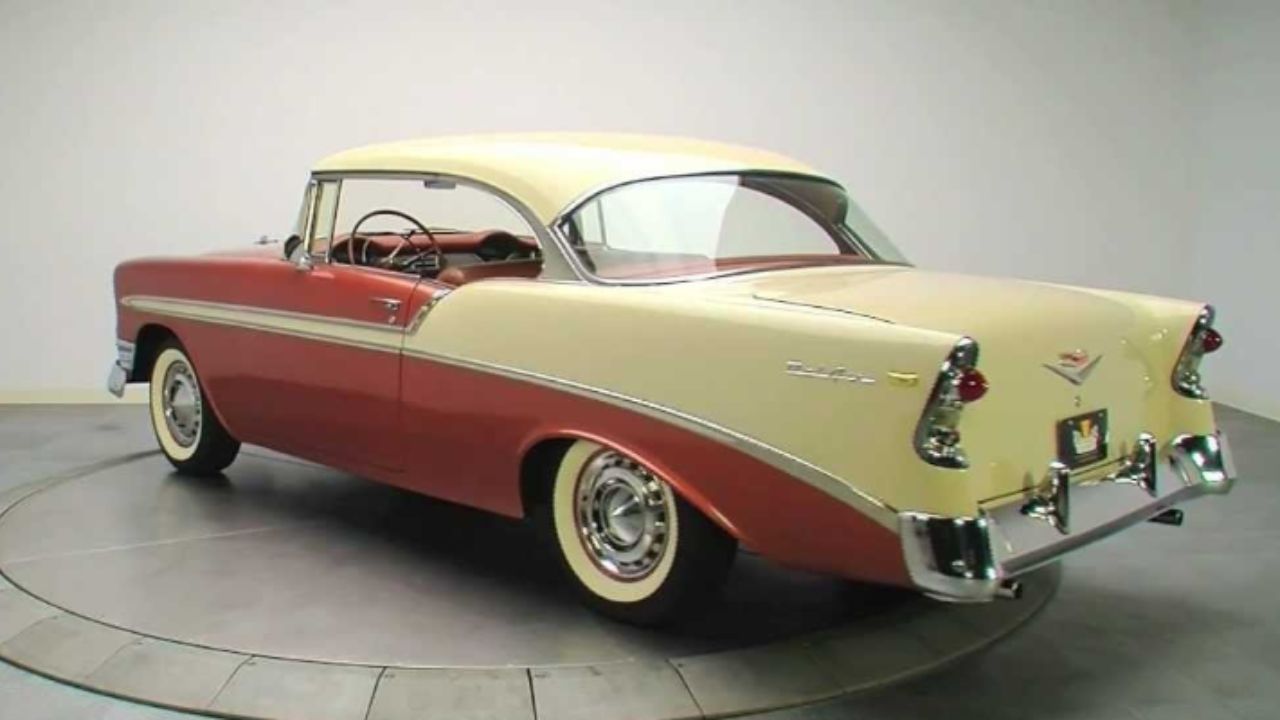
Some colors from the Tri-Five era are highly coveted due to their limited availability. “Laurel Green,” for example, is a color that is rarely seen today, making it a prized find among collectors. The rarity of shades like “Sierra Gold” also contributes to their desirability, as enthusiasts seek out these unique hues to restore their cars to original specifications.
The scarcity and value of certain Tri-Five colors can be attributed to several factors, including limited production runs and changing consumer tastes. Colors that were less popular at the time of production are now seen as rare gems, adding to their allure and market value.
Choosing the Perfect Color for Restoration
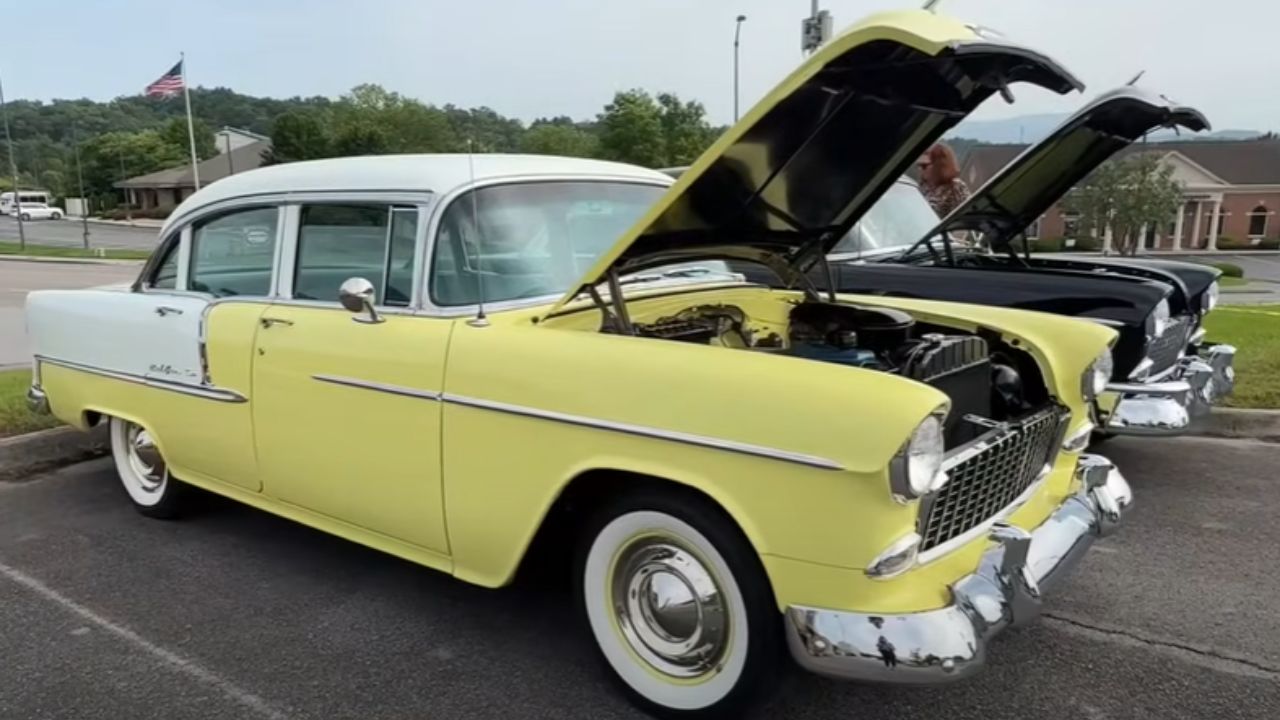
When selecting a color for Tri-Five restorations, it’s essential to consider both authenticity and personal preference. Authentic colors can enhance the historical accuracy and value of a restored vehicle, but personal tastes and modern trends may also play a role in the decision-making process. Enthusiasts often seek resources and advice from forums and experts to ensure they choose the best color for their project.
For those interested in finding original GM color codes and paint matches, there are numerous resources available. Online forums like TriFive.com provide valuable insights and tips from fellow enthusiasts. Additionally, books and historical records offer guidance on accurately replicating the original hues used during the Tri-Five era.