Throughout motorsports history, teams and manufacturers have constantly pushed the boundaries of technology, leading to innovations that have transformed the racing landscape. Many of these advancements have proven so effective that competitors have rushed to replicate them, striving to gain an edge on the track. Below are eight groundbreaking motorsports innovations that have made a significant impact on the sport.
The Ground Effects Aerodynamics of the 1970s
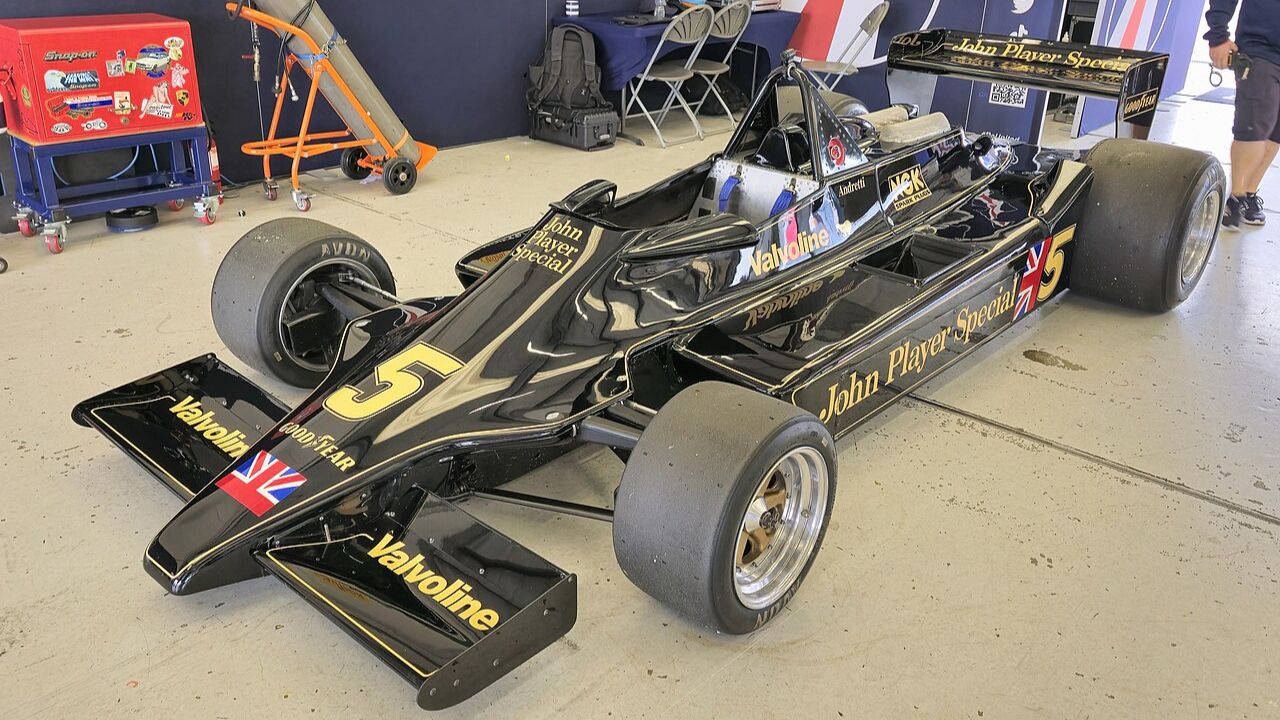
The introduction of ground effects aerodynamics in the 1970s revolutionized the way race cars generated downforce. Teams like Lotus, particularly with the Lotus 79 in 1978, utilized venturi tunnels and underbody designs to create a vacuum effect, significantly enhancing grip without increasing drag. This innovation allowed cars to navigate corners at unprecedented speeds, forcing competitors to rethink their aerodynamic strategies. As other teams scrambled to adopt similar designs, regulations had to be introduced to control these advancements, leading to the eventual ban of ground effects in the mid-1980s.
The impact of ground effects was not limited to Formula 1; it also influenced designs in other racing disciplines. The principles behind these aerodynamic innovations have persisted, with modern race cars still incorporating elements of ground effects to optimize performance. The legacy of this technology is evident in today’s racing, making it a pivotal milestone in motorsport history.
Four-Wheel Drive Technology in Rally Racing

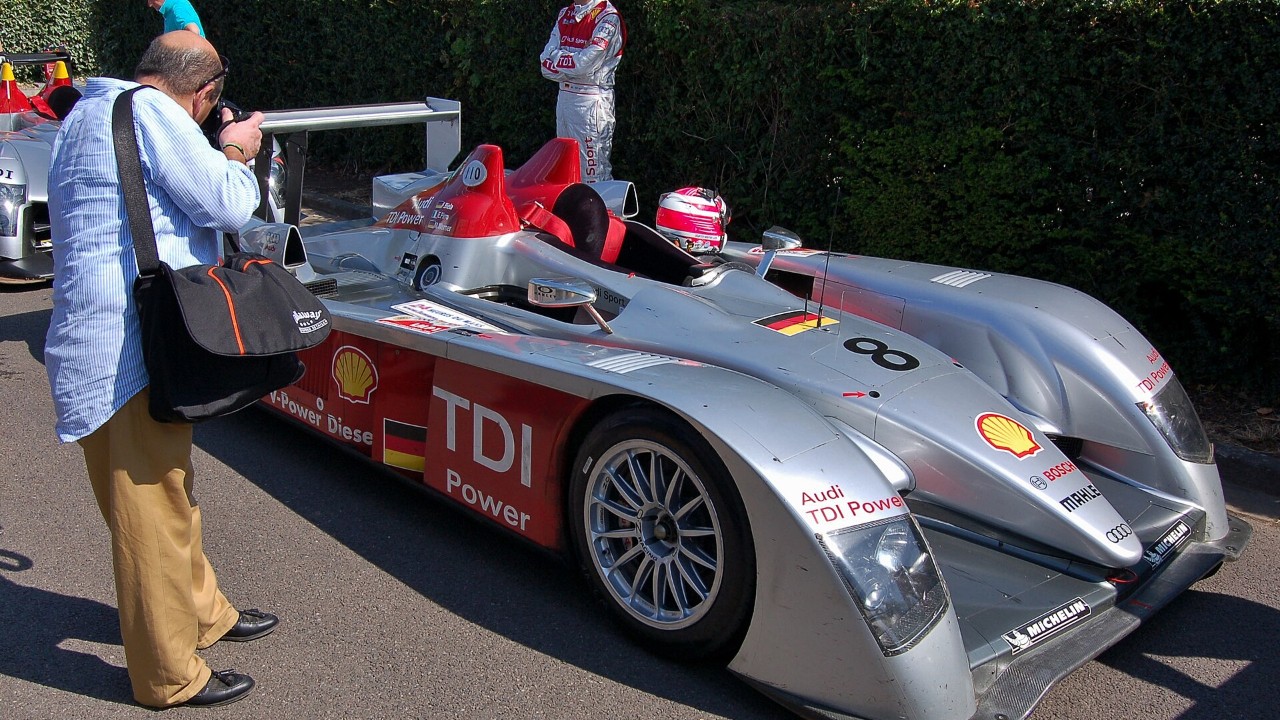
Four-wheel drive technology emerged as a game-changer in rally racing, particularly exemplified by the Audi Quattro in the early 1980s. This system allowed for superior traction on diverse surfaces, enabling drivers to maintain control and speed in challenging weather conditions. The Quattro’s success forced other manufacturers to adopt similar technologies, reshaping the competitive landscape of rally racing forever.
As the technology evolved, many rally teams began incorporating advanced four-wheel drive systems, such as Subaru’s symmetrical all-wheel drive, which further improved performance and handling. The influence of four-wheel drive in rally racing can be seen in modern vehicles, where manufacturers like Ford and Toyota continue to develop sophisticated systems that enhance performance in both racing and consumer vehicles.
Active Suspension Systems in Formula 1
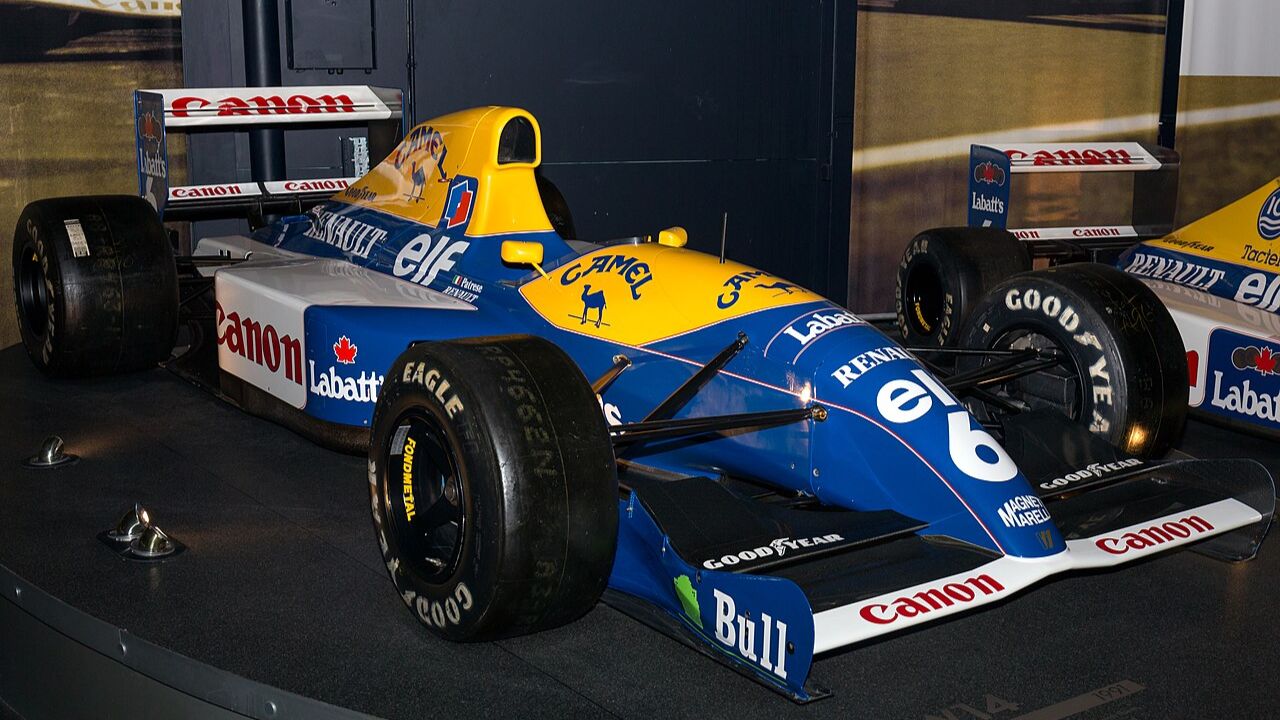
Active suspension systems were first popularized in Formula 1 by the Williams FW14B in 1992, which utilized electronic control to adjust the car’s suspension in real-time. This technology provided significant advantages by maintaining optimal tire contact with the track, improving both handling and performance during races. The success of the FW14B encouraged rival teams to explore similar systems, leading to innovations that would enhance their own vehicles.
While active suspension systems were eventually banned in 1994, their foundational technology has influenced the design of modern suspension systems in both racing and commercial vehicles. Today, companies continue to develop adaptive suspension solutions, showcasing the lasting impact of this innovation on the automotive industry.
Hybrid Powertrains in Endurance Racing

The move towards hybrid powertrains in endurance racing began to gain momentum with the introduction of the Porsche 919 Hybrid in 2014. This vehicle showcased the effectiveness of combining traditional internal combustion engines with electric motors, resulting in improved fuel efficiency and performance. As the 919 Hybrid dominated the World Endurance Championship, other manufacturers like Toyota and Audi raced to develop their own hybrid systems to keep pace.
The adoption of hybrid technology has since transformed endurance racing, influencing the broader automotive market as manufacturers strive to meet environmental standards. The lessons learned in endurance racing are now being applied to consumer vehicles, demonstrating how motorsport can drive innovation beyond the racetrack. For more on how motorsports influence innovation, check out this article from Garrett Motion.
Carbon Fiber Chassis in Sports Cars

The introduction of carbon fiber chassis in sports cars marked a significant leap in automotive engineering. The McLaren F1, launched in 1992, featured a carbon fiber monocoque that offered an impressive strength-to-weight ratio, enhancing performance and safety. This innovation quickly gained traction, prompting other manufacturers like Ferrari and Lamborghini to adopt similar practices in their high-performance models.
Today, carbon fiber technology is ubiquitous in the automotive industry, not only in racing but also in luxury and performance vehicles. The material’s lightweight and durable properties continue to push the boundaries of design and engineering, showcasing how motorsports have shaped consumer expectations for performance cars.
Telemetry and Data Analytics in Team Strategy
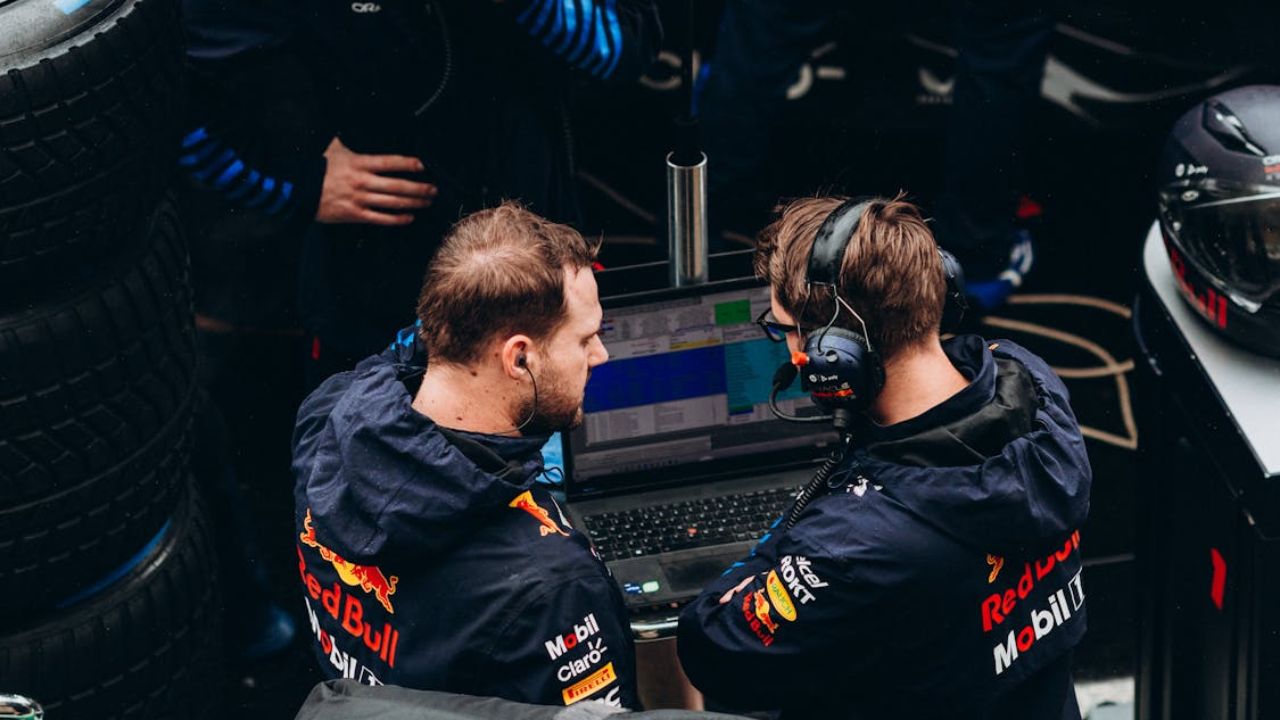
The use of telemetry and data analytics has transformed the strategic landscape of motorsports. Teams like Mercedes-AMG Petronas in Formula 1 utilize real-time data from their cars to optimize performance, analyze tire wear, and refine pit stop strategies. This level of data analysis allows teams to make informed decisions during races, giving them a competitive edge.
As technology advances, the ability to capture and analyze vast amounts of data has become more accessible, allowing even smaller teams to leverage these insights. The integration of these data-driven strategies has not only changed the nature of racing but has also influenced how manufacturers approach vehicle development, making data analytics a cornerstone of modern motorsport.
DRS (Drag Reduction System) for Enhanced Speed

The Drag Reduction System (DRS) was introduced in Formula 1 in 2011 as a means to enhance overtaking opportunities. By adjusting the angle of the rear wing, drivers can reduce aerodynamic drag, allowing for increased straight-line speed. This innovation has led to dramatic changes in race strategies, with teams often utilizing DRS to gain critical advantages during overtaking scenarios.
As teams have adapted to this technology, the regulations surrounding DRS have evolved, reflecting ongoing debates about its effectiveness and fairness. Regardless, DRS remains a defining feature of modern Formula 1 racing, influencing not just the strategy on the track but also the design and engineering of race cars.
E-Sports Integration for Fan Engagement

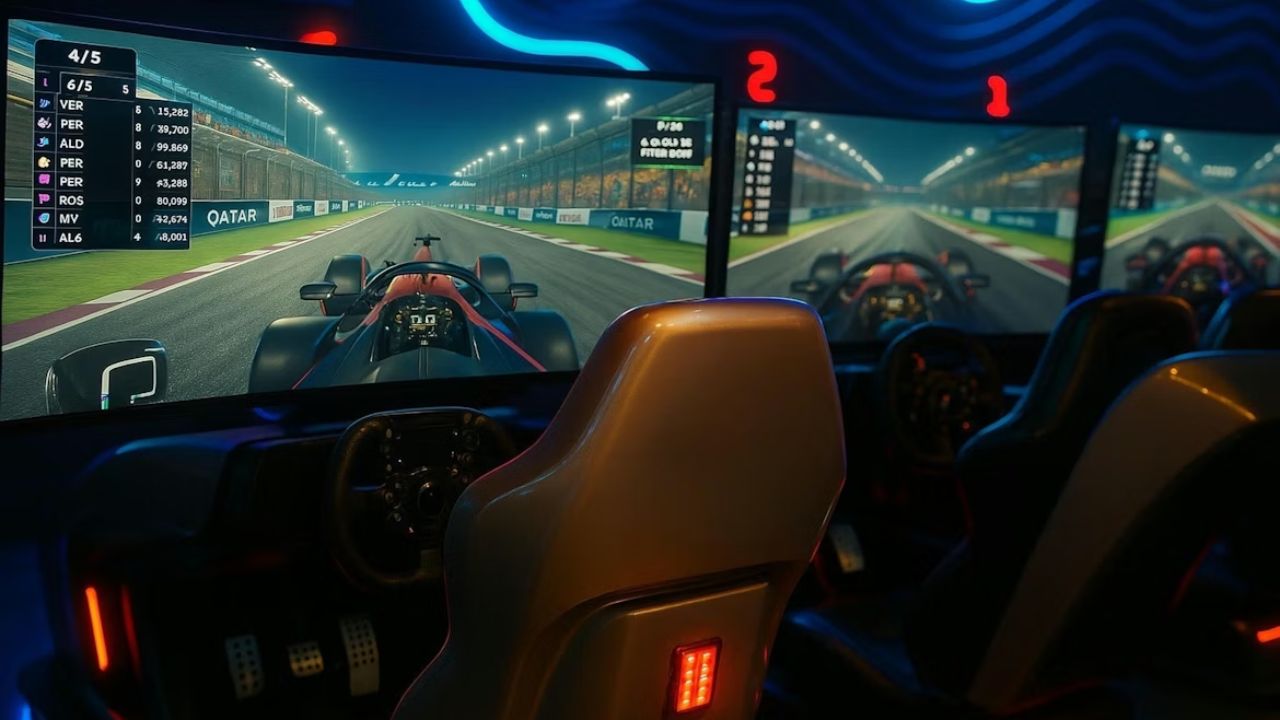
The rise of e-sports has brought a new dimension to motorsports, with many racing series embracing virtual platforms to engage fans. Initiatives like the Formula E Race at Home Challenge have successfully attracted audiences by allowing fans to participate in simulated races. This integration of e-sports has created a unique synergy between traditional motorsports and digital gaming.
More from Fast Lane Only