During the 1990s, Japanese automakers unleashed a wave of sports cars that would not only capture the hearts of enthusiasts but also serve as a foundation for a vibrant tuning culture. These Japanese sports cars combined cutting-edge technology with performance-oriented designs, leading to a legacy that continues to thrive today. Below is a look at nine iconic Japanese sports cars from that era that became tuning legends.
Nissan Skyline GT-R (R32)
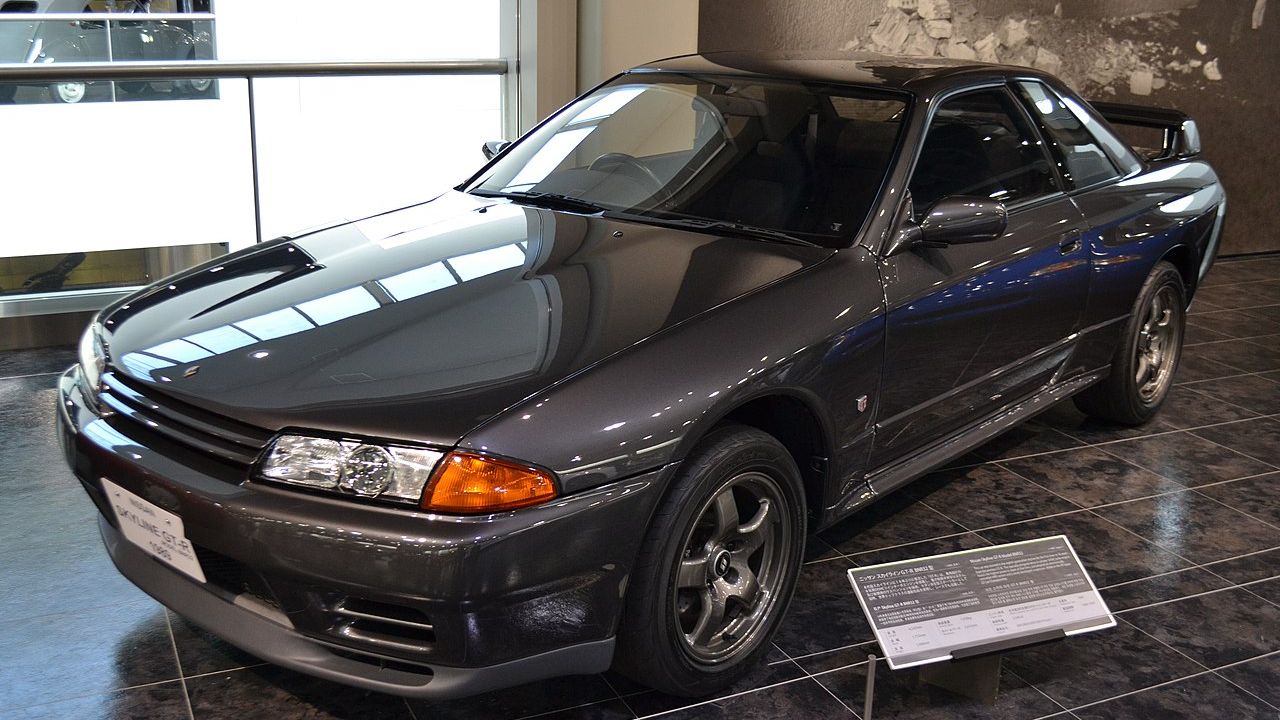
The Nissan Skyline GT-R (R32), produced from 1989 to 1994, is often hailed as a turning point in the world of performance cars. It featured a potent 2.6-liter inline-six engine, capable of producing up to 280 horsepower. Its advanced ATTESA all-wheel-drive system and active LSD made it a formidable contender on the track. The R32’s success in motorsports, particularly in Group A racing, solidified its status as a tuning icon. Enthusiasts frequently modify it with upgraded turbos, suspension tweaks, and ECU remaps to unlock even more potential. For those interested in learning more about 90s Japanese cars, CarBuzz offers detailed insights.
Toyota Supra Mk4 (A80)
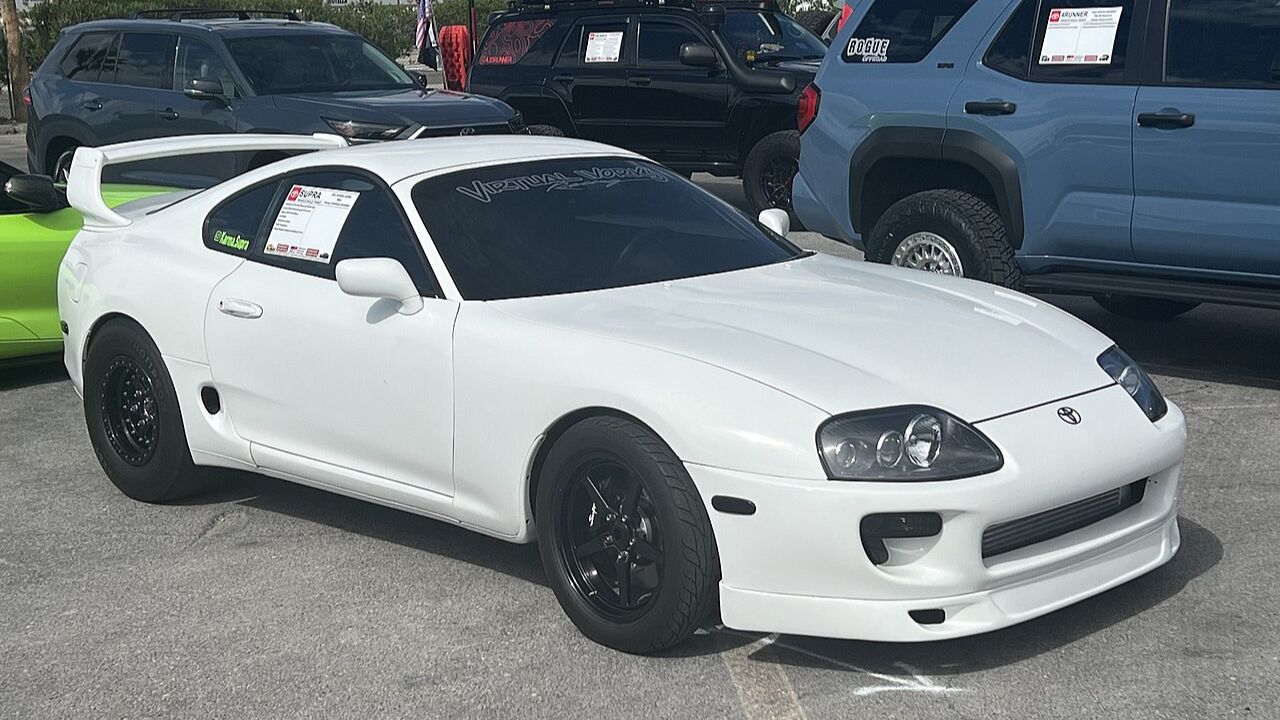
The Toyota Supra Mk4 (A80), produced from 1993 to 2002, remains one of the most revered sports cars in tuning circles. With its 3.0-liter inline-six engine, it was capable of generating up to 320 horsepower. The Supra became a household name, thanks in part to its appearance in the “Fast & Furious” franchise. Tuning enthusiasts often modify the twin-turbocharged engine for even greater performance, with some vehicles reaching over 1,000 horsepower with the right upgrades. Whether it’s a new turbocharger or an aftermarket exhaust, the A80 offers endless possibilities for customization. For more on iconic Japanese sports cars, check out Supercars.net.
Mazda RX-7 (FD3S)
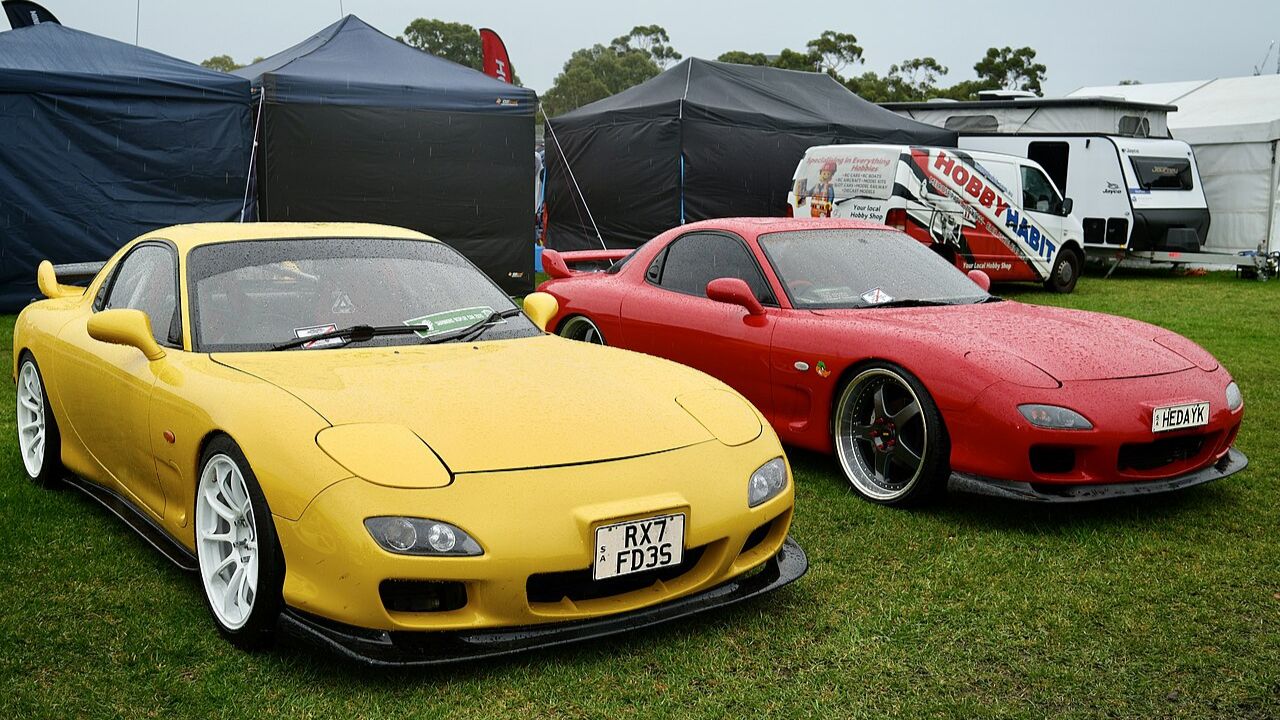
The Mazda RX-7 (FD3S), available from 1992 to 2002, is renowned for its lightweight design and unique rotary engine. The 1.3-liter twin-rotor engine, known for its high-revving nature, produced around 255 horsepower. Its balanced handling and agile dynamics made it a favorite among driving purists. Tuning enthusiasts are drawn to the RX-7 for its potential to achieve impressive power gains through aftermarket modifications, such as larger turbochargers and upgraded intercoolers. Many enthusiasts also appreciate the car’s aesthetic, often opting for body kits to enhance its sporty profile. For a deeper dive into the best Japanese cars, visit Goodwood.
Honda NSX (NA1)
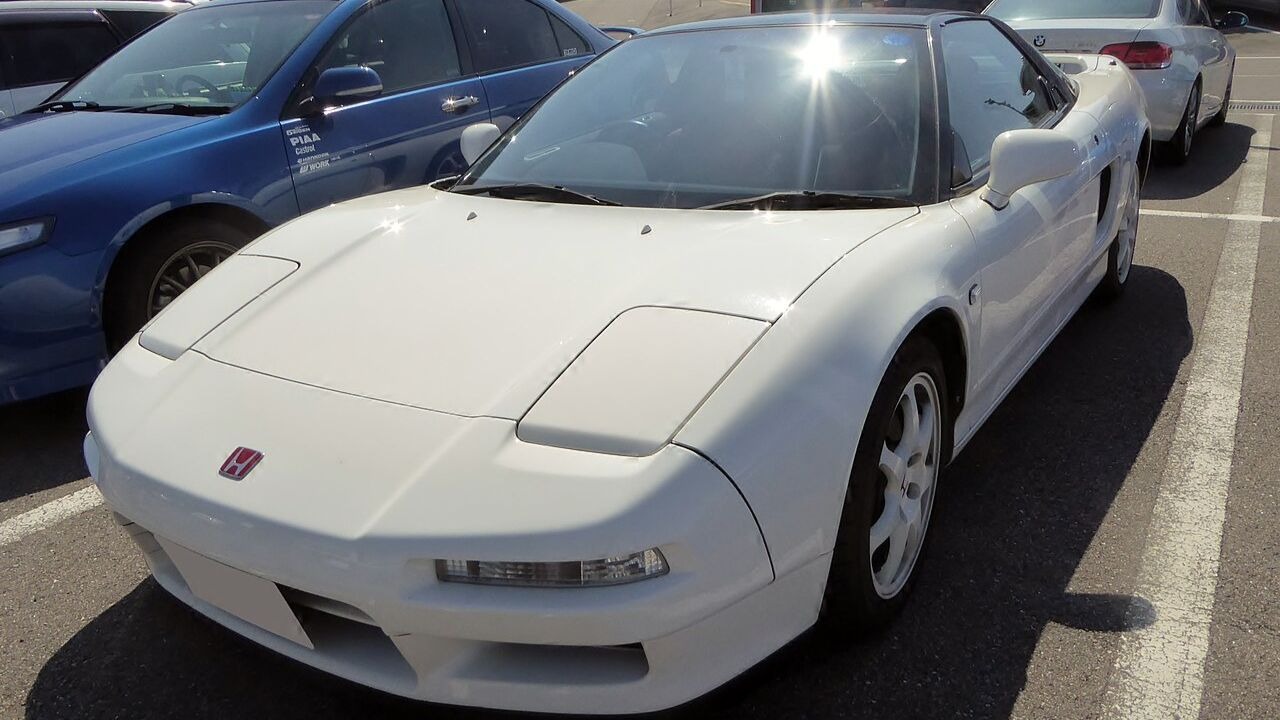
The Honda NSX (NA1), produced from 1990 to 2005, was a groundbreaking sports car that combined performance with everyday usability. It featured a naturally aspirated 3.0-liter V6 engine, producing 270 horsepower. The NSX was notable for its lightweight aluminum body and mid-engine layout, which provided exceptional handling characteristics. Tuning the NSX often involves upgrades to the suspension and engine management systems, with some enthusiasts opting for supercharger kits to enhance performance. Its racing pedigree, including success in various motorsport events, further solidifies its status as a tuning legend.
Mitsubishi Lancer Evolution VI
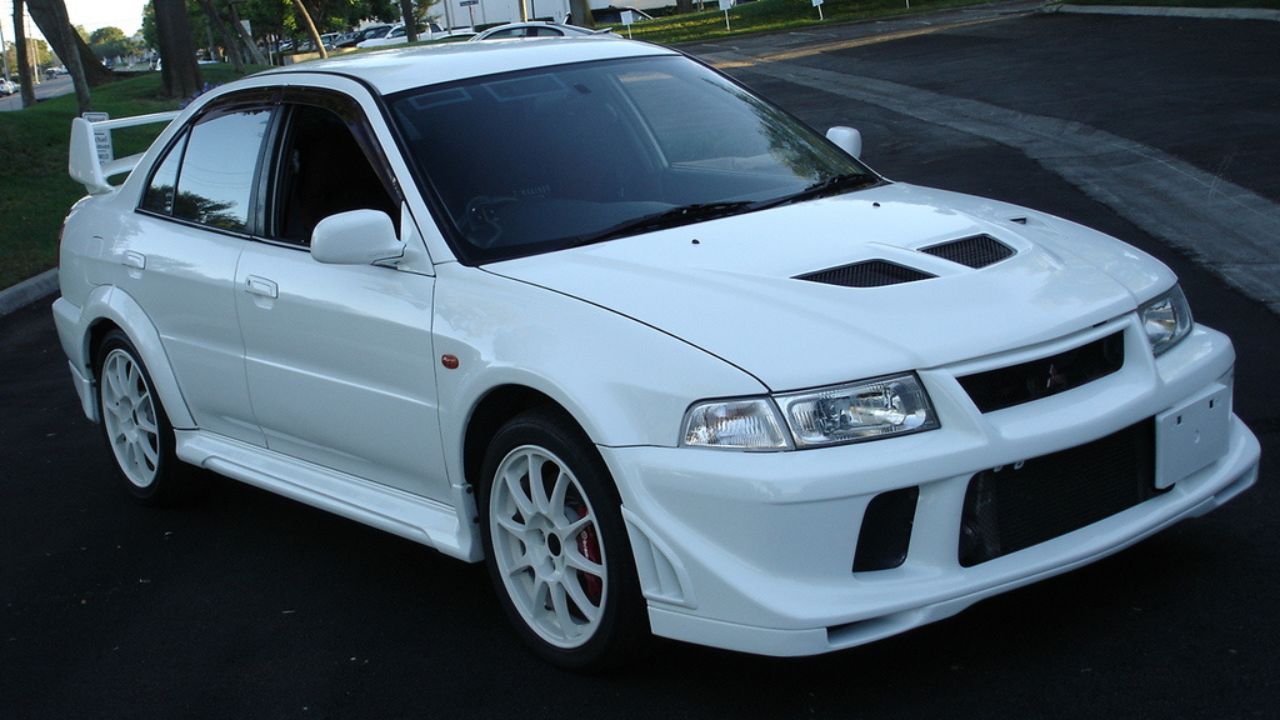
The Mitsubishi Lancer Evolution VI, produced from 1999 to 2001, is a rally-bred icon. With a turbocharged 2.0-liter inline-four engine, it produced about 276 horsepower, making it a powerful contender on both the road and the track. Its all-wheel-drive system and lightweight construction provided exceptional handling and traction, attracting tuning enthusiasts who appreciate its performance potential. Many owners enhance their Evo VI with aftermarket exhaust systems, upgraded turbos, and performance tuning to achieve even higher power outputs. The car’s legacy in motorsports has cemented its place in the hearts of car enthusiasts worldwide.
Subaru Impreza WRX STI (GC8)
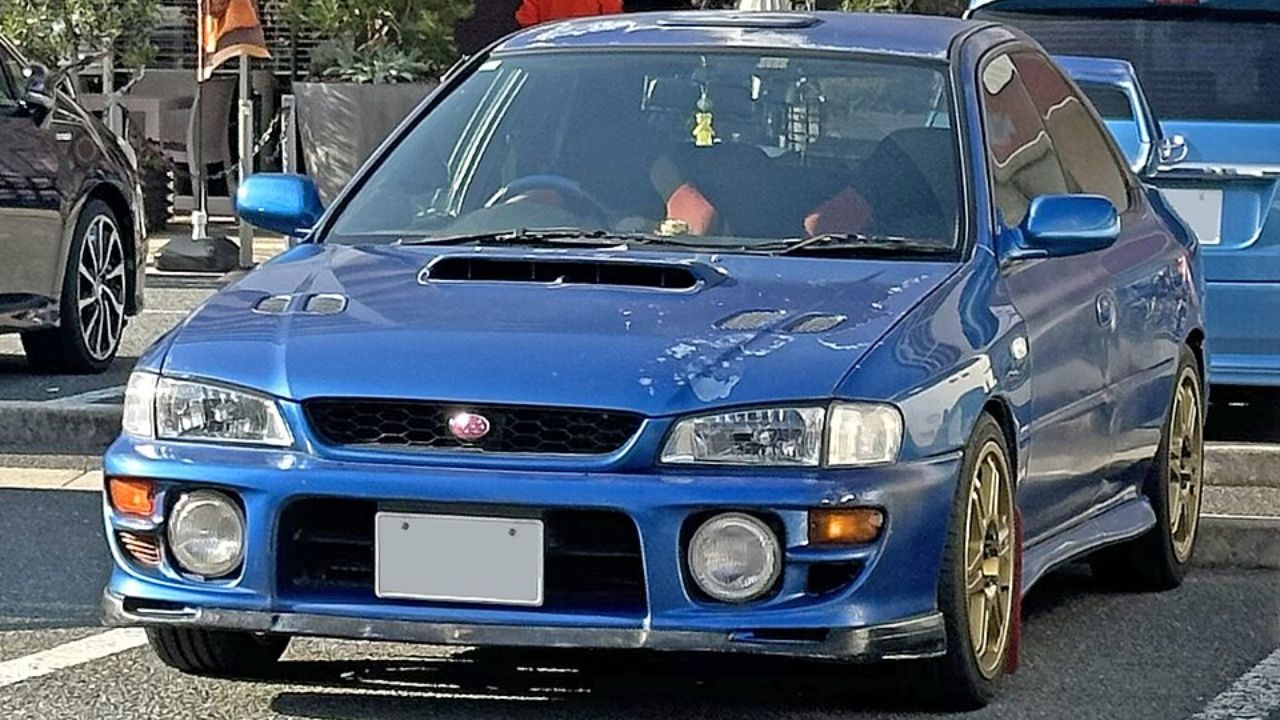
The Subaru Impreza WRX STI (GC8), produced from 1994 to 2000, is a staple in the world of performance cars. Its turbocharged 2.0-liter boxer engine delivered around 280 horsepower, complemented by its signature all-wheel-drive system. The WRX STI gained a reputation for its rally heritage and robust performance, making it a favorite among tuning enthusiasts. Many owners opt for aftermarket modifications, including suspension upgrades, intercoolers, and exhaust systems, to enhance both performance and driving experience. Its successful career in motorsport only adds to its allure as a tuning icon.
Nissan 240SX (S14)
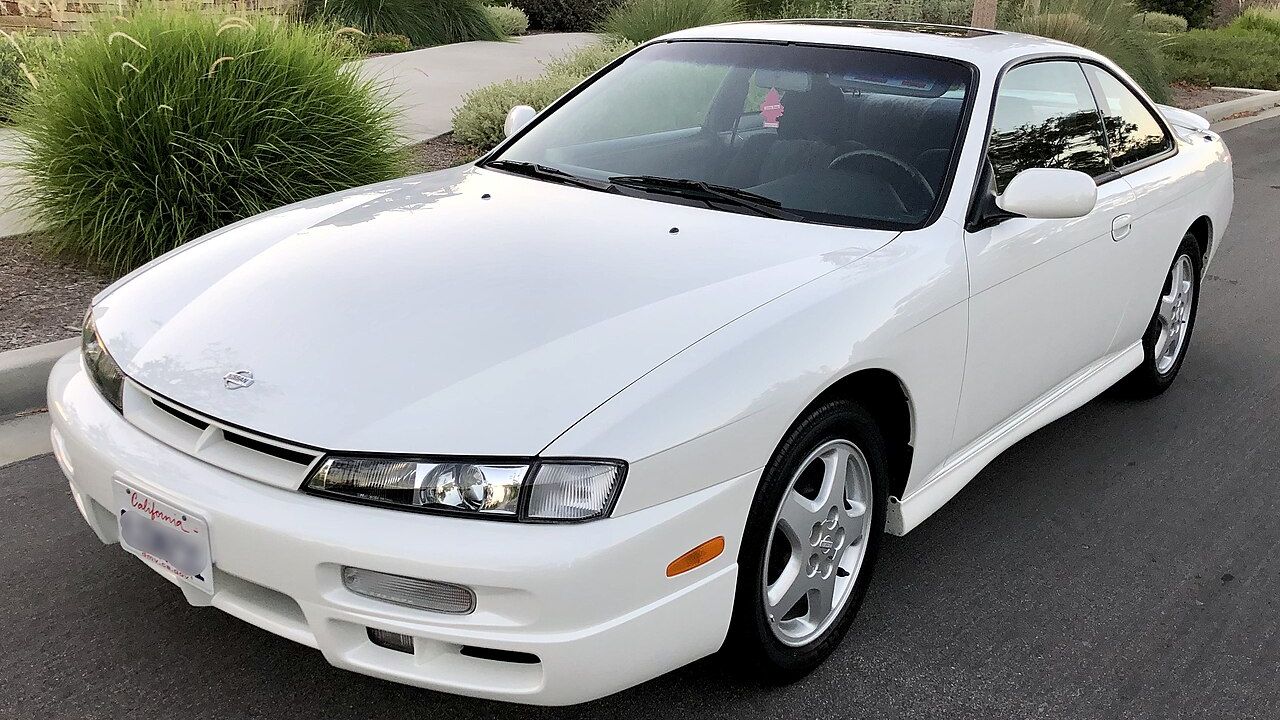
The Nissan 240SX (S14), produced from 1995 to 1998, is celebrated for its balance of affordability and performance. With its rear-wheel-drive layout and a 2.4-liter inline-four engine, it offered a solid platform for tuning. The S14 quickly became a popular choice for drifting and motorsport enthusiasts. Tuning options for the 240SX are extensive, ranging from engine swaps to complete suspension overhauls. Many owners choose to enhance its power with turbocharger kits, while others focus on improving handling and aesthetics with coilovers and body kits. Its versatility makes it a legend in the tuning community.
Toyota MR2 (SW20)
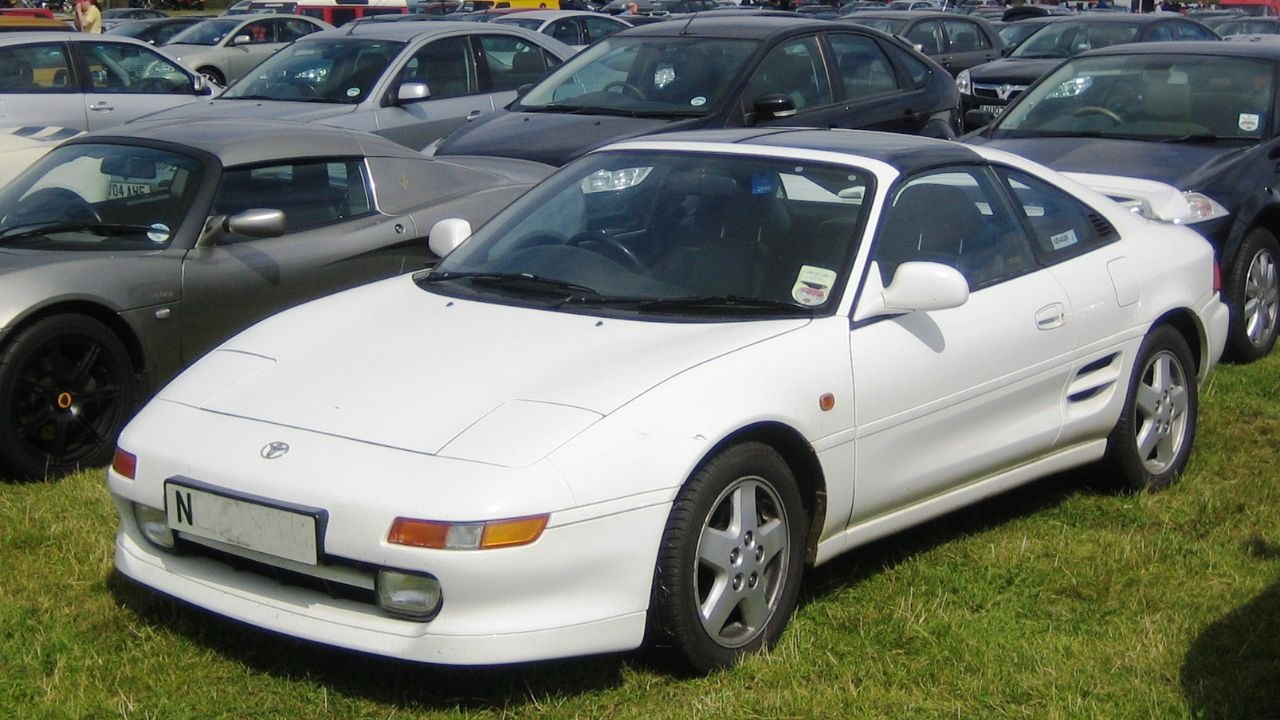
The Toyota MR2 (SW20), produced from 1990 to 1999, is known for its mid-engine layout and lightweight design. With a 2.0-liter turbocharged inline-four engine, it produced around 200 horsepower. The MR2’s unique design provided exceptional handling and performance, making it a favorite among driving enthusiasts. Tuning options for the MR2 include turbo upgrades, suspension modifications, and engine management systems to unlock its full potential. Its compact size and nimble nature make it an appealing platform for those seeking an engaging driving experience.
Acura Integra Type R (DC2)
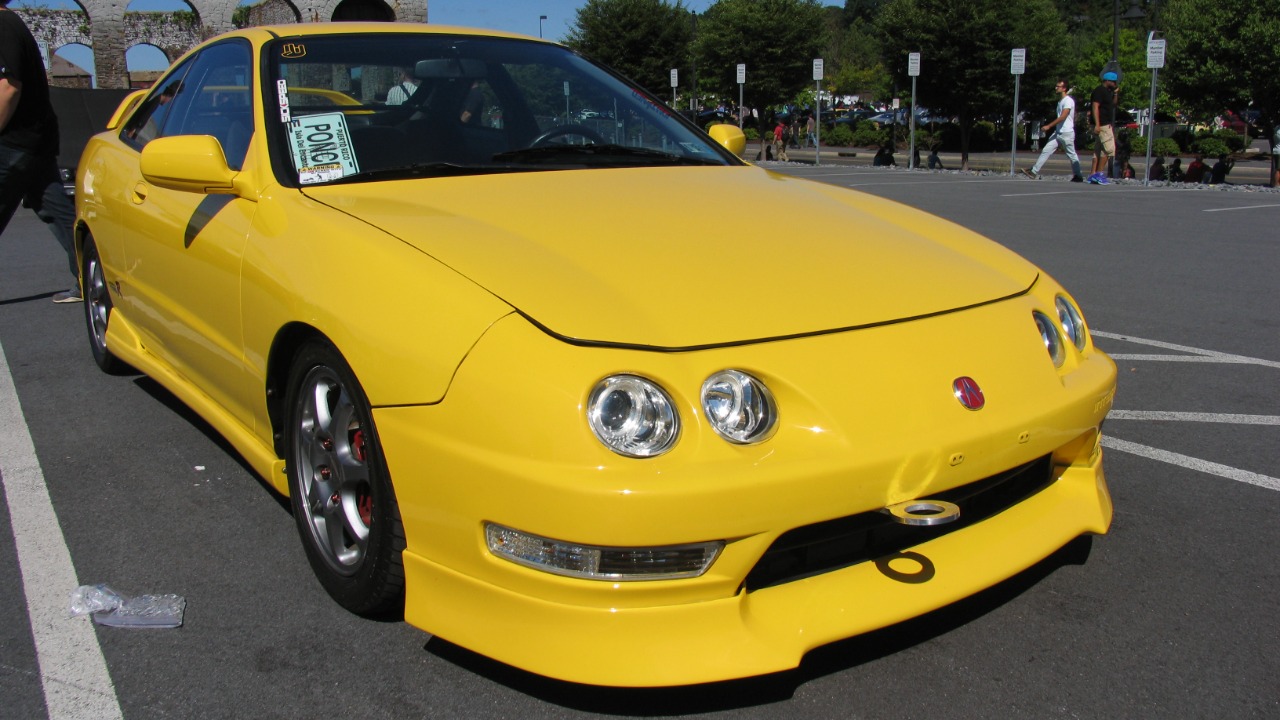
The Acura Integra Type R (DC2), produced from 1997 to 2001, is a celebrated example of Japanese performance engineering. With a 1.8-liter inline-four VTEC engine, it produced 195 horsepower while maintaining a lightweight chassis. The Integra Type R is known for its high-revving engine and precise handling, making it a favorite among tuners. Many enthusiasts enhance their vehicles with aftermarket intakes, exhausts, and suspension upgrades to improve performance further. The DC2’s motorsport success, particularly in touring car championships, has solidified its legendary status in the tuning world.
More from Fast Lane Only