The muscle-car era was more than a horsepower war—it was a constant battle among automakers to gain an edge over the competition. Every so often, a new model arrived with enough performance, engineering, or market impact to force rival manufacturers back to the drawing board. These muscle cars changed expectations and pushed competitors to respond with faster, more capable machines of their own.
Pontiac GTO 1964
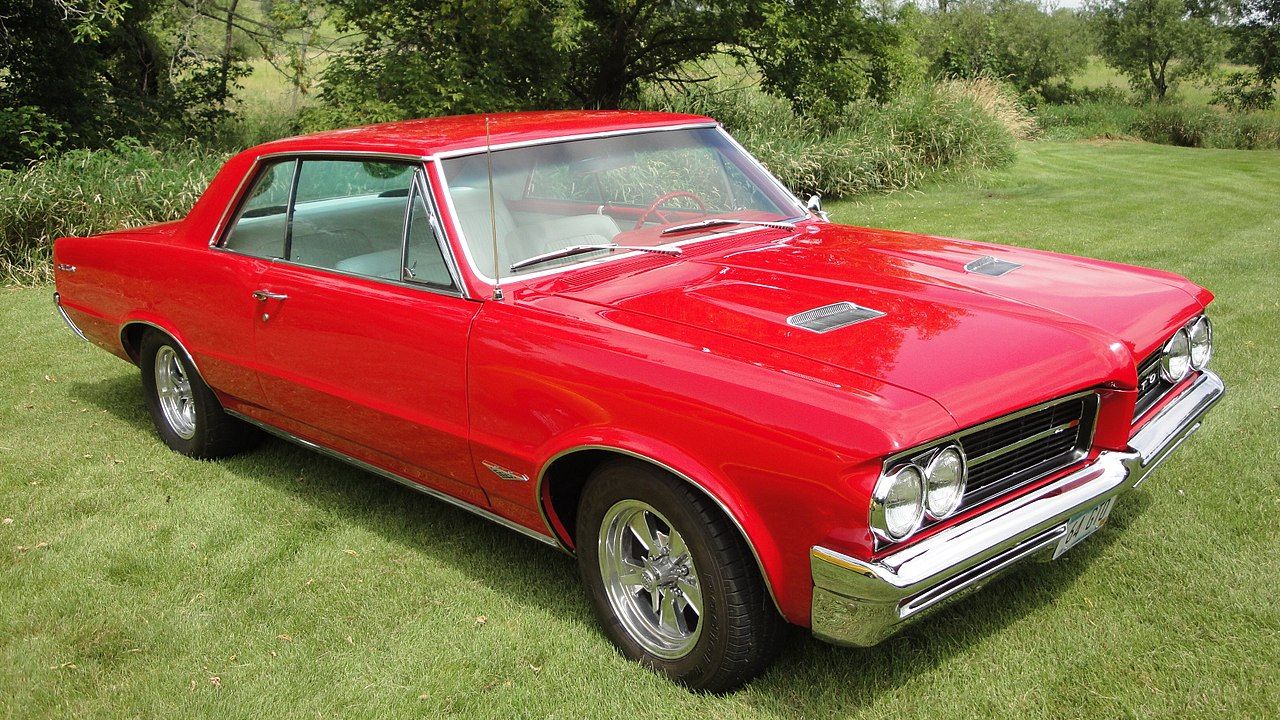
The Pontiac GTO is often credited with launching the muscle-car movement. By placing a large V8 into a midsize platform, Pontiac created a formula that proved immensely popular with buyers. Rival manufacturers quickly realized there was a growing demand for affordable performance and rushed to develop competing models. The GTO effectively changed Detroit’s performance strategy overnight.
Plymouth Road Runner
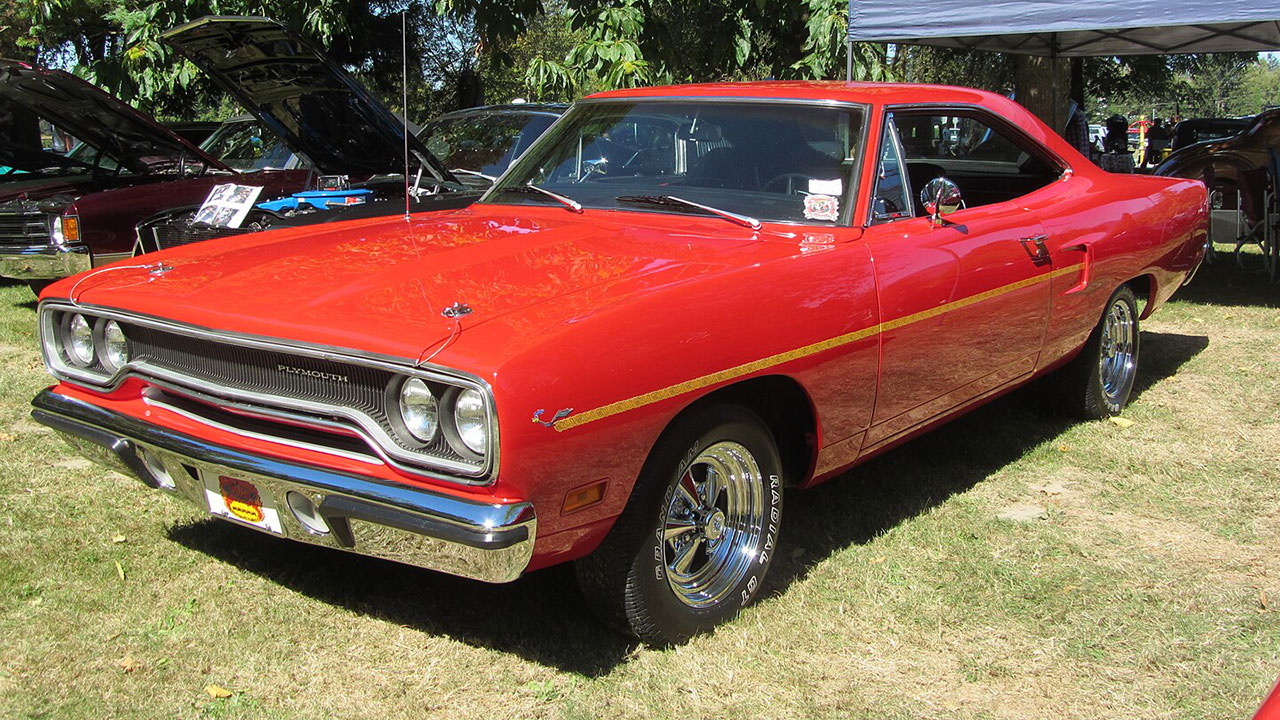
The Plymouth Road Runner demonstrated that serious performance didn’t require luxury features or premium pricing. Its focus on affordable speed resonated strongly with enthusiasts, forcing competitors to reconsider how they packaged performance vehicles. The Road Runner proved that stripping away unnecessary extras could create a more compelling performance bargain.
Chevrolet Chevelle SS 454
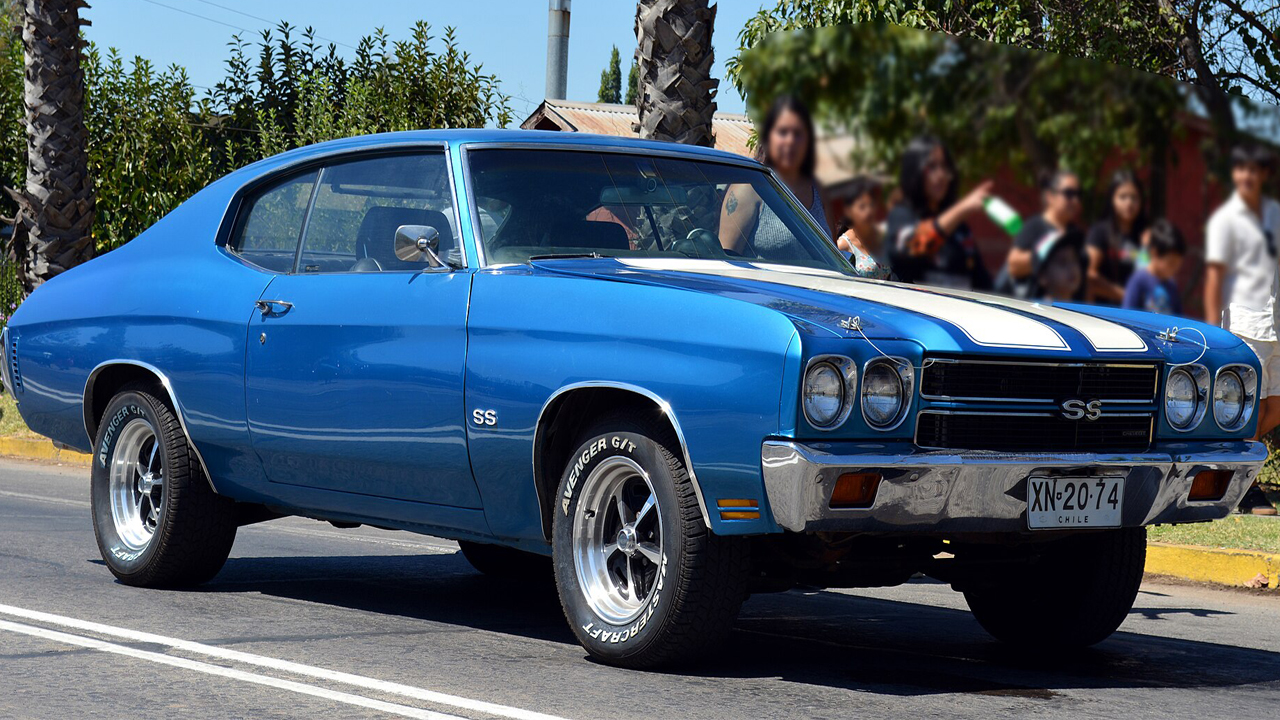
The Chevrolet Chevelle SS 454 raised the stakes when Chevrolet installed massive big-block power into its popular midsize platform. The combination of strong straight-line performance and broad appeal helped establish new expectations within the segment. Competitors responded by developing increasingly powerful engines of their own.
Ford Mustang Boss 429
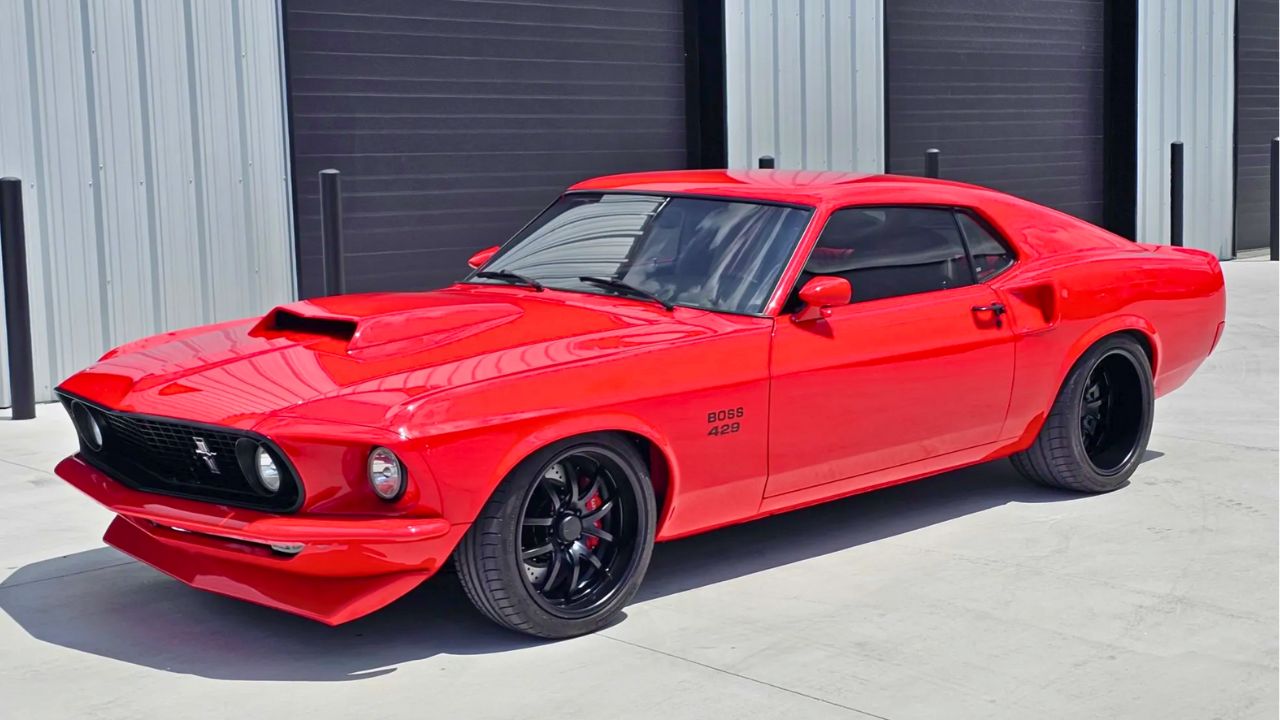
The Ford Mustang Boss 429 was created largely to satisfy racing requirements, but its impact extended beyond motorsports. The sophisticated big-block engine showcased Ford’s commitment to high-performance engineering and encouraged competitors to continue investing in race-inspired street cars. Its exclusivity only increased its influence.
Buick GSX
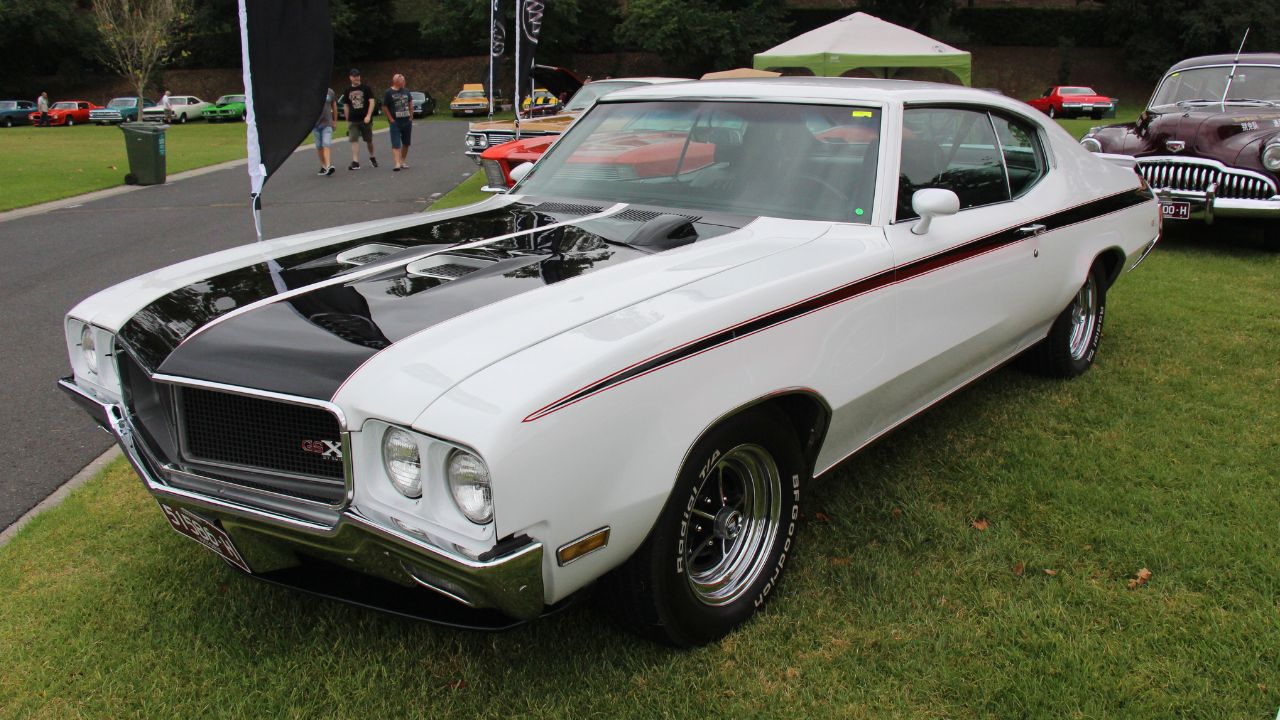
The Buick GSX surprised many enthusiasts by delivering performance that rivaled more established muscle-car brands. Massive torque and impressive acceleration demonstrated that Buick could compete directly with Pontiac, Chevrolet, and Mopar offerings. Rivals could no longer dismiss Buick as simply a builder of comfortable cruisers.
Dodge Challenger R/T 426 HEMI
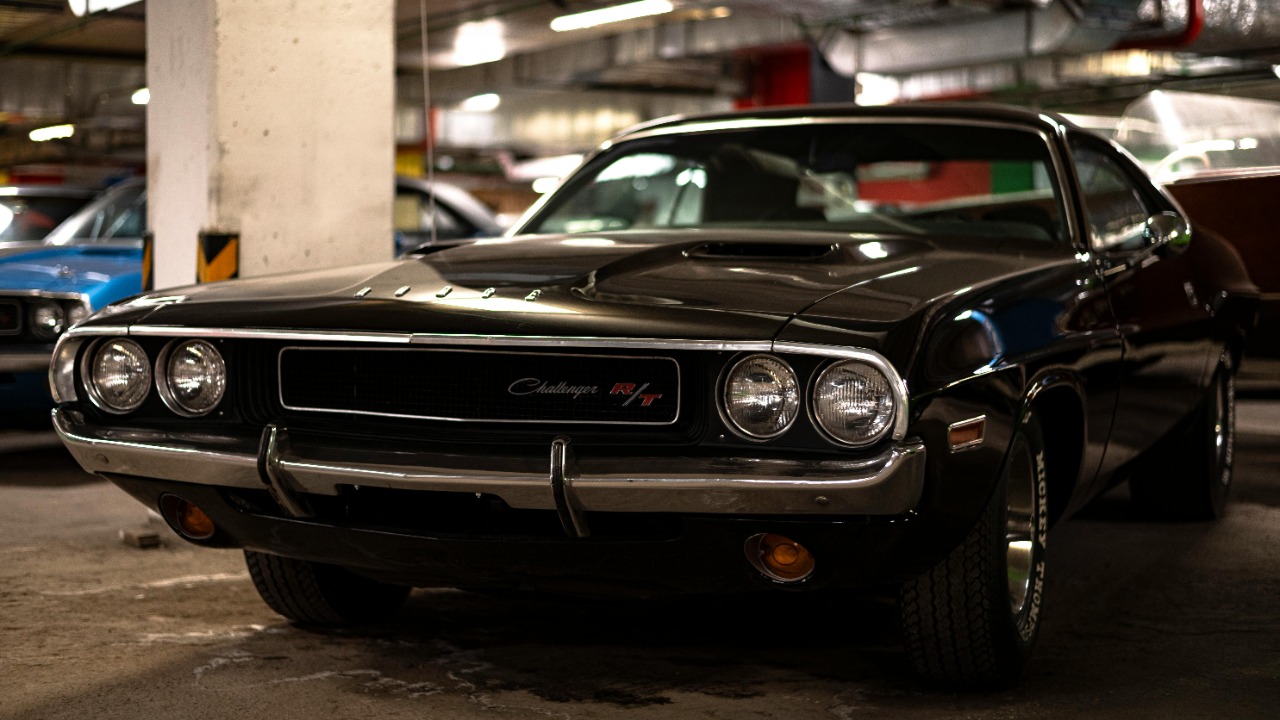
The Dodge Challenger R/T 426 HEMI represented Chrysler’s determination to dominate the performance market. The legendary HEMI engine gave the Challenger extraordinary power and street credibility. Competitors recognized that Chrysler was willing to push performance boundaries aggressively, intensifying the horsepower race across the industry.
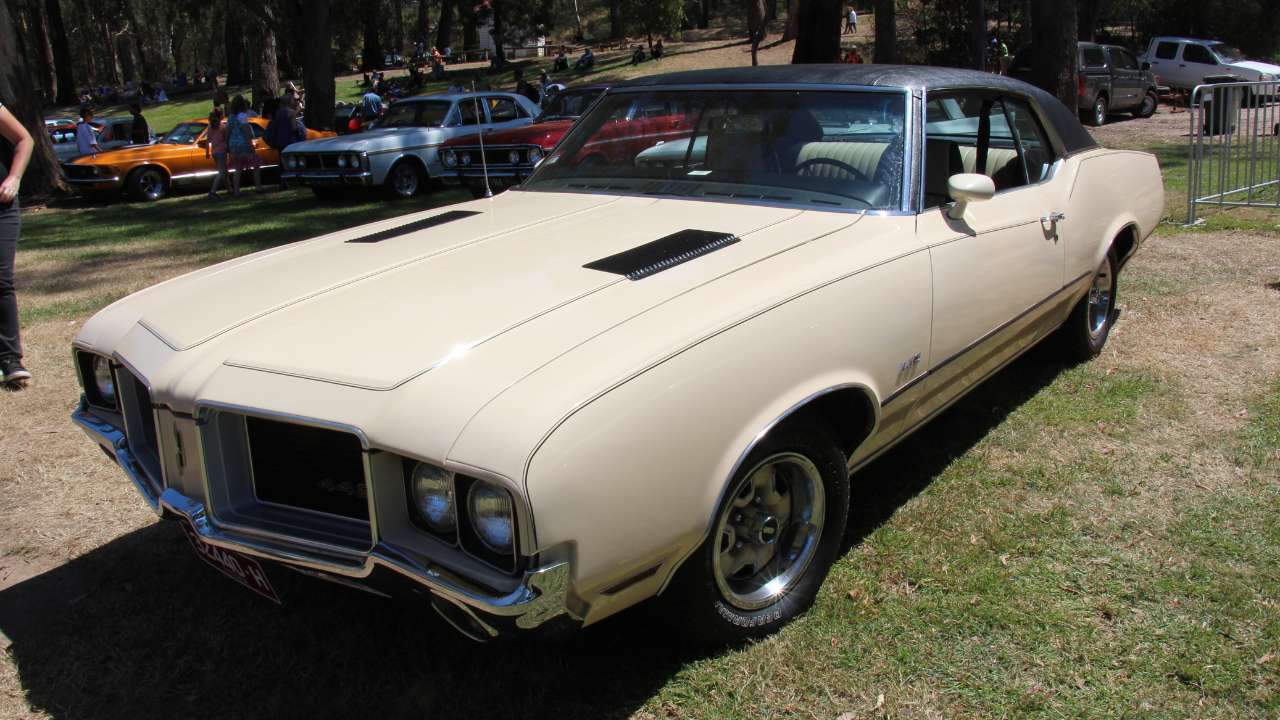
Oldsmobile 442 W-30

The Oldsmobile 442 W-30 proved that Oldsmobile could build serious performance machines capable of challenging better-known rivals. Strong engineering and competitive acceleration forced enthusiasts and competitors alike to take the brand more seriously. The W-30 helped broaden the muscle-car battlefield beyond the usual contenders.
AMC Rebel Machine
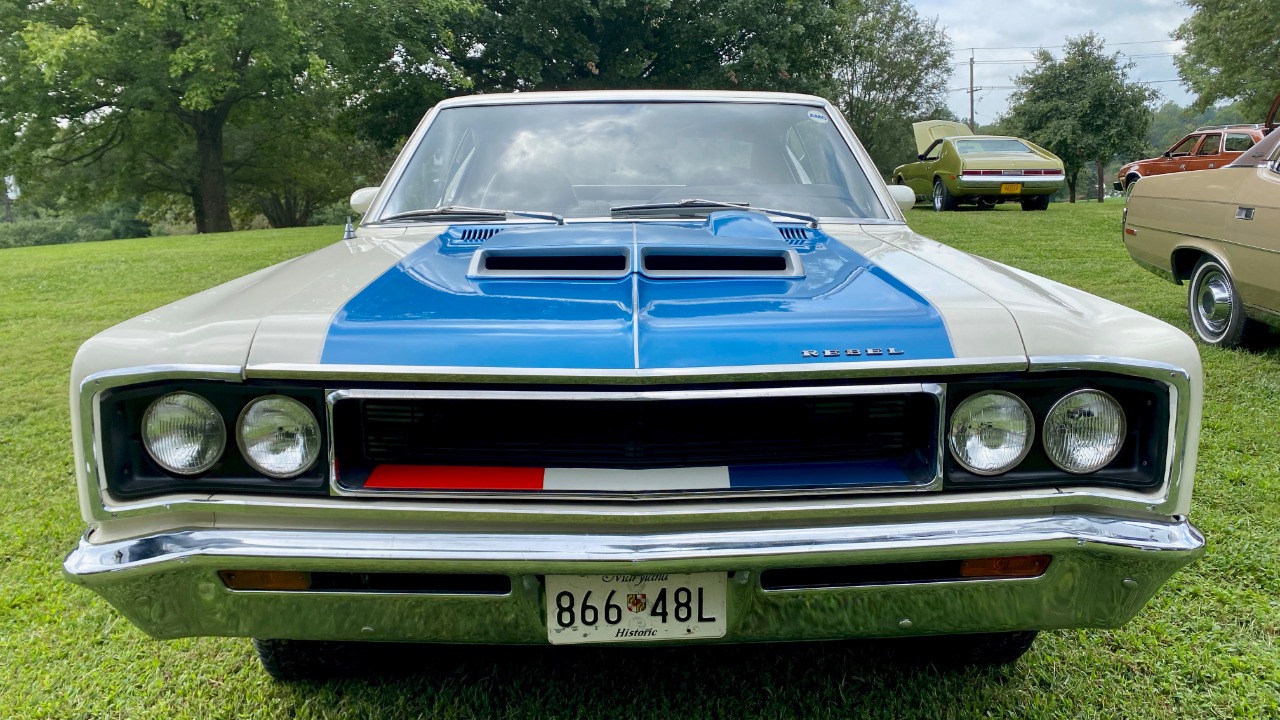
The AMC Rebel Machine showed that even a smaller automaker could produce a legitimate muscle-car contender. Its bold styling and impressive performance challenged assumptions about AMC’s capabilities. Larger manufacturers recognized that performance competition was no longer limited to Detroit’s biggest players, further fueling innovation throughout the segment.
More from Fast Lane Only
- Unboxing the WWII Jeep in a Crate
- 15 rare Chevys collectors are quietly buying
- 10 underrated V8s still worth hunting down
- Police notice this before you even roll window down
*Research for this article included AI assistance, with all final content reviewed by human editors