As the automotive industry embraced increasingly complex technology, some vehicles demonstrated that simplicity still had tremendous value. By focusing on proven mechanical designs, ease of maintenance, and practical functionality, these models earned loyal followings and often outlasted more sophisticated competitors. Their success showed that reliability and usability can matter just as much as cutting-edge features.
Jeep Cherokee XJ
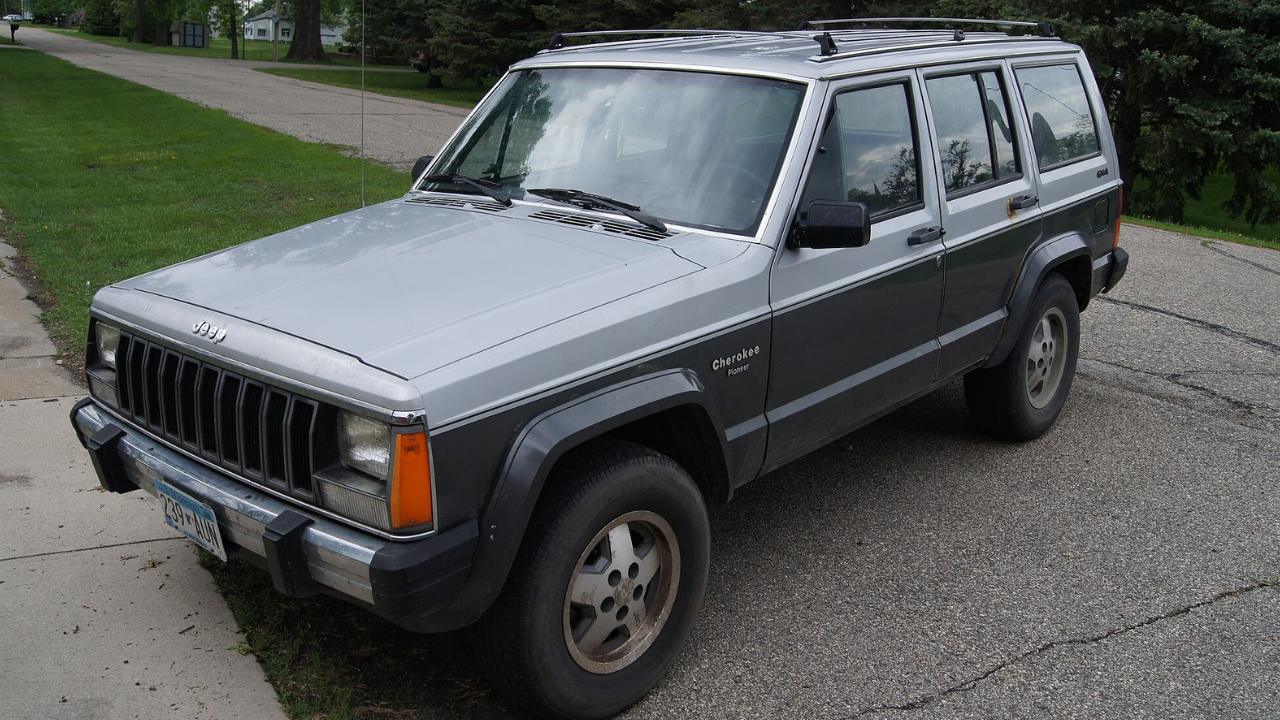
The Jeep Cherokee XJ became a legend by relying on rugged, straightforward engineering rather than technological complexity. Its durable drivetrain, solid construction, and simple mechanical systems made it easy to maintain and repair. Owners appreciated its ability to serve as both a daily driver and an off-road vehicle for decades.
Toyota Pickup 1984–1995
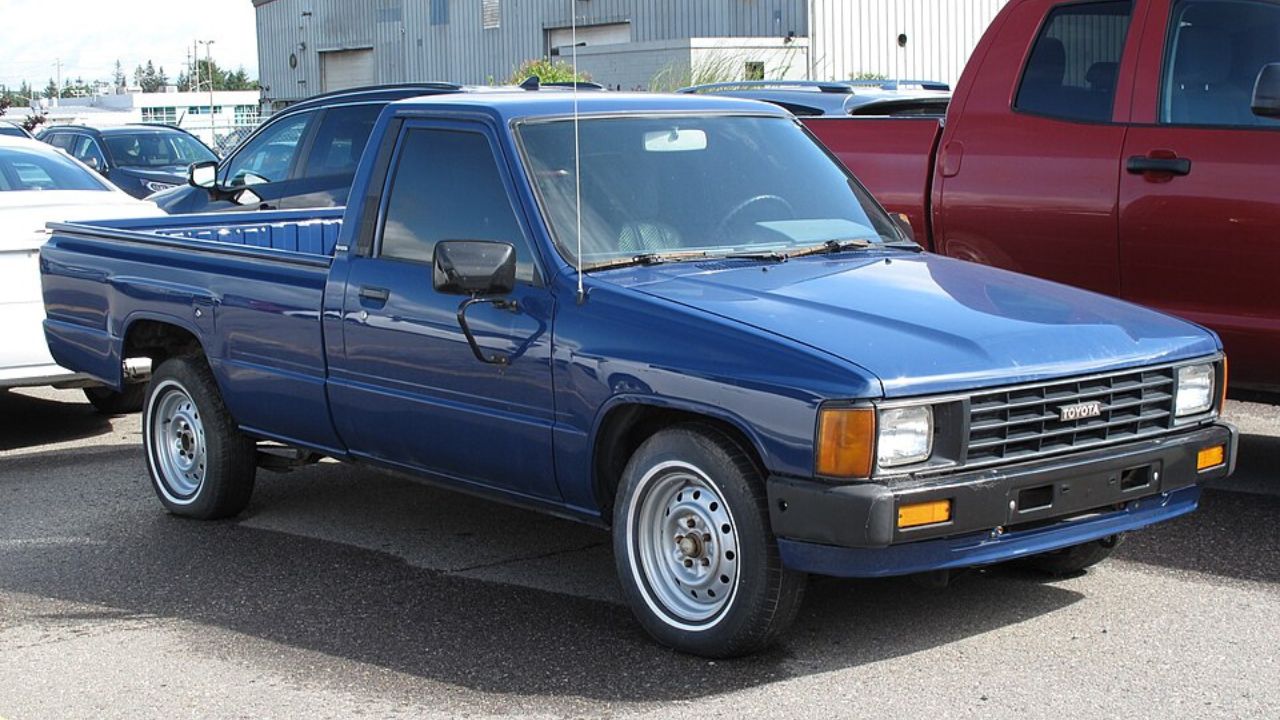
The Toyota Pickup earned worldwide respect because of its simple design and remarkable durability. Basic four-cylinder engines, dependable drivetrains, and rugged construction helped these trucks thrive in challenging environments. Their reputation for reliability became one of Toyota’s greatest strengths.
Ford Crown Victoria
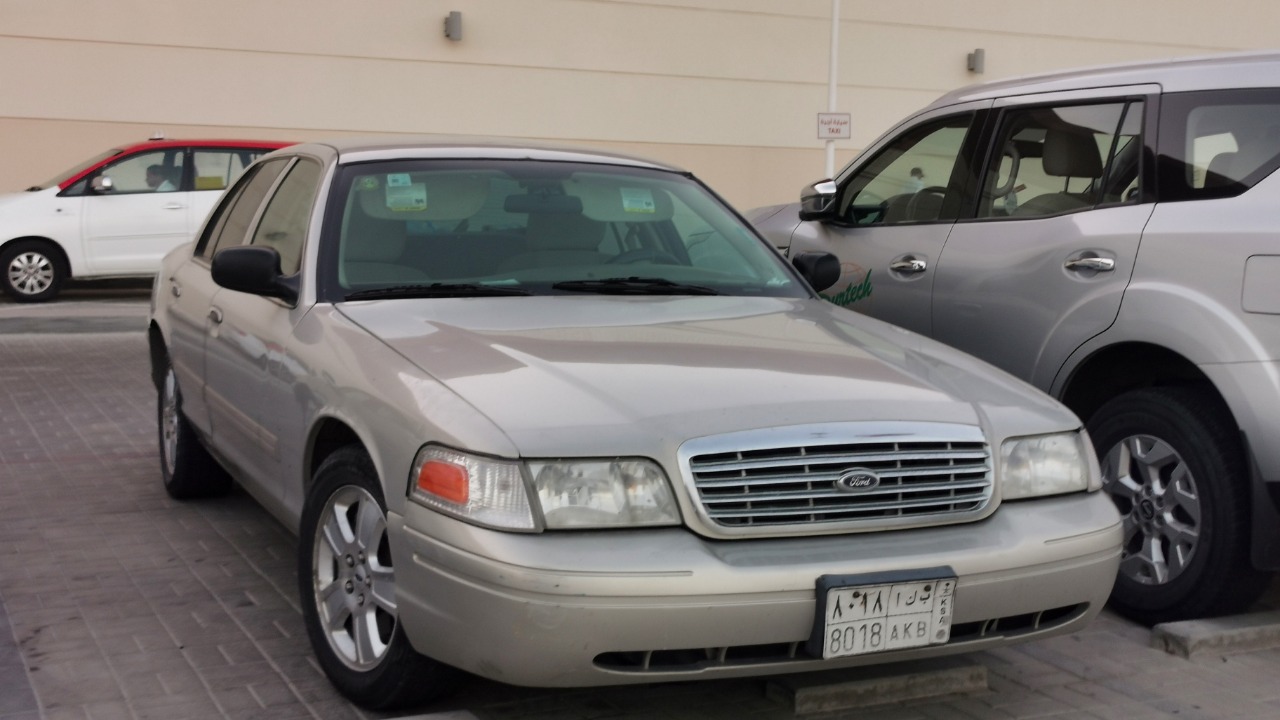
The Ford Crown Victoria succeeded by sticking with proven body-on-frame construction and a dependable V8 powertrain long after many competitors moved to more complex designs. Police departments, taxi fleets, and private owners valued its durability and ease of repair. Simplicity became one of its biggest advantages.
Honda Civic EF

The Honda Civic EF demonstrated that lightweight design and straightforward engineering could deliver excellent efficiency and reliability. Owners appreciated its low operating costs and dependable performance. Decades later, many examples remain on the road thanks to their simple mechanical layout.
Chevrolet C10
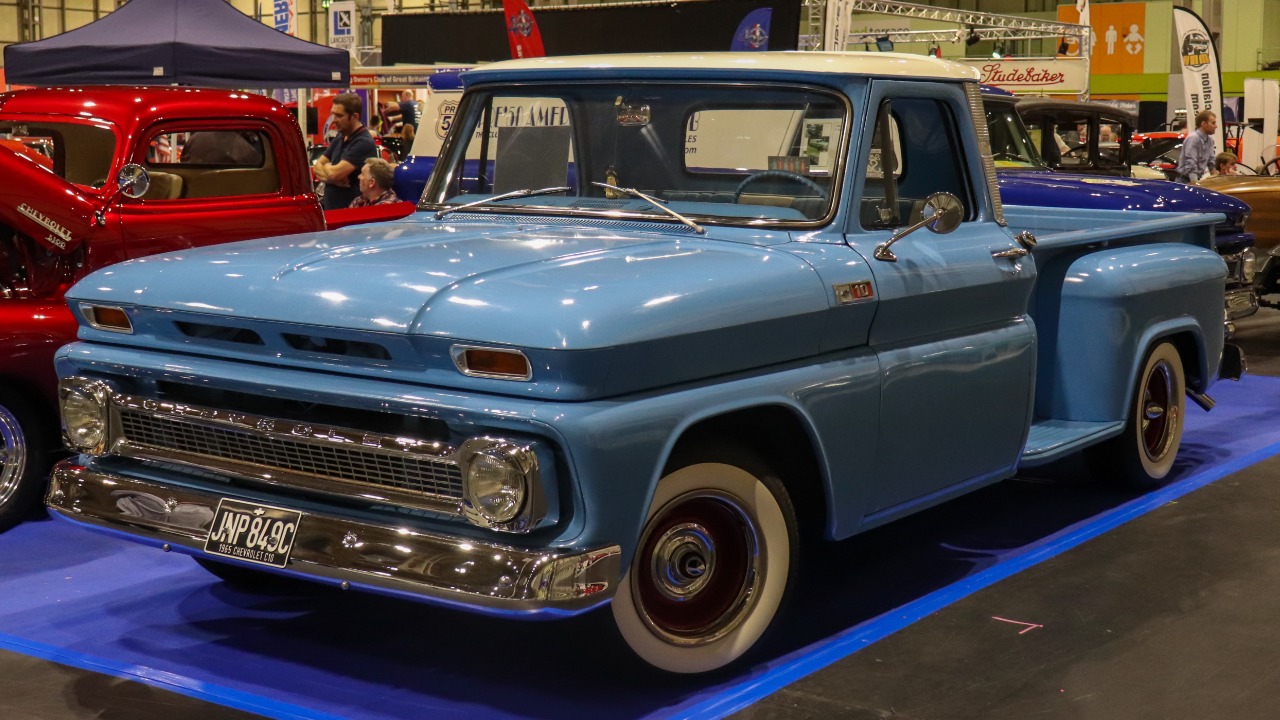
The Chevrolet C10 became popular because it offered practical utility without unnecessary complexity. Its durable engines, straightforward suspension systems, and ease of maintenance helped make it a favorite among both workers and enthusiasts. The truck’s simplicity continues to attract collectors today.
Toyota Land Cruiser 70 Series
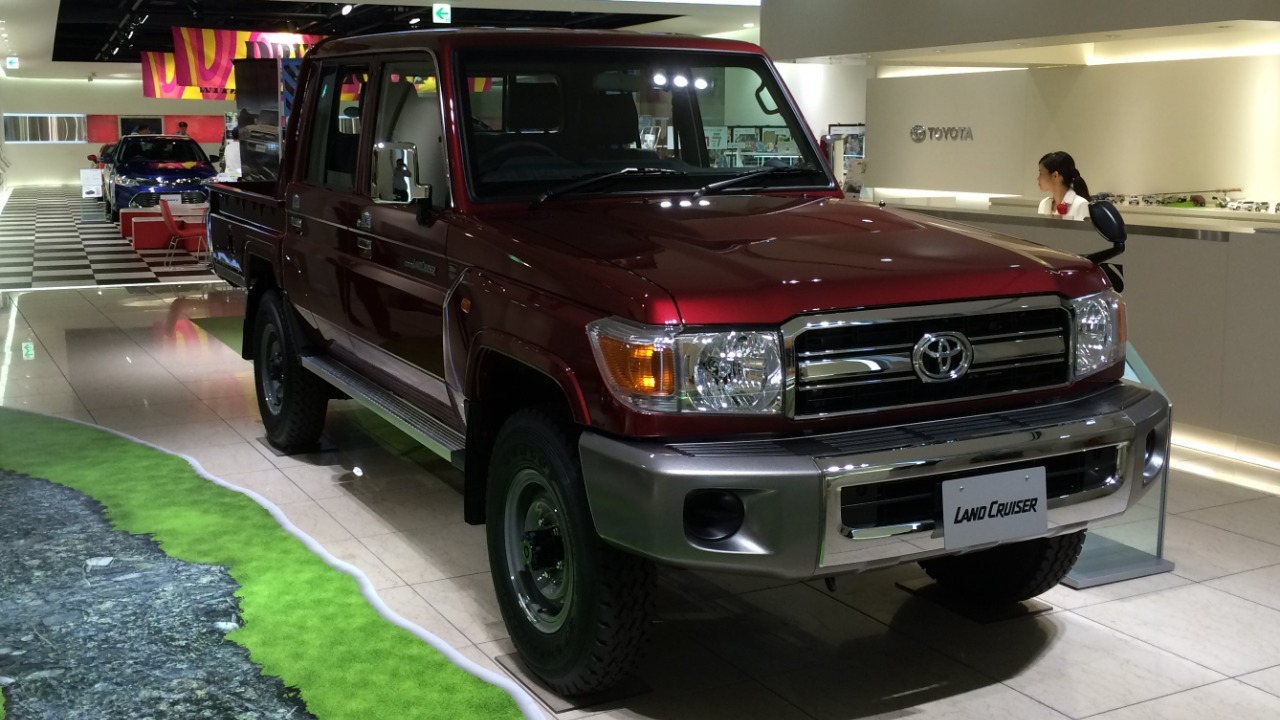
The Toyota Land Cruiser 70 Series remains in production in various markets largely because of its proven engineering. Designed for durability rather than luxury, it thrives in harsh environments where reliability matters most. Owners value its ability to perform difficult tasks with minimal electronic complexity.
Mazda MX-5 Miata NA

The Mazda MX-5 Miata NA succeeded by focusing on lightweight construction, balanced handling, and mechanical simplicity. Instead of chasing huge horsepower figures, Mazda emphasized driver involvement and reliability. The result became one of the most beloved sports cars ever built.
Volkswagen Beetle
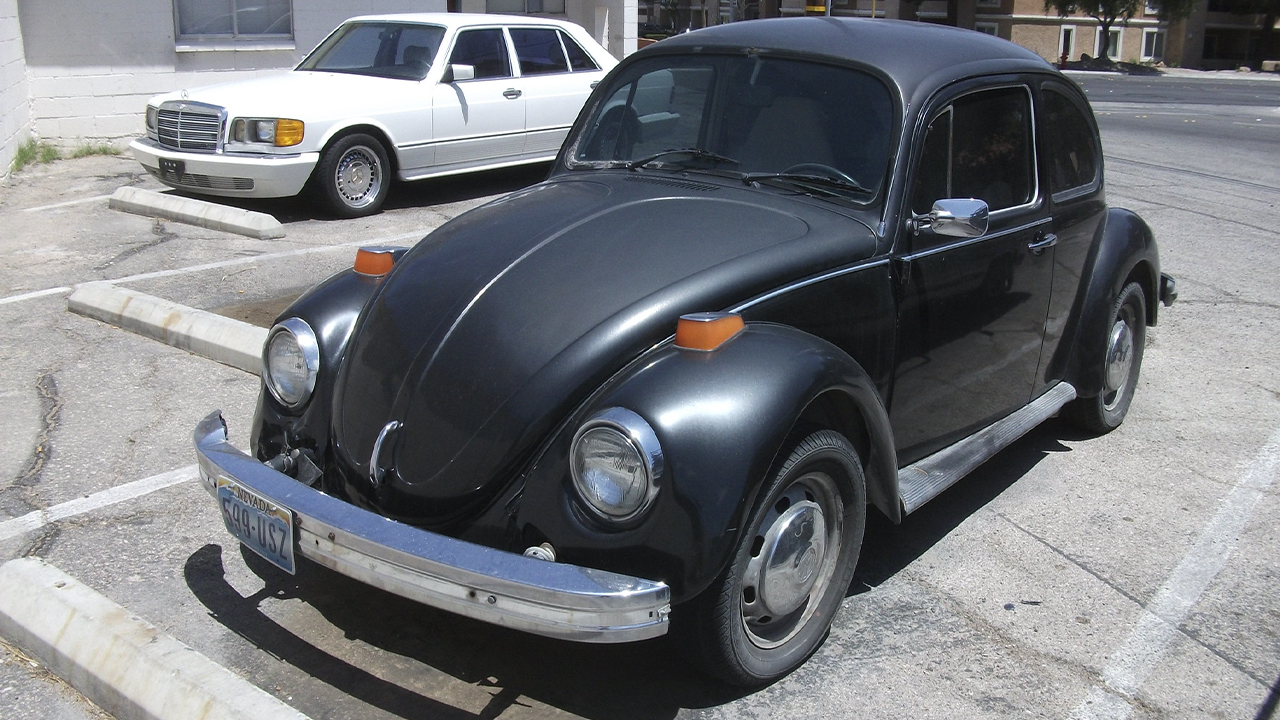
The Volkswagen Beetle proved that simple engineering could achieve global success. Its air-cooled engine and uncomplicated design made it affordable to own and maintain. Millions of drivers appreciated its reliability and accessibility across generations.
Nissan Hardbody Pickup
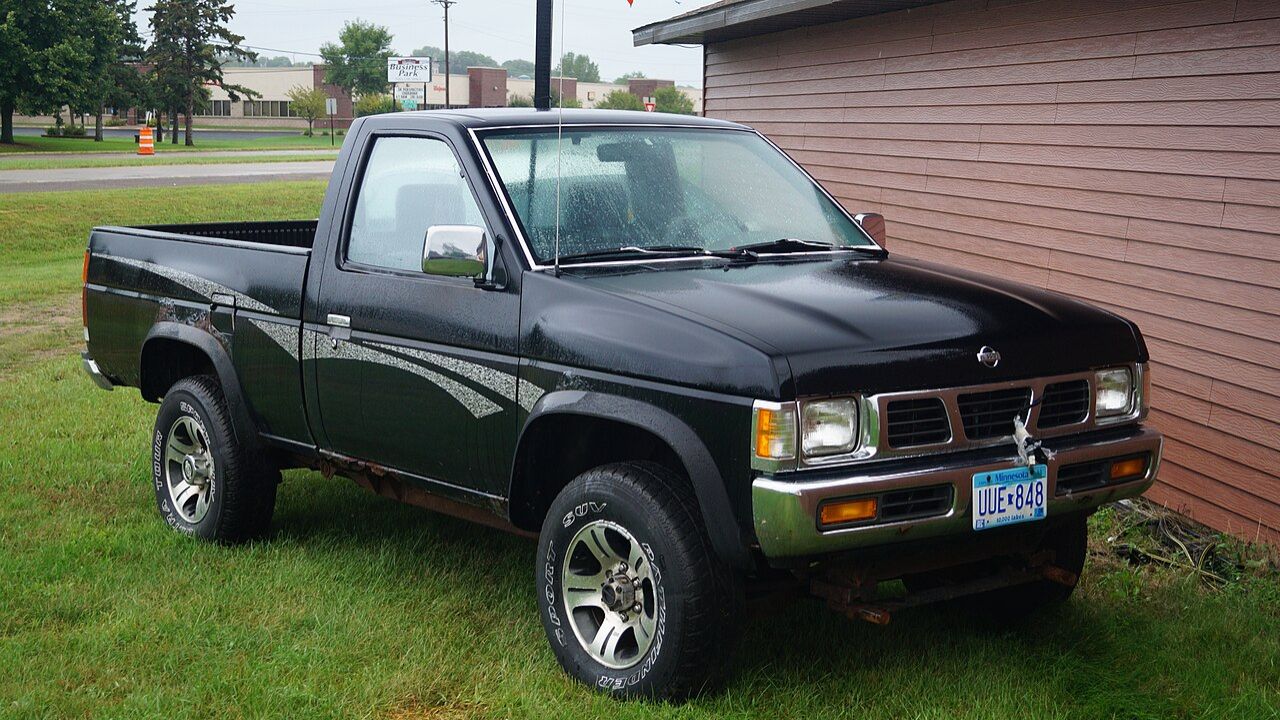
The Nissan Hardbody earned a reputation for toughness by emphasizing durability over complexity. Reliable engines and sturdy construction helped these trucks handle years of work with minimal drama. Owners often kept them far longer than originally planned because they continued performing dependably.
Mercedes-Benz W123
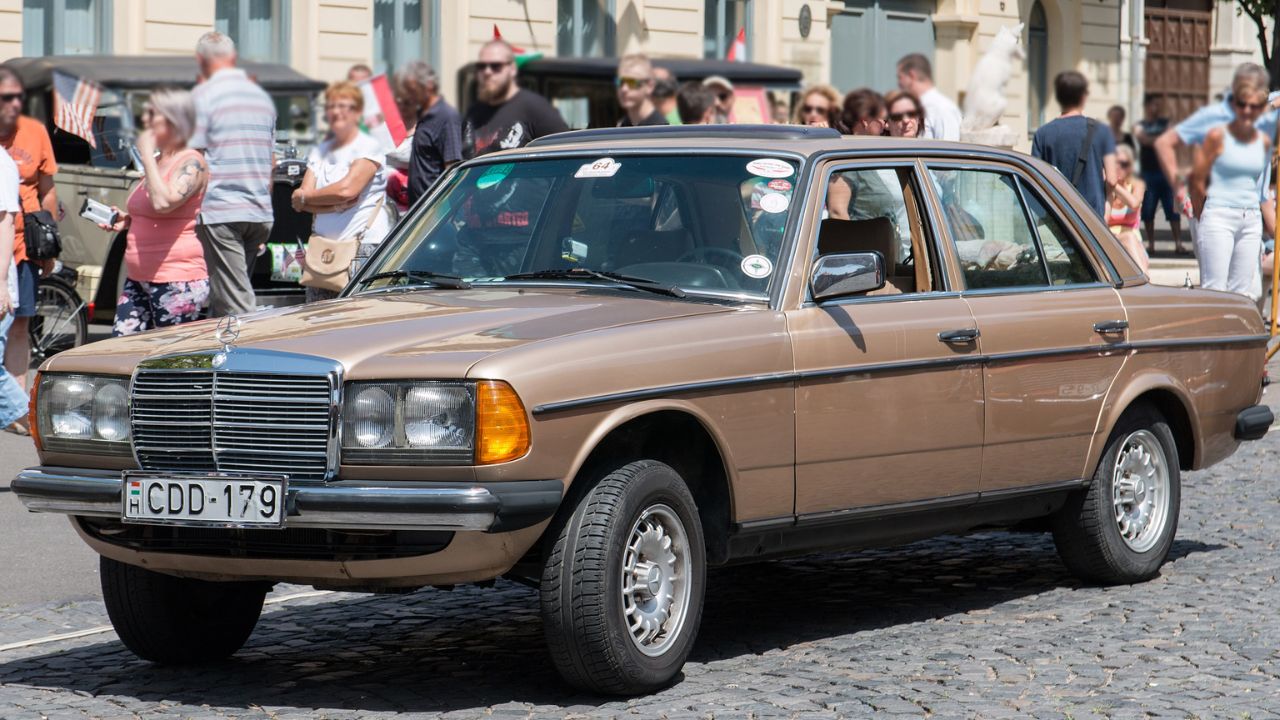
The Mercedes-Benz W123 demonstrated that careful engineering and durability could outweigh technological excess. Built to exceptionally high standards, the W123 became famous for longevity and reliability. Many examples accumulated extraordinary mileage while remaining practical daily transportation, proving that simplicity and quality could create lasting success.
More from Fast Lane Only
- Unboxing the WWII Jeep in a Crate
- 15 rare Chevys collectors are quietly buying
- 10 underrated V8s still worth hunting down
- Police notice this before you even roll window down
*Research for this article included AI assistance, with all final content reviewed by human editors