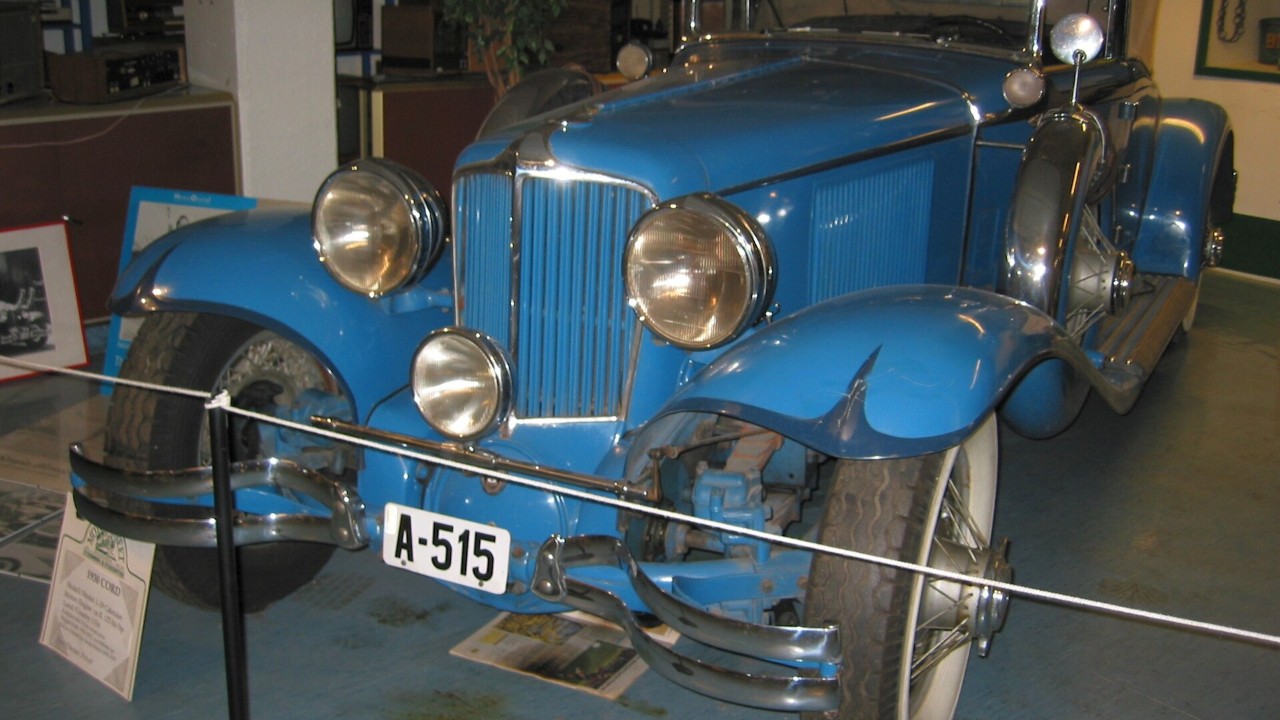
There are numerous sports cars that have left a mark in automotive history, yet some have not achieved the sales figures they truly deserved. Factors such as market timing, pricing, and competition often overshadow their remarkable engineering and design. Below are eight sports cars that, in hindsight, should have captured a larger audience.
Mazda RX-7 (FD)
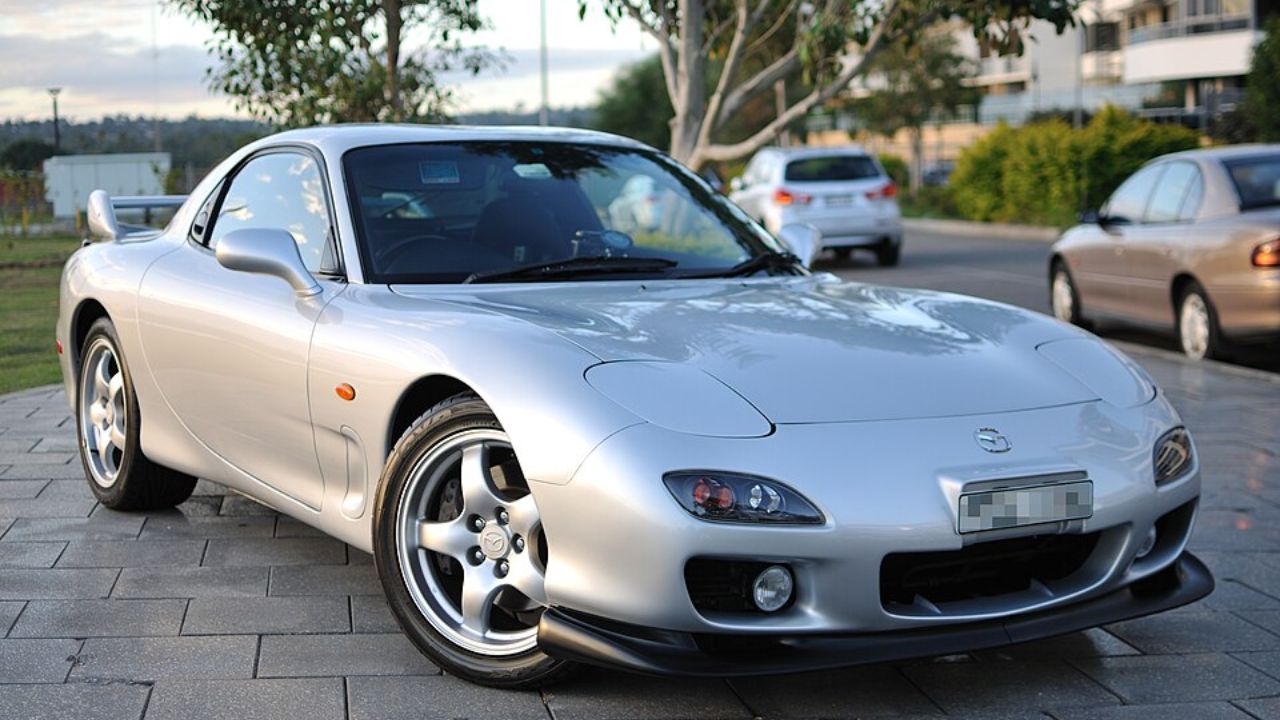
The Mazda RX-7, particularly the FD generation produced from 1992 to 2002, is renowned for its lightweight design and exceptional rotary engine performance. It offered an exhilarating driving experience, with a balanced chassis and precise steering that appealed to purists. Despite its accolades, including being named one of the greatest sports cars of all time, the RX-7 struggled with sales compared to competitors like the Nissan Z-series. Its unique rotary engine, while innovative, faced reliability concerns that deterred potential buyers.
The RX-7’s design was both sophisticated and aggressive, showcasing Mazda’s commitment to performance. However, the car’s niche appeal limited its market reach. As the automotive landscape shifted towards turbocharged engines, the RX-7’s rotary technology became less favorable, contributing to its lower production numbers. Enthusiasts today recognize its potential, but its legacy remains overshadowed by more mainstream models.
Nissan 350Z
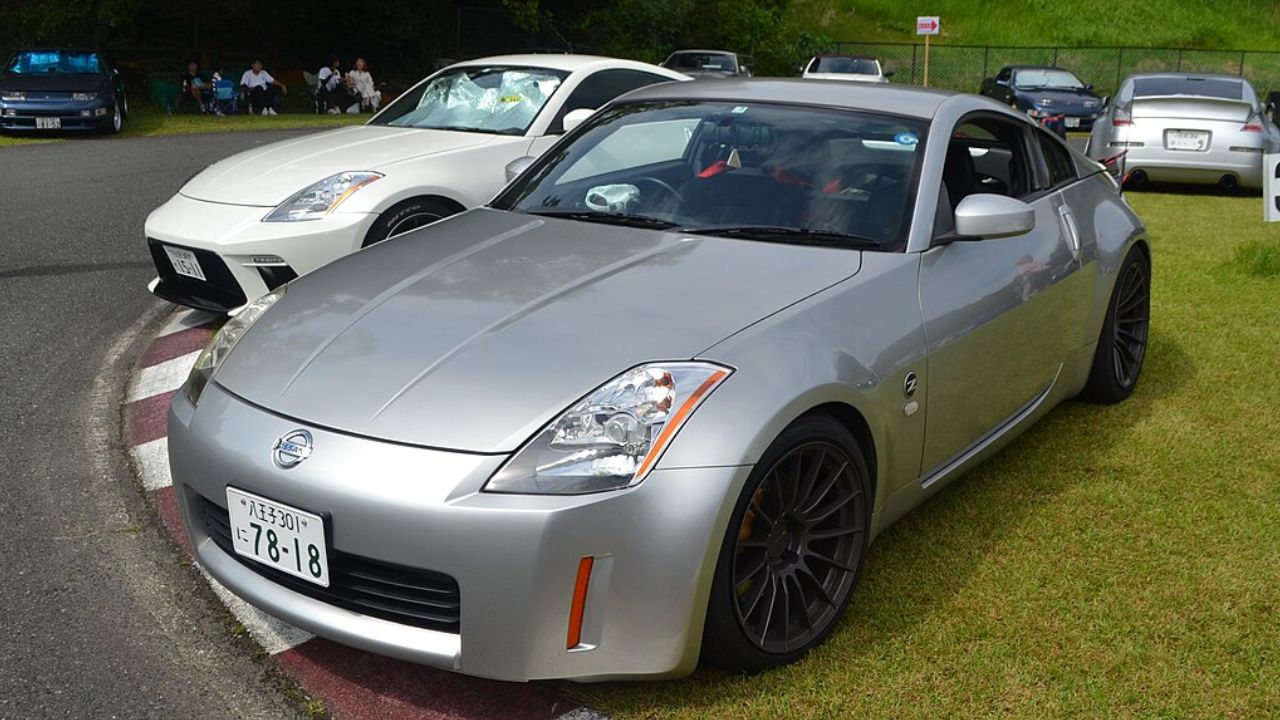
Launched in 2002, the Nissan 350Z revitalized the Z-car lineage with its bold styling and strong performance. Equipped with a robust 3.5-liter V6 engine, it delivered an impressive 287 horsepower, making it a compelling choice for sports car enthusiasts. Despite its favorable reviews and competitive pricing, the 350Z’s sales did not match expectations. Factors such as the rising popularity of SUVs and the increasing number of rival sports cars contributed to its limited market impact.
The 350Z was designed to be accessible, offering a thrilling driving experience without breaking the bank. It provided a well-rounded package with a comfortable interior and solid handling. However, as competition intensified from brands like Ford and Chevrolet, the 350Z struggled to maintain its foothold in the market. Today, it remains a beloved model among car enthusiasts, often praised for its value retention and performance capabilities.
Toyota Supra (A80)
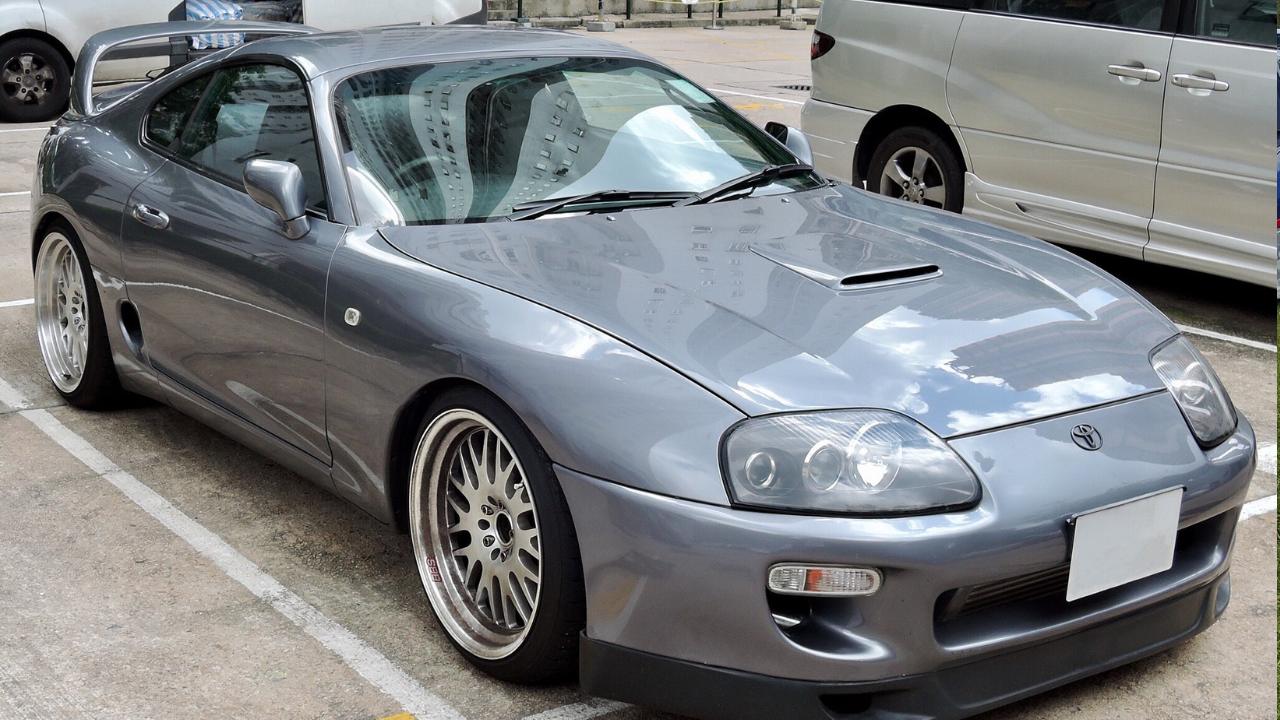
The Toyota Supra A80, produced from 1993 to 2002, is often heralded as one of the best Japanese sports cars of its era. With its iconic styling and potent 2JZ-GTE engine, it became a staple in tuning and performance circles. Despite its capabilities and reputation, the A80 Supra faced challenges in sales, largely due to its pricing and the shift in consumer preferences toward more compact sports cars.
Its performance was undeniable, featuring advanced technology such as a sequential twin-turbo system, which propelled it into the realm of supercars. However, its relatively high cost compared to competitors like the Nissan 300ZX limited its appeal. Today, the A80 Supra garners admiration for its engineering and tuning potential, but its production numbers fell short of what they could have been, leaving a lasting legacy in the automotive community.
Porsche 914
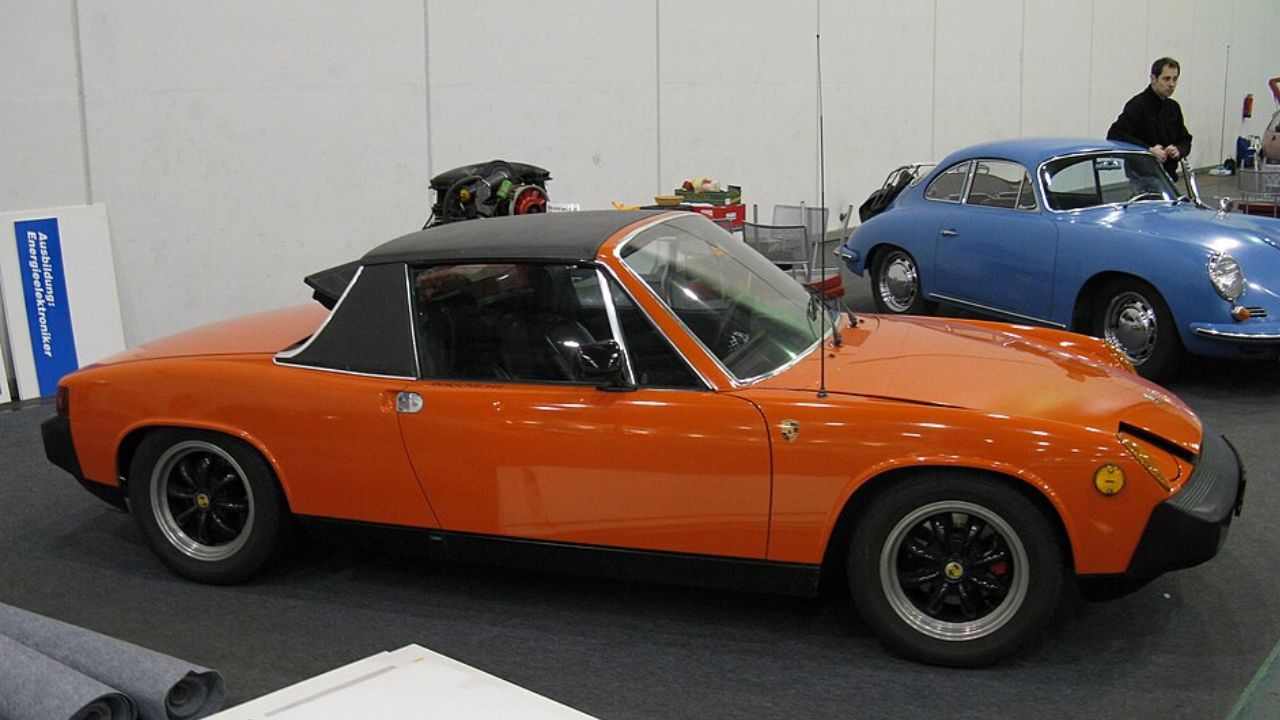
The Porsche 914, produced from 1969 to 1976, was an innovative model that introduced mid-engine dynamics to the brand. With its lightweight design and agile handling, the 914 was intended to be an entry-level sports car for Porsche enthusiasts. Despite its engineering prowess and affordability compared to other Porsches, it did not achieve the sales success anticipated, often overshadowed by the 911.
The 914’s unique styling and versatile platform made it appealing, yet its association with being a “budget Porsche” may have tarnished its image. As buyers gravitated towards more powerful sports cars, the 914’s market appeal dwindled. Today, it is celebrated for its distinctive design and driving experience, yet it remains a niche vehicle, reflecting the complexities of consumer preferences in the automotive world.
Alfa Romeo 4C
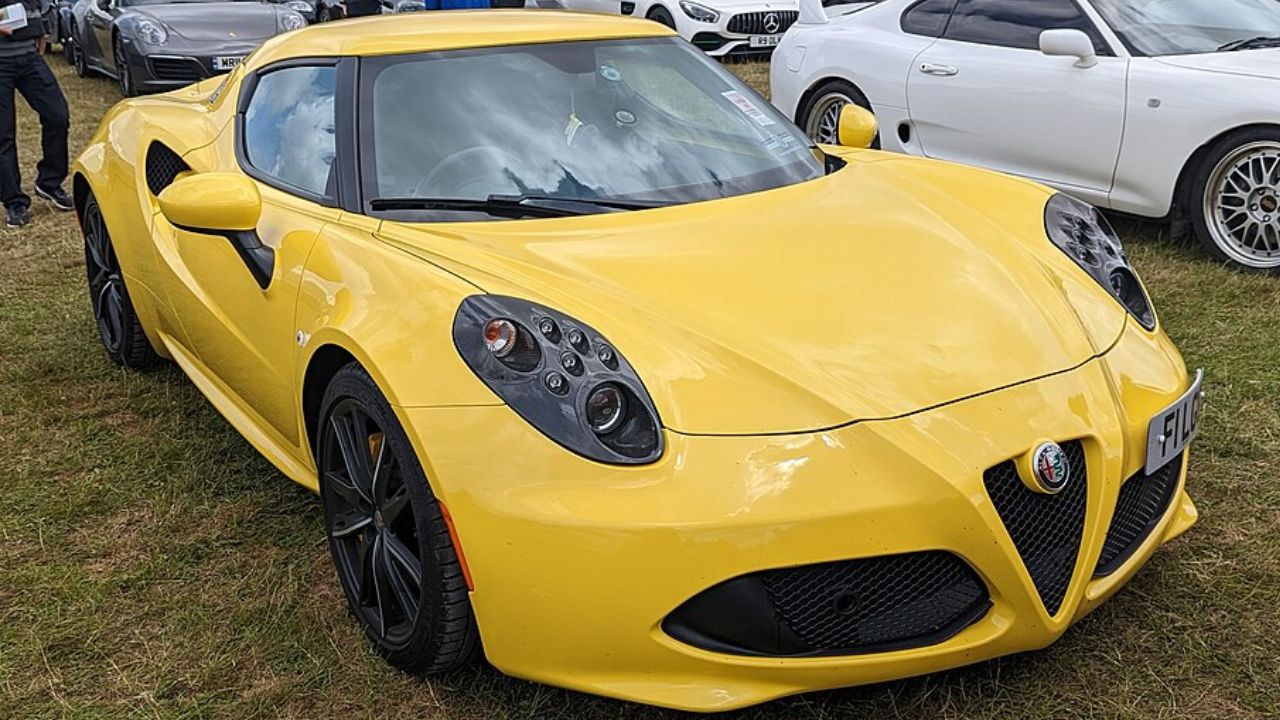
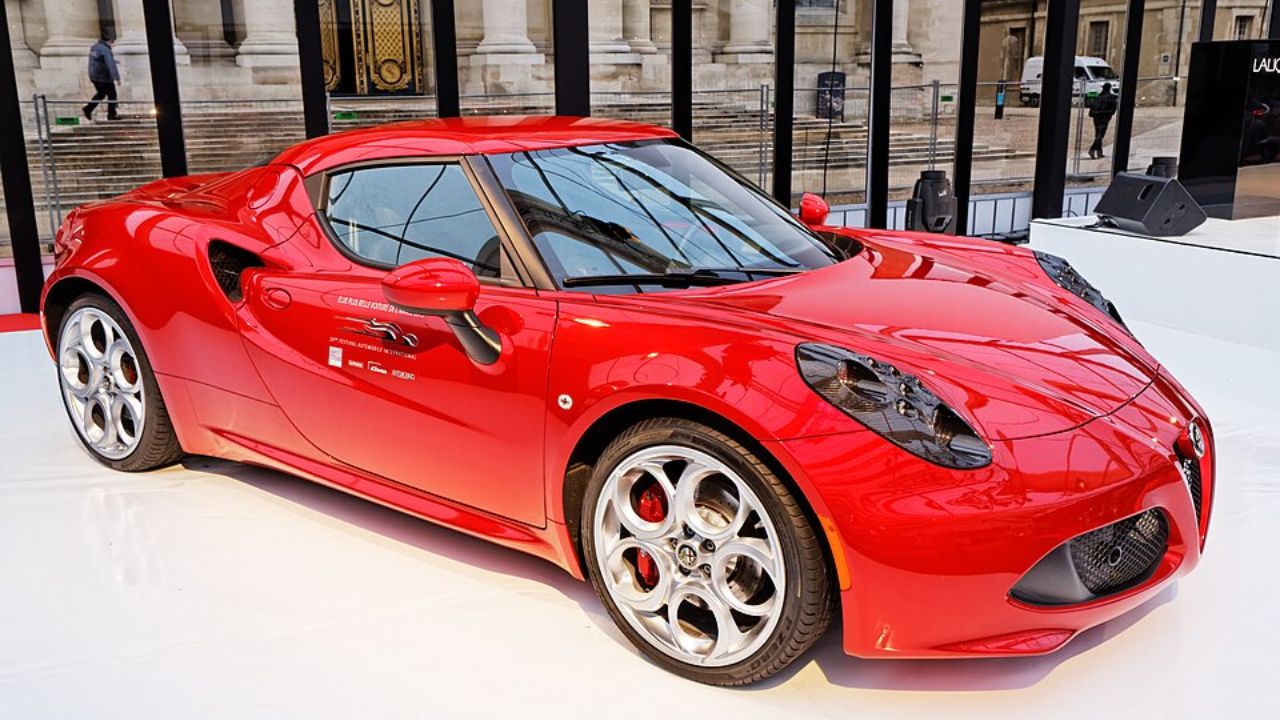
The Alfa Romeo 4C, introduced in 2013, aimed to revive the brand’s reputation for sporty, lightweight vehicles. With its carbon fiber chassis and turbocharged 1.75-liter engine, it provided a thrilling driving experience. Despite its engineering excellence and striking design, the 4C struggled to find a broad market, primarily due to its high price and limited practicality.
Targeted at a niche audience of sports car enthusiasts, the 4C’s sales were hampered by its minimalist interior and lack of everyday usability. Although it received praise for its performance and handling, it failed to resonate with a wider audience. As a result, the 4C remains a rare sight on the roads, regarded as a unique collector’s item rather than a mass-market success.
Ford Mustang SVT Cobra R

The Ford Mustang SVT Cobra R, produced in 2000, was a high-performance variant that pushed the boundaries of what a Mustang could achieve. With a 5.4-liter V8 engine producing 385 horsepower, it was designed for track enthusiasts. However, despite its impressive performance and limited production of just 300 units, the Cobra R did not achieve significant sales numbers, overshadowed by the more mainstream GT and other muscle cars.
Its focus on performance and racing pedigree appealed to a specific segment of buyers, but the high price and lack of practicality limited its market reach. Today, the SVT Cobra R is celebrated among collectors for its rarity and performance, yet its sales figures reflect the challenges of marketing a niche performance vehicle in a crowded muscle car segment.
Lotus Elise
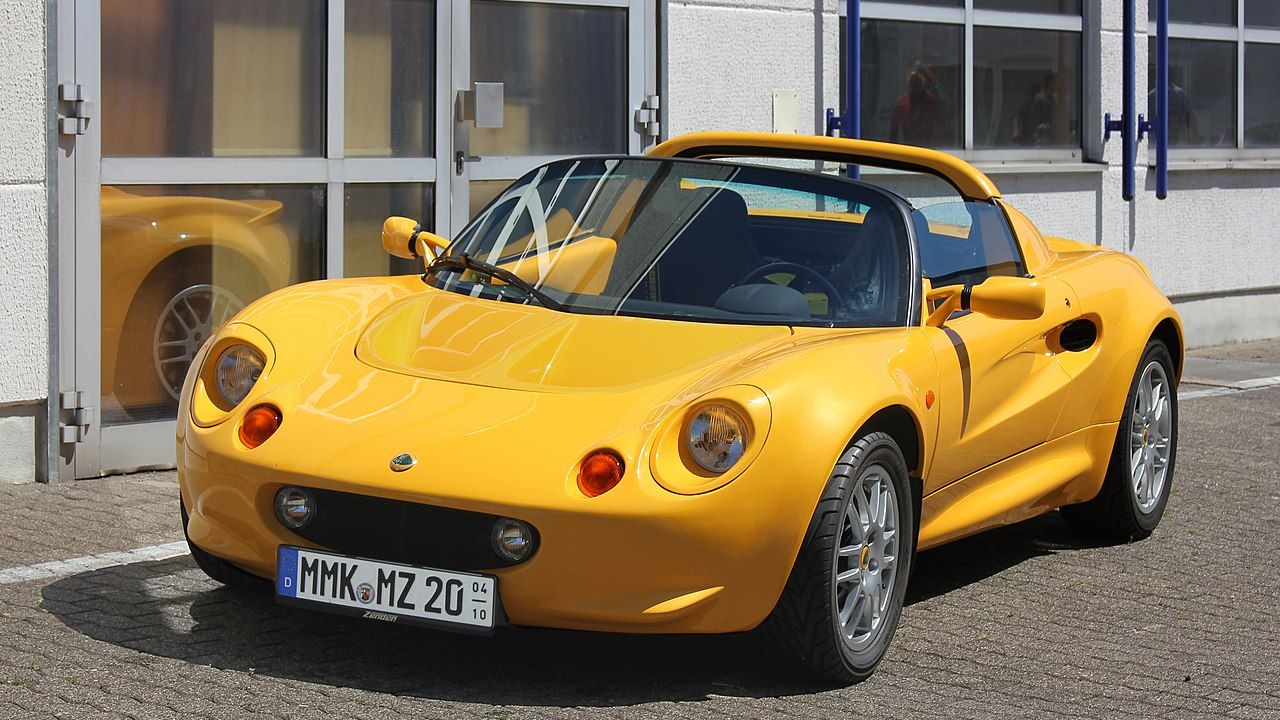
The Lotus Elise has been a symbol of lightweight sports car engineering since its introduction in 1996. Known for its minimalistic design and exceptional handling, it has garnered a dedicated following among driving enthusiasts. However, its sales numbers have remained modest, primarily due to its niche appeal and relatively high price for a small sports car.
The Elise’s focus on performance over comfort limits its practicality for everyday use, making it less appealing to a broader audience. Its capabilities on the track are unmatched, yet high costs and limited availability hindered its market penetration. Today, it is revered for its pure driving experience, yet remains a rare sight on the roads, reflecting the balance between performance and market demand.
Chevrolet C6 Corvette
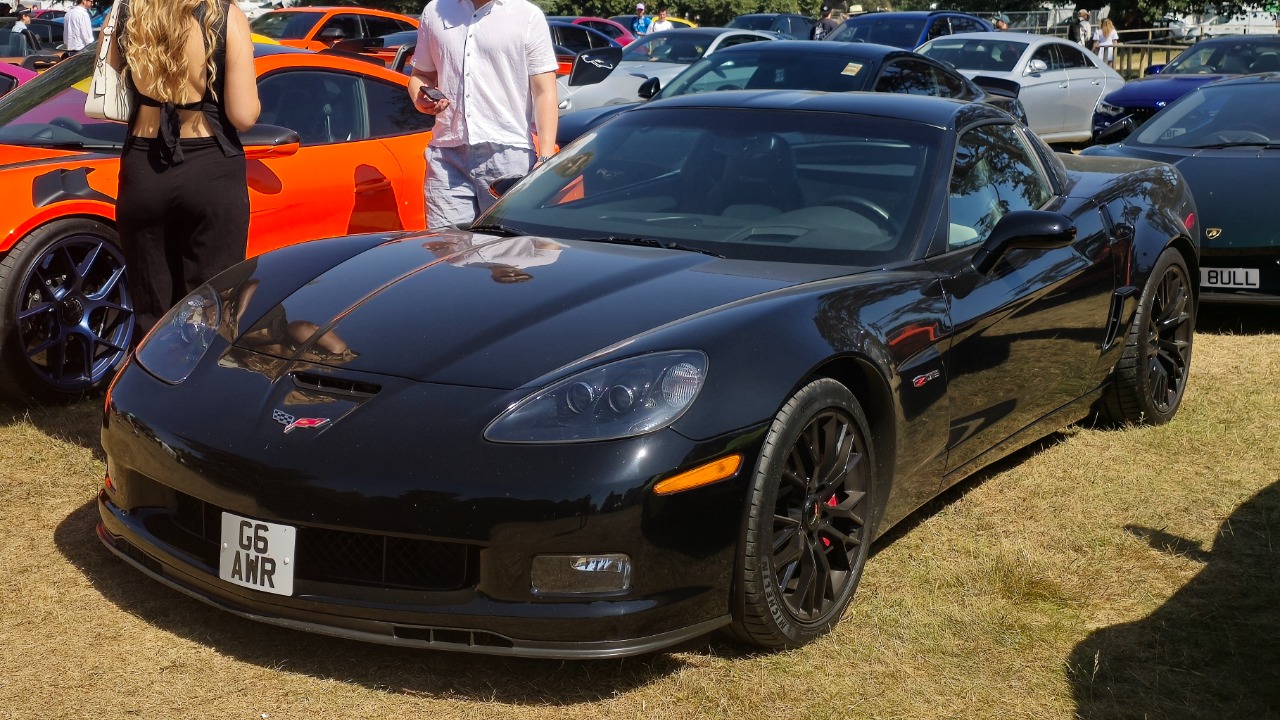
The Chevrolet C6 Corvette, produced from 2005 to 2013, was a pivotal model in the Corvette lineup, offering a blend of power, performance, and style. With its 6.0-liter V8 engine and sleek design, it aimed to compete with European sports cars. Despite its accolades and performance capabilities, the C6’s sales did not reach their potential, overshadowed by the appeal of the C7 generation and changing consumer preferences.
The C6 was celebrated for its value and performance, often regarded as a bargain compared to its European rivals. However, as the market shifted towards more electrified and fuel-efficient vehicles, traditional sports cars like the C6 faced challenges. Today, it remains a respected model among enthusiasts, but its production numbers reflect the complexities of maintaining relevance in an evolving automotive landscape, as discussed in various forums such as the Mid-Engine Corvette Forum.
More from Fast Lane Only