Studebaker built some of America’s most distinctive cars, yet many have nearly vanished from modern roads. The company struggled against much larger rivals, and relatively low production numbers meant fewer cars survived decades of everyday use. These 8 Studebakers are especially uncommon today, giving enthusiasts a chance to see some truly unusual examples of American automotive history.
Studebaker Avanti
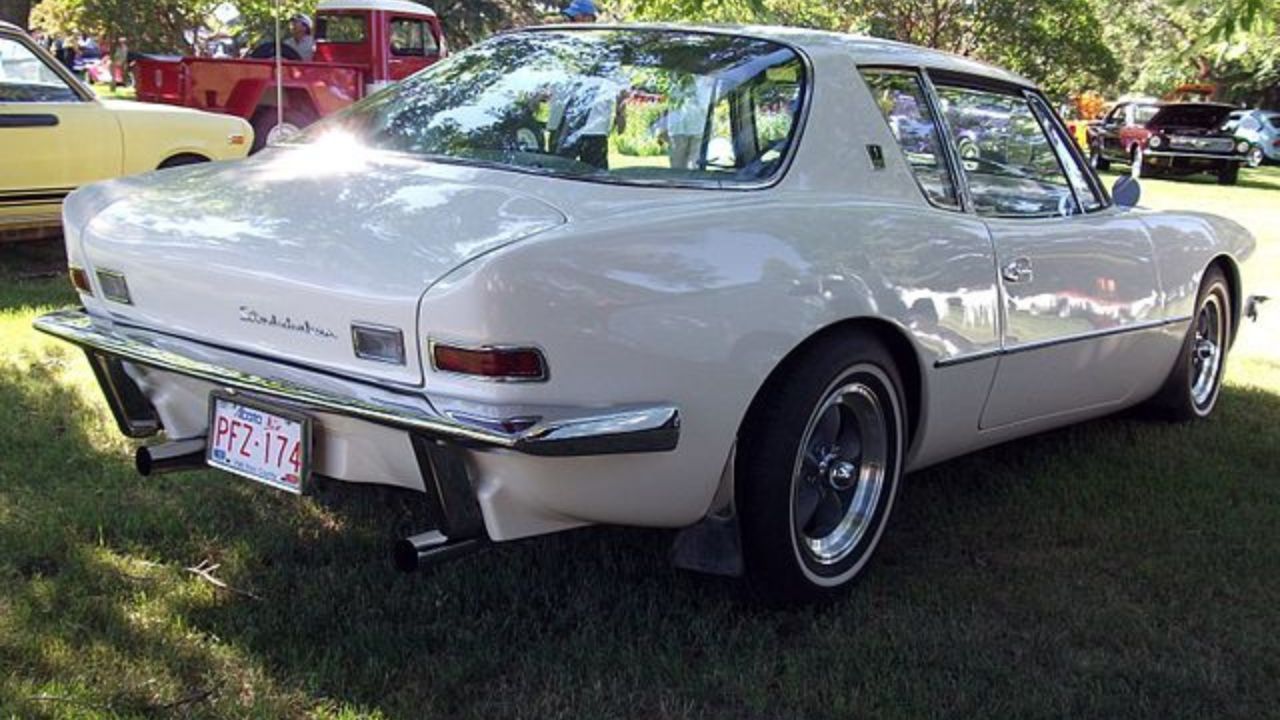
The Avanti remains one of Studebaker’s most recognizable creations. Its fiberglass body, sleek profile, and performance-oriented V8 made it unlike almost anything else coming from Detroit. Production was relatively limited, and surviving cars have become prized by collectors. Even at major car shows, an original Avanti can attract attention because its styling still looks remarkably different from most American cars of its era.
Studebaker Wagonaire

The Wagonaire was one of Studebaker’s most inventive vehicles, featuring a sliding roof section that allowed tall cargo to extend through the top of the wagon. That unusual design gave it impressive versatility for its size. The model was never produced in huge numbers, and many disappeared through ordinary use. Finding a complete Wagonaire today is therefore a genuinely unusual experience.
Studebaker Golden Hawk
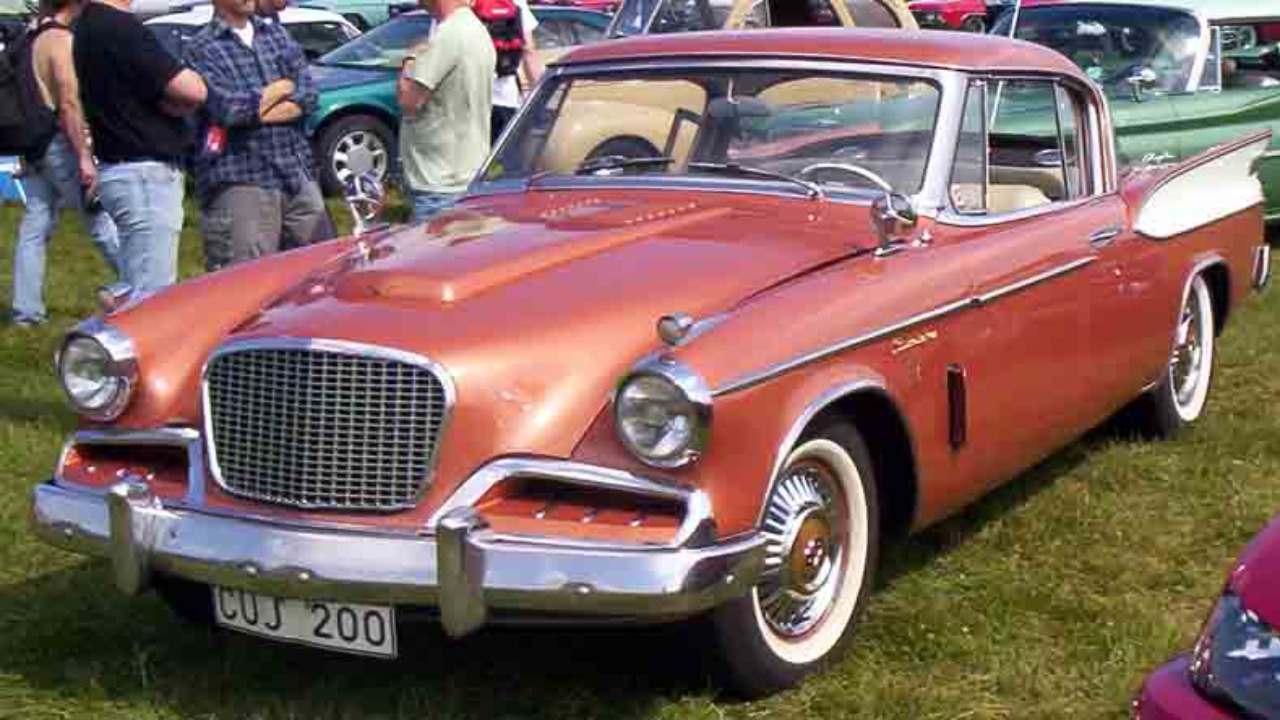
The Golden Hawk combined a dramatic fastback body with powerful V8 performance. Its distinctive tail fins, chrome details, and aggressive styling made it one of Studebaker’s most memorable postwar cars. Production was limited compared with mainstream American competitors. Many survivors are now carefully preserved, which means seeing a genuine Golden Hawk in person is considerably less common than spotting a Mustang or Thunderbird.
Studebaker Scotsman
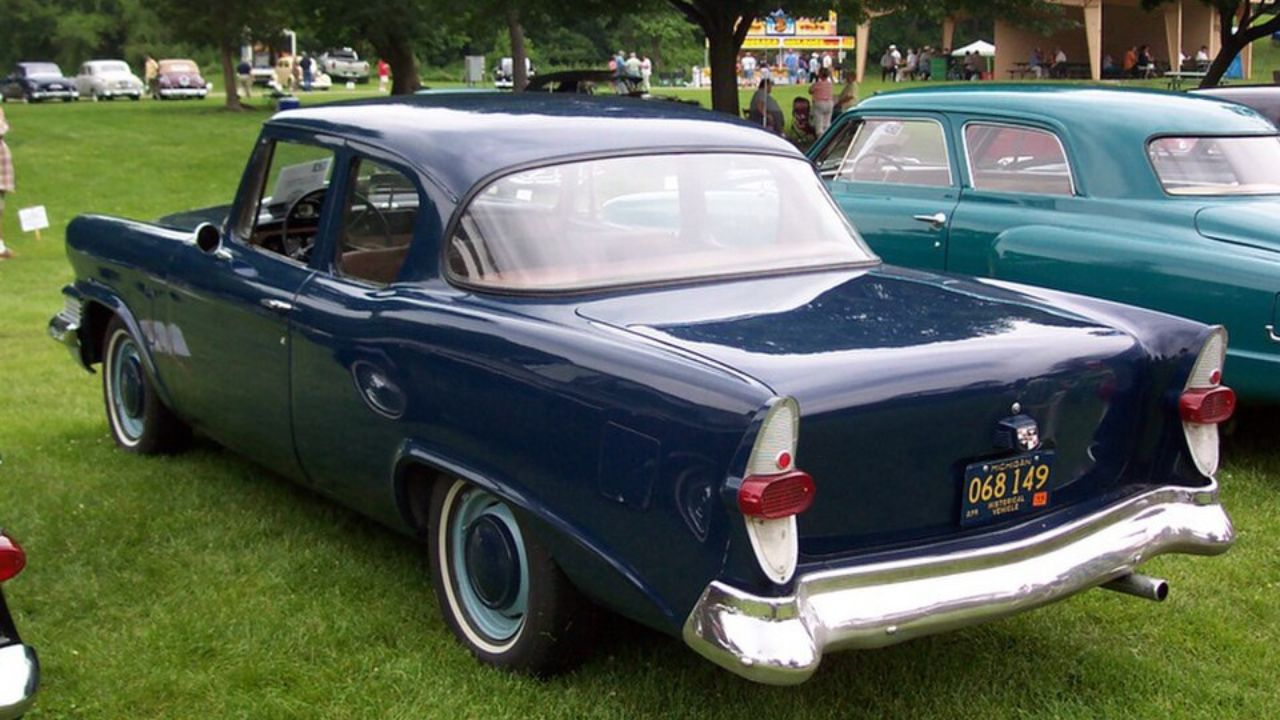
The Scotsman was deliberately stripped down to provide inexpensive transportation, making it one of Studebaker’s most unusual postwar offerings. It featured minimal decoration and basic equipment, emphasizing function over luxury. That low-cost mission meant few were treated as collectible cars when new. Surviving examples are now rare, especially those retaining their original plain specification and equipment.
Studebaker Transtar
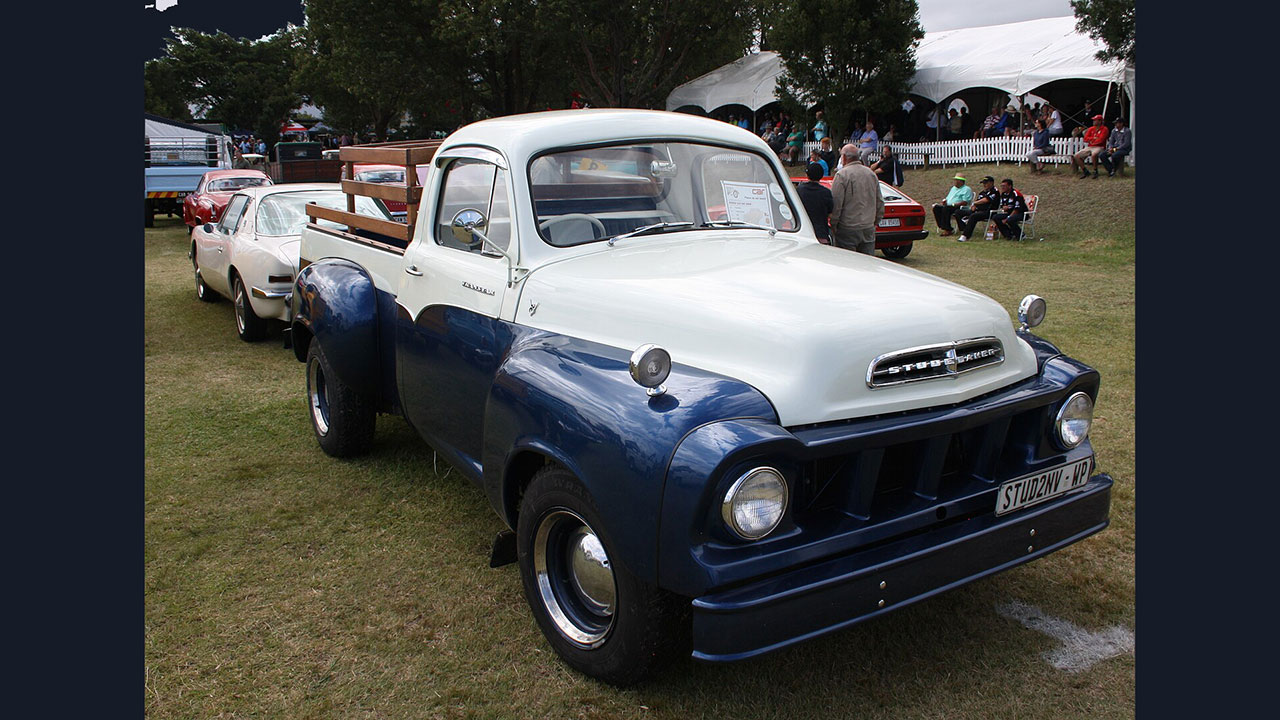
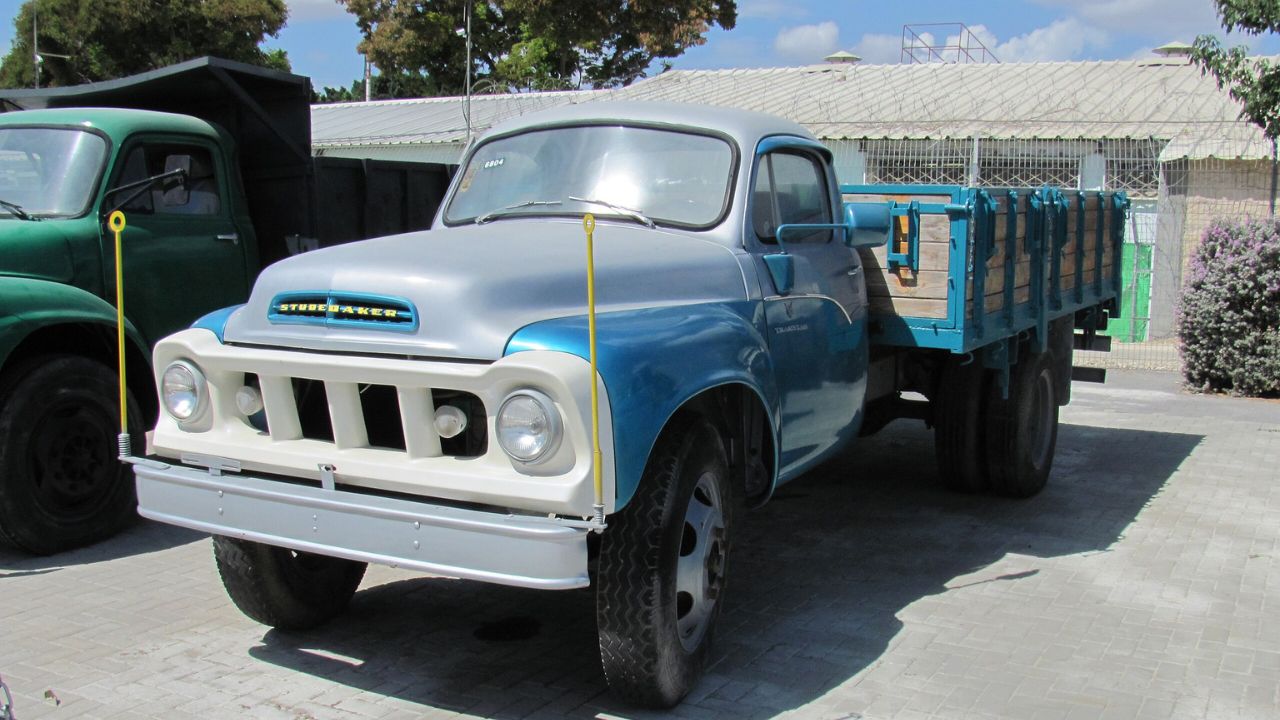
The Transtar was a rugged pickup designed for buyers who needed practical working transportation. Its straightforward mechanical layout and distinctive Studebaker styling separated it from more common Ford and Chevrolet trucks. Production numbers were modest, and work trucks were rarely preserved carefully. As a result, an original Transtar is now an uncommon sight even at gatherings dedicated to vintage American trucks.
Studebaker Lark
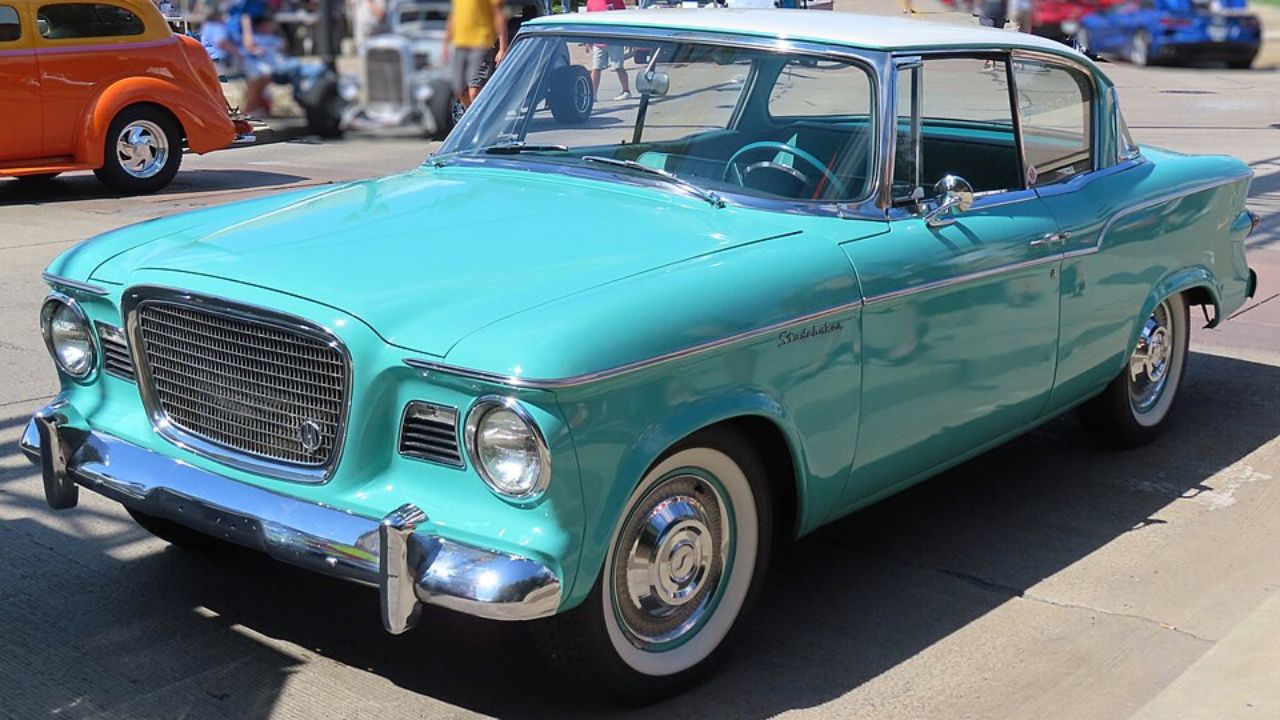
The Lark was one of Studebaker’s most important attempts to compete with America’s larger manufacturers. Its compact size made it practical and economical, helping the company attract buyers who wanted something smaller. Despite being a significant production model, relatively few survived. Today, a clean Lark can be surprisingly difficult to encounter outside dedicated Studebaker events.
Studebaker Commander
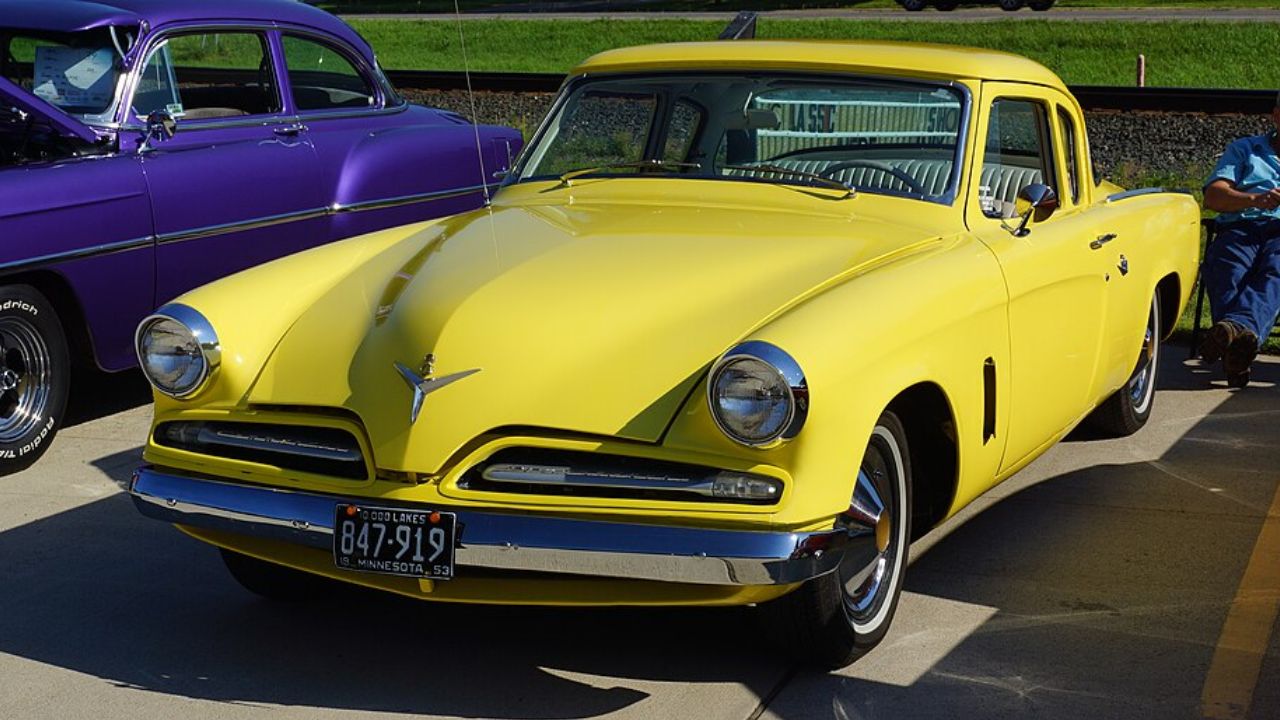
The Commander offered V8 power and upscale styling while retaining the distinctive engineering that separated Studebaker from Detroit’s biggest manufacturers. It was produced in respectable numbers but did not have the enormous sales base of Ford or Chevrolet. Decades of rust and everyday use reduced the surviving population considerably. Finding a properly restored Commander today is therefore a notable event for any classic-car enthusiast.
Studebaker Champion
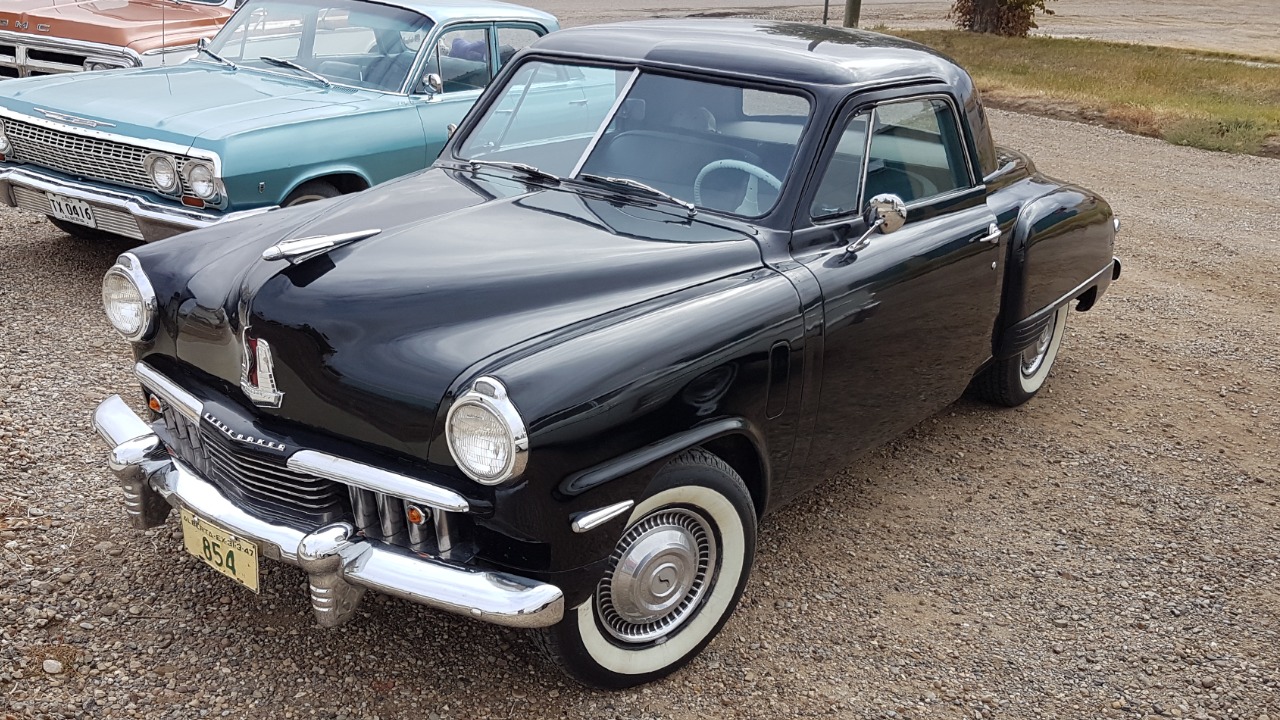
The Champion was designed to provide affordable transportation while using less fuel than many larger American cars. Its compact proportions and straightforward engineering made it practical for its time. Most examples were used as ordinary transportation and eventually disappeared. Surviving Champions are now uncommon, particularly cars with original interiors, trim, and mechanical components still intact.
More from Fast Lane Only
- Unboxing the WWII Jeep in a Crate
- 15 rare Chevys collectors are quietly buying
- 10 underrated V8s still worth hunting down
- Police notice this before you even roll window down
*Research for this article included AI assistance, with all final content reviewed by human editors