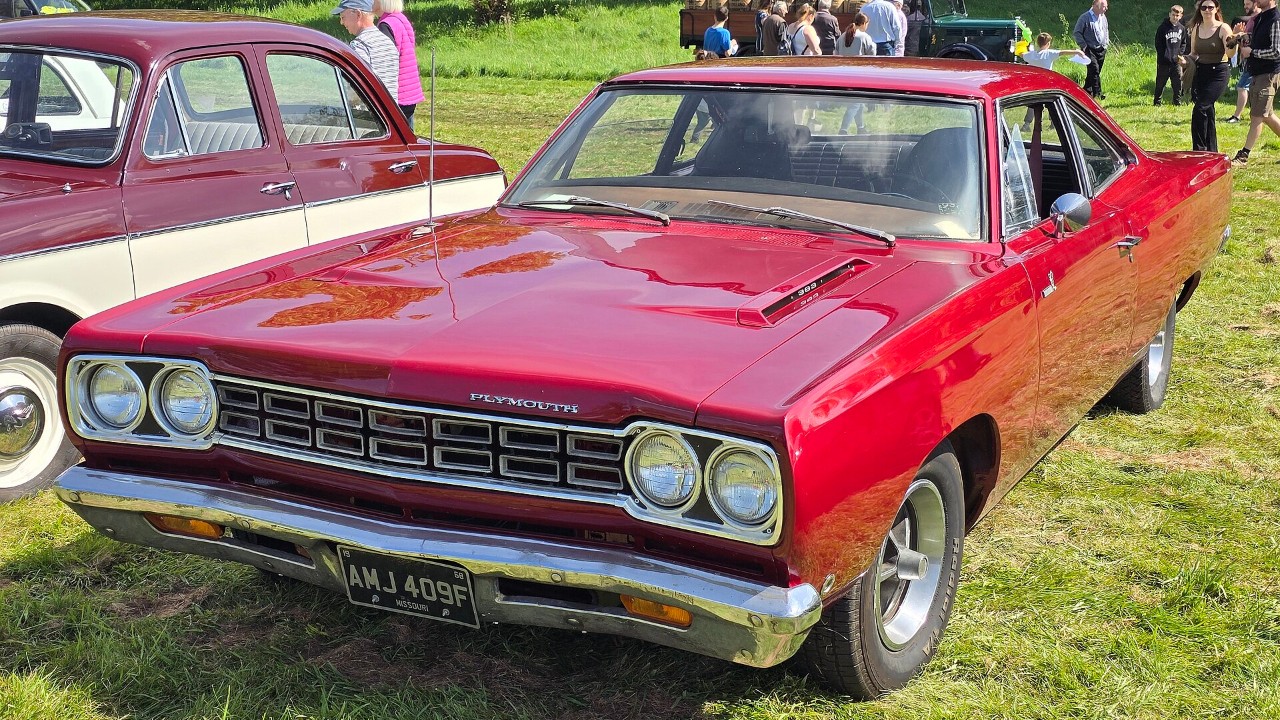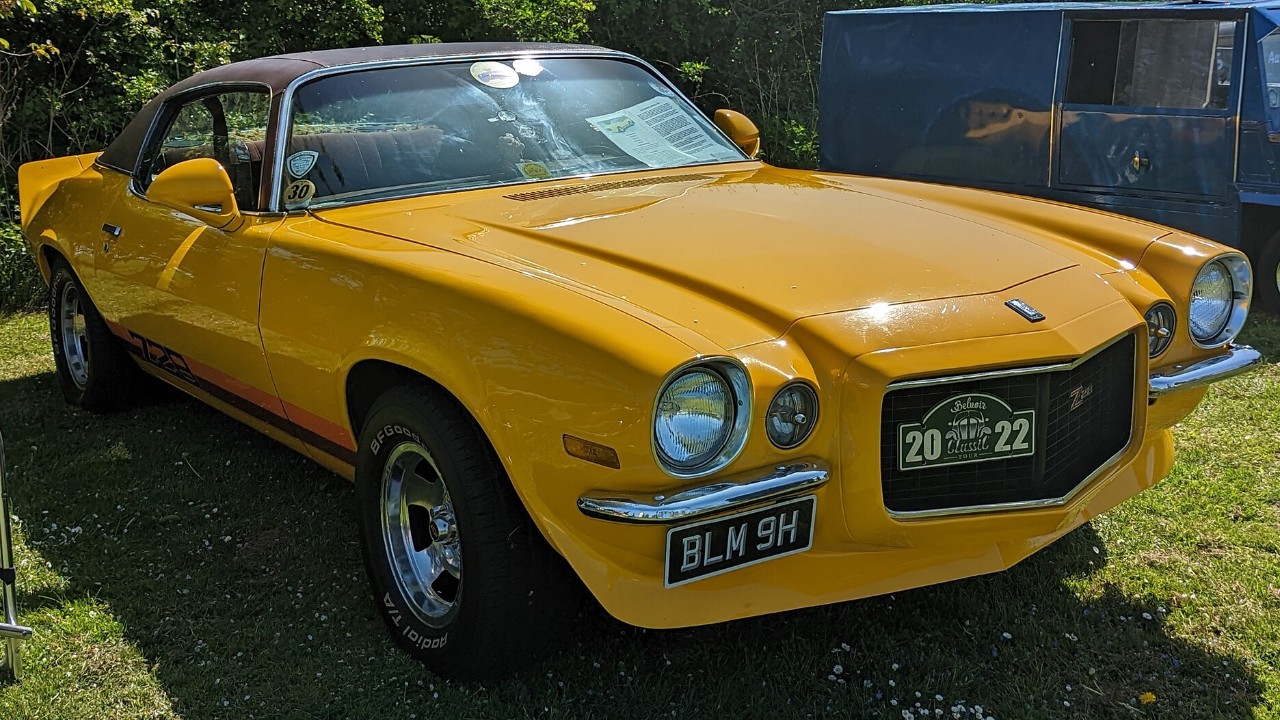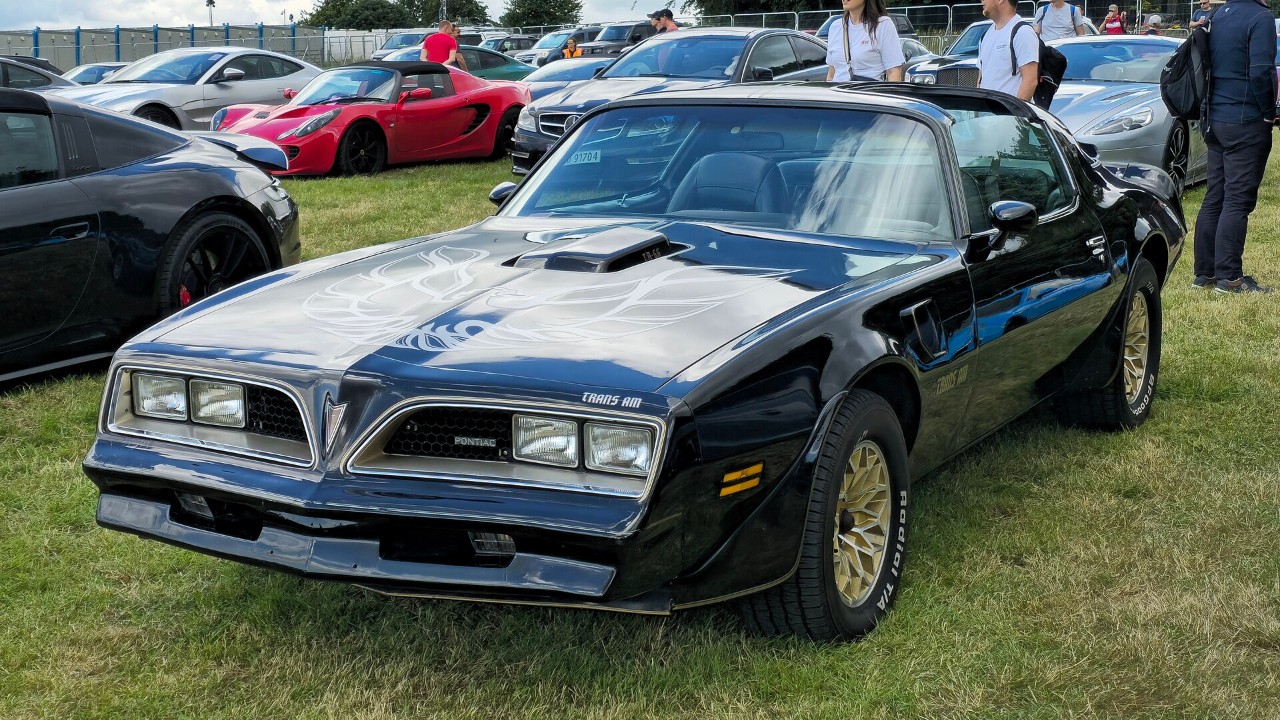
Pontiac’s Trans Am engines changed every few years between 1969 and 1981. The lineup started with Ram Air 400s. Then came the 455 HO, the Super Duty, an Oldsmobile 403 and, finally, a turbocharged 301.
Horsepower ratings for these cars often conflict from source to source. So each item below gives a rating only where two sources agree. It also names the source for every count and price.
1. 400 Ram Air III (1969–1970)
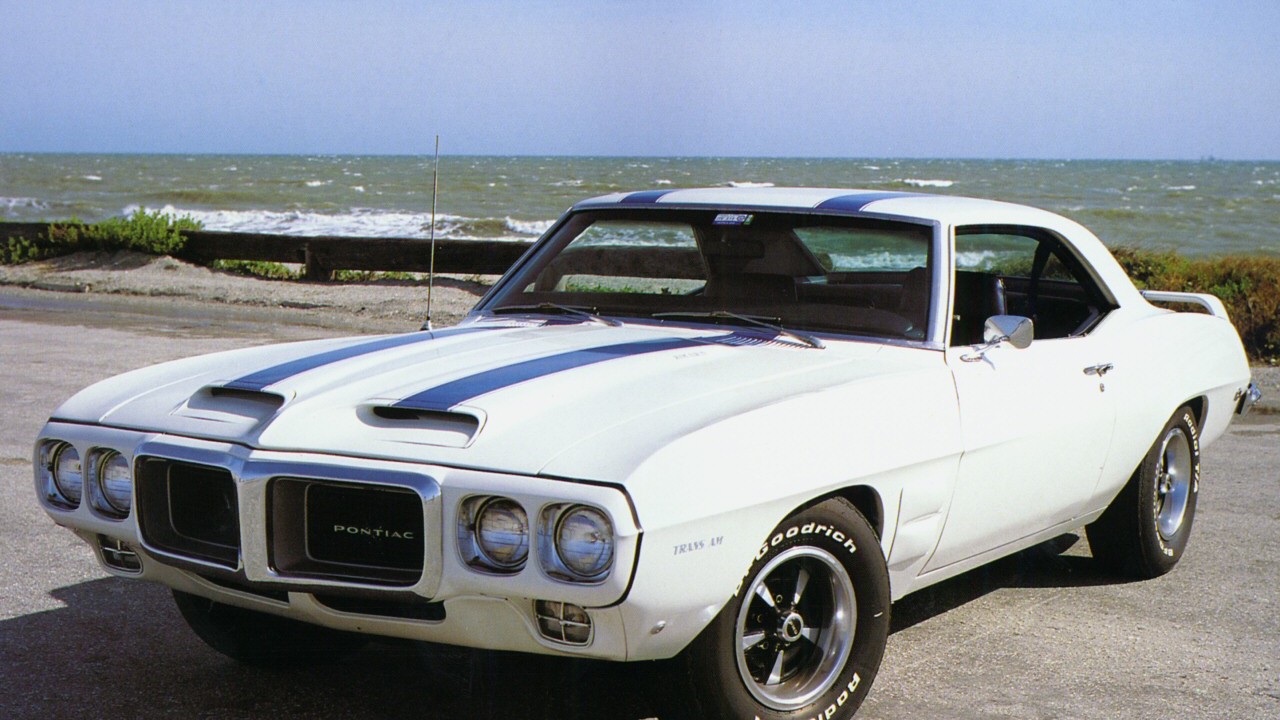
The first Trans Am arrived during the 1969 model year. It cost $724.60 as an option on the Firebird, according to Hagerty’s 1969 Trans Am profile by Colin Comer. Pontiac built 697 of them. Every car was white with twin blue stripes. Also, Pontiac paid the SCCA a $5 license fee for each Trans Am sold.
The 400-cubic-inch Ram Air III, code L74, was the standard engine. Hagerty counts it in 520 manual coupes, 114 automatic coupes and all eight convertibles. That works out to 642 of the 697 cars. For 1970, Hagerty’s second-generation Trans Am history says standard power was “the same Ram Air III 400 as in 1969.”
2. 400 Ram Air IV (1969–1970)
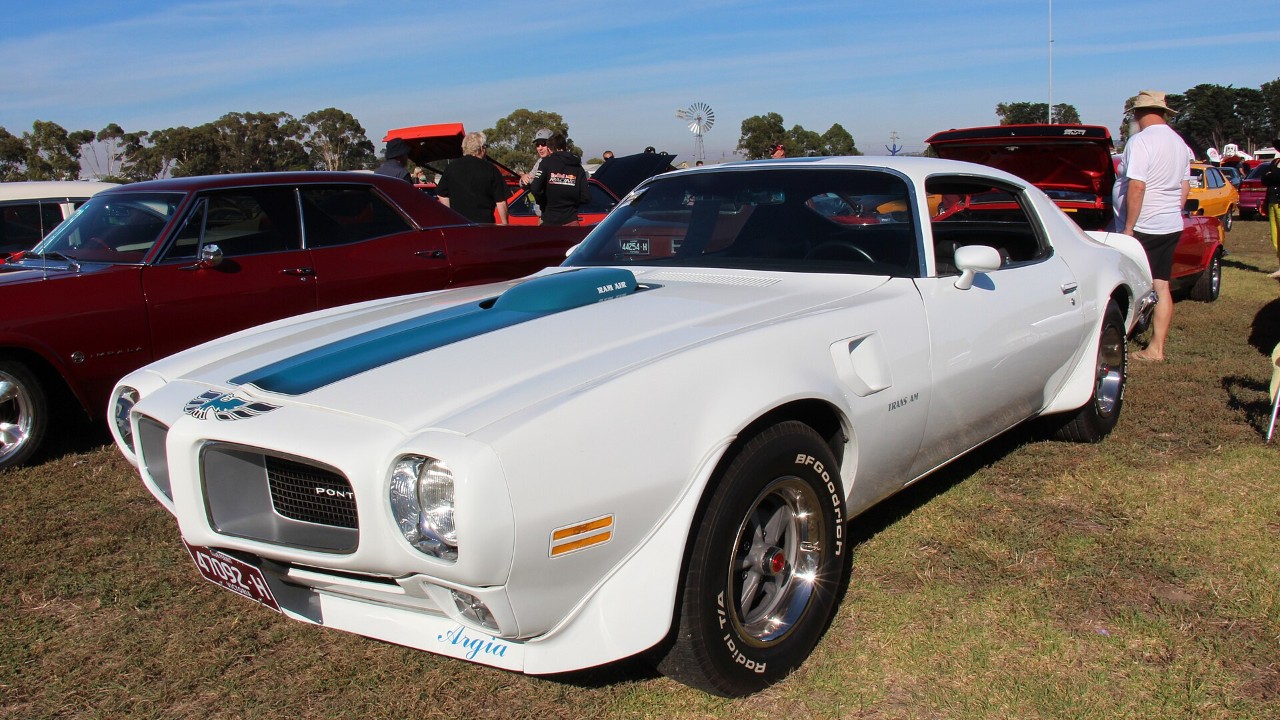
The Ram Air IV, code L67, was the option above the Ram Air III. In 1969 it was also the rare choice. According to Hagerty, only 55 coupes got it, and 46 of those were four-speeds while nine were automatics.
Then, for the new 1970 body, the Ram Air IV stayed on the options list. Hagerty says it was “now rated identically to the GTO’s.” Wikipedia’s second-generation Firebird history likewise lists the L67 Ram Air IV beside the L74 Ram Air III for 1970. However, its text and its spec table give different ratings, so we leave the number out.
3. 455 HO (1971–1972)
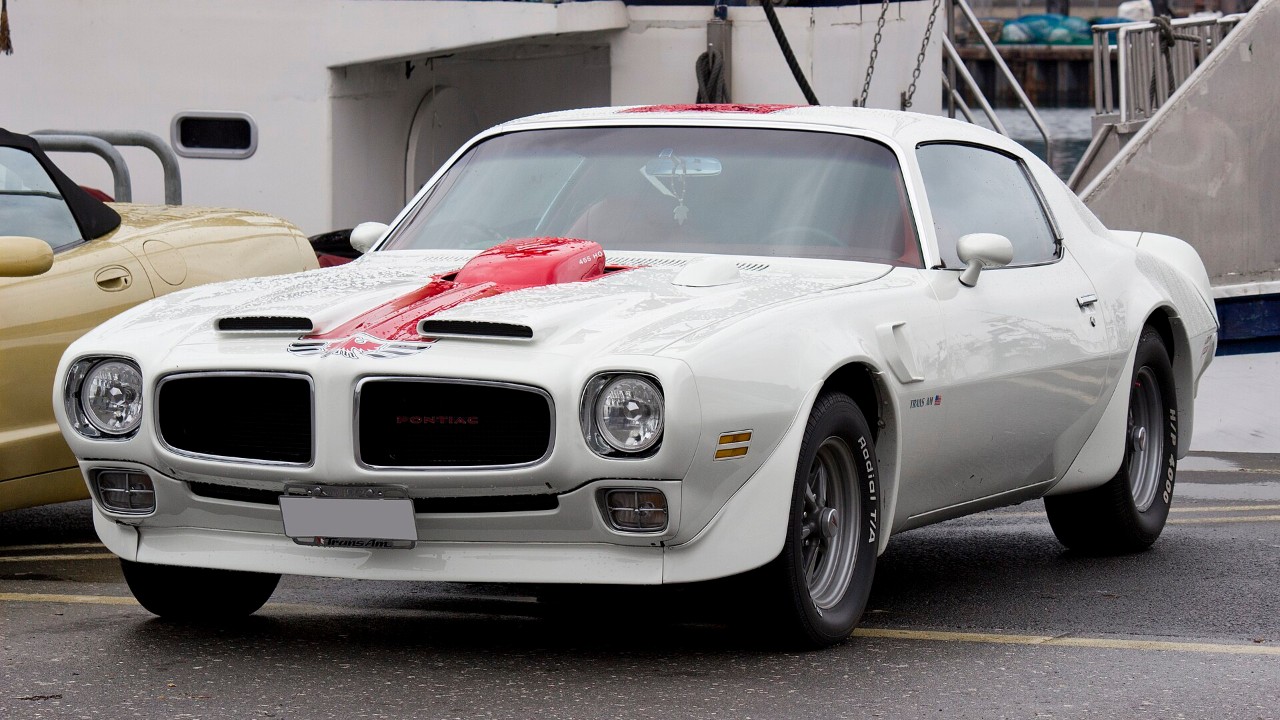
For 1971, Pontiac moved the Trans Am to a bigger engine. Hagerty’s history calls the result “the 455 HO.” Likewise, Wikipedia lists the LS5 455 HO as the 1971 Trans Am engine.
Ratings dropped as emissions rules tightened. Hagerty says the 455 HO “lost 5 horsepower for 1972” after emissions adjustments. By contrast, Wikipedia says Pontiac advertised the 1972 engine as detuned, even though the engine itself had not changed from 1971.
4. 455 Super Duty (1973–1974)
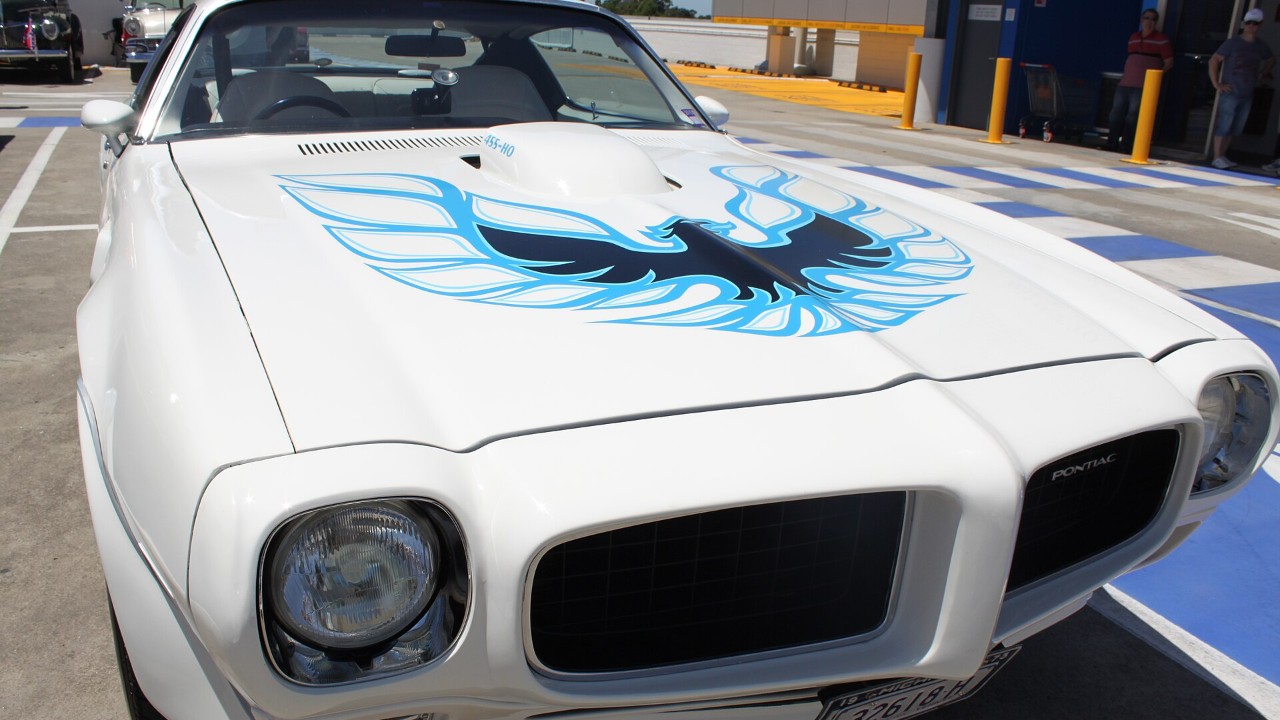
The SD-455 is the engine collectors chase. According to OldRide’s Trans Am history, each one was hand-assembled. It also had a reinforced block, a special camshaft, aluminum pistons, oversize valves and header-style exhaust manifolds.
Few Trans Ams got one. For 1973, Wikipedia counts 180 automatic and 72 manual SD-455 cars, or 252 in all. By comparison, the standard L75 455 went into 3,130 automatics and 1,420 manuals that year. OldRide adds that 1974 was the last year for the Super Duty engines. Meanwhile, Wikipedia puts total 1974 Trans Am production at 10,255.
5. 400 L78 (1975–1978)
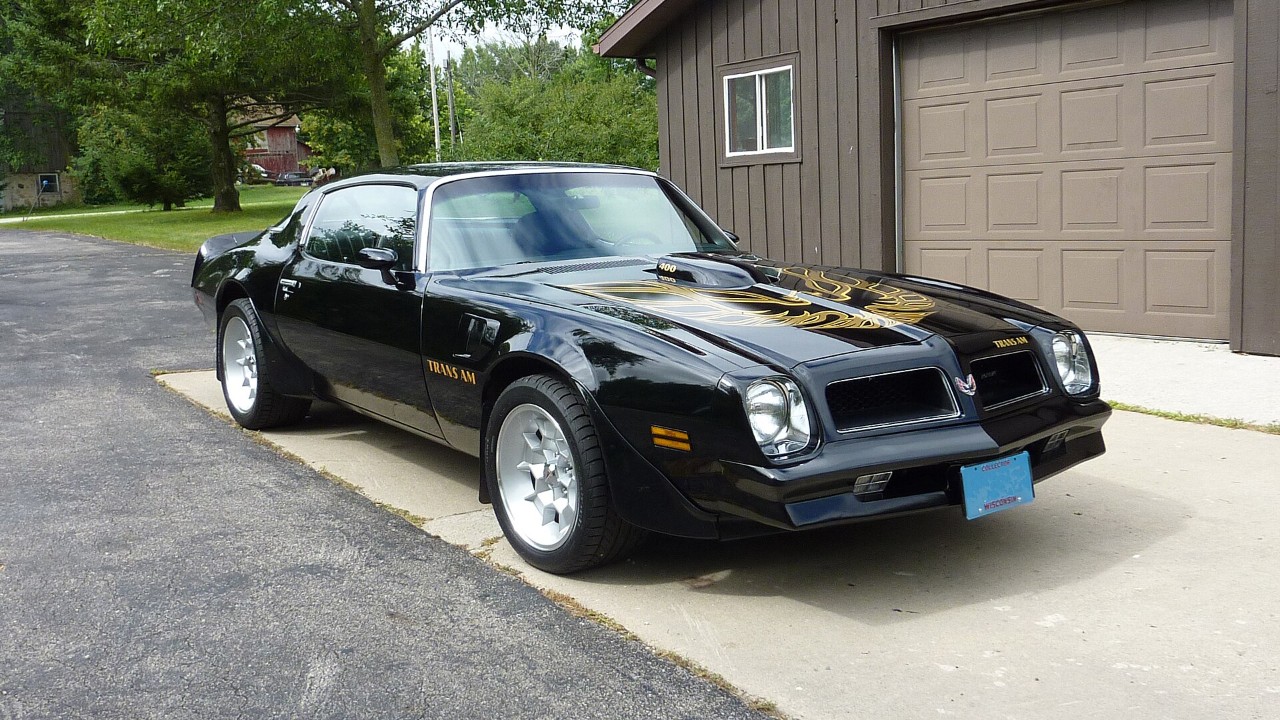
For 1975, the L78 400 became the standard Trans Am engine, with a 455 optional, Wikipedia says. That 455 returned in March 1975 rated at 200 hp, Hagerty notes. Both sources also show the same 200 hp for 1976. Then, OldRide says, 1976 was the last year for the 455 option.
That left the L78 as the base engine for the Smokey and the Bandit era. Silodrome rates the 1977 L78 at 180 bhp and 325 lb-ft, and Wikipedia also gives 180 hp. Silodrome adds that Trans Am production rose from 46,704 in 1976 to 68,744 in 1977. By 1979, according to 78TA.com’s decal guide, the L78 was no longer offered.
6. Oldsmobile 403 L80 (1977–1979)
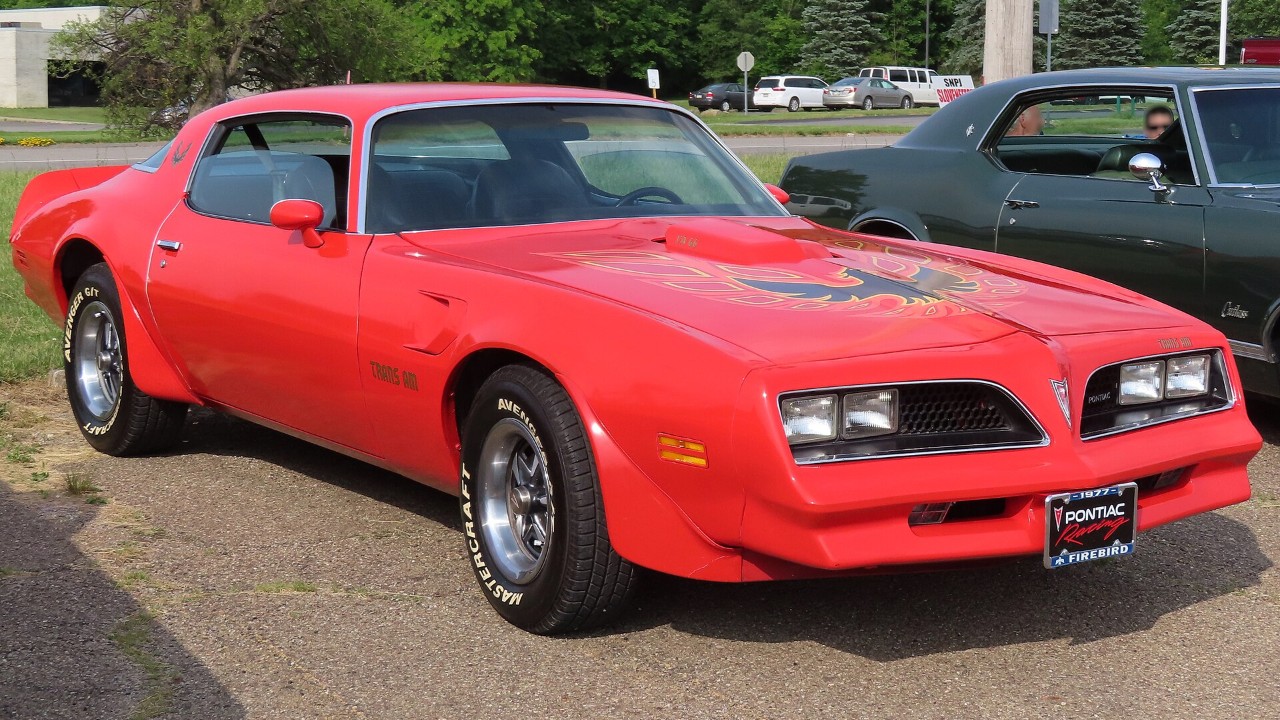
Yes, some Trans Ams carried an Oldsmobile engine. Wikipedia lists the L80 Olds 403 for 1977 at 185 hp. Hagerty gives the same 185-horsepower rating in its 1977 Pontiac Can Am history. The Can Am was a sister car that shared Trans Am hardware.
In 1977 the 403 wore the same “6.6 Liter” shaker-scoop decal as the L78, says 78TA.com. Later, for 1979, Wikipedia says the L80 became the standard engine and came only with the TH350 automatic. Similarly, 78TA.com lists the 1979 L80 as automatic only, with its “6.6 Liter” decal.
7. 400 W72 “T/A 6.6” (1977–1979)
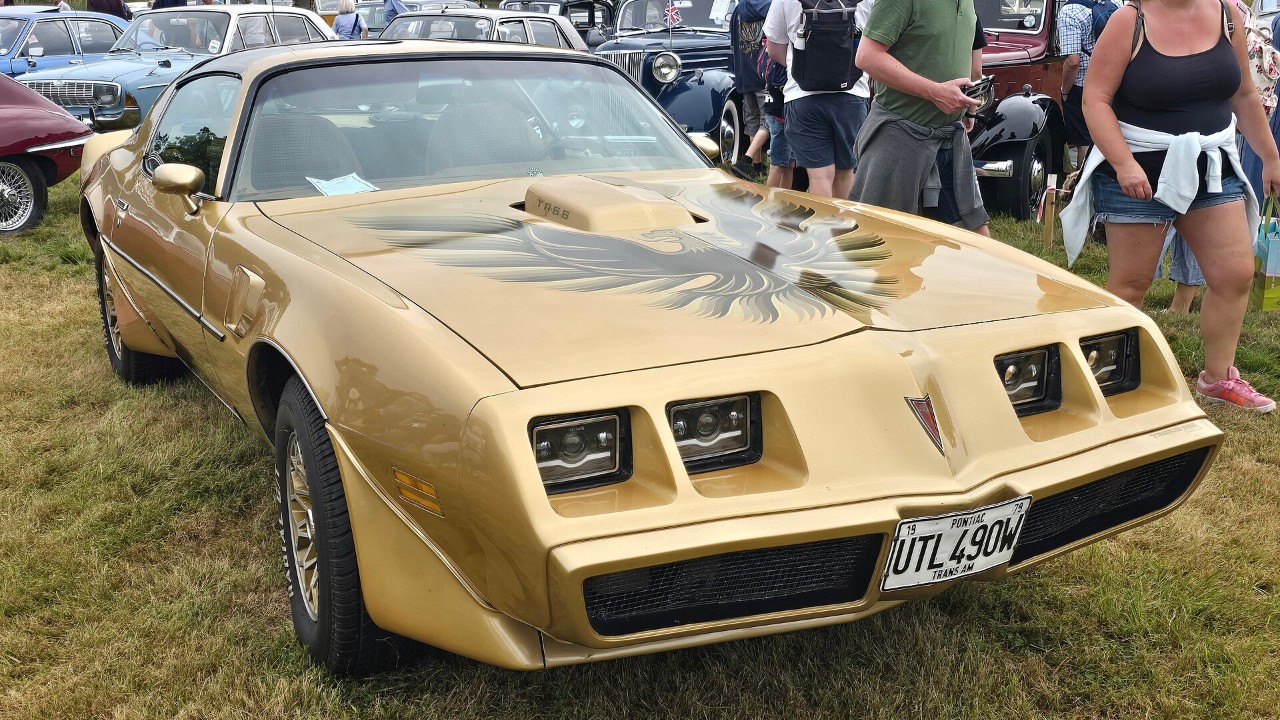
The W72 was the stronger Pontiac 400, and its shaker decal read “T/A 6.6,” according to 78TA.com. Silodrome says the W72 made 200 bhp in 1977, and Wikipedia gives the same 200. For 1978, both sources put it at 220 after camshaft and carburetor changes.
Sales kept climbing. Silodrome gives Trans Am production of 93,341 for 1978 and 117,108 for 1979. In 1979, 78TA.com says, the W72 came only with a four-speed manual. Wikipedia adds that it also required the WS6 package. That year was also the last for the Pontiac 400 engine, OldRide notes.
8. 301 Turbo (1980–1981), the last of these Trans Am engines
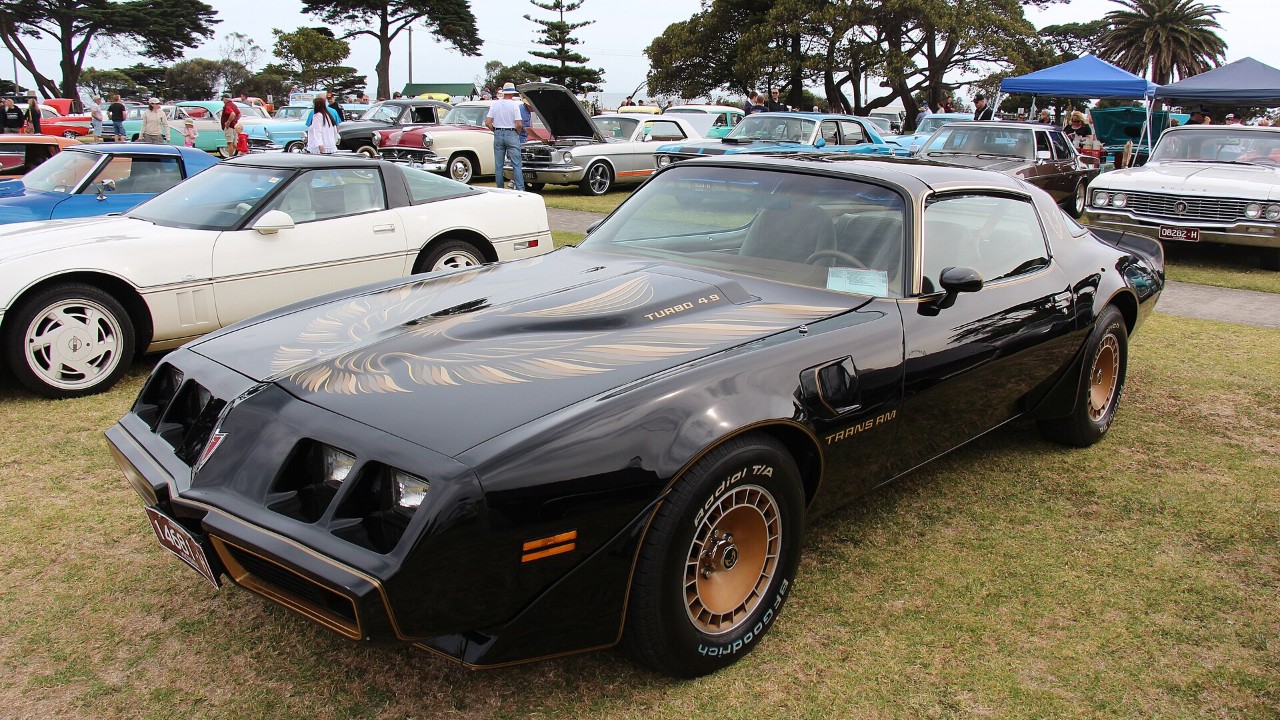
With the 400 gone, Pontiac turned to boost. Wikipedia’s Pontiac 301 Turbo entry says the engine was only available for the 1980 and 1981 model years. Its 1980 rating was 210 hp and 345 lb-ft. Likewise, the second-generation Firebird spec table gives the same 210 hp.
The turbo was a $350 option on the Trans Am and $530 on the Formula. Buyers also had to add a required $566 air conditioning package. For 1980, it came only with the Turbo Hydramatic 350 automatic. Dealers also received it with a factory boost limit of 9 psi. Its hood bulge also carried over. In fact, the 1982–84 Firebirds kept one because Pontiac had planned the third-generation design to include this engine, according to the same entry.
More from Fast Lane Only
- Unboxing the WWII Jeep in a Crate
- 15 rare Chevys collectors are quietly buying
- 10 underrated V8s still worth hunting down
- Police notice this before you even roll window down
This article was created with the help of AI and was reviewed and edited by Fast Lane Only editors before publication.