Pickup trucks have always reflected the priorities of the people buying them. Some generations wanted bare-bones workhorses built to last, while others demanded comfort, performance, technology, or adventure-ready capability. Looking back, certain trucks perfectly capture the mindset of their era. They weren’t just successful products—they were direct responses to what buyers valued most at the time. These pickups offer a fascinating glimpse into how truck owners’ expectations have evolved over the decades.
Ford F-150

The Ford F-150 arrived when dependability and hard work were the primary concerns for truck buyers. Most owners used their trucks for farming, construction, and small-business operations, meaning durability mattered far more than luxury. The F-150 delivered rugged capability while offering improvements in comfort and usability compared to earlier trucks. Its popularity reflected a market focused on practicality, proving that buyers wanted vehicles that could serve as reliable partners in rebuilding postwar America.
Chevrolet C/K
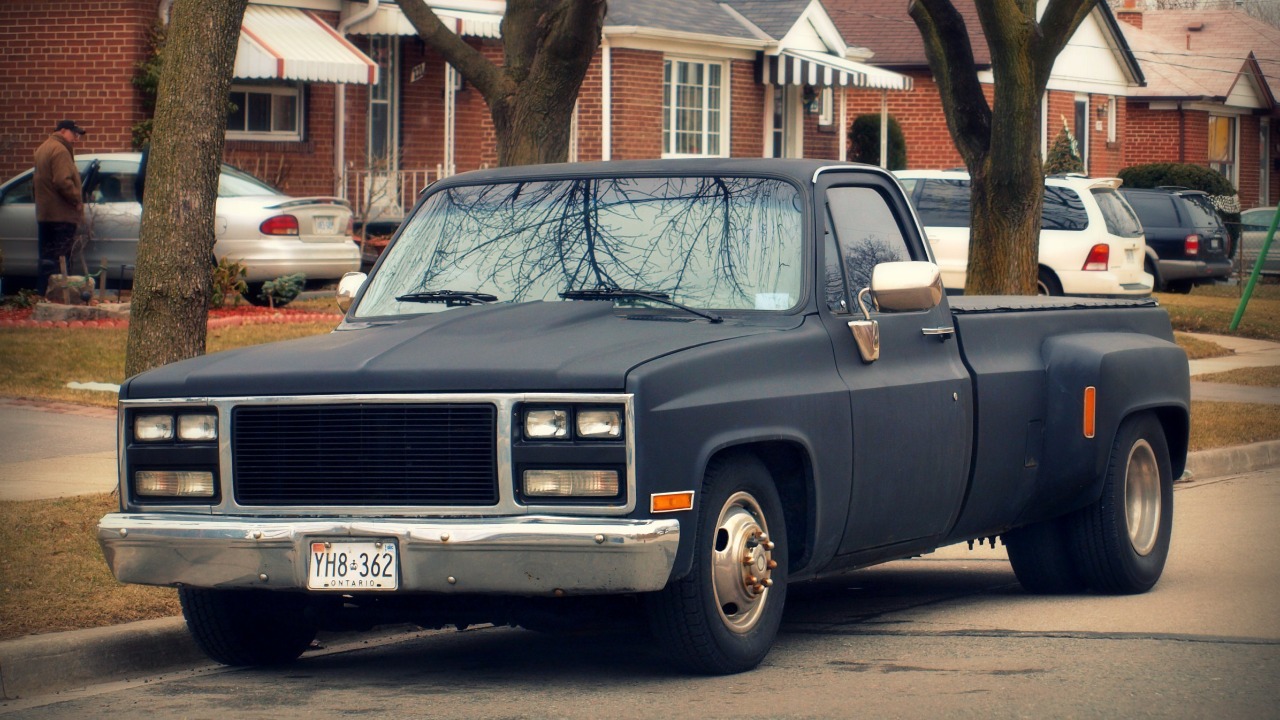
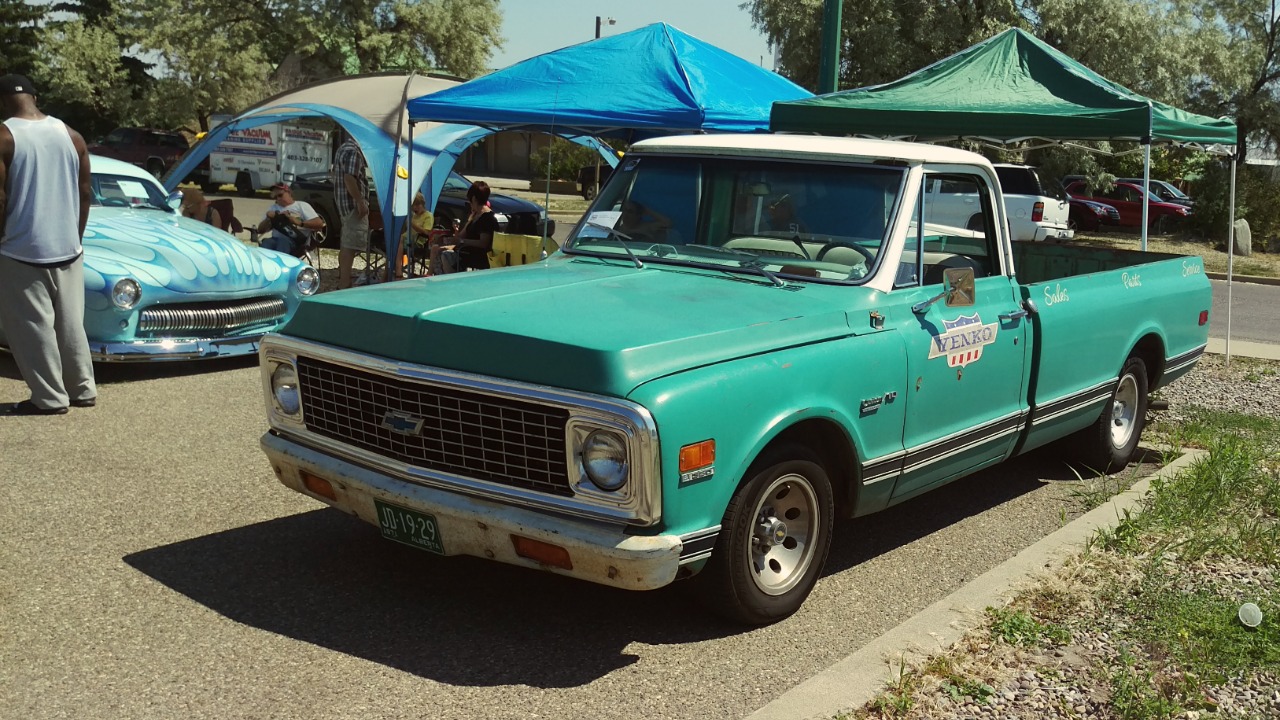
The Chevrolet C/K emerged during a period when truck buyers were beginning to expect more than basic utility. While capability remained important, comfort and drivability were becoming major selling points. Chevrolet responded with a truck that offered a smoother ride and a more refined driving experience without sacrificing usefulness. The C/K captured a changing market where pickups were increasingly being used for personal transportation in addition to work duties.
Dodge Lil’ Red Express
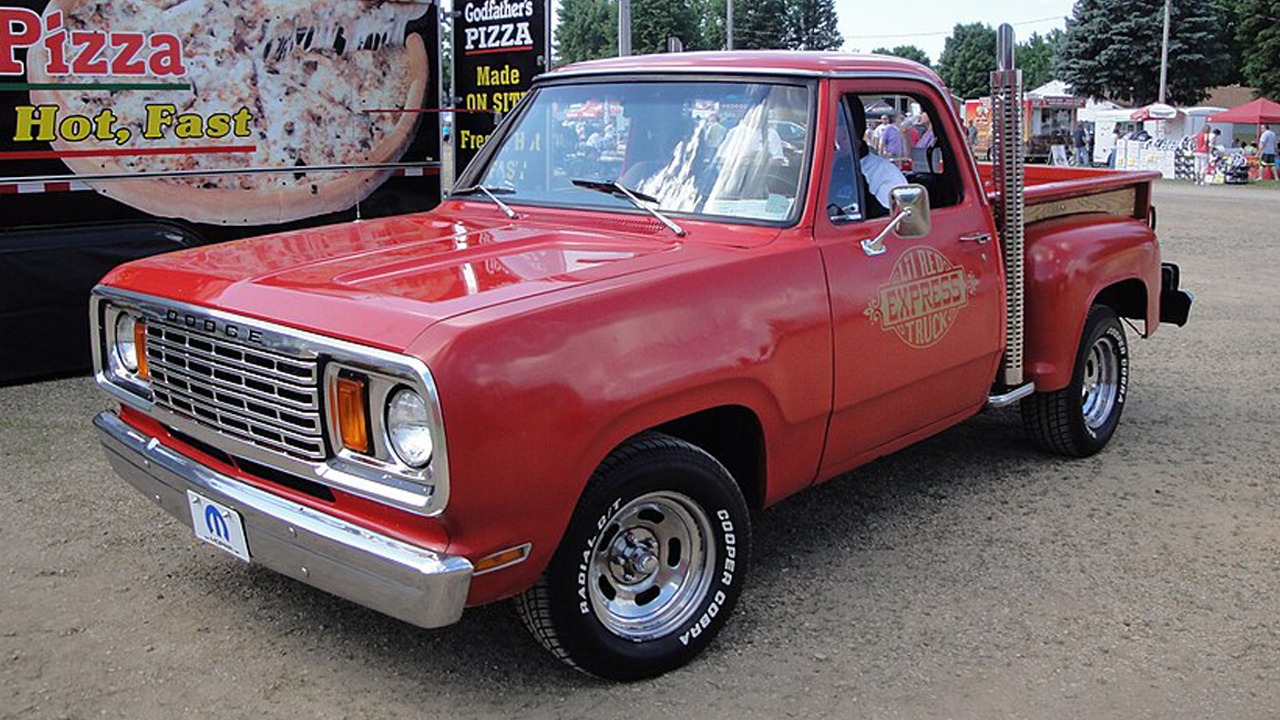
Performance enthusiasts faced limited options during an era of tightening emissions regulations and declining horsepower. The Dodge Lil’ Red Express answered a demand many automakers weren’t addressing: buyers still wanted excitement. With bold styling and impressive performance credentials, it stood apart from ordinary pickups. Its popularity demonstrated that truck buyers could be just as interested in speed and personality as utility, helping pave the way for future performance-oriented pickups.
Dodge Ram Cummins
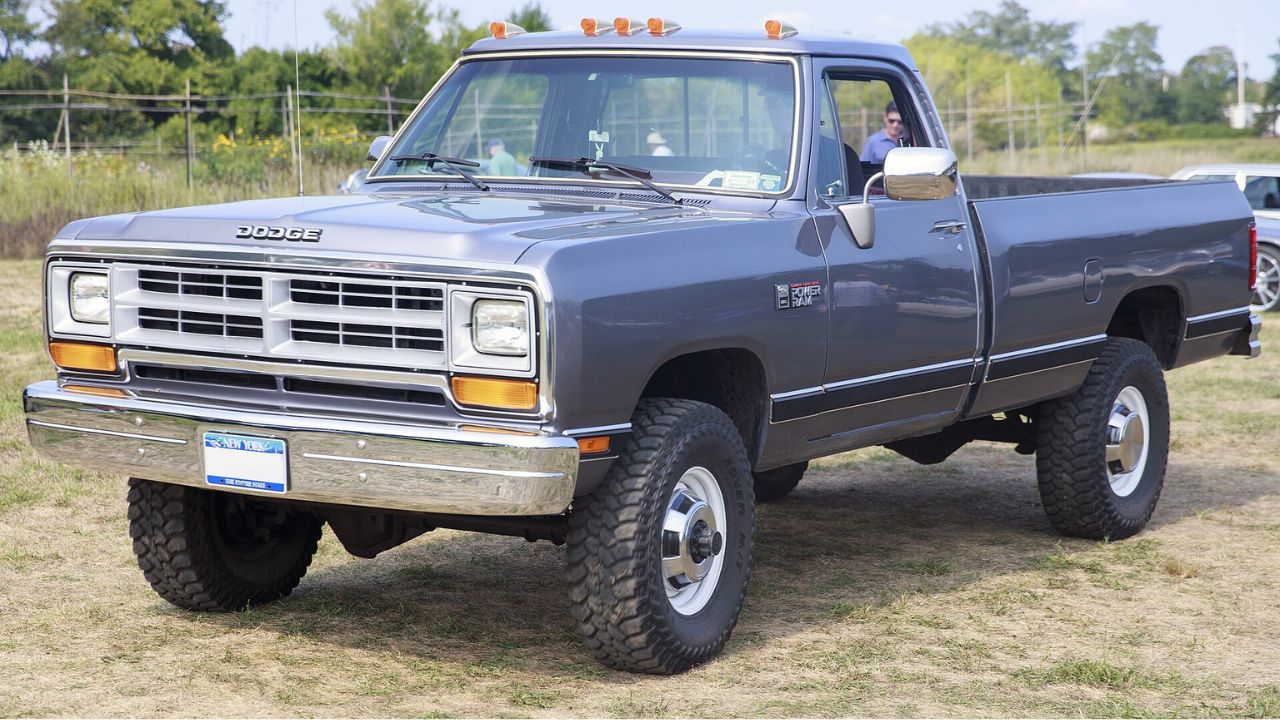
The introduction of the Cummins-powered Ram reflected growing demand for serious towing and hauling capability. Buyers who regularly worked with heavy equipment or large trailers wanted more durability, torque, and efficiency than traditional gasoline engines could provide. The truck quickly earned a reputation as a dependable workhorse capable of handling demanding jobs. Its success highlighted how many truck owners were prioritizing capability and long-term durability above all else.
Ford Ranger Splash
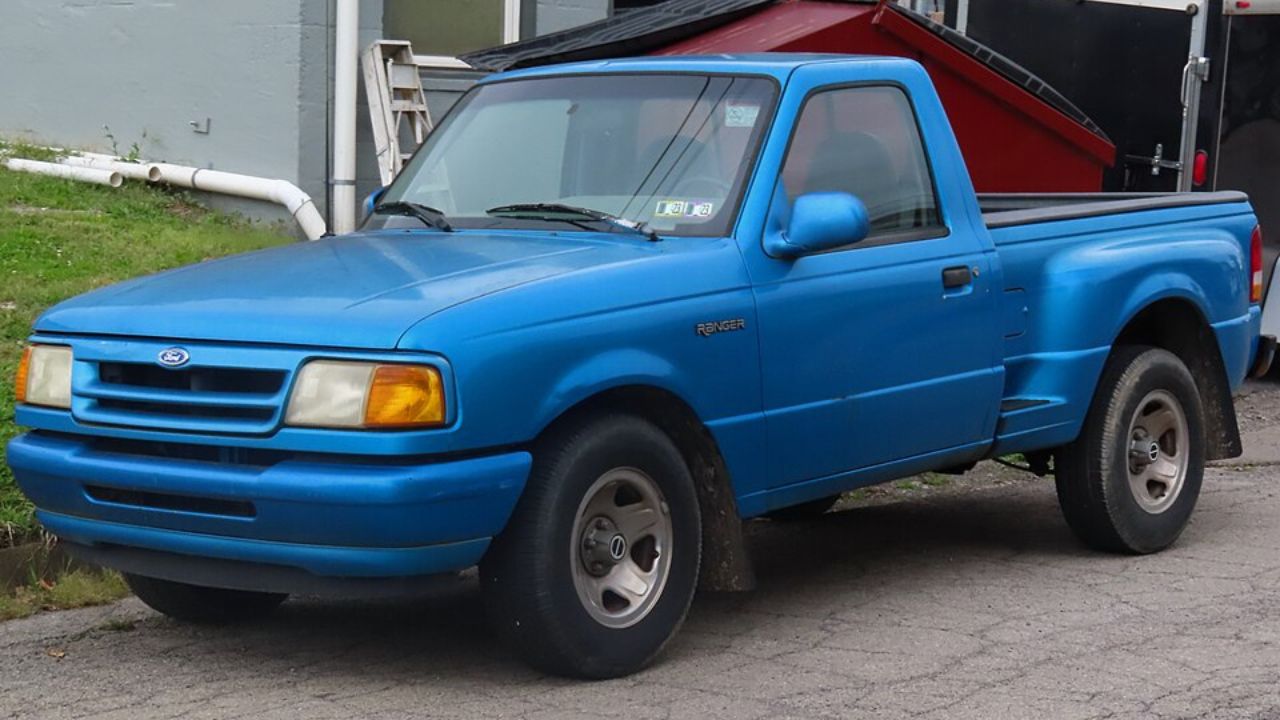
By the early 1990s, many compact truck buyers weren’t necessarily looking for work vehicles. They wanted affordable transportation with style and personality. The Ford Ranger Splash delivered exactly that, pairing practical utility with sporty looks and youthful appeal. It reflected a period when compact pickups became lifestyle vehicles, attracting younger buyers who appreciated customization and individuality just as much as cargo-carrying ability.
Chevrolet Avalanche
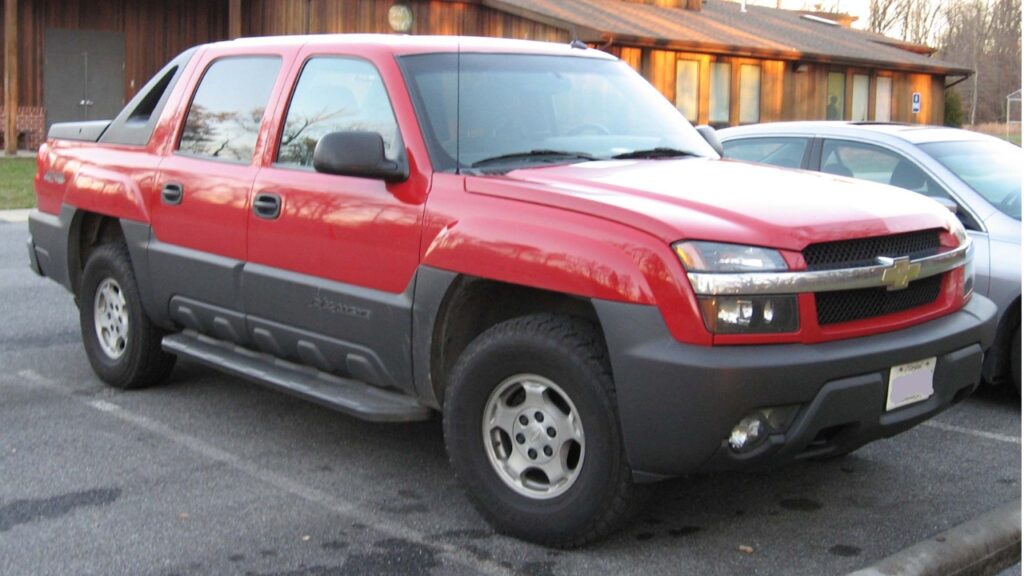
The Chevrolet Avalanche arrived at a time when versatility was becoming one of the most important qualities buyers wanted in a vehicle. Many consumers needed family-friendly comfort but still wanted occasional truck capability. The Avalanche’s innovative design allowed it to switch roles more easily than traditional pickups. Its popularity reflected an era when buyers increasingly favored multipurpose vehicles that could adapt to work, recreation, and everyday life.
Ford SVT Raptor
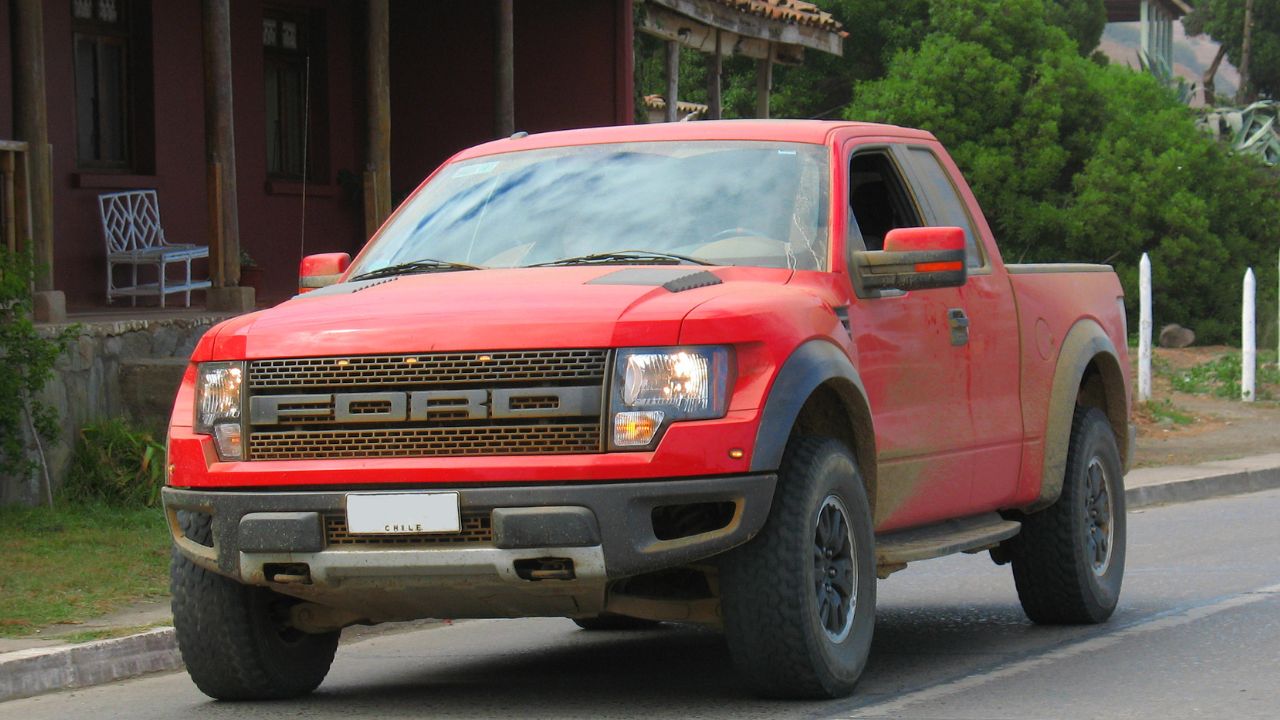
The Raptor perfectly captured a growing appetite for factory-built adventure vehicles. Buyers no longer wanted to spend thousands modifying trucks to improve off-road performance. Instead, they wanted something capable straight from the showroom. Ford delivered exactly that with a pickup engineered for high-speed desert running and serious off-road use. The truck’s success showed how strongly buyers valued lifestyle appeal and recreational capability alongside traditional truck functions.
Rivian R1T
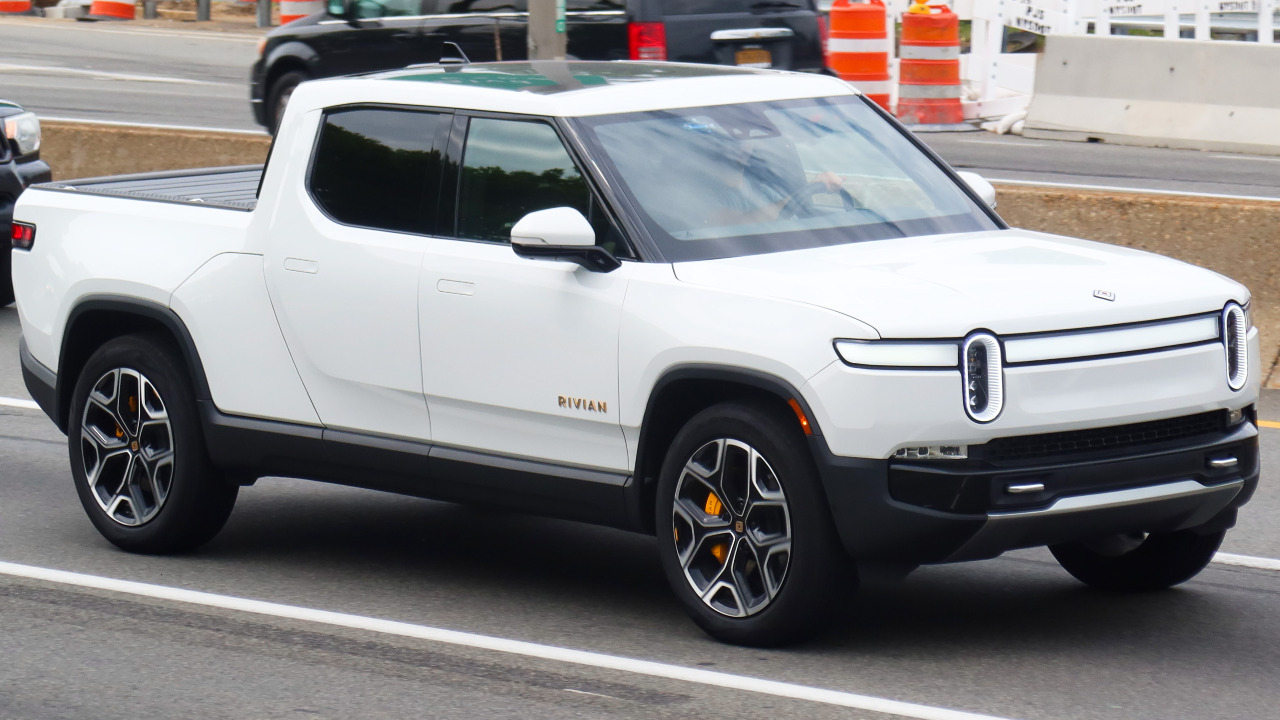
The Rivian R1T reflects the priorities of a new generation of truck buyers. Technology, sustainability, innovation, and performance have become just as important as towing and payload numbers. Buyers increasingly want vehicles that integrate advanced features while reducing environmental impact. The R1T demonstrated that electric trucks could be practical, capable, and desirable. Its success highlights how the truck market continues to evolve alongside changing consumer expectations and technological advancements.
More from Fast Lane Only