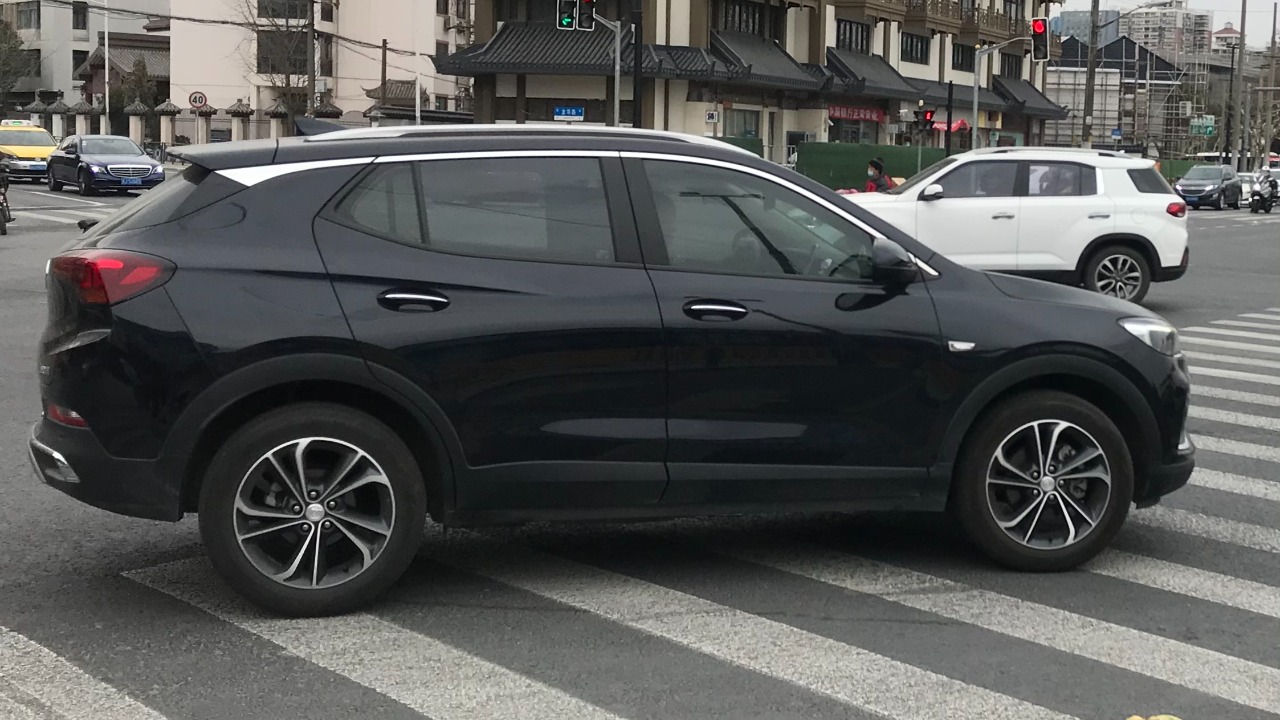
Automakers spend years researching buyers, analyzing trends, and predicting exactly why a new vehicle will succeed. Yet the market doesn’t always cooperate. Sometimes a car catches on for reasons that weren’t part of the original plan, attracting customers the manufacturer never expected or building a reputation around qualities that weren’t emphasized in advertisements. In some cases, those unexpected strengths become the very reason a vehicle is remembered. These cars found success, but not necessarily for the reasons their creators anticipated.
Chrysler 300
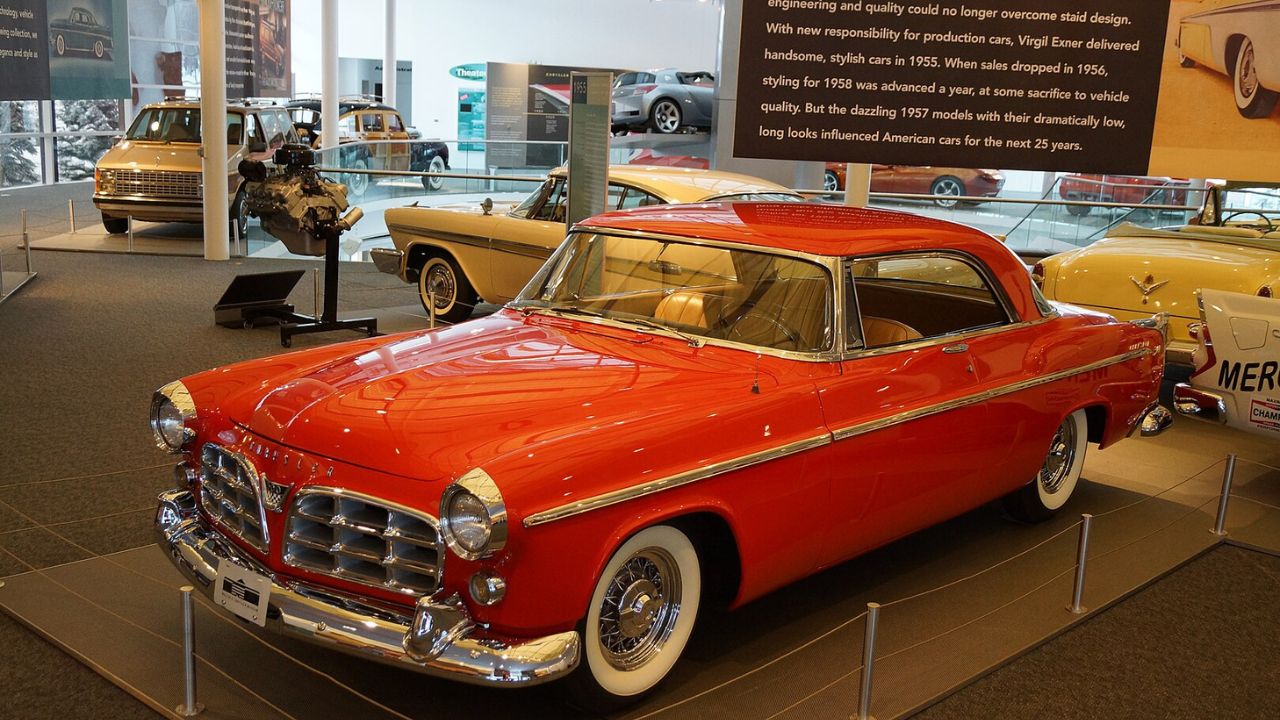
When the Chrysler 300 debuted, the company hoped its blend of luxury and value would attract traditional full-size sedan buyers. Instead, the car became a cultural phenomenon thanks to its bold styling. Its imposing grille and muscular proportions gave it a presence that made it look far more expensive than it actually was. Buyers were drawn to the image it projected, helping the 300 develop a following that extended well beyond its intended audience.
Scion xA
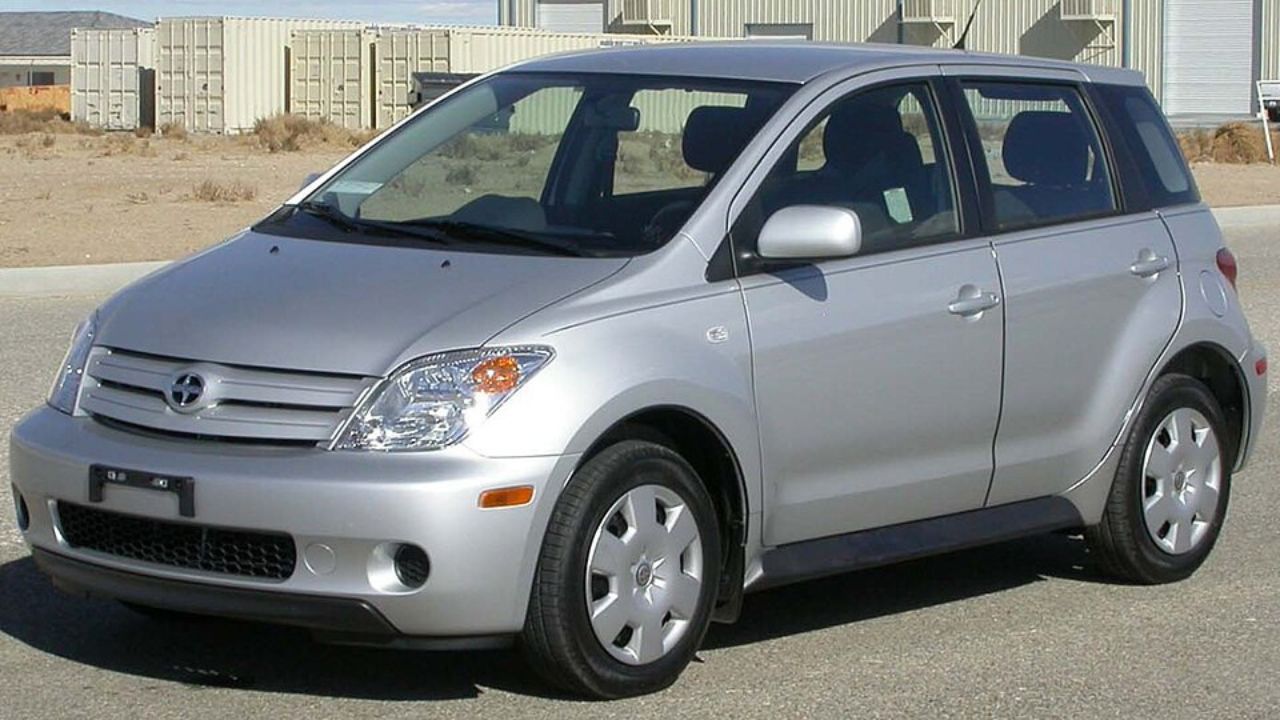
Scion introduced the xA to attract younger buyers looking for affordable and customizable transportation. While it found some success with that group, its biggest strength turned out to be reliability and practicality. Owners appreciated its fuel economy, surprisingly spacious interior, and low ownership costs. Over time, the xA earned a reputation as a dependable used car, creating a loyal following that had little to do with its original youth-focused marketing.
Nissan Xterra
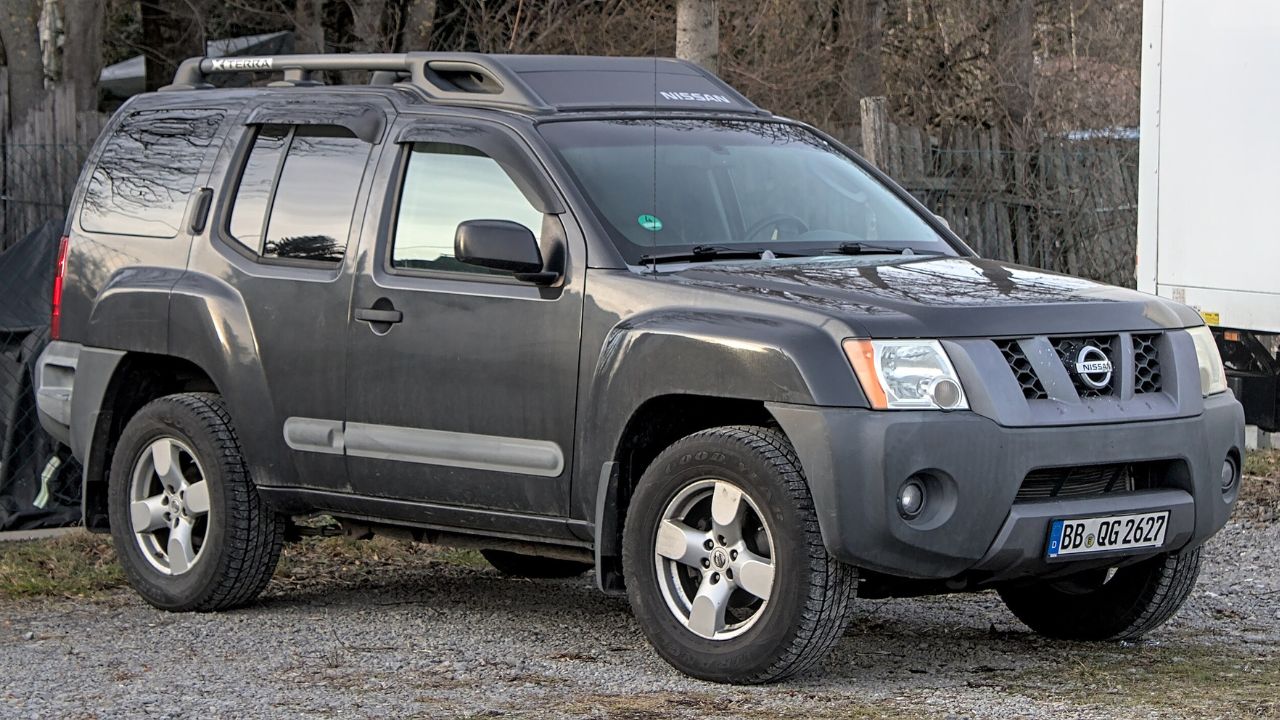
The Nissan Xterra was designed as an affordable SUV for outdoor enthusiasts, complete with rugged styling and adventure-themed marketing. While that appealed to some buyers, its long-term success came from something simpler: durability. Owners discovered that the Xterra could withstand years of hard use while remaining capable both on and off the pavement. Its reputation for toughness ultimately became far more important than the lifestyle image Nissan originally promoted.
Chevrolet HHR
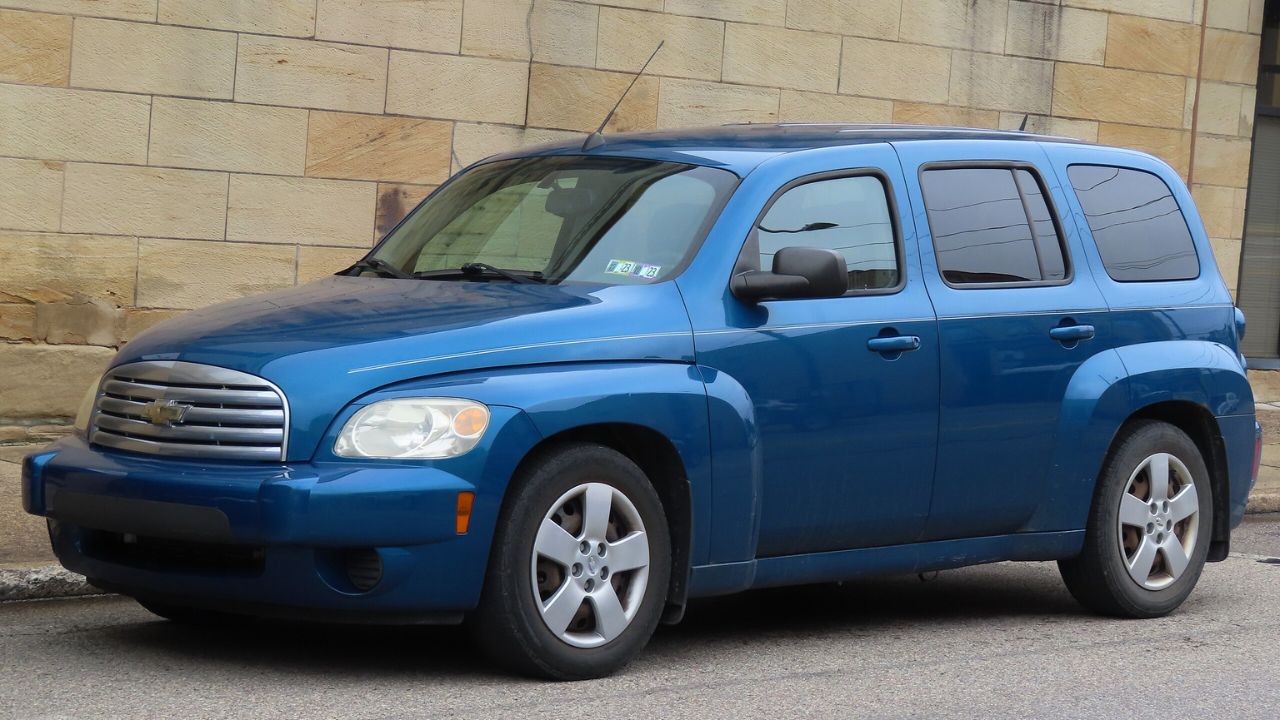
The Chevrolet HHR was intended to capitalize on retro-inspired styling, but opinions on its appearance were often divided. Surprisingly, many owners embraced it because of its practicality rather than its looks. The spacious interior, flexible cargo area, and comfortable ride made it useful for everyday life. Over time, the HHR earned respect from drivers who valued function above fashion, giving it a more positive legacy than many expected.
Acura RSX
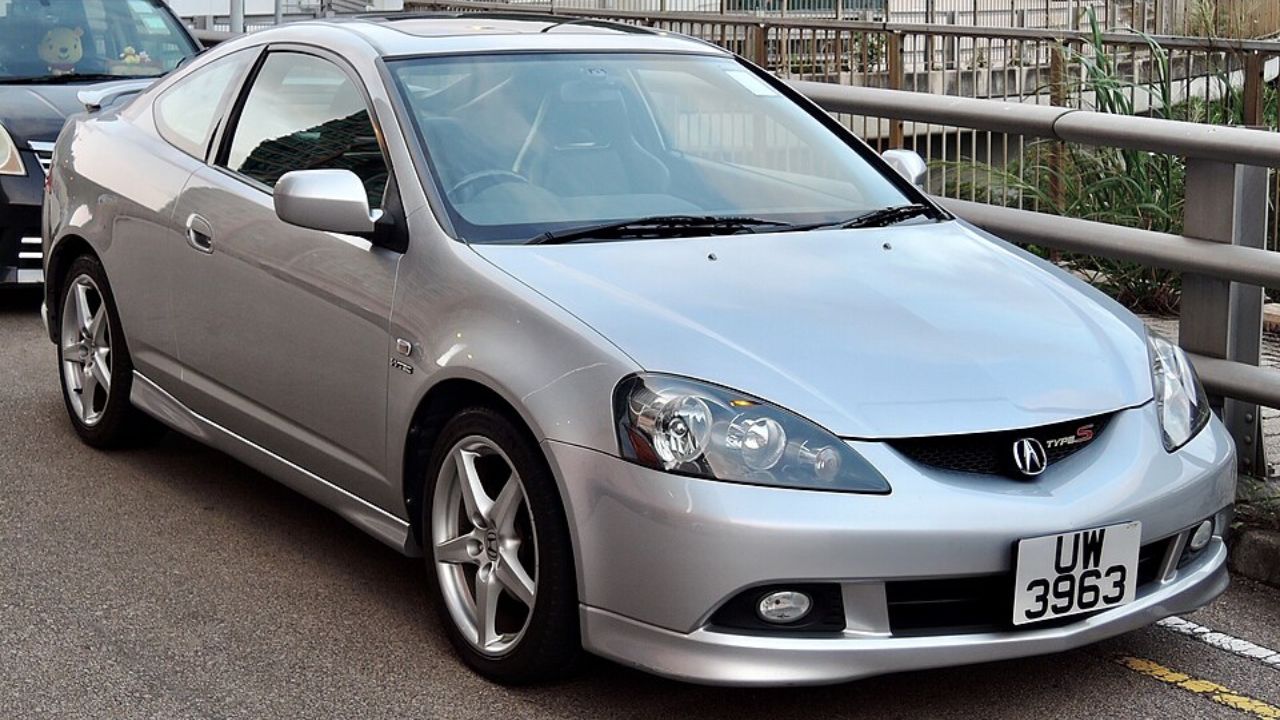
Acura marketed the RSX as a premium sporty coupe aimed at younger professionals. While it attracted that audience, its greatest success came from the enthusiast community. Tuners and performance-minded drivers embraced the car’s responsive engines, lightweight design, and modification potential. Today, the RSX is remembered far more as an enthusiast favorite than as the upscale daily driver Acura originally intended it to be.
Saturn Vue

The Saturn Vue entered the market as a compact crossover focused on practicality and affordability. However, one of its most memorable qualities became its durability. Owners appreciated its straightforward design and dependable performance, while certain versions attracted enthusiasts thanks to unexpectedly strong powertrains. The Vue’s ability to exceed expectations helped it build a reputation that outlasted both the model and the Saturn brand itself.
Eagle Talon
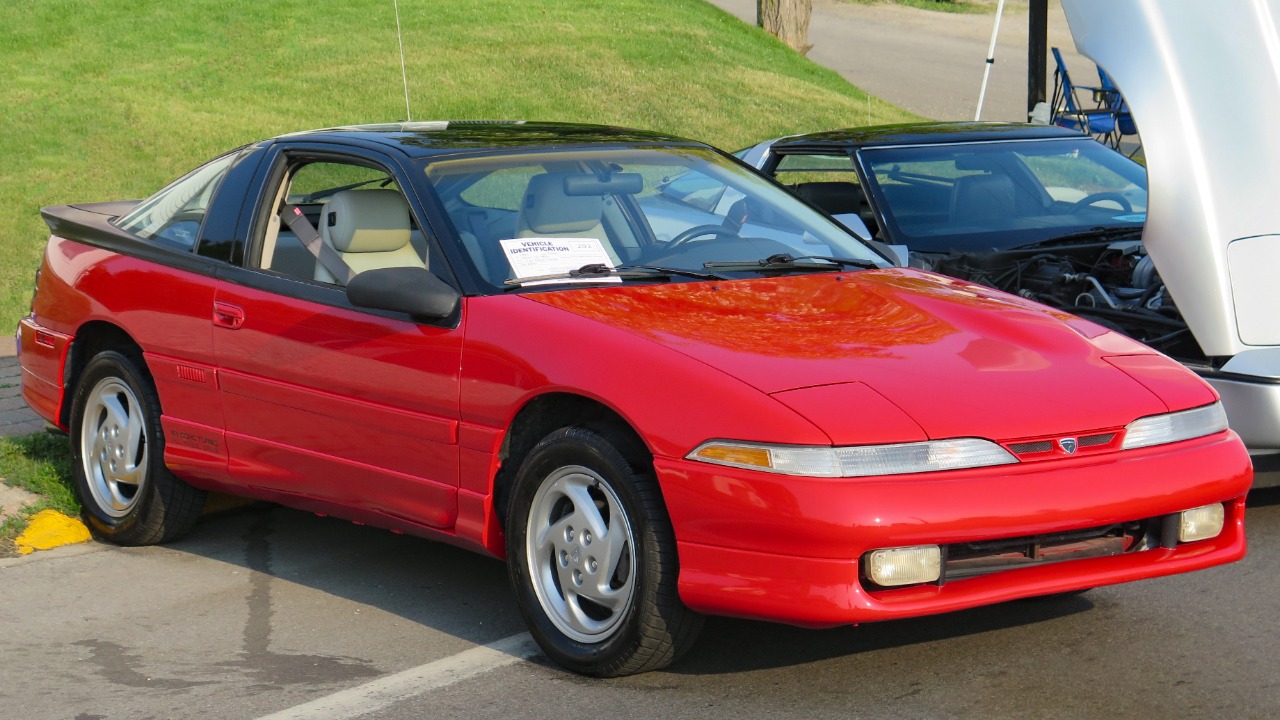
The Eagle Talon was introduced as a sporty compact coupe, but few anticipated the passionate following it would eventually attract. Enthusiasts discovered that its turbocharged performance and tuning potential made it a formidable platform for modifications. Long after the Eagle brand disappeared, the Talon remained relevant within enthusiast circles. Its lasting success came less from mainstream buyers and more from drivers who recognized its hidden capabilities.
Buick Encore
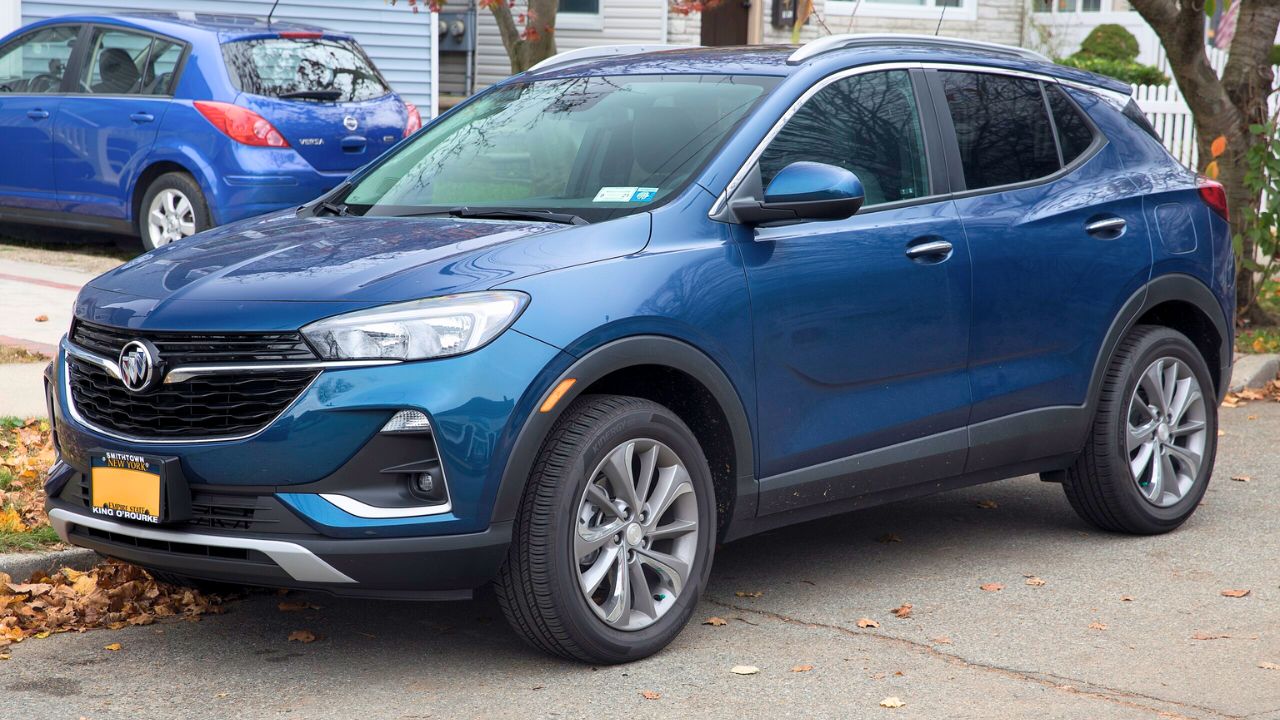
Buick expected the Encore to attract downsizing luxury buyers seeking comfort and efficiency. Instead, one of the vehicle’s biggest advantages turned out to be its size. As larger SUVs became increasingly difficult to maneuver in crowded urban environments, many buyers appreciated the Encore’s compact footprint. Its success demonstrated that convenience and ease of use could matter just as much as luxury features, helping it carve out a surprisingly successful niche.
More from Fast Lane Only