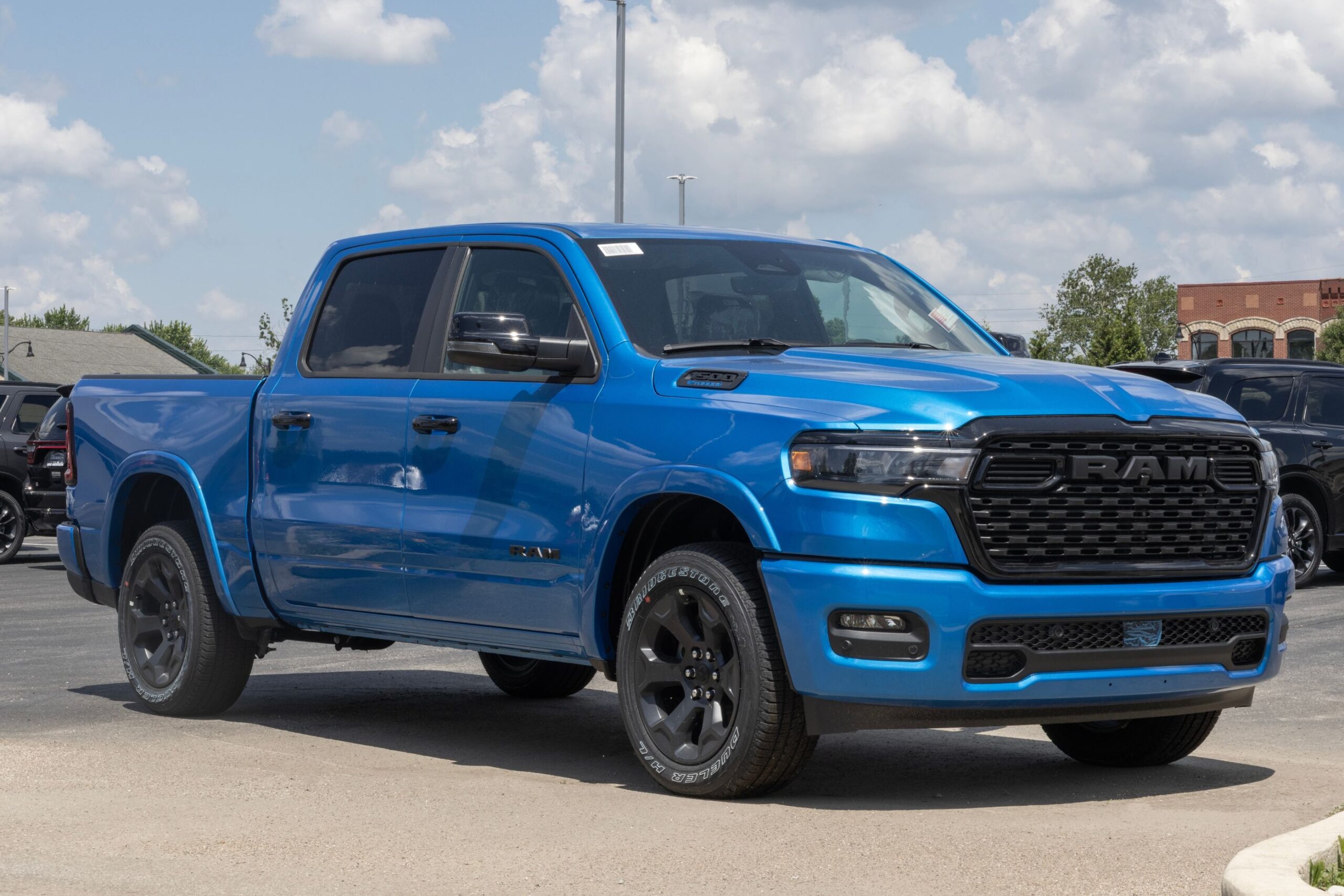
As the automotive world races toward electrification, some truck manufacturers are taking a step back from electric vehicle plans, opting for more practical solutions instead. This shift reflects a strategic response to current market demands, technological challenges, and consumer preferences. Here are eight trucks that have quietly altered their EV trajectories.
Ford F-150
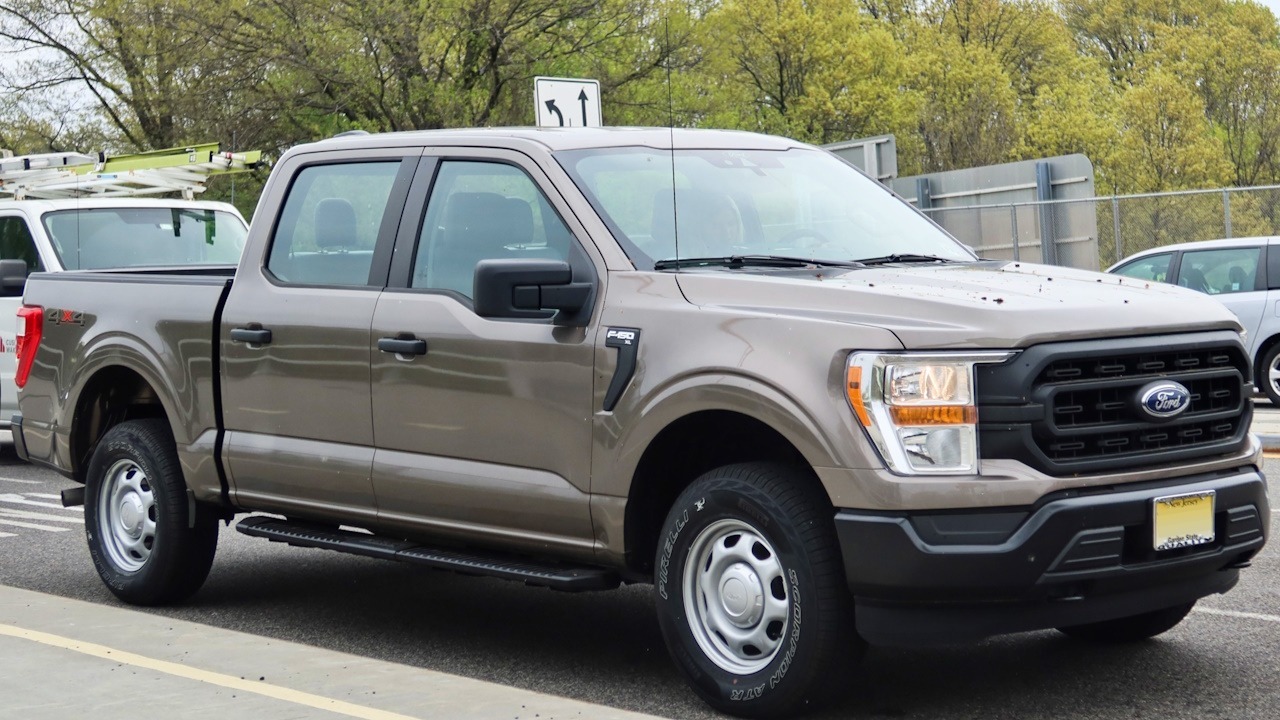
The Ford F-150, a staple in the truck industry, originally embraced electrification with the launch of the F-150 Lightning. However, Ford has since refocused on enhancing hybrid variants due to battery supply chain challenges and customer feedback regarding towing capacity in EVs. The hybrid F-150 models now offer a balanced mix of power and efficiency, appealing to consumers who prioritize performance over full electrification.
This pivot allows Ford to meet the needs of traditional truck buyers who are not yet ready to transition to all-electric models, ensuring the F-150 remains competitive in a rapidly evolving market.
Chevrolet Silverado
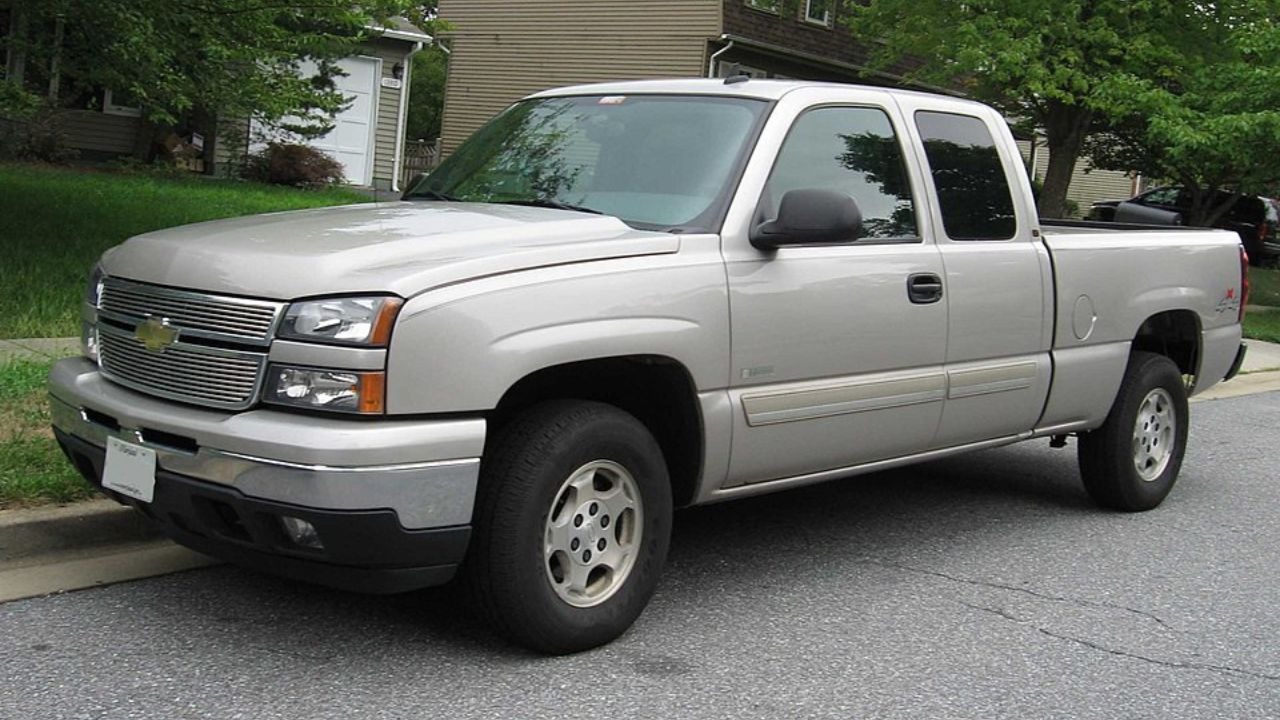
The Chevrolet Silverado has been part of GM’s electrification strategy, yet the company has recently adjusted its focus. Instead of an aggressive push towards fully electric versions, Chevrolet has expanded its range of mild-hybrid models. These variants provide fuel efficiency benefits without the limitations that can accompany full EVs.
This strategy caters to Silverado’s core audience, who often require reliable performance for towing and long-distance travel, aspects where hybrid technology currently offers a more practical solution than fully electric powertrains.
Ram 1500
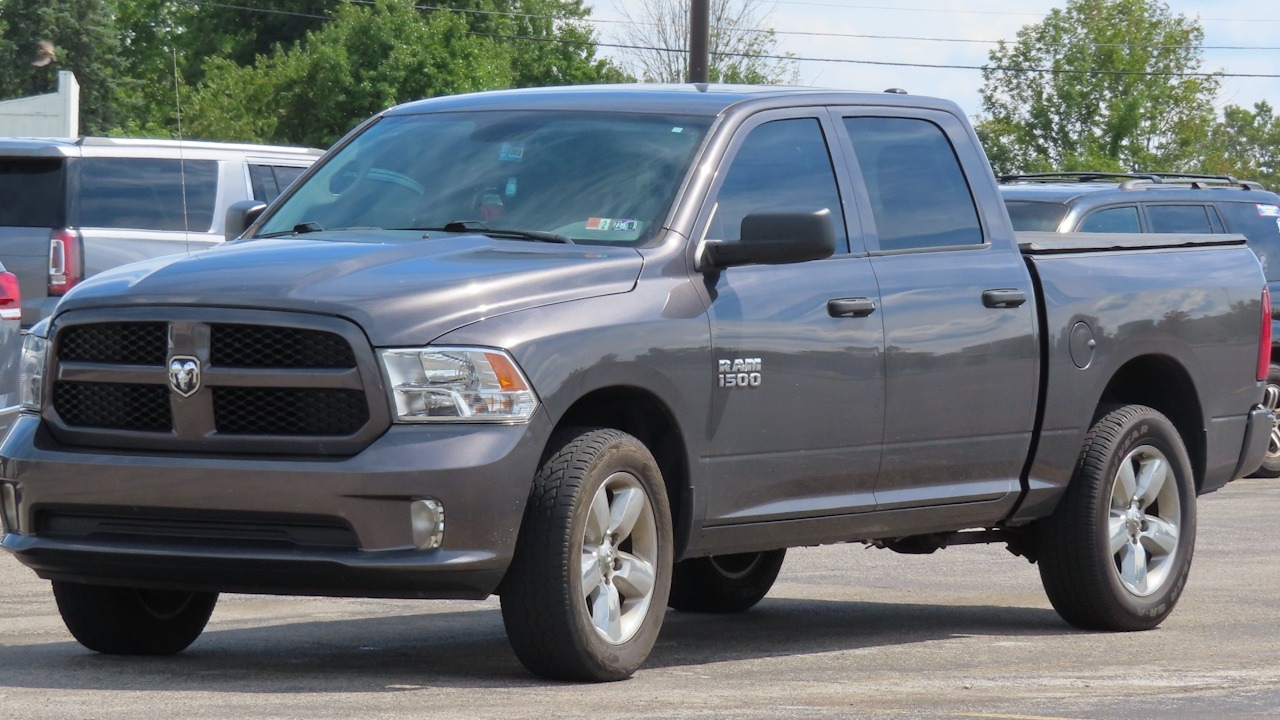
Ram 1500 enthusiasts were initially excited about the brand’s electric promises. However, Ram has decided to prioritize plug-in hybrid technology over pure electric models. This decision is rooted in providing a more versatile powertrain that aligns with consumer expectations for power and range.
The focus on plug-in hybrids offers Ram 1500 owners the flexibility of electric driving for short distances, combined with the assurance of a combustion engine for extended journeys, addressing range anxiety and infrastructure concerns.
Toyota Tacoma
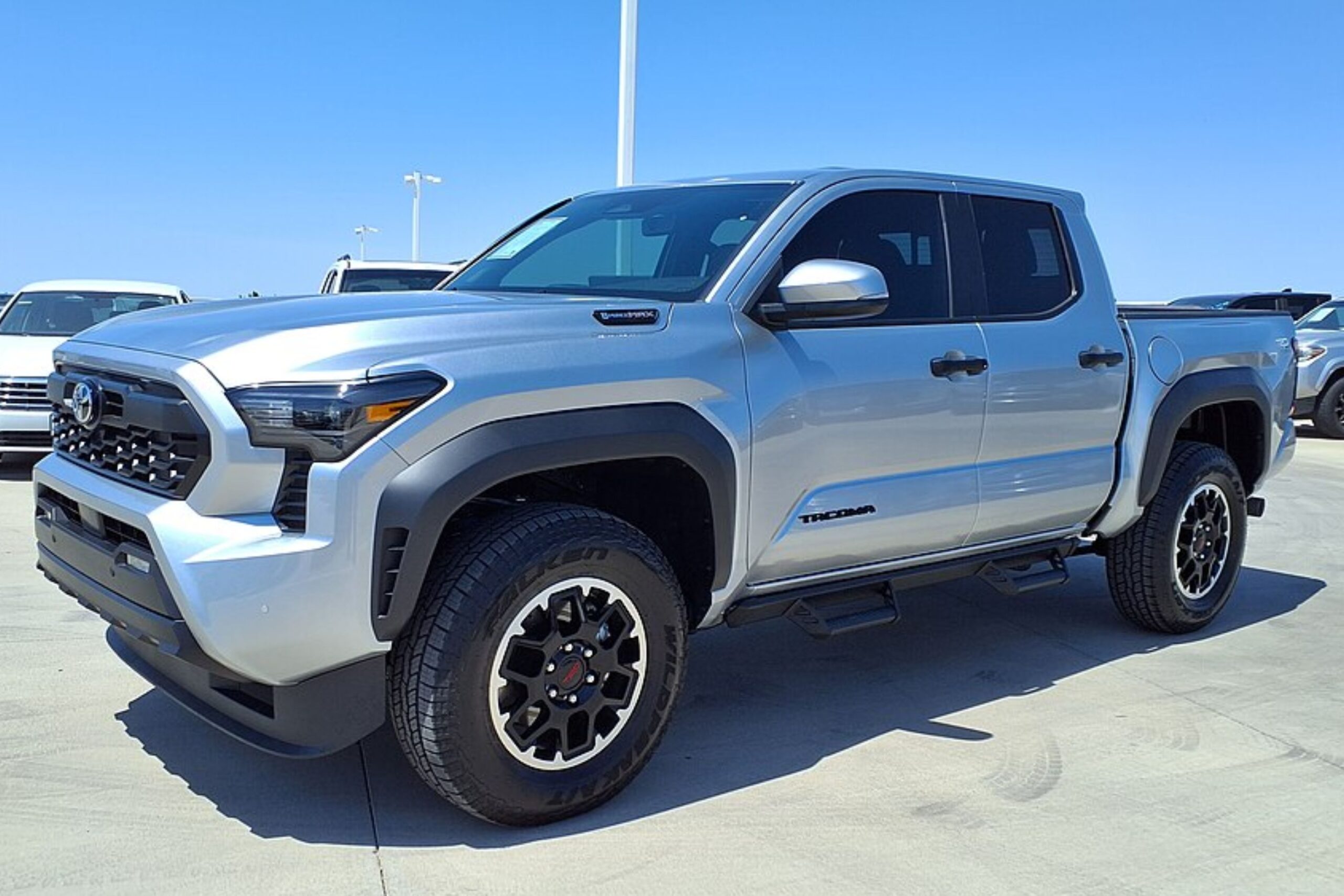
Toyota has long been a leader in hybrid technology, but plans for an all-electric Tacoma have taken a backseat. Instead, Toyota is concentrating on hybrid models, which are more in tune with the brand’s reputation for reliability and efficiency.
This shift ensures that Toyota can continue to offer the Tacoma with the rugged performance it is known for, without the current limitations of electric technology, such as charging infrastructure and battery limitations in remote areas where Tacomas are often used.
GMC Sierra
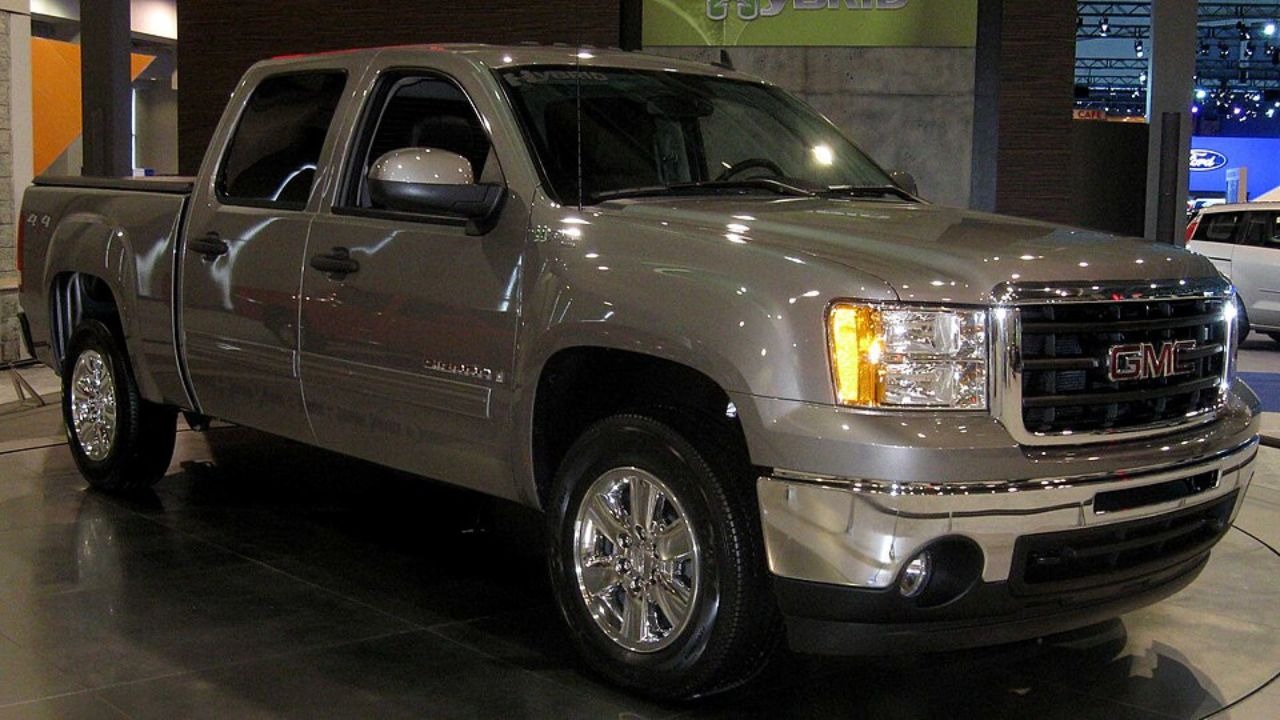
The GMC Sierra, known for its luxury and power, was expected to join the electric revolution. However, GMC has opted to enhance its range of diesel and gas engines, along with developing hybrid options. This decision is influenced by the demand for high towing capacity and long-range capabilities.
By concentrating on improving fuel efficiency and performance in its traditional powertrains, GMC ensures the Sierra remains a top choice for those who require a truck that can handle demanding tasks without the need for frequent charging stops.
Nissan Titan
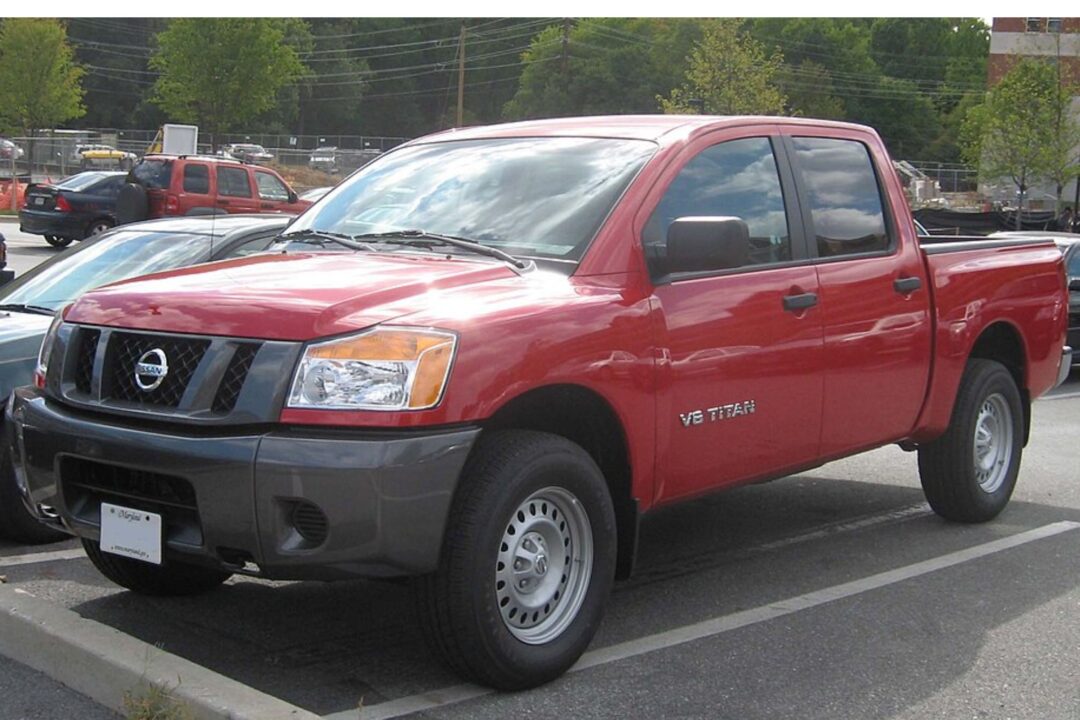
Nissan initially explored electric avenues for the Titan but has now shifted focus towards refining their existing powertrains. The change comes as Nissan evaluates consumer readiness for electric trucks and the current state of battery technology.
By focusing on enhancing fuel economy and performance in the Titan’s gas-powered models, Nissan aims to maintain its appeal to truck buyers who prioritize practicality and reliability over the novelty of electrification.
Honda Ridgeline
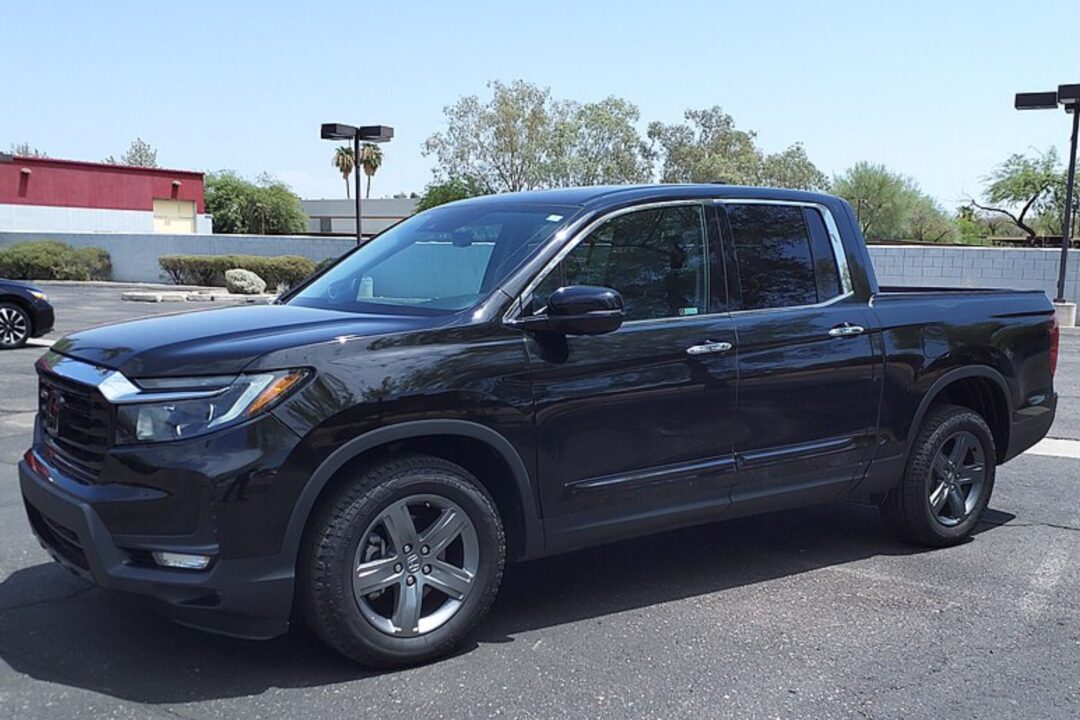
Honda’s Ridgeline, known for its unique unibody construction, was considered a candidate for electrification. However, Honda has decided to strengthen its hybrid offerings instead. The brand is focusing on improving the Ridgeline’s fuel efficiency and versatility, rather than transitioning to a full EV.
This approach allows Honda to continue attracting buyers who appreciate the Ridgeline’s blend of SUV-like comfort and truck utility, without the constraints currently faced by electric vehicle infrastructure.
Rivian R1T
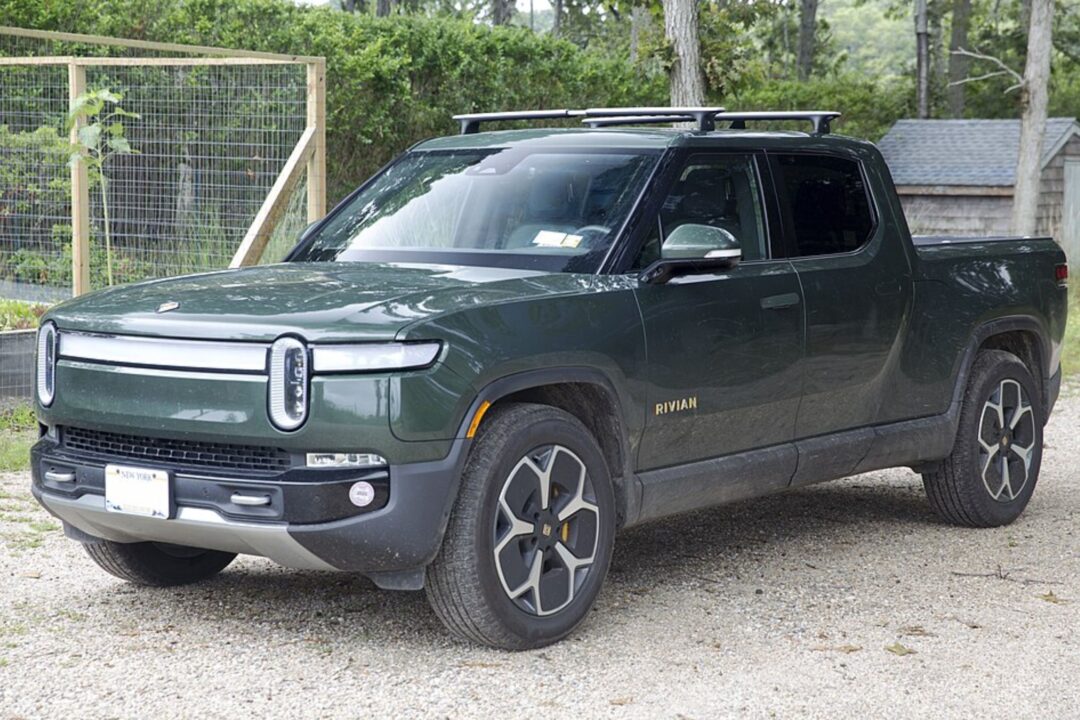
Rivian has been at the forefront of electric truck innovation with the R1T, yet the brand is quietly shifting some focus to hybrid technology. As a startup, Rivian is adapting to market realities, including production challenges and supply chain issues, which have hampered the widespread availability of its electric models.
By exploring hybrid solutions, Rivian aims to bridge the gap between current capabilities and future aspirations, ensuring they can deliver powerful, innovative trucks while addressing practical constraints.
More from Fast Lane Only