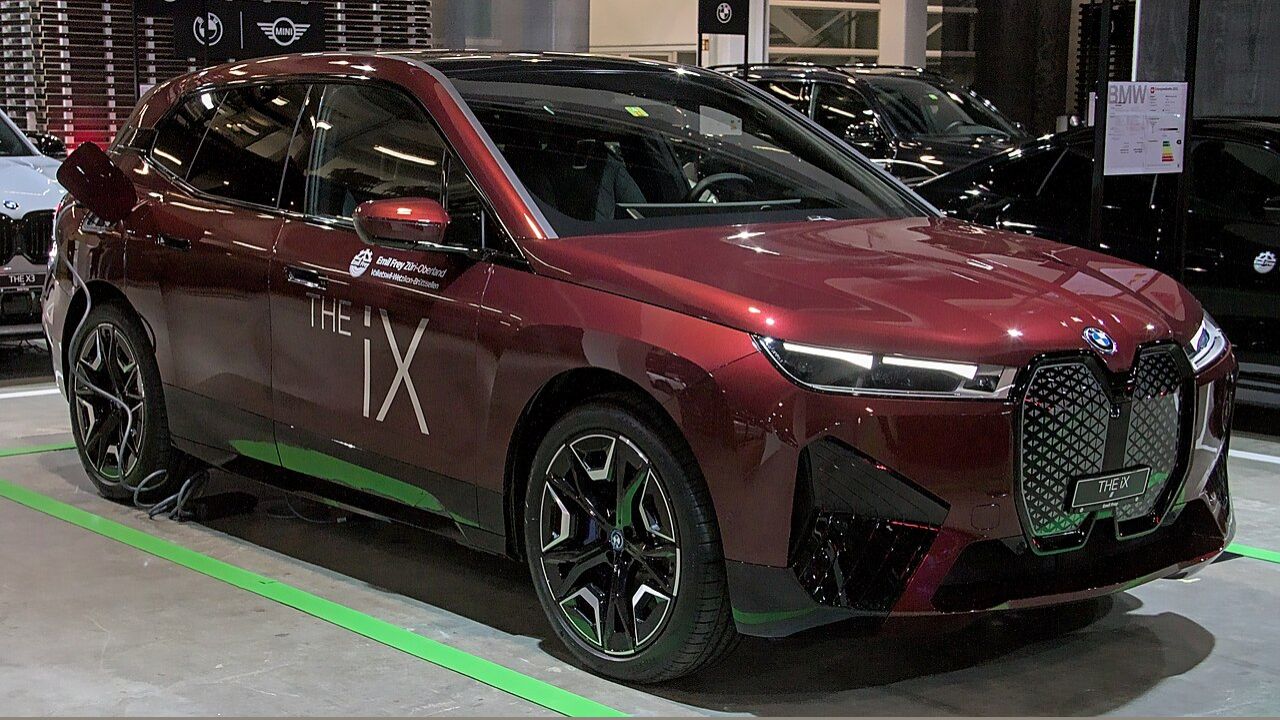
BMW has officially ceased sales of its iX electric SUV in the United States as it gears up for the launch of its new Neue Klasse lineup. This strategic move reflects the brand’s evolving focus on electrification and its response to changing consumer preferences in the EV market.
Overview of the BMW iX Discontinuation
The discontinuation of the BMW iX in the U.S. marks a significant shift in the brand’s electric vehicle strategy. Announced recently, BMW’s decision to halt sales of the iX is expected to impact consumers who have been interested in the premium electric SUV segment. The iX was positioned as a flagship model in BMW’s electric lineup, but the automaker has decided to pivot towards its upcoming Neue Klasse models, which promise to deliver more advanced technology and better alignment with market demand.
Key reasons behind this strategic decision include the iX’s sales performance, which has not met BMW’s expectations in the competitive EV landscape. The discontinuation timeline coincides with the anticipated launch of the Neue Klasse, which is set to debut in 2025. By refocusing its efforts on this new lineup, BMW aims to enhance its market position and better cater to shifting consumer preferences.
The Rise of the Neue Klasse
The Neue Klasse represents a pivotal moment for BMW as it seeks to redefine its electric vehicle offerings. This new lineup is expected to integrate cutting-edge technology, enhanced performance, and a more sustainable manufacturing process. With a focus on modular architecture, the Neue Klasse models are designed to be more adaptable and efficient, allowing BMW to respond swiftly to market changes and consumer needs.
Among the anticipated features of the Neue Klasse are improved battery technology, which is expected to significantly increase range and reduce charging times, addressing two of the major concerns consumers have with electric vehicles. Additionally, BMW is looking to incorporate more digital services and connectivity options, catering to the tech-savvy buyer who expects seamless integration of their devices with their vehicles. This approach could position BMW as a leader in the evolving EV market, directly responding to current consumer expectations.
Market Performance of the BMW iX
When examining the market performance of the BMW iX, it becomes clear that while the model had its strengths, it struggled to carve out a significant niche in the U.S. market. Sales figures revealed that the iX failed to meet BMW’s ambitious targets, with reports indicating that it managed to sell only a fraction of its intended volume. This underperformance can be attributed to several factors, including fierce competition from established players like Tesla and new entrants such as Rivian and Lucid Motors, which have captured the attention of the EV market.
In comparison to competitors, the iX’s features and pricing may not have sufficiently differentiated it. The Tesla Model Y and Ford Mustang Mach-E, for instance, have offered compelling alternatives that not only matched the iX in performance but also outperformed it in terms of range and technological integration. The lack of consumer interest in the iX, despite its luxurious branding, highlights the complexities of the current EV market and the necessity for manufacturers to innovate continually.
Consumer Trends in the EV Market
Current consumer preferences in the electric vehicle market reveal a clear shift towards compact, efficient vehicles that offer practicality alongside performance. Customers are increasingly favoring models that provide a balance of functionality, range, and technology, driving the demand for smaller SUVs and sedans over larger, more expensive electric offerings. This trend has been corroborated by market research, which shows that consumers are prioritizing affordability and utility as they transition to electric vehicles.
The discontinuation of the iX reflects these broader trends, as consumers gravitate toward vehicles that align more closely with their everyday needs. The growing popularity of models like the Hyundai Ioniq 5 and Kia EV6 demonstrates that buyers are seeking out options that offer both value and performance without the premium price tag often associated with luxury brands. By shifting its focus to the Neue Klasse lineup, BMW aims to align itself with these emerging preferences, potentially reclaiming market share in a rapidly evolving landscape.
BMW’s Electrification Strategy
BMW’s long-term goals for electrification and sustainability are becoming increasingly ambitious as the automotive industry undergoes a major transformation. The brand has committed to a significant reduction in carbon emissions across its production processes and aims for a substantial percentage of its sales to come from electric vehicles by the end of the decade. The Neue Klasse will play a crucial role in achieving these targets, serving as the foundation for BMW’s future electric offerings.
In addition to the Neue Klasse, BMW has been expanding its electric vehicle portfolio with models like the i4 and the iX3, both of which have gained traction in various global markets. Strategic partnerships with technology firms and investments in charging infrastructure are also integral to BMW’s electrification strategy. These efforts demonstrate a comprehensive approach to not only producing electric vehicles but also ensuring that consumers have the necessary support and resources to make the transition to electric driving.
Implications for BMW’s Brand Image
The discontinuation of the iX could have mixed implications for BMW’s brand image. On one hand, it may signal to consumers that BMW is responsive to market dynamics and willing to make bold decisions in pursuit of innovation. On the other hand, some may view this move as an indication that the brand is struggling to compete effectively in the electric vehicle market. The iX was marketed as a premium electric SUV, and its exit from the lineup could lead to questions about BMW’s commitment to electrification.
However, the introduction of the Neue Klasse is an opportunity for BMW to redefine its image as a leader in EV technology. If successful, the new models could enhance consumer perception, positioning BMW as a forward-thinking brand that embraces change and innovation. The risks associated with this pivot are evident, but the potential rewards, including enhanced market share and consumer loyalty, could be substantial if executed effectively.
Competitor Responses and Market Dynamics
As BMW shifts away from the iX, competitors are closely monitoring the situation and adjusting their strategies accordingly. Brands like Tesla, Ford, and Volkswagen are ramping up their electric vehicle offerings, often capitalizing on the gaps left by discontinued models. For instance, Tesla continues to dominate the market with its extensive Supercharger network and ongoing advancements in battery technology, while Ford is expanding its electric lineup with the F-150 Lightning and the Mustang Mach-E.
The competitive landscape in the EV sector is dynamic, with each player vying for a larger share of a market that is projected to grow exponentially in the coming years. BMW’s decision to discontinue the iX could lead to opportunities for competitors to attract consumers who were previously interested in the iX. For instance, brands offering similar luxury features and performance could appeal to those seeking alternatives as they navigate the evolving electric vehicle market.
Future of BMW’s Electric SUVs
Looking ahead, consumers can expect exciting developments from BMW’s future electric SUVs, particularly within the Neue Klasse lineup. Rumored features include enhanced performance capabilities, longer range due to improved battery technology, and a more refined, luxurious interior. The focus on sustainability will also likely influence design aesthetics, with a commitment to using recycled materials and sustainable manufacturing processes.
Pricing strategies for the Neue Klasse models will be crucial as BMW aims to compete effectively in a crowded market. It remains to be seen how the brand will position these new models against competitors, but an accessible pricing structure may be essential to attract a broader customer base. As the market continues to evolve, BMW’s ability to innovate and respond to consumer demands will be key to its success in the electric SUV segment.
More from Fast Lane Only