Before the late-1960s horsepower wars pushed muscle cars into extreme big-block territory, early American performance cars focused more on lightweight construction, balanced V8 power, and simple straight-line performance. These early muscle machines helped establish the formula that would later dominate the golden era of American performance. They laid the foundation for the aggressive horsepower competition that followed.
Pontiac GTO (1964)
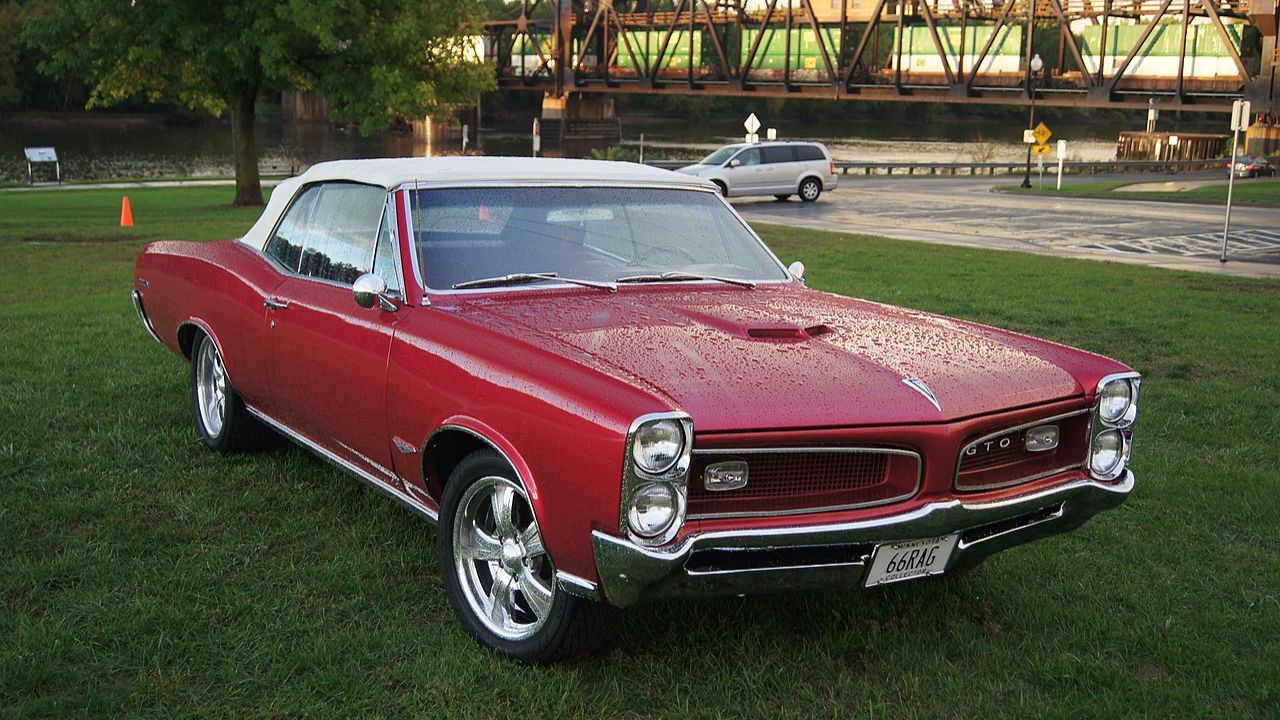
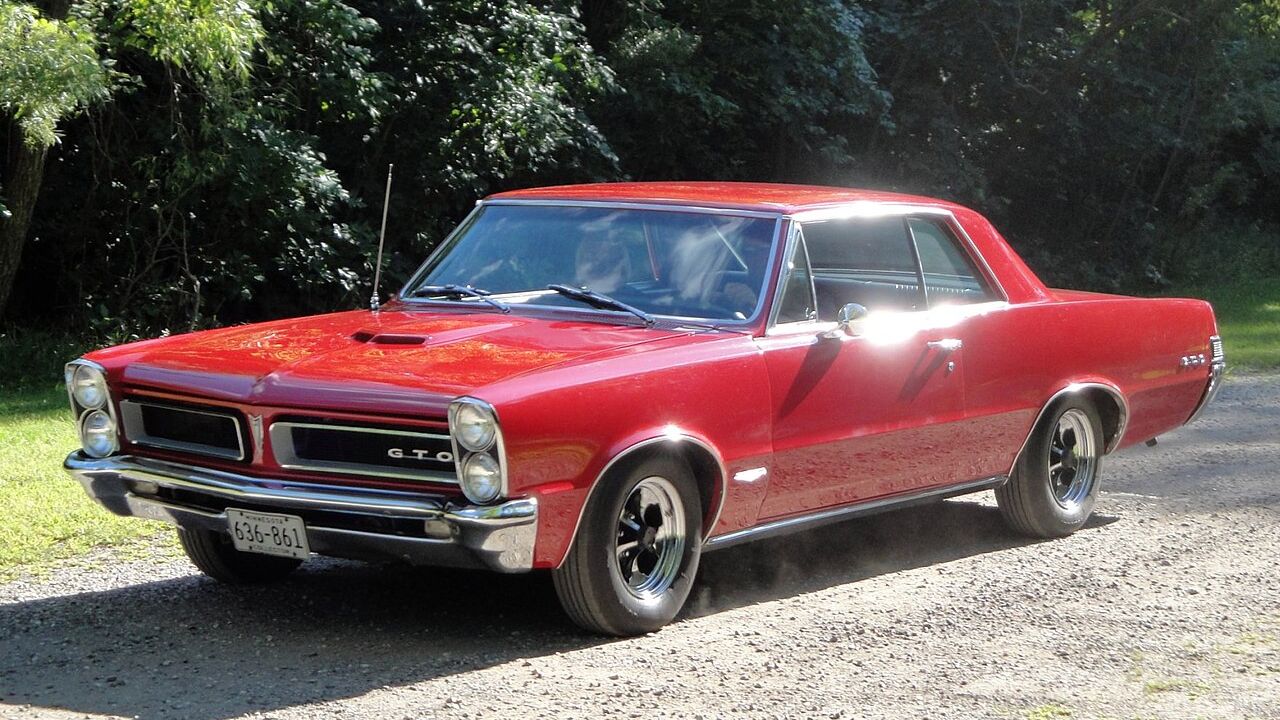
The 1964 Pontiac GTO is widely considered the car that started the muscle car movement by placing a large V8 engine into a midsize platform. Instead of focusing on luxury or handling sophistication, it prioritized affordable straight-line performance for younger buyers. Its success proved there was strong demand for powerful street cars and encouraged other manufacturers to begin developing their own muscle car programs before the horsepower wars fully escalated.
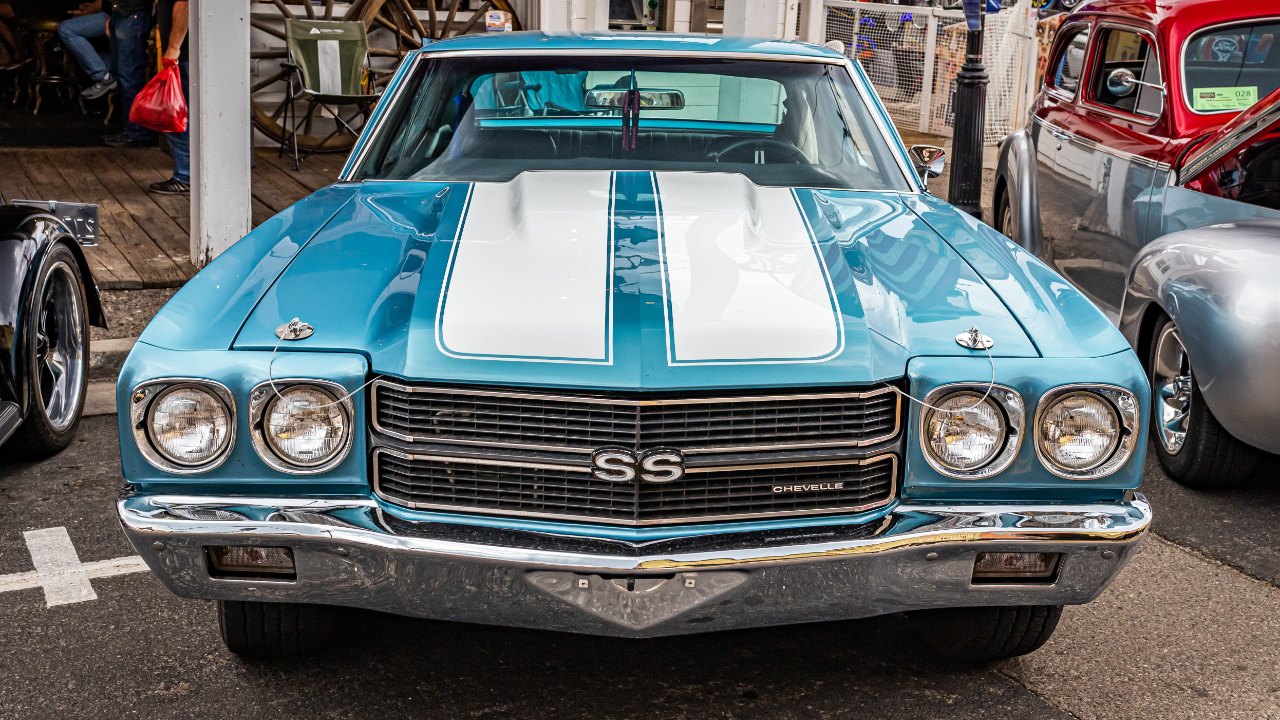
Chevrolet Chevelle Malibu SS (1965)
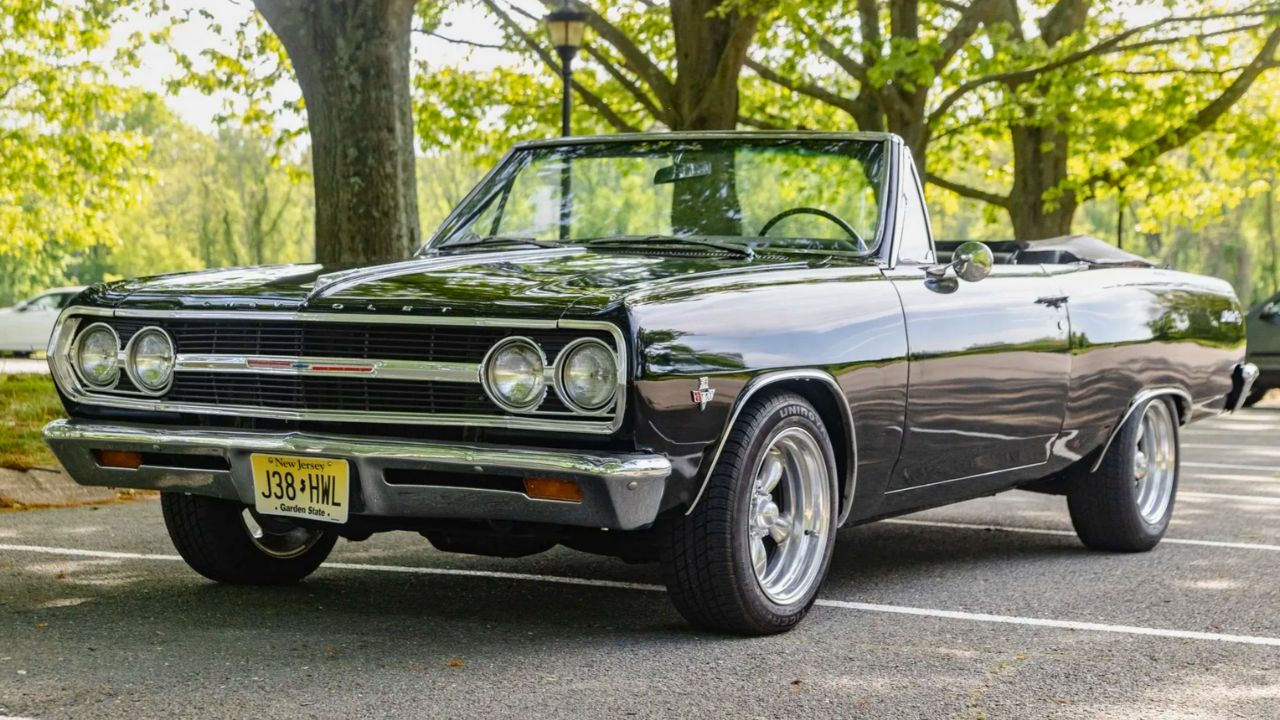
The 1965 Chevrolet Chevelle Malibu SS helped establish Chevrolet’s early muscle car identity before massive horsepower numbers became the industry standard. It combined clean styling with strong small-block V8 performance and became popular for its balance of affordability and speed. The car’s success showed how midsize performance coupes could appeal to mainstream buyers during the early muscle era.
Ford Fairlane GT (1966)
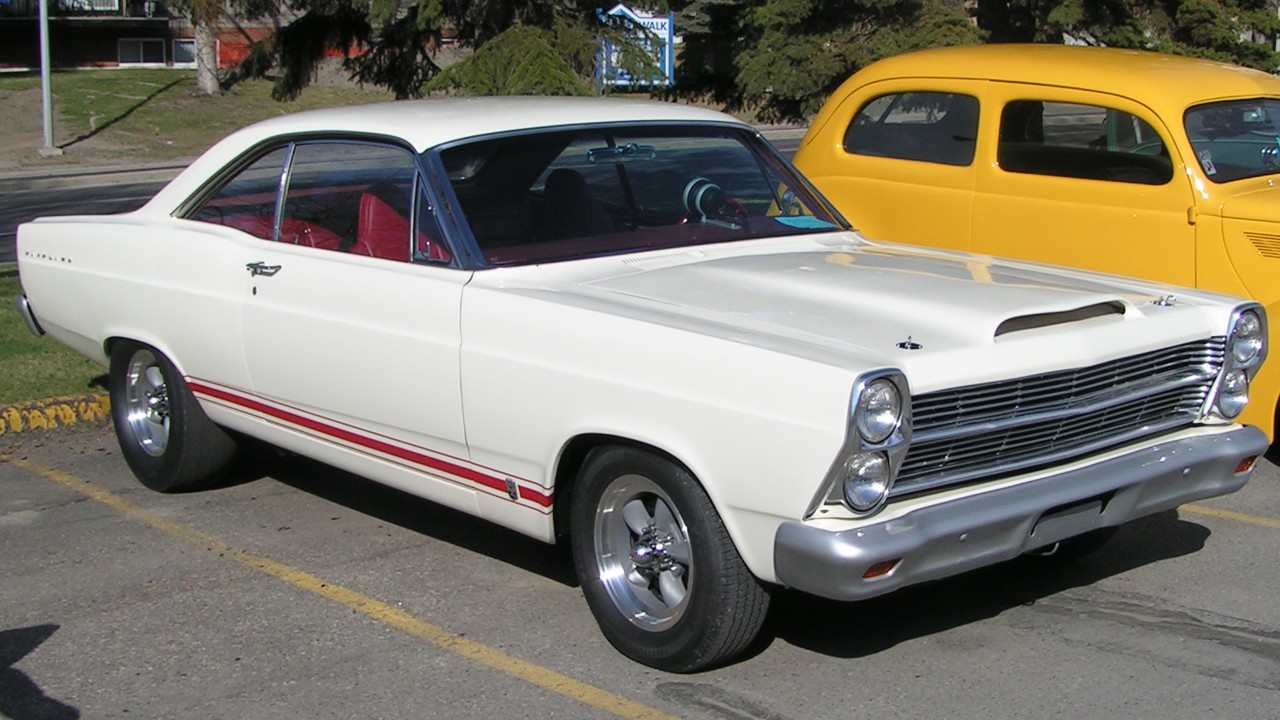
The 1966 Ford Fairlane GT represented Ford’s growing commitment to the muscle car market before the peak of the horsepower wars. It featured a powerful V8 engine in a relatively lightweight midsize body, creating strong acceleration without excessive size or complexity. The Fairlane GT became an important stepping stone toward Ford’s later high-horsepower muscle machines.
Plymouth Barracuda (1965)
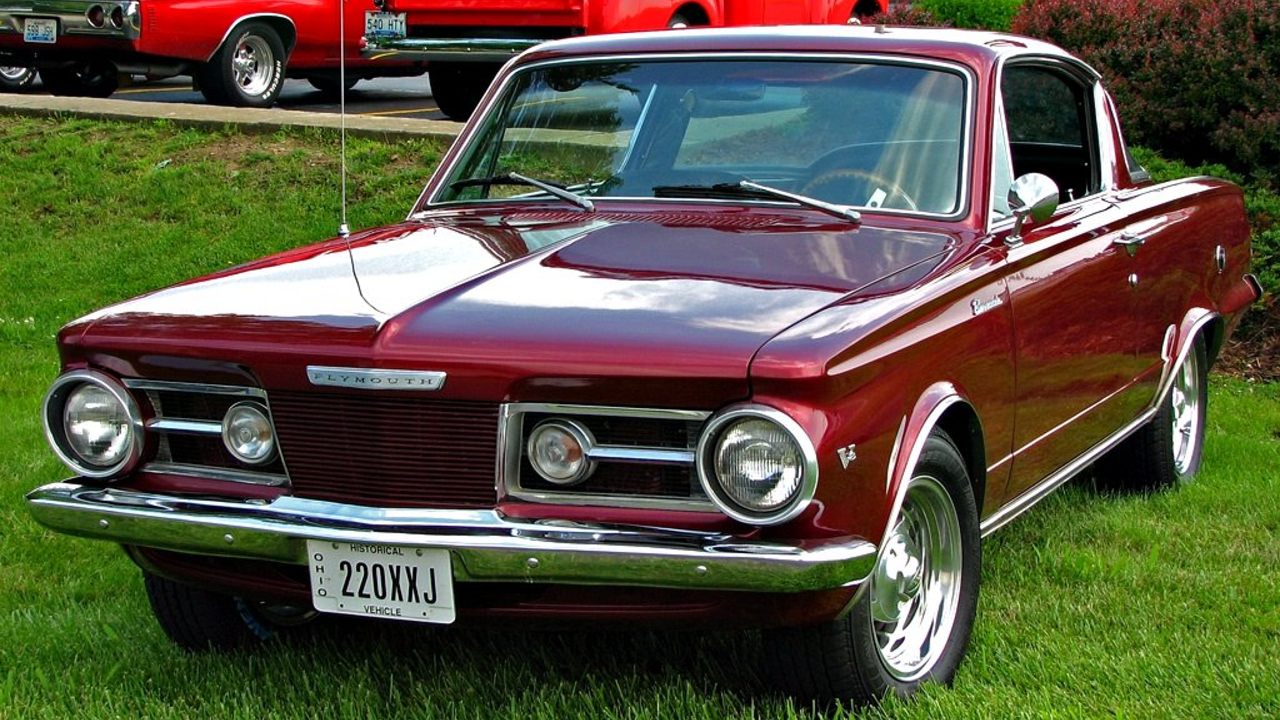
The 1965 Plymouth Barracuda entered the growing performance market with sporty styling and optional V8 power before the full muscle car explosion took over the industry. Its compact dimensions and aggressive appearance helped it stand out among early performance cars. The Barracuda later evolved into one of Chrysler’s most famous muscle platforms during the height of the horsepower era.
Oldsmobile 442 (1965)
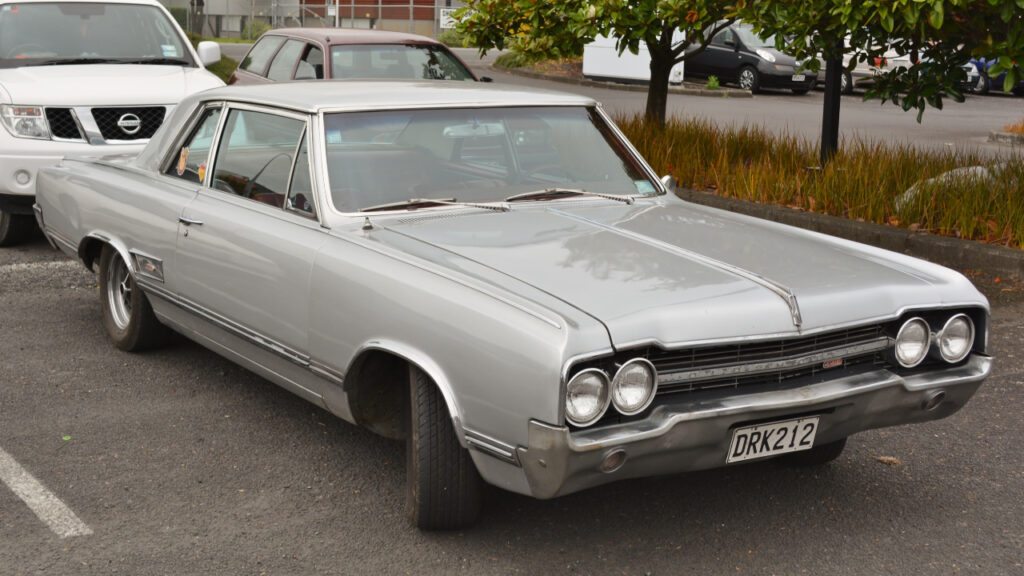
The 1965 Oldsmobile 442 became one of the earliest examples of combining performance upgrades into a factory muscle package. Featuring a stronger V8 engine, upgraded suspension, and performance gearing, it delivered impressive acceleration for its time. The 442 helped prove that performance-focused factory packages could become a major part of American car culture before horsepower competition intensified.
Buick Gran Sport (1965)
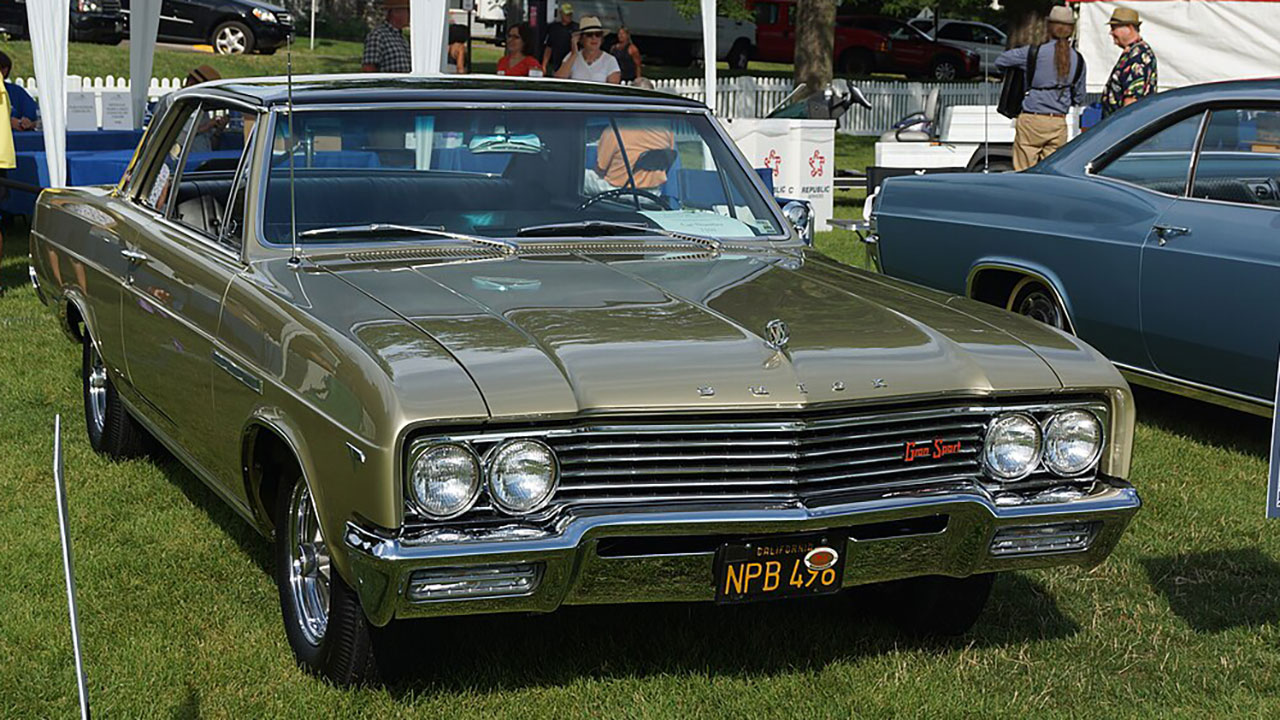
The 1965 Buick Gran Sport brought luxury and muscle together before the horsepower wars reached their peak. Buick used large-displacement V8 power to create strong straight-line performance while maintaining a more refined image than some competitors. The Gran Sport helped expand the muscle car formula beyond younger buyers and into a broader performance audience.
Mercury Comet Cyclone (1966)
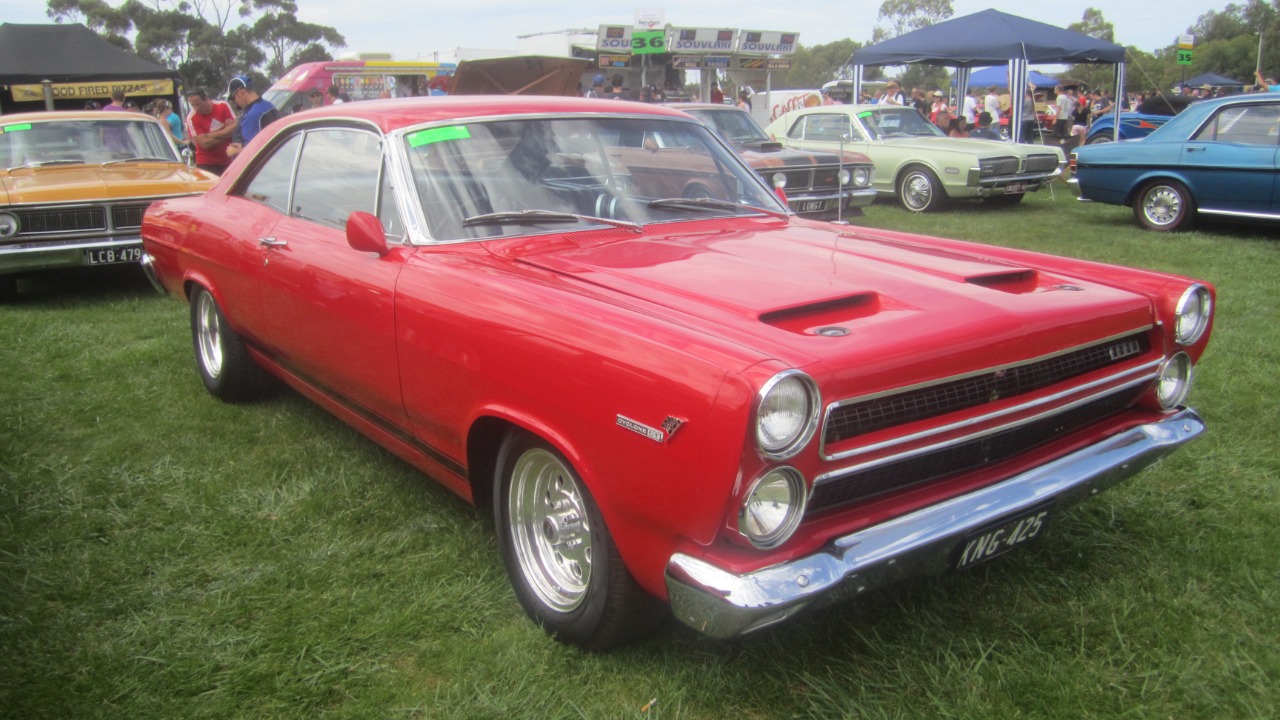
The 1966 Mercury Comet Cyclone was one of Mercury’s earliest serious muscle car efforts, combining lightweight construction with strong V8 performance. It offered aggressive styling and solid acceleration before the industry shifted toward increasingly massive horsepower figures. The Cyclone helped establish Mercury’s presence in the growing muscle car market and remains an important early-era performance car today.
More From Fast Lane Only: