NASCAR engine development has shaped the evolution of American stock car racing for decades. Some engines became legendary not just because of horsepower, but because they introduced new technology, dominated entire racing eras, or forced rule changes across the sport. These powerplants helped define NASCAR history and permanently influenced how race engines were designed and built.
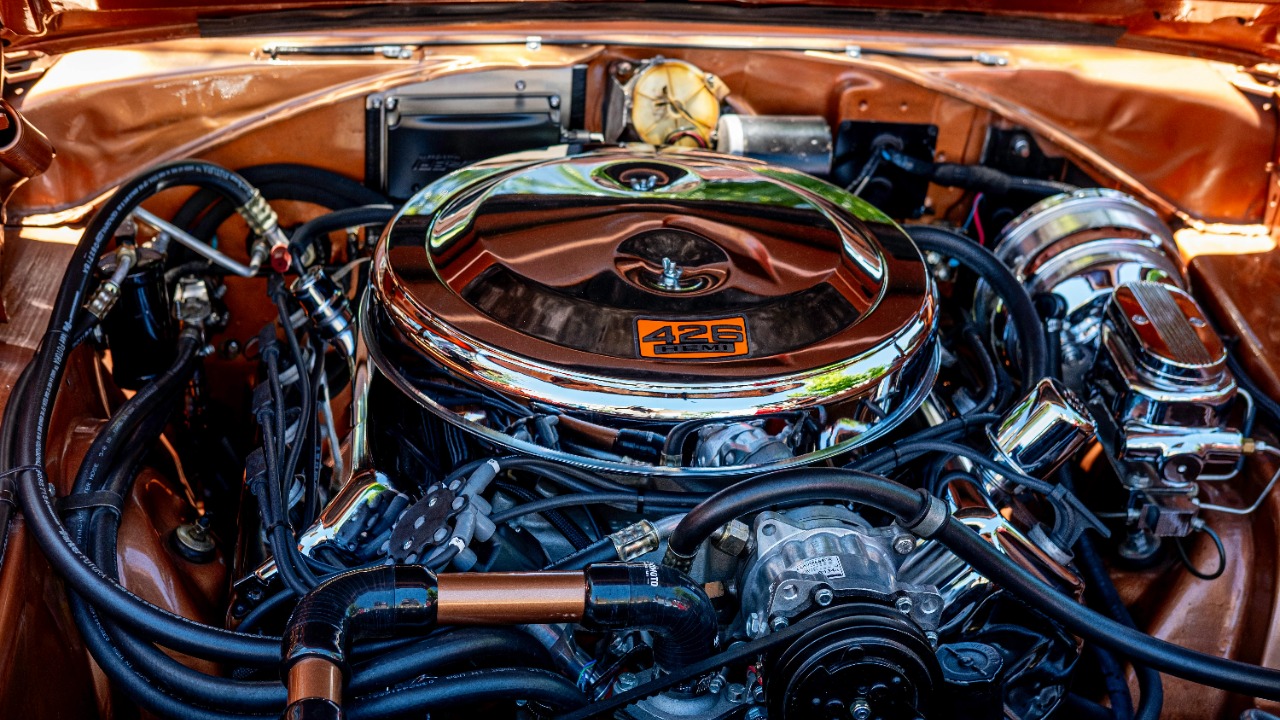
Chrysler 426 HEMI
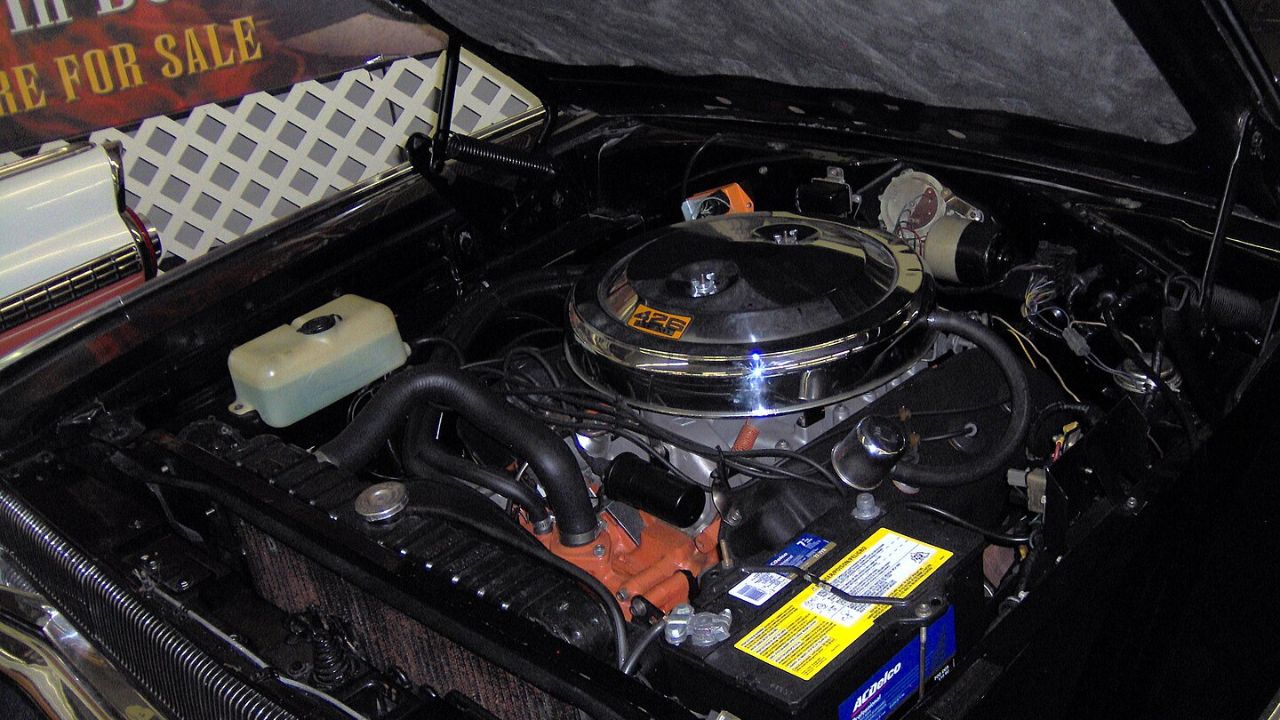
The Chrysler 426 HEMI became one of the most feared engines in NASCAR history during the 1960s because of its massive power and advanced hemispherical combustion chamber design. It immediately dominated races with superior airflow and high-speed durability, forcing NASCAR officials to temporarily ban it before later allowing a modified version back into competition. The engine’s dominance changed how manufacturers approached race-engine development and established the HEMI name as one of the most legendary in American motorsports history.
Ford 427 SOHC Cammer
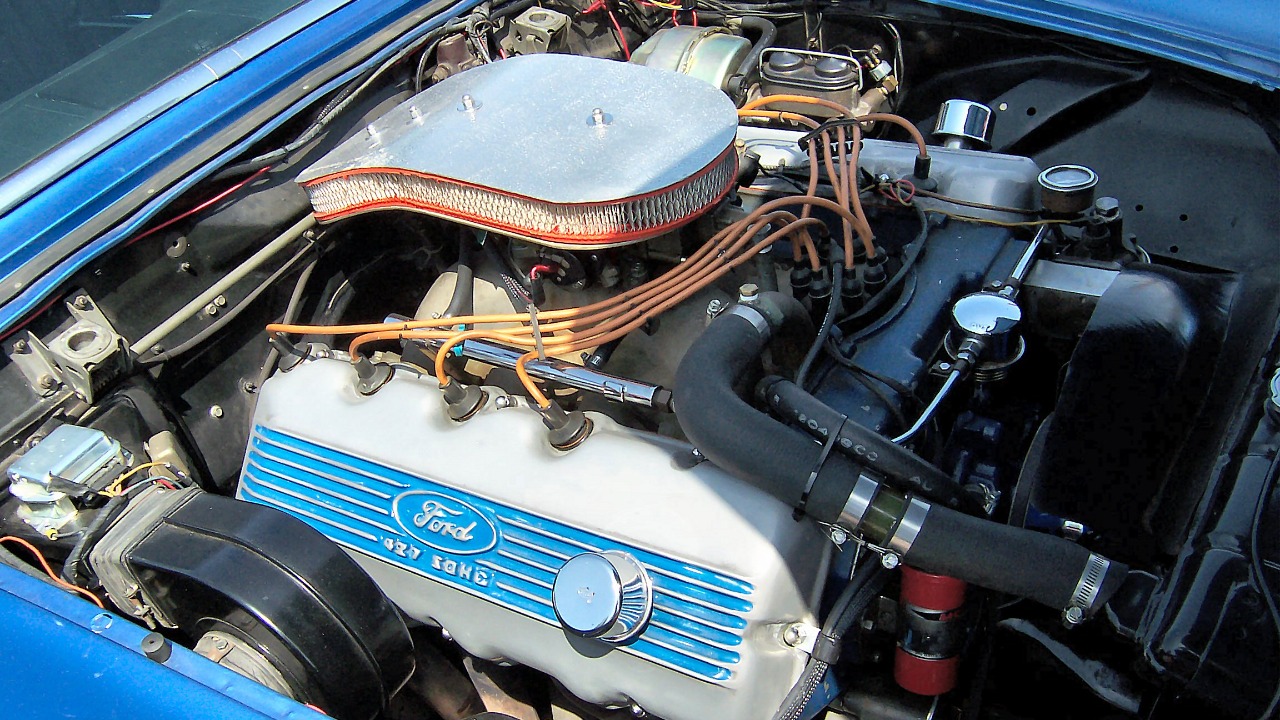
The Ford 427 SOHC “Cammer” was developed as a direct response to Chrysler’s HEMI dominance and featured an advanced single overhead camshaft design rarely seen in American V8 racing at the time. NASCAR considered it too technologically advanced and never fully approved it for regular competition, but the engine still became legendary because it pushed engineering boundaries far beyond traditional pushrod V8 designs and influenced future high-performance race-engine concepts across multiple forms of motorsport.
Chevrolet Small-Block V8

The Chevrolet Small-Block V8 became one of the foundational engines in NASCAR because of its simplicity, reliability, and tuning flexibility. Over decades of competition, NASCAR teams continuously evolved the platform into a highly competitive race engine capable of producing massive horsepower while surviving long races. Its influence extended far beyond NASCAR, shaping American V8 performance culture and becoming one of the most important engine architectures ever created.
Ford Boss 429
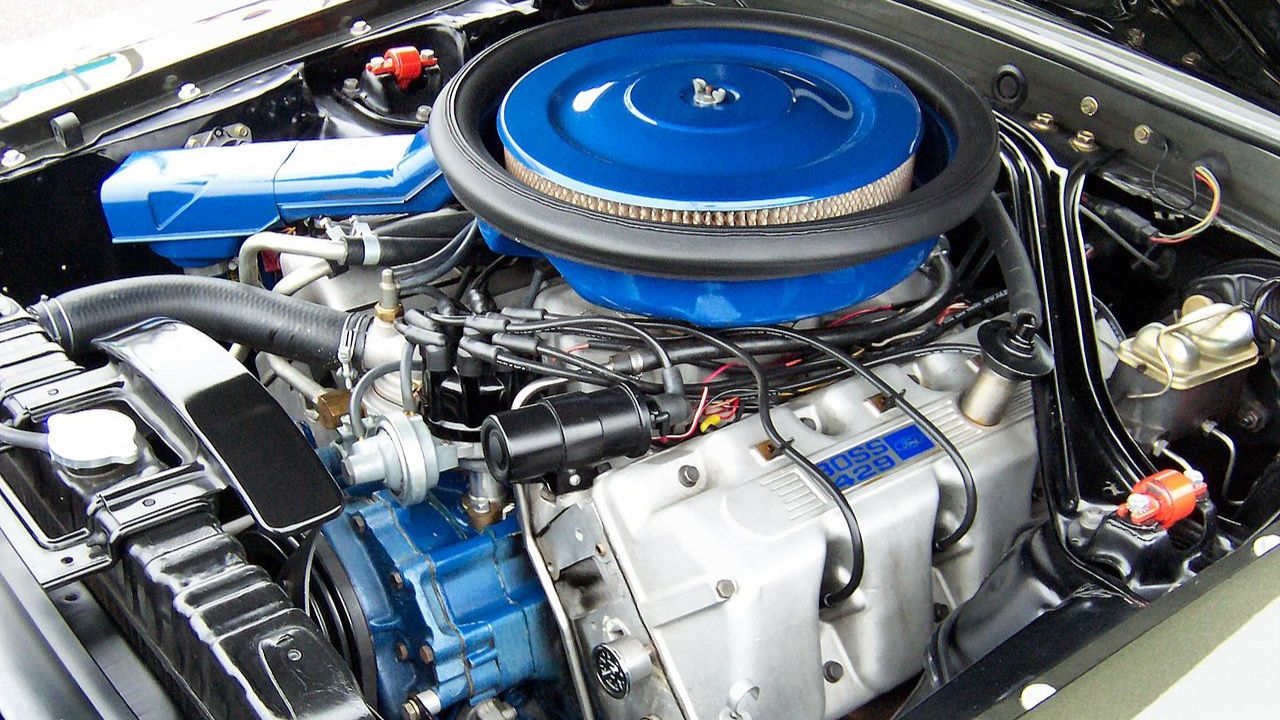
The Ford Boss 429 was specifically created to homologate Ford’s new semi-hemi NASCAR engine for stock car competition during the late muscle-car era. Designed for high-rpm racing durability and strong airflow, it represented Ford’s effort to compete directly against Chrysler’s HEMI powerplants. Although its NASCAR career was relatively short, the Boss 429 became an icon because of its racing pedigree and its role in one of NASCAR’s most competitive engine wars.
Toyota TRD NASCAR V8
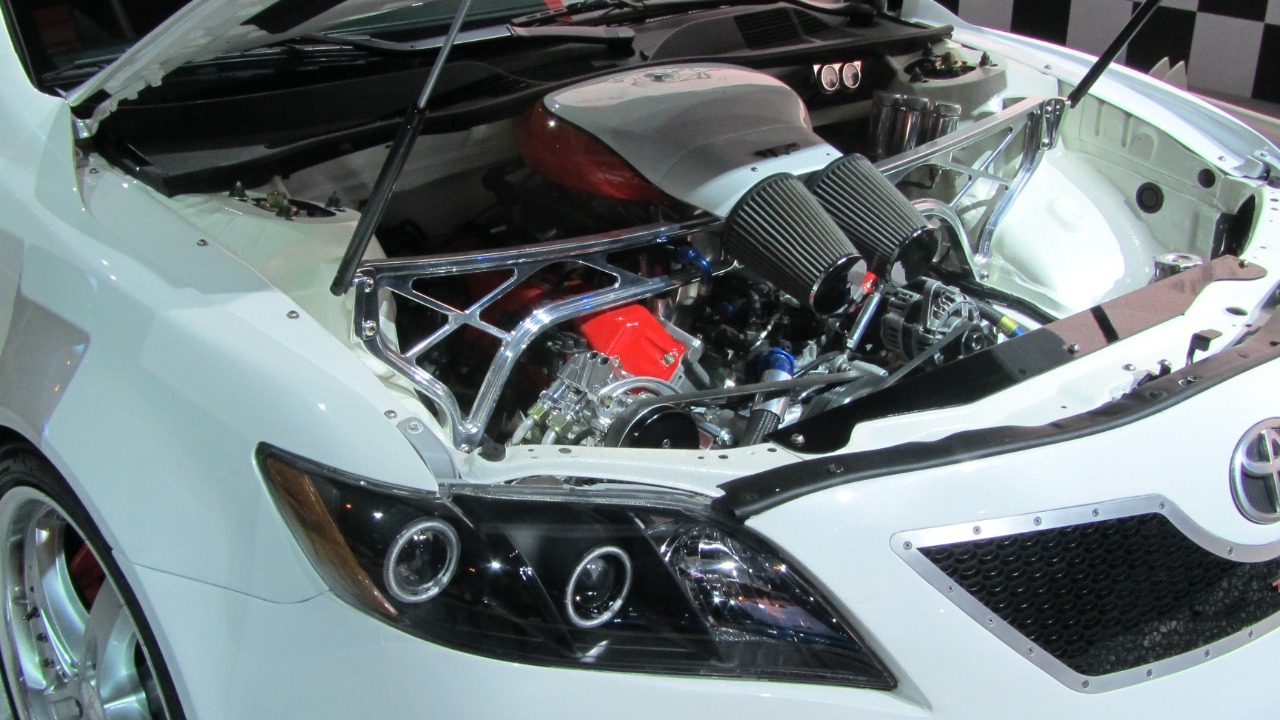
The Toyota TRD NASCAR V8 marked a major shift in modern stock car racing because it represented Toyota’s successful entry into a sport historically dominated by American manufacturers. TRD engineers developed highly advanced engine programs that quickly became championship contenders, proving Toyota could compete at NASCAR’s highest level. Its success changed the manufacturer landscape in stock car racing and increased technological competition across the entire sport.
R07 Chevrolet NASCAR Engine
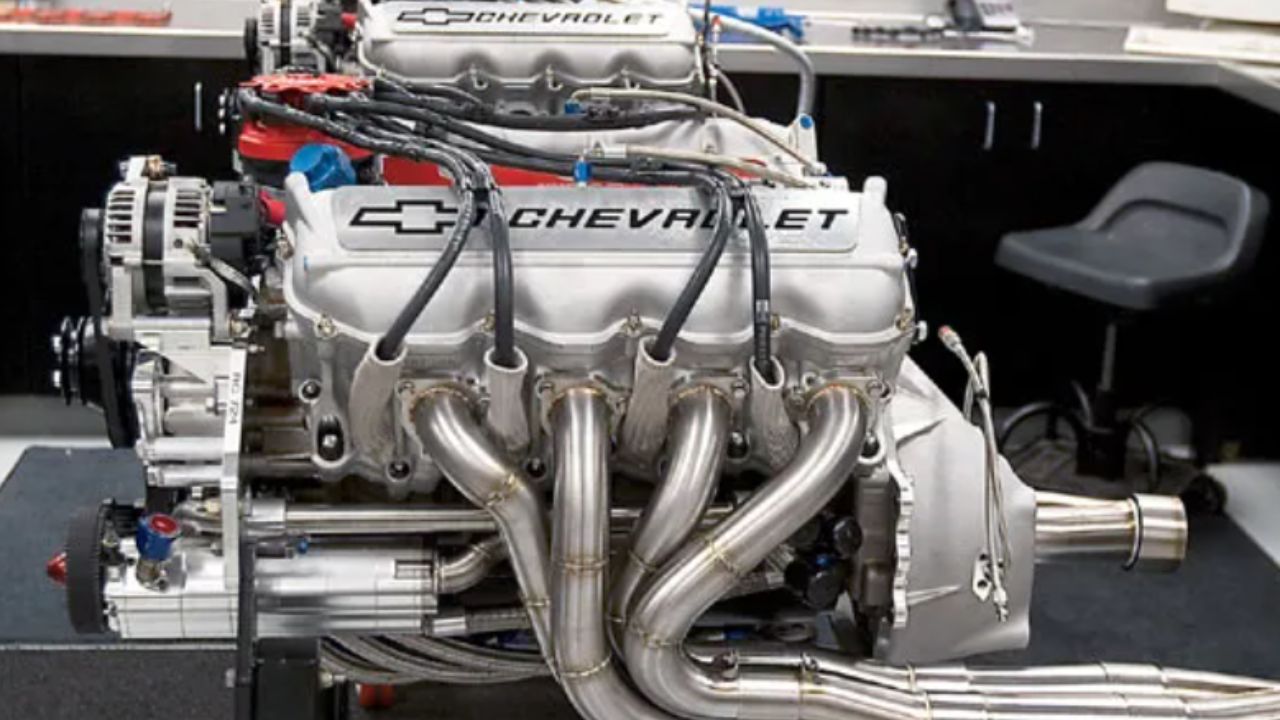
The Chevrolet R07 engine represented a major technological leap in NASCAR engine design, becoming the first purpose-built NASCAR race engine developed entirely by Chevrolet rather than adapted from production architecture. It improved airflow, durability, and efficiency while giving teams greater flexibility in race tuning. The R07 helped modernize NASCAR engine development and influenced how future stock car race engines would be engineered.
Ford FR9 NASCAR Engine
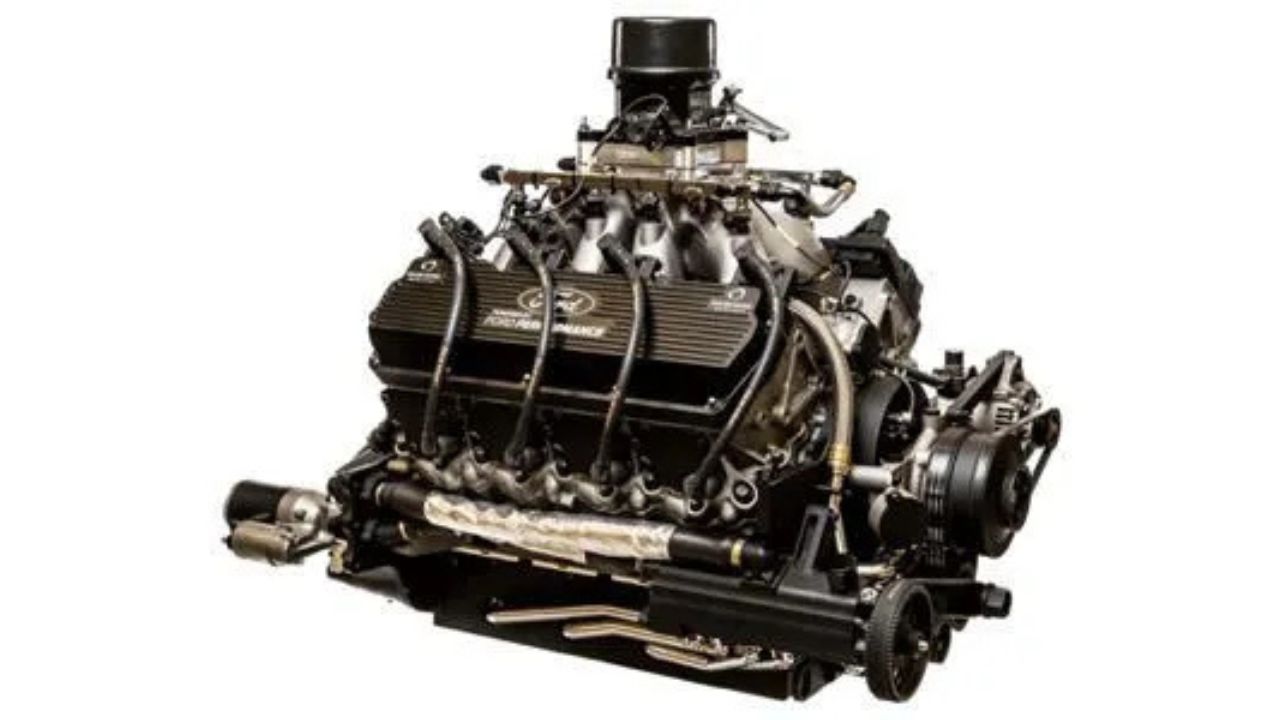
The Ford FR9 engine was created specifically for modern NASCAR competition and replaced older production-based engine concepts with a fully race-focused design. It featured improved cooling, aerodynamics integration, and optimized weight distribution to meet the evolving demands of stock car racing. The FR9 became important because it symbolized NASCAR’s transition from modified street-engine roots toward fully specialized racing powerplants built entirely for competitive performance.
More From Fast Lane Only: