The automotive industry has advanced through bold ideas that reshaped how vehicles were built, driven, and experienced. Some milestones introduced groundbreaking technology, while others changed manufacturing or created entirely new market segments. Their influence continues to be felt today, proving that great innovations often leave a lasting legacy far beyond their own era.
Ford Model T
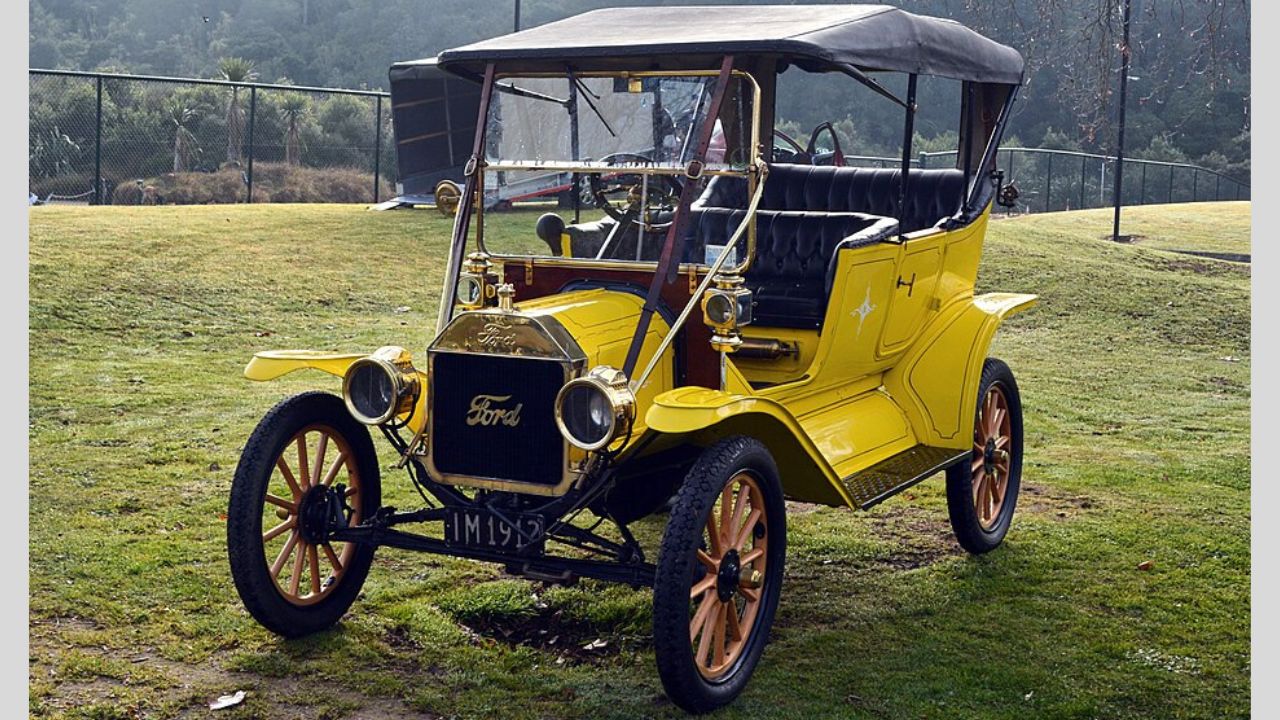
The Ford Model T revolutionized automobile production by bringing assembly-line manufacturing to the industry. Its affordability allowed millions of families to own a car for the first time, permanently changing transportation. Modern mass production techniques still reflect many of the manufacturing principles introduced during the Model T’s remarkable run.
Citroën Traction Avant
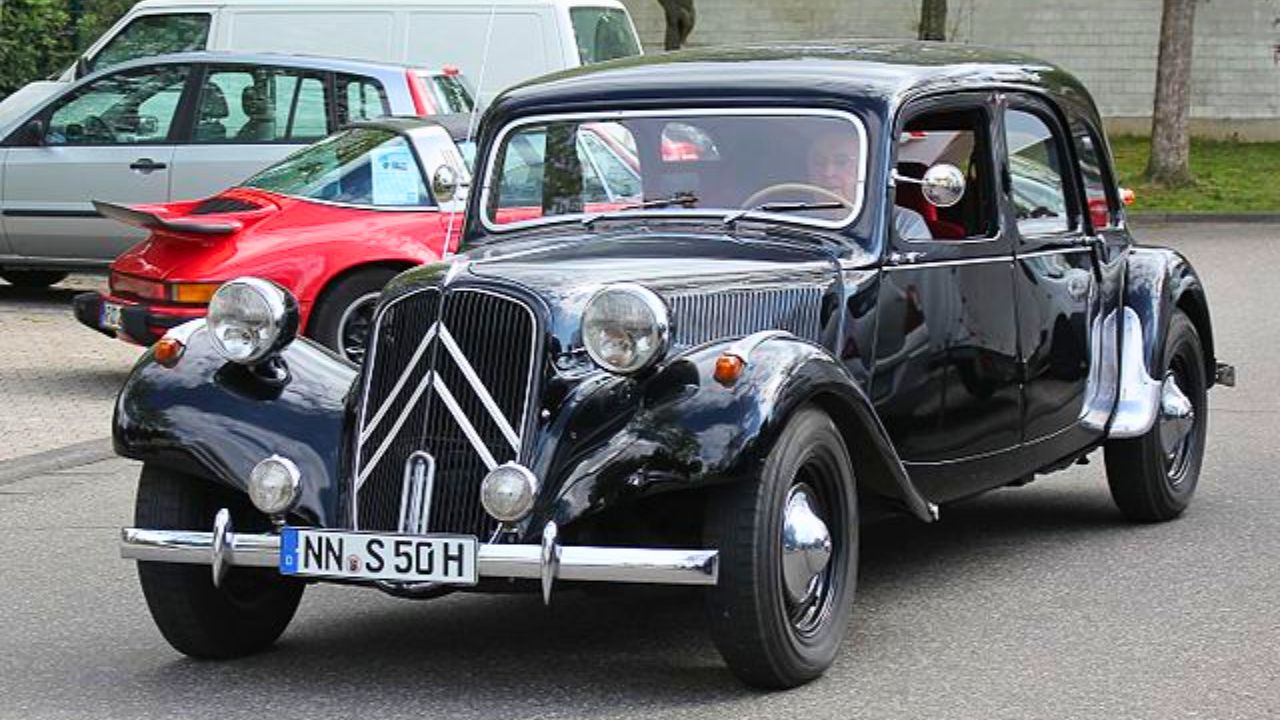
The Citroën Traction Avant introduced front-wheel drive, unit-body construction, and independent front suspension in a practical production car. These innovations dramatically improved handling, interior space, and ride quality. Many of its engineering concepts later became standard across the global automotive industry.
Jeep Willys MB
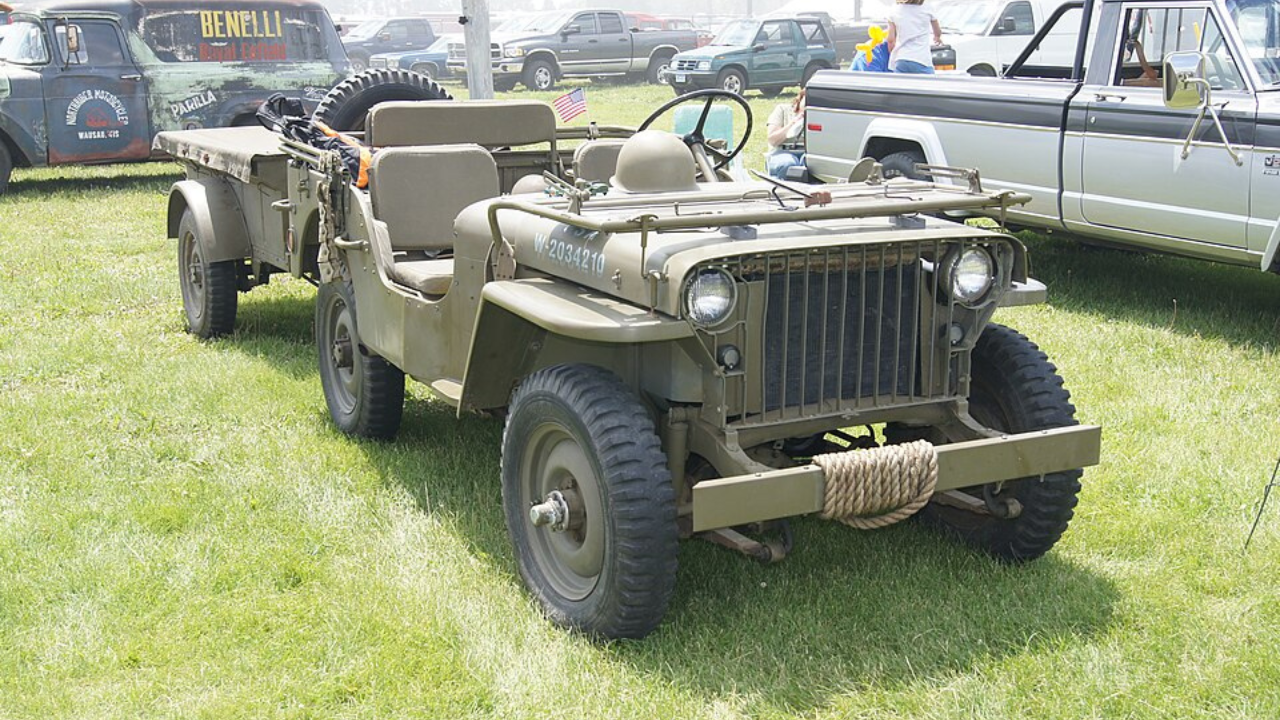
The Jeep Willys MB demonstrated extraordinary versatility during World War II, becoming an indispensable military vehicle. After the war, its rugged design inspired civilian off-road vehicles around the world. Today’s SUVs and four-wheel-drive utility vehicles trace much of their heritage to the original Willys Jeep.
Mini Cooper
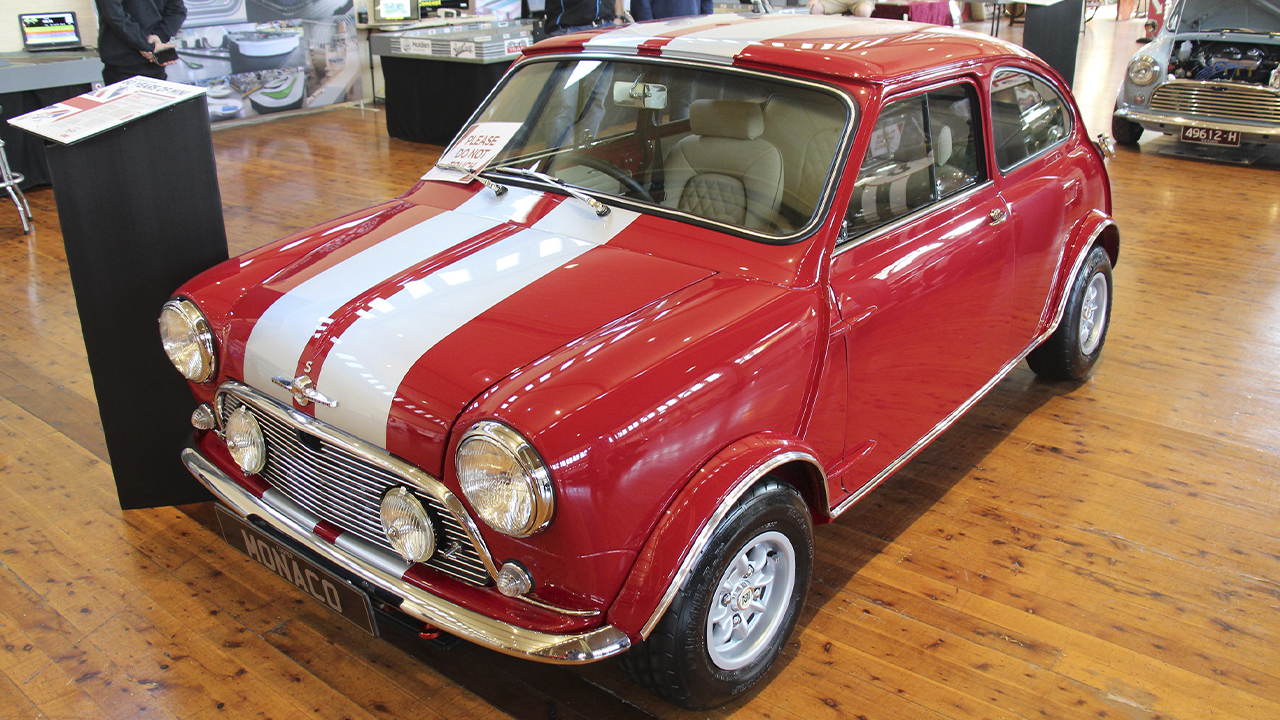
The original Mini Cooper transformed small-car packaging by mounting its engine transversely and driving the front wheels. This efficient layout maximized interior space while delivering nimble handling. The same basic design philosophy is now used by countless compact cars manufactured around the world.
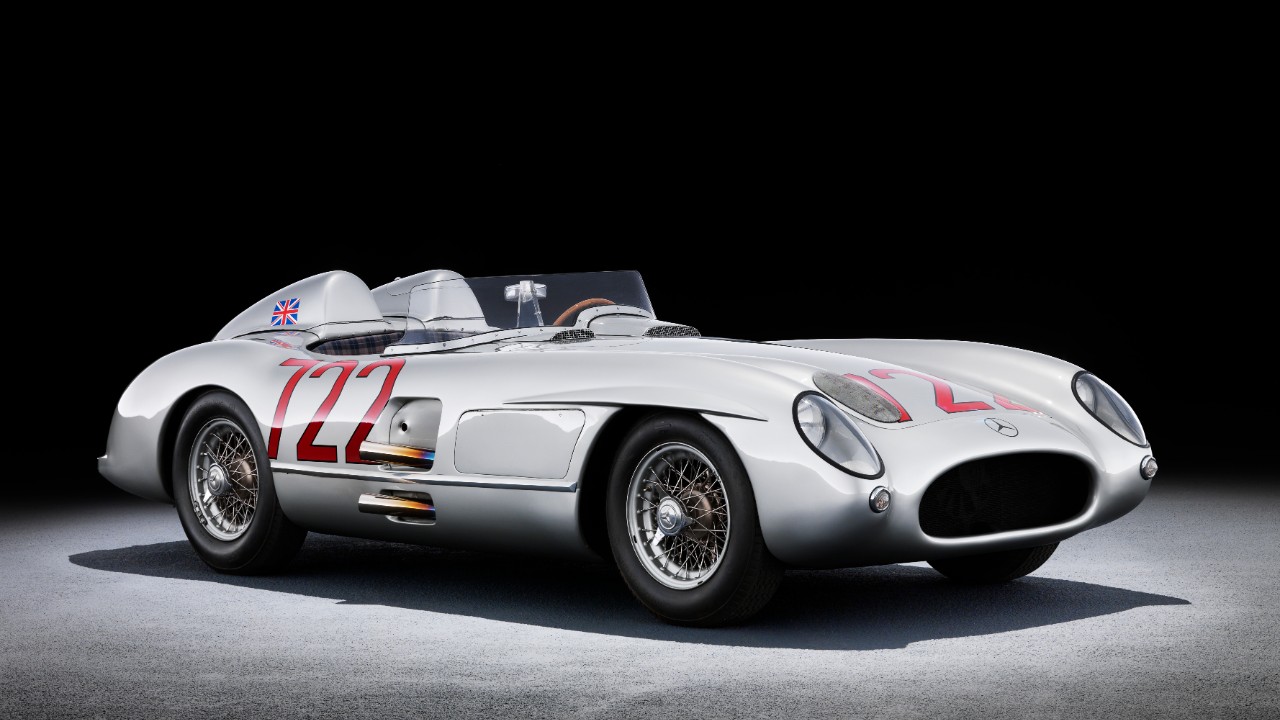
Mercedes-Benz 300SL
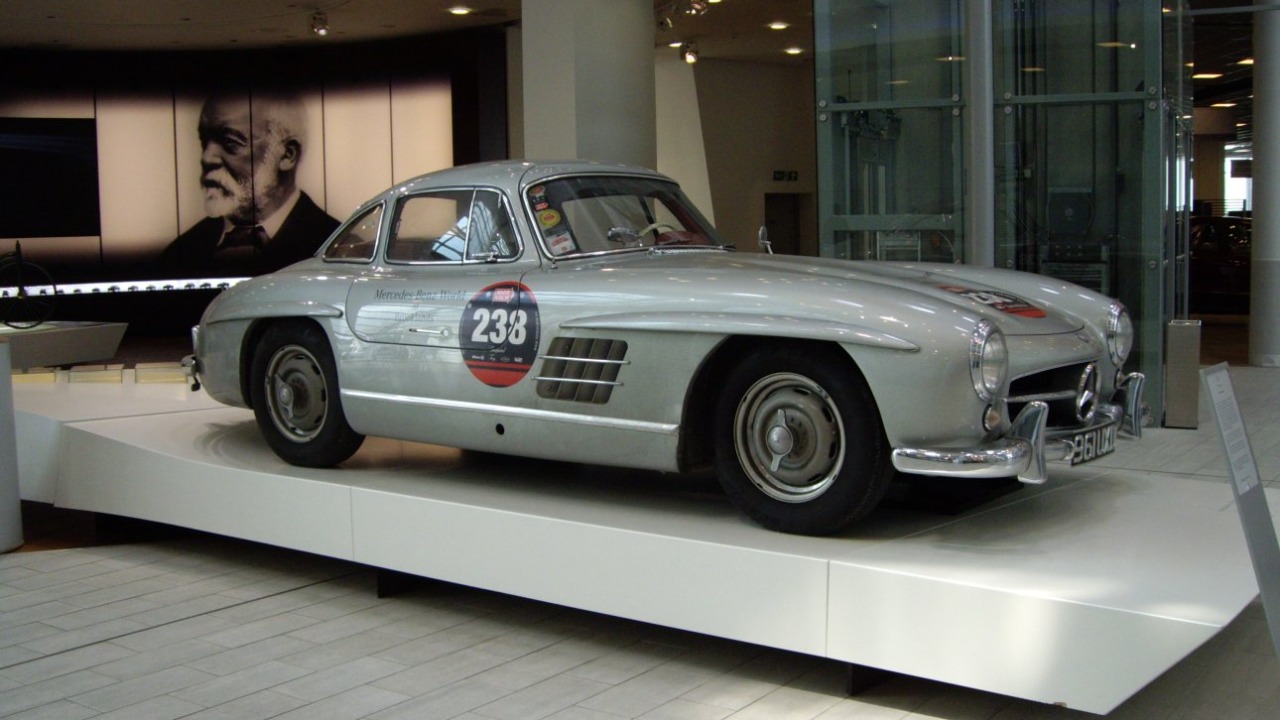
The Mercedes-Benz 300SL became the first production automobile to feature mechanical fuel injection, significantly improving performance and efficiency. Combined with its lightweight construction and iconic gullwing doors, it established new standards for sports car engineering. Fuel injection would eventually replace carburetors across nearly the entire industry.
Volvo 240

The Volvo 240 helped establish modern expectations for automotive safety through its reinforced passenger compartment and advanced crash protection. Its emphasis on occupant safety influenced both consumer priorities and future vehicle development. Many safety principles associated with the 240 continue shaping today’s automobile designs.
Toyota Prius

The Toyota Prius brought hybrid technology into the mainstream by proving that fuel efficiency and reliability could successfully coexist. Its commercial success encouraged manufacturers worldwide to invest heavily in electrified powertrains. Today’s widespread adoption of hybrid vehicles owes much to the Prius’ pioneering role.
Tesla Model S

The Tesla Model S redefined public expectations for electric vehicles by delivering impressive driving range, high performance, and software-focused innovation. It encouraged traditional automakers to accelerate their electric vehicle programs. The rapid expansion of the EV market reflects the influence of the Model S.
Chrysler Minivan

William Oliver – All rights reserved / flickr
The original Chrysler minivan introduced a practical vehicle format that permanently changed family transportation. Combining spacious interiors, sliding doors, and car-like driving manners, it created an entirely new market segment. Even as crossovers have become more popular, its influence remains visible in modern vehicle design and interior versatility.
More from Fast Lane Only
- Unboxing the WWII Jeep in a Crate
- 15 rare Chevys collectors are quietly buying
- 10 underrated V8s still worth hunting down
- Police notice this before you even roll window down
*Research for this article included AI assistance, with all final content reviewed by human editors