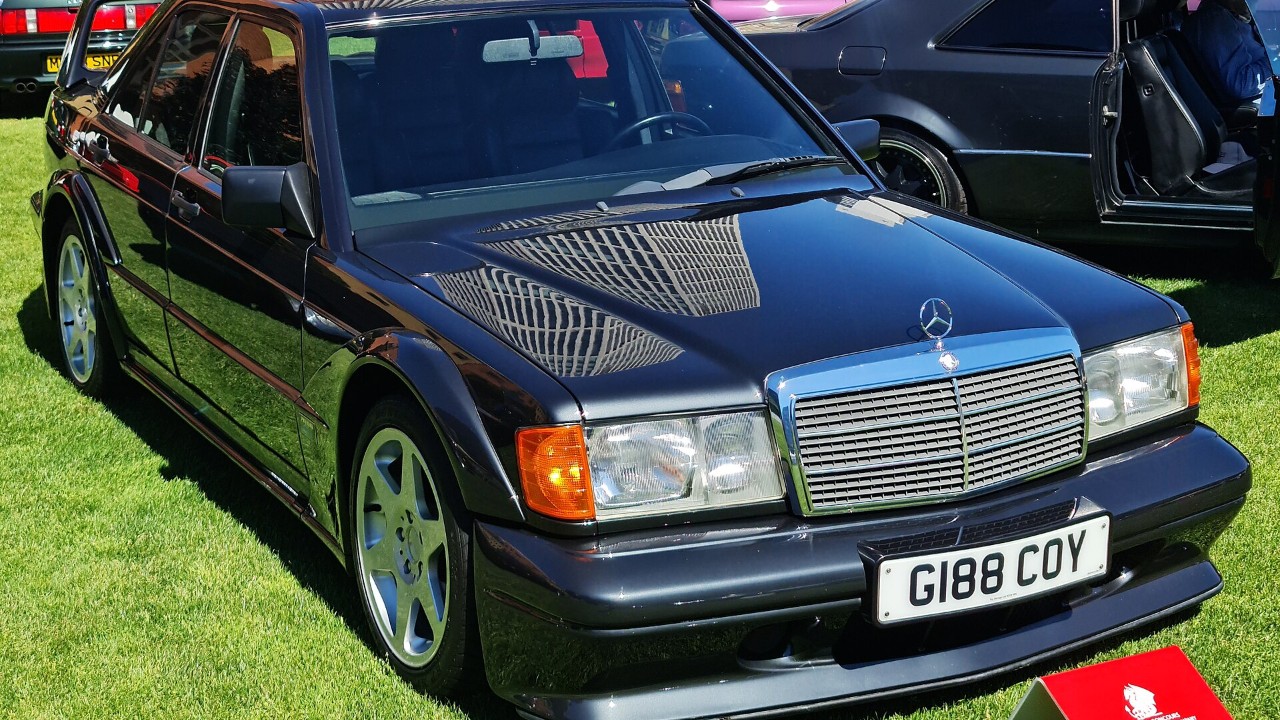
Certain vehicles become symbols of the times in which they were introduced. Whether through groundbreaking engineering, unforgettable styling, or widespread cultural influence, they captured the priorities and aspirations of an entire generation. Decades later, these automobiles continue representing the eras that shaped both the automotive industry and the people who drove them.
Ford Model T
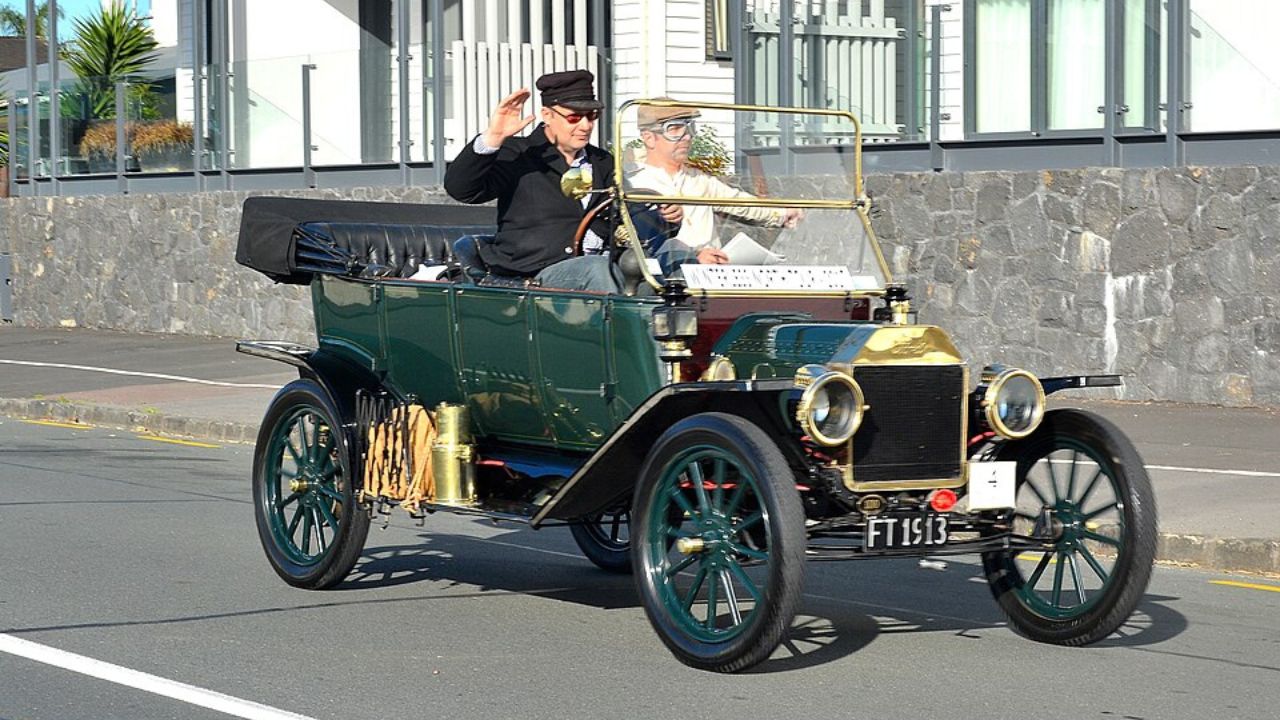
The Ford Model T transformed personal transportation by making automobiles affordable for ordinary families. Its revolutionary assembly-line production allowed millions to own a car for the first time, changing American society forever. More than any other vehicle of its time, the Model T defined the early age of mass motoring.
Cadillac Series 62
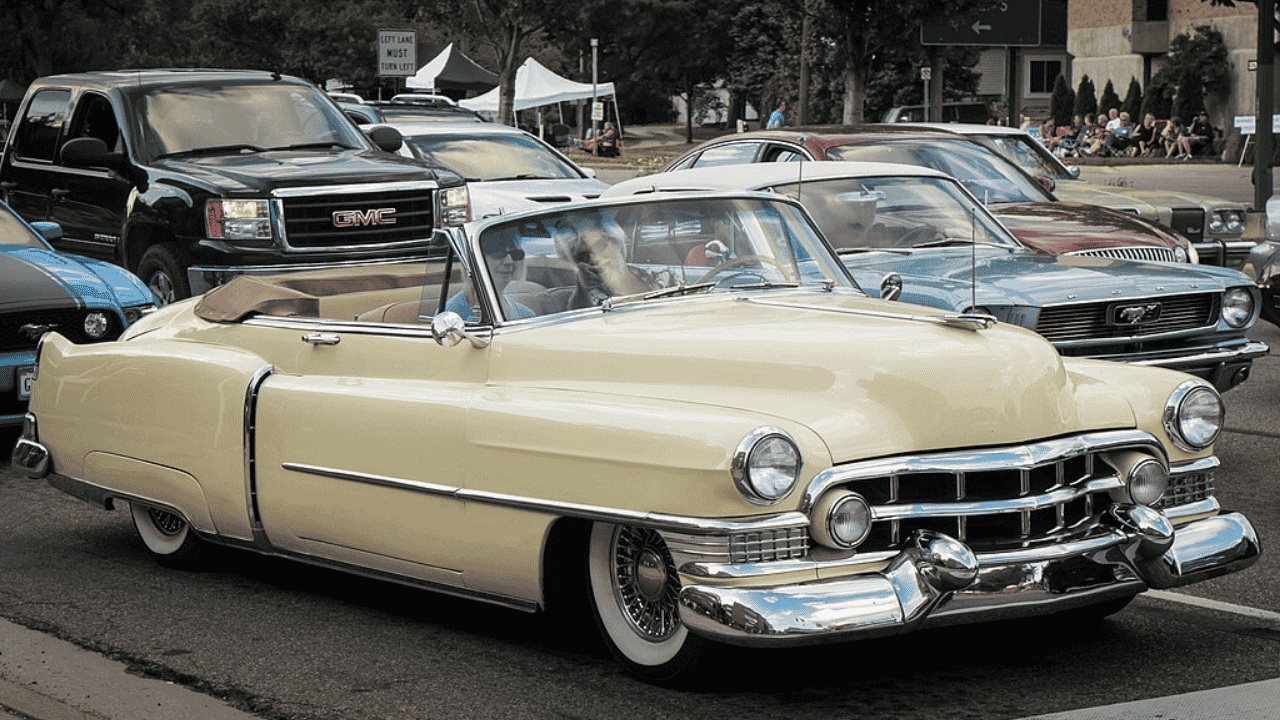
The Cadillac Series 62 became a symbol of postwar American prosperity with its chrome-laden styling, powerful V8 engines, and luxurious appointments. It reflected an era when larger, more expressive automobiles dominated the road. Today, it remains one of the most recognizable luxury cars of the 1950s.
Volkswagen Beetle

The Volkswagen Beetle won global popularity through its dependable engineering, distinctive appearance, and remarkable affordability. It became an icon of the 1960s counterculture while remaining practical transportation for millions. Few vehicles have represented an era of social and automotive change as effectively as the Beetle.
Ford Mustang
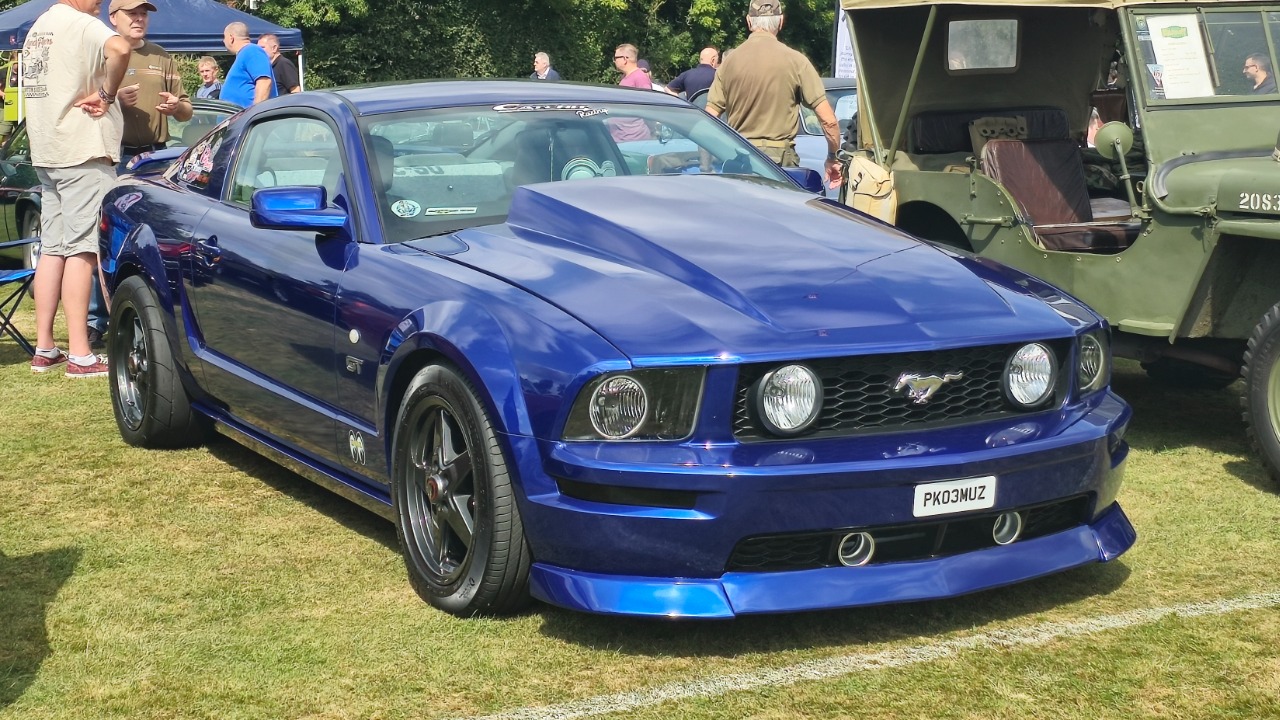
The Ford Mustang created the pony car segment and immediately became one of the most influential performance cars in history. Affordable, stylish, and highly customizable, it appealed to a new generation of drivers. Its impact permanently reshaped the American performance car market during the 1960s.
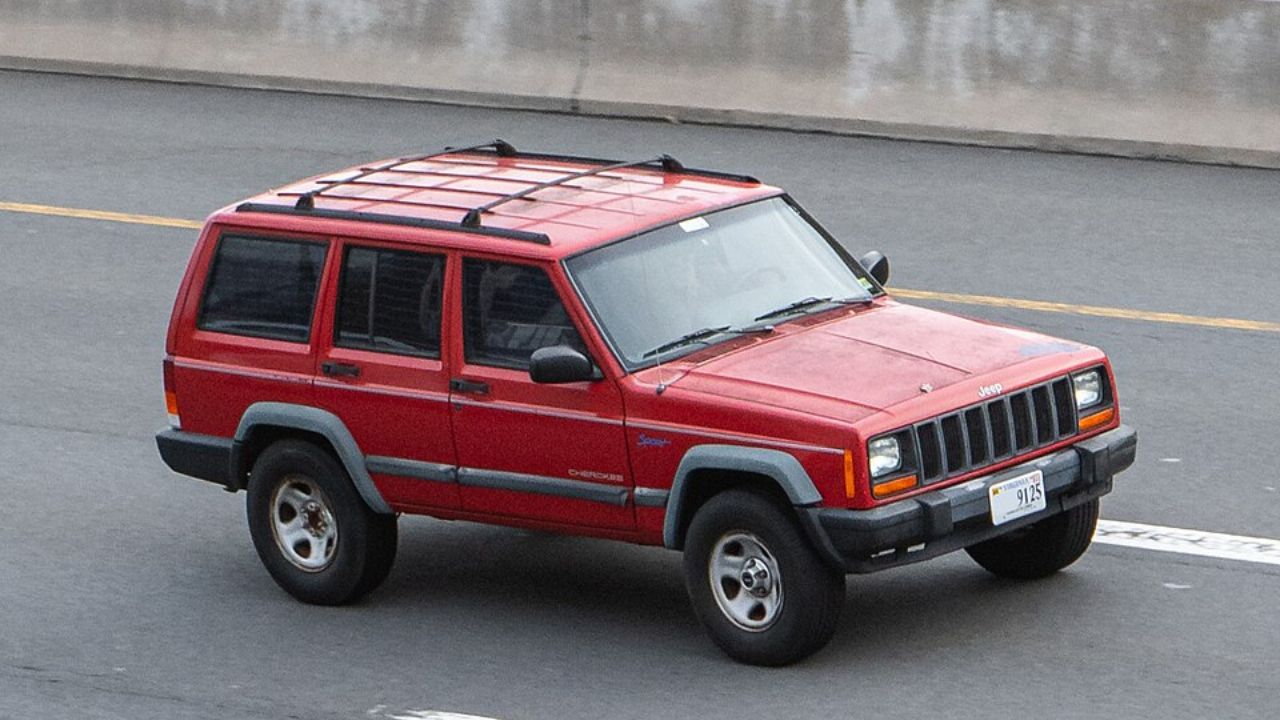
Jeep Cherokee XJ

The Jeep Cherokee XJ redefined the sport utility vehicle by combining rugged capability with everyday comfort. Its unibody construction and manageable size influenced countless SUVs that followed. Long before crossovers became common, the Cherokee XJ demonstrated what a practical family utility vehicle could be.
Chrysler Town & Country
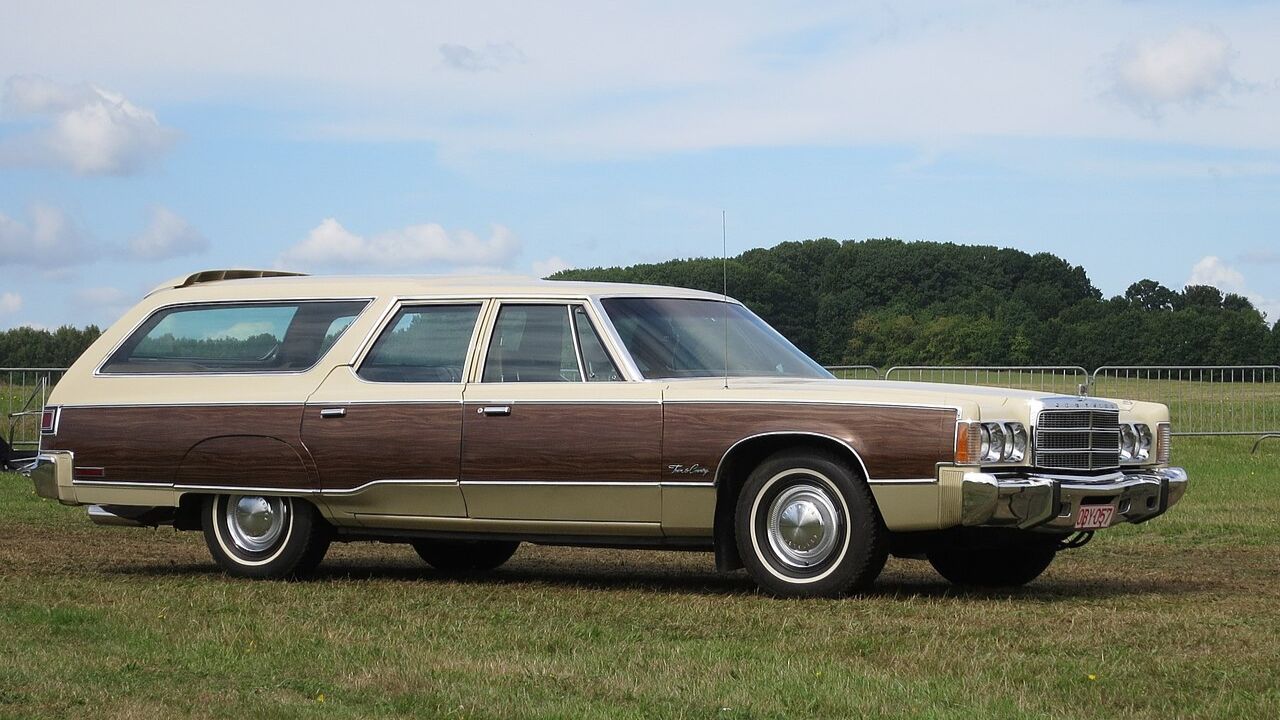
The Chrysler Town & Country minivan helped transform family transportation by offering exceptional passenger space, flexible seating, and easy everyday usability. Its practical design encouraged competitors to develop similar vehicles, making the minivan one of the defining automotive formats of the 1980s and 1990s.
Toyota Prius
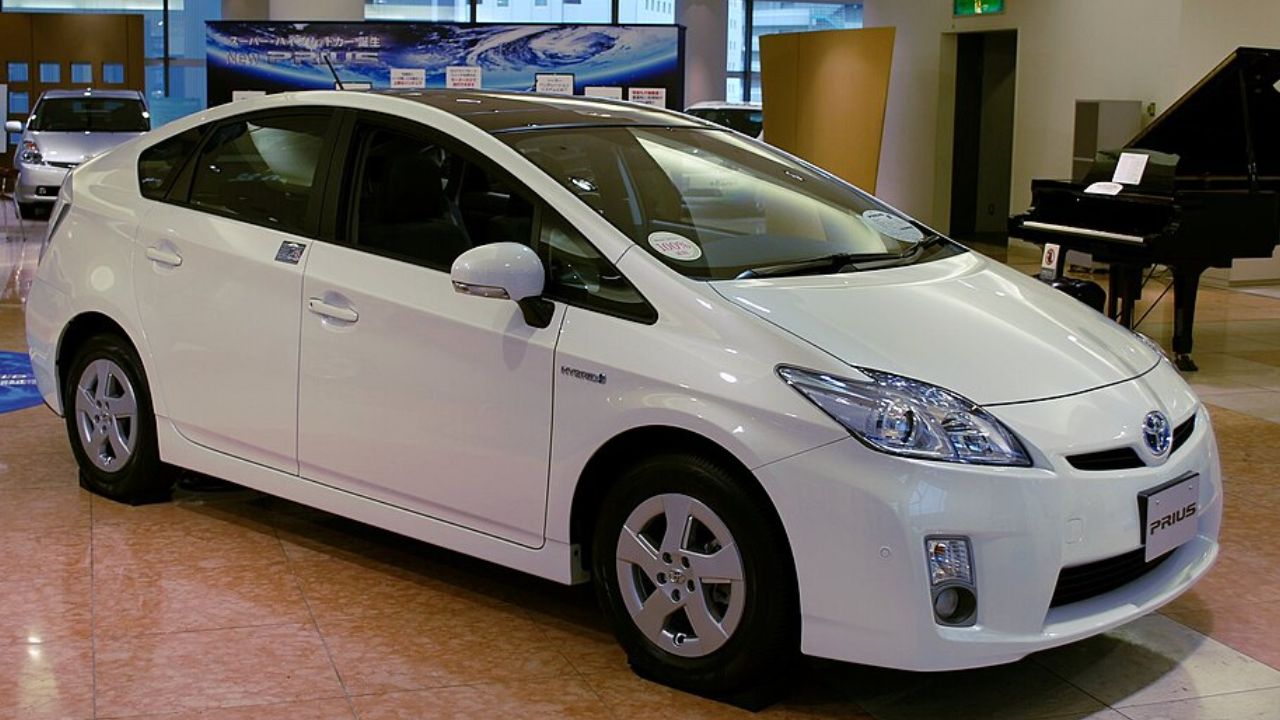
The Toyota Prius introduced hybrid technology to mainstream buyers on a global scale. Its exceptional fuel efficiency and innovative powertrain helped change public attitudes toward electrified vehicles. The Prius became synonymous with environmentally conscious driving and influenced the future direction of the automotive industry.
Hummer H2
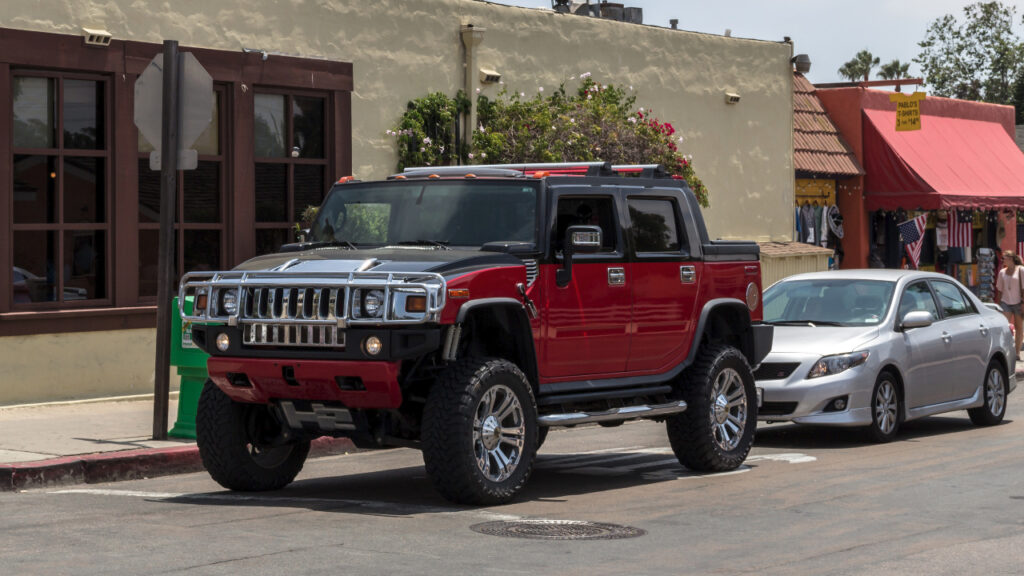
The Hummer H2 reflected the early 2000s fascination with bold styling and oversized sport utility vehicles. Its imposing appearance and unmistakable road presence made it one of the decade’s most recognizable vehicles. Although opinions were divided, few vehicles captured the spirit of that era more clearly.
Tesla Model S

The Tesla Model S transformed expectations for electric vehicles by combining long driving range, rapid acceleration, and advanced software features. It demonstrated that battery-powered cars could compete with established luxury sedans. Its success accelerated the industry’s shift toward electrification and modern vehicle technology.
Ford Bronco
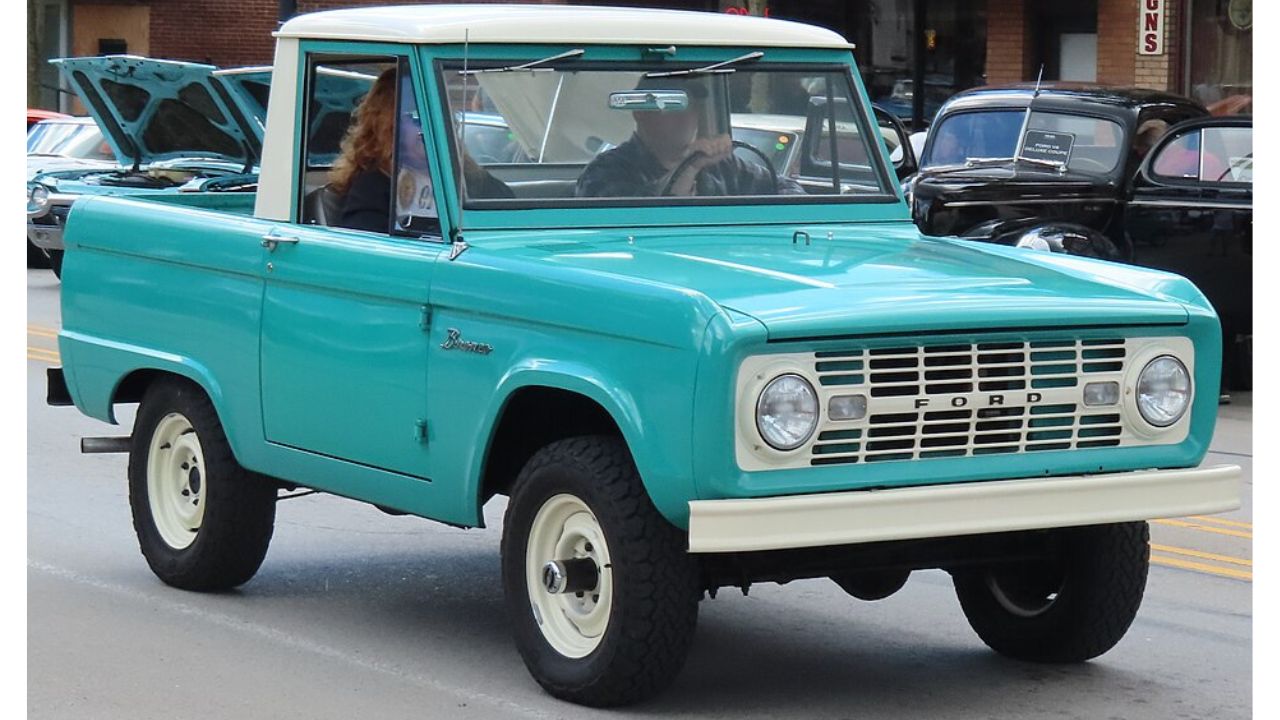
The reborn Ford Bronco captured the renewed enthusiasm for adventure-focused vehicles while honoring its historic heritage. With retro-inspired styling and serious off-road capability, it reflected the growing demand for lifestyle-oriented SUVs. The Bronco quickly became one of the defining vehicles of the modern off-road revival.
More from Fast Lane Only
- Unboxing the WWII Jeep in a Crate
- 15 rare Chevys collectors are quietly buying
- 10 underrated V8s still worth hunting down
- Police notice this before you even roll window down
*Research for this article included AI assistance, with all final content reviewed by human editors