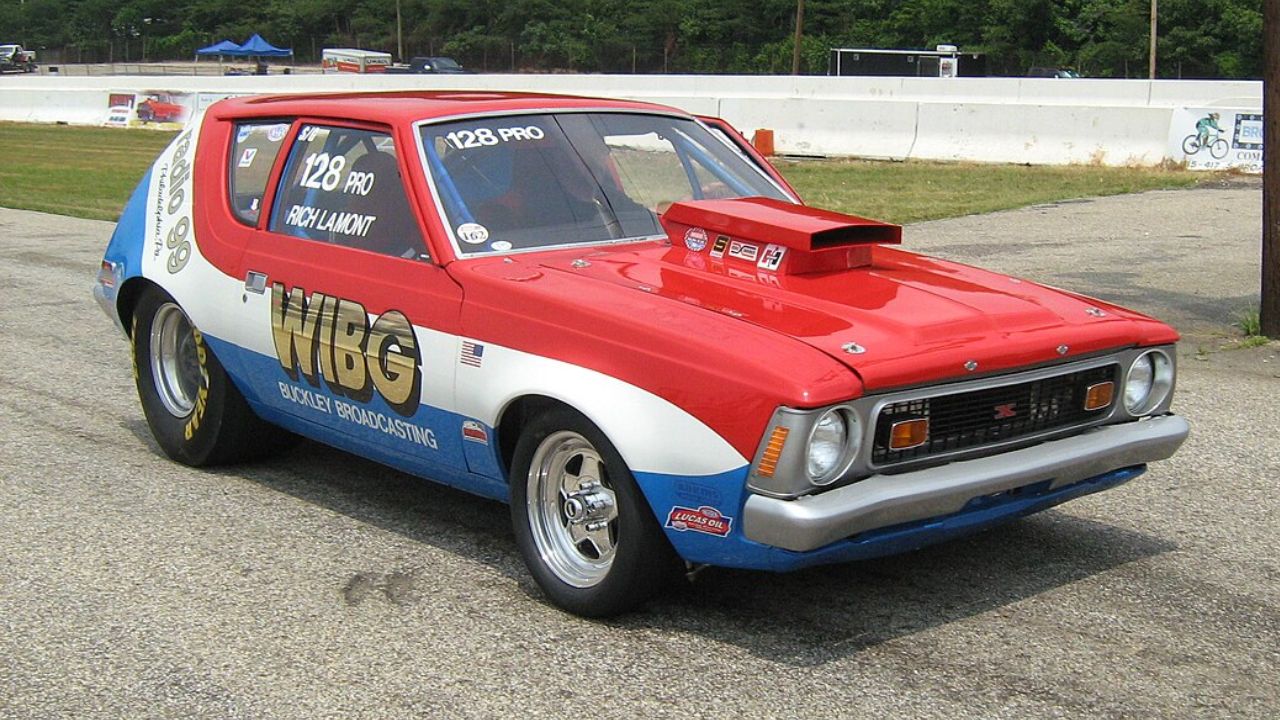
Some cars are remembered for their groundbreaking design or performance, while others become infamous for reasons that manufacturers would likely prefer to forget. Whether it’s safety issues, poor design, or just being ahead of their time in the wrong way, these vehicles have left a lasting impression for less-than-ideal reasons.
Ford Pinto
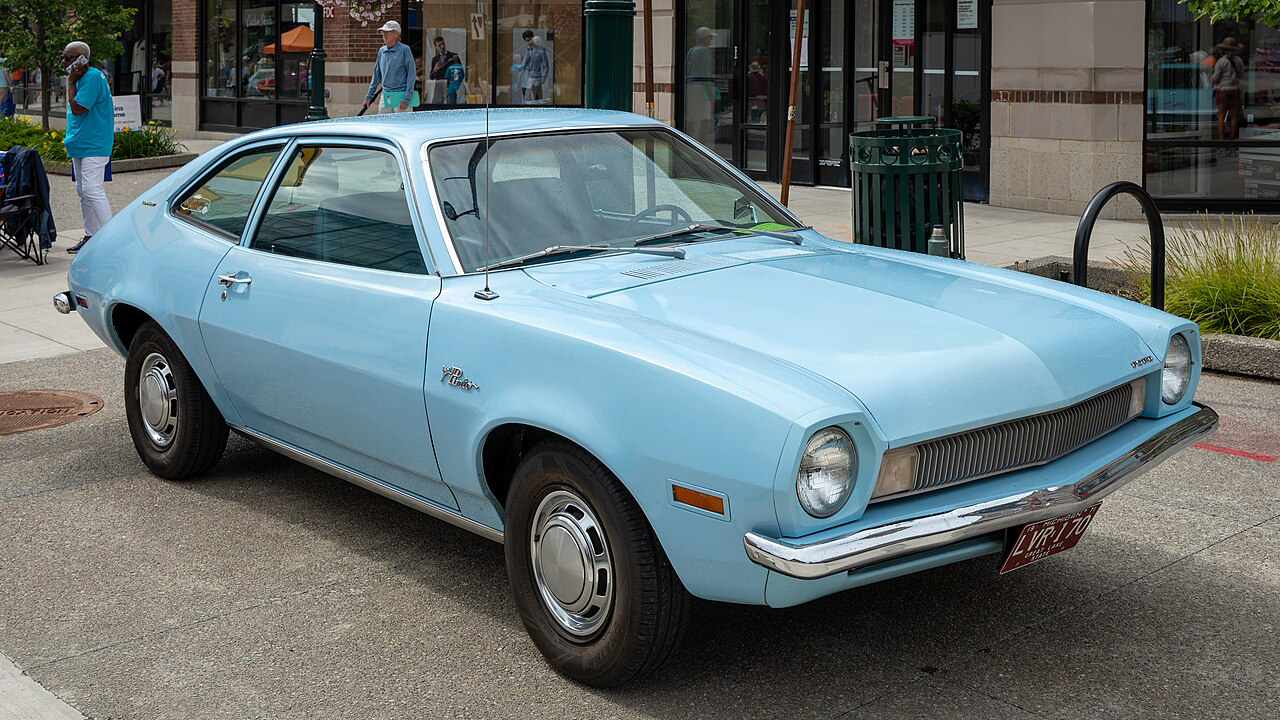
The Ford Pinto, produced from 1971 to 1980, is infamous for its fuel tank design flaw that made it prone to fires in rear-end collisions. This defect led to an array of lawsuits and a massive public relations disaster for Ford. Despite recalls and modifications, the Pinto’s reputation was irreparably damaged. It became a case study in corporate ethics, highlighting the dangers of cost-cutting at the expense of consumer safety.
Ford’s decision-making process during the Pinto’s production is often criticized. The company was aware of the issue but chose not to implement a fix due to cost considerations. This decision cost Ford both financially and in terms of public trust, with the Pinto becoming a symbol of corporate negligence.
DeLorean DMC-12

The DeLorean DMC-12, produced from 1981 to 1983, is best known today for its role in the “Back to the Future” movies. However, its real-life performance did not match its futuristic looks. Plagued by quality control issues and underwhelming performance, the car struggled in the market. The stainless steel body and gull-wing doors were unique, but the vehicle’s hefty price tag and lackluster engine failed to impress consumers.
John DeLorean’s ambitious vision couldn’t save the company from financial troubles, and production ceased after just three years. Despite its initial failure, the DMC-12 remains a cult icon, largely due to its Hollywood fame rather than its automotive achievements.
Yugo GV
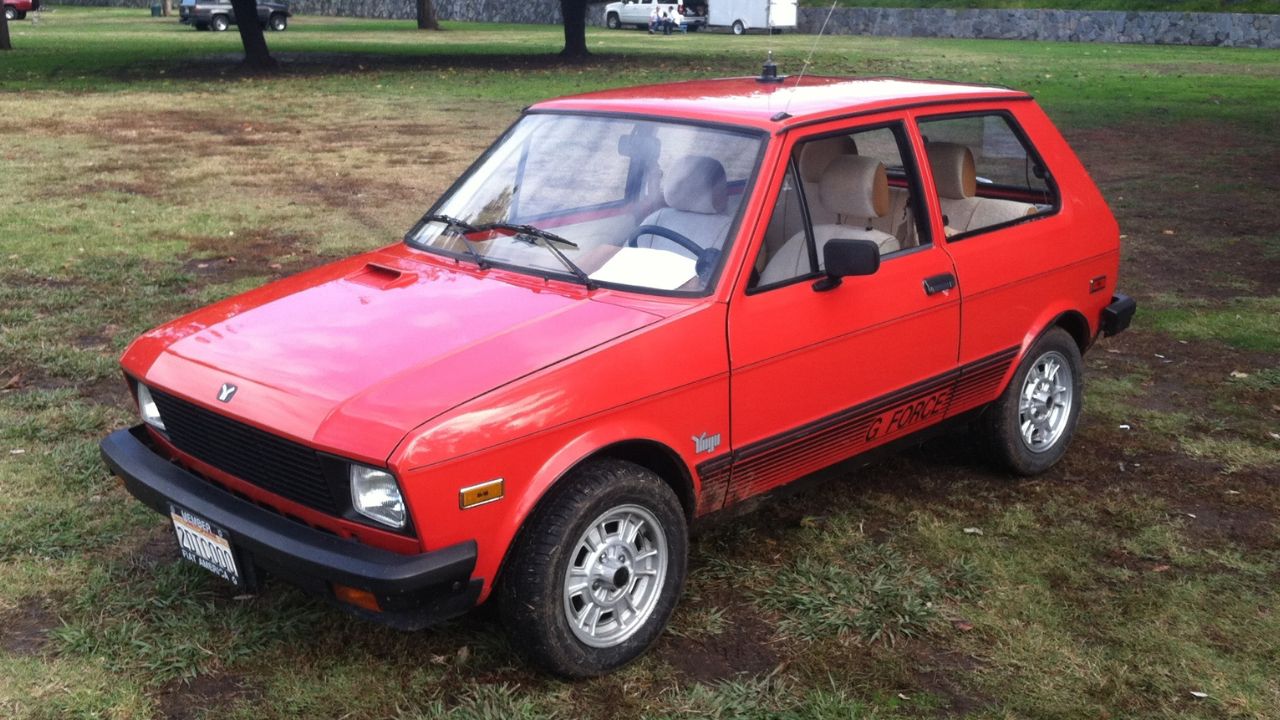
The Yugo GV, introduced to the American market in 1985, is often cited as one of the worst cars ever sold in the United States. Imported from Yugoslavia, the car was marketed as an affordable option for budget-conscious buyers. However, its low price came with significant drawbacks, including poor build quality and reliability issues.
Owners frequently reported breakdowns and mechanical failures, and the car quickly became a punchline in automotive circles. Despite its short-lived presence in the U.S. market, the Yugo remains a cautionary tale of the risks associated with cutting corners to achieve low costs.
Pontiac Aztek
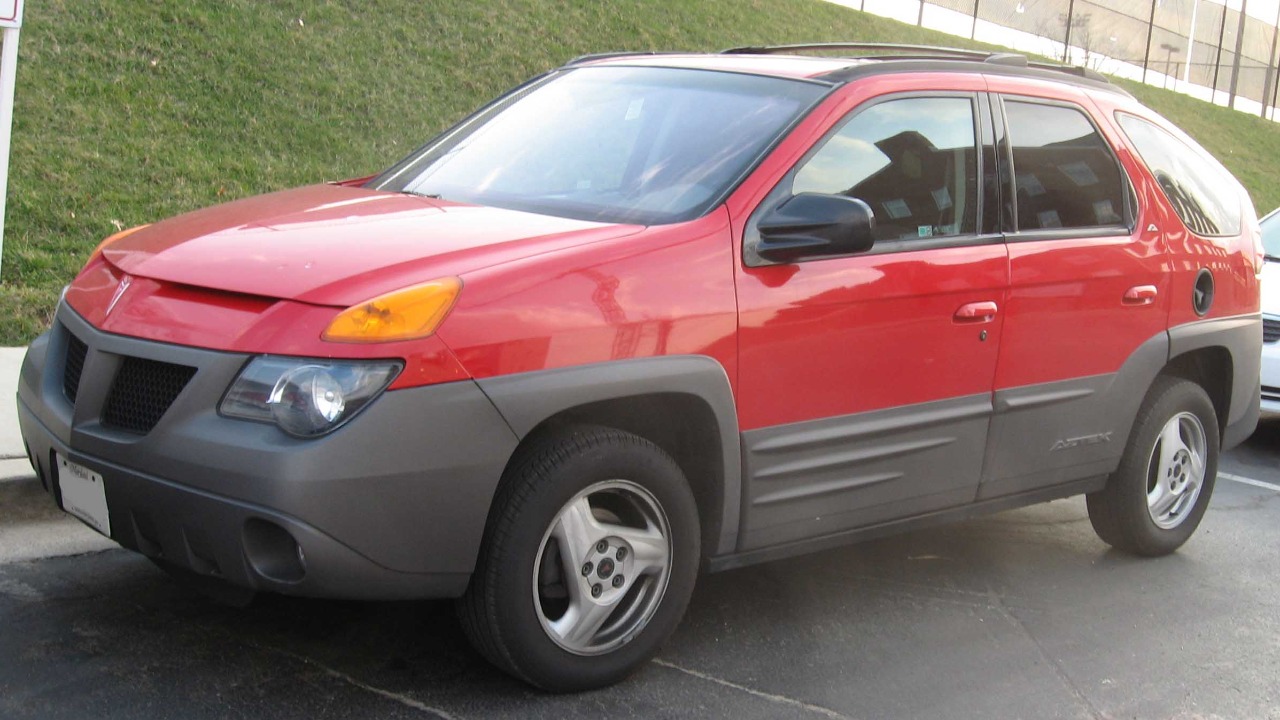
The Pontiac Aztek, produced from 2000 to 2005, is often criticized for its unconventional design, which many found unattractive. Initially intended to attract younger buyers with its quirky style and versatility, the Aztek missed the mark. Its unusual appearance was polarizing, to say the least, and led to disappointing sales figures.
Despite its reputation as an eyesore, the Aztek’s practicality was ahead of its time, featuring a highly customizable interior and advanced features for its era. Its design choices, however, overshadowed these benefits, ensuring its place in automotive infamy.
Chevrolet Corvair
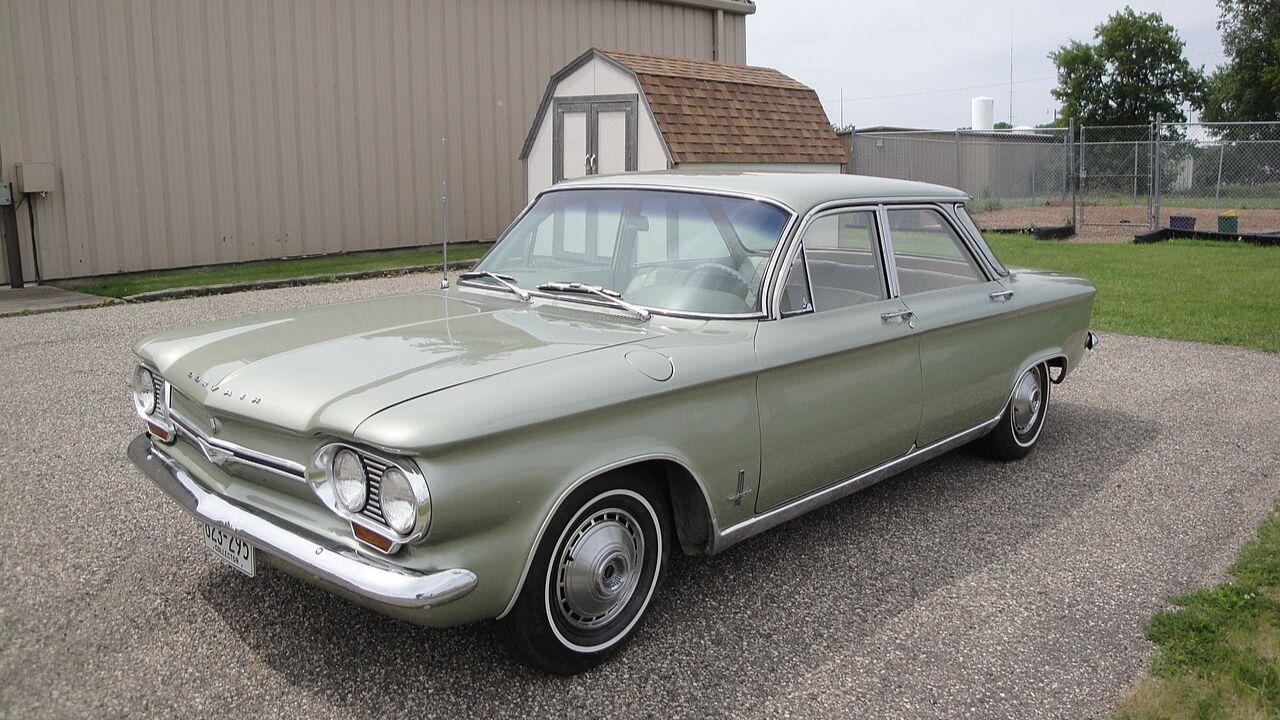
The Chevrolet Corvair, produced from 1960 to 1969, gained notoriety largely due to Ralph Nader’s book “Unsafe at Any Speed,” which criticized the car’s handling and safety issues. The Corvair’s rear-engine, air-cooled design was innovative, but its susceptibility to rollover accidents raised serious safety concerns.
In response to public outcry and declining sales, Chevrolet made design changes to improve safety in later models. However, the damage was done, and the Corvair’s reputation never fully recovered. It remains a prime example of how safety concerns can overshadow innovative engineering.
AMC Gremlin
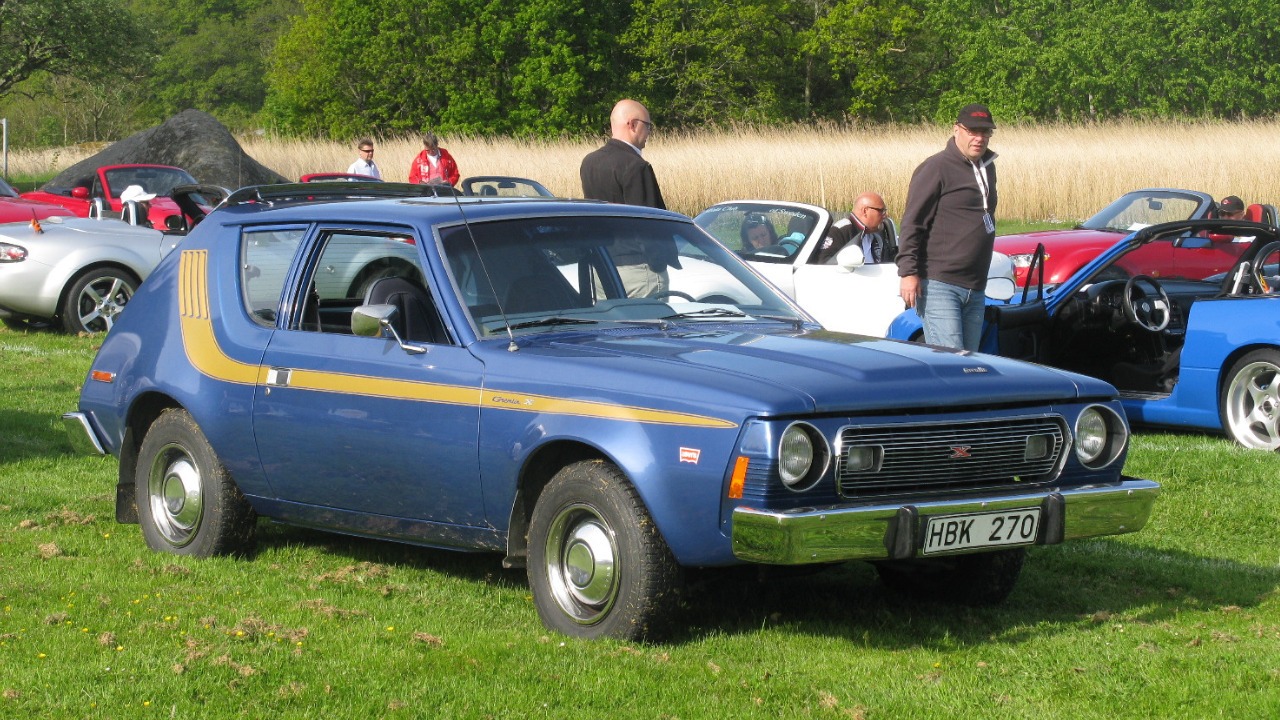
Introduced in 1970, the AMC Gremlin was one of the first subcompact cars produced by an American manufacturer. Its name, derived from a mythical creature known for causing mechanical problems, seemed to foreshadow its fate. The Gremlin’s unusual design, with its truncated rear end, was polarizing, and its performance and build quality left much to be desired.
Despite these issues, the Gremlin found a niche market and remained in production until 1978. It is remembered today more for its quirky appearance and name than for any significant automotive achievements.
Edsel

The Edsel, produced by Ford between 1958 and 1960, is often cited as one of the biggest failures in automotive history. Marketed as a futuristic and innovative vehicle, the Edsel was plagued by mechanical problems and quality control issues from the start. Its distinctive front grille design was widely criticized, and the car failed to meet sales expectations.
Named after Henry Ford’s son, the Edsel was intended to fill a gap between Ford and Mercury vehicles but ended up being a commercial disaster. The brand’s short lifespan and notorious reputation have made it a symbol of misguided marketing and poor timing.
Hummer H2
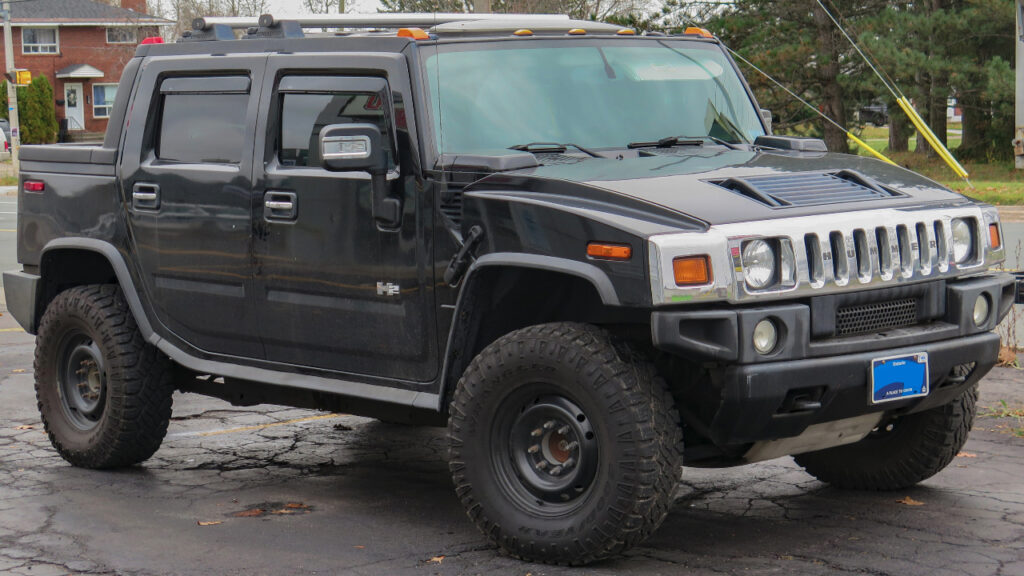
The Hummer H2, produced from 2002 to 2009, quickly became a symbol of excess and environmental disregard. Known for its imposing size and poor fuel efficiency, the H2 was criticized for its environmental impact, especially as fuel prices rose and environmental awareness grew.
While some appreciated its rugged design and off-road capabilities, the H2’s timing clashed with a growing trend towards more fuel-efficient vehicles. As a result, it became emblematic of a bygone era of automotive indulgence, with its sheer size and fuel consumption now serving as a cautionary reminder.
Smart Fortwo
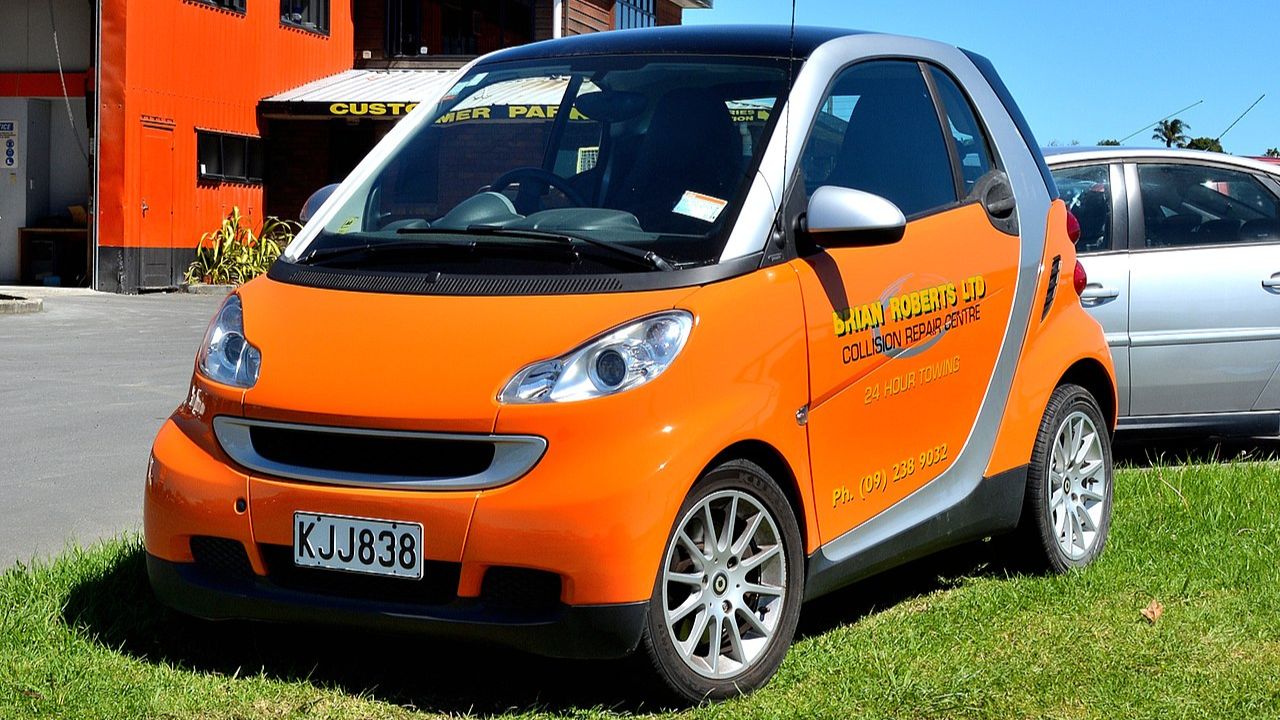
The Smart Fortwo, launched in the U.S. in 2008, was heralded as a solution for urban driving with its compact size and fuel efficiency. However, its practicality was quickly called into question, as the two-seater offered limited space and comfort. Its performance on highways was also criticized due to its small engine and lightweight build, which affected stability.
While the Fortwo succeeded in Europe, where compact cars are more common, it struggled to find a similar foothold in the U.S. market. Despite its initial promise, the Fortwo serves as a reminder of the challenges faced by niche vehicles in adapting to different market demands.
Like Fast Lane Only’s content? Be sure to follow us.
Here’s more from us:
*Created with AI assistance and editor review.