Some cars don’t peak when they’re new. Instead, time exposes their character, design boldness, and engineering quirks in a way that makes them more desirable years later. Whether through nostalgia, motorsport legacy, or simply aging better than expected, these cars evolved from “just another model” into true icons that feel cooler the longer they exist.
Toyota Supra MK4
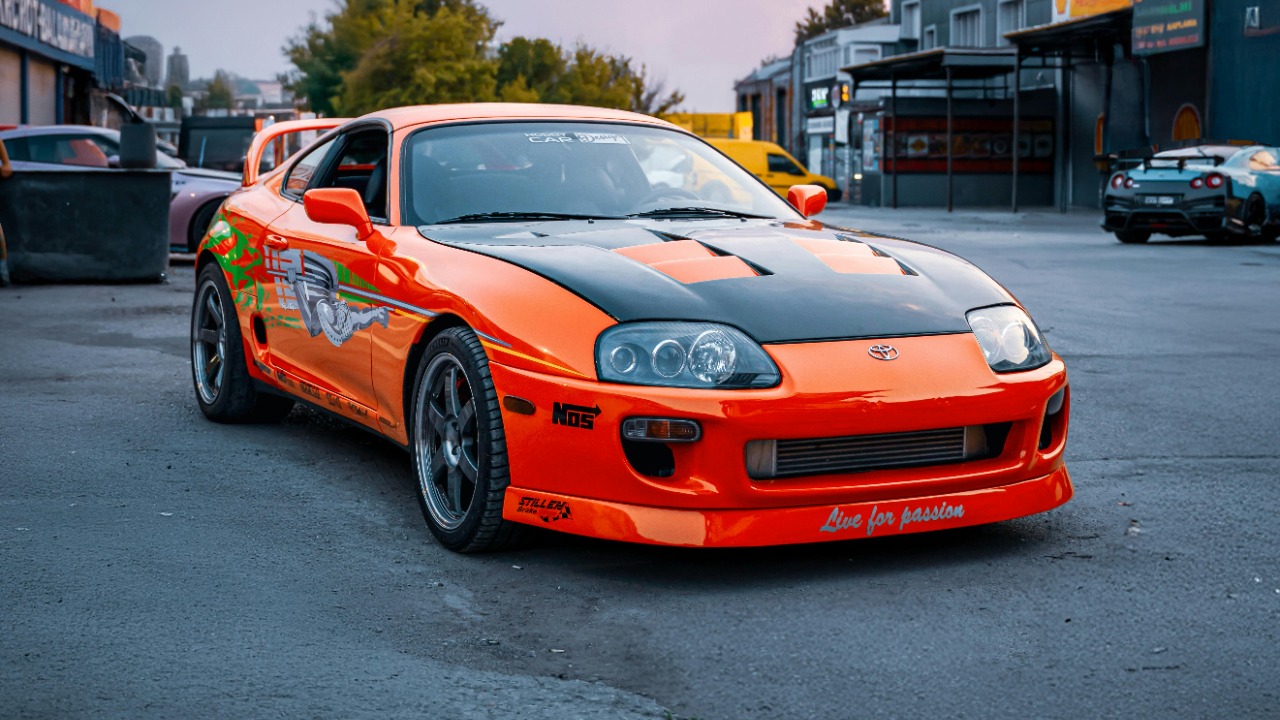
The Toyota Supra MK4 has become one of the most legendary performance cars ever built thanks to its 2JZ-GTE engine and enormous tuning potential. While it was already respected in the 1990s, its reputation exploded over time as aftermarket builds pushed it far beyond factory performance levels. Mechanics admire its bulletproof engine design, while enthusiasts celebrate its cultural impact in tuning and motorsport communities. Today, the MK4 Supra is more iconic than it ever was in its original production era.
Nissan Skyline GT-R R34
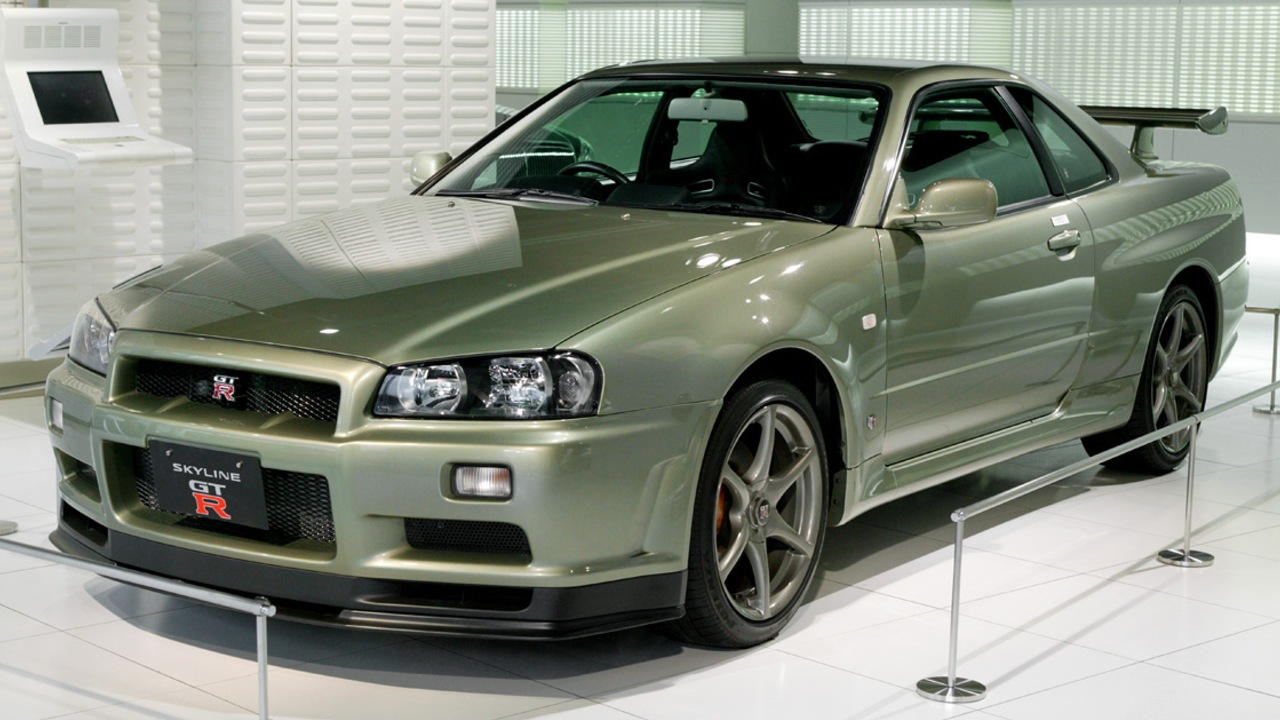
The Nissan Skyline GT-R R34 grew from a respected performance car into a global legend thanks to its advanced AWD system and tuning potential. Initially admired mainly in Japan, it later became a worldwide icon through motorsport success and pop culture exposure. Mechanics appreciate its strong RB26 engine and durability under extreme tuning. As years passed, its rarity and engineering sophistication only increased its desirability, making it one of the most sought-after Japanese performance cars ever built.
BMW E30 M3
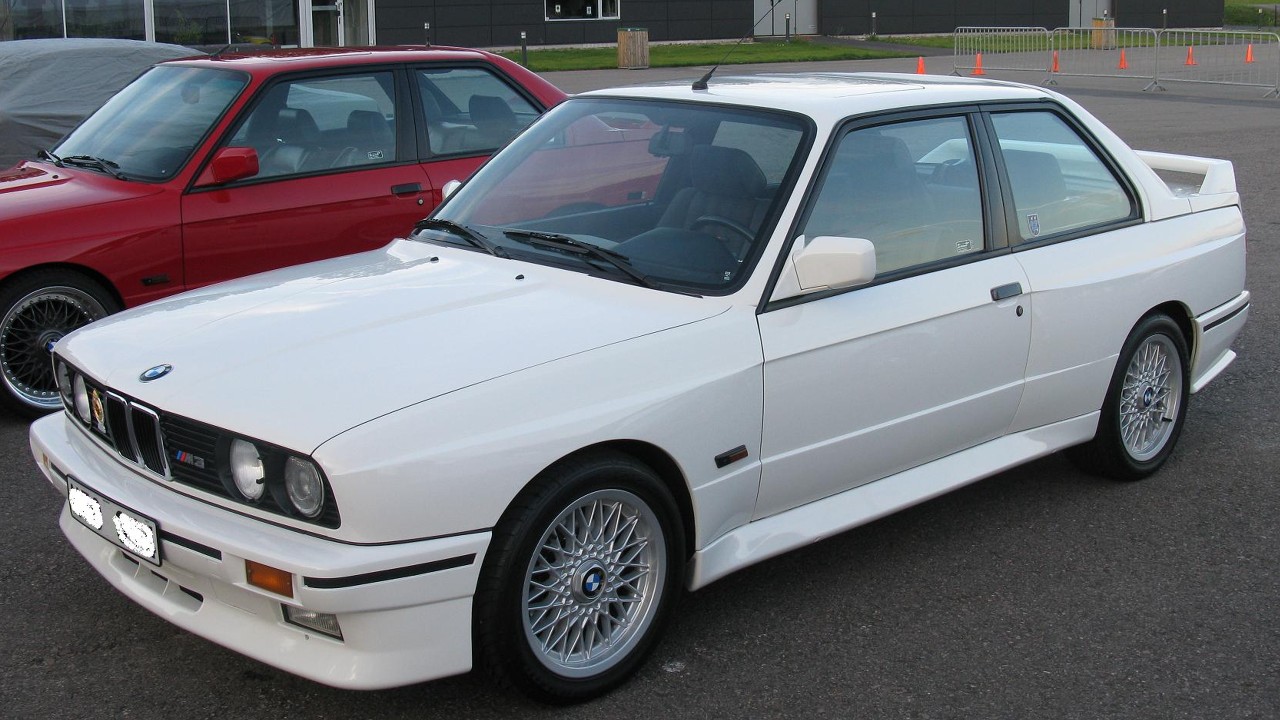
The BMW E30 M3 was originally built for homologation racing, but its reputation expanded dramatically over time. Its lightweight chassis, high-revving engine, and precise handling made it a benchmark for analog driving purity. Mechanics respect its motorsport-grade engineering and relative simplicity compared to modern performance cars. As newer cars became heavier and more complex, the E30 M3 gained even more appreciation for its raw, connected driving feel and timeless design.
Mazda RX-7 FD

The Mazda RX-7 FD has aged into a cult classic thanks to its lightweight design, stunning styling, and unique rotary engine. While the rotary required specialized maintenance, enthusiasts grew to value its smooth, high-revving character and sharp handling balance. Mechanics admire its engineering creativity, even if it demands careful upkeep. Over time, its combination of rarity, driving engagement, and distinctive sound made it one of the most desirable Japanese sports cars ever produced.
Porsche 911 (993)

The Porsche 911 993 represents the final evolution of the air-cooled 911 era, and its reputation has only grown stronger with time. Its mechanical feel, distinctive engine sound, and classic design make it highly desirable among enthusiasts and collectors. Mechanics appreciate its improved reliability compared to earlier air-cooled models while retaining analog driving character. As modern 911s became more refined and electronic, the 993 gained recognition as one of the purest and most emotionally engaging versions.
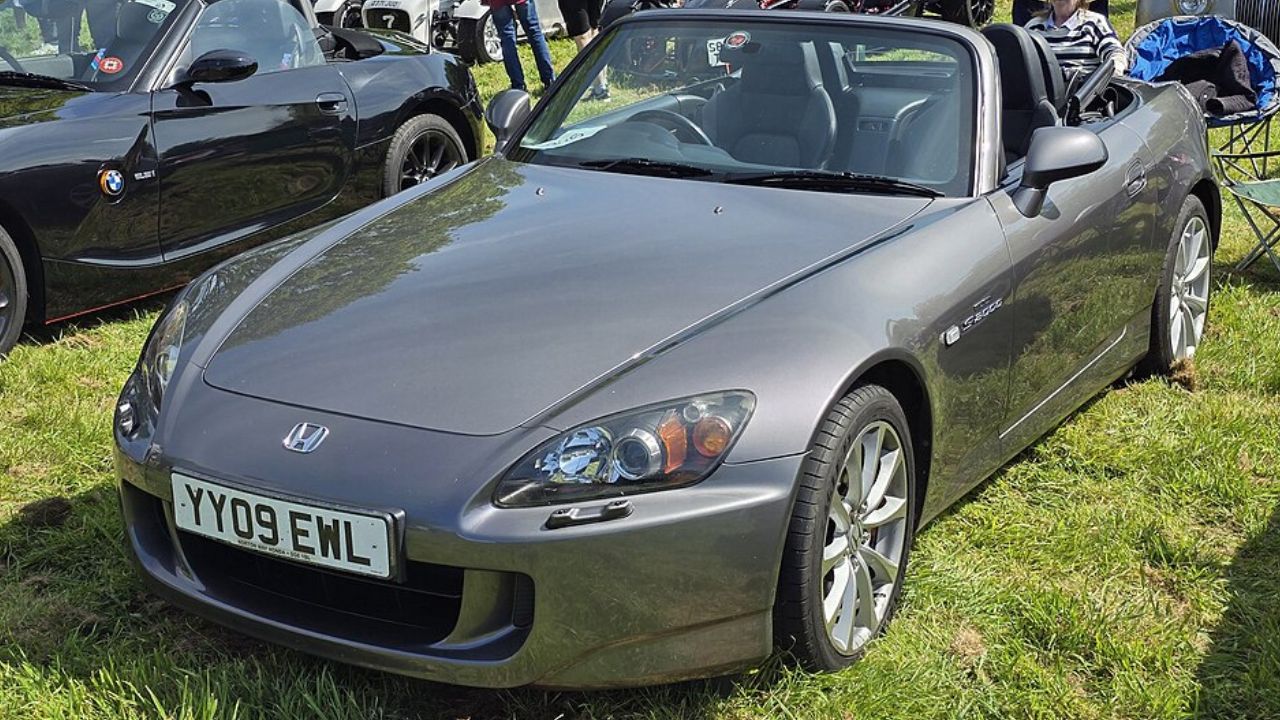
Honda S2000
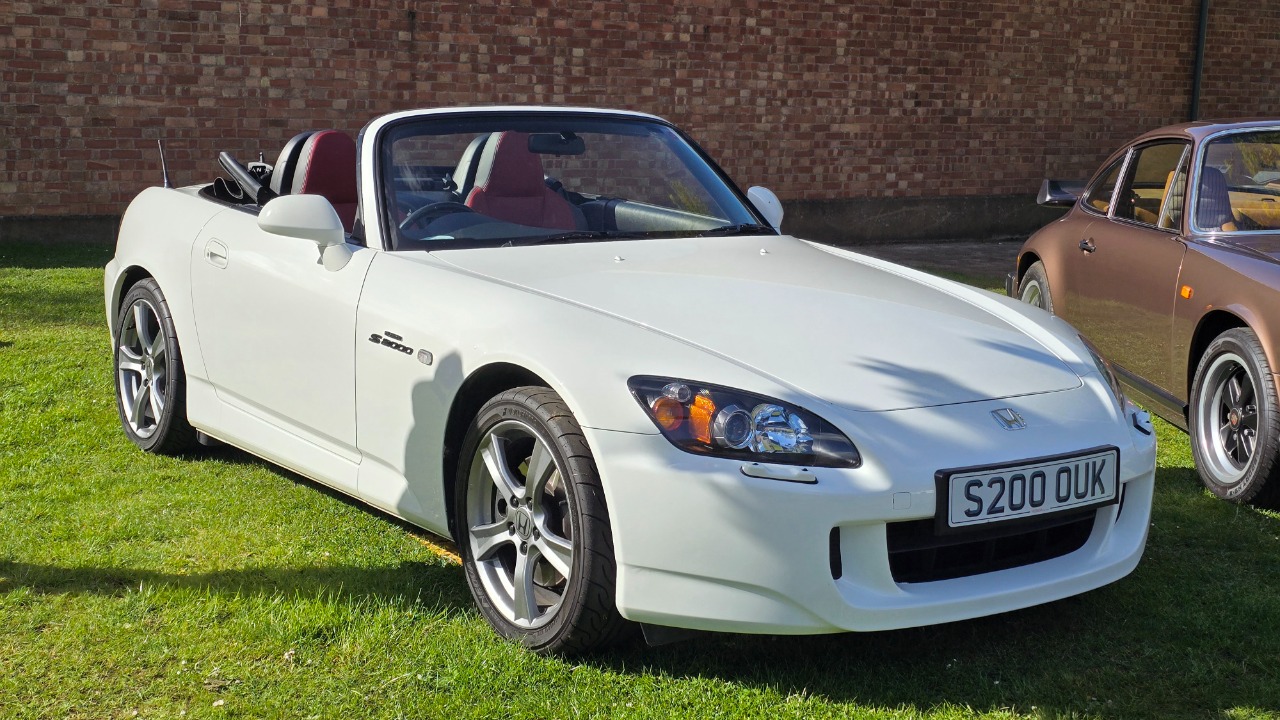
The Honda S2000 became more appreciated over time for its extremely high-revving engine and precise handling. At launch, some criticized its lack of low-end torque, but enthusiasts later recognized it as one of the most rewarding driver-focused cars ever built. Mechanics respect its strong engineering and reliability even under aggressive use. As modern sports cars became heavier and turbocharged, the S2000’s raw, naturally aspirated character became increasingly rare and valuable.
Chevrolet Corvette C5
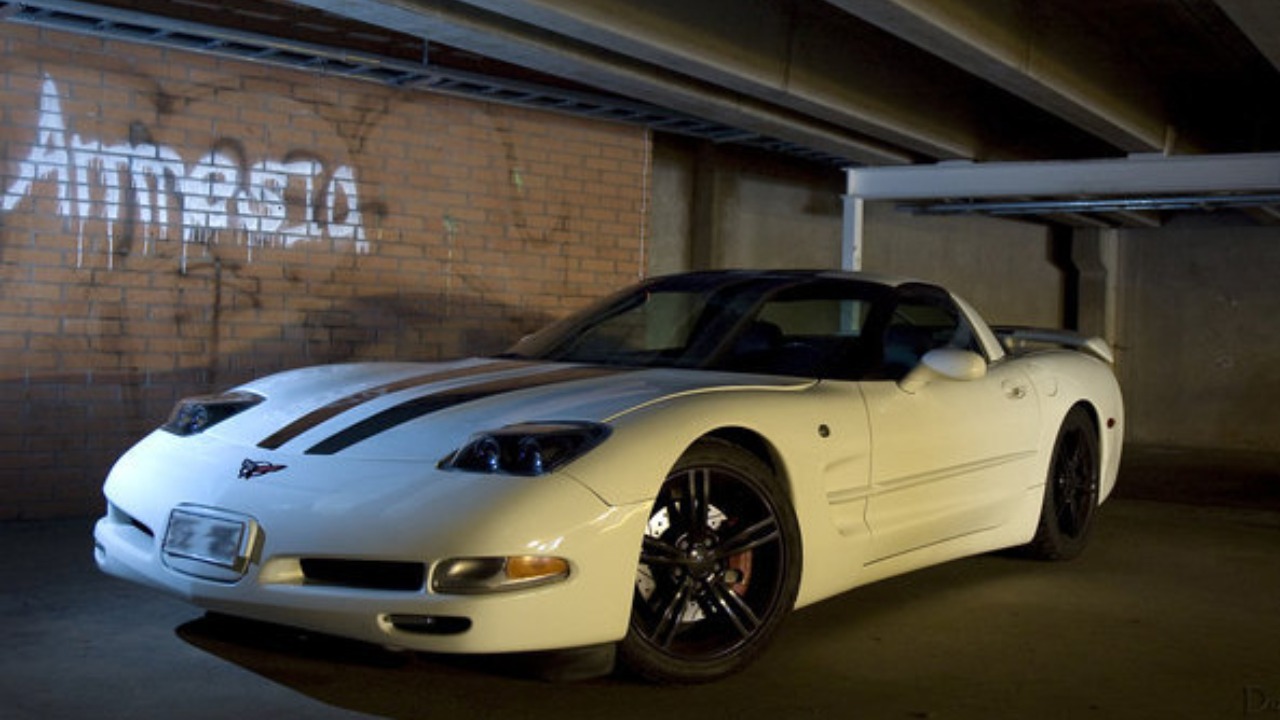
The Chevrolet Corvette C5 has grown in respect due to its balance of performance, affordability, and durability. Its LS1 V8 engine proved to be highly reliable and capable of strong performance with minimal modification. Mechanics appreciate the simplicity and strength of its drivetrain. Over time, enthusiasts have come to see the C5 as a turning point where Corvette transitioned into a more refined yet still brutally fast sports car.
Subaru Impreza WRX STI (GD)
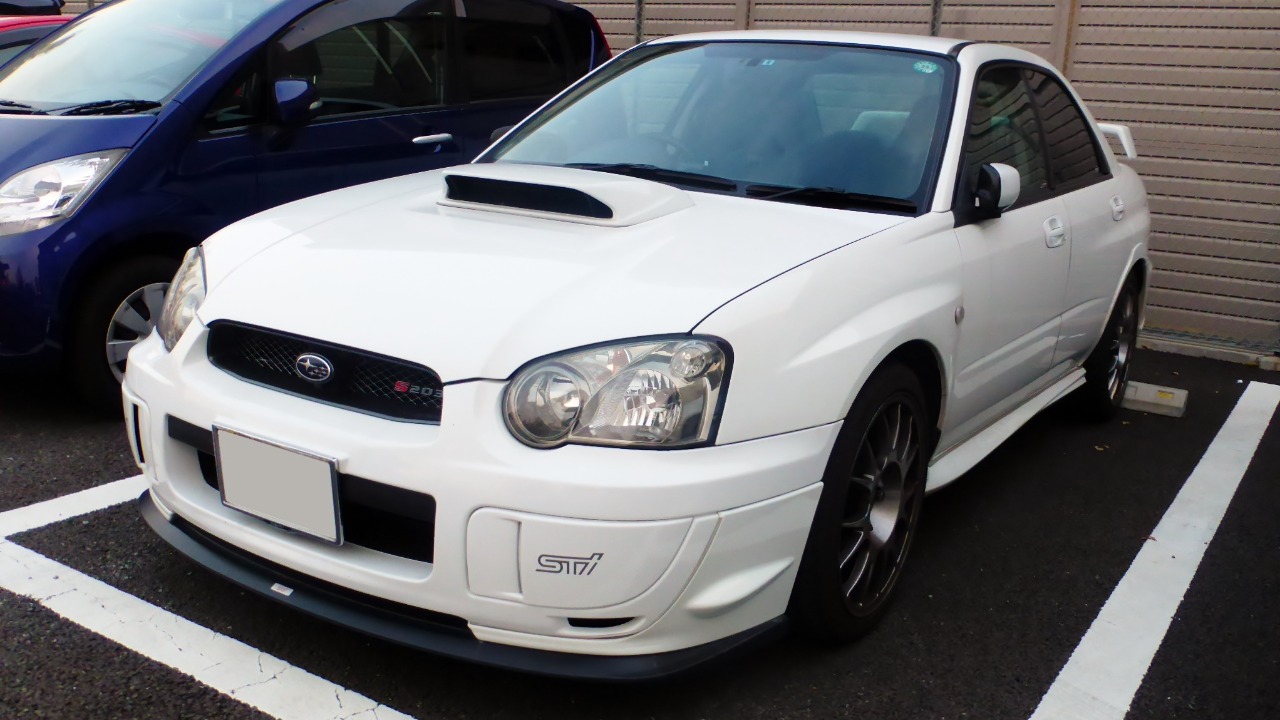
The Subaru Impreza WRX STI GD has become increasingly iconic thanks to its rally heritage and distinctive turbocharged all-wheel-drive system. Initially popular among rally fans, its reputation grew as it aged into a symbol of early-2000s performance culture. Mechanics respect its strong tuning potential and durability under harsh conditions. As newer performance cars became more refined, the GD STI’s raw and aggressive driving character became more desirable.
Dodge Viper RT/10
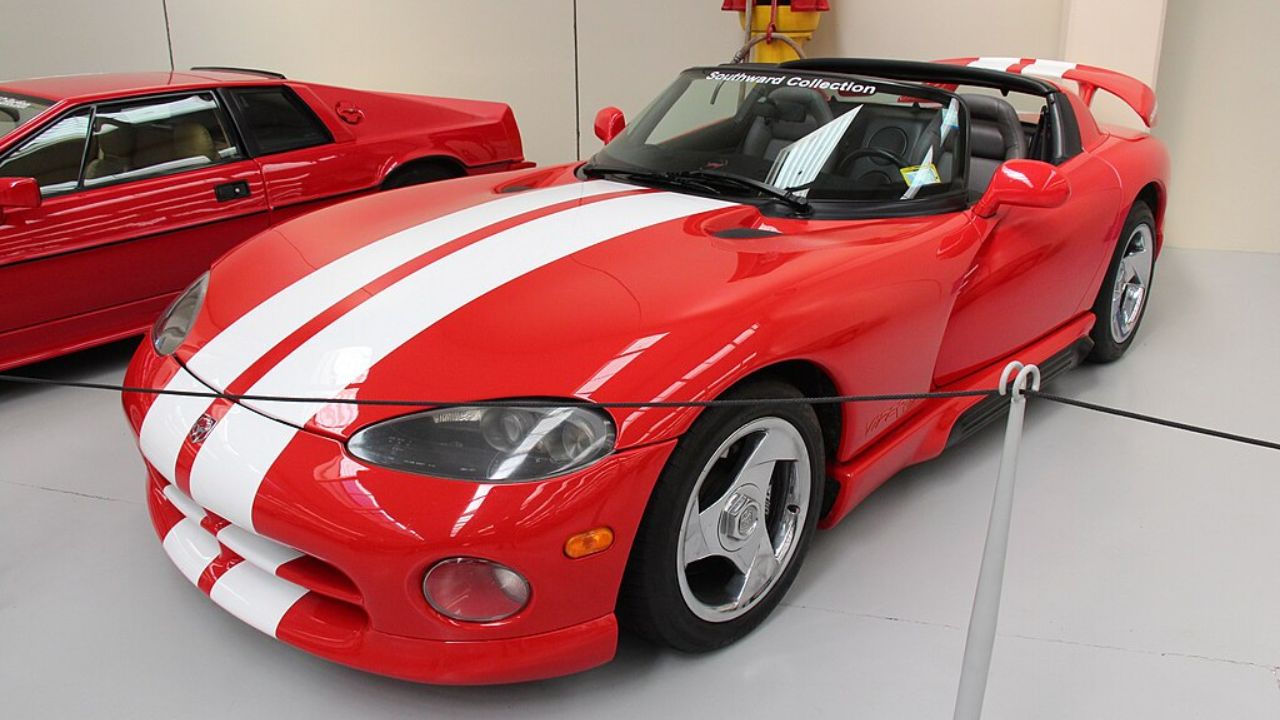
The Dodge Viper RT/10 has aged into a symbol of pure, unfiltered American performance. Its massive V10 engine, manual transmission, and lack of electronic aids made it intimidating when new, but legendary in hindsight. Mechanics respect its simple yet extreme engineering approach. Over time, enthusiasts have come to appreciate its rawness and unpredictability, which stand in stark contrast to modern performance cars that rely heavily on electronic assistance.
More from Fast Lane Only