The 426 Hemi became one of the most dominant engines in NASCAR history, but its success eventually led to stricter rules that changed everything. As rival manufacturers struggled to keep up, NASCAR introduced regulations that limited its advantage, forcing Chrysler to reconsider the future of its most powerful racing engine.
Chrysler built the 426 Hemi to dominate NASCAR competition
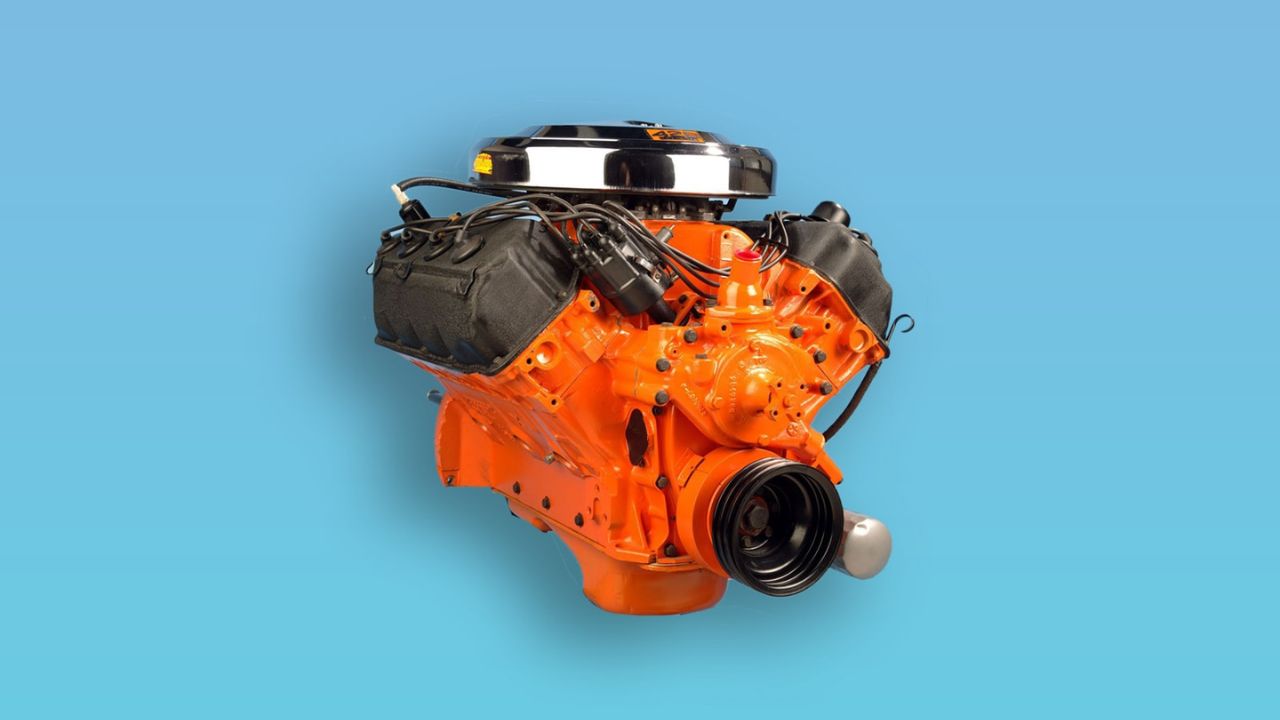
When Chrysler introduced the 426 Hemi engine, the goal was simple: win at the highest level of stock car racing. With its hemispherical combustion chambers, superior airflow, and massive displacement, the engine quickly proved itself on oval tracks. It delivered exceptional high-RPM breathing and sustained power, giving Chrysler-backed teams a clear competitive edge over rivals.
The dominance of the Hemi-powered cars became especially visible in NASCAR competition during the mid-to-late 1960s. Drivers using Hemi-equipped machines consistently posted strong qualifying speeds and race results, forcing other manufacturers to rethink their own engine designs. However, this level of superiority also drew attention from sanctioning officials, who were responsible for maintaining competitive balance across the sport.
NASCAR introduced rule changes to reduce the Hemi’s advantage
As the 426 Hemi engine continued to outperform competitors, NASCAR implemented rule adjustments aimed at leveling the playing field. These changes included stricter homologation requirements and revised performance restrictions that made it more difficult for Chrysler’s Hemi-powered cars to maintain their advantage without significant redesign or compromise.
One of the most impactful shifts was the tightening of rules around engine availability and production compliance. NASCAR increasingly emphasized that race engines needed to closely reflect what was available to the general public, which placed pressure on Chrysler due to the Hemi’s cost and limited production numbers. This regulatory direction gradually reduced the competitive gap and made continued dominance harder to sustain.
The cost and complexity of the Hemi made it harder to sustain
Beyond regulations, the 426 Hemi engine was expensive and complex to produce compared to rival engines. Its dual rocker shaft design, hemispherical combustion chambers, and specialized components made it more costly to build at scale. While this complexity contributed to its performance advantages, it also made large-scale production less practical for road car homologation requirements.
As NASCAR rules evolved, the financial and engineering burden of keeping the Hemi competitive increased. Chrysler had to weigh the cost of continuous development against shifting regulatory constraints that reduced the engine’s natural advantages. This combination of expense and rule pressure ultimately made the Hemi less sustainable as a long-term factory racing solution.
Chrysler shifted strategy after losing its NASCAR edge
When the competitive environment changed, Chrysler began transitioning away from relying solely on the 426 Hemi for NASCAR dominance. Engineers explored alternative big-block configurations and aerodynamic improvements to stay competitive under the new rules, marking a shift from raw engine superiority to broader performance engineering strategies.
Although the Hemi did not disappear from racing history, its era of uncontested dominance in NASCAR came to an end. Today, the 426 Hemi remains legendary for its engineering brilliance and racing success, but it also represents a moment when regulatory changes reshaped the balance between innovation and competition in American motorsport.
More from Fast Lane Only