You expect a new car to feel solid, safe, and drama free, at least for the first few years. Yet some models have shocked buyers for all the wrong reasons, from breakdowns in under twelve months to tech that never quite works. If you are shopping now, these nine cars show how hype, price, and promises can fall apart once you start living with them.
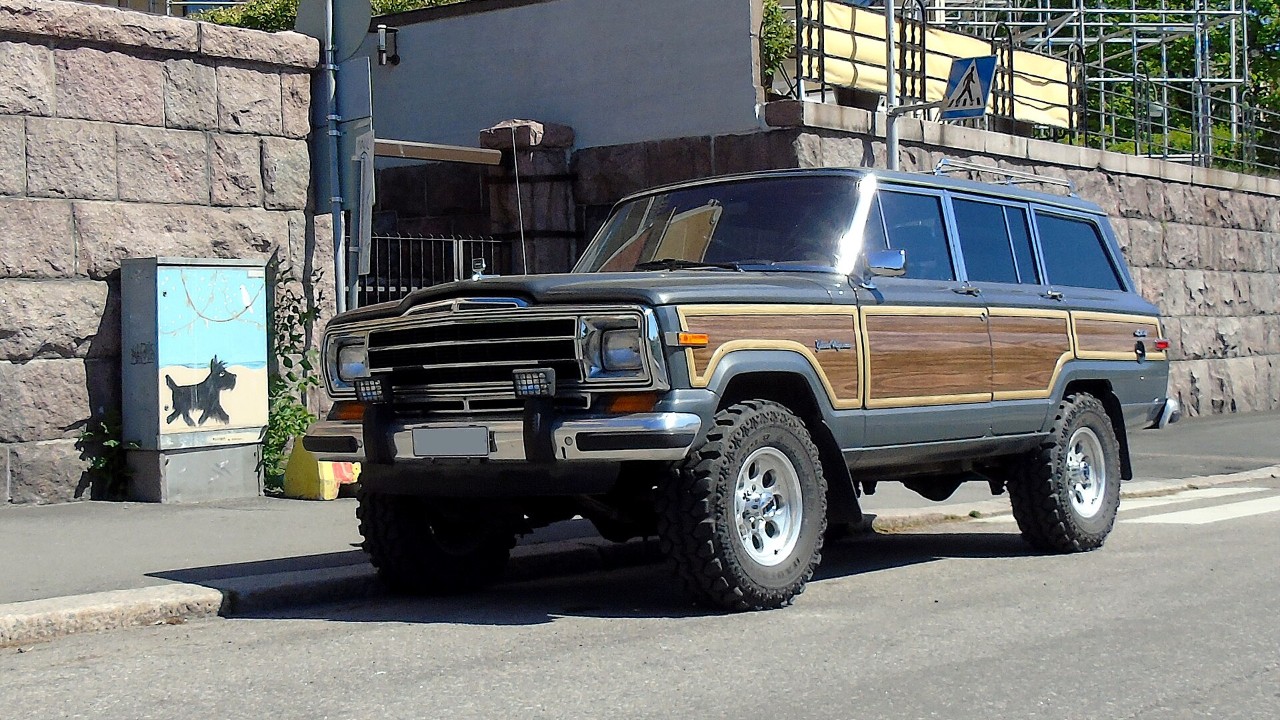
Jeep Grand Cherokee 4xe
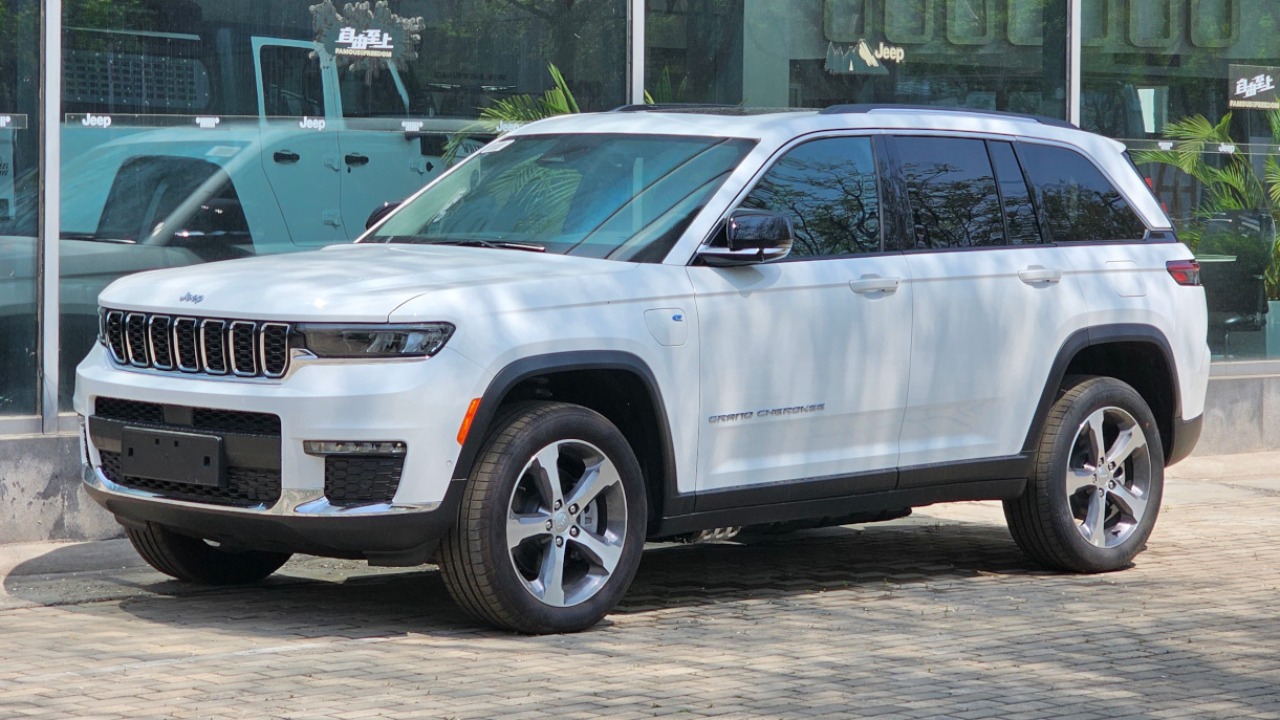
The Jeep Grand Cherokee 4xe looks like the perfect do it all SUV, but many owners say it has become a rolling headache. A detailed owner satisfaction piece describes how this plug in hybrid Grand Cherokee has been hit with a steady stream of problems, including recalls and technical service fixes that keep you going back to the dealer. That report even warns shoppers who see a shiny new 4xe on the lot to pause before they, in the writer’s words, “hit the Hype button,” a sharp contrast to the rugged image Jeep sells.
When you buy a plug in hybrid, you expect smooth electric driving and low fuel bills, not warning lights and software resets. Complaints around the Grand Cherokee 4xe show how complex powertrains can backfire when the calibration is not right. For you as a buyer, the risk is that your fuel savings vanish in rental car fees and time off work while the vehicle sits in service bays. It also raises a bigger question about how quickly brands should push new tech into family vehicles.
Rivian R1T
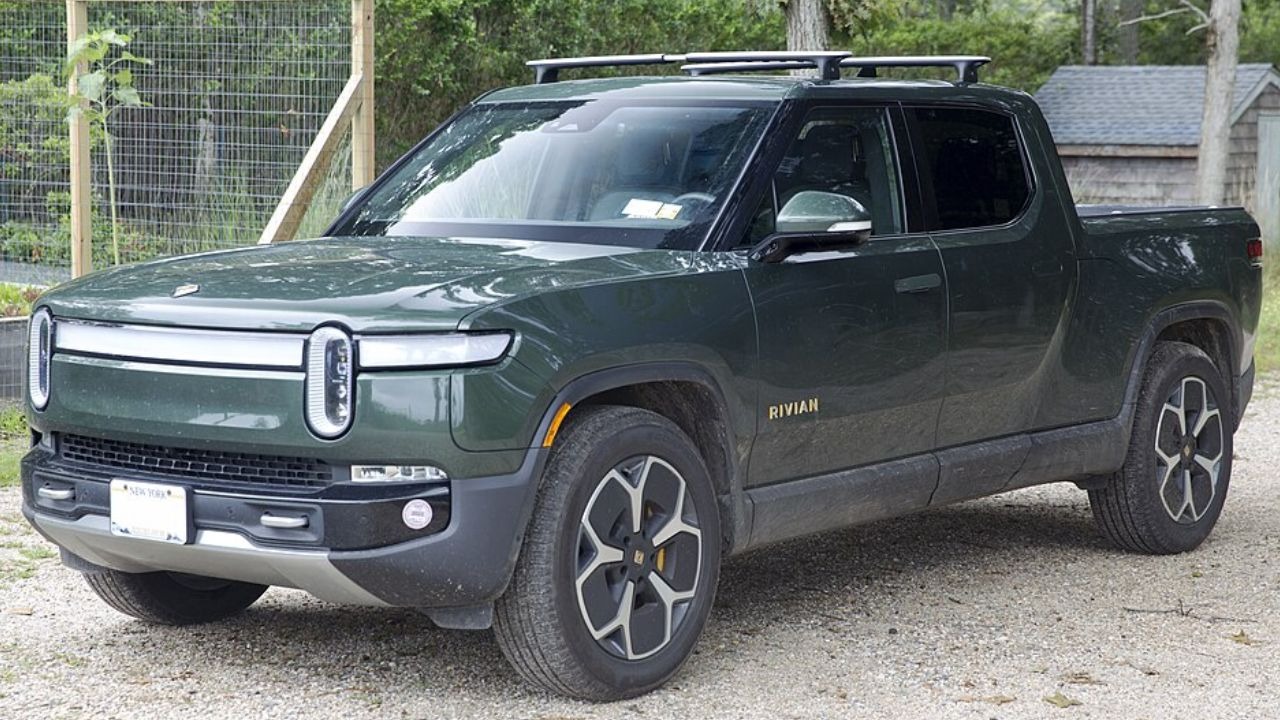
The Rivian R1T has become a poster child for both electric truck excitement and reliability frustration. In a discussion of the least reliable vehicles, owners single out the Rivian R1T for frequent quality issues that show up early in ownership. Reports describe problems with build consistency, electronics, and general durability, which is especially disappointing in a truck marketed for adventure and long road trips. When an electric pickup with this price tag struggles to stay out of the shop, buyers feel like unpaid beta testers instead of proud early adopters.
For you, the stakes go beyond a few squeaks or rattles. An unreliable electric truck can leave you stranded far from a charger or force you to juggle service appointments around work. These Rivian stories also feed a broader concern that some new EV brands launched complex products before they had stable quality systems. If you want an electric truck but cannot afford downtime, you may decide to wait until reliability data improves or choose a simpler model.
Jeep Compass
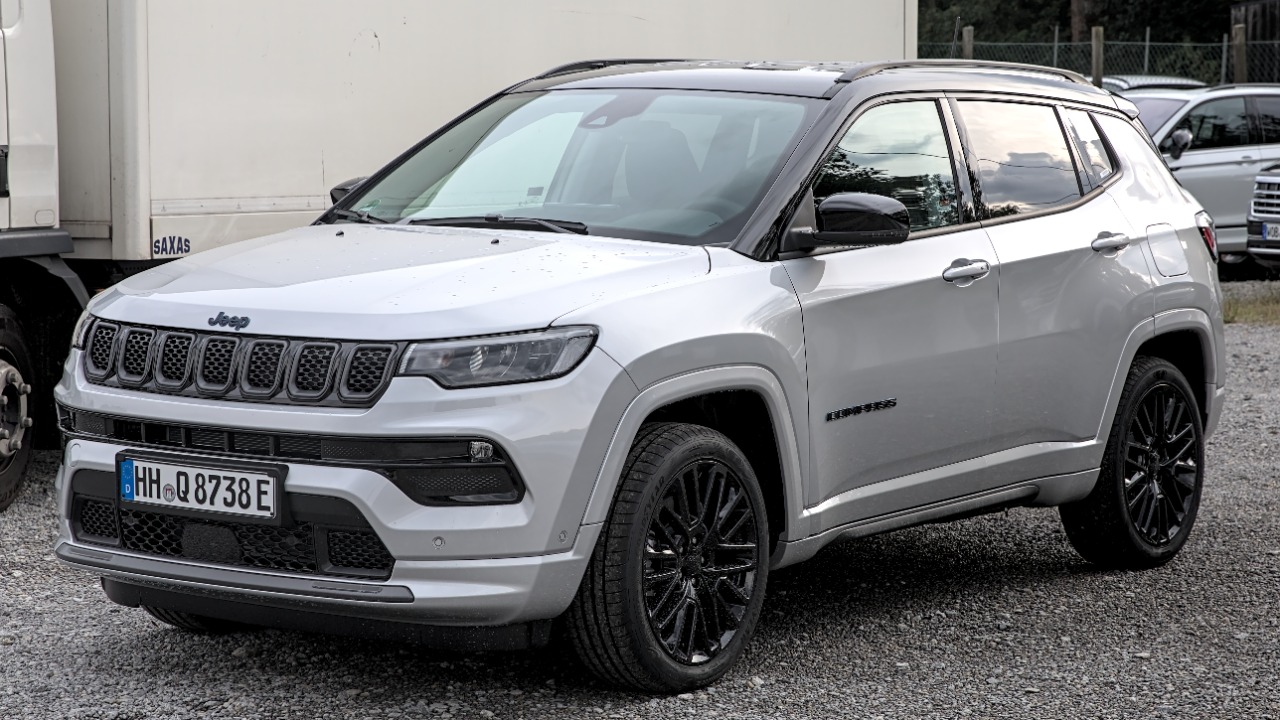
The Jeep Compass is another SUV that has surprised buyers, but for a much less flattering reason. In a breakdown of owner experiences, the Compass is listed as a Small SUV that many people regret buying because of Lackluster performance and a cramped, austere cabin. That same report notes that the Compass leaves drivers underwhelmed in daily use, with powertrains that feel weak and interiors that do not match rivals on comfort or finish. When you expect Jeep character and get a budget feeling crossover instead, disappointment sets in fast.
Those shortcomings matter if you spend a lot of time behind the wheel. A slow, noisy SUV makes highway merges stressful and long trips tiring, and a tight back seat can turn family drives into arguments. The Compass example shows how a strong badge can pull you into a showroom, but it cannot fix a dated platform. If you are tempted by the Jeep image, you may want to drive competitors back to back and see how much you are giving up in refinement.
Chevrolet Silverado 1500 (2023)
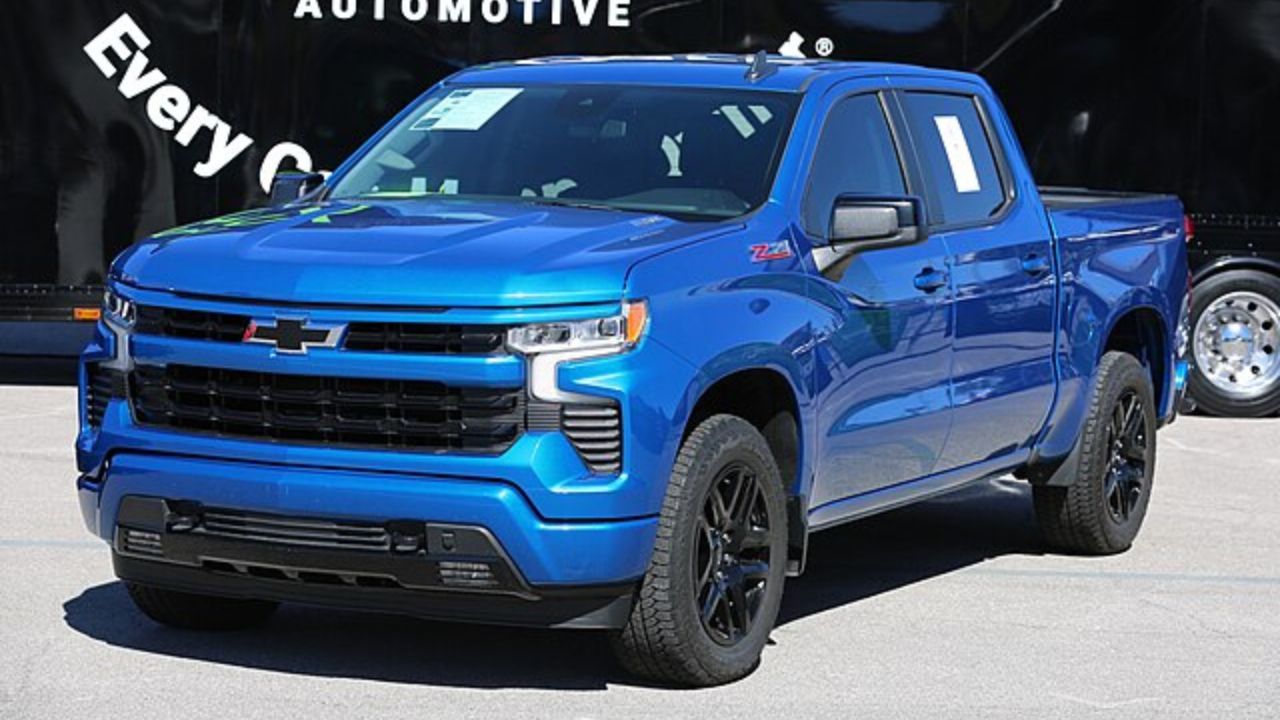
The 2023 Chevrolet Silverado 1500 has also raised eyebrows, not for lack of sales, but for a pattern of mechanical complaints. A detailed list of problem vehicles places the Chevrolet Silverado among the least reliable, citing repeated issues like transmission failures, electrical problems, and engine stalling in certain model years. When a full size truck has this kind of track record, owners who depend on it for towing or work feel let down. You buy a pickup like this expecting it to handle abuse, not to worry about the next unexpected repair bill.
For tradespeople and rural drivers, truck downtime can mean lost income and missed jobs. Reliability concerns around the Silverado show how even long running nameplates can slip when cost cutting or rushed updates creep in. If you are shopping for a work truck, you may need to dig into reliability survey data and consider simpler trims with fewer complex systems. That extra research can save you from owning a rig that spends more time at the dealer than at the job site.
Tesla Model S (2019–2022)
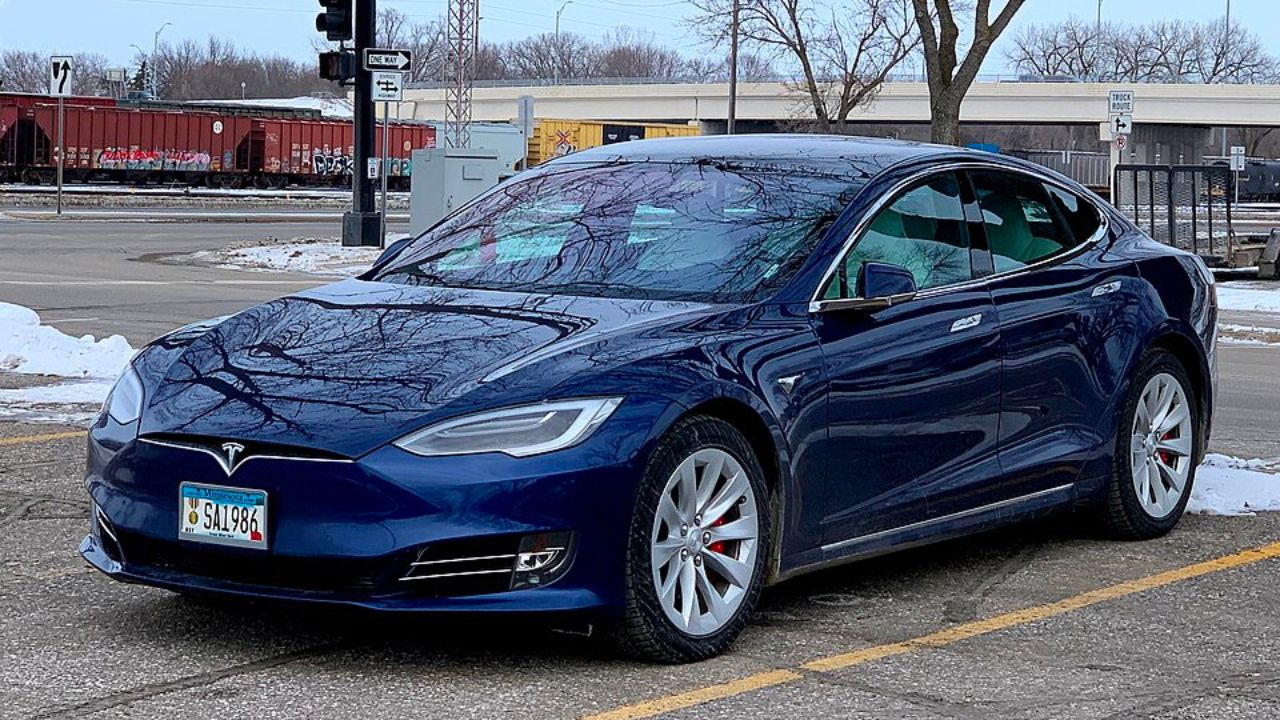
The Tesla Model S from 2019 to 2022 has wowed drivers with speed and software, yet it also appears on lists of least reliable vehicles. One breakdown of problem prone models calls out this Tesla Model range for chronic quality issues, including hardware failures and electrical glitches that lead to repeated service visits. Owners who bought into the promise of a low maintenance electric luxury car instead report rattles, screen problems, and trim defects. That gap between futuristic marketing and everyday reality leaves many feeling misled.
Because the Model S is packed with advanced features, every glitch can affect something you use daily, from door handles to driver assistance. When you rely on over the air updates to fix bugs, you also accept that new software might introduce fresh problems. For you as a buyer, the lesson is clear, performance and tech are exciting, but long term reliability still depends on basic build quality. If you want an EV with fewer surprises, you may look at brands that move more slowly with new features.
Alfa Romeo Giulia (2017–2021)

The Alfa Romeo Giulia from 2017 to 2021 is a classic example of a car that steals your heart on a test drive and then breaks it in the driveway. A reliability rundown lists the Alfa Romeo Giulia among the least dependable, tying it to mechanical failures, electrical issues, and engine stalling that sour the ownership experience. Drivers praise the way it handles and looks, but many also describe frequent warning lights and trips to the dealer. That contrast between joy and hassle is exactly what makes this sedan such a painful surprise.
If you are drawn to the Giulia, you probably care about driving feel and design. Yet repeated breakdowns can quickly erase any thrill you get from a great steering rack. The Giulia story shows how some brands still struggle to match rivals on durability, even when the product is otherwise impressive. For you, that means weighing how much risk you are willing to accept for style and performance, and whether an extended warranty is enough to calm your nerves.
Volkswagen ID. Buzz
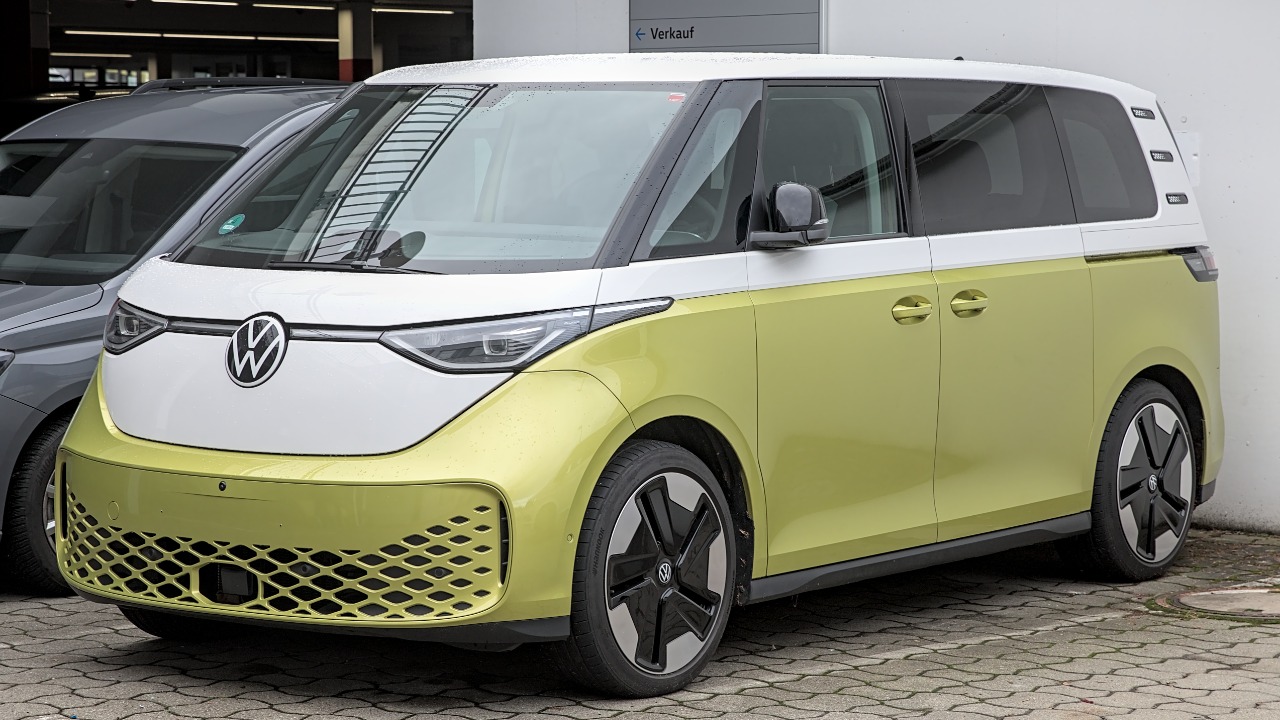
The Volkswagen ID. Buzz arrived with huge buzz as a retro inspired electric van, but early testing has not always been kind. In one review, the host admits the ID. Buzz test period was shorter than normal because the vehicle had to be borrowed from a dealer, then goes on to criticize how Volks engineers delivered a product that feels half baked. The reviewer points to awkward packaging, software quirks, and a driving experience that does not match the playful image. For buyers expecting a polished family EV, that mismatch can feel like a bait and switch.
When you pay a premium for a lifestyle vehicle, you want both character and competence. Complaints about the ID. Buzz suggest that the software and interior layout still need work, which can be frustrating if you are hauling kids or gear every day. It also hints at a wider issue, as brands rush electric models to market, some seem willing to let customers live with unfinished ideas. If you are tempted by the retro charm, a long test drive and careful check of features is essential.
Mazda CX‑5
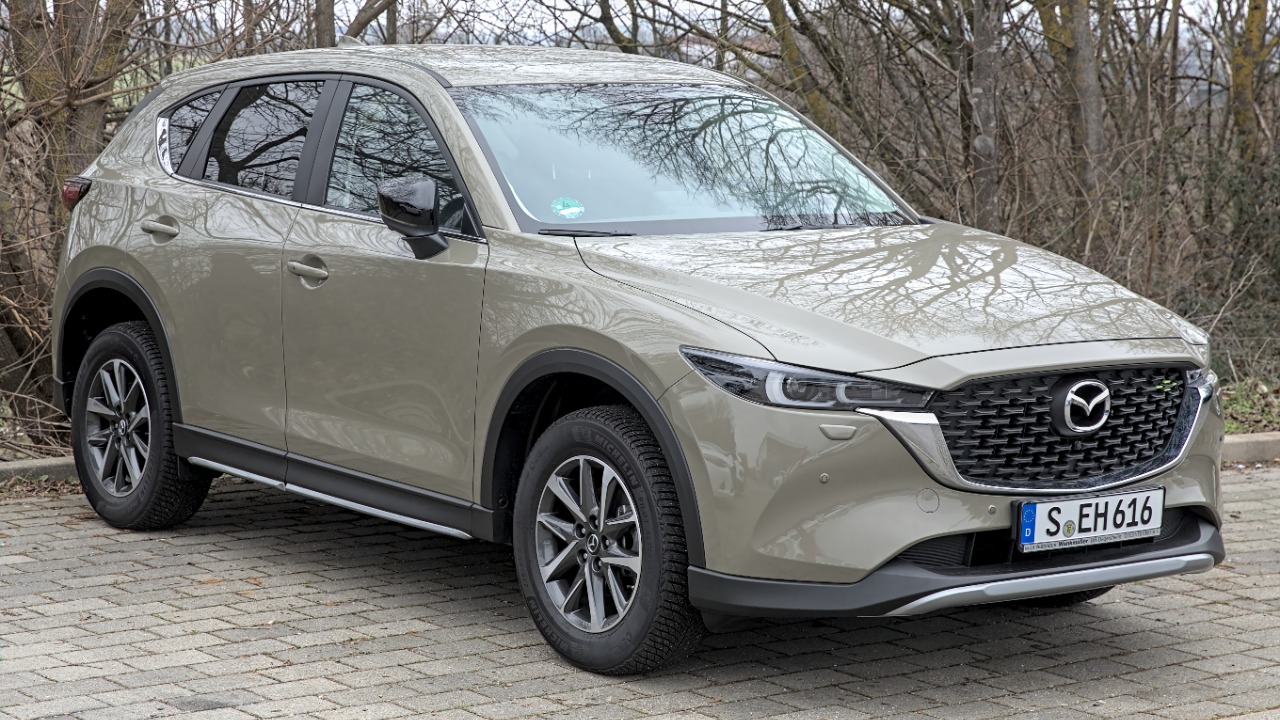
The Mazda CX 5 shows up in a very different kind of discussion, one focused on cars people buy when they are tired of constant problems. In that analysis, the host explains how Mazda has a clear strategy, wait for other brands to introduce new technology, watch them fail, then perfect it years later. That patient approach has helped the CX 5 earn a reputation for solid reliability and simple, well tuned hardware. For buyers burned by fragile turbo engines or glitchy infotainment, the CX 5 can be a surprising relief.
You might not expect a compact crossover at this price to feel so carefully engineered, but many owners find it quieter, more refined, and more durable than rivals. The CX 5 example matters because it proves you do not have to accept endless recalls or software bugs in a modern SUV. If you are moving away from a problem car, choosing a brand like Mazda that values slow, steady development can reduce your stress and long term costs.
Land Rover Discovery Sport
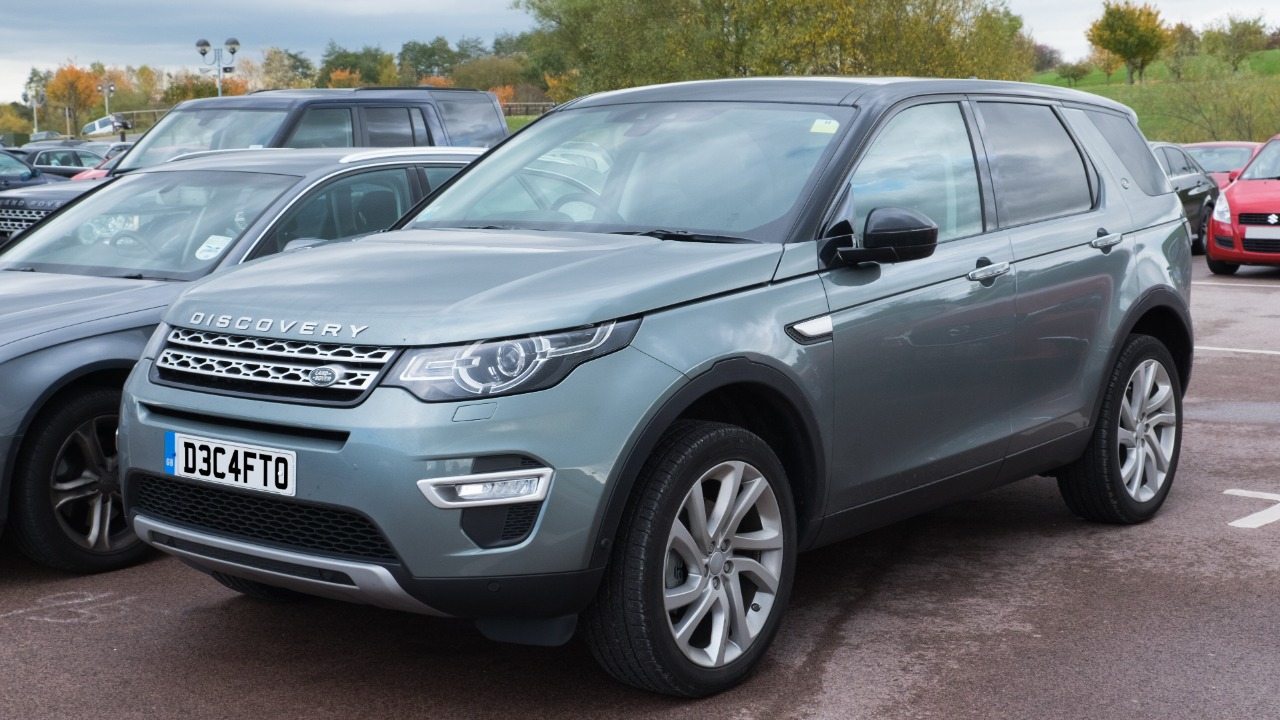
The Land Rover Discovery Sport is another model that has shocked owners, but with how quickly problems can appear. In a video focused on Unreliable cars that fail in under one year, host Jan calls out models like the Discovery Sport for early breakdowns and high failure rates. That report mentions serious mechanical issues, including drivetrain faults that show up well before the warranty runs out. When a premium badge SUV struggles to last twelve months without drama, buyers who paid extra for perceived quality feel betrayed.
Early failures hit your wallet in ways that go beyond repair bills, they damage resale value and make you question every long trip. The Discovery Sport case also shows how some luxury brands still have not solved basic reliability, even as they pack vehicles with more tech. For you, the warning is clear, a high price and fancy interior do not guarantee durability. Checking independent reliability survey data and owner forums before you sign can help you avoid a very expensive surprise.
More from Fast Lane Only