Buying a classic car can be exciting, but appearance alone rarely tells the whole story. Hidden rust, poor restorations, worn mechanical components, and hard-to-find parts can turn an attractive bargain into an expensive project. These nine classics deserve extra attention before buyers commit to ownership.
Chevrolet Corvette
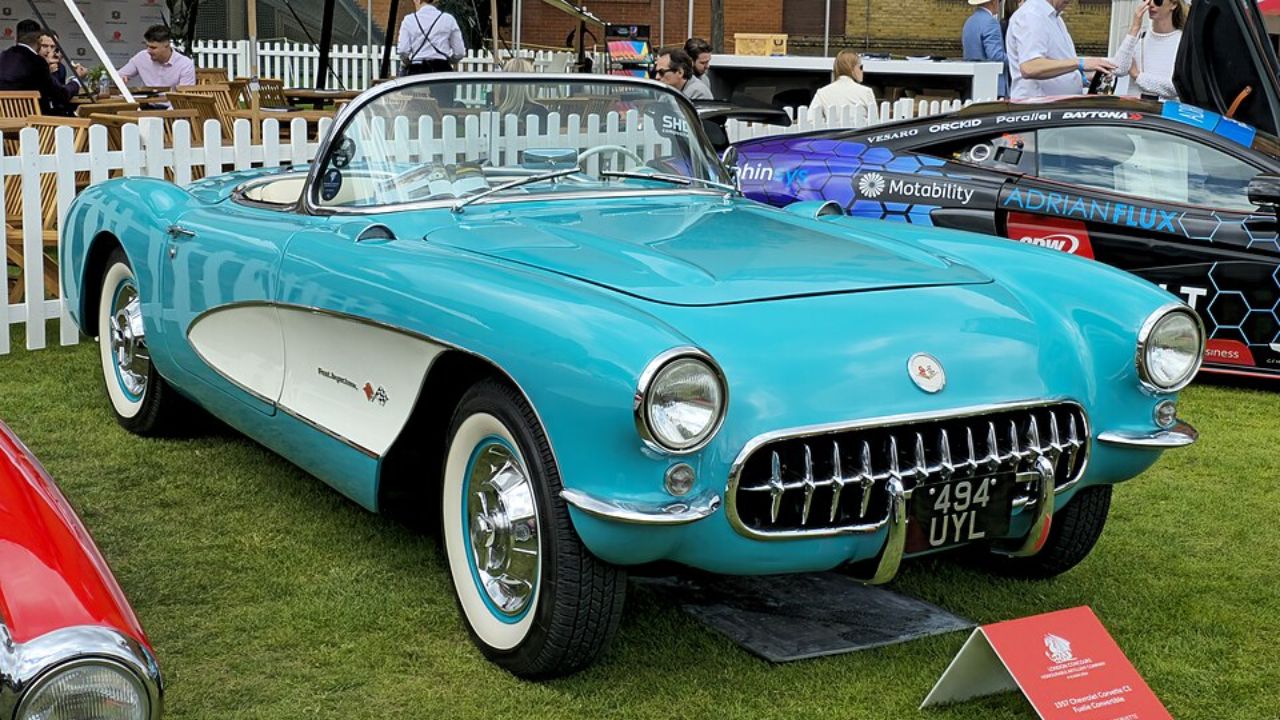
The Chevrolet Corvette has a strong reputation and an enormous enthusiast community, but condition varies greatly among older examples. Fiberglass repairs, frame damage, aging suspension components, and poorly executed modifications can create expensive problems. Buyers should inspect the body carefully and verify the car’s history. A documented, properly restored Corvette is usually far more desirable than a cheap example hiding major issues.
Ford Mustang
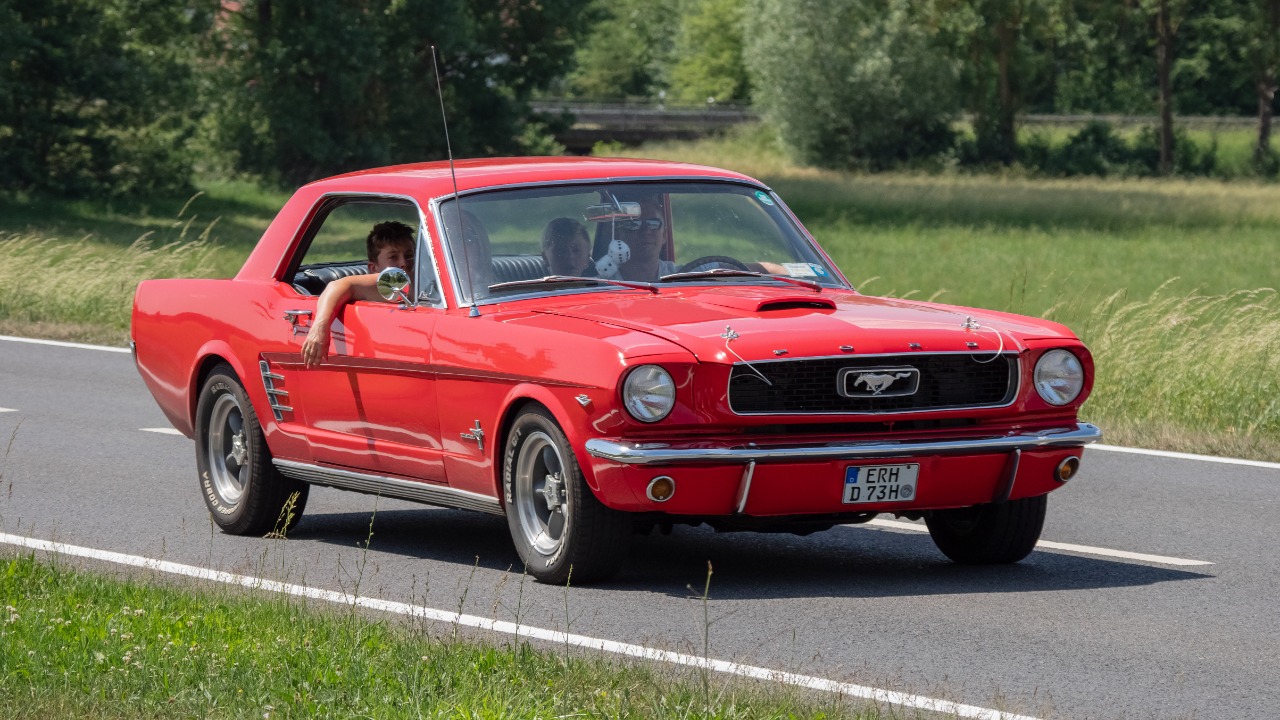
The Ford Mustang has one of the largest classic-car markets, which means buyers have many choices but also encounter plenty of modified or incorrectly restored cars. Rust, replacement panels, engine swaps, and questionable electrical work can affect older examples. Buyers should verify the vehicle identification details, inspect structural areas, and determine whether the car still matches its original specifications.
Chevrolet Camaro
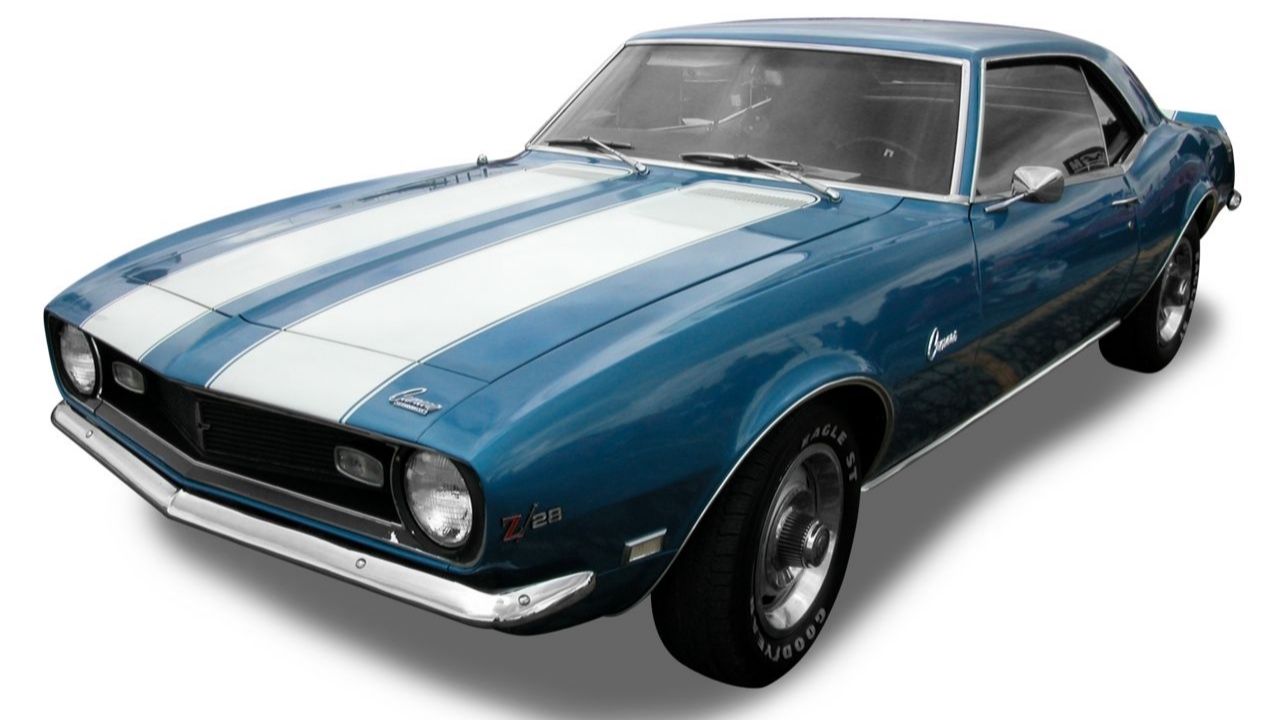
The Chevrolet Camaro is another classic with a huge restoration and modification market. That popularity means some cars have been heavily altered over the years. Rust around the body and structural areas can be expensive to repair, while replacement engines and transmissions can complicate originality. Buyers should carefully inspect the chassis and confirm important components before paying a premium for a supposedly rare example.
Pontiac GTO

The Pontiac GTO carries considerable collector appeal, but that also makes authenticity extremely important. Many ordinary Pontiac models have been modified or presented as higher-performance versions. Engine numbers, identification information, body details, and documentation should all be examined. Buyers interested in an original GTO should be especially cautious about cars with incomplete histories or extensive restoration work.
Plymouth Barracuda
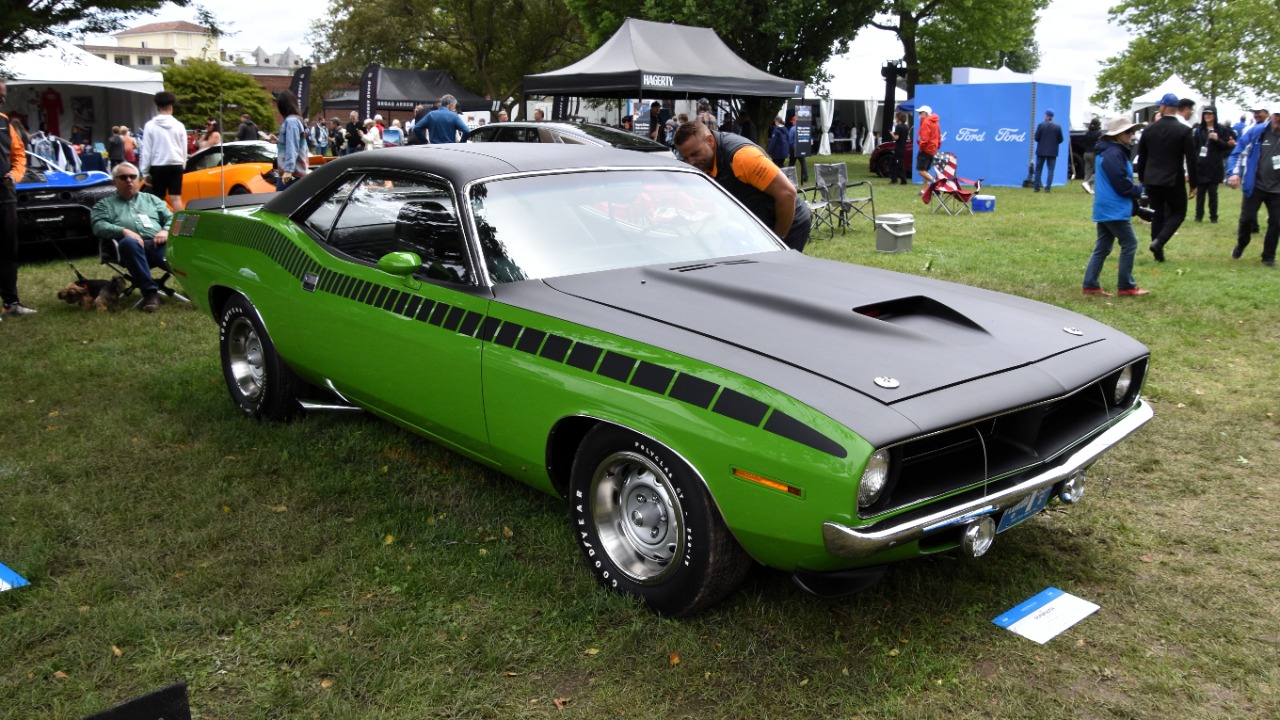
The Plymouth Barracuda can be an attractive classic, particularly in high-performance configurations, but rust and previous modifications deserve serious attention. Structural corrosion can hide beneath exterior panels, while drivetrain changes may reduce originality. Rare engine and trim combinations should always be supported by documentation. A thorough inspection can prevent buyers from paying collector-car prices for a heavily altered example.
Jaguar E-Type
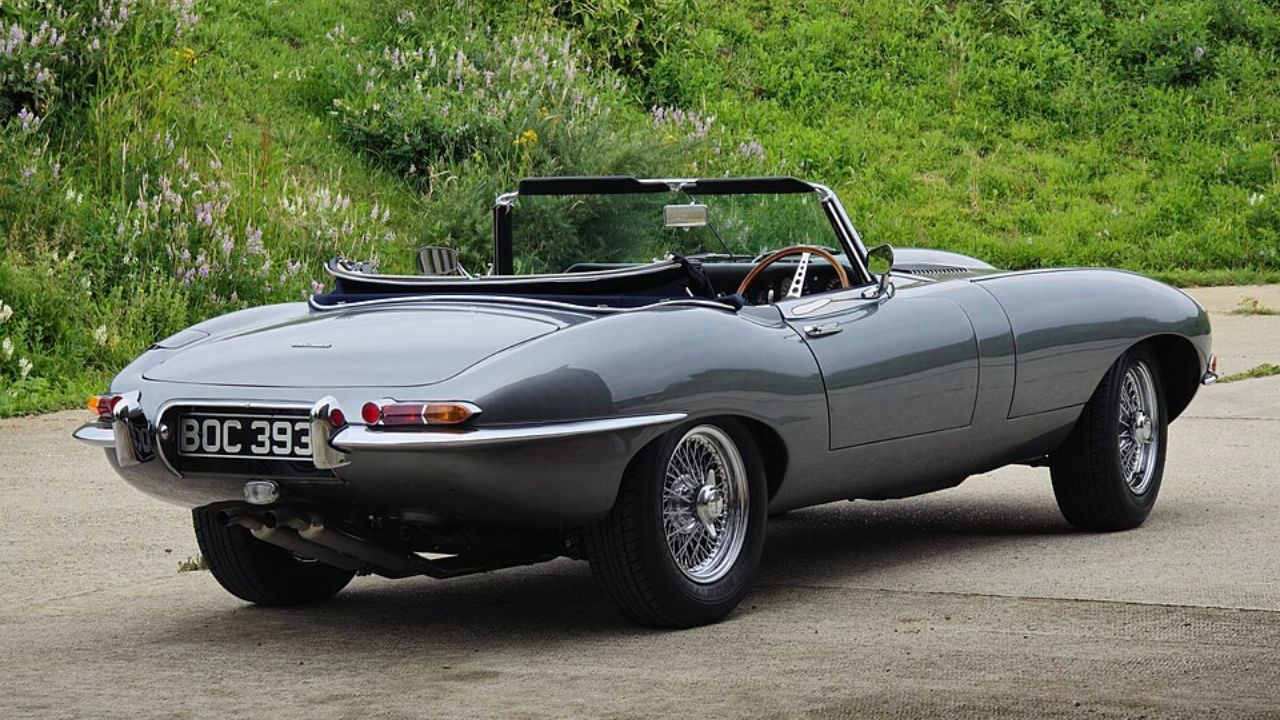
The Jaguar E-Type offers stunning styling and impressive historical importance, but maintenance can be considerably more demanding than its appearance suggests. Rust, cooling-system problems, electrical faults, and worn suspension components can become expensive restoration issues. Buyers should inspect the chassis and body carefully and obtain a professional mechanical assessment before purchasing, especially when considering an example with a low asking price.
Porsche 911
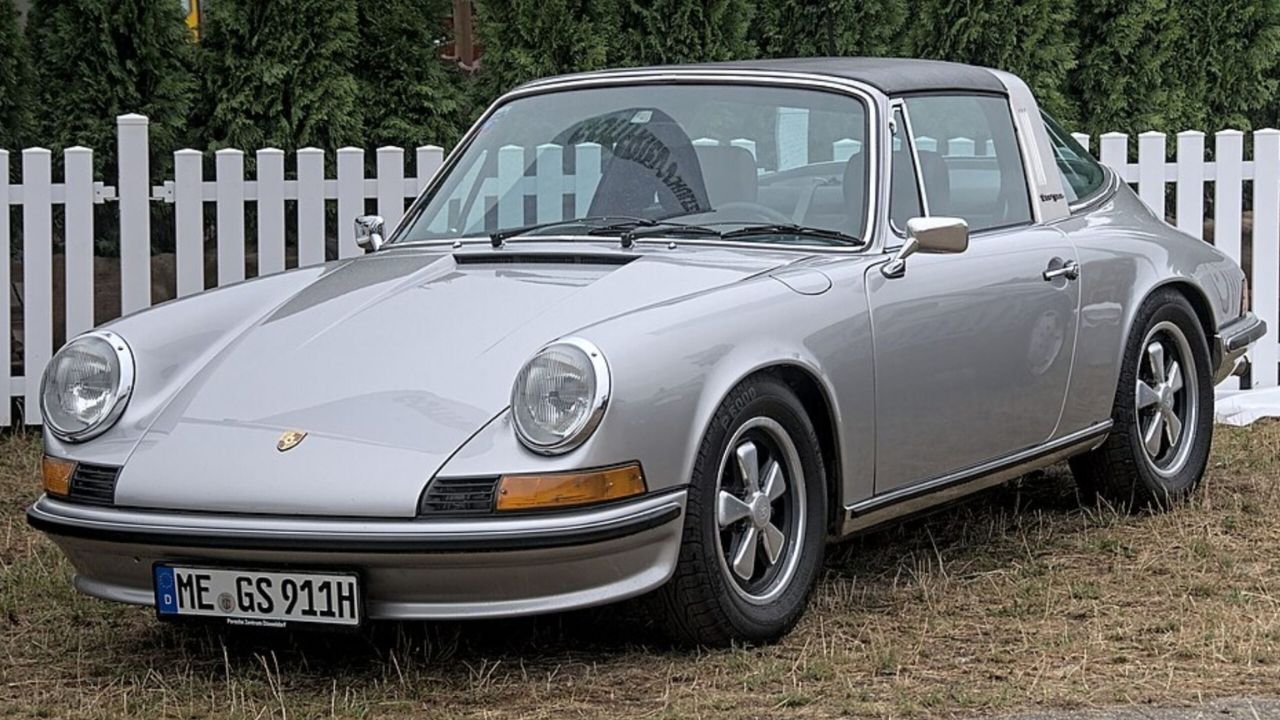
Older Porsche 911s can be rewarding classics, but their values make hidden problems particularly expensive. Rust, engine leaks, transmission wear, and previous accident repairs should receive careful attention. Documentation is also important because modifications can affect both value and originality. A thorough inspection by someone familiar with classic Porsche models can reveal problems that are easy to miss during a casual test drive.
Volkswagen Beetle
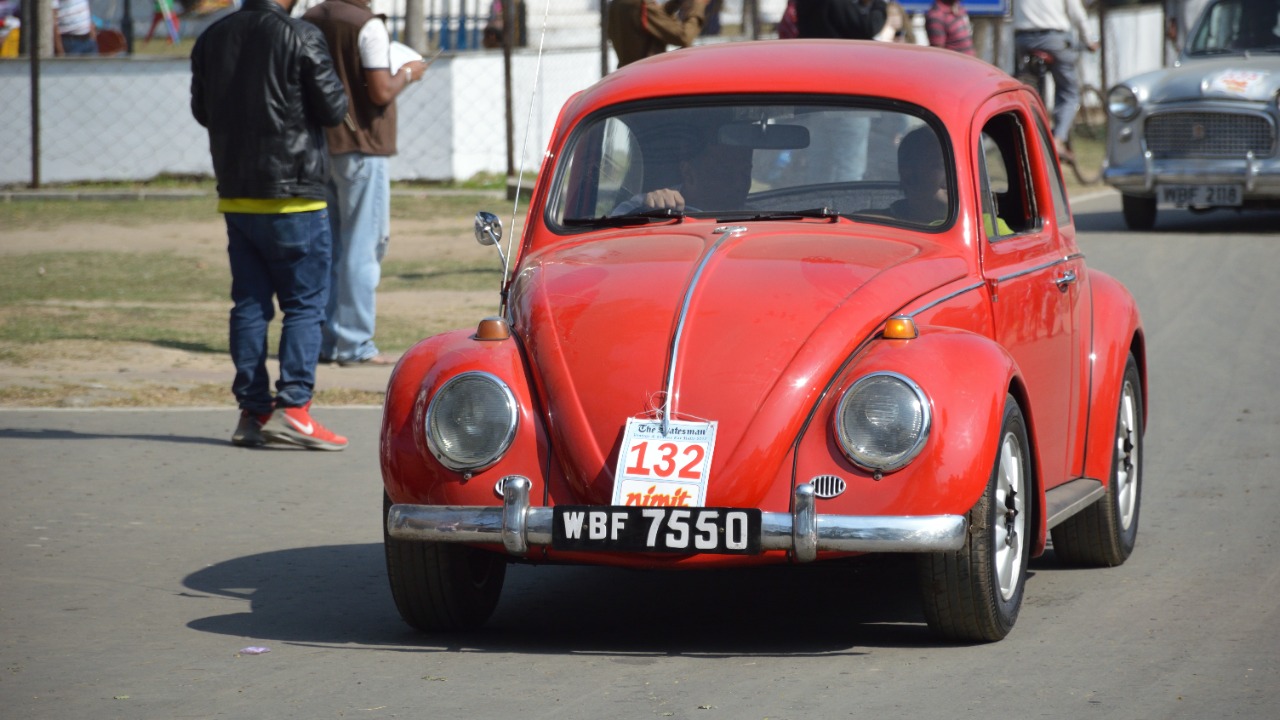
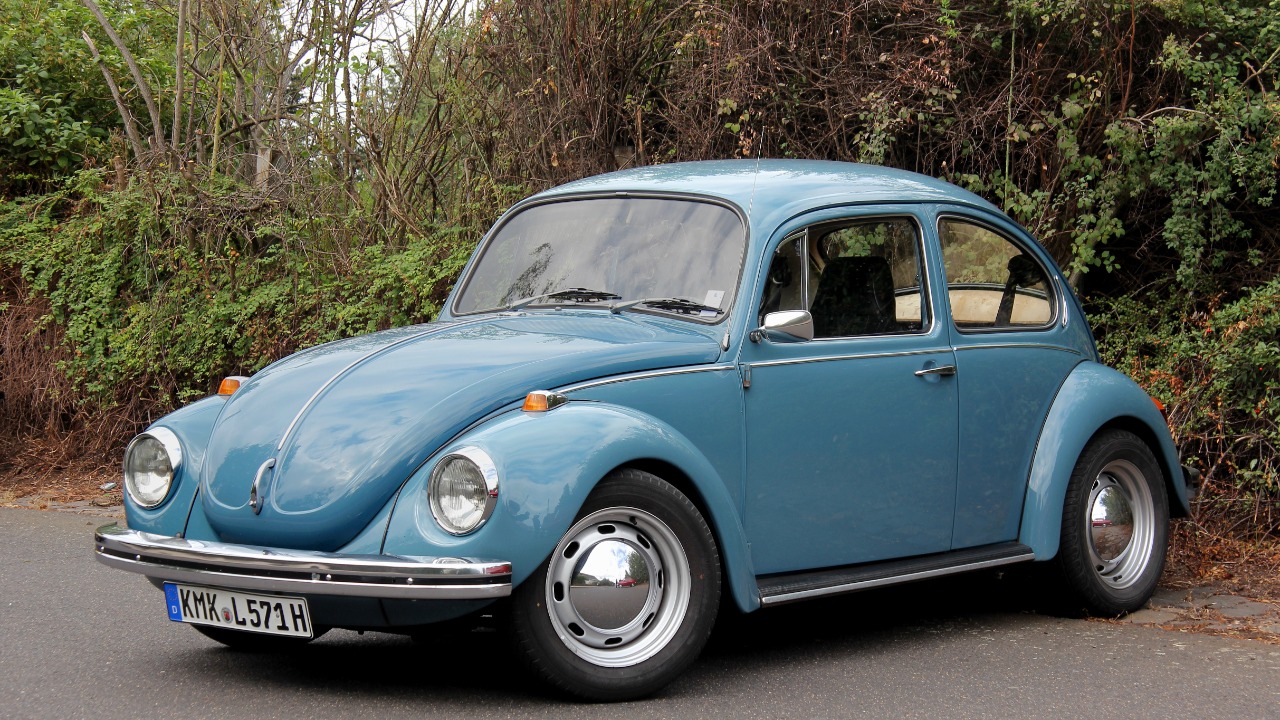
The Volkswagen Beetle appears simple, but age-related corrosion and previous repairs can create major problems. Rust around the floor pans, heater channels, suspension mounting areas, and body structure deserves close inspection. Engines and mechanical parts are relatively familiar to specialists, but poorly restored bodywork can become expensive. Buyers should prioritize structural condition over paint and cosmetic appearance.
Chevrolet Chevelle
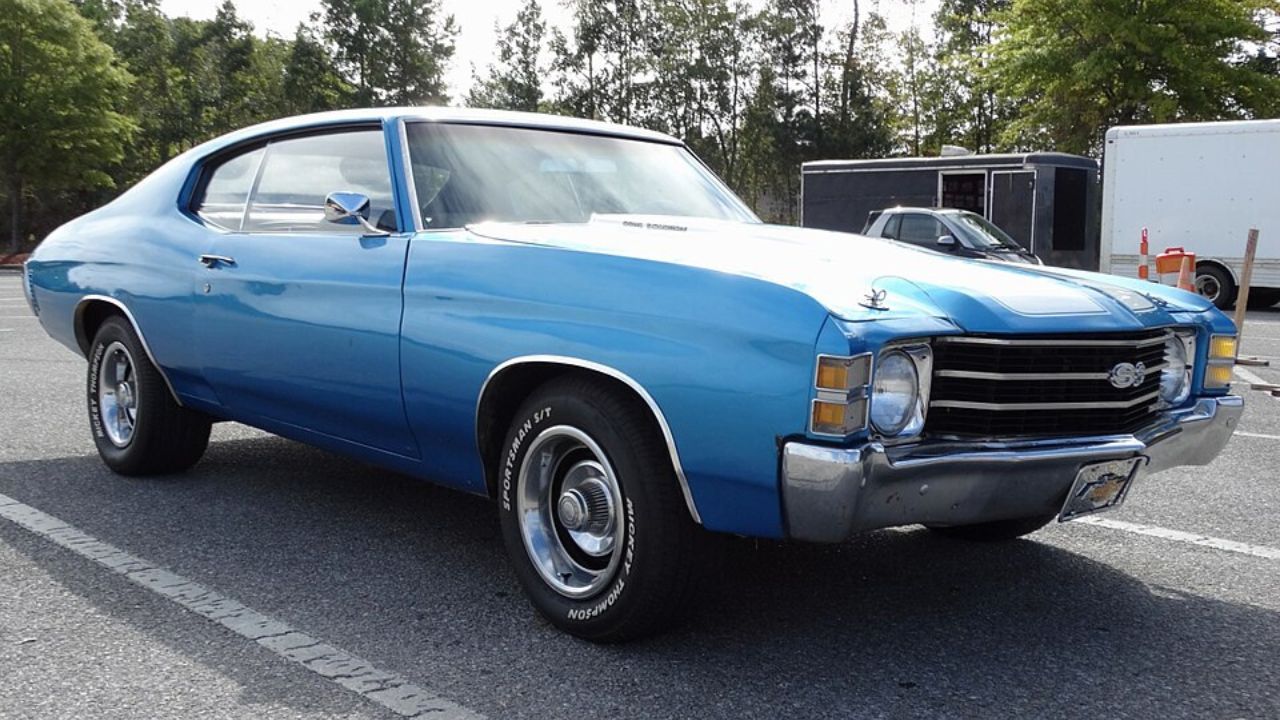
The Chevrolet Chevelle remains highly desirable, especially in SS configurations, but its popularity also makes authenticity a major concern. Some ordinary Chevelles have been converted into supposed performance models using reproduction parts and replacement engines. Buyers should verify identification numbers, factory documentation, drivetrain components, and body details. A professional inspection can help determine whether a car is genuinely rare or simply dressed to look that way.
More from Fast Lane Only
- Unboxing the WWII Jeep in a Crate
- 15 rare Chevys collectors are quietly buying
- 10 underrated V8s still worth hunting down
- Police notice this before you even roll window down
*Research for this article included AI assistance, with all final content reviewed by human editors