The 1940s were a turning point in automotive history. Wartime production, limited civilian manufacturing, and rapid engineering development shaped the vehicles that followed. Some automobiles from the decade remain relevant because of their design, mechanical simplicity, historical importance, or influence on later generations. These 9 vehicles continue to attract attention today.
Willys MB
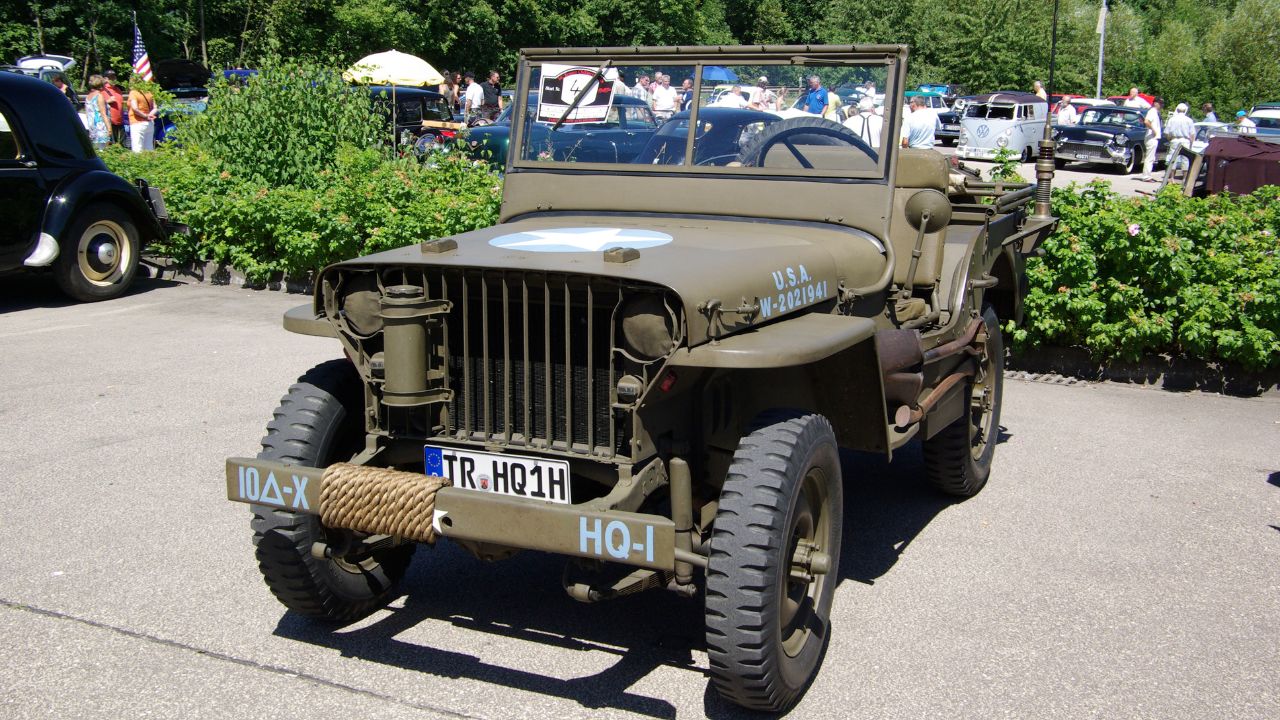
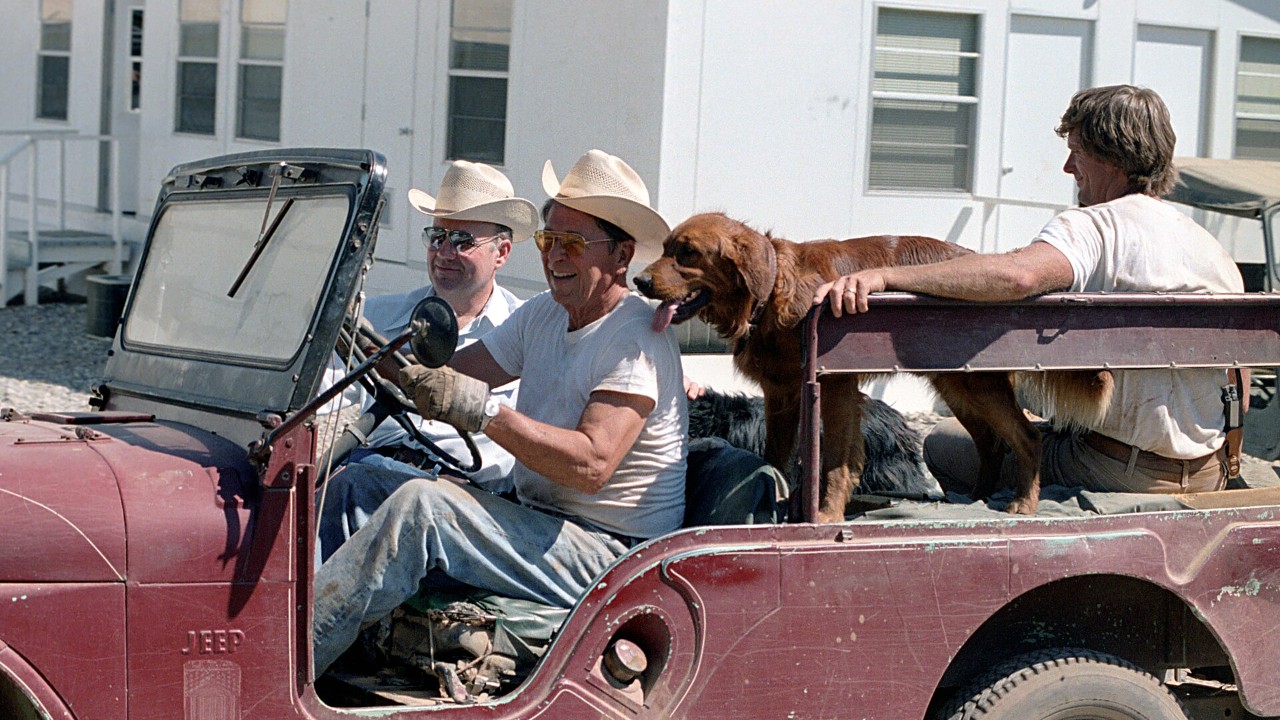
The Willys MB became one of the most recognizable military vehicles of World War II. Its lightweight body, four-wheel drive, and rugged construction allowed it to operate across difficult terrain. Although originally designed for military service, its influence continued into civilian four-wheel-drive vehicles. Surviving examples remain historically important and demonstrate how practical engineering can create a lasting automotive legacy.
Ford Super Deluxe
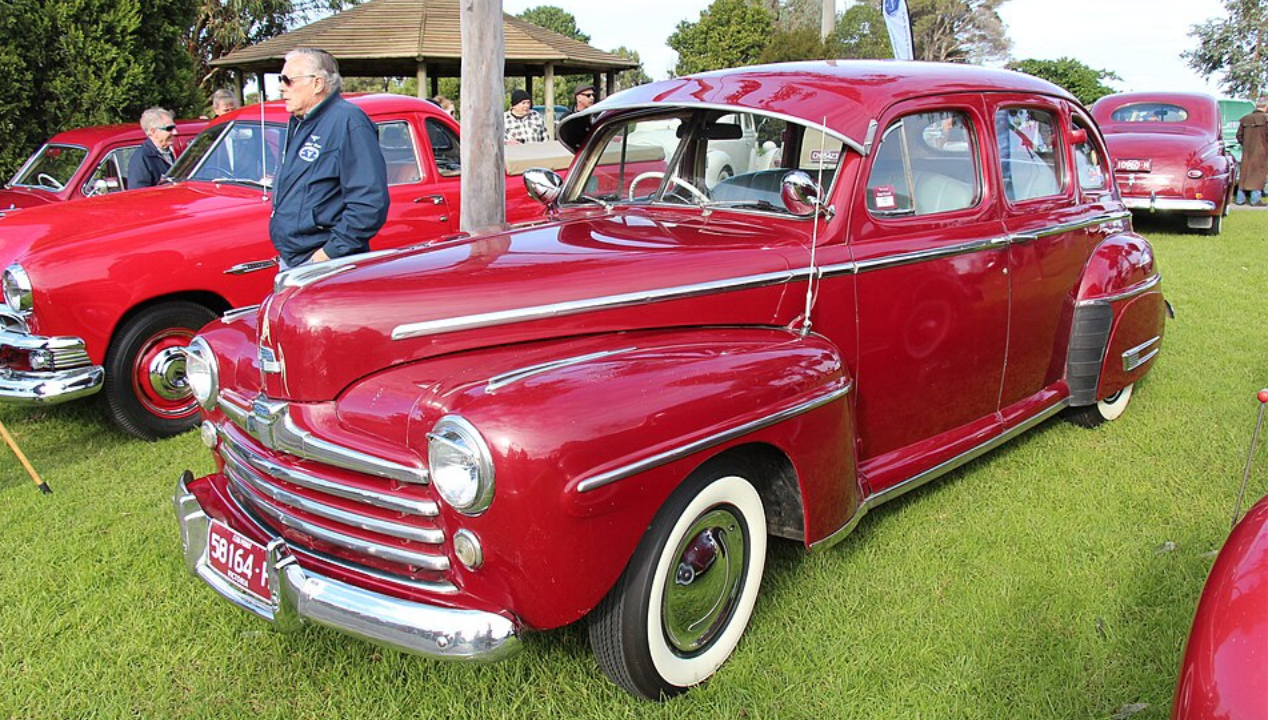
The Ford Super Deluxe represented one of Ford’s important civilian automobiles during the 1940s. Its flathead V8 provided respectable performance, while its traditional styling reflected prewar American design. After the war, demand for automobiles increased dramatically, helping models like the Super Deluxe return to civilian roads. Today, its simple mechanical layout makes it popular with restoration enthusiasts.
Chevrolet Fleetline
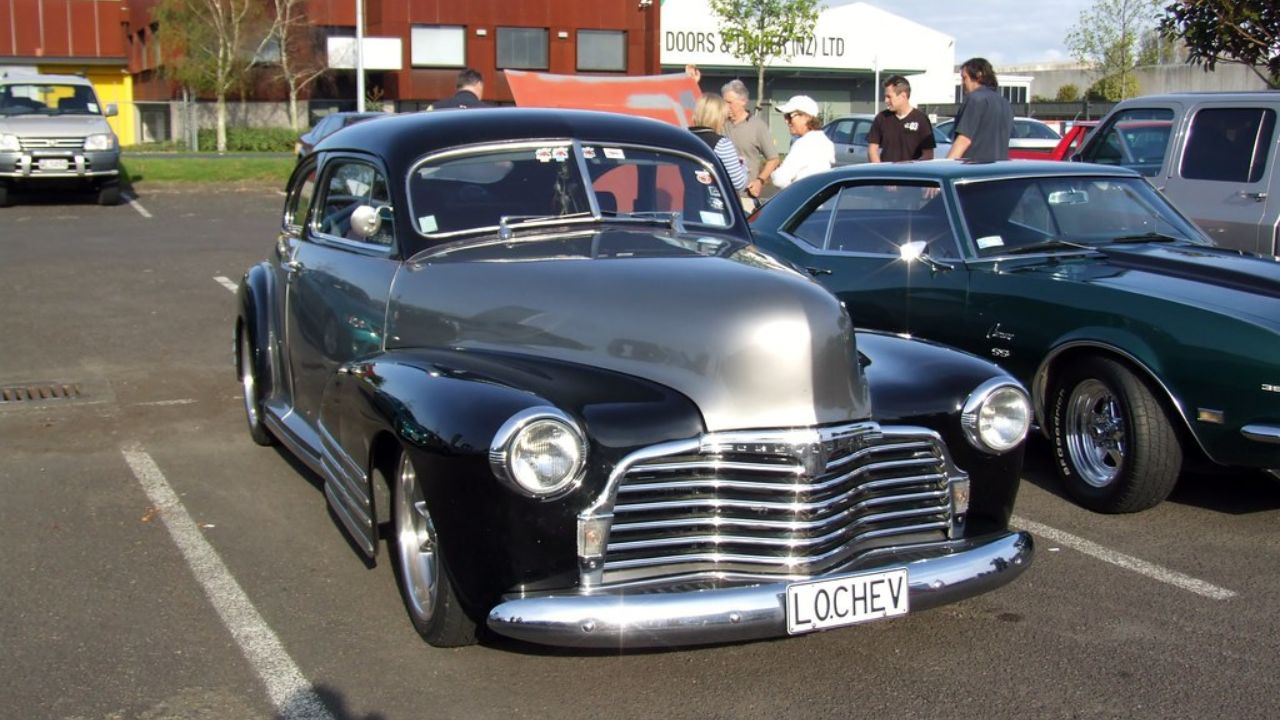
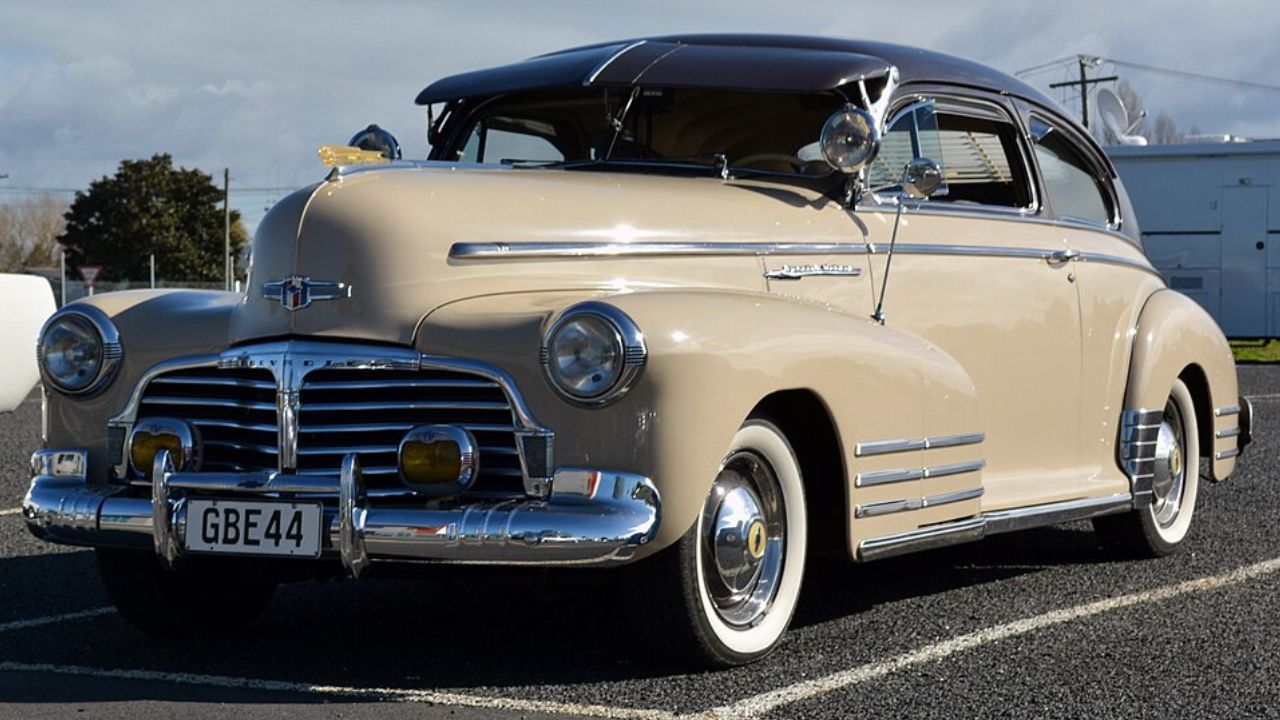
The Chevrolet Fleetline became known for its streamlined fastback-inspired body and attractive proportions. Its design gave Chevrolet a more modern appearance during the transition from prewar to postwar production. Available with a straightforward inline-six engine, it remained relatively approachable mechanically. Today, restored Fleetlines continue attracting attention because their rounded styling captures an important moment in American automotive design.
Buick Super
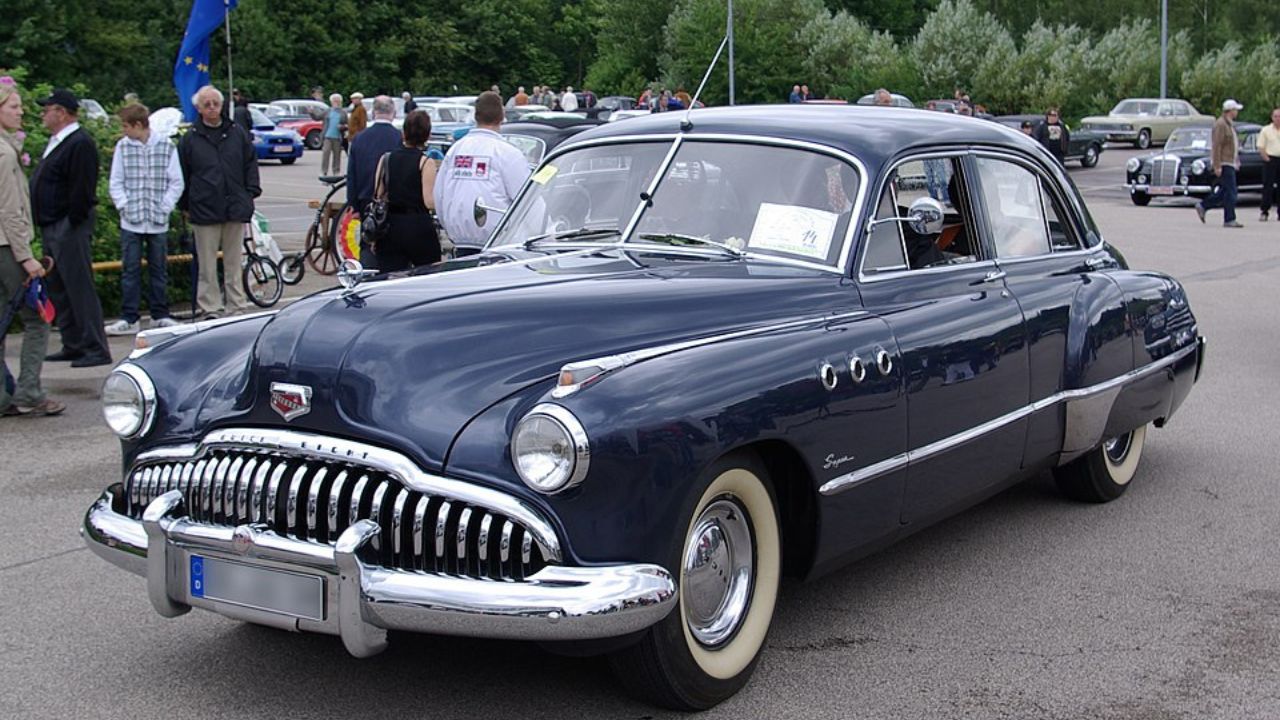
The Buick Super combined a large, comfortable body with the smooth performance expected from a premium American automobile. Its substantial dimensions and carefully finished interior reflected the luxury market of the era. Postwar examples are particularly interesting because they show how manufacturers returned to civilian production after wartime restrictions. Surviving Buicks remain valued for their craftsmanship and distinctive period styling.
Cadillac Series 62
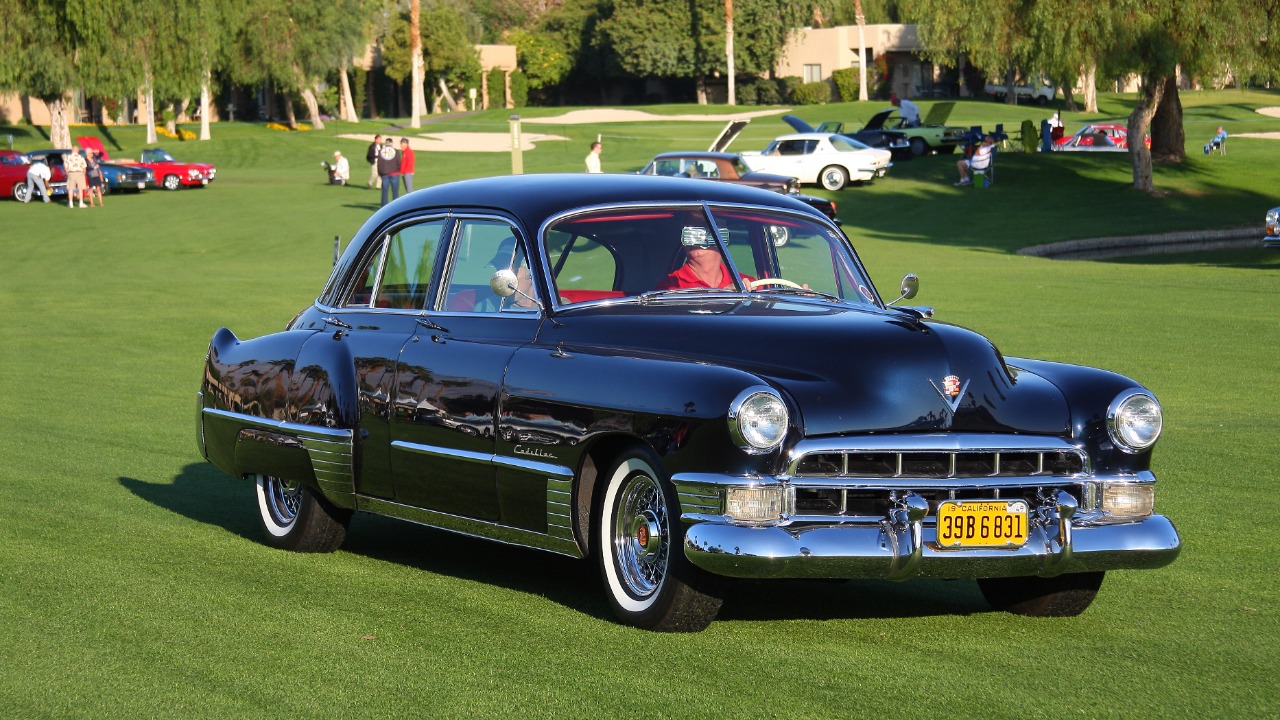
The Cadillac Series 62 represented American luxury during a period of major historical change. Its large body, powerful engine, and elaborate styling gave it considerable presence. After World War II, Cadillac quickly re-established itself as a leading luxury manufacturer. The Series 62 remains relevant to collectors because it helped define the postwar American luxury-car formula.
Packard Super Eight
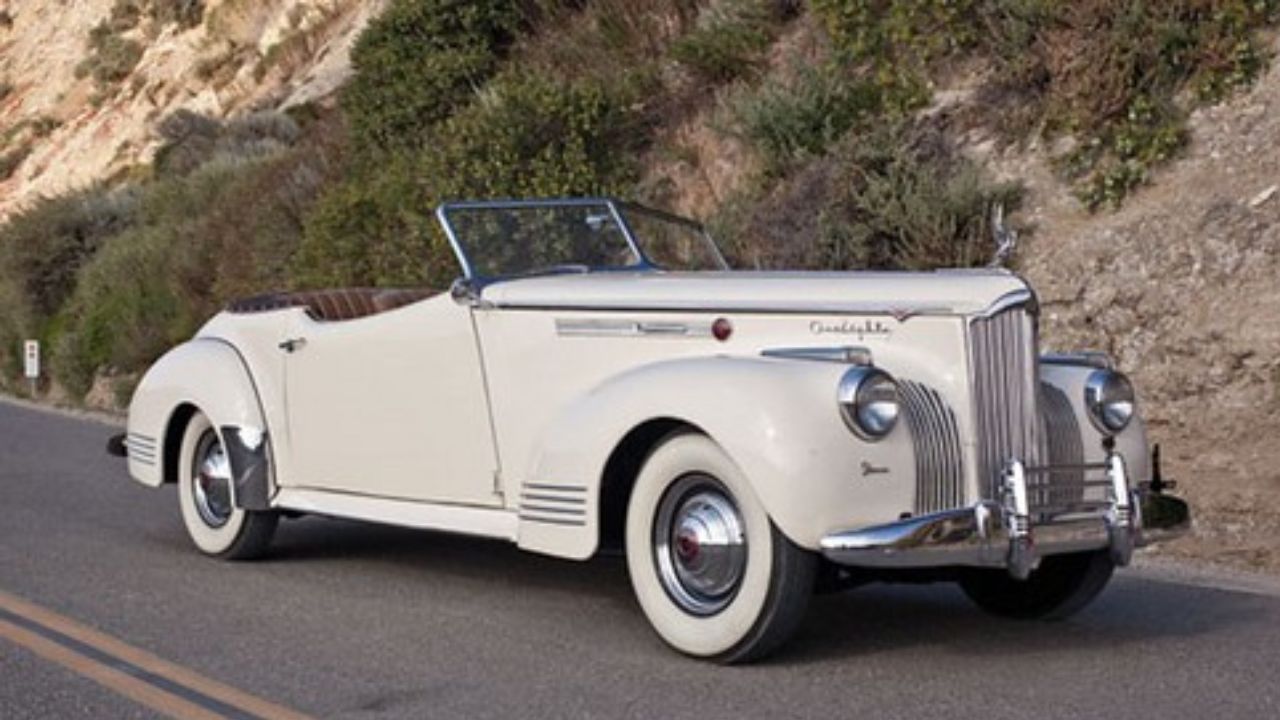
The Packard Super Eight combined smooth eight-cylinder performance with sophisticated construction and elegant styling. Packard had already established a reputation for quality before the war, and the Super Eight continued that tradition. Its engineering and craftsmanship made it a respected luxury automobile. Today, surviving examples provide a glimpse into the high-quality American cars produced during the transition into the postwar era.
Hudson Commodore
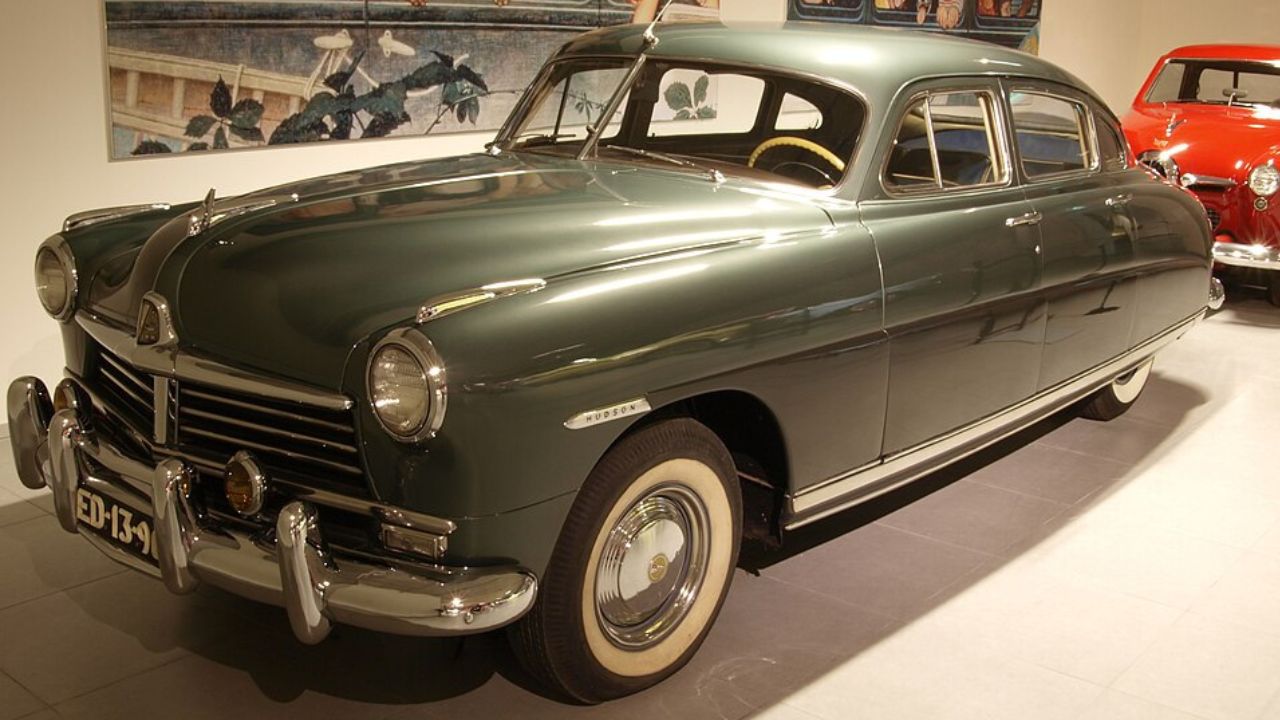
The Hudson Commodore offered a distinctive combination of streamlined styling and strong performance. Its low body and advanced construction gave it a different appearance from many traditional American cars. Hudson’s engineering approach would become increasingly important in the following decade. Today, the Commodore is appreciated by enthusiasts who value unusual American designs outside the mainstream Ford, Chevrolet, and Chrysler brands.
Chrysler Windsor
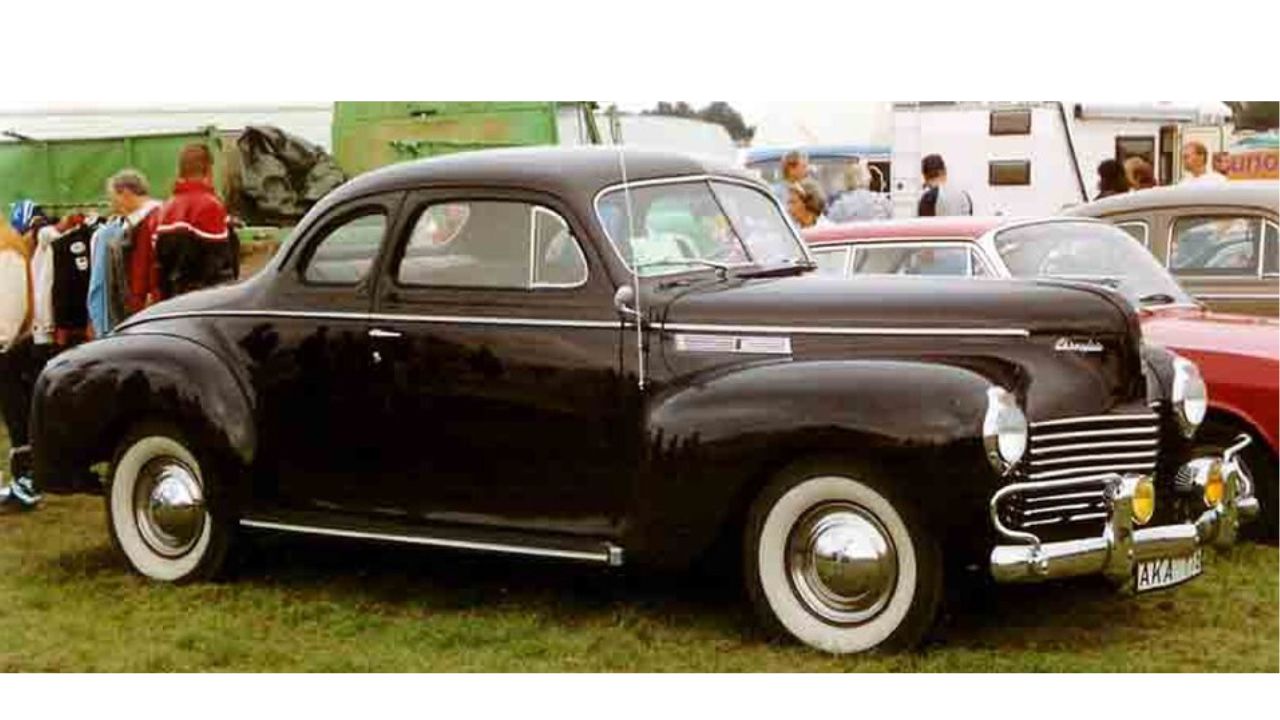
The Chrysler Windsor provided buyers with a comfortable and well-equipped American automobile while retaining relatively conventional mechanical engineering. Its styling reflected the transition from prewar designs toward the smoother forms that would become popular after World War II. The Windsor remains interesting to collectors because it represents Chrysler’s return to civilian automobile production during an important period in American history.
Studebaker Champion
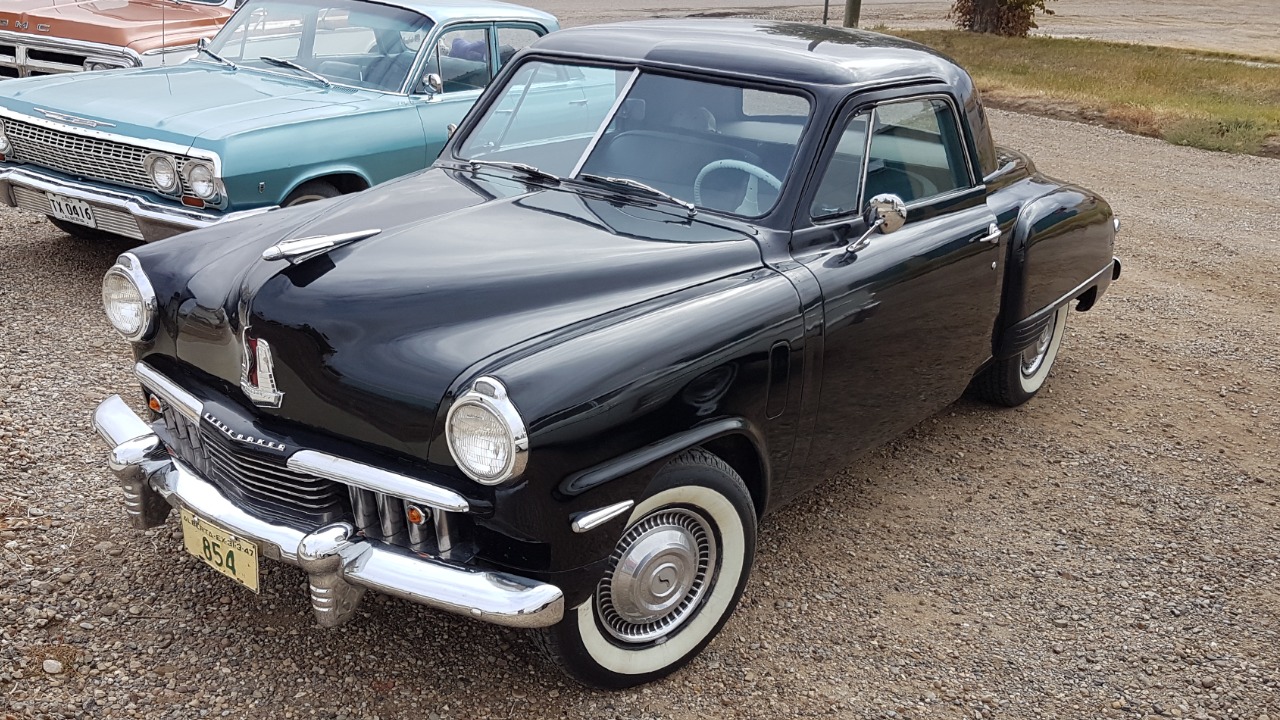
The Studebaker Champion introduced a more compact and efficient approach to American car design. Its streamlined body and economical engineering helped distinguish it from many larger domestic automobiles. Studebaker’s willingness to experiment with design became increasingly important after the war. The Champion remains relevant because it demonstrated that American manufacturers could take a different approach to size, efficiency, and styling.
More from Fast Lane Only
- Unboxing the WWII Jeep in a Crate
- 15 rare Chevys collectors are quietly buying
- 10 underrated V8s still worth hunting down
- Police notice this before you even roll window down
*Research for this article included AI assistance, with all final content reviewed by human editors