Certain engines have become increasingly interesting to collectors because of their historical importance, limited production, performance, or connection to famous vehicles. Instead of focusing only on complete cars, some enthusiasts are preserving the powerplants themselves. These nine engines are becoming especially desirable among people who understand how quickly original examples can disappear.
Ford 427 Side-Oiler

The Ford 427 Side-Oiler became one of the most famous big-block engines of the muscle-car era. Originally developed with serious performance and competition applications in mind, it featured a specialized oiling system designed to support demanding operation. Genuine examples with correct components are increasingly difficult to find because many were modified or rebuilt. Collectors value original Side-Oilers for their engineering significance and racing heritage.
Chevrolet 427 L88

The Chevrolet 427 L88 remains one of the most desirable Chevrolet performance engines ever produced. It used specialized high-performance components and was intended for serious enthusiasts and competition-minded buyers. Production was extremely limited compared with ordinary Chevrolet V8s. Because authentic components have become scarce, collectors pay close attention to original blocks, heads, intake systems, and other identifying parts when evaluating a genuine L88.
Chrysler 426 Hemi
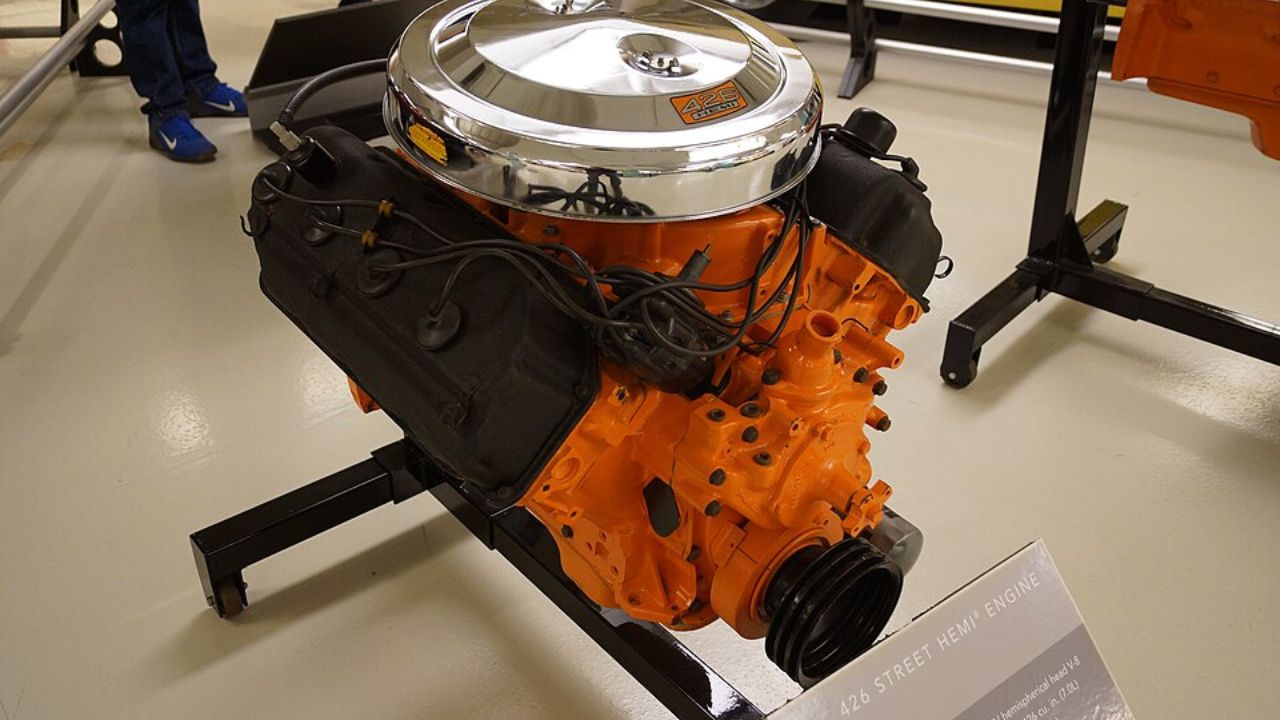
The Chrysler 426 Hemi became legendary for its hemispherical combustion chambers and enormous performance potential. It powered some of the most famous muscle cars and dominated various forms of American racing. Original engines are highly desirable because many were modified or replaced over the decades. Collectors seek complete, correctly configured examples because the engine represents one of the most important chapters in American performance history.
Pontiac Ram Air IV 400
Joe Mabel – CC BY-SA 3.0 / Wiki Commons
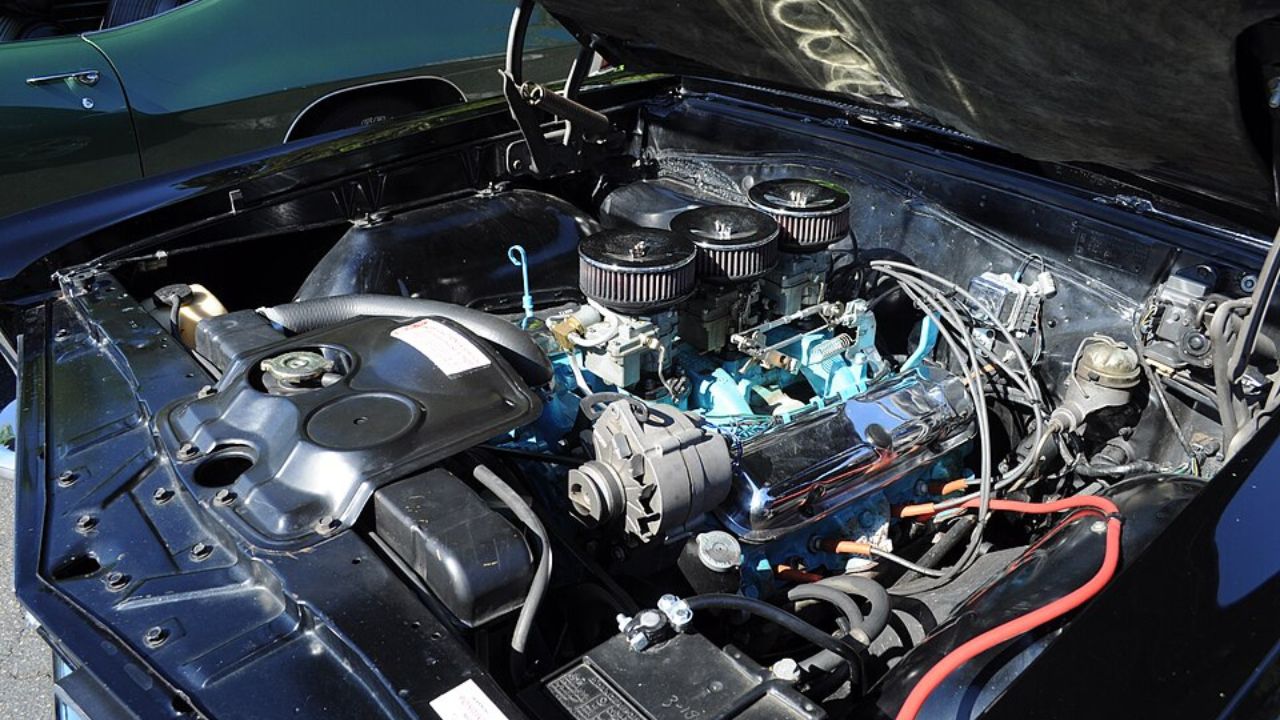
The Pontiac Ram Air IV 400 became one of the most respected high-performance Pontiac engines of the muscle-car period. Specialized cylinder heads, high-flow components, and a performance-oriented design separated it from ordinary Pontiac V8s. Its limited availability makes original examples particularly interesting today. Collectors often look for correct casting numbers and components because authentic Ram Air IV engines are increasingly difficult to locate.
Oldsmobile 455 W-30
CC BY 2.0 / Wiki Commons
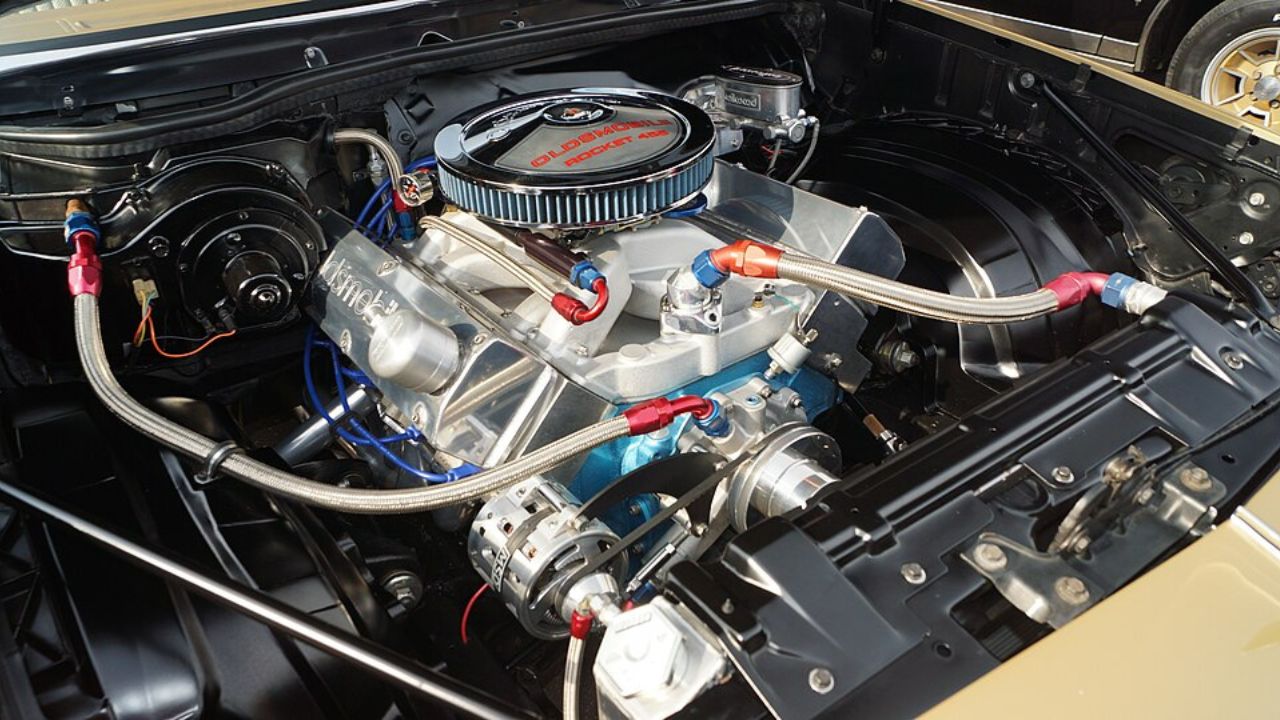
The Oldsmobile 455 W-30 became a standout performance engine during the height of the American muscle-car era. Its large displacement and strong torque made it ideal for heavy Oldsmobile performance cars. Factory-specific components also helped distinguish it from ordinary 455 engines. As original examples became scarcer through decades of modifications and engine swaps, correctly configured W-30 engines became increasingly attractive to collectors.
Buick Stage 1 455
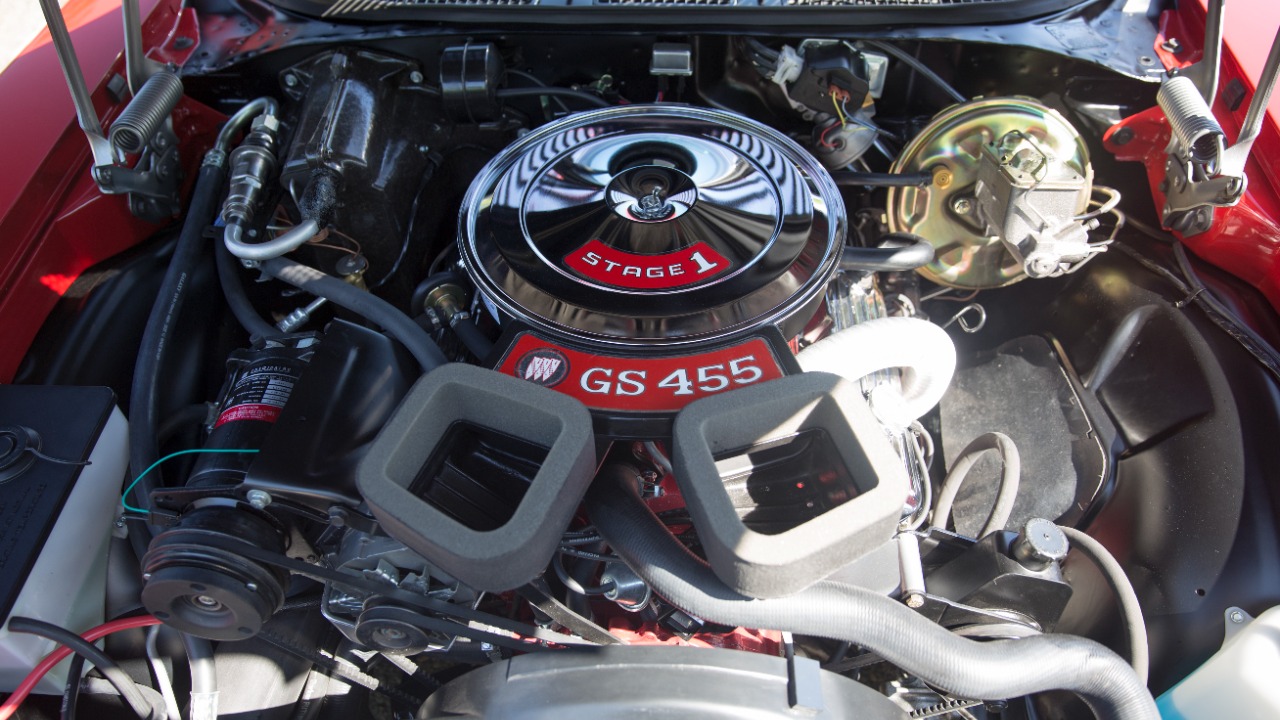
The Buick Stage 1 455 combined enormous displacement with a torque-focused character that made Buick muscle cars surprisingly quick. Its specialized performance components separated it from standard Buick 455 engines. Many original engines were rebuilt, modified, or lost during decades of use. Today, collectors value authentic Stage 1 powerplants because they represent one of Buick’s most important contributions to the classic muscle-car era.
Chevrolet 409

The Chevrolet 409 became famous for its distinctive W-series architecture and strong association with early 1960s American performance. It was available in several configurations, including powerful versions that attracted racers and enthusiasts. Many original engines disappeared through modifications and replacements. Collectors now seek complete 409s with correct components because authentic examples preserve an important part of Chevrolet’s early high-performance history.
Ford 428 Cobra Jet
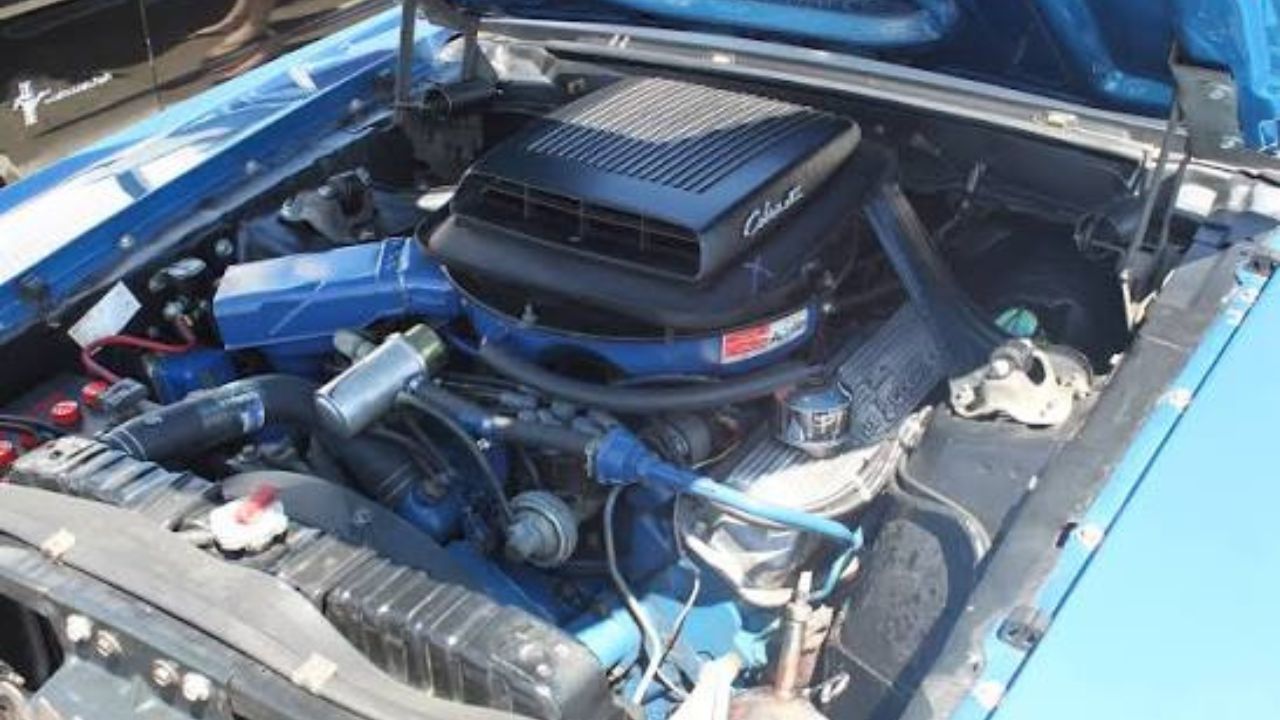
The Ford 428 Cobra Jet became one of Ford’s most celebrated muscle-car engines. It combined large displacement with specialized performance components that made it particularly effective in heavy performance cars. Its association with the Mustang, Torino, and other Ford models increased its historical importance. Original Cobra Jet engines are increasingly valuable because many were replaced or modified during decades of enthusiast ownership.
Toyota 2JZ-GTE
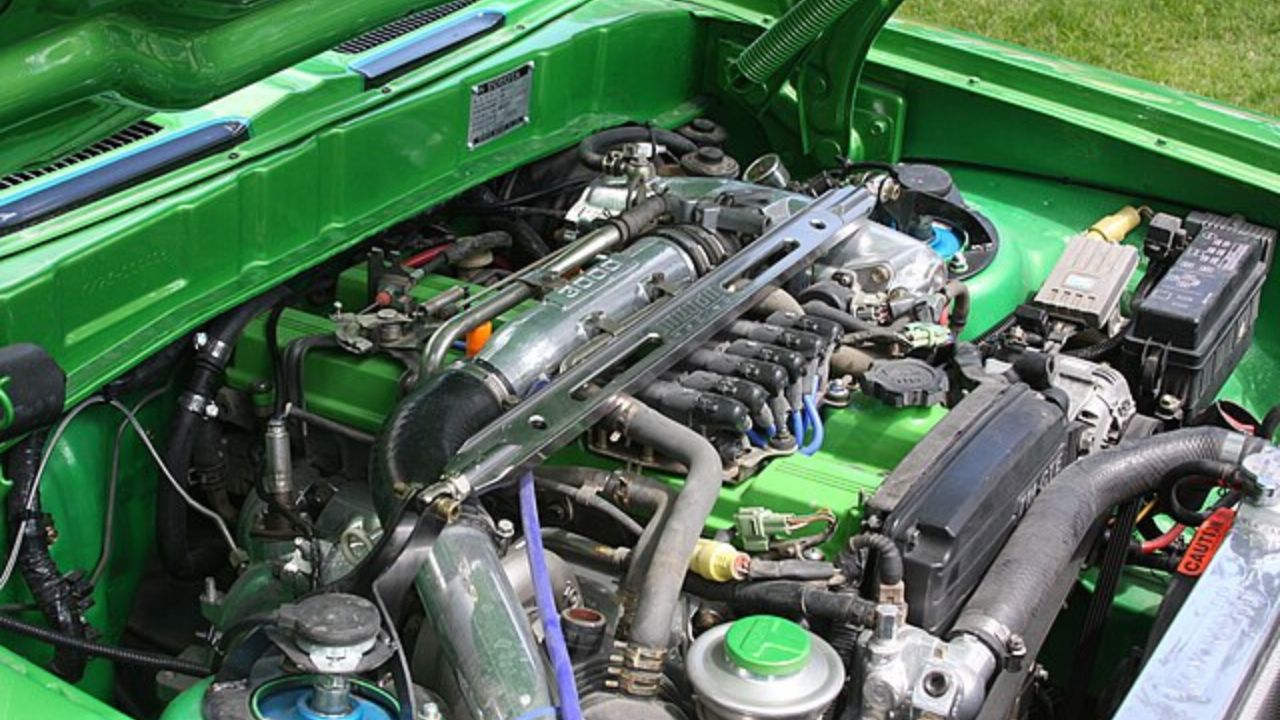
The Toyota 2JZ-GTE became a modern performance legend because of its strong inline-six architecture and enormous tuning potential. Originally associated with the Toyota Supra, it gained worldwide fame through motorsports and enthusiast culture. Complete original engines are increasingly interesting to collectors because many were modified for high-power builds. Unmodified examples with original components are becoming harder to find as demand continues.
More from Fast Lane Only
- Unboxing the WWII Jeep in a Crate
- 15 rare Chevys collectors are quietly buying
- 10 underrated V8s still worth hunting down
- Police notice this before you even roll window down
*Research for this article included AI assistance, with all final content reviewed by human editors