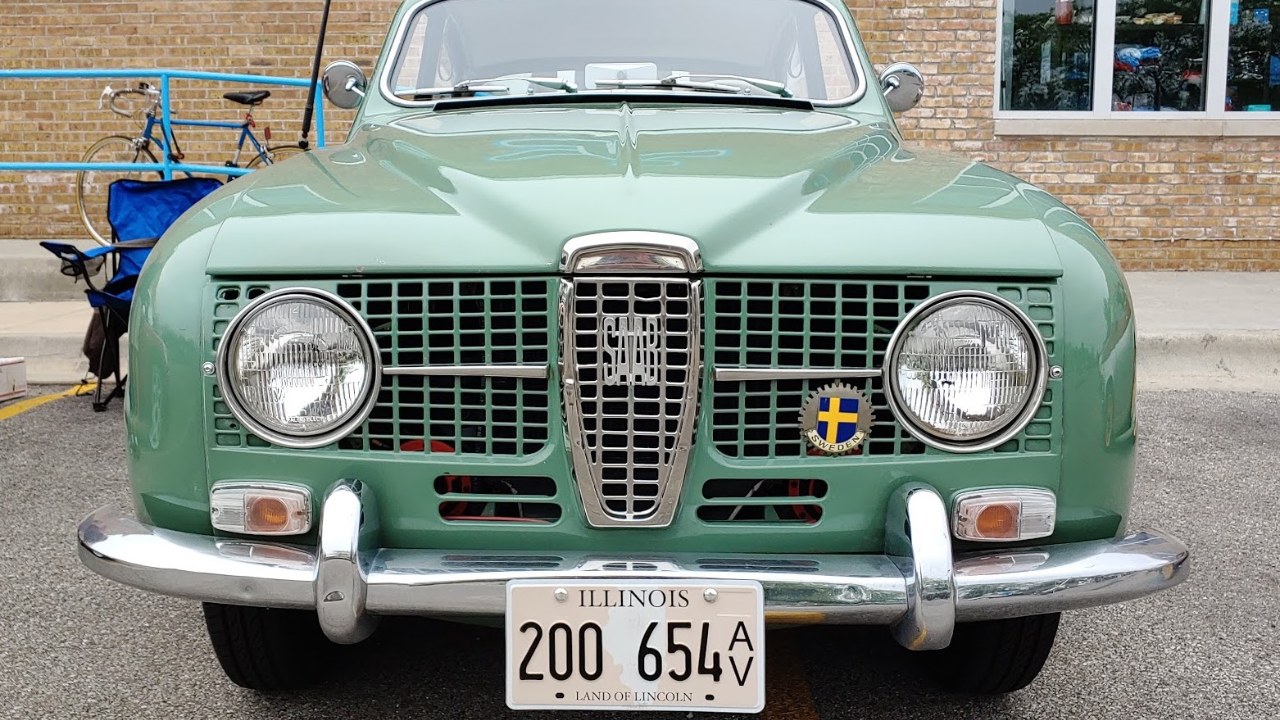
The 1960s produced some of the most recognizable automobiles in history. Designers experimented with bold shapes, powerful engines, and new approaches to performance and luxury. While many cars from the decade have disappeared, these ten models continue to stand out because their styling, personality, and driving character remain unmistakable.
Ford Mustang
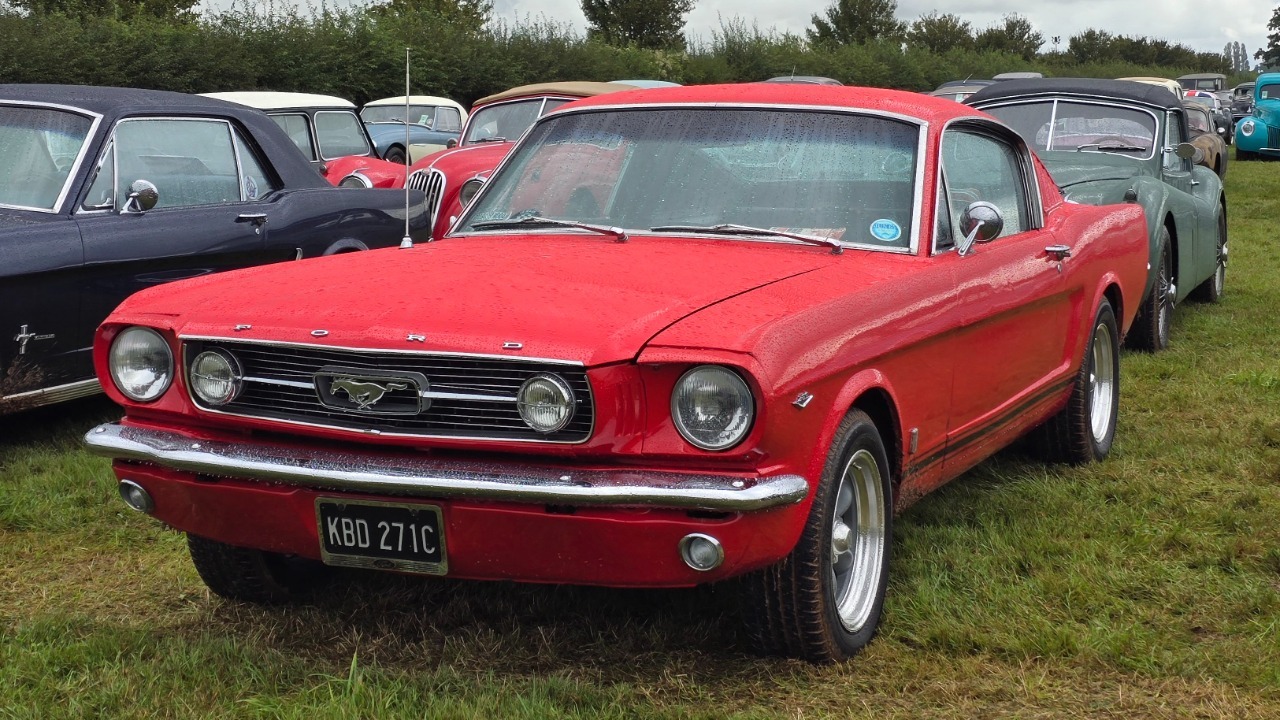
The Ford Mustang became one of the defining cars of the 1960s. Its long hood, short rear deck, and sporty proportions created a formula that quickly attracted younger buyers. Affordable pricing and numerous engine choices made it accessible to a wide audience. Even decades later, the original Mustang remains instantly recognizable because its basic design captured the excitement of an entirely new automotive era.
Chevrolet Corvette
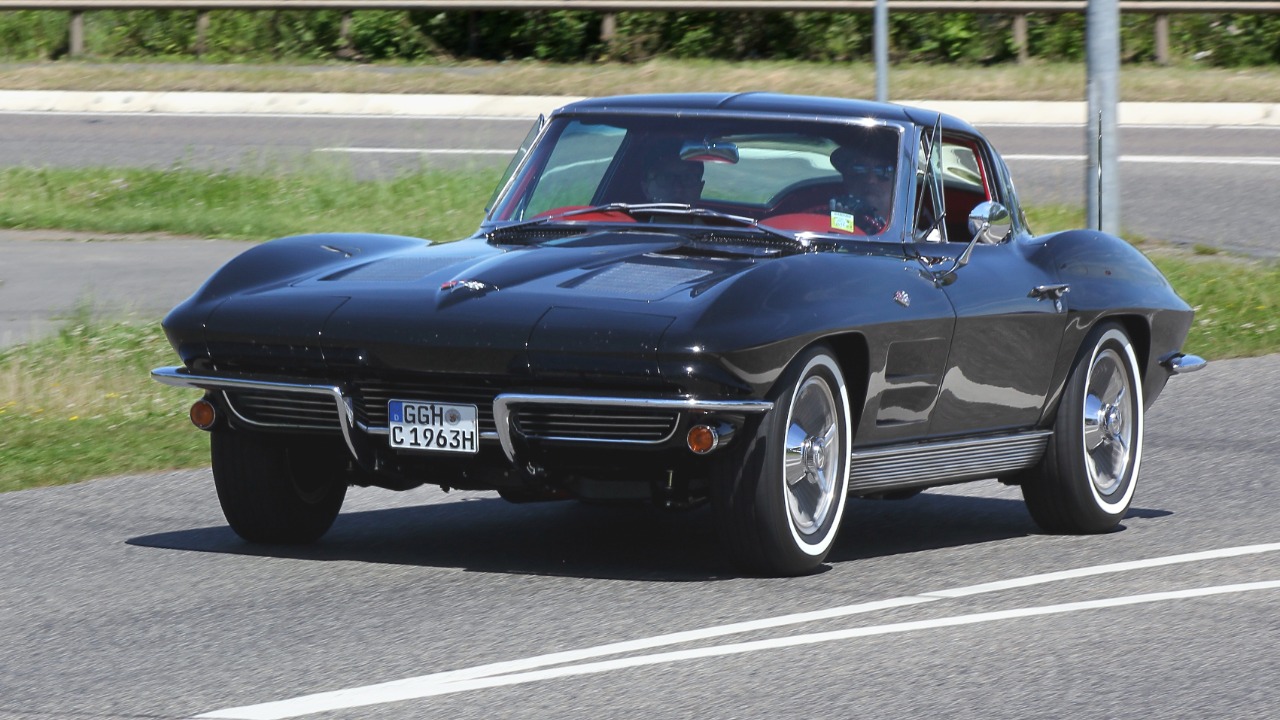
The Chevrolet Corvette entered the 1960s as America’s established two-seat sports car and became even more distinctive during the decade. Its sculpted body, hidden headlights, and powerful V8 engines created an unmistakable presence. The Corvette offered genuine performance while maintaining a uniquely American identity. Its dramatic styling and long-running reputation ensured that the 1960s models never faded into automotive obscurity.
Chevrolet Impala
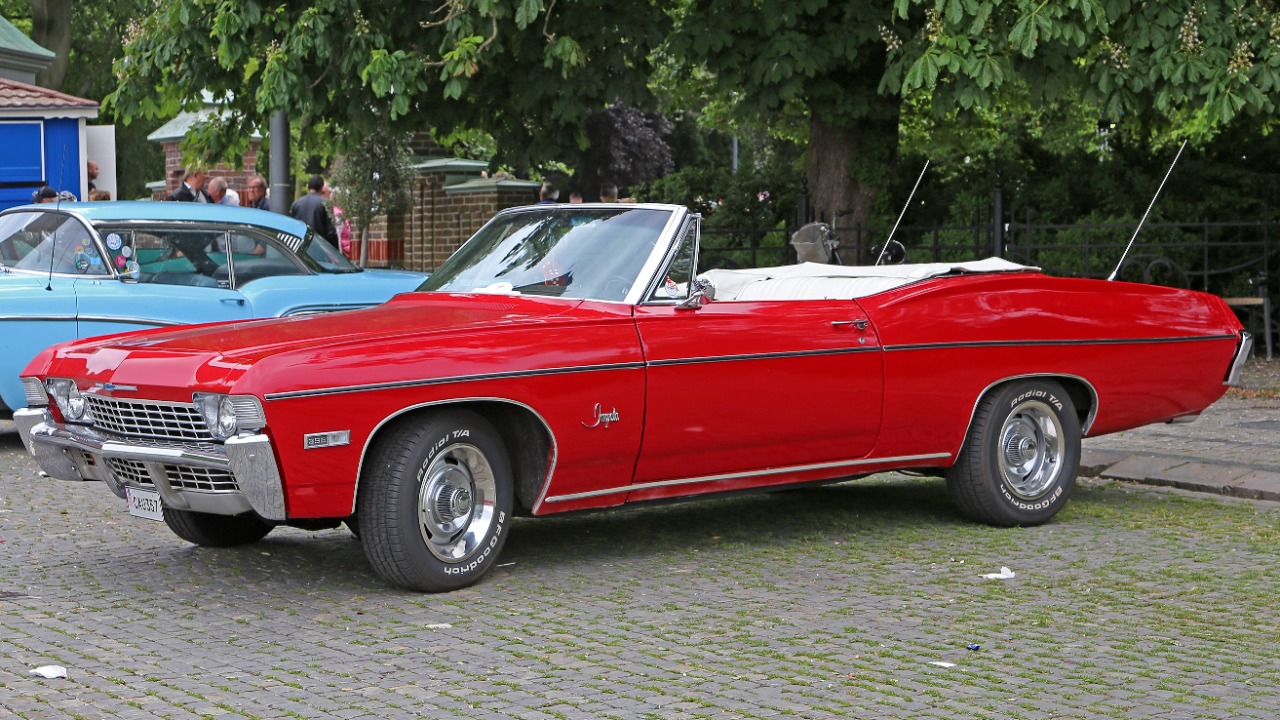
The Chevrolet Impala represented the full-size American automobile at its most confident. Large dimensions, comfortable interiors, chrome details, and available V8 engines made it a popular family car. Distinctive styling changes throughout the decade kept the Impala visually interesting. Its connection to American road trips, suburbs, and everyday life helped give it a lasting place in automotive culture.
Pontiac GTO
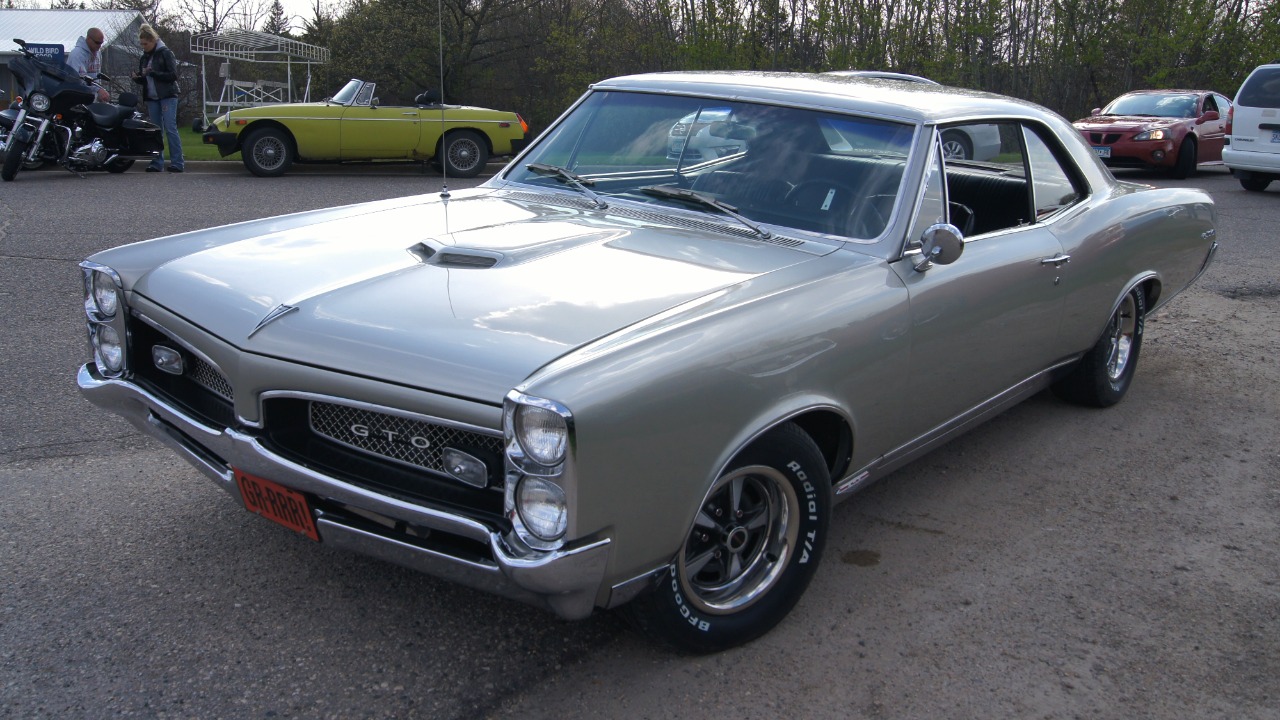
The Pontiac GTO helped establish the classic American muscle-car formula by combining a midsize body with a powerful V8. Its aggressive styling and performance-focused options attracted younger buyers looking for something more exciting than a conventional family car. The GTO became a symbol of 1960s performance and remains highly recognizable because of its role in creating the muscle-car movement.
Plymouth Barracuda
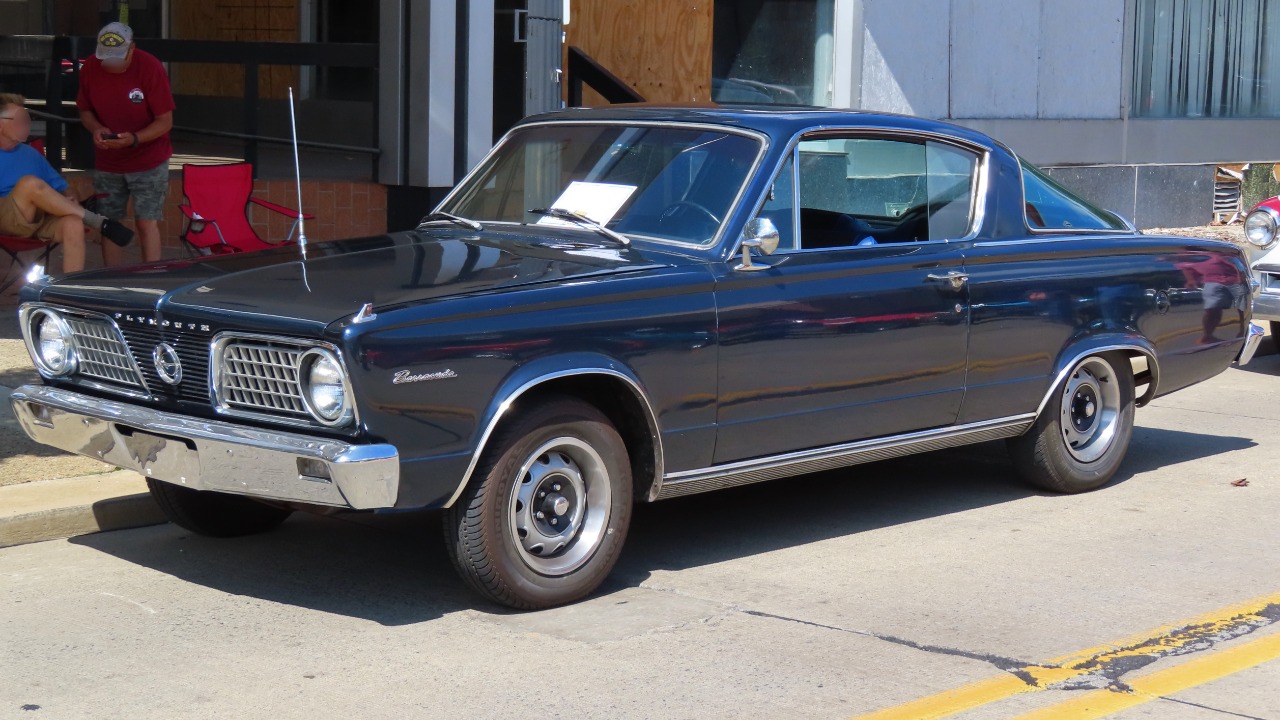
The Plymouth Barracuda introduced an unusual fastback design that immediately separated it from conventional compact cars. Its large rear window gave the car a distinctive appearance, while later versions gained powerful V8 options. The Barracuda evolved significantly throughout the decade, eventually becoming a serious performance car. Its bold design and connection to the muscle-car era continue to attract enthusiasts.
Jaguar E-Type
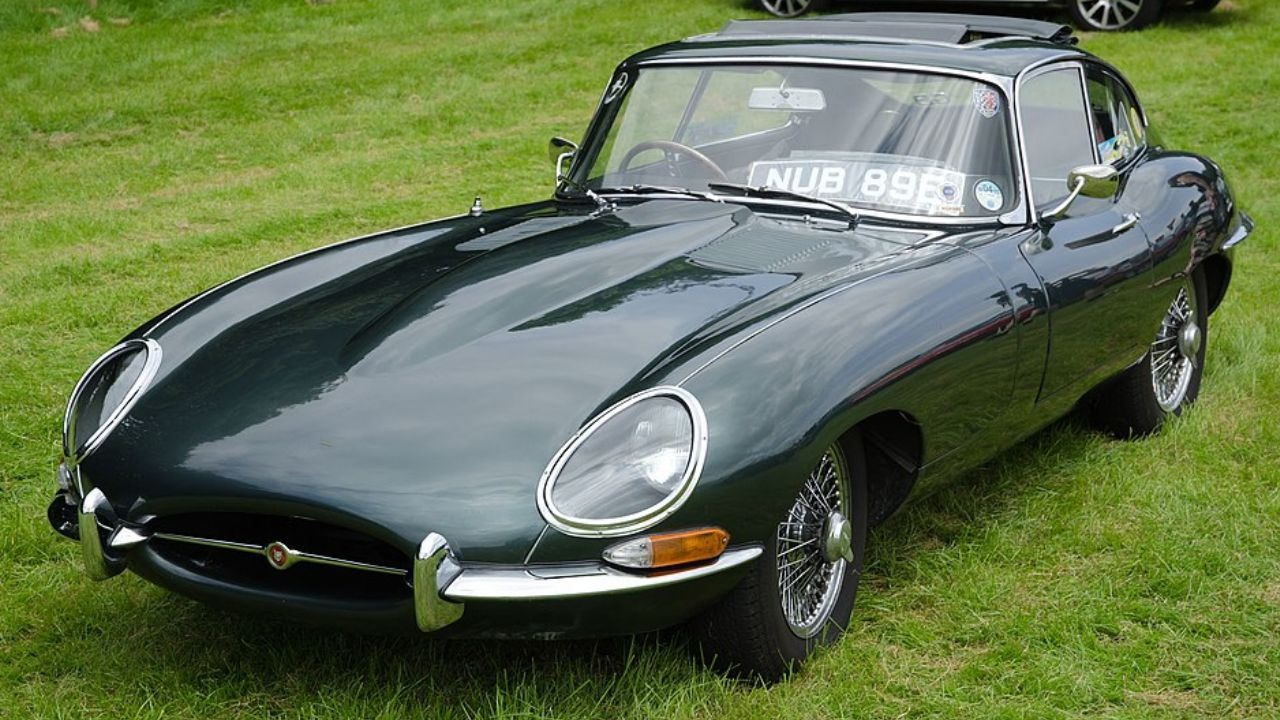
The Jaguar E-Type brought dramatic British sports-car styling to the international market. Its long hood, low body, covered headlights, and elegant proportions created an exotic appearance. Strong performance added to its appeal. The E-Type became one of the most recognizable sports cars of the decade, and its basic shape remains admired because it combined beauty and engineering in an unusually memorable package.
Porsche 911
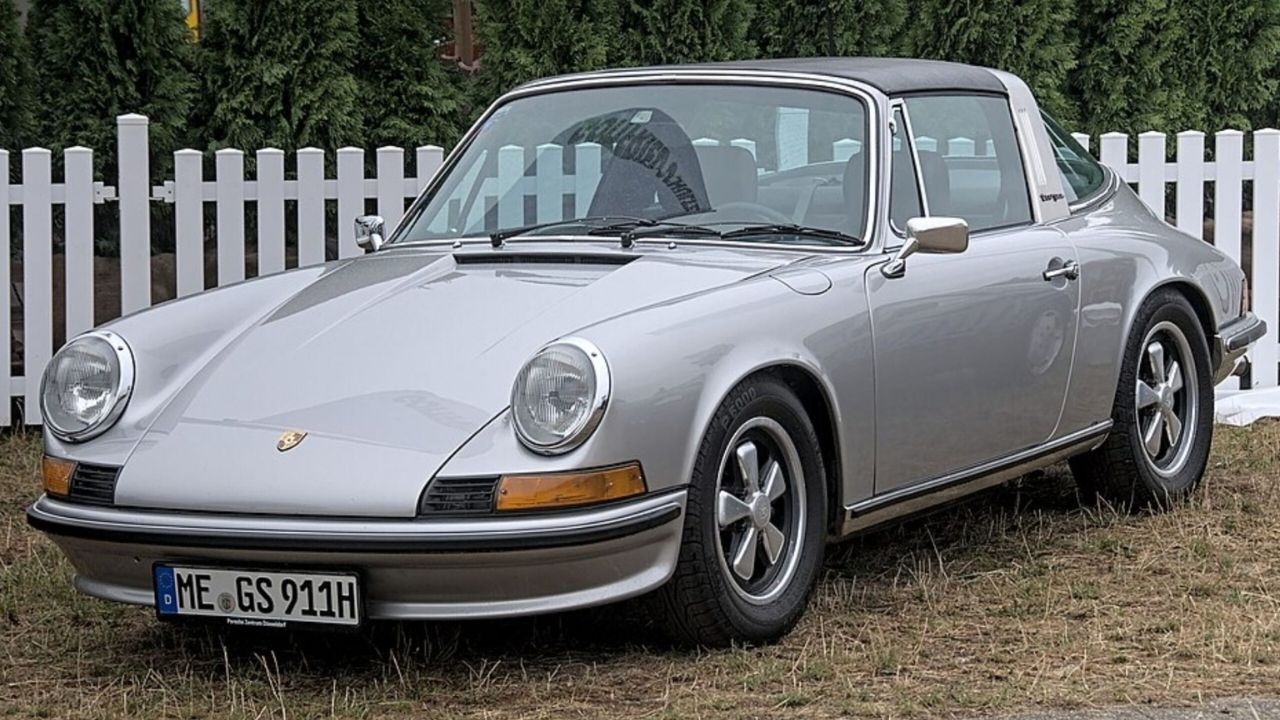
The Porsche 911 introduced a design language that would remain recognizable for generations. Its sloping roofline, round headlights, and rear-engine layout gave it a distinctive identity from the beginning. The 911 also established Porsche as a serious sports-car manufacturer. Early examples remain highly desirable because the original design already contained many of the characteristics that would define the model for decades.
Chevrolet Camaro
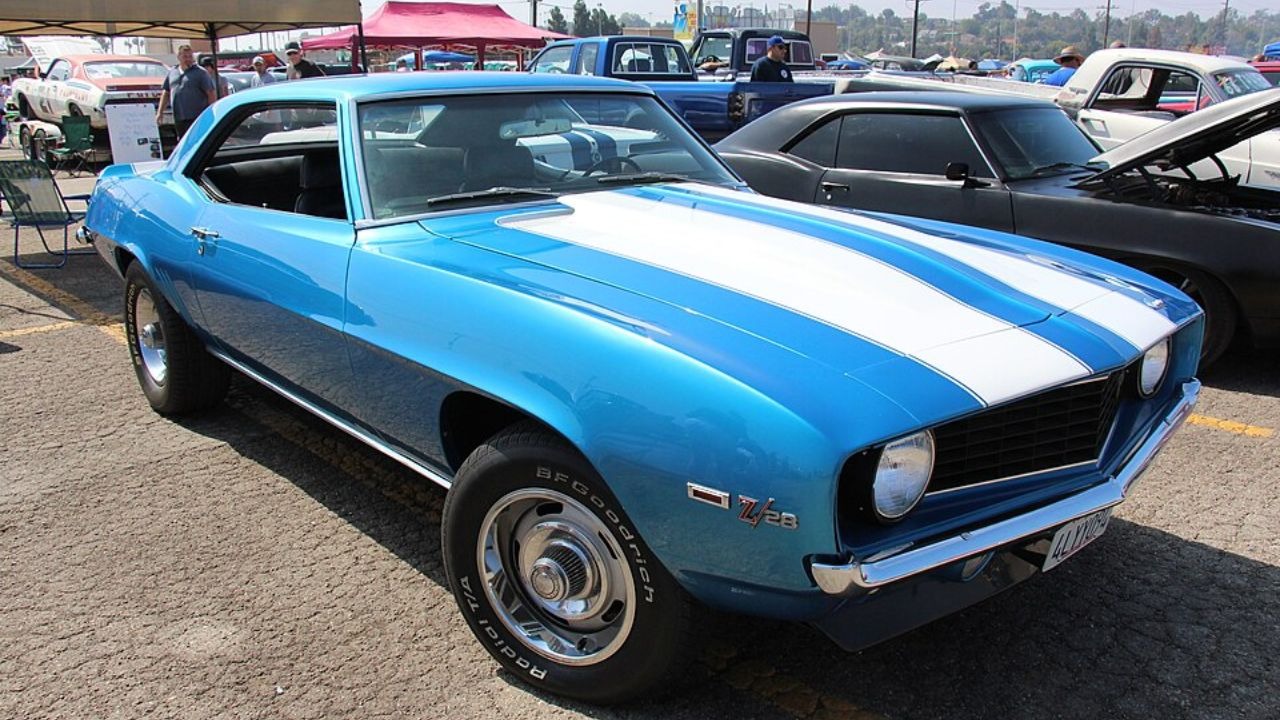
The Chevrolet Camaro arrived late in the 1960s as Chevrolet’s answer to the growing pony-car market. Its long hood, compact body, and available V8 engines gave it an aggressive personality. Multiple performance versions allowed buyers to choose different levels of power and equipment. The first-generation Camaro remains popular because its styling captures the competitive spirit of the American performance-car era.
Dodge Charger
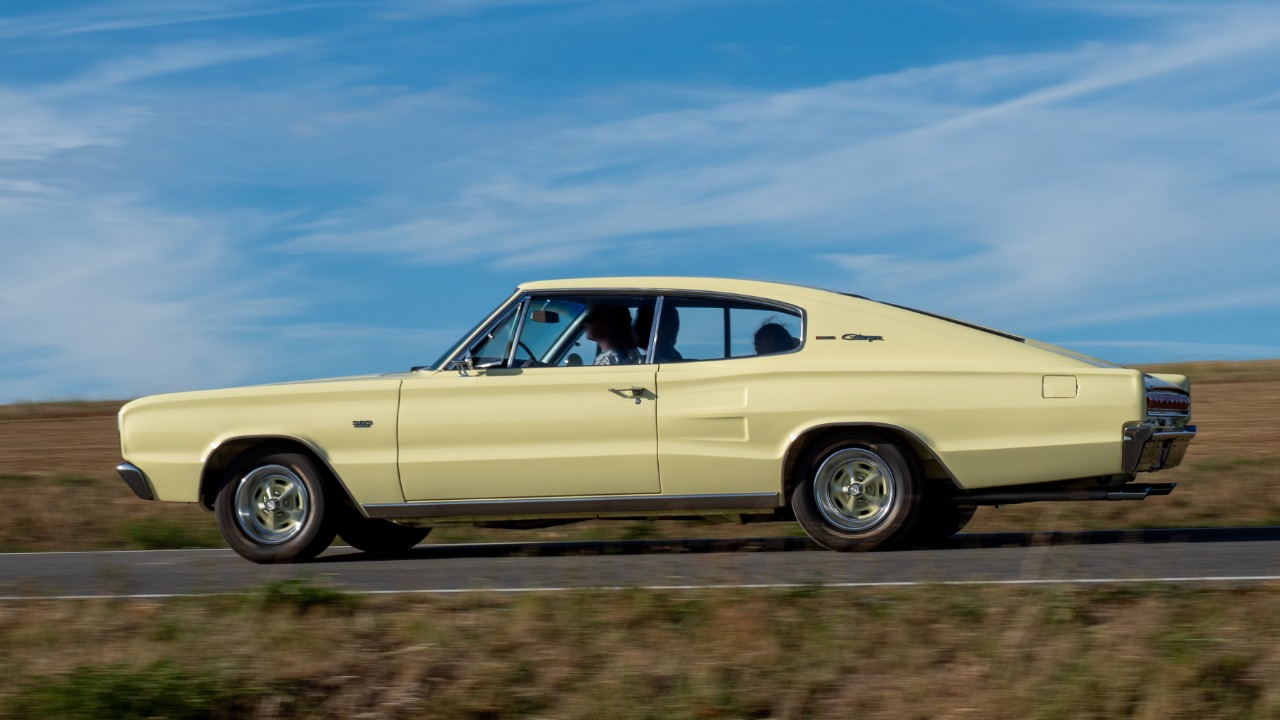
The Dodge Charger brought fastback styling and serious performance to the American market. Its long roofline, distinctive grille, and available big-block V8 engines gave it a strong presence. The Charger became closely associated with muscle-car culture during the decade. Its dramatic design has remained recognizable because it successfully combined family-car practicality with the appearance and attitude of a performance machine.
Ford Thunderbird
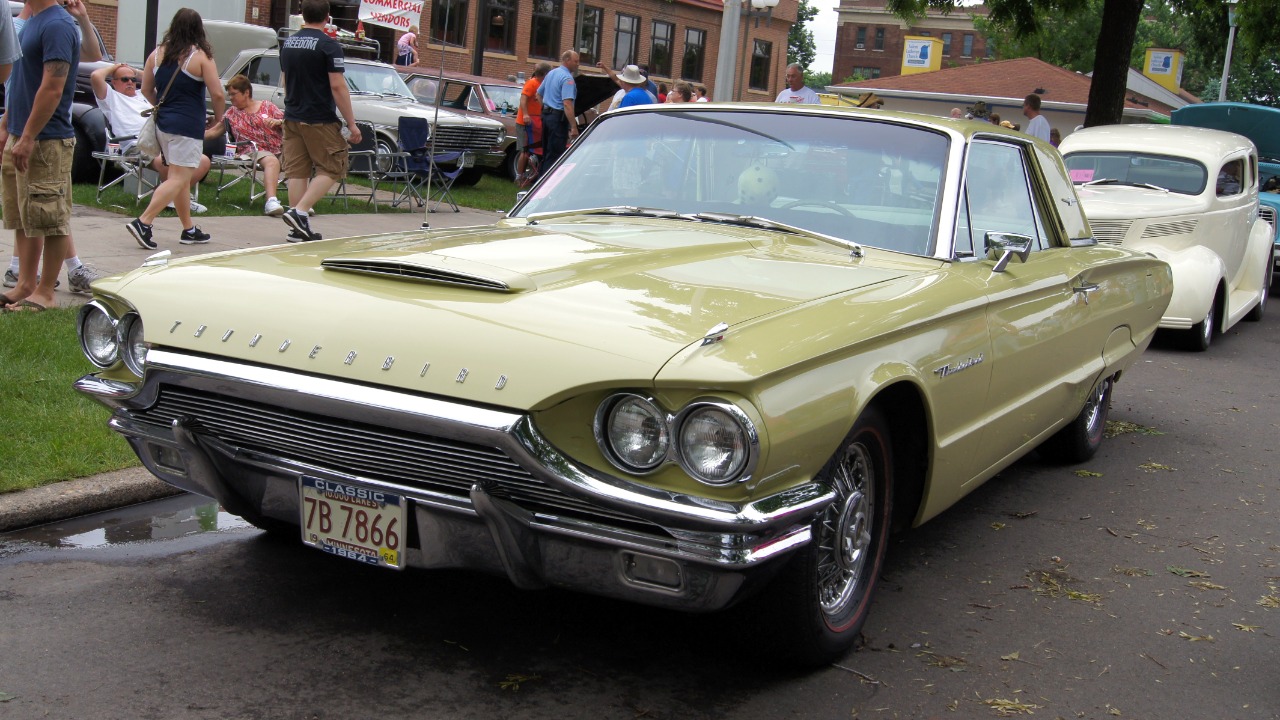
The Ford Thunderbird evolved from its original two-seat sports-car identity into a larger personal-luxury automobile during the 1960s. Despite the change, it maintained a distinctive sense of style and individuality. Comfortable interiors, powerful engines, and dramatic bodywork made it popular with buyers seeking something more personal than a standard family sedan. Its recognizable design language helped preserve its character across the decade.
More from Fast Lane Only
- Unboxing the WWII Jeep in a Crate
- 15 rare Chevys collectors are quietly buying
- 10 underrated V8s still worth hunting down
- Police notice this before you even roll window down
*Research for this article included AI assistance, with all final content reviewed by human editors