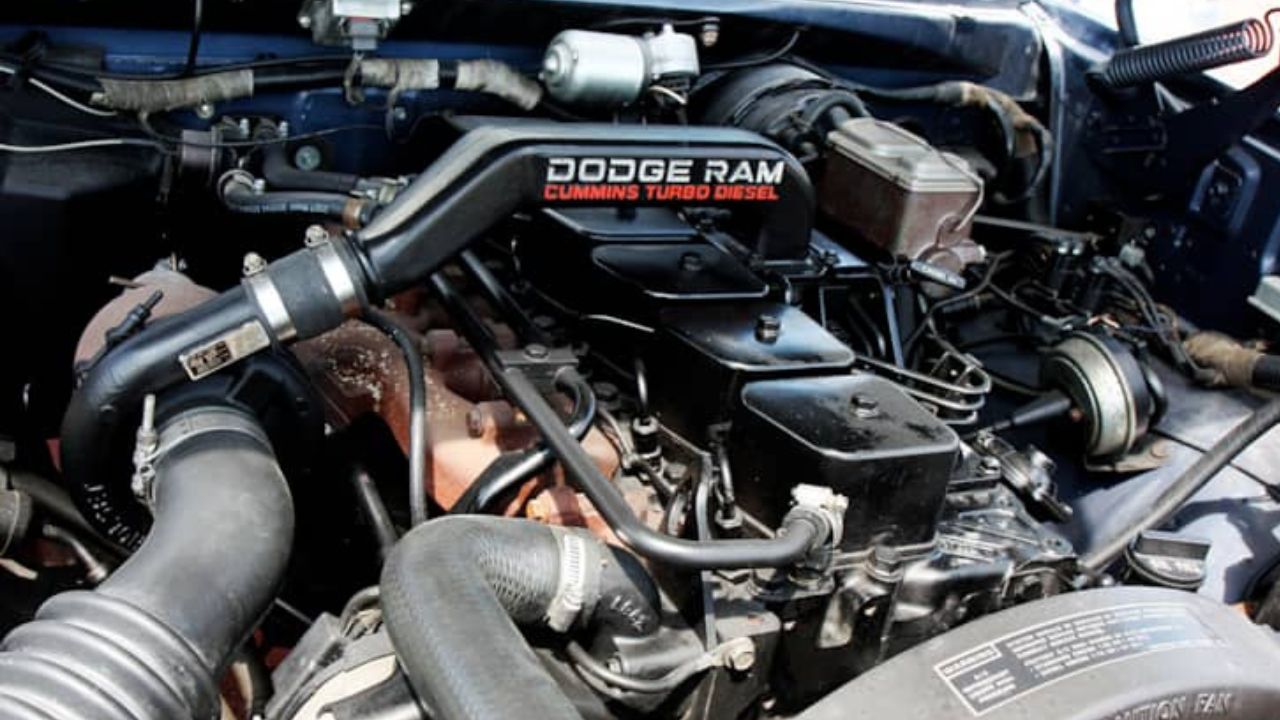
Some engines became far more important than the vehicles they powered. Through durability, performance, tuning potential, or unmistakable character, these powerplants created deep emotional connections between drivers and manufacturers. In many cases, they helped entire brands earn lifelong loyalists who kept returning generation after generation. These legendary engines became symbols of identity for the companies that built them.
Toyota 2JZ-GTE
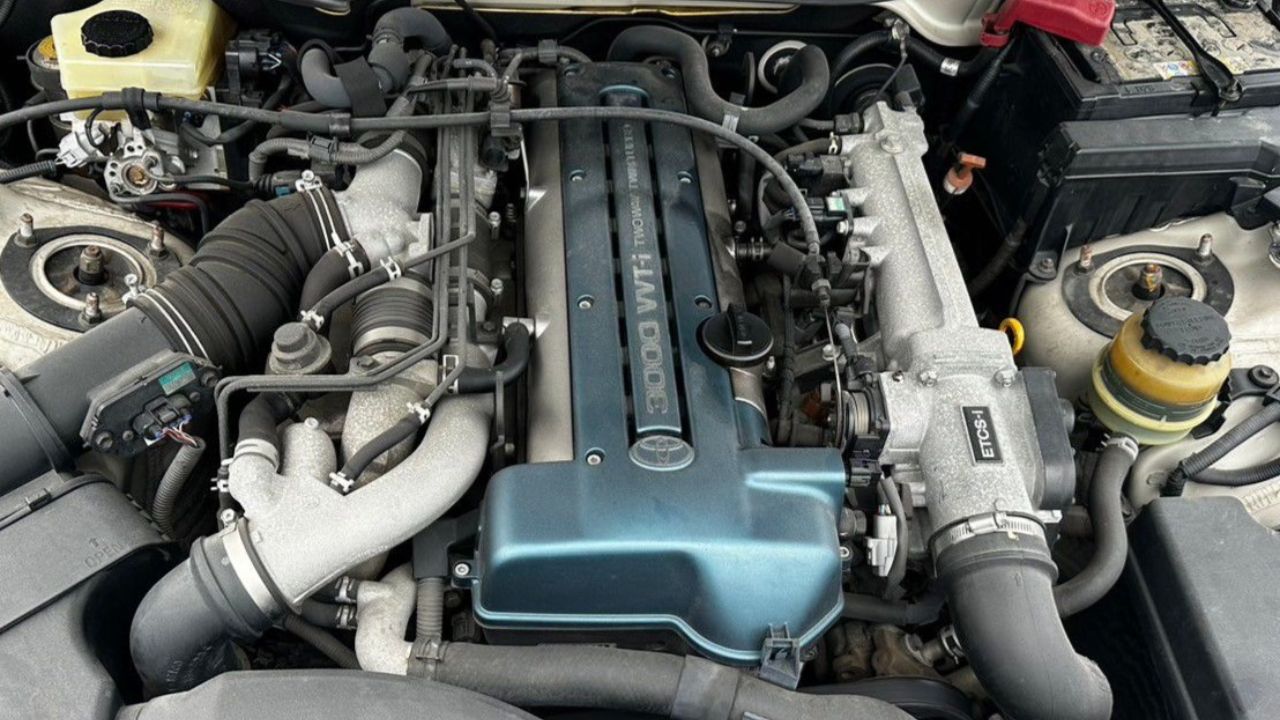
The Toyota 2JZ-GTE helped Toyota build one of the most passionate enthusiast followings in automotive culture because of its incredible durability and tuning capability. Originally powering high-performance models like the Supra, the 2JZ became famous for handling enormous horsepower increases without catastrophic failure. Tuners and racers worldwide embraced the engine for drag racing, drifting, and street builds. Its reputation for strength turned Toyota into a respected performance brand far beyond ordinary commuter vehicles.
Chevrolet Small-Block 350
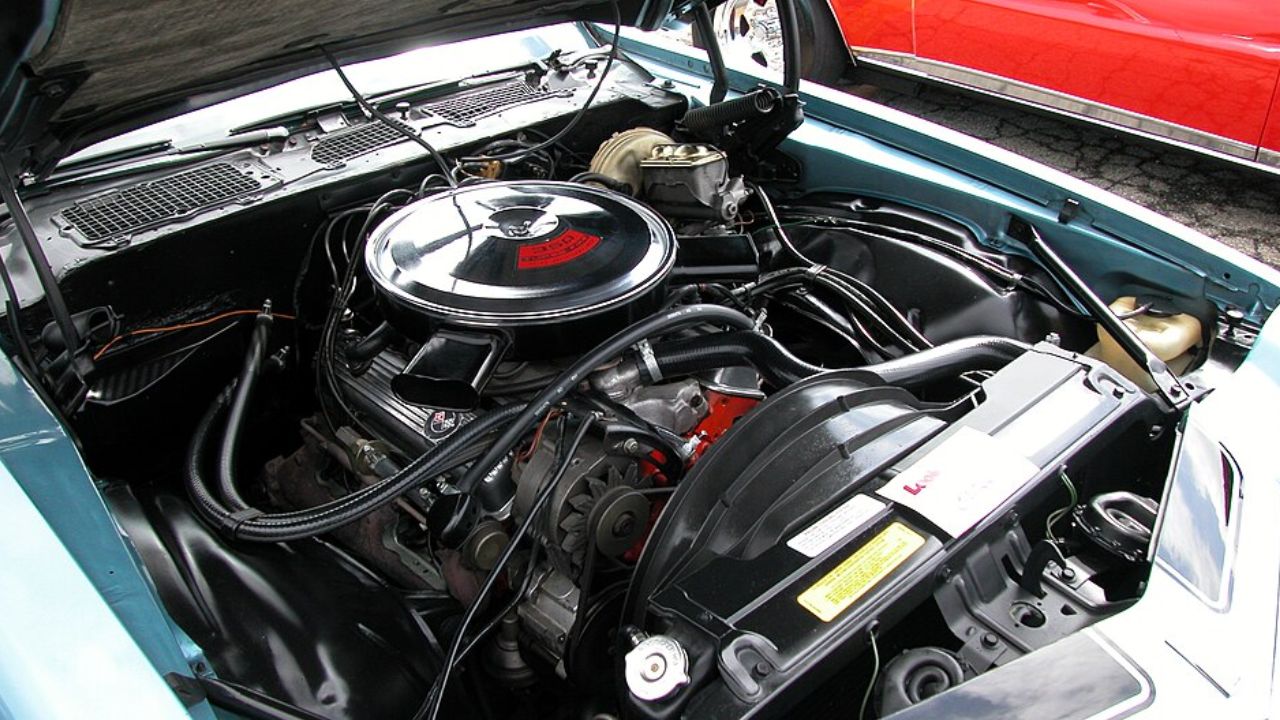
The Chevrolet Small-Block 350 became one of the foundations of General Motors loyalty because it powered countless trucks, muscle cars, and everyday vehicles for decades. Mechanics and enthusiasts loved the engine’s simplicity, affordability, and endless aftermarket support. Whether used in racing, hot rods, or work trucks, the 350 consistently delivered dependable performance and easy maintenance. Its versatility helped create generations of loyal Chevrolet owners who trusted small-block V8 power above everything else.
Honda B-Series VTEC
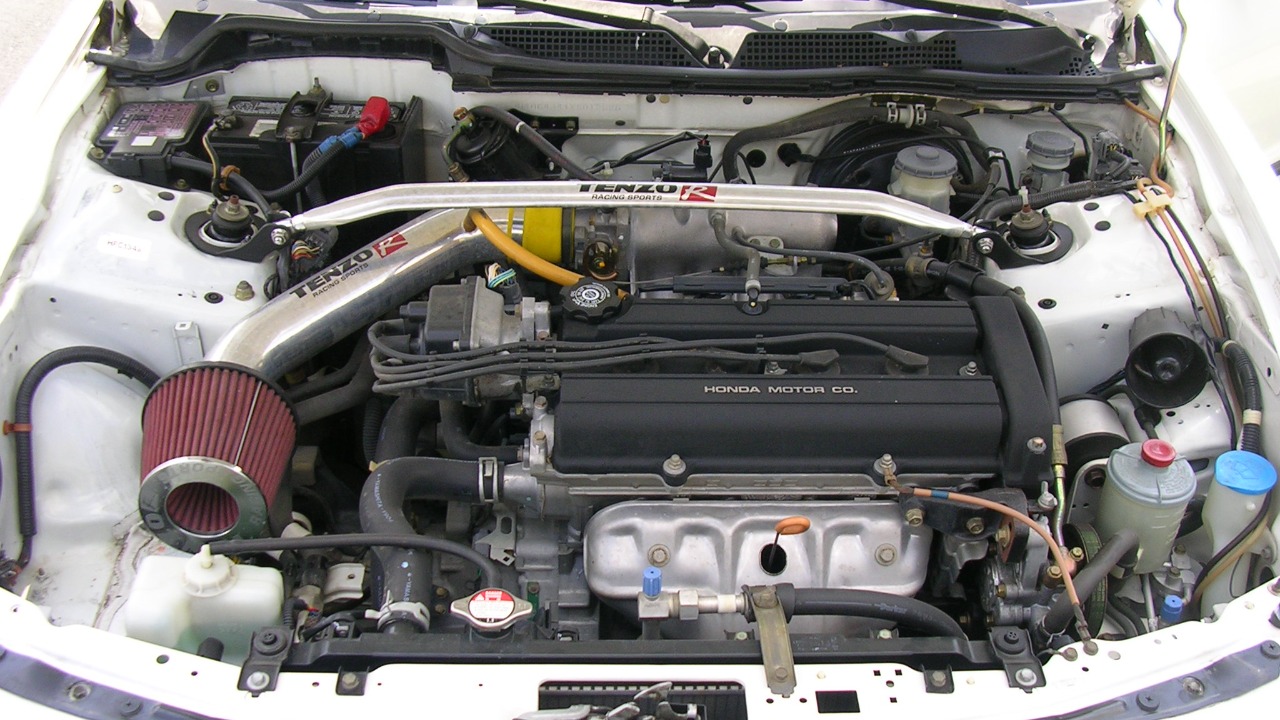
The Honda B-Series VTEC transformed Honda’s reputation among younger enthusiasts by proving small-displacement engines could still deliver thrilling performance. Its VTEC system allowed the engine to switch personalities at higher RPM, creating a unique driving experience that encouraged aggressive shifting and high-revving excitement. Tuners quickly embraced the B-Series because of its reliability and modification potential. The engine became central to Honda’s performance identity throughout the 1990s import-tuning explosion.
BMW S54 Inline-Six

The BMW S54 helped strengthen BMW’s loyal enthusiast community because it perfectly embodied the company’s traditional performance philosophy. Found in models like the E46 M3, the S54 combined razor-sharp throttle response, high-revving character, and smooth power delivery. Drivers appreciated how mechanical and connected the engine felt compared to increasingly turbocharged modern alternatives. Its emotional driving experience reinforced BMW’s reputation for building true driver-focused performance cars.
Nissan RB26DETT
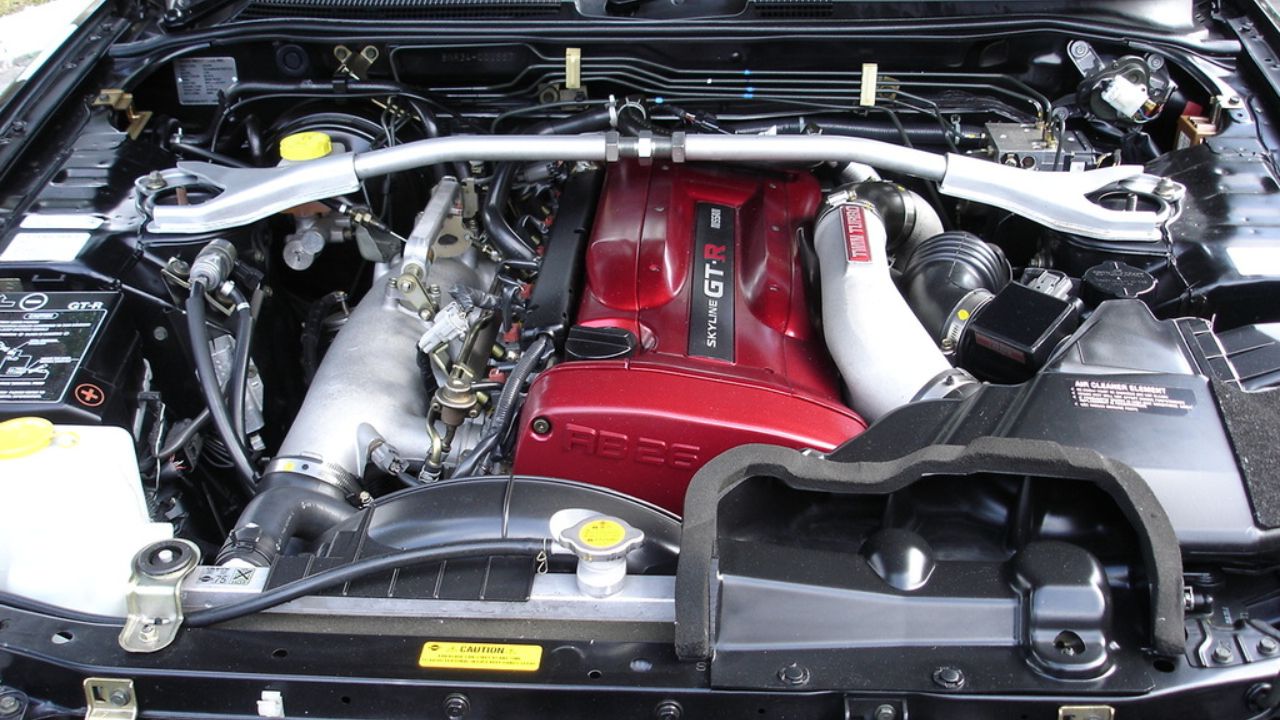
The Nissan RB26DETT became legendary because it powered the Skyline GT-R models that dominated racing and street-performance culture during the 1990s. The RB26’s ability to handle major tuning upgrades while maintaining reliability earned enormous respect among enthusiasts worldwide. Its unique sound and aggressive turbocharged power delivery helped Nissan create one of the most loyal fanbases in Japanese automotive history. Even decades later, the RB26 remains a symbol of peak Nissan performance engineering.
Porsche Air-Cooled Flat-Six
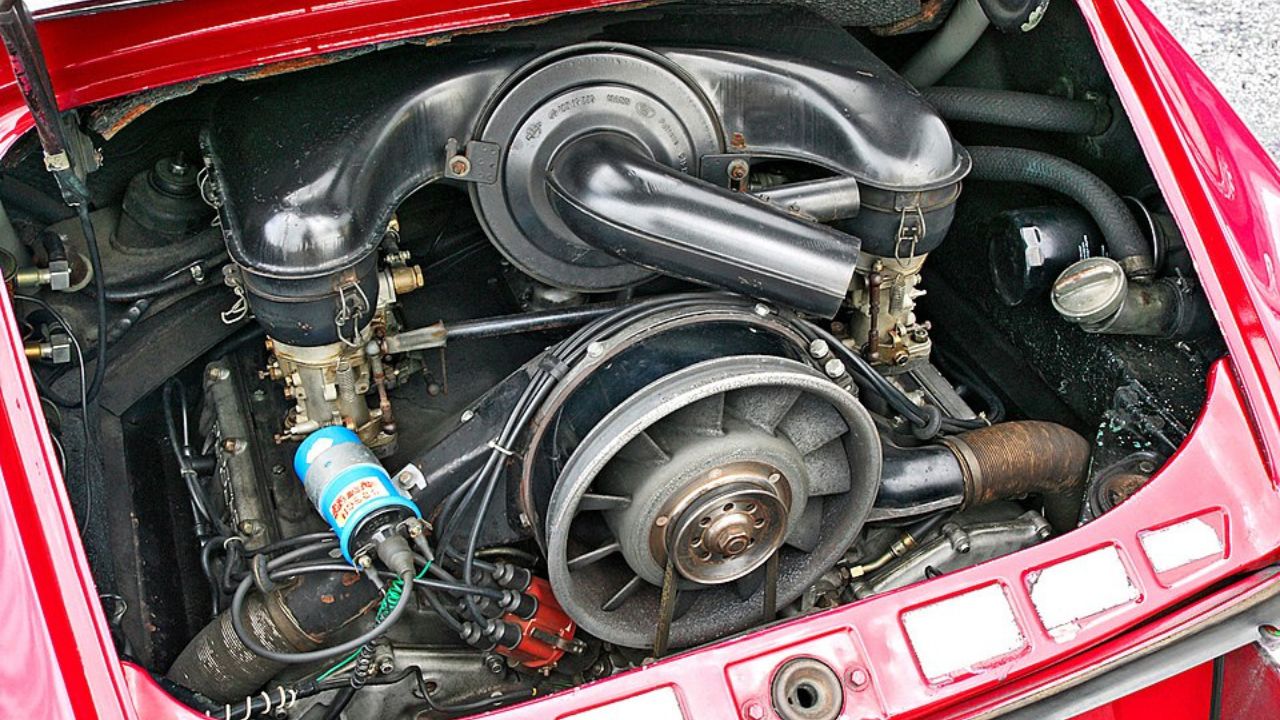
The Porsche air-cooled flat-six built extraordinary loyalty among Porsche enthusiasts because of its unmistakable sound, mechanical simplicity, and direct driving character. For decades, the air-cooled flat-six defined the 911 experience through sharp throttle response and a unique engine note unlike anything else on the road. When Porsche transitioned to water cooling, many longtime fans viewed the change emotionally. That reaction showed just how deeply connected enthusiasts had become to the classic flat-six identity.
Chrysler 426 HEMI
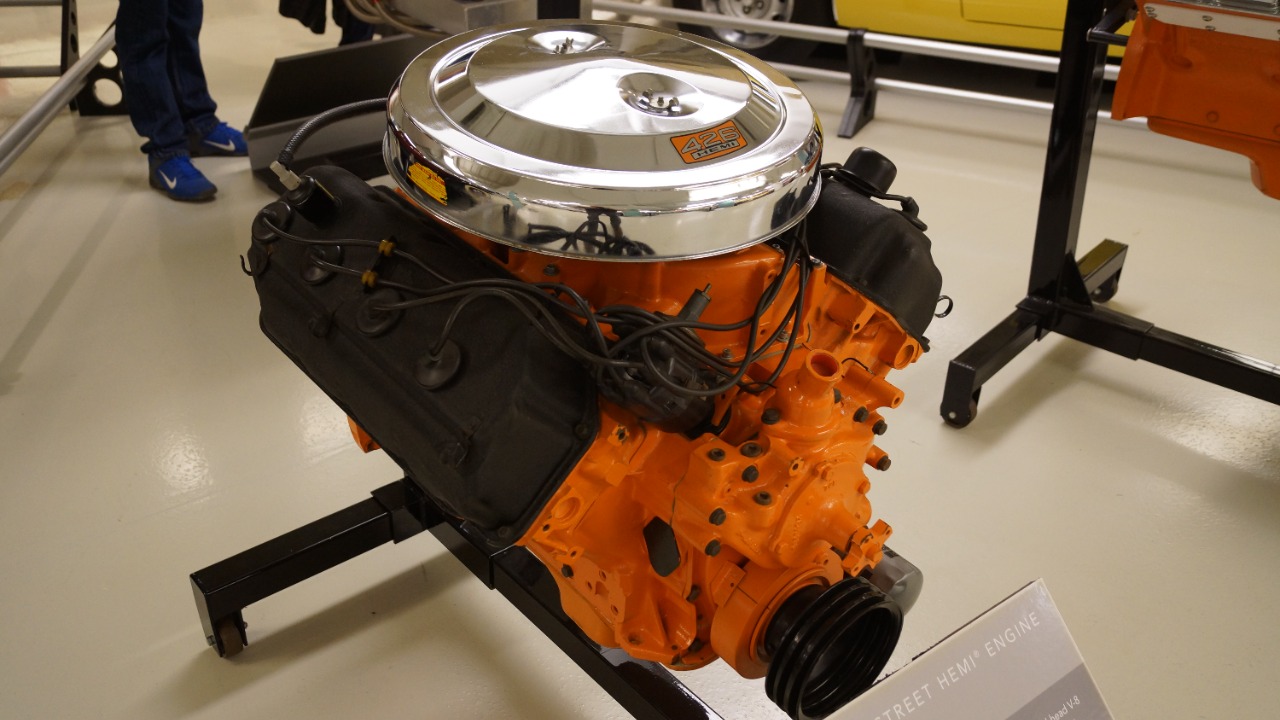
The Chrysler 426 HEMI helped Mopar develop one of the most devoted performance fanbases in American automotive culture. The HEMI became feared for its enormous horsepower potential and racing success during the muscle-car era. Enthusiasts admired the engine’s brutal acceleration and intimidating sound both on the street and at drag strips. Decades later, the HEMI name still carries enormous emotional weight among Dodge and Plymouth performance loyalists.
Mazda 13B Rotary

The Mazda 13B Rotary gave Mazda one of the most unique enthusiast identities in the automotive world. Unlike conventional piston engines, the rotary delivered smooth high-revving performance and a distinctive exhaust sound that made cars like the RX-7 unforgettable. While maintenance demands scared some buyers away, loyal fans embraced the engine’s unusual personality and lightweight design advantages. The 13B helped Mazda build a passionate community centered around individuality and driving engagement.
Cummins 6BT 5.9
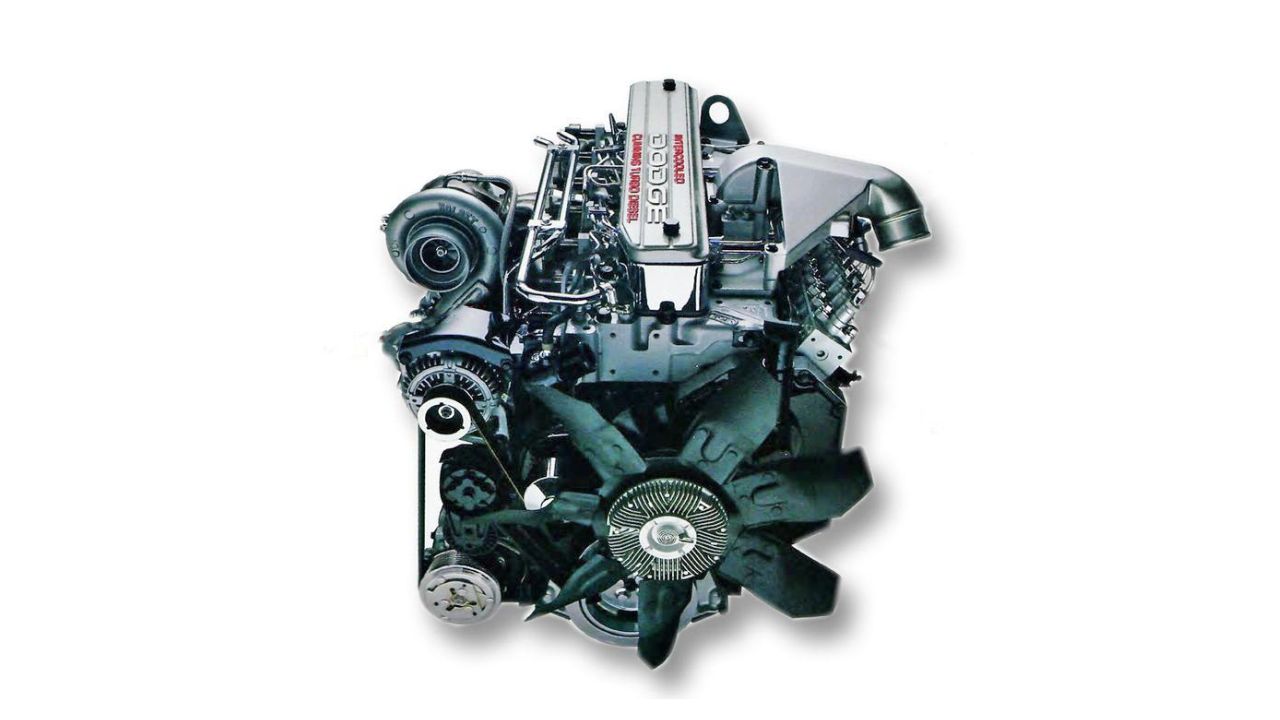
The Cummins 6BT 5.9 created extraordinary loyalty among truck owners because of its legendary durability and towing capability. Installed in Dodge heavy-duty pickups, the 6BT became famous for surviving massive mileage while delivering huge low-end torque. Farmers, contractors, and diesel enthusiasts trusted the engine for hard work and long-term reliability under punishing conditions. Its reputation became so strong that many buyers chose Dodge trucks specifically because they wanted the Cummins powertrain.
More from Fast Lane Only