Throughout automotive history, some engines stand out for their remarkable longevity and influence. These engines have not only powered vehicles for decades but have also shaped the automotive landscape, becoming iconic in their own right. From American muscle to innovative rotary designs, the engines on this list have proven that innovation and reliability can coexist, ensuring their place in both enthusiasts’ hearts and on the roads.
Chevrolet Small-Block V8
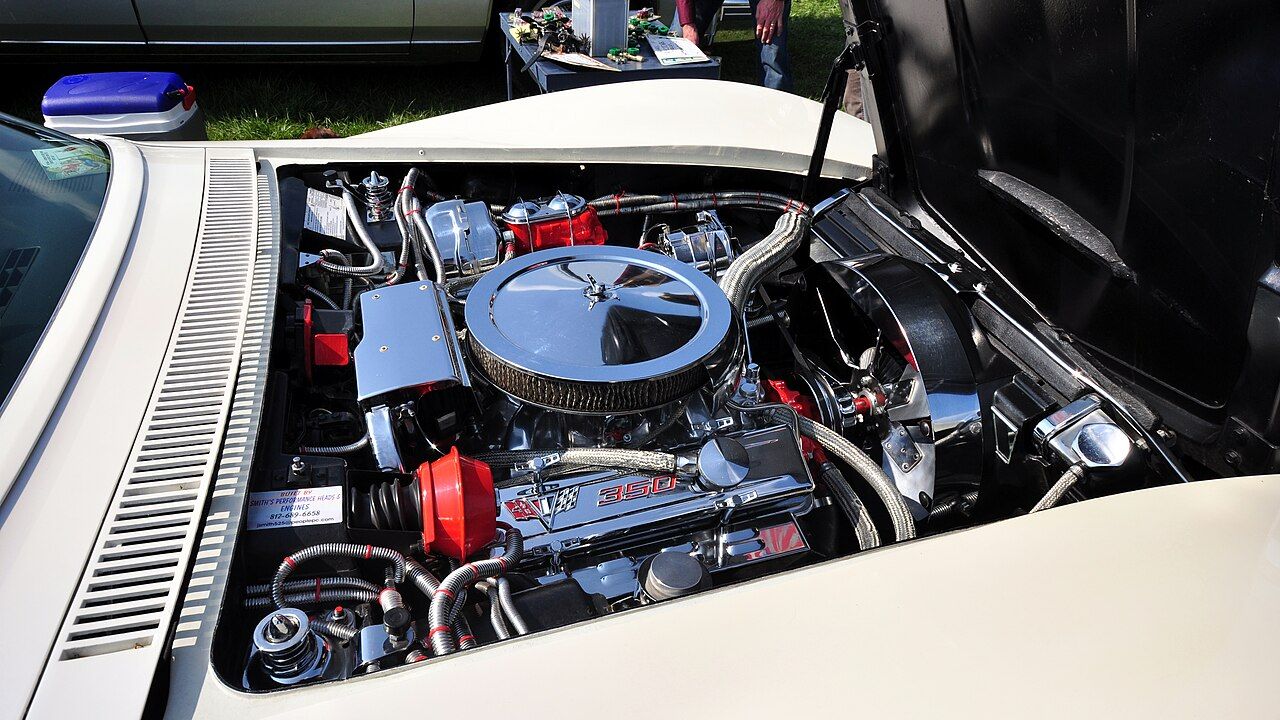
The Chevrolet Small-Block V8, introduced in 1955, is a powerhouse that has endured through generations of American muscle cars. Its versatility has made it a favorite among enthusiasts and manufacturers alike, powering everything from the classic Chevy Corvette to modern trucks like the Silverado. With countless variations over the decades, including the popular LS series, this engine’s lightweight design and robust performance have made it a staple in the automotive world. Its easy aftermarket modifications and a vast community of fans ensure that the Small-Block V8 remains a dominant force.
Even today, the Small-Block V8 continues to evolve, with advancements in technology such as fuel injection and improved emissions controls. The engine has also found its way into various racing series, showcasing its performance capabilities. The legacy of the Chevrolet Small-Block V8 is a testament to its engineering prowess and adaptability in a rapidly changing automotive landscape.
Ford Modular V8
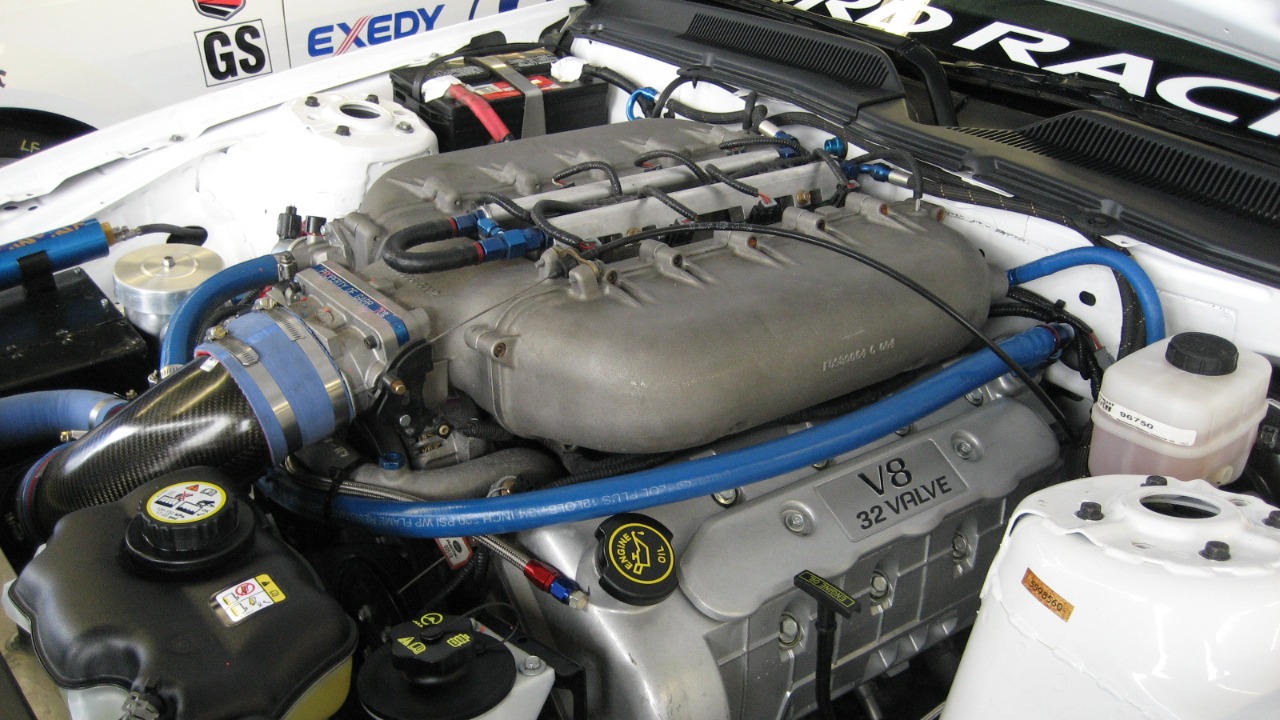
Debuting in 1990, the Ford Modular V8 engine family has been a cornerstone of Ford’s performance and utility vehicles. This engine has powered a variety of models, including the iconic Ford Mustang and the F-150 trucks. Its design incorporates a DOHC (Dual Overhead Cam) configuration, which enhances both power and efficiency. With displacements ranging from 4.6 to 5.4 liters, the Modular V8 has established itself as a reliable and potent engine choice.
Not only has the Modular V8 been a favorite for performance enthusiasts, but it has also been a workhorse in the truck segment, proving its versatility across different applications. The engine’s ability to produce impressive torque figures makes it ideal for towing and hauling, cementing Ford’s reputation in the truck market. As Ford continues to innovate, the Modular V8 remains a significant part of its heritage.
Volkswagen Air-Cooled Flat-Four
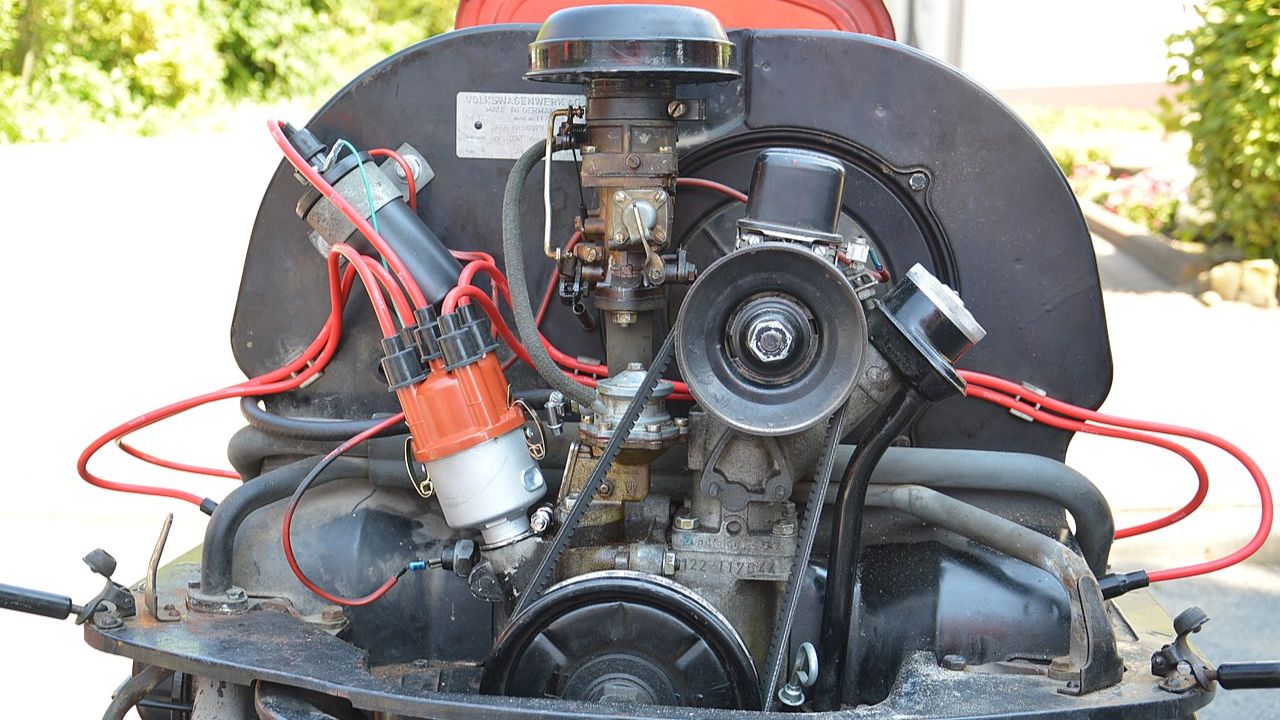
The Volkswagen Air-Cooled Flat-Four engine is a testament to simplicity and reliability. First introduced in the 1930s, this engine powered the iconic VW Beetle and remains a beloved choice among classic car enthusiasts. Its unique design allows for efficient cooling without the need for a complex water-cooling system, contributing to its low maintenance requirements. The Air-Cooled Flat-Four has a distinctive sound and character that endears it to fans around the world.
Despite its age, the Air-Cooled Flat-Four has inspired countless custom builds and restorations, ensuring its continued presence in car shows and on the roads. Many enthusiasts appreciate the ease of working on this engine, making it a popular choice for DIY projects. Its legacy is not only in its engineering but also in the community it has fostered over the decades.
Honda K-Series Inline-Four
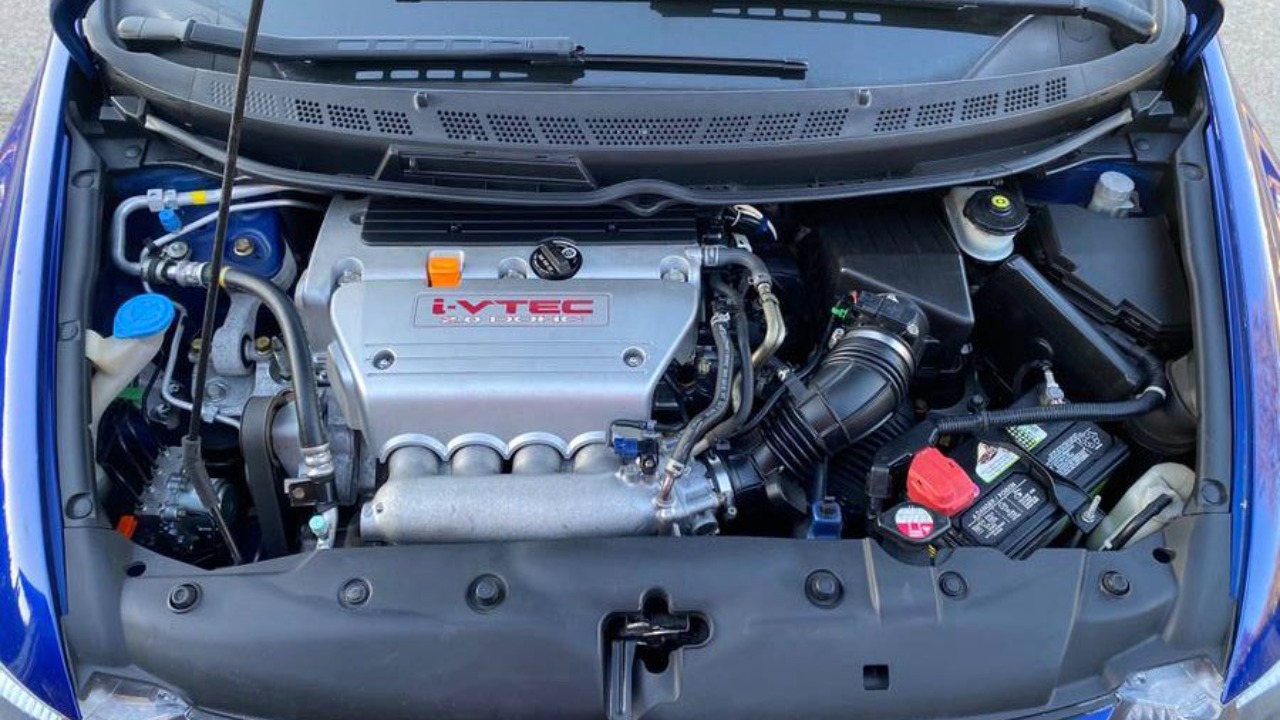
The Honda K-Series Inline-Four engine has been a favorite among performance enthusiasts since its introduction in the early 2000s. Known for its exceptional balance of power and efficiency, this engine powers various Honda models, including the Civic Si and the Acura RSX. With a high-revving nature and a reputation for reliability, the K-Series has earned a loyal following in the tuning community. Its ability to produce impressive horsepower figures, especially in turbocharged applications, has made it a popular choice for performance builds.
Moreover, the K-Series engine’s design allows for easy modifications, providing enthusiasts with a platform to push the limits of performance. Many aftermarket companies offer a variety of parts and accessories for this engine, ensuring its relevance in the ever-evolving automotive landscape. The Honda K-Series Inline-Four is a prime example of how an engine can maintain its popularity and performance over time.
Subaru Flat-Four (Boxer Engine)

Subaru’s Flat-Four, also known as the Boxer engine, has been a defining feature of the brand since the 1960s. Its unique horizontal design improves the center of gravity, enhancing vehicle stability and handling. Found in models ranging from the Subaru Impreza to the Outback, this engine has garnered a reputation for its distinctive sound and performance characteristics. The Boxer engine’s ability to produce torque at low RPMs makes it particularly suitable for off-road and all-weather driving, aligning perfectly with Subaru’s brand identity.
Over the years, the Boxer engine has undergone continuous refinement, with advancements in technology improving its efficiency and performance. Subaru’s commitment to all-wheel drive systems further complements the engine’s capabilities, making their vehicles some of the most versatile on the market. Enthusiasts appreciate the Boxer engine’s unique characteristics, ensuring that it remains a cornerstone of Subaru’s lineup.
Jaguar XK Inline-Six
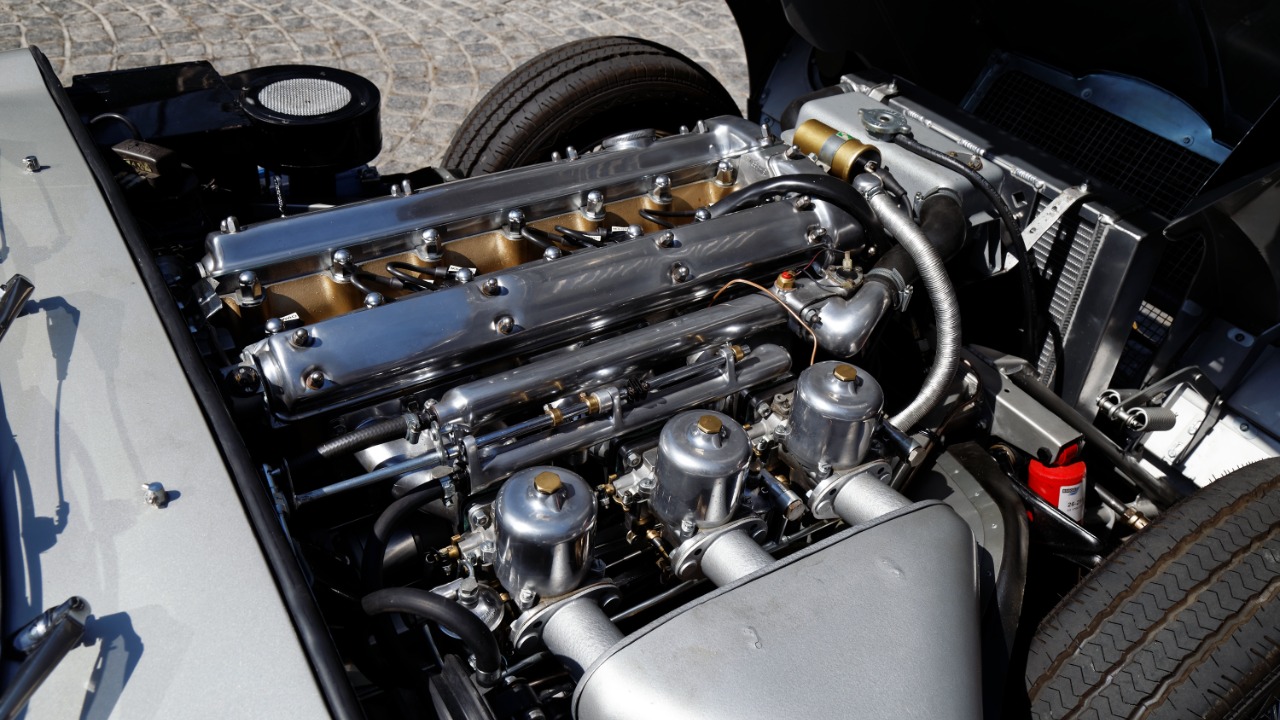
The Jaguar XK Inline-Six engine, introduced in 1949, is a classic that defined British automotive excellence. Known for its smoothness and performance, this engine powered a range of prestigious models, including the iconic Jaguar XK120 and the XK140. The XK engine’s design features a dual overhead cam configuration, which was cutting-edge for its time, allowing for high RPM performance and impressive horsepower. Its silky smooth operation and distinctive sound have made it a favorite among classic car collectors.
The XK Inline-Six has also influenced the design of subsequent Jaguar engines, showcasing the brand’s commitment to innovation. Even decades after its introduction, the engine’s lineage can be traced to modern Jaguar vehicles, proving that great engineering can stand the test of time. The XK engine remains a symbol of luxury and performance, capturing the essence of classic British motoring.
Mopar HEMI V8
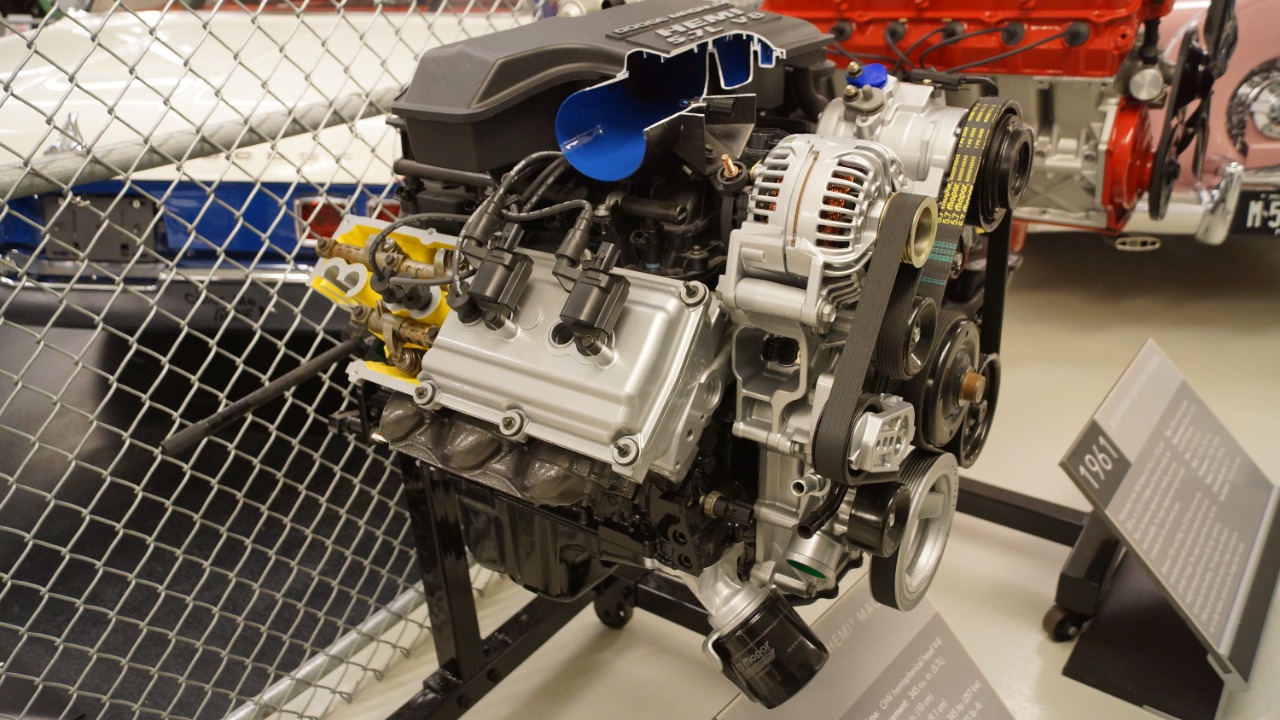
The Mopar HEMI V8 engine has become synonymous with American muscle, renowned for its distinctive hemispherical combustion chambers. First introduced in 1951, this engine has powered legendary vehicles, including the Dodge Charger and the Plymouth Road Runner. The HEMI’s unique design allows for more efficient airflow and improved power output, making it a favorite among performance enthusiasts. Its iconic “HEMI” design is not just a trademark; it’s a symbol of raw power and speed.
Over the years, the HEMI has evolved, with modern iterations incorporating advanced technology to enhance performance and fuel efficiency. Despite the rise of smaller, turbocharged engines, the HEMI V8 remains a popular choice for those seeking an exhilarating driving experience. Mopar’s commitment to the HEMI legacy ensures that this engine will continue to be a dominant force in the performance world.
Mazda Wankel Rotary Engine
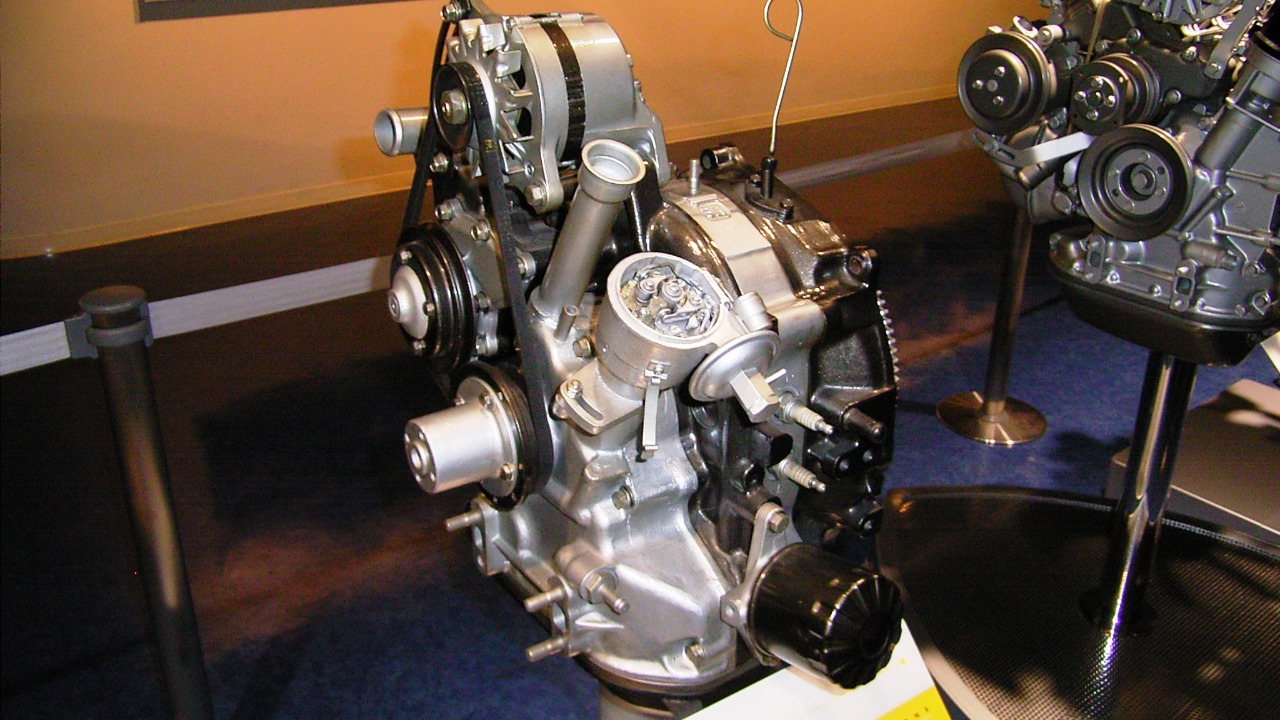
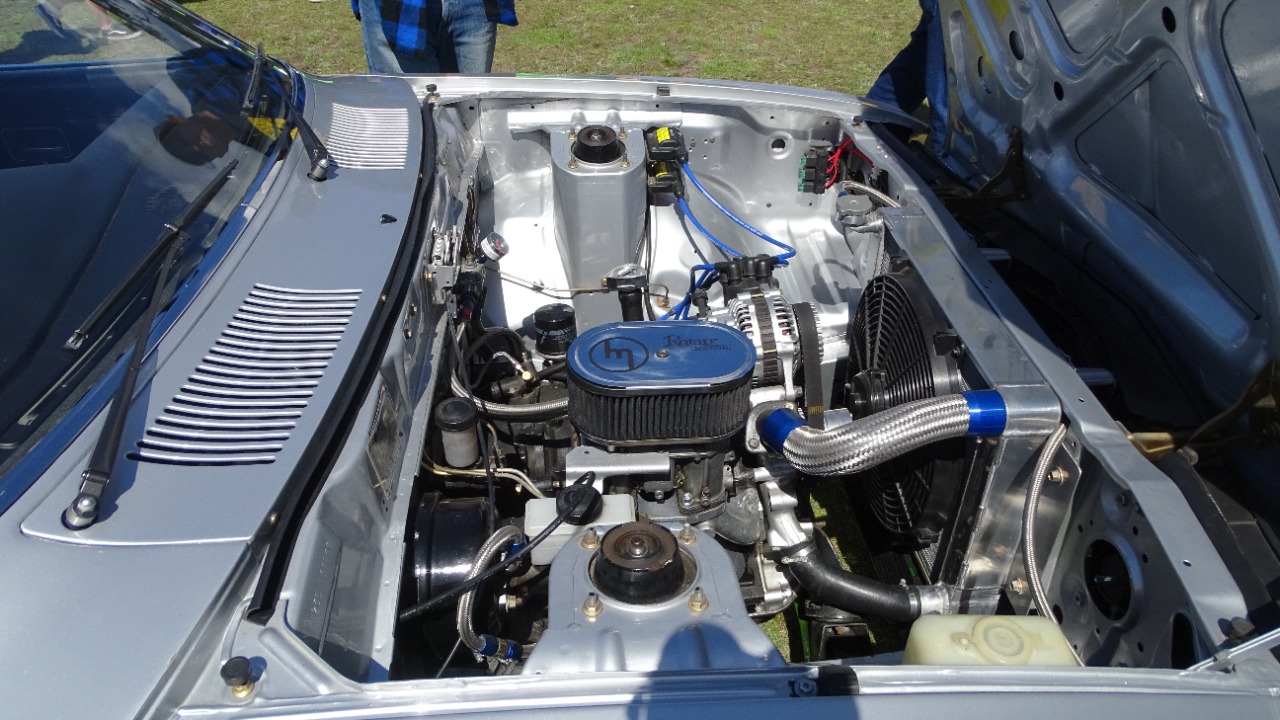
The Mazda Wankel rotary engine is a unique design that has challenged conventional engine layouts since its introduction in the 1960s. Known for its compact size and high power-to-weight ratio, the Wankel engine is best known for powering the Mazda RX-7 and RX-8 sports cars. Its rotary design allows for smooth power delivery and high revs, making it a favorite among driving enthusiasts. The Wankel’s distinct sound and performance characteristics have made it a cult classic.
While the Wankel rotary engine has faced challenges regarding emissions and fuel efficiency, Mazda’s dedication to refining its design has allowed it to remain relevant. The engine’s unique traits have inspired a dedicated community of fans and tuners, ensuring its legacy continues. Mazda’s commitment to the rotary engine demonstrates an innovative spirit that refuses to fade away.
Mercedes-Benz OM615 Diesel
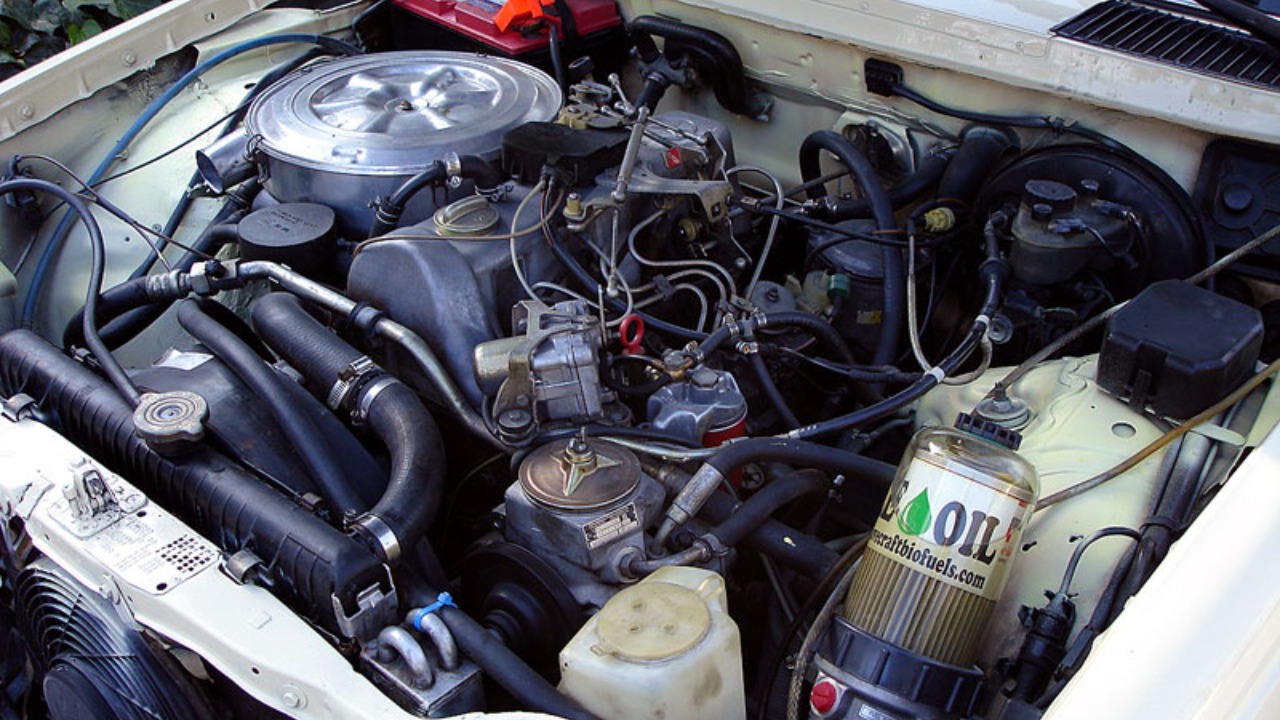
The Mercedes-Benz OM615 diesel engine is a remarkable example of engineering longevity and reliability. Produced from the 1960s to the 1980s, this engine powered numerous models, including the iconic W114 and W115 series. Known for its durability and fuel efficiency, the OM615 became synonymous with Mercedes-Benz’s reputation for engineering excellence. Its robust design allows it to withstand high mileage, making it a favorite among classic car enthusiasts and collectors.
Even decades after its production, the OM615 diesel engine remains popular for vintage car restorations and projects. Its simplicity and ease of maintenance make it a sought-after choice for those looking to preserve a piece of automotive history. The enduring legacy of the OM615 is a testament to Mercedes-Benz’s commitment to quality and performance.
Porsche Flat-Six
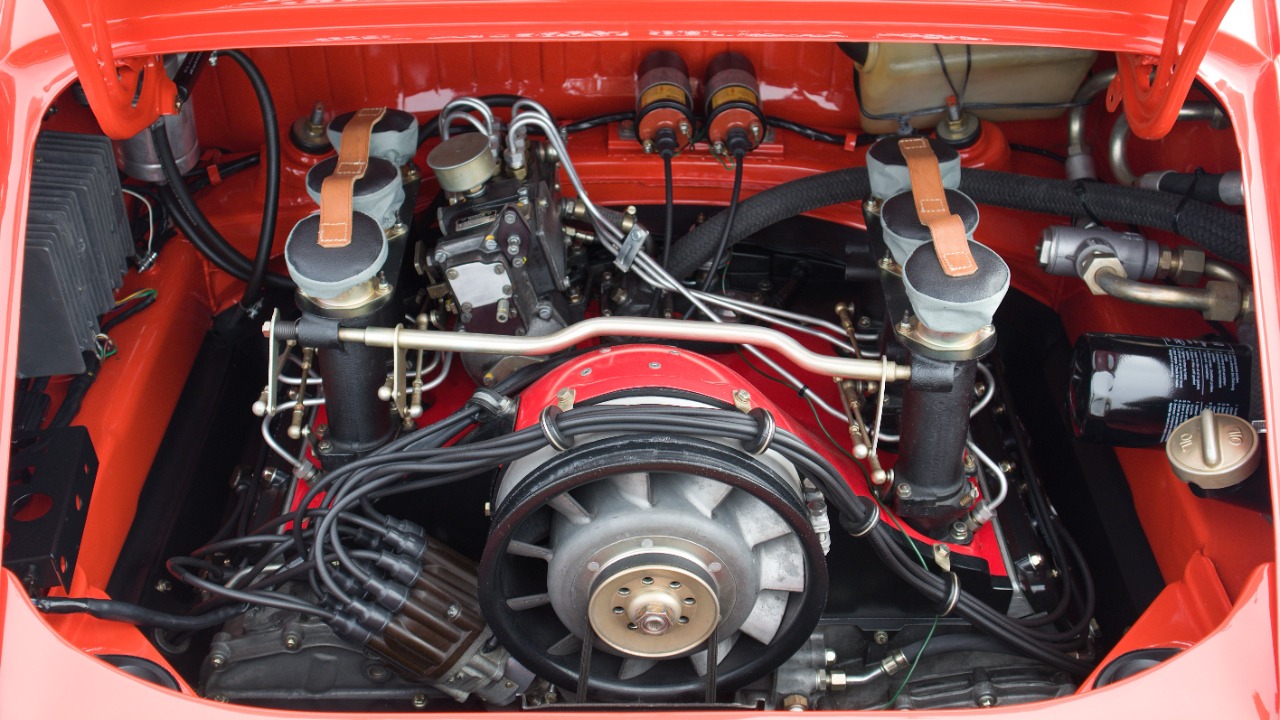
The Porsche Flat-Six engine has been at the heart of the iconic 911 sports car since its inception in 1964. Known for its distinctive sound and performance characteristics, the Flat-Six has become synonymous with Porsche’s racing heritage. Its horizontally opposed design lowers the vehicle’s center of gravity, enhancing handling and stability. Over the years, the Flat-Six has undergone numerous refinements, with advancements in technology improving its efficiency and output.
This engine has powered various iterations of the 911, from the classic air-cooled models to the latest water-cooled variants. The Flat-Six’s ability to deliver power and responsiveness has made it a favorite among driving enthusiasts. Porsche’s commitment to the Flat-Six engine ensures that it will remain an integral part of the brand’s future, maintaining its legendary status in the world of performance automobiles.
More from Fast Lane Only
- Unboxing the WWII Jeep in a Crate
- 15 rare Chevys collectors are quietly buying
- 10 underrated V8s still worth hunting down
- Police notice this before you even roll window down
*Research for this article included AI assistance, with all final content reviewed by human editors.