Automotive history is filled with famous engines and groundbreaking designs, but many remarkable engineering accomplishments have quietly faded from public attention. From innovative drivetrains to advanced suspension systems, these vehicles introduced ideas that influenced the industry long after their original achievements were overlooked.
Cord 810
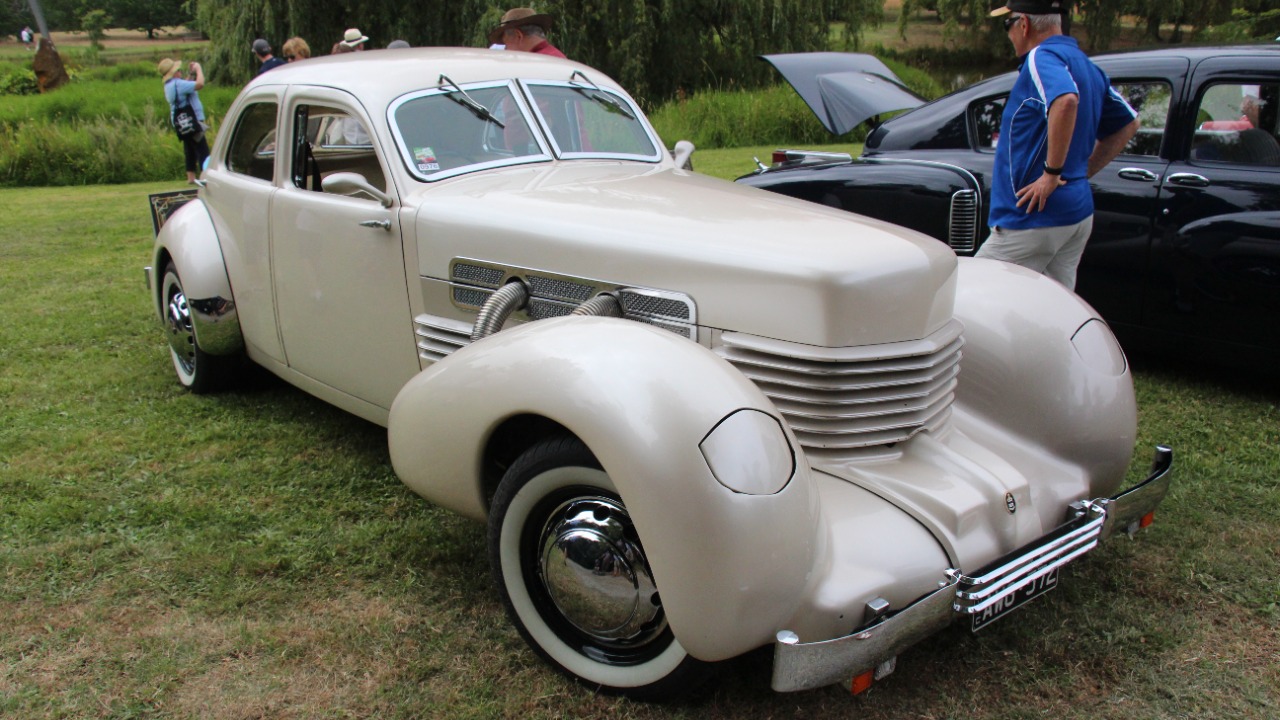
The Cord 810 showcased front-wheel drive at a time when nearly every American automobile relied on rear-wheel drive. Its innovative drivetrain eliminated the traditional transmission tunnel, allowing a lower profile and improved interior packaging. Combined with its advanced engineering and streamlined design, the Cord demonstrated technology that was decades ahead of its era.
Oldsmobile Toronado
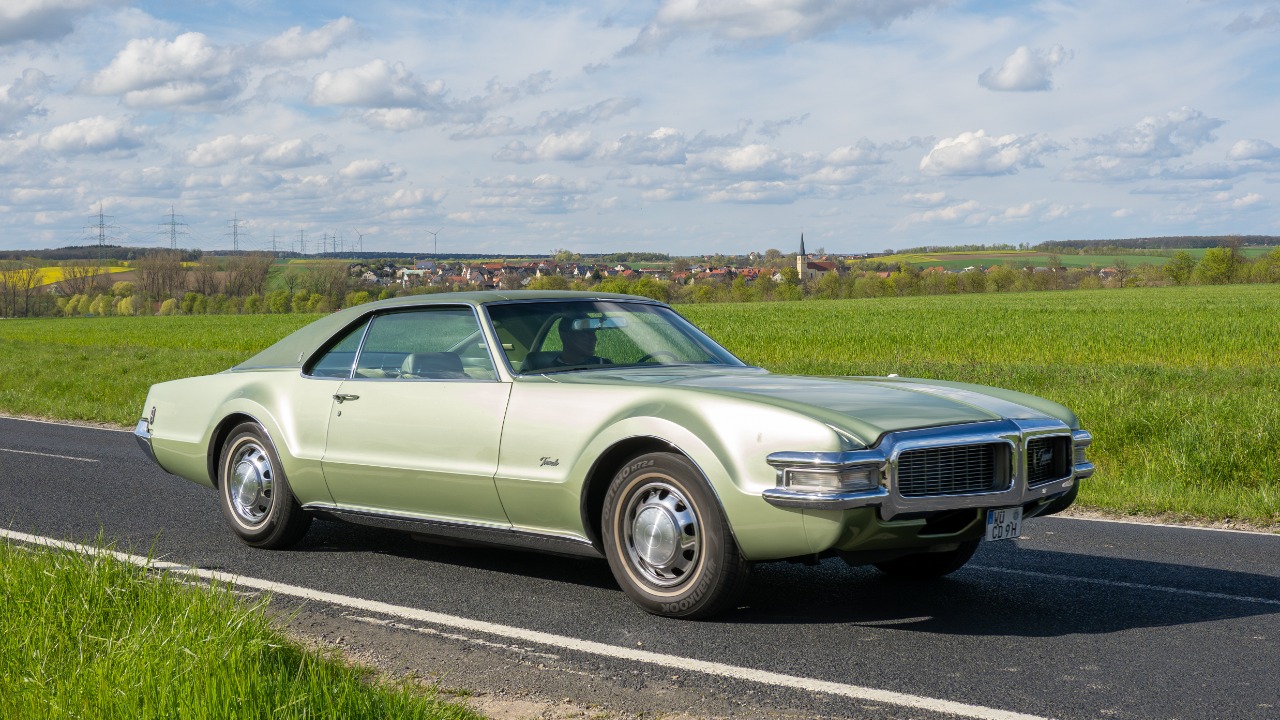
The Oldsmobile Toronado introduced a sophisticated front-wheel-drive system capable of handling the immense torque of a large-displacement V8. Engineers developed an innovative chain-driven transmission arrangement that preserved performance while improving packaging. This achievement proved that front-wheel drive could succeed in full-size American luxury and performance automobiles.
Chevrolet Corvair

The Chevrolet Corvair departed from conventional American engineering with its rear-mounted, air-cooled flat-six engine and fully independent suspension. These features delivered a distinctive driving experience unlike most domestic cars of its time. Although later overshadowed by controversy, its mechanical design represented one of Detroit’s boldest engineering experiments.
Tucker 48
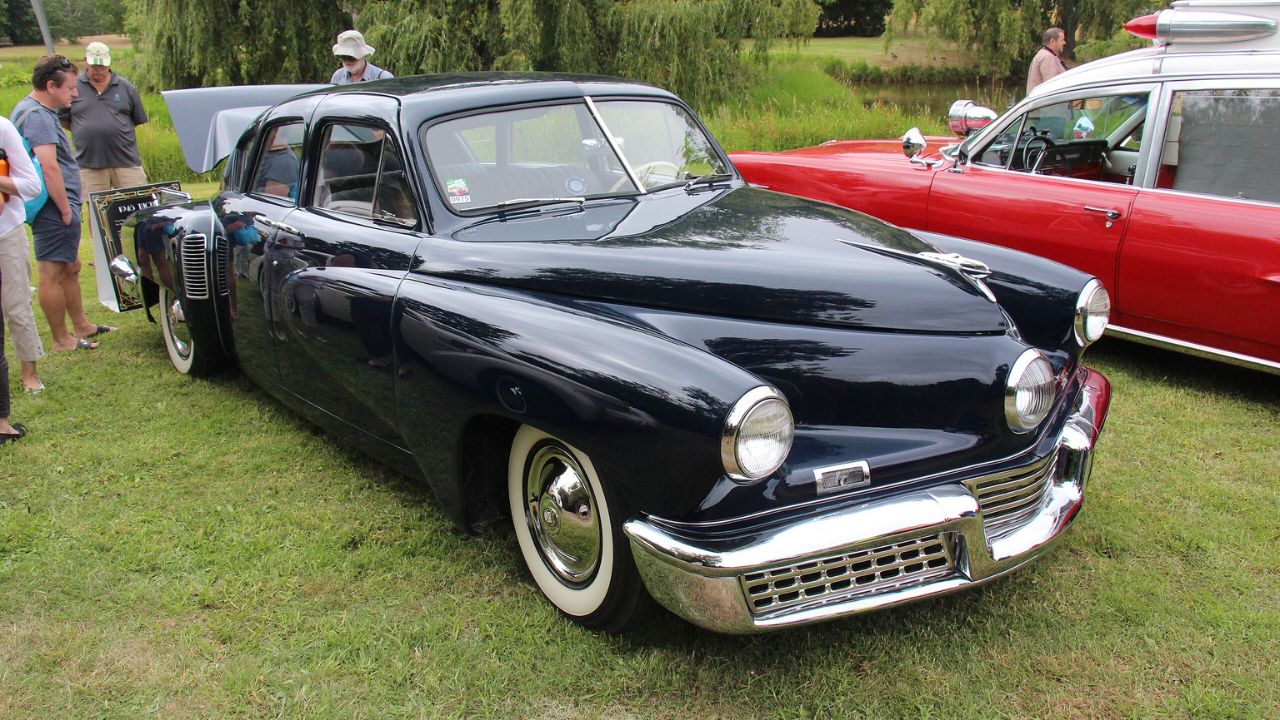
The Tucker 48 incorporated numerous forward-thinking ideas, including a rear-mounted engine, perimeter frame construction, and a centrally mounted headlight that turned with the steering. Many of its safety-focused innovations anticipated technologies that became common decades later. Despite limited production, the Tucker left a lasting engineering legacy.
Chrysler Turbine Car
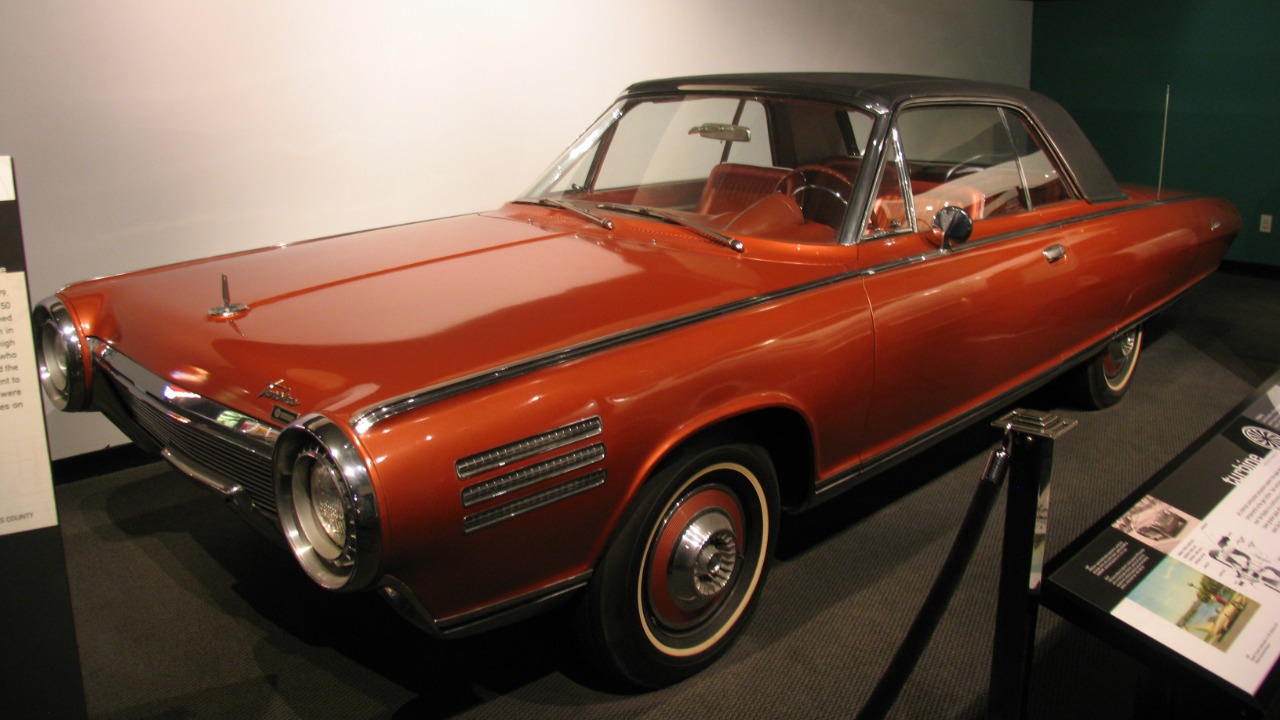
The Chrysler Turbine Car demonstrated the remarkable flexibility of gas turbine power for passenger vehicles. Its engine could operate on a wide variety of fuels while delivering exceptionally smooth performance with relatively few moving parts. Although production never expanded, the program highlighted Chrysler’s willingness to pursue unconventional engineering solutions.
Citroën SM
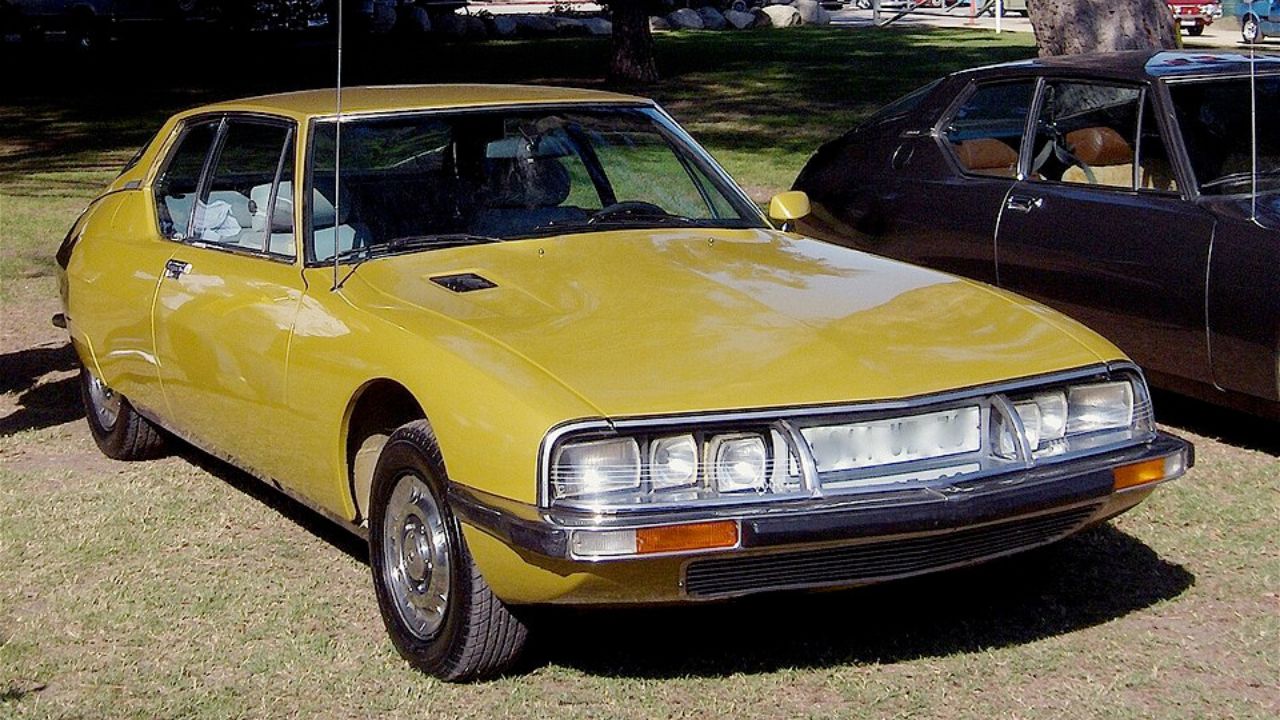
The Citroën SM combined hydropneumatic suspension, speed-sensitive power steering, and self-leveling technology into a grand touring car unlike anything else available. Its advanced mechanical systems prioritized ride quality and driver comfort while maintaining impressive handling. The SM remains one of the most technically ambitious production cars of its generation.
NSU Ro 80
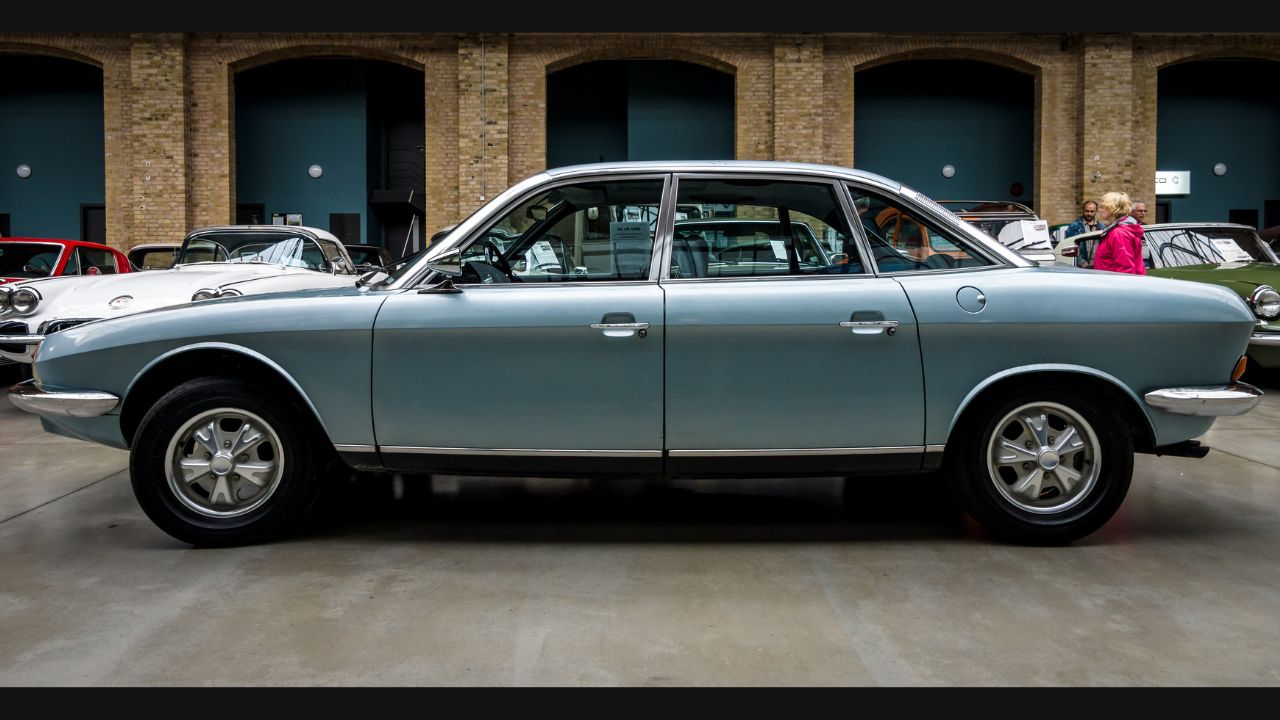
The NSU Ro 80 introduced the Wankel rotary engine alongside aerodynamic styling and advanced front-wheel-drive engineering. While reliability challenges limited its commercial success, the car demonstrated remarkable technical ambition. Its streamlined design and innovative mechanical package influenced automotive development far beyond its production numbers.
Subaru XT
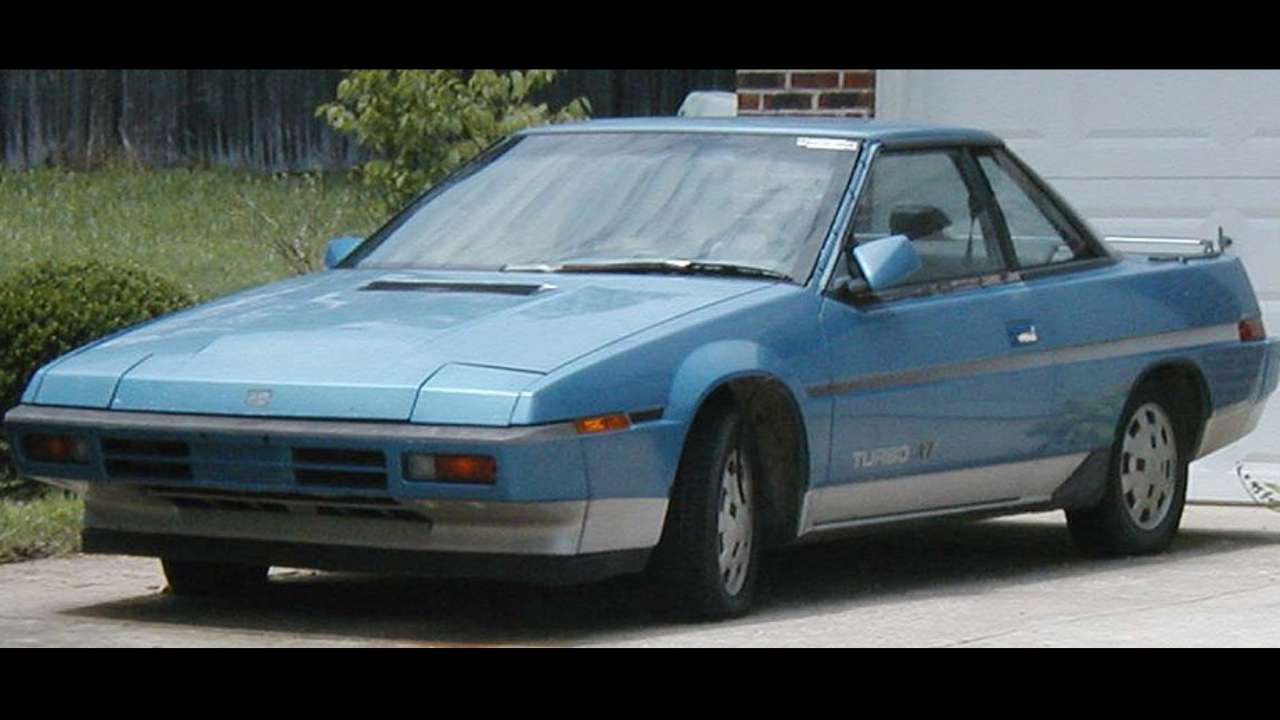
The Subaru XT quietly showcased aerodynamic thinking and advanced technology during the 1980s. Its wedge-shaped body achieved an impressively low drag coefficient, while available all-wheel drive and aircraft-inspired controls reflected ambitious engineering. Although often overlooked today, the XT demonstrated Subaru’s willingness to pursue unconventional technical solutions.
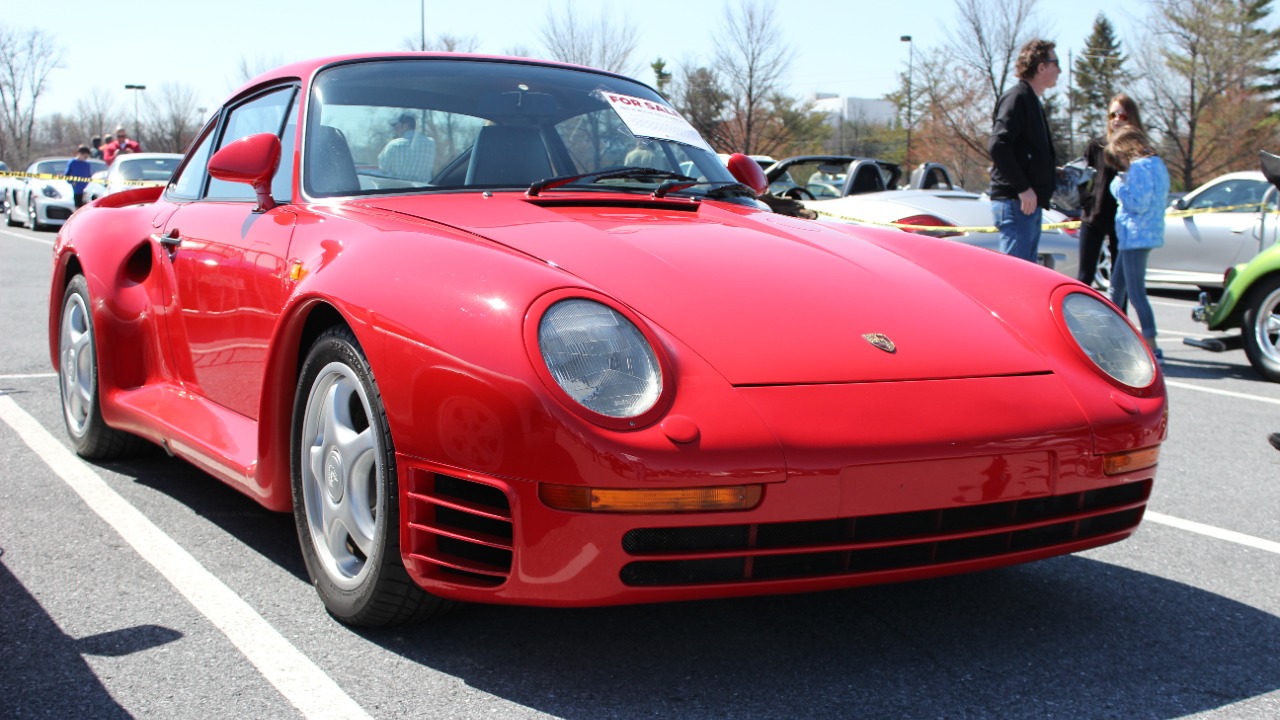
Porsche 959
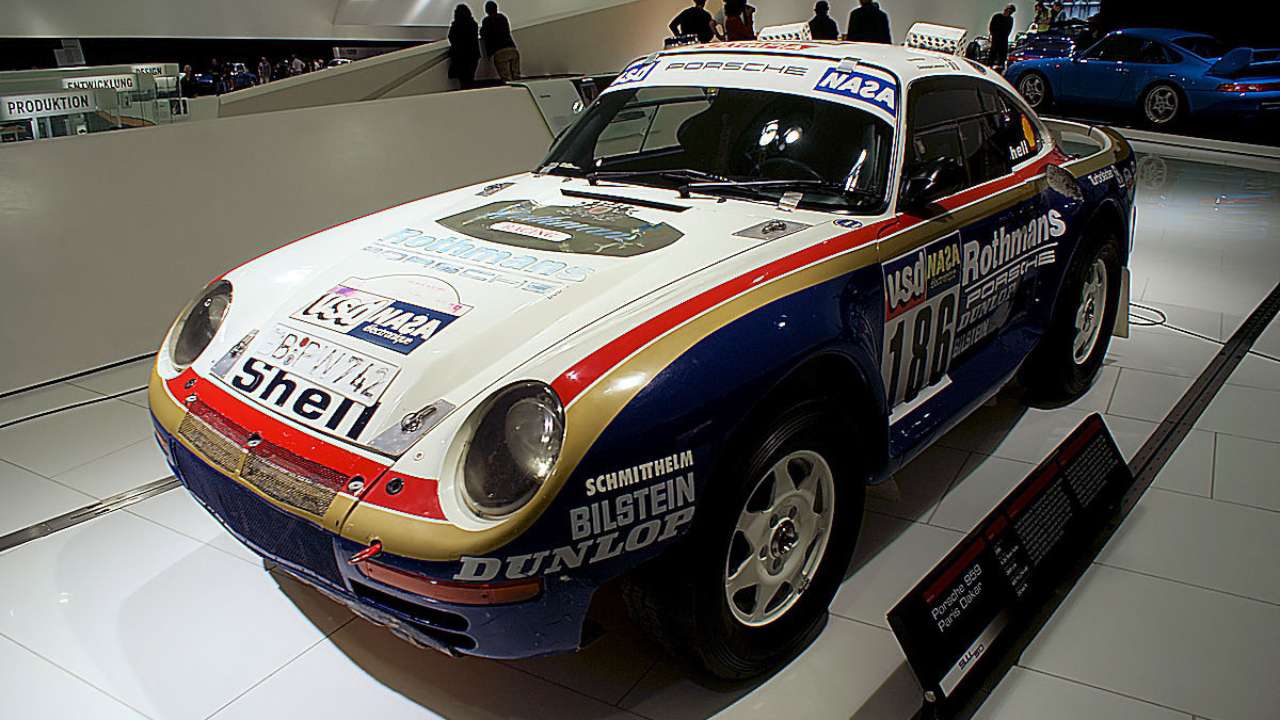
The Porsche 959 introduced electronically controlled all-wheel drive, adjustable suspension, and advanced twin-turbocharging in a road car years before such technologies became widespread. Developed using cutting-edge engineering, it served as a rolling laboratory for future performance vehicles. Many innovations first demonstrated by the 959 eventually appeared in high-performance cars across the industry.
More from Fast Lane Only
- Unboxing the WWII Jeep in a Crate
- 15 rare Chevys collectors are quietly buying
- 10 underrated V8s still worth hunting down
- Police notice this before you even roll window down
*Research for this article included AI assistance, with all final content reviewed by human editors