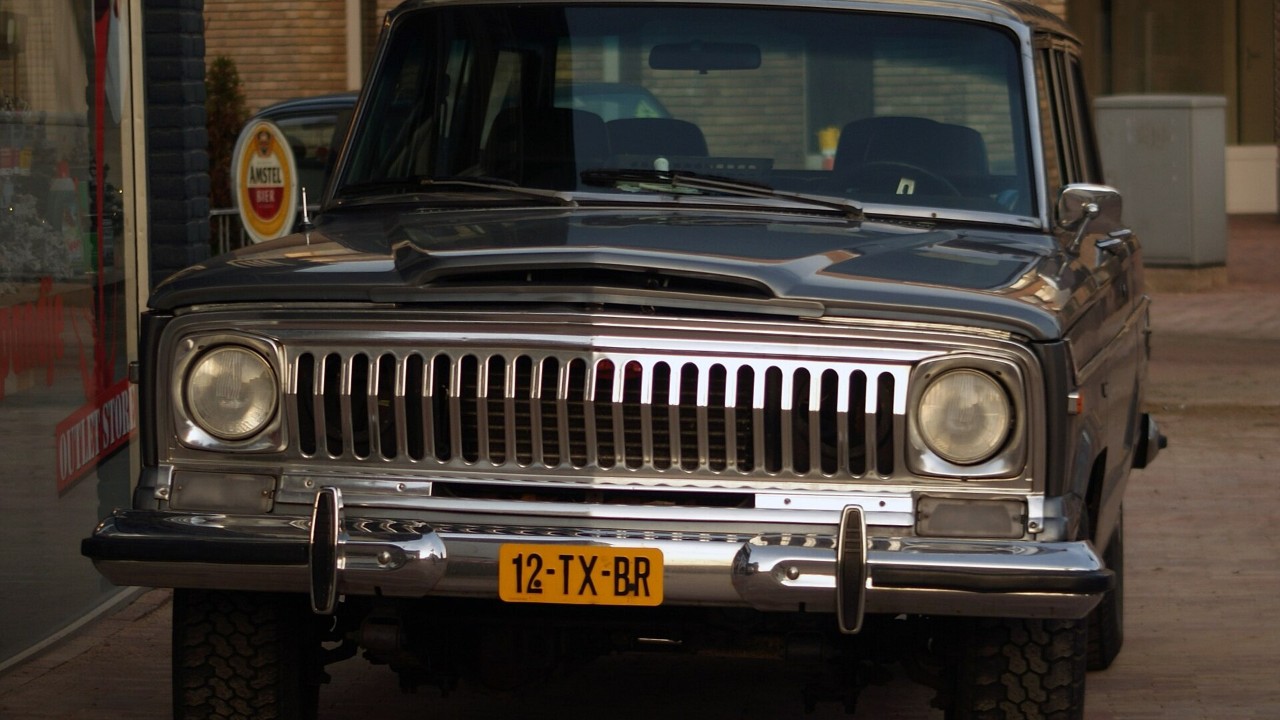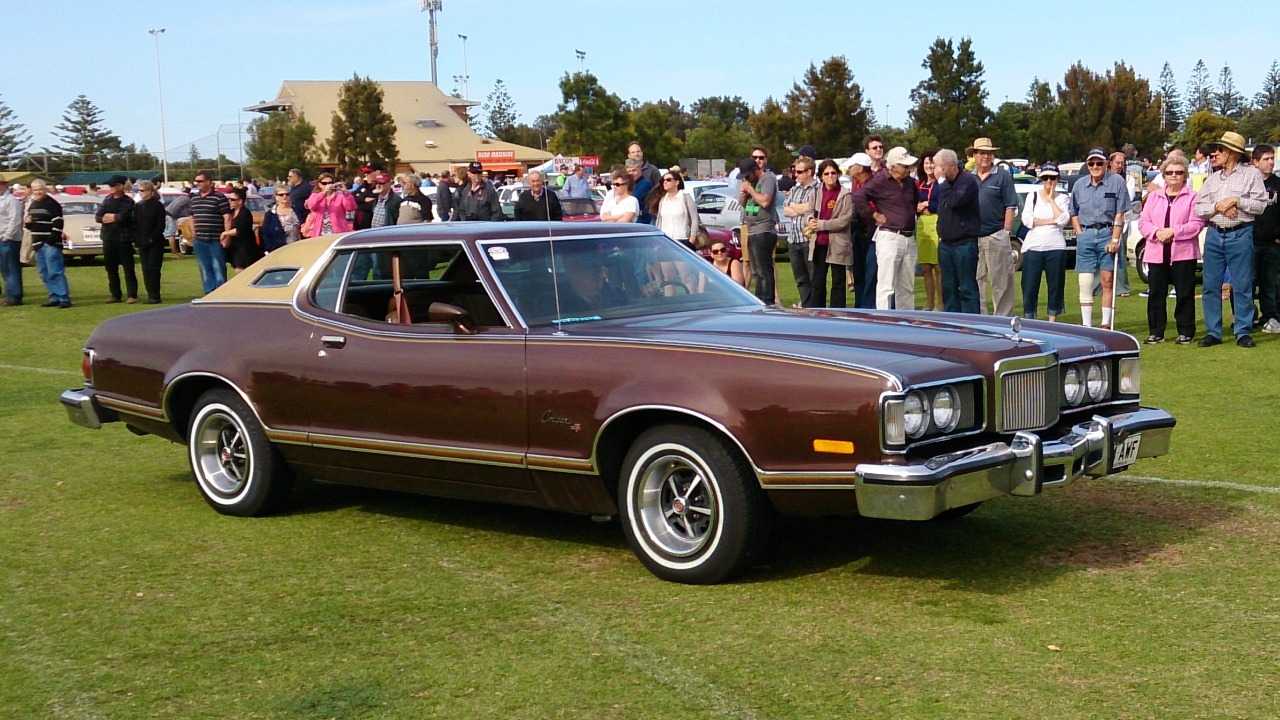
Mercury often lived in the shadow of Ford and Lincoln, but the brand produced plenty of cars with proven engines, sturdy drivetrains, and surprisingly durable construction. Some were workhorses disguised as family cars, while others became dependable highway cruisers. These nine Mercurys stand out for the mechanical qualities that helped them survive years of everyday use.
Mercury Grand Marquis
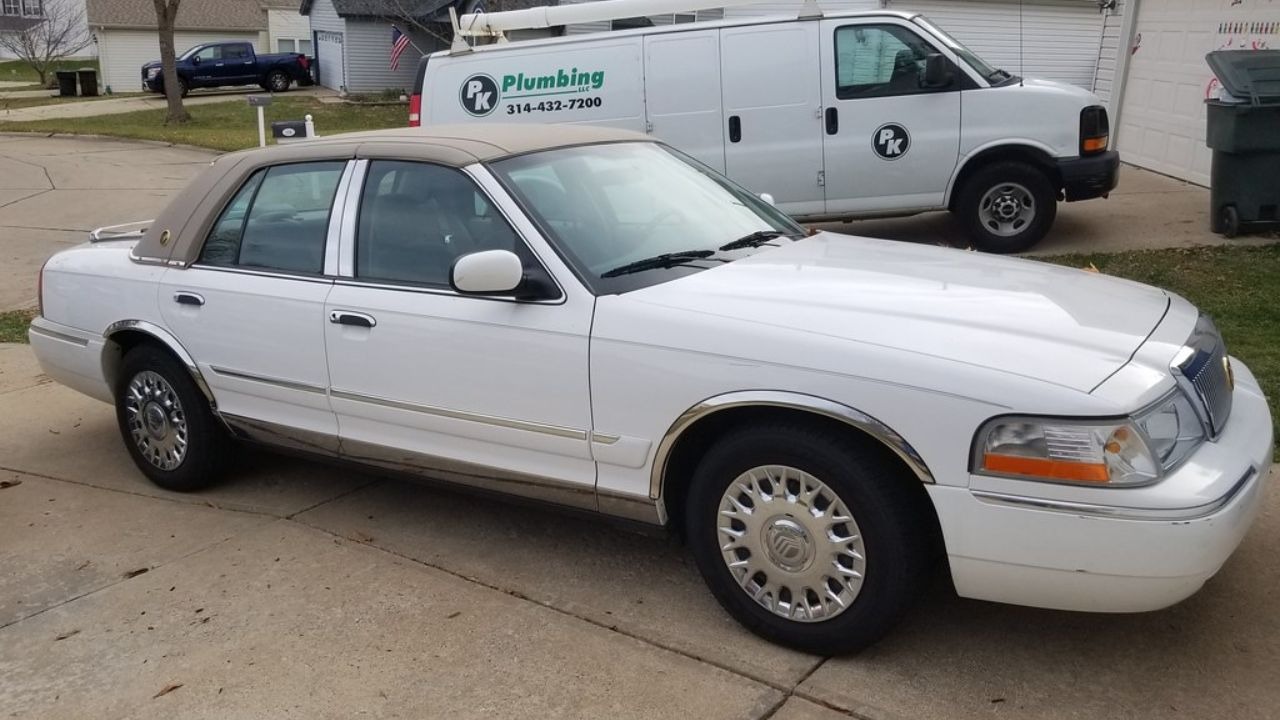
The Grand Marquis earned its reputation the old-fashioned way, through years of dependable service. Its rear-wheel-drive platform, body-on-frame construction, and familiar V8 made it straightforward for mechanics to diagnose and repair. Many served as taxis, fleet cars, and daily drivers. That demanding service proved the platform could withstand substantial mileage without becoming excessively complicated.
Mercury Marquis
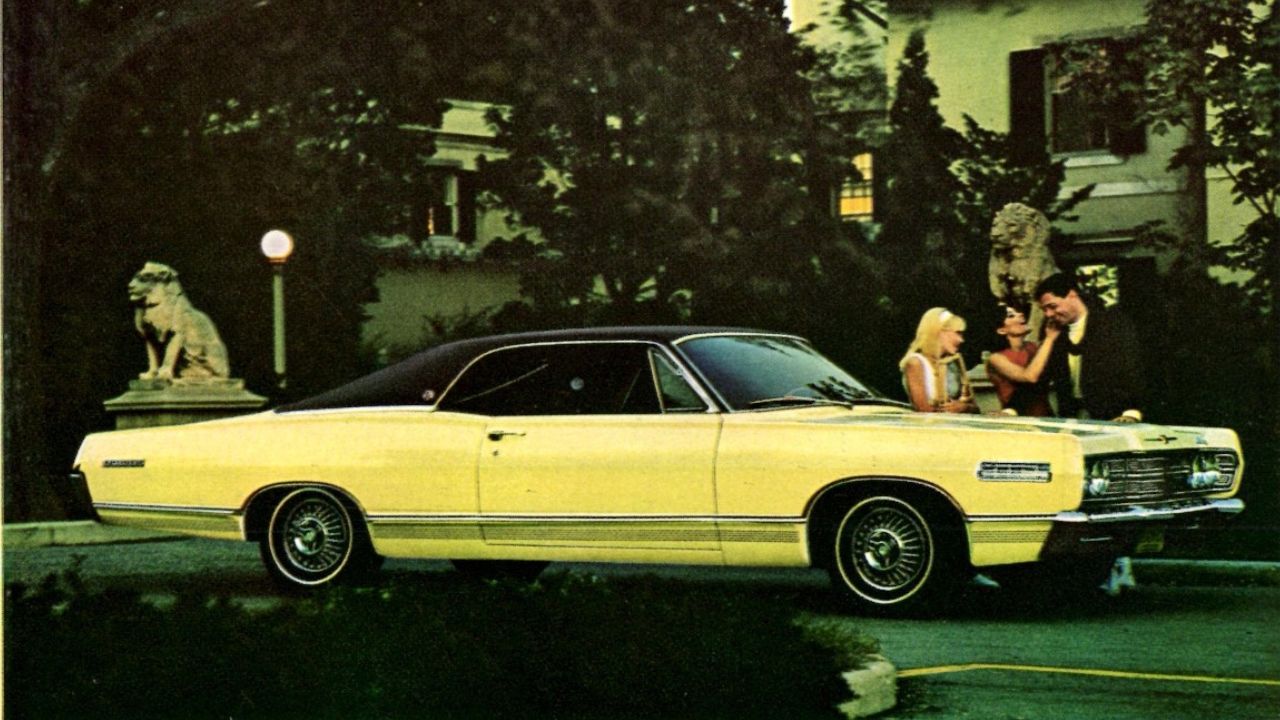
The Mercury Marquis was a traditional American sedan built around simple, proven mechanical components. Its V8 engines provided effortless highway power, while the rear-wheel-drive layout remained familiar to generations of mechanics. Many examples were used extensively as family transportation. Clean survivors today show why conventional American engineering could deliver impressive longevity without relying on complicated technology.
Mercury Colony Park
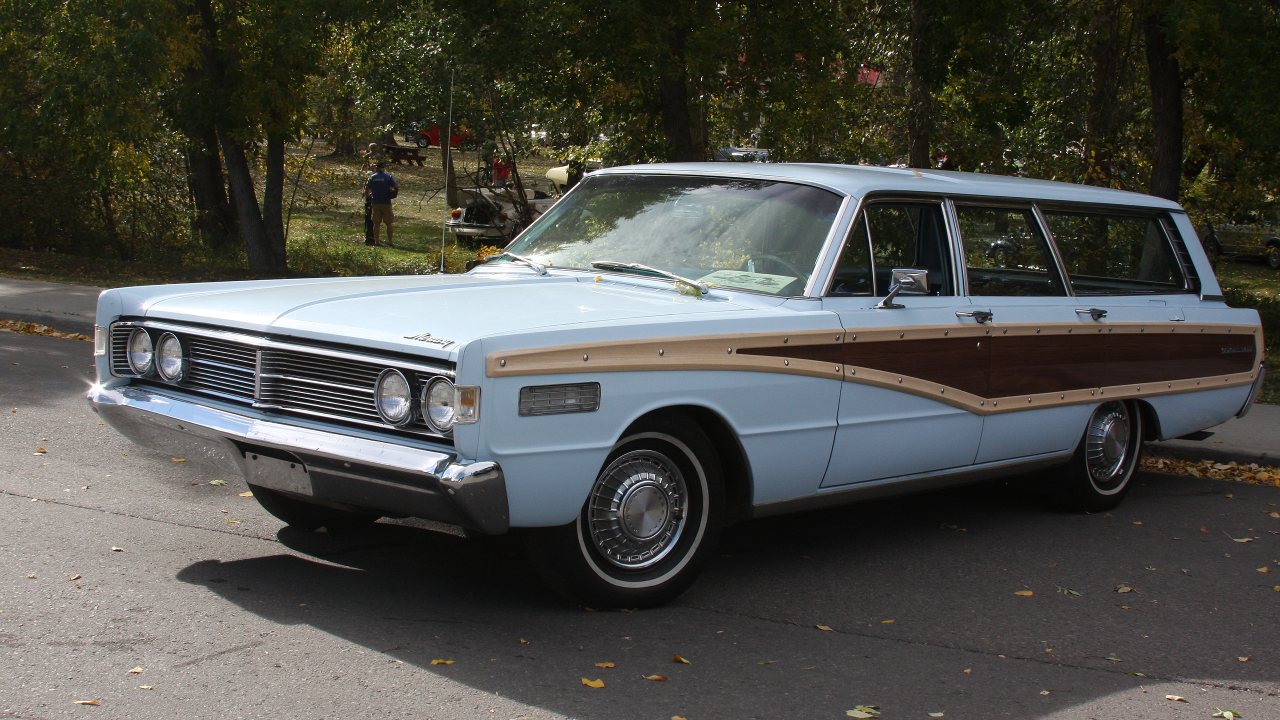
The Colony Park was a full-size station wagon built for families that demanded space and durability. Its traditional V8 engines and rear-wheel-drive chassis were well suited to hauling passengers, luggage, and everything else a large family could carry. Many spent decades working hard. Surviving examples now appeal to enthusiasts because the formula was simple, sturdy, and increasingly rare.
Mercury Cougar
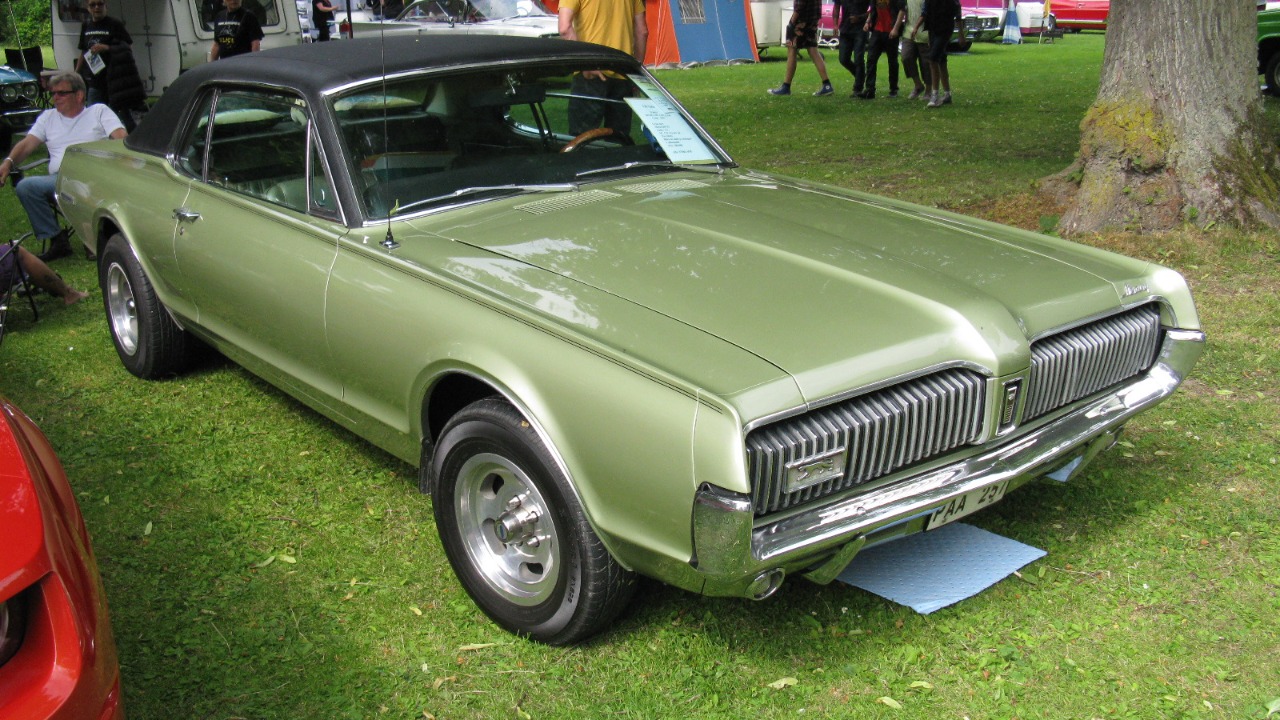
The Cougar may be remembered for its sporty appearance, but its mechanical foundation was also remarkably conventional. V8 engines, rear-wheel drive, and widely shared Ford components made many repairs relatively straightforward. The Cougar could therefore offer performance without becoming excessively complicated. Well-maintained examples remain appealing because they combine classic styling with a mechanical layout that mechanics know well.
Mercury Comet
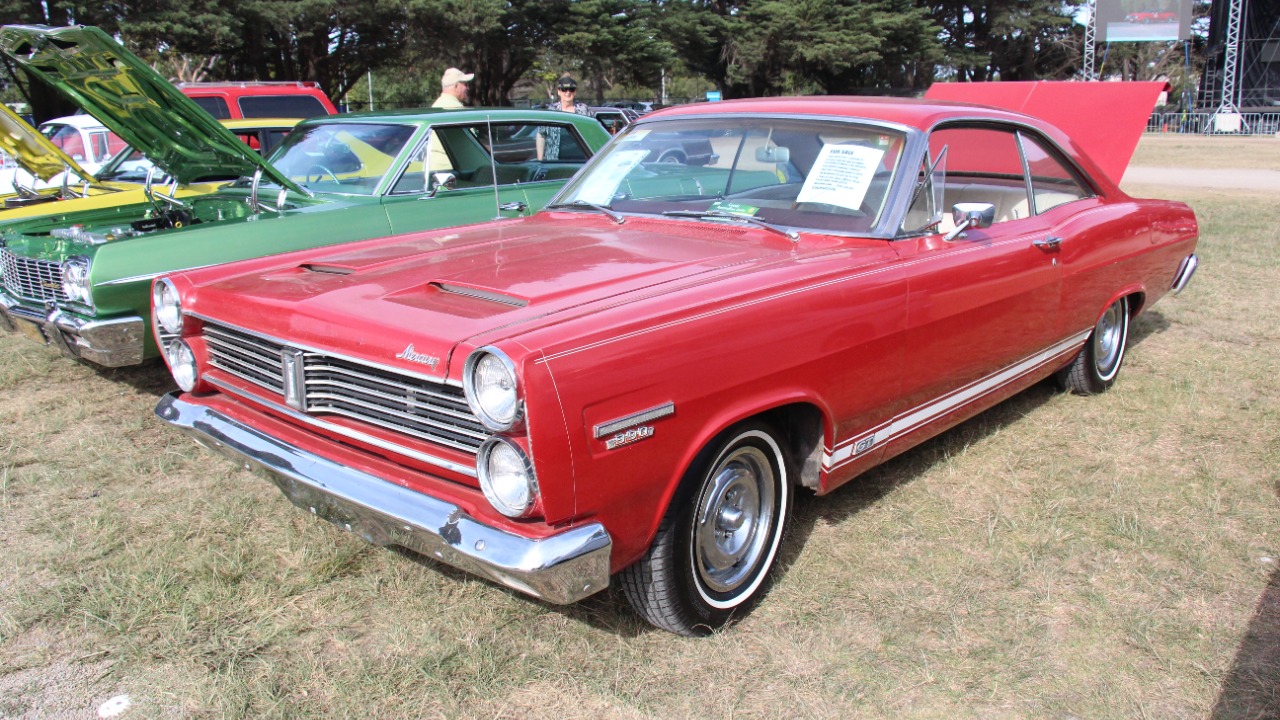
The Comet began as a compact, practical Mercury but later became available with V8 power. Its relatively lightweight body and straightforward mechanical layout made it easy to live with and surprisingly entertaining. Many were treated as inexpensive transportation and eventually disappeared. Today, surviving examples are valued for their simple construction and the unusual combination of compact size and American V8 character.
Mercury Monterey
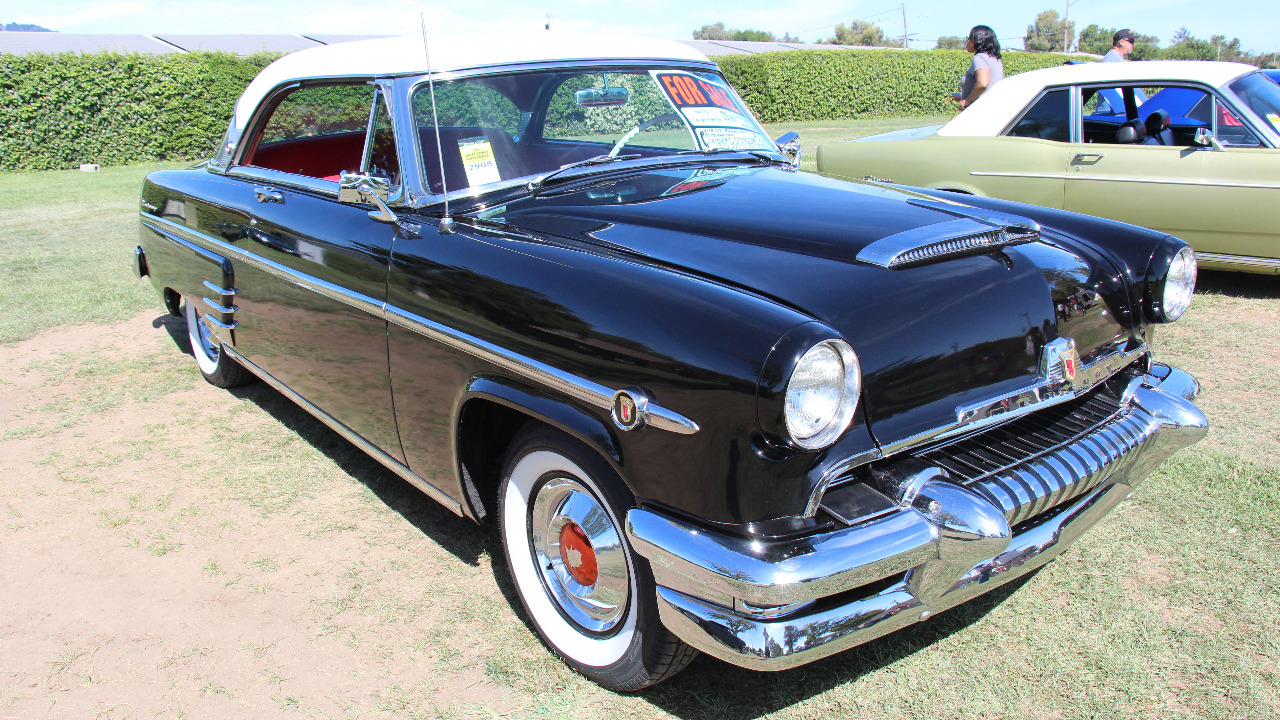
The Monterey was a large American cruiser designed around smooth performance and long-distance comfort. Its conventional V8 powertrains and rear-wheel-drive chassis were robust enough to handle years of regular use. The mechanical simplicity also made routine servicing familiar territory. Although overshadowed by more famous Mercury nameplates, the Monterey remains an excellent example of the brand’s old-school durability.
Mercury Marauder
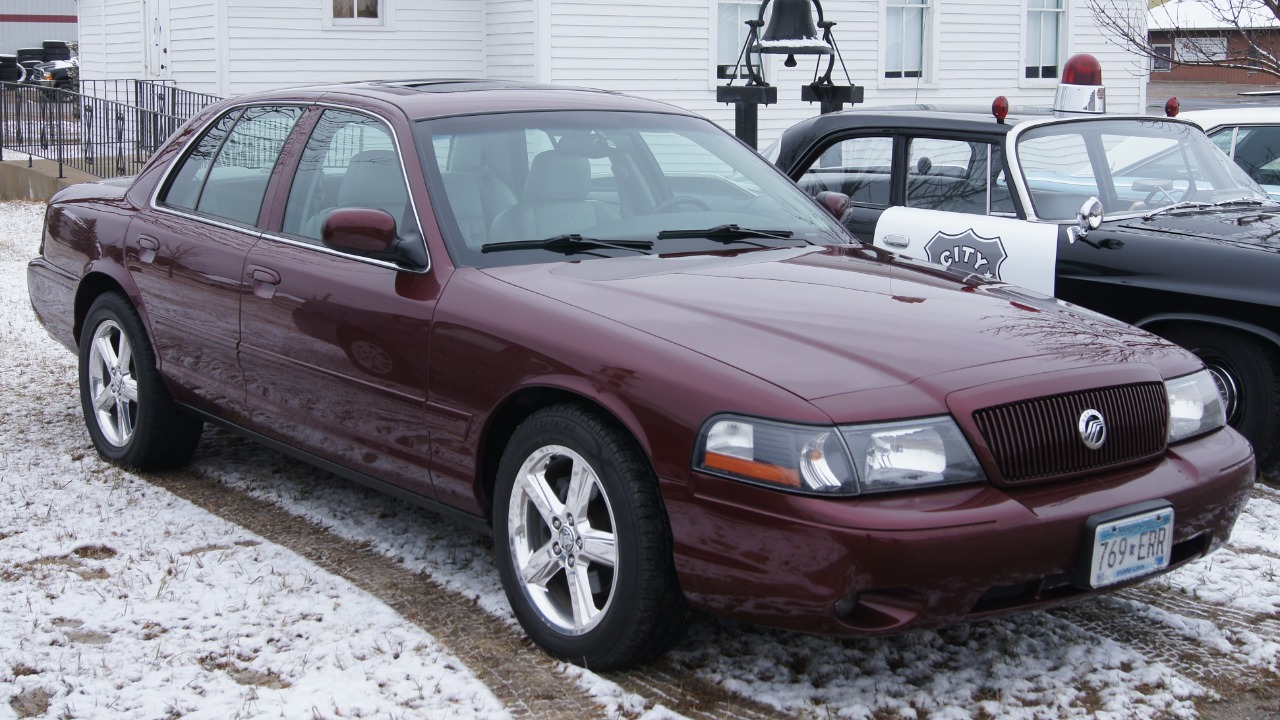
The Marauder combined full-size comfort with a performance-oriented drivetrain, giving Mercury a surprisingly capable muscle-era cruiser. Its V8 engine and rear-wheel-drive architecture provided plenty of usable power without requiring exotic mechanical solutions. The car’s limited production also makes it increasingly interesting today. For enthusiasts, the Marauder offers an unusual blend of performance, comfort, and traditional Ford-based engineering.
Mercury Park Lane
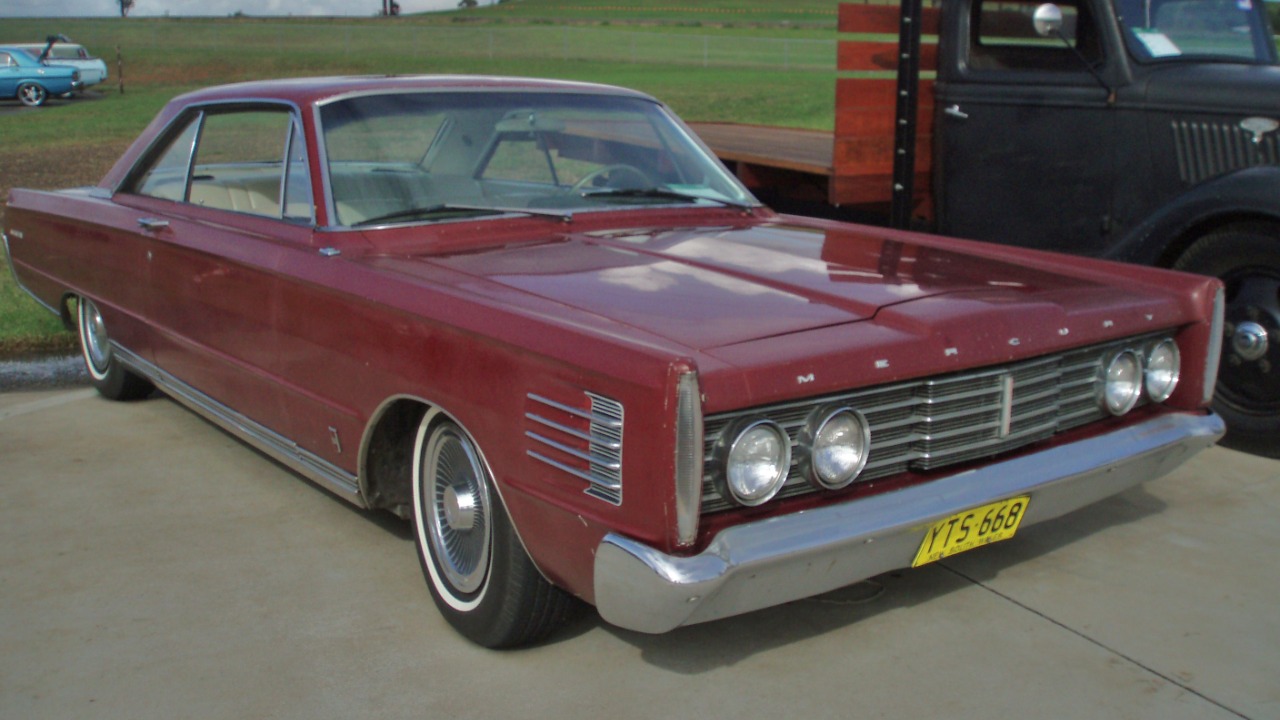
The Park Lane occupied the upper end of Mercury’s lineup and combined generous dimensions with powerful V8 engines. Its substantial chassis was built for effortless highway cruising rather than delicate performance. Despite its luxury positioning, the underlying mechanical systems were relatively conventional. Surviving examples demonstrate how Mercury could provide upscale motoring without abandoning the durable engineering associated with its Ford roots.
Mercury Montego
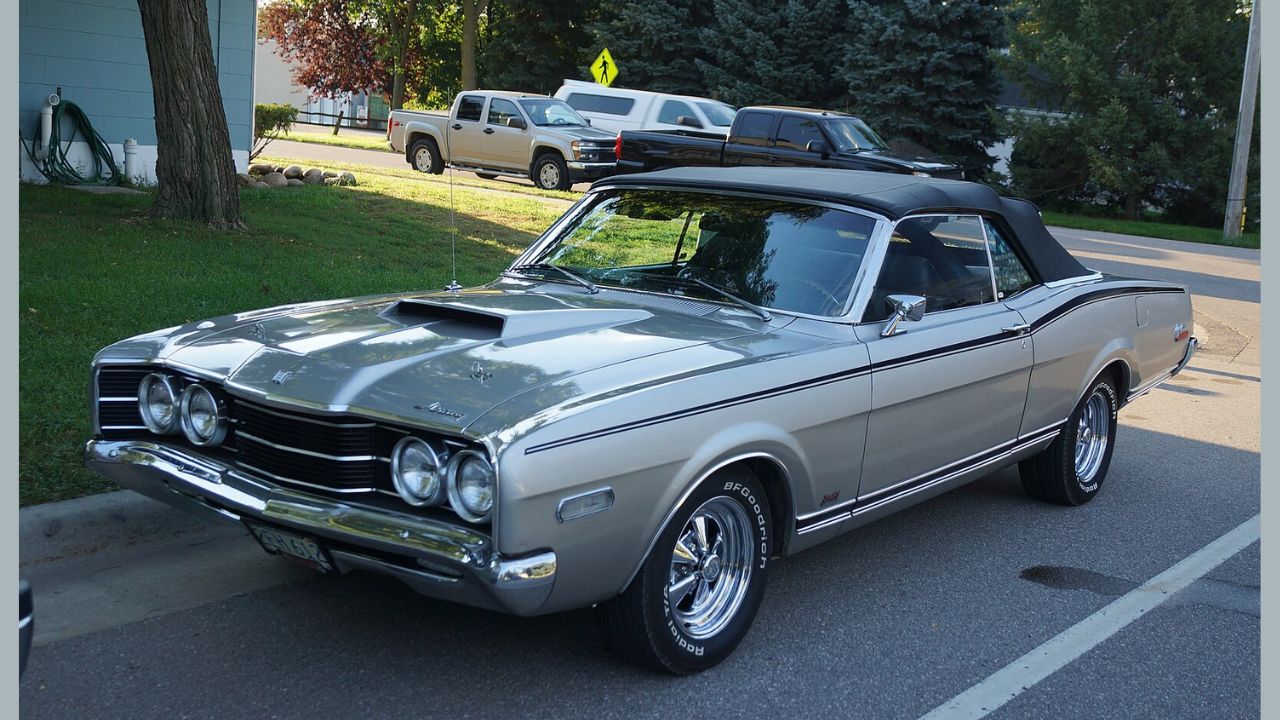
The Montego gave Mercury another practical and comfortable choice for buyers who wanted something more distinctive than a standard Ford. Depending on generation, it offered conventional engines and drivetrains that were relatively familiar to service. Many were driven for years before disappearing from the roads. Today, clean examples are an overlooked option for enthusiasts who appreciate Mercury’s understated approach to American motoring.
More from Fast Lane Only
- Unboxing the WWII Jeep in a Crate
- 15 rare Chevys collectors are quietly buying
- 10 underrated V8s still worth hunting down
- Police notice this before you even roll window down
*Research for this article included AI assistance, with all final content reviewed by human editors