Performance machines that blur the line between road and trail are reshaping how riders think about distance, speed, and terrain. From long‑legged adventure motorcycles to gravel race bikes, manufacturers are engineering platforms that can cruise pavement efficiently yet remain composed when the asphalt ends. The following nine machines, drawn from recent expert evaluations, show how far this dual‑purpose philosophy has evolved.
Honda CRF1100L Africa Twin
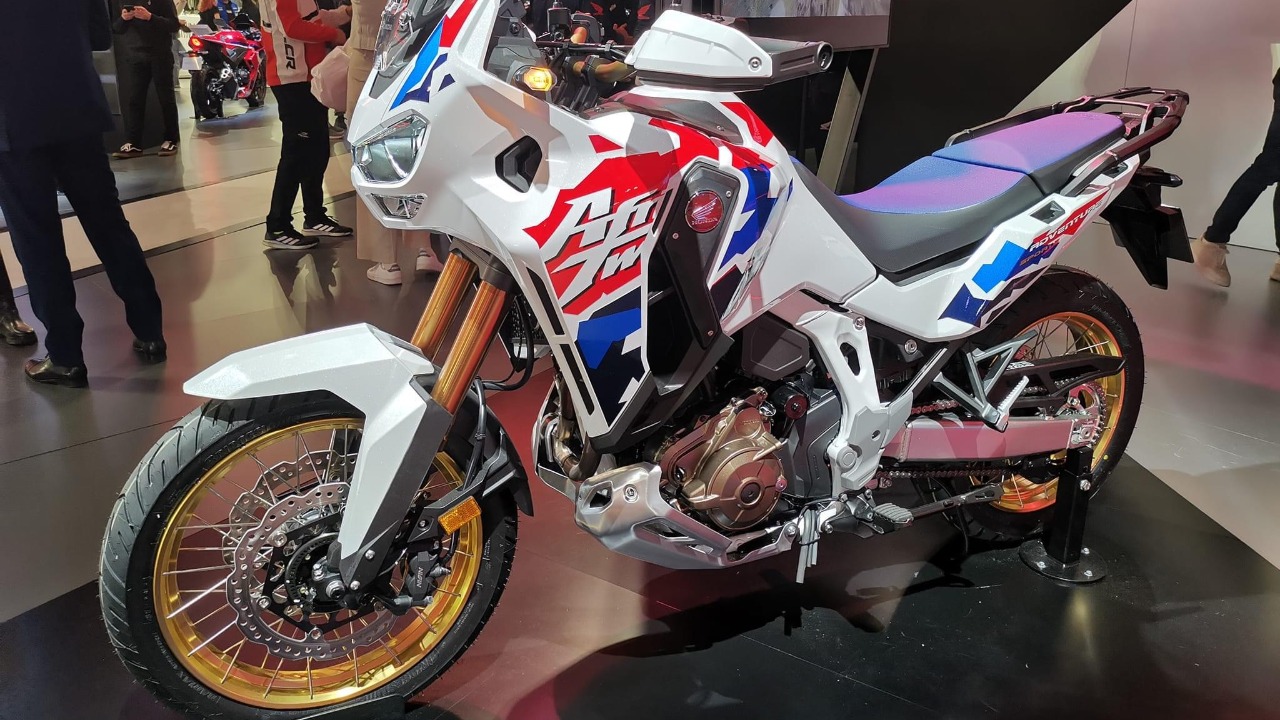
The Honda CRF1100L Africa Twin is a benchmark for riders who expect a single machine to handle highway miles and technical dirt. Reporting on top adventure choices for 2026 highlights the Africa Twin as a core recommendation, noting that The Honda CRF platform balances real off‑road geometry with long‑distance comfort. One detailed buyer guide lists the Honda CRF1100L Africa Twin first among “top 8 adventure motorcycles to buy in 2026 for real world ADV riding,” underscoring its relevance for mixed‑surface travel.
That positioning matters for riders who want genuine trail capability without sacrificing road manners. Long‑travel suspension, a broad torque curve, and electronic aids such as traction control and configurable riding modes help the Africa Twin stay composed on gravel while remaining stable at highway speeds. Its inclusion at the top of a Nov 2025 adventure shortlist signals that manufacturers see large‑displacement adventure bikes as the backbone of global overland travel, where a single machine must cross continents and unpaved passes with equal confidence.
KTM 690 Enduro R
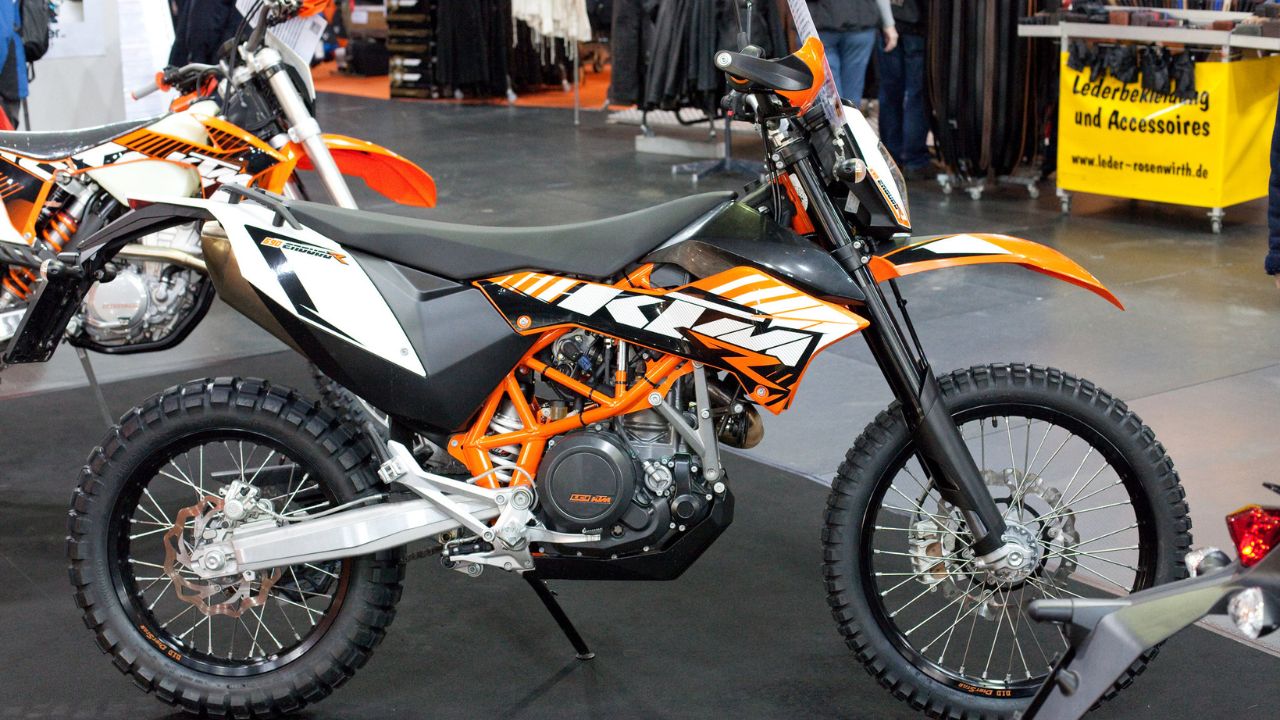
The KTM 690 Enduro R is repeatedly cited as one of the fastest and most capable dual‑sport motorcycles available, a machine that almost erases the distinction between plated enduro and lightweight adventure bike. A focused review of rapid dual‑sports notes that “The KTM 690 Enduro R has become a legendary name in the dual sport world,” and emphasizes that for 2025 it maintains its reputation for outright speed and serious off‑road focus. The reference to “690” highlights the engine’s displacement and the model’s unique position in a niche dominated by smaller singles.
For riders, that combination of displacement and chassis tuning translates into a motorcycle that can cruise at legal highway speeds while still attacking singletrack and rough fire roads. The 690 Enduro R’s long‑travel suspension, aggressive geometry, and relatively low weight give it an edge where technical terrain meets long liaison sections. Its presence in lists of the top fastest dual‑sport motorcycles shows how performance expectations are rising, pushing manufacturers to deliver dirt‑worthy machines that no longer feel compromised on pavement.
Honda CRF300L
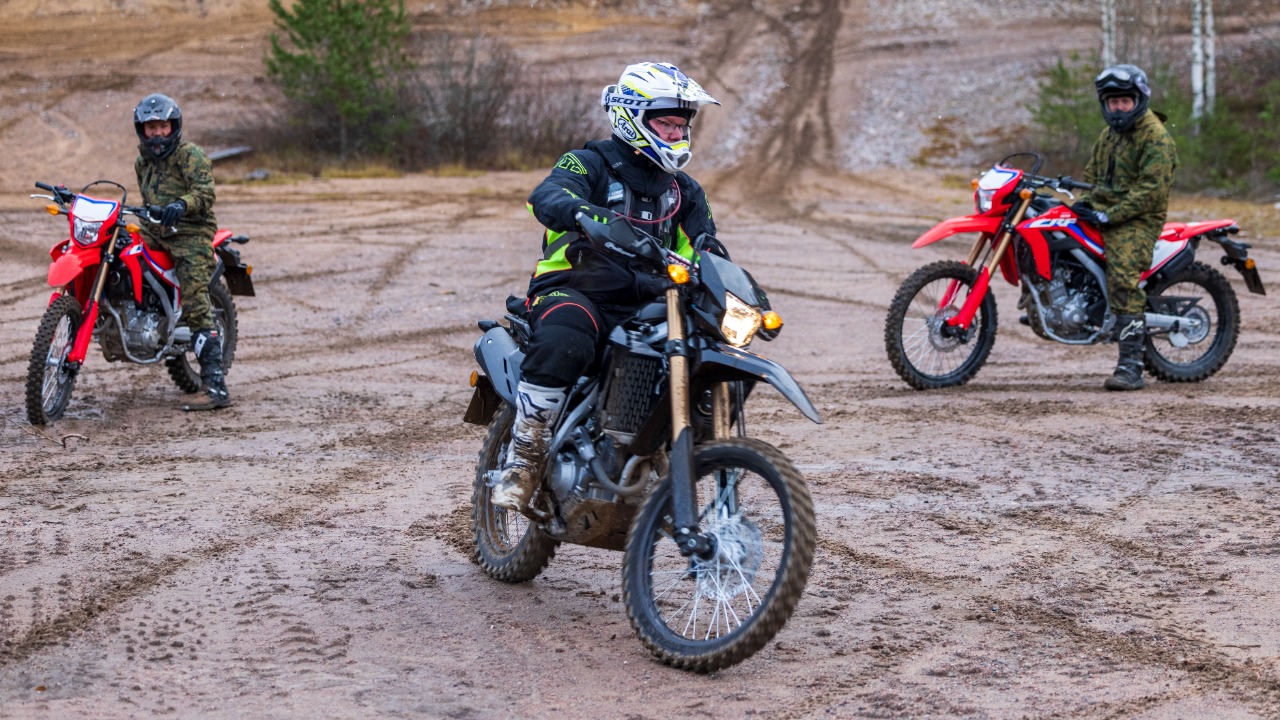
The Honda CRF300L represents the Lightweight end of modern adventure and dual‑sport design, yet it still blurs the road‑trail boundary in a way that appeals to newer riders and seasoned travelers alike. In a broad survey titled The Best Adventure Motorcycles of 2026, the CRF300L is singled out in the Lightweight category, indicating that experts view it as a legitimate adventure platform rather than a simple trail bike. That recognition reflects its balance of manageable power, approachable seat height, and genuine off‑road suspension travel.
On pavement, the CRF300L’s small‑displacement single encourages measured speeds but remains capable of commuting and regional touring, especially when outfitted with luggage and wind protection. Off‑road, its low mass and compliant chassis make it forgiving on rutted tracks and rocky climbs, attributes that matter for riders learning to extend their range beyond asphalt. By appearing alongside far larger machines in 2026 adventure roundups, the CRF300L illustrates a trend toward accessible dual‑purpose platforms that invite more riders into mixed‑surface exploration.
Yamaha Tenere 700
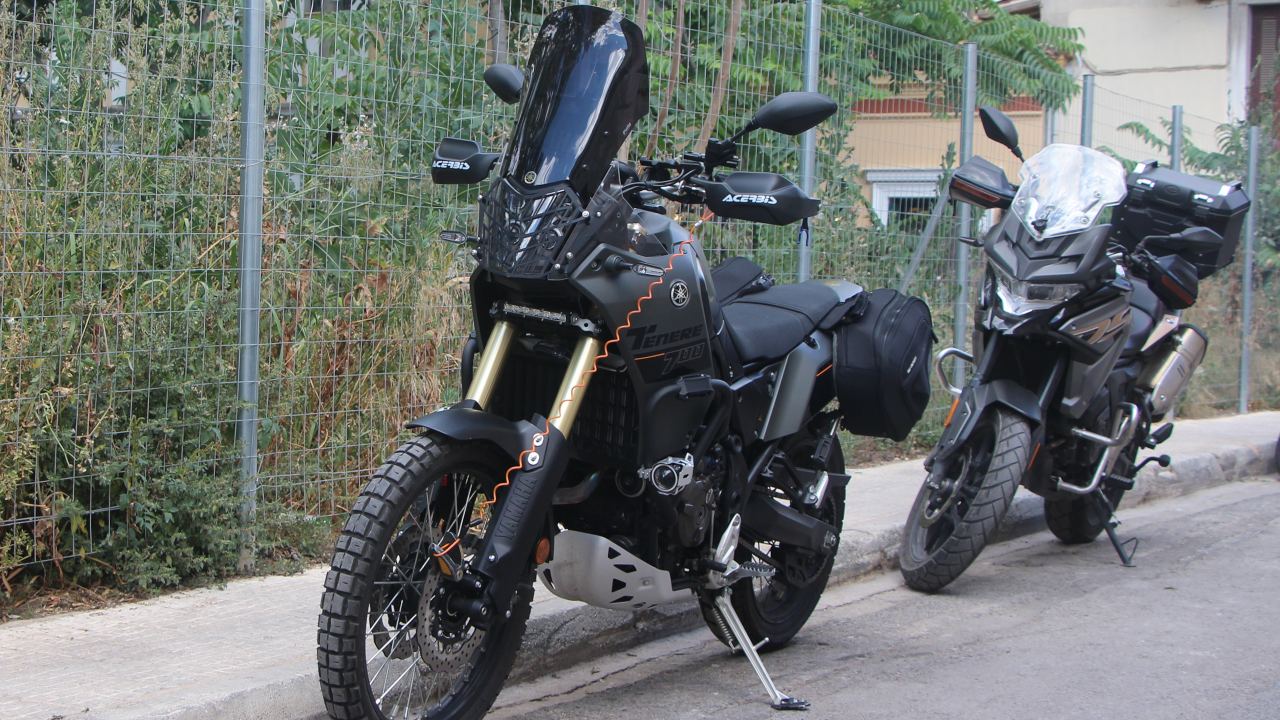
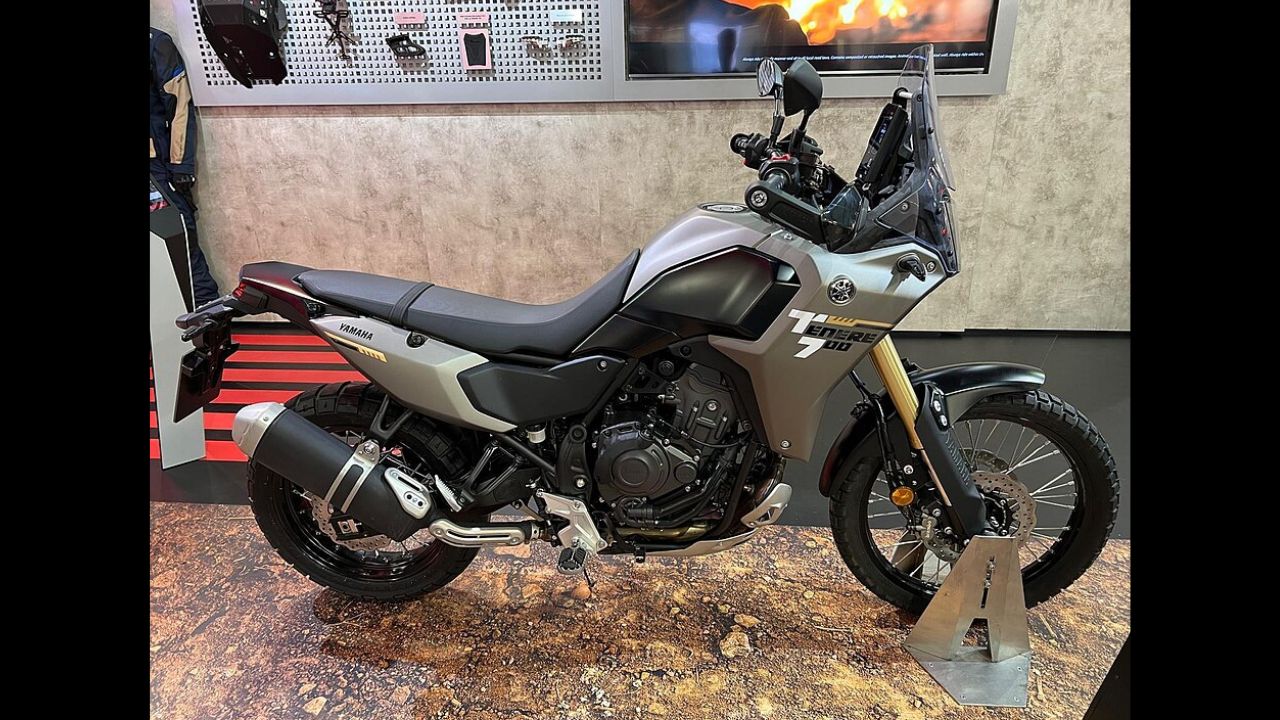
The Yamaha Tenere 700 has become a reference point in the Middleweight adventure segment, praised for its simplicity and genuine off‑road intent. In the same The Best Adventure Motorcycles of 2026 overview that highlights Lightweight and Heavyweight categories, the Yamaha Tenere is explicitly named in the Middleweight group, with its “700” designation underscoring the parallel‑twin engine size that anchors its performance. That placement reflects a consensus that the Tenere 700 offers a rare blend of rally‑inspired chassis design and long‑distance usability.
On the road, the Tenere 700’s engine delivers smooth, tractable power that makes highway cruising and overtakes straightforward, while its ergonomics support long days in the saddle. Once the route turns to gravel or rocky two‑track, the bike’s 21‑inch front wheel, long‑travel suspension, and standing‑friendly cockpit reveal clear off‑road priorities. Its frequent appearance in adventure‑touring buyer guides signals a broader shift toward mid‑capacity machines that are easier to manage than big‑bore flagships yet still capable of serious overland travel.
Triumph Tiger 900 Rally Pro
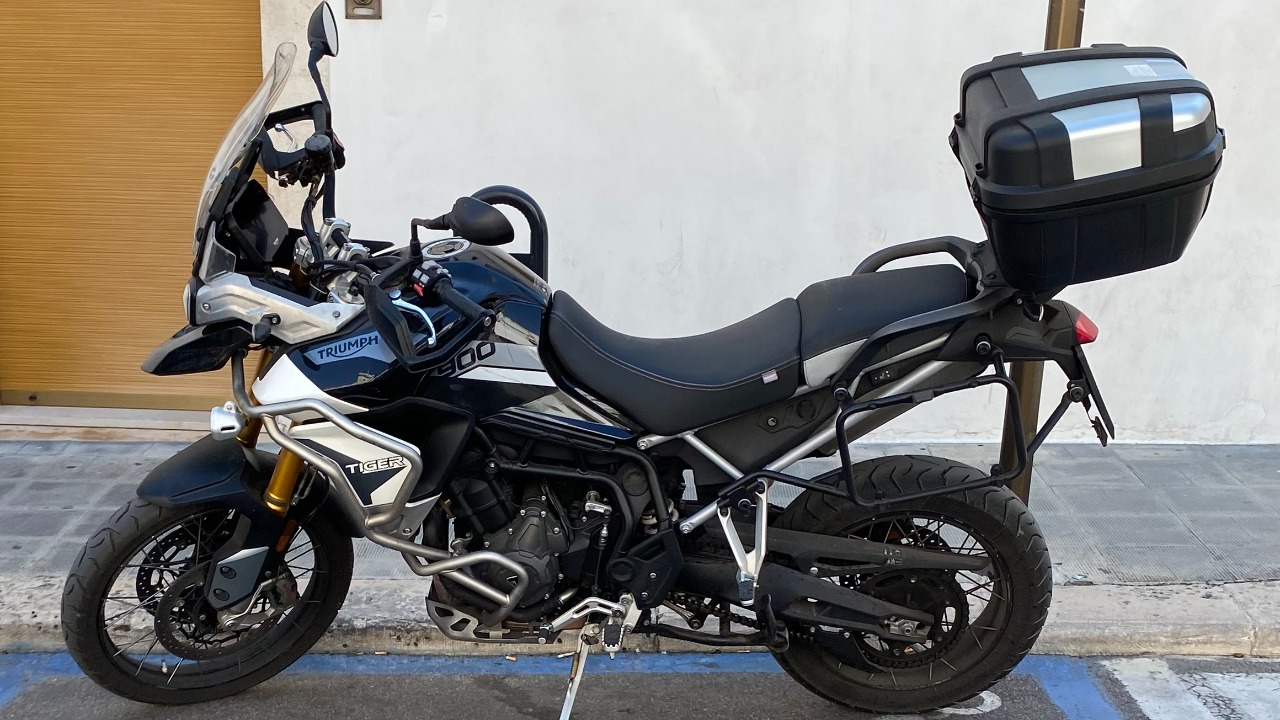
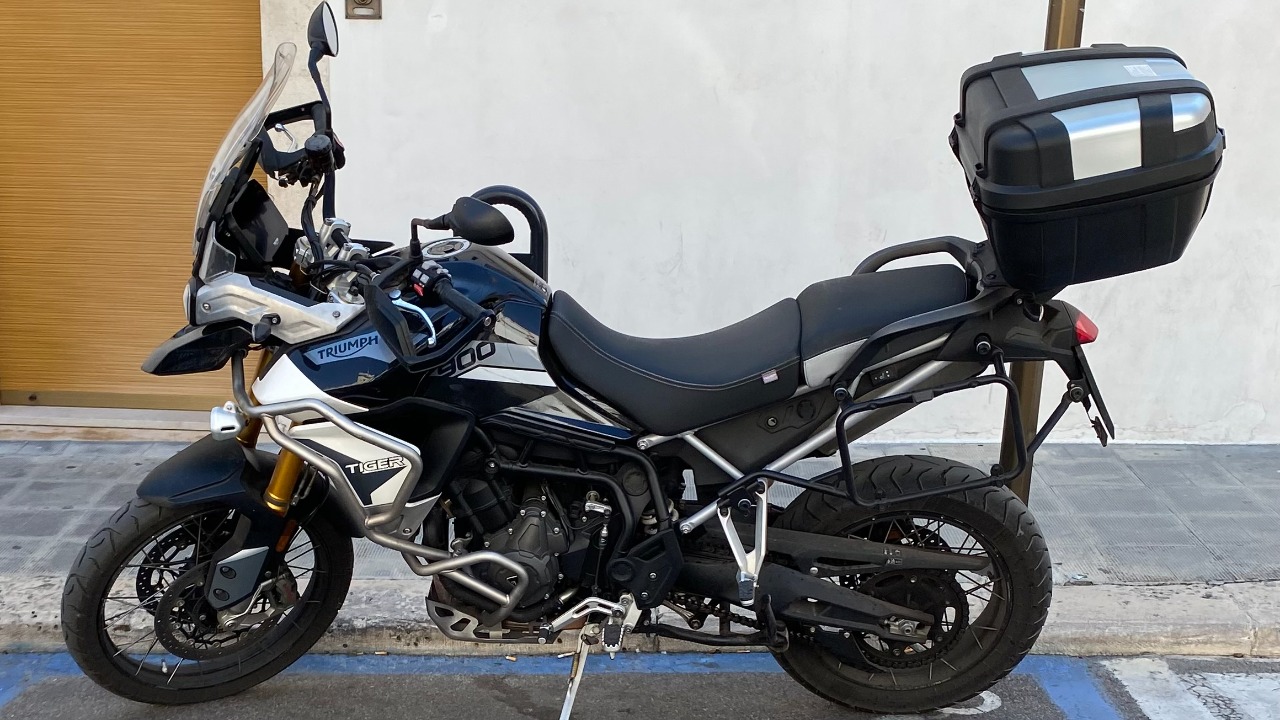
The Triumph Tiger 900 Rally Pro is positioned as a premium middleweight adventure motorcycle that leans decisively toward off‑road performance while preserving road comfort. A 2026 adventure‑touring buyer’s guide, framed as Best Adventure Touring Bikes of the year, highlights the Triumph Tiger 900 Rally Pro as a standout for riders who want advanced electronics and high‑spec suspension in a package that can tackle rough tracks. That recognition places the Tiger 900 Rally Pro among the most versatile machines in its class.
On paved sections, the triple‑cylinder engine offers smooth power delivery and a distinctive character that encourages brisk touring, while cruise control and adjustable riding modes support long‑distance comfort. Away from the tarmac, the Rally Pro trim adds off‑road‑oriented wheels, protective hardware, and suspension travel that allows confident progress on rocky climbs and loose descents. Its inclusion in Jan 2026 adventure‑touring shortlists signals that manufacturers are investing heavily in mid‑displacement platforms that can credibly replace separate road and trail bikes for many riders.
Suzuki DR‑Z4S
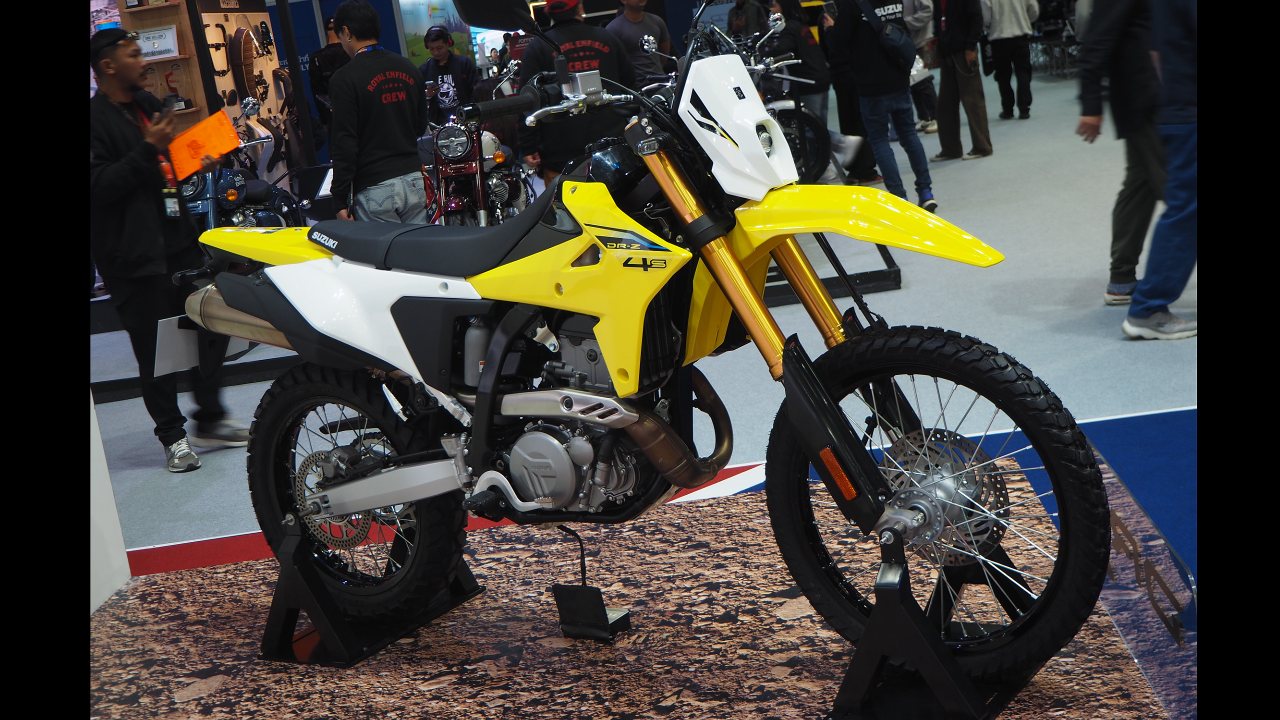
The Suzuki DR‑Z4S illustrates how electronics are reshaping dual‑sport performance without abandoning the simplicity that riders expect from this category. A feature on upcoming dual‑sports notes that Suzuki’s DR‑Z4S features a ride‑by‑wire system with an adjustable electronics suite including three ride modes, switchable traction control, and other aids, yet “never feels out of place” in varied conditions. That description underscores how modern control systems can enhance versatility while preserving the direct connection riders seek on dirt.
On the road, multiple ride modes allow the DR‑Z4S to adapt throttle response and traction management to wet pavement or spirited back‑road riding. Off‑road, the ability to reduce or disable intervention lets experienced riders slide the rear wheel and manage traction manually on loose surfaces. By integrating these technologies into a dual‑sport platform, Suzuki signals that advanced electronics are no longer reserved for large adventure tourers, but are filtering down to machines that must perform equally well on city streets and remote trails.
Husqvarna 2025 Pioneer (concept status)
The Husqvarna 2025 Pioneer has been presented in motorsport reporting as a street‑legal electric off‑road motorcycle concept, aimed at dual‑sport riders and outdoor enthusiasts who want to focus on line choice rather than engine management. Coverage of the Pioneer’s unveiling describes a design that allows riders “to focus on their riding, choose the perfect line to easily overcome” obstacles, without needing to worry about clutch work or stalling. However, its actual production and retail availability remain unverified based on available sources, so it should be treated as a forward‑looking project rather than a confirmed showroom model.
Even in concept form, the Pioneer illustrates how electric powertrains could further blur the road‑trail divide. Instant torque, quiet operation, and simplified drivetrains promise easier traction control on loose climbs and less fatigue in technical terrain, while street‑legal equipment would allow riders to link trail systems via public roads. For stakeholders, including land managers and urban planners, such concepts raise questions about charging infrastructure and noise regulations, but they also hint at a future where dual‑sport performance is defined as much by software and batteries as by displacement figures.
Cannondale Topstone Carbon
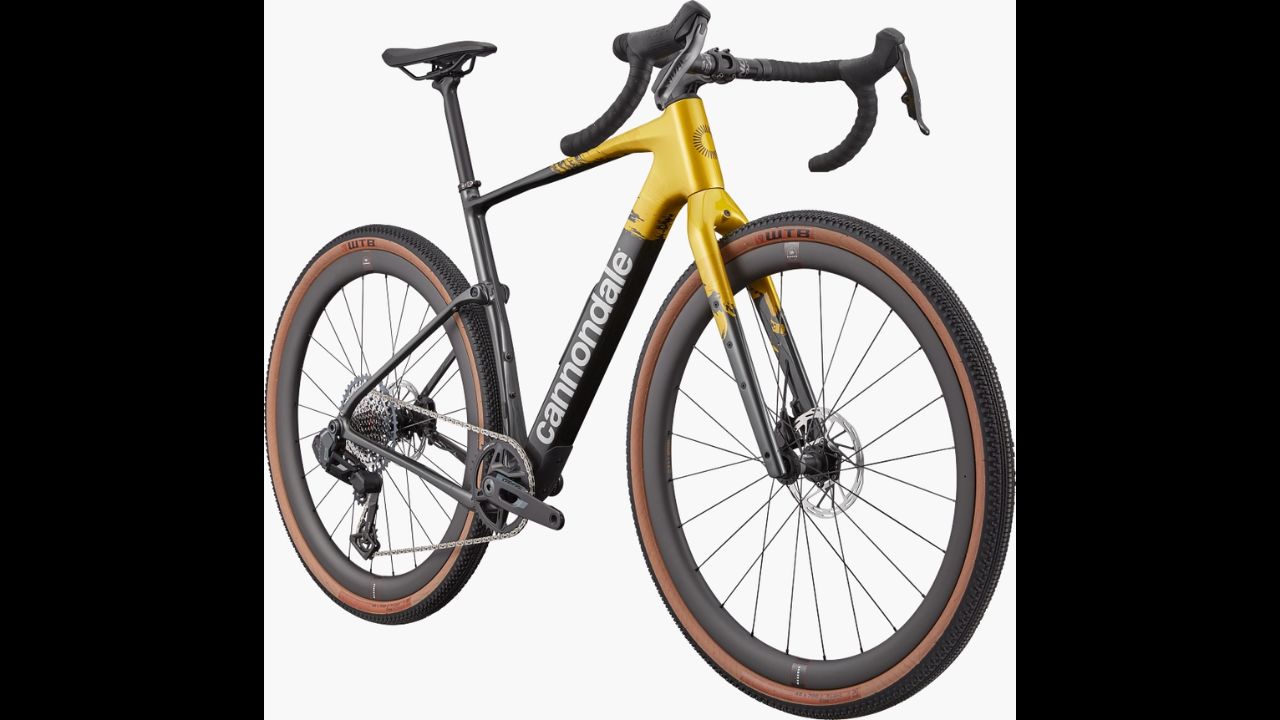
The Cannondale Topstone Carbon stands out among modern gravel bikes as a platform that genuinely merges road efficiency with off‑pavement capability. In a Dec 2025 assessment of the best gravel bikes, the Topstone appears among nominees that “represent the state of gravel bikes in 2025,” with particular attention to its comfort‑oriented frame design and integrated features. That evaluation, accompanied by a Photo credited to Josh Ross for Velo, positions the Cannondale Top model as a benchmark for riders who want to race on Saturday and explore dirt roads on Sunday.
On smooth tarmac, the Topstone Carbon’s aero‑influenced tube shapes and responsive carbon layup deliver road‑bike‑like acceleration and climbing performance. Once the route turns to washboard gravel or light singletrack, its geometry, tire clearance, and vibration‑damping features help maintain control and reduce fatigue. The bike’s presence in high‑profile gravel shortlists signals a broader trend in cycling, where riders increasingly expect one drop‑bar machine to handle commuting, endurance road events, and multi‑surface adventures without feeling compromised in any single role.
Devinci Hatchet
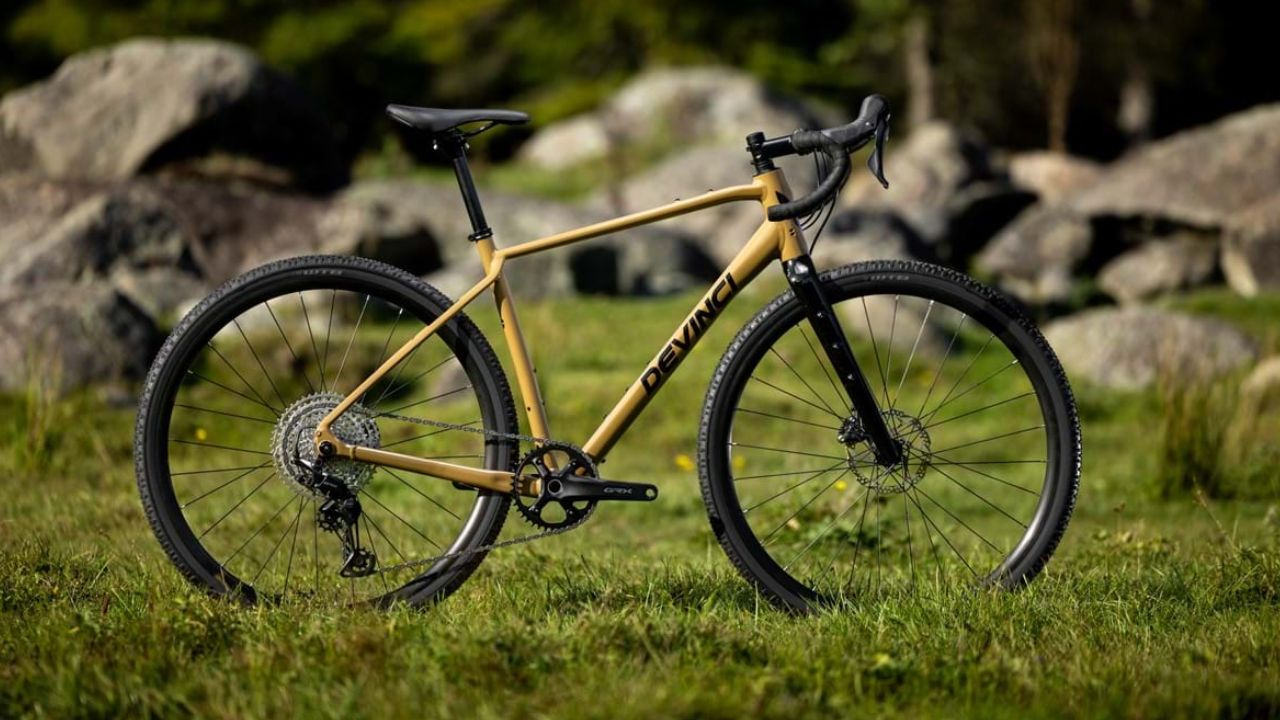
The Devinci Hatchet is another gravel platform that deliberately straddles the line between road speed and trail stability. In the same Dec overview of leading gravel machines, the Hatchet is highlighted for its practical touches, including downtube storage and extra mounts that support bikepacking and long‑range exploration. That focus on integrated storage and accessory compatibility shows how manufacturers are responding to riders who want to carry gear for mixed‑surface journeys without resorting to a dedicated touring bike.
On paved sections, the Hatchet’s geometry and stiffness aim to preserve efficient power transfer, making it suitable for fast group rides and long sportives. Off pavement, generous tire clearance and stable handling give riders confidence on loose corners and rough descents, while the additional mounts allow secure attachment of bags and bottles. Its recognition among the best gravel bikes of 2025 indicates that versatility and real‑world utility are now central performance metrics, not afterthoughts, in the rapidly evolving gravel segment.
More from Fast Lane Only