Great design in the automotive world transcends time and trends, reminding us that aesthetic appeal can be as important as performance. Some cars have become icons, not just for their speed and engineering but for their breathtaking designs that continue to inspire generations. Here, I present ten cars that exemplify the notion that great design never goes out of style.
Jaguar E-Type

Launched in 1961, the Jaguar E-Type is often hailed as one of the most beautiful cars ever made. Its sleek lines and elongated hood create a sense of speed even when it’s standing still. The E-Type was not just a pretty face; it offered impressive performance for its time, with a top speed of 150 mph, thanks to its 3.8-liter inline-six engine. Its design, crafted by Malcolm Sayer, was influenced by aerodynamics, making it a marvel of engineering. You can still find enthusiasts today who adore the E-Type, and it frequently appears at classic car shows. This car is a perfect example of how beauty and function can coexist.
The E-Type has also inspired modern Jaguar designs, showcasing how timeless aesthetics can influence future creations. Its presence in pop culture, from the James Bond films to various art pieces, solidifies its status as a design legend. If you want to delve deeper into how classic cars continue to shape modern aesthetics, check out this fascinating article.
Porsche 911
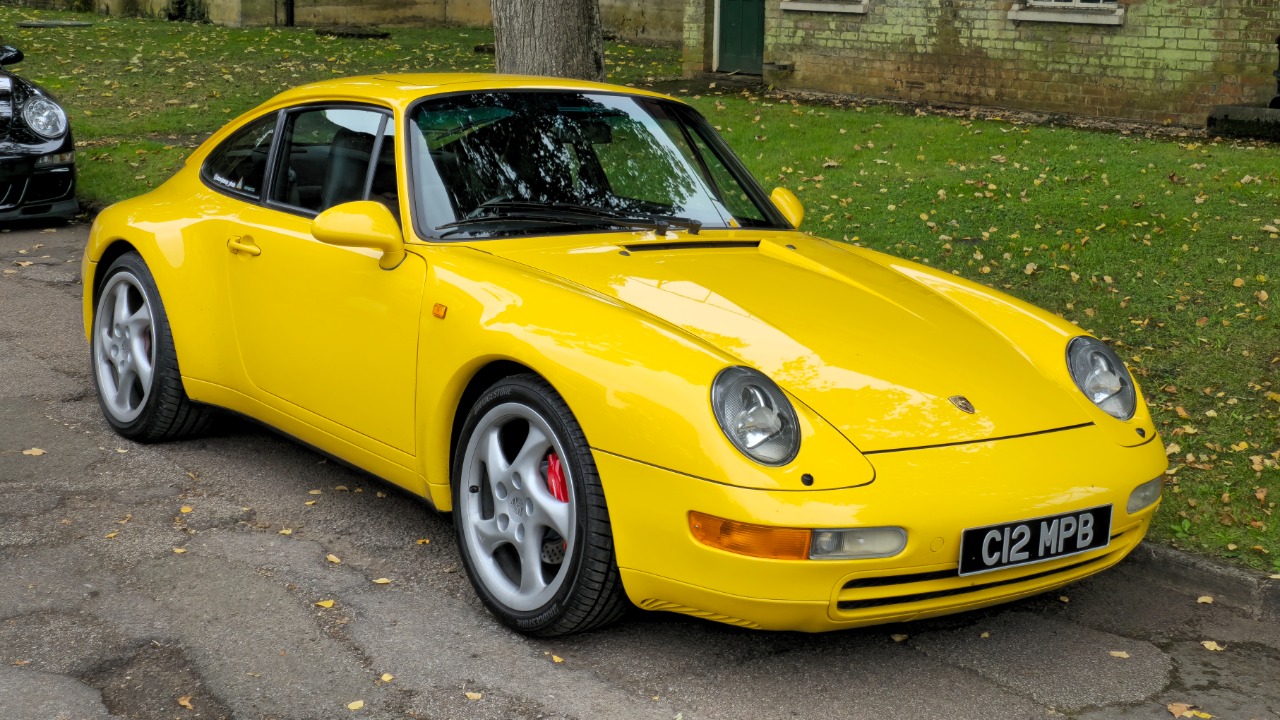
The Porsche 911, introduced in 1964, is a definitive sports car that has undergone continuous evolution while maintaining its distinctive silhouette. Its design features a rounded shape and sloping roofline that have become iconic in the automotive world. The 911 has always been about performance, but its aesthetic appeal has made it a favorite among car enthusiasts and casual drivers alike. The latest models still pay homage to the original design while incorporating modern technology, such as advanced aerodynamics and state-of-the-art infotainment systems.
What sets the 911 apart is its ability to resonate emotionally with drivers; it’s not just a car but a lifestyle. With numerous racing successes and a passionate community, the 911 thrives in both the luxury and performance segments. The blend of heritage and innovation is a key reason why many continue to be captivated by this iconic vehicle. For a deeper look into why some features of classic cars are fading, consider reading this insightful article.
Ford Mustang

Since its debut in 1964, the Ford Mustang has become a symbol of American muscle. Its aggressive stance and bold lines make it instantly recognizable, while its performance capabilities have kept it relevant for decades. The Mustang was designed to be affordable yet powerful, appealing to a broad audience. The classic models, especially the 1965 fastback, are collector’s items today and often featured in films and television shows, cementing their cultural significance.
The Mustang has continually evolved, with modern iterations incorporating performance enhancements and technology while retaining the essence of its design. The introduction of the Mustang Mach-E, an all-electric version, demonstrates Ford’s commitment to innovation while honoring its rich heritage. The Mustang’s design has inspired many other vehicles, and its legacy is a testament to why great design never fades. You can explore new models and their features at this link.
Volkswagen Beetle
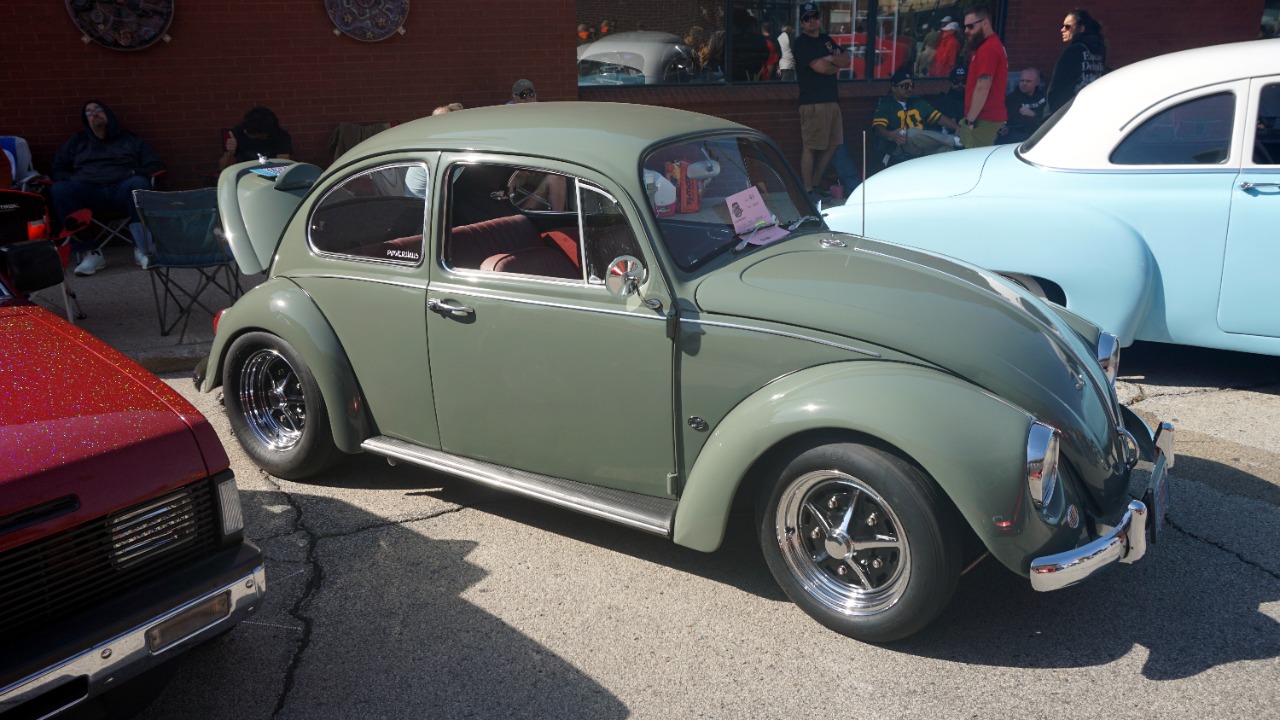
The Volkswagen Beetle, originally designed in the 1930s, is one of the most recognizable cars in the world. Its rounded shape and simple design have made it an enduring symbol of the automotive industry. Despite its humble beginnings, the Beetle became a cultural icon, especially during the 1960s when it represented freedom and individuality. The car’s design is not only functional but also playful, appealing to a wide range of drivers.
Throughout its production run, the Beetle has undergone several redesigns, yet it has always maintained its core identity. The latest models featured modern technology while retaining the classic aesthetic that made the original so beloved. Its legacy is evident in the continued appreciation for retro designs in today’s automotive landscape. For a fun visual exploration of the Beetle’s impact, check out its dedicated Instagram page here.
BMW M1
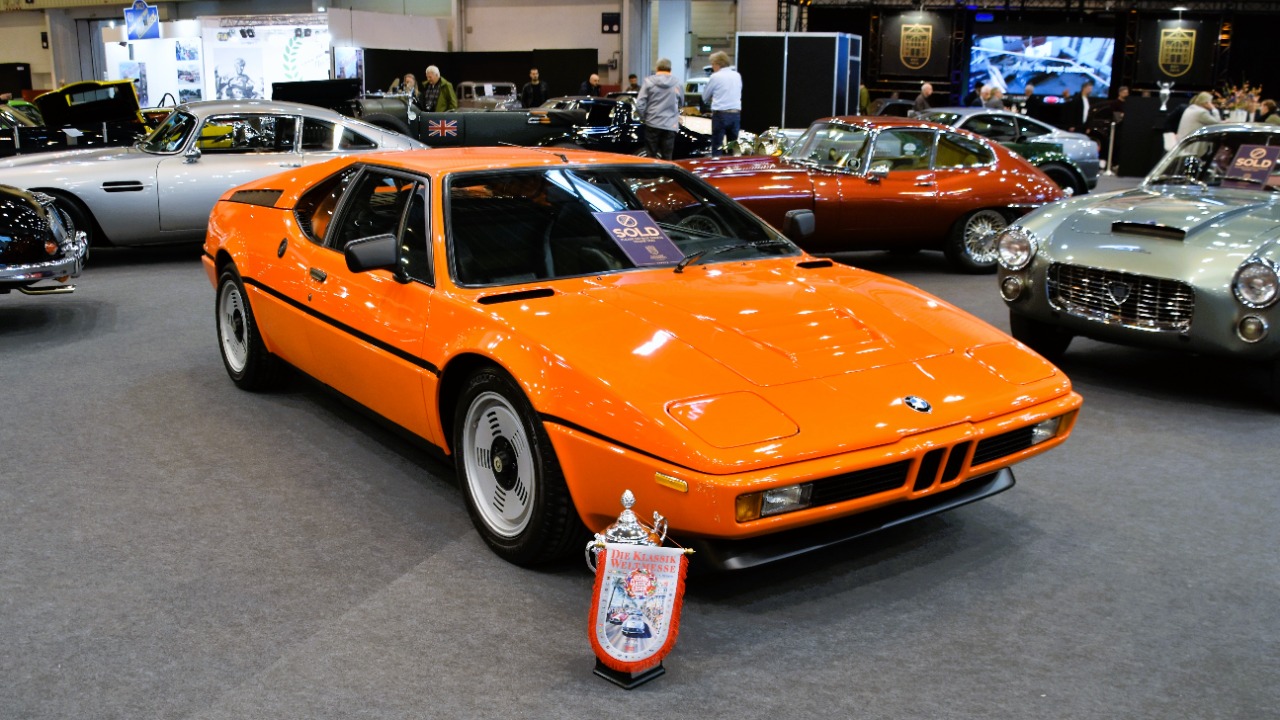
The BMW M1, produced between 1978 and 1981, is a masterpiece of automotive design. Known for its distinctive wedge shape and bold lines, the M1 stands out as a rare gem in the BMW lineage. It was the first car to wear the M badge, symbolizing BMW’s commitment to performance and racing. The M1 was designed by the legendary Giorgetto Giugiaro, whose vision brought forth a vehicle that looked fast even when parked. Under the hood lies a mid-mounted 3.5-liter inline-six engine, offering exhilarating performance that matched its striking appearance.
Although production was limited, the M1 has achieved cult status among car enthusiasts and collectors. Its unique design has influenced various BMW models, demonstrating how great design can resonate across generations. The M1’s combination of aesthetics and engineering excellence showcases why it remains an iconic vehicle, even decades after its introduction.
Ferrari 250 GTO
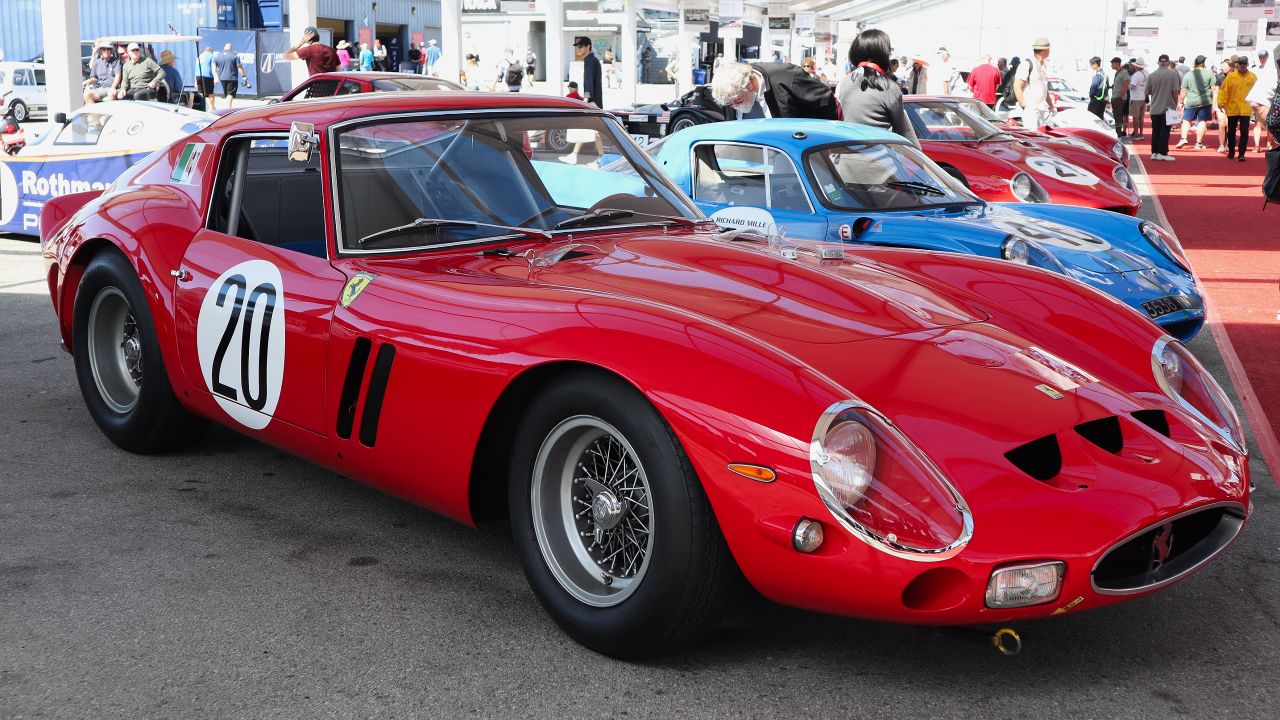
The Ferrari 250 GTO, produced between 1962 and 1964, is often regarded as the most beautiful car ever made. Its curvaceous body, designed by Carrozzeria Scaglietti, combines elegance and aggression, creating a stunning visual impact. The 250 GTO was designed for racing, but its aesthetic appeal has made it a coveted collector’s item. Only 36 units were produced, contributing to its mystique and desirability, with prices often surpassing $40 million at auctions.
Beyond its looks, the 250 GTO is a symbol of Ferrari’s racing heritage, having secured wins in prestigious events like the 1962 Tour de France Automobile. Its influence can still be seen in modern Ferrari designs, showcasing how great design continues to inspire. The 250 GTO represents the pinnacle of automotive artistry, proving that some designs are truly timeless.
Aston Martin DB5
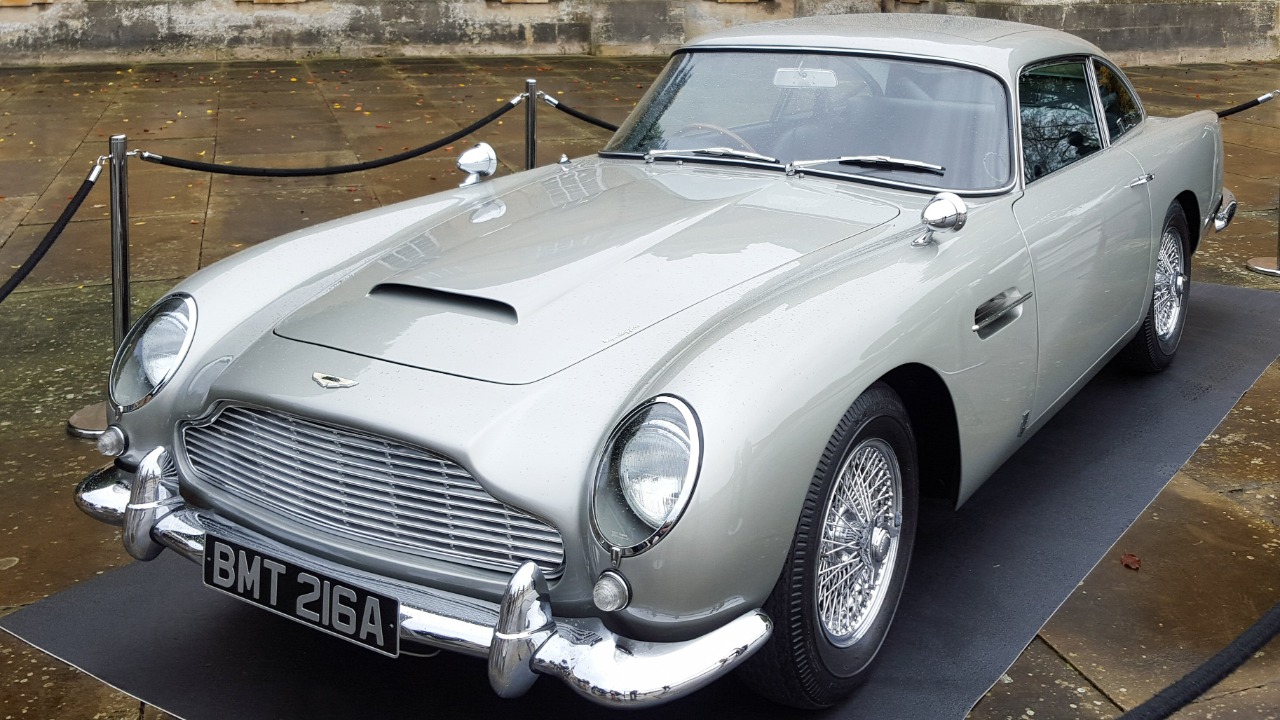
The Aston Martin DB5 is perhaps best known as the car of choice for James Bond, making its debut in the 1964 film “Goldfinger.” Its sophisticated design features smooth lines and a luxurious interior, embodying style and performance. The DB5 was equipped with cutting-edge technology for its time, including electric windows and reclining seats, enhancing its appeal as a high-class sports car. The car is powered by a 4.0-liter inline-six engine, providing a smooth yet exhilarating driving experience.
The DB5 is more than just a car; it has become a symbol of elegance and British automotive excellence. Its continuing presence in popular culture keeps it relevant, and it often fetches high prices at auctions. The combination of timeless design and cinematic legacy ensures that the Aston Martin DB5 will always be remembered as a classic.
Shelby Cobra
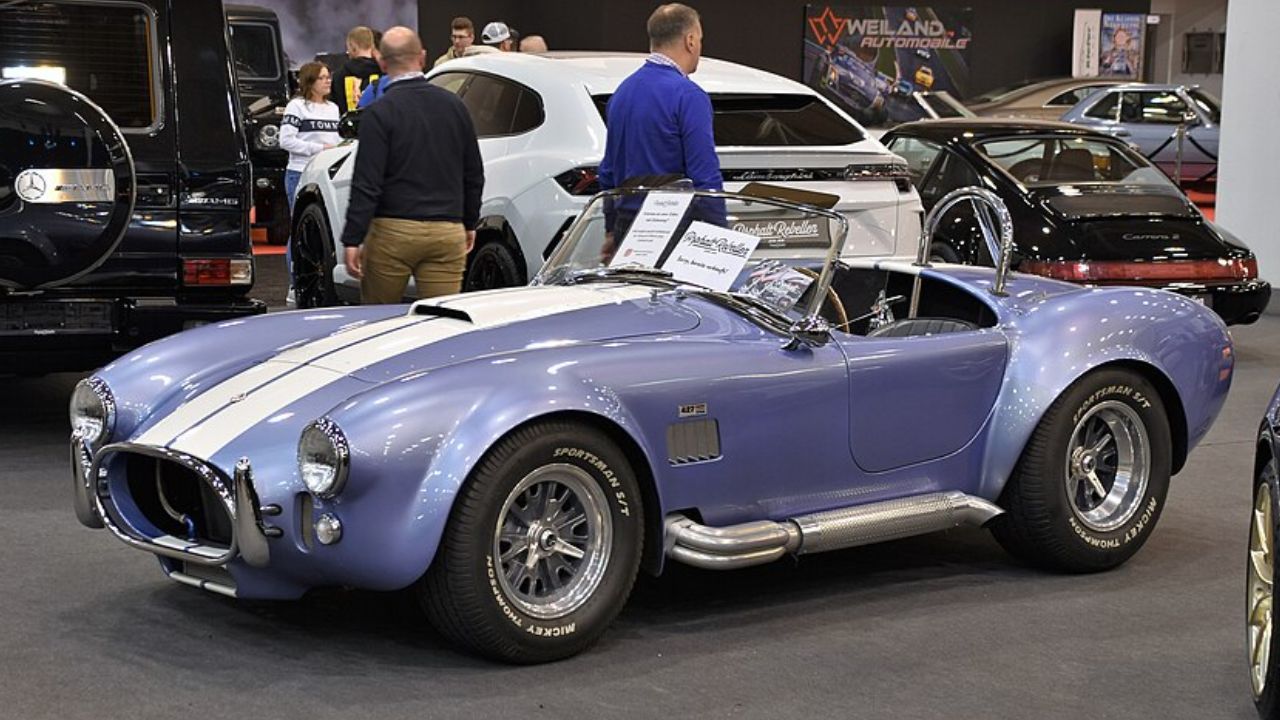
The Shelby Cobra, introduced in 1962, is a true classic that combines American muscle with British design. Carroll Shelby’s vision for a lightweight, high-performance sports car resulted in a vehicle that became an icon in the racing world. Its aggressive stance, flared fenders, and distinctive front grille make it instantly recognizable. The Cobra was powered by a range of engines, with the 427 model boasting a V8 that could produce over 400 horsepower, making it a formidable contender on the track.
Today, the Cobra is celebrated not only for its performance but also for its design, which continues to influence modern muscle cars. The blend of simplicity and raw power exemplifies why the Shelby Cobra remains a symbol of automotive passion. Its legacy lives on in car shows and collector circles, reinforcing the idea that great design is timeless.
Mercedes-Benz 300SL Gullwing
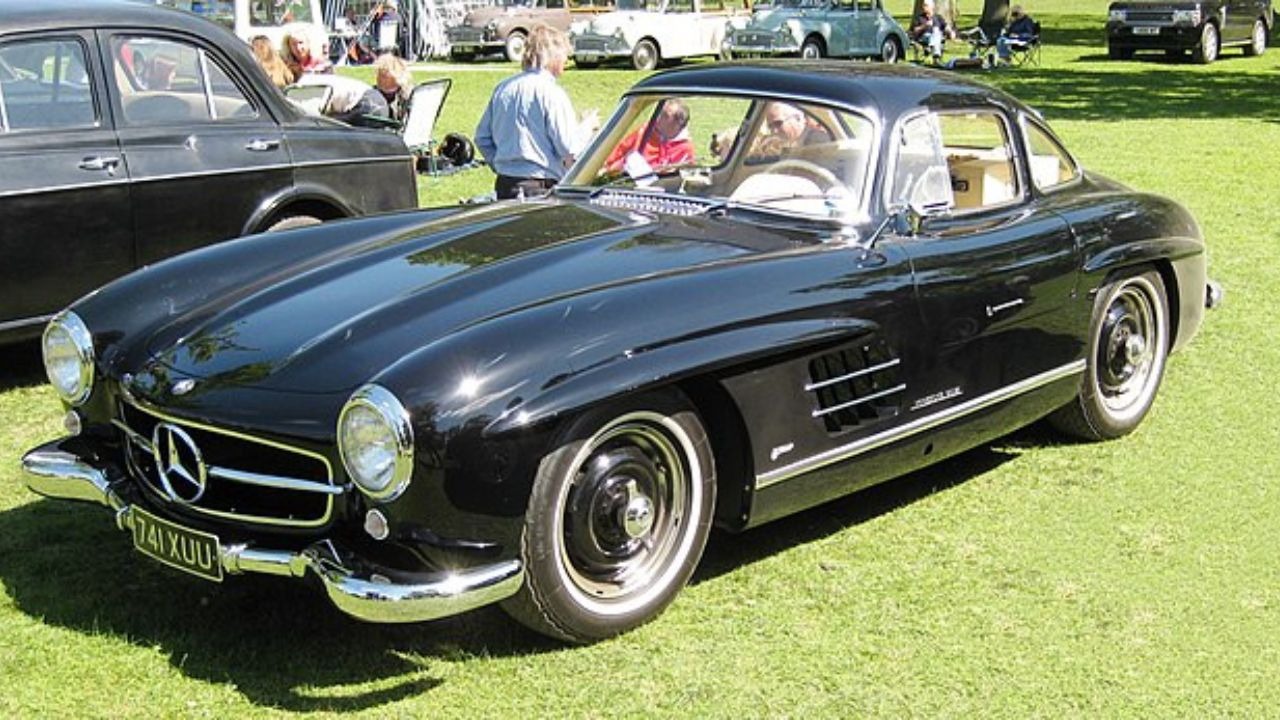
The Mercedes-Benz 300SL Gullwing, produced from 1952 to 1957, is renowned for its distinctive gullwing doors and streamlined design. This car was a game-changer, being the first production car to feature fuel injection, which enhanced its performance. With a top speed of 161 mph, the 300SL was not only a marvel of engineering but also a stunning piece of art. The iconic design, crafted by Mercedes’ engineers and designers, has made it a favorite among collectors worldwide.
Its legacy can be seen in modern Mercedes sports cars, reflecting the brand’s commitment to combining luxury with cutting-edge technology. The 300SL has left an indelible mark on the automotive industry and is often featured in discussions about the most beautiful cars ever made. Its design continues to inspire, confirming that great automotive aesthetics never truly expire.
Mazda MX-5 Miata
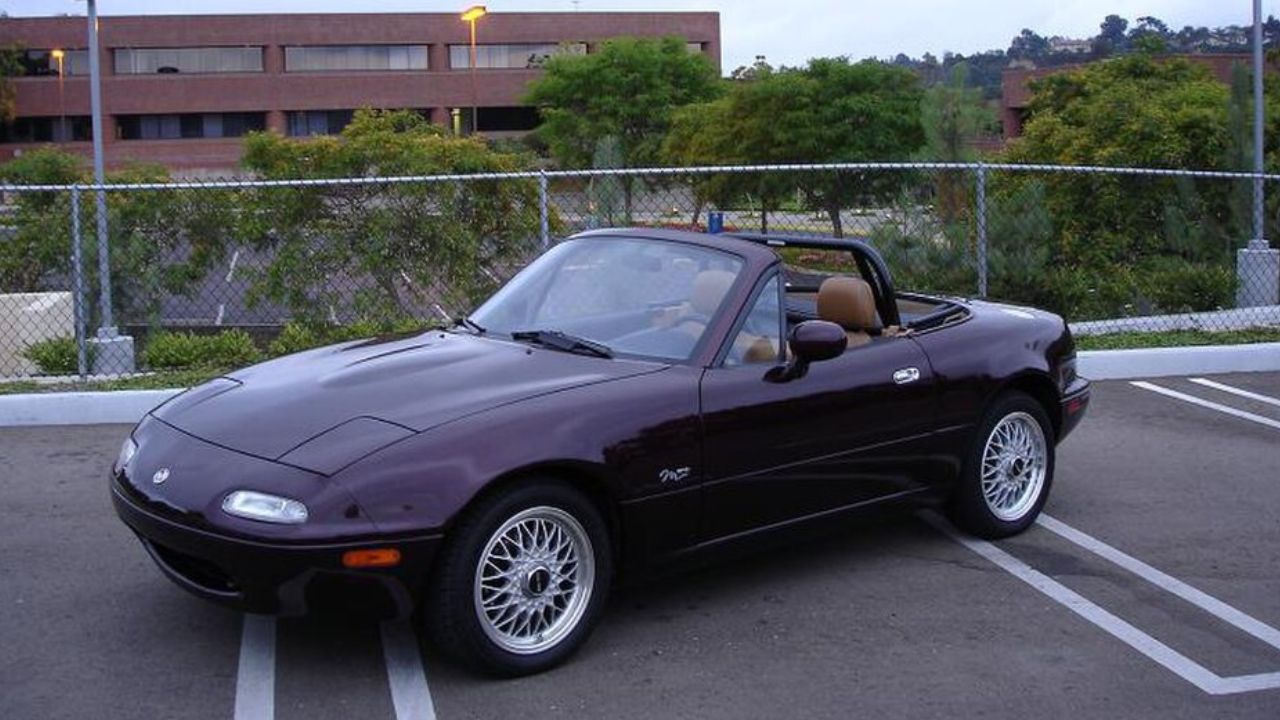
The Mazda MX-5 Miata, introduced in 1989, redefined the concept of the affordable sports car. Its lightweight design and rear-wheel-drive layout make it a joy to drive, earning it a dedicated following. The Miata’s classic roadster shape, characterized by its low profile and rounded edges, has remained consistent over the years, proving that sometimes, simplicity is key. The car is not just about looks; its nimble handling and balanced performance make it a favorite on both the road and the track.
The MX-5 Miata has garnered numerous awards and accolades, solidifying its status in automotive history. Its influence can be seen in many modern sports cars, demonstrating how the principles of great design can withstand the test of time. The Miata’s blend of fun and practicality ensures it remains a beloved choice among driving enthusiasts.
More from Fast Lane Only
- Unboxing the WWII Jeep in a Crate
- 15 rare Chevys collectors are quietly buying
- 10 underrated V8s still worth hunting down
- Police notice this before you even roll window down
*Research for this article included AI assistance, with all final content reviewed by human editors.