Mazda has long been synonymous with innovation, particularly through its enduring commitment to rotary engines. From motorsport victories to luxury market ventures, Mazda’s rotary-powered vehicles have left an indelible mark on the automotive industry. Here’s a look at nine pivotal rotary-powered experiments that nearly reshaped performance as we know it.
Mazda Cosmo Sport 110S: The Birth of the Rotary Revolution

The Mazda Cosmo Sport 110S debuted in 1967, marking the company’s first foray into the world of rotary engines. With its sleek design and innovative 982 cc twin-rotor engine, the Cosmo Sport set the stage for future rotary innovations. It was a limited production vehicle, with only 1,176 units produced, but it captured the imagination of car enthusiasts worldwide.
This groundbreaking model featured advanced technology for its time, including a five-speed manual transmission and front disc brakes. It laid the foundation for Mazda’s future successes and cemented the company’s reputation for daring engineering choices.
RX-3: The Rotary Engine’s First Taste of Motorsport Glory
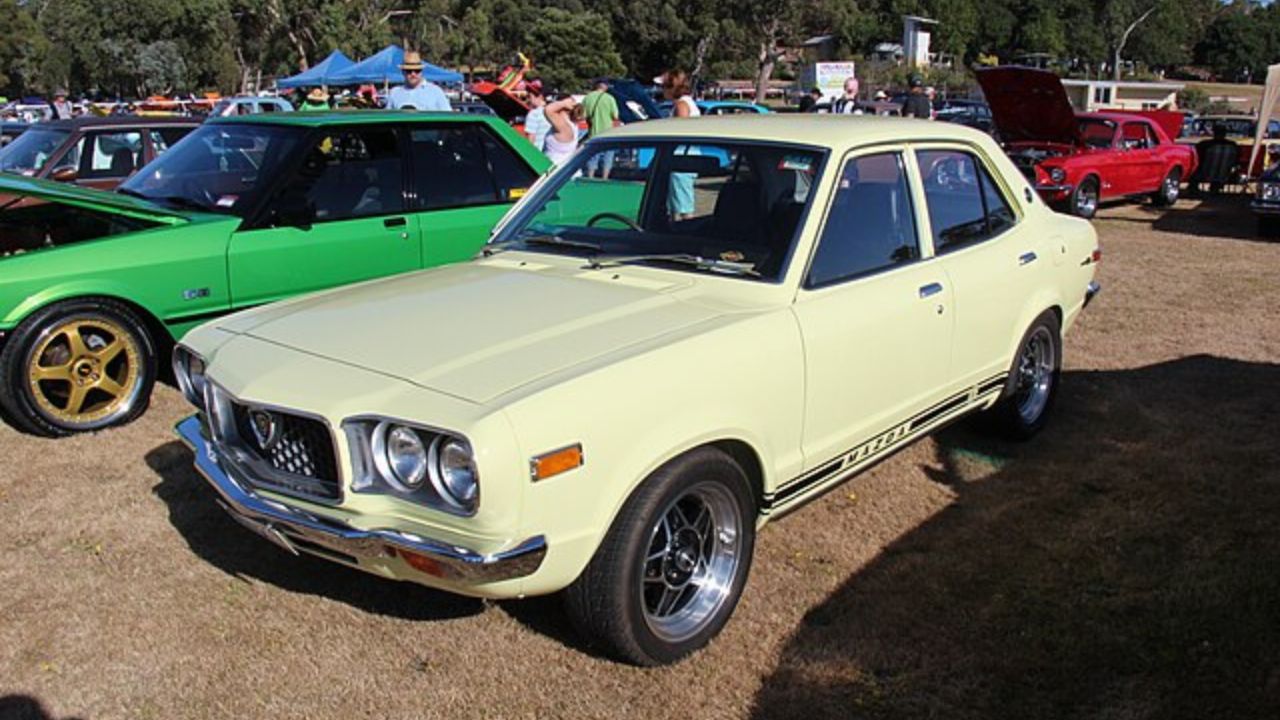
The Mazda RX-3, introduced in the early 1970s, brought the rotary engine into the world of motorsport. Known for its agility and power, the RX-3 quickly became a favorite among racers. Its performance on the track was impressive, achieving significant wins in the IMSA GT Series and the Australian Touring Car Championship.
With its 10A and later 12A rotary engines, the RX-3 was a formidable competitor against larger, more traditional piston engines. This model demonstrated the potential of rotary technology in competitive racing, opening doors for future Mazda triumphs.
RX-7 1st Generation: (FB) Lightweight Performance Redefined
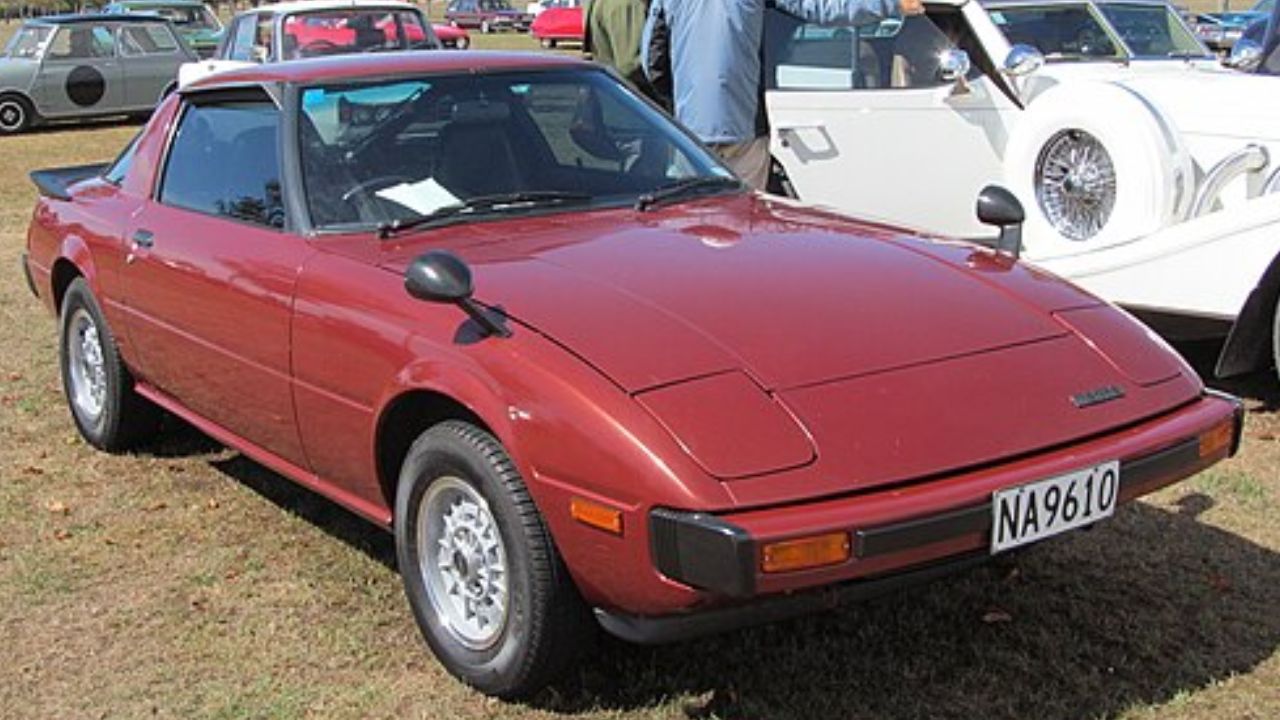
In 1978, Mazda launched the RX-7 Series 1, which became an instant classic due to its lightweight design and exceptional handling. Powered by a 1.1-liter 12A engine, the RX-7 offered a perfect blend of performance and affordability, attracting a broad audience of driving enthusiasts.
The RX-7 Series 1 was renowned for its near-perfect weight distribution and sports car agility, characteristics that helped define Mazda’s performance legacy. It set a new standard for affordable sports cars, demonstrating the advantages of rotary engines in a compact, aerodynamic package.
RX-7 2nd Generation (FC): Turbocharged Triumph

The second generation of the RX-7, introduced in 1985, embraced turbocharging to enhance performance. The 13B Turbo engine provided an exhilarating driving experience, delivering up to 182 horsepower in the U.S. market. This iteration of the RX-7 emphasized Mazda’s continued evolution of rotary technology.
With improved aerodynamics and a more refined interior, the RX-7 Series 2 appealed to a wider audience, balancing comfort with high-performance capabilities. Its success further cemented the RX-7 as a staple in sports car history, showcasing Mazda’s innovative spirit.
RX-7 3rd Generation (FD): The Apex of Rotary Engineering

The third generation RX-7, known as the FD, was introduced in 1992 and is often hailed as the pinnacle of rotary engineering. With its twin-turbocharged 13B-REW engine, the FD RX-7 offered impressive power and precision handling, making it a favorite among car enthusiasts and racers alike.
Its sleek, aerodynamic design and advanced technology, such as sequential twin turbochargers, positioned the FD RX-7 as a formidable competitor on both the street and the track. This model remains a highly sought-after classic, epitomizing Mazda’s commitment to performance and innovation.
Mazda 787B: Le Mans Legend

The Mazda 787B achieved legendary status by winning the 1991 24 Hours of Le Mans, making Mazda the first—and so far, only—Japanese manufacturer to win the prestigious race overall. Powered by a 2.6-liter four-rotor engine, the 787B delivered exceptional power and reliability, key factors in its victory.
This historic win demonstrated the potential of rotary engines in endurance racing, solidifying Mazda’s reputation in the motorsport community. The triumph of the 787B at Le Mans remains a testament to the ingenuity and passion driving Mazda’s engineering endeavors.
RX-8: A Unique Blend of Style and Innovation

Introduced in 2003, the RX-8 showcased Mazda’s ability to combine style with innovation. Featuring a naturally aspirated 1.3-liter Renesis rotary engine, the RX-8 offered a unique blend of performance and practicality, with its four-door coupe design and rear-hinged “freestyle” doors.
The RX-8 was praised for its balanced handling, impressive power output, and distinct design. Although production ended in 2012, the RX-8 remains a symbol of Mazda’s dedication to pushing the boundaries of automotive engineering while maintaining a focus on driver enjoyment.
Eunos Cosmo: Luxury Meets Rotary Innovation

The Eunos Cosmo, launched in 1990, was Mazda’s attempt to bring rotary technology into the luxury market. As the first production car to feature a three-rotor engine, the 20B-REW, the Eunos Cosmo delivered smooth power and a high level of refinement.
In addition to its performance capabilities, the Eunos Cosmo boasted advanced features such as an integrated GPS navigation system, a rarity at the time. Although it was produced primarily for the Japanese market, the Eunos Cosmo remains a fascinating chapter in Mazda’s rotary history, showcasing the versatility of rotary engines.
RX-VISION Concept: The Future of Rotary Dreams

Unveiled in 2015, the RX-VISION concept car offered a tantalizing glimpse into the future of rotary engines. With its stunning design and promise of a next-generation Skyactiv-R rotary engine, the RX-VISION captured the imagination of enthusiasts eager for Mazda’s return to rotary production.
While the RX-VISION remains a concept, it embodies Mazda’s vision for the future, combining cutting-edge technology with the brand’s storied rotary heritage. The RX-VISION serves as a reminder of Mazda’s commitment to innovation and its potential to reshape the landscape of performance vehicles once again.
More from Fast Lane Only