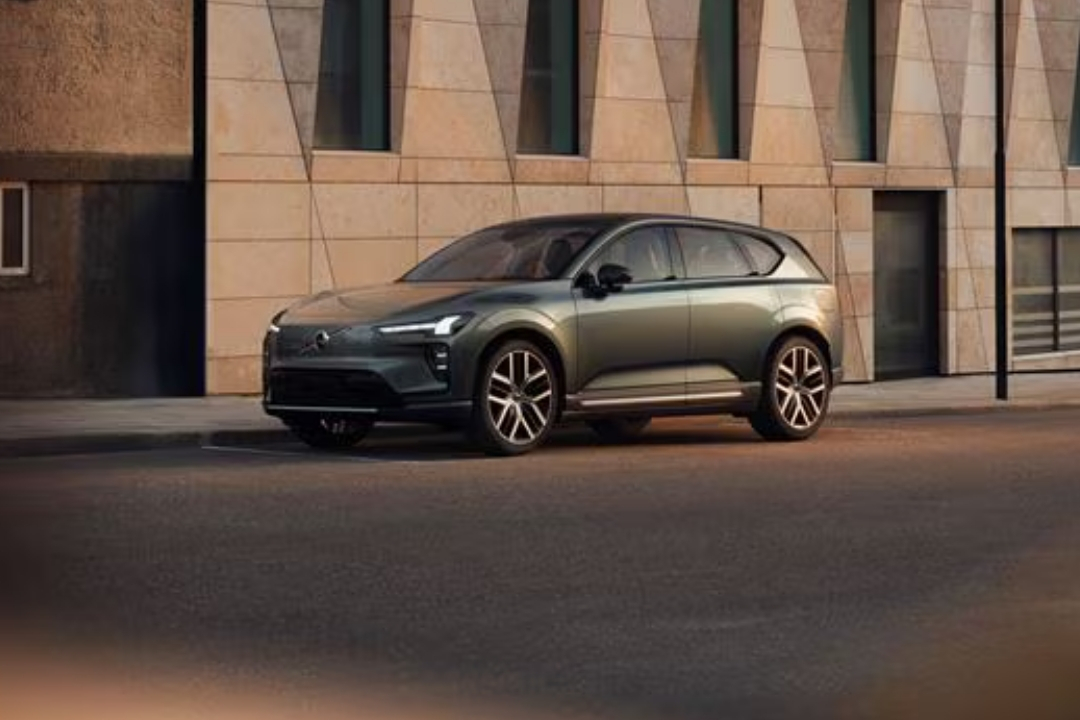
Sports cars often evoke a sense of excitement and desire, yet some models never achieved the sales they deserved despite their remarkable performance and engineering. This list highlights nine sports cars that excelled in various ways but fell short in sales numbers. Each of these vehicles possesses unique characteristics that make them standout options for enthusiasts, but they just didn’t capture the market attention they warranted.
Mazda RX-7
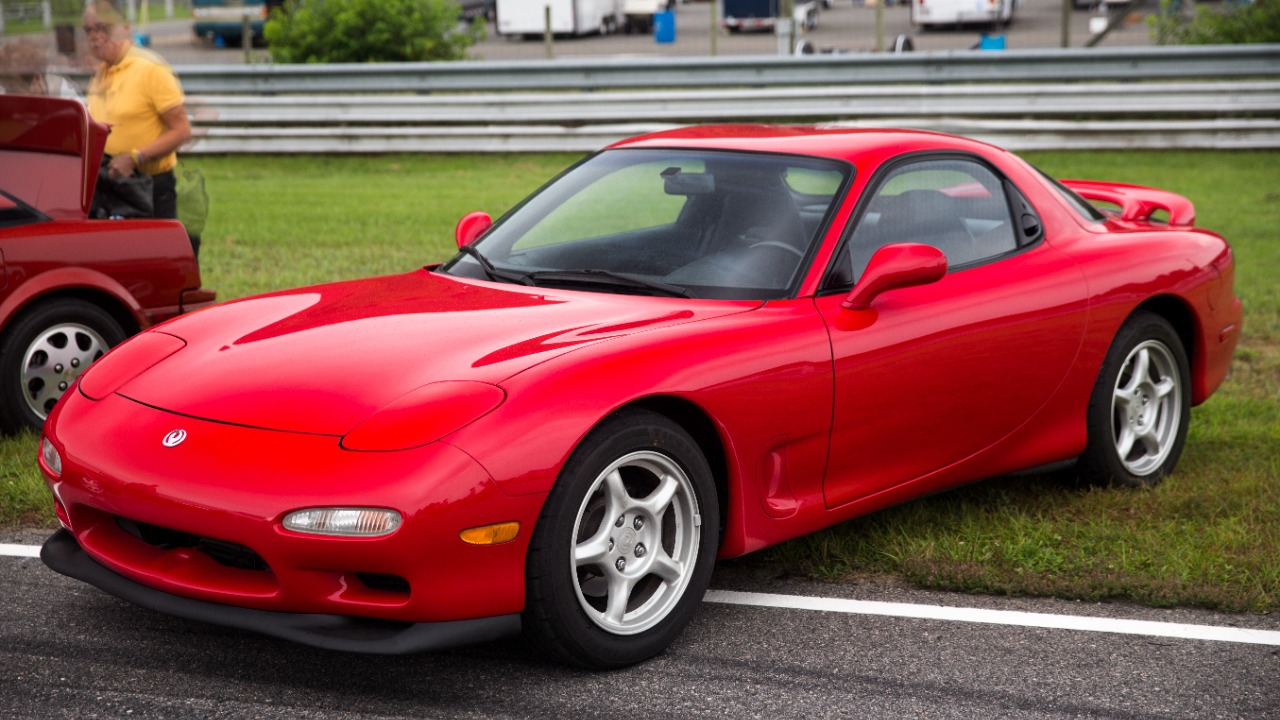
The Mazda RX-7 is a classic example of a sports car that combined lightweight design with a unique rotary engine. Produced from 1978 to 2002, the RX-7 was celebrated for its agile handling and impressive power-to-weight ratio. Despite its enthusiastic following, sales numbers were never as high as its performance would suggest. The third generation, in particular, introduced the iconic FD model, known for its sleek design and turbocharged capabilities. Mazda’s decision to use a rotary engine was both a blessing and a curse, as it attracted purists but deterred mainstream buyers.
Today, the RX-7 remains a revered choice among collectors and enthusiasts, often featured in discussions about benchmark sports cars. Its rarity on the road today only enhances its allure, making it a sought-after vehicle in the used car market. On platforms like GoodCarBadCar, the RX-7 is often highlighted for its historical significance rather than sales figures, showcasing that sometimes passion trumps popularity in the automotive world.
Pontiac Fiero
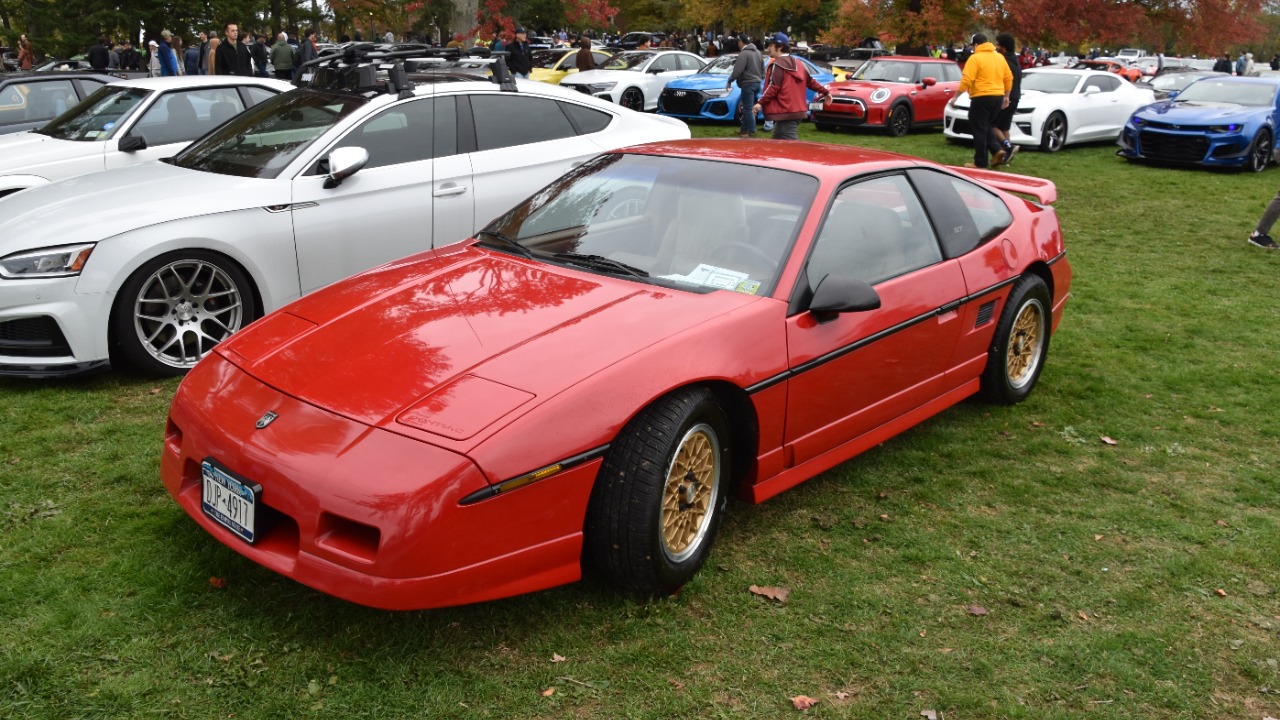
The Pontiac Fiero was a groundbreaking model during its production from 1984 to 1988, known for its mid-engine layout and sporty design. Despite its innovative engineering and a devoted fan base, the Fiero struggled to achieve the sales volumes that Pontiac hoped for. Many enthusiasts appreciated its sporty handling and the potential for performance modifications, yet its reputation was hampered by initial quality issues and a lack of powerful engine options.
With the introduction of a V6 engine in 1985, the Fiero gained newfound respect among sports car aficionados. However, it wasn’t enough to salvage its sales figures. Today, the Fiero is often celebrated in online communities and at car shows, highlighting its unique place in automotive history. The Fiero’s story serves as a reminder that innovation doesn’t always equal commercial success, a sentiment echoed in many automotive analyses, including those found on Emerald.
BMW Z8
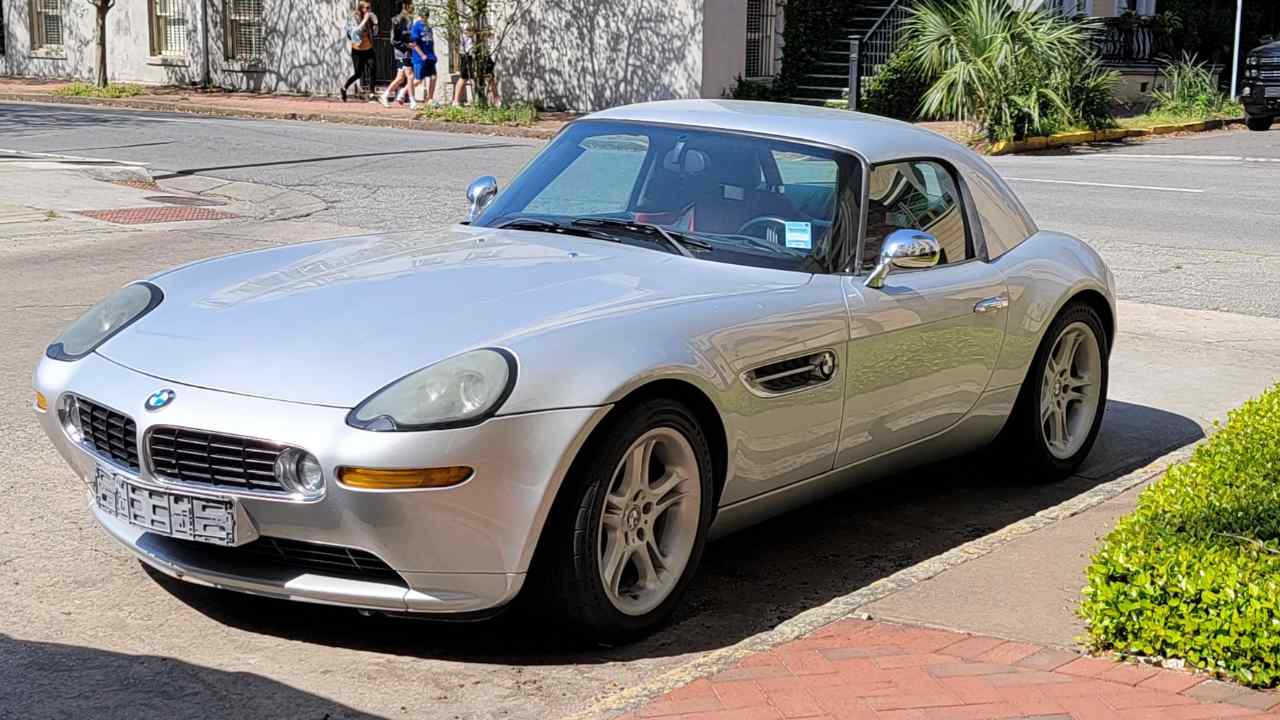
The BMW Z8 was a tribute to the classic BMW 507 and offered a blend of modern performance with retro styling. Produced from 1999 to 2003, it featured a powerful V8 engine and a stunning design that turned heads. However, despite its high-quality materials and exceptional driving experience, the Z8 struggled to reach significant sales figures. Priced at a premium, it appealed mostly to affluent buyers who were willing to invest in a luxury sports car.
Over the years, the Z8 has gained a cult following, especially among collectors. Its limited production numbers and timeless design make it a highly sought-after vehicle today, often fetching high prices at auctions. Discussions around the Z8 frequently appear in automotive circles, emphasizing its status as an underappreciated classic. The Z8’s legacy reminds us that not all great cars achieve commercial success; some find their value in the hearts of true enthusiasts.
Nissan 350Z
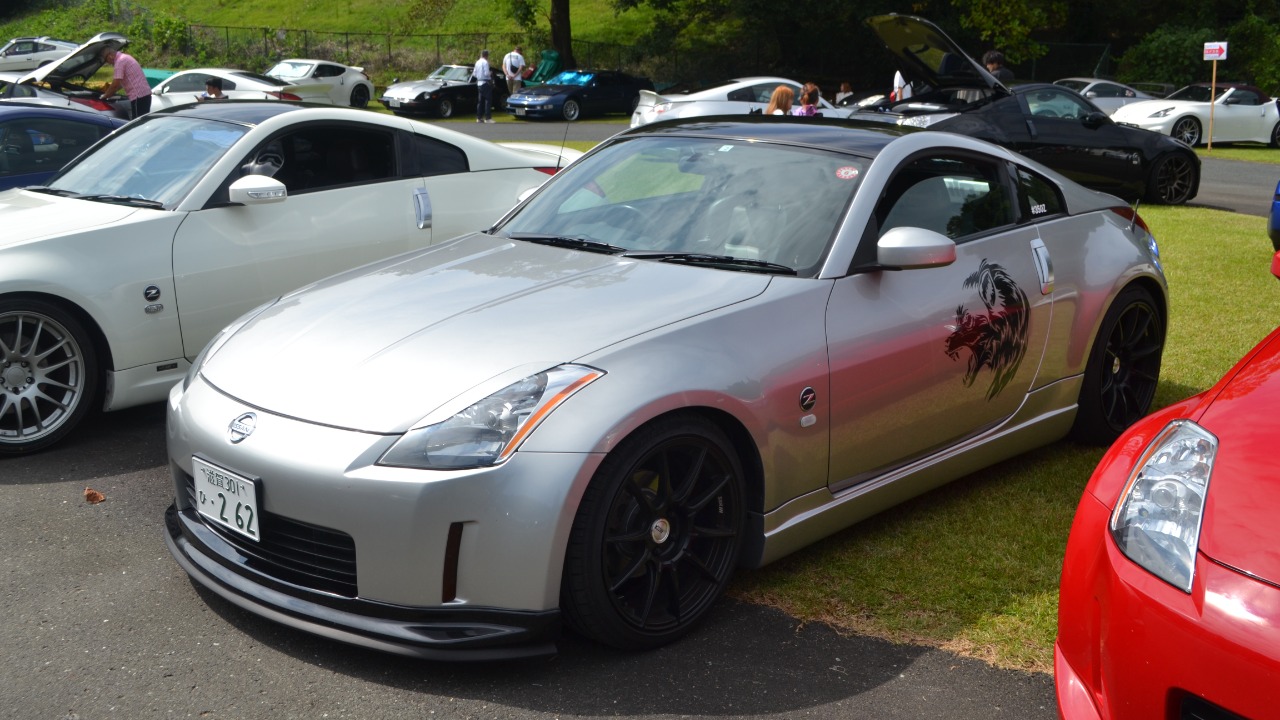
The Nissan 350Z was a game-changer for Nissan when it debuted in 2002. With its aggressive styling and rear-wheel-drive layout, it quickly became a favorite among sports car lovers. The 350Z was praised for its performance, offering a potent V6 engine and a balanced chassis. However, despite receiving accolades from automotive critics, the sales figures didn’t quite match the enthusiasm surrounding it, as it competed against established rivals like the Honda S2000 and Mazda MX-5.
The 350Z gained a reputation for its tuning potential, which attracted a dedicated aftermarket community. Events like drift competitions and car meets showcased the 350Z’s capabilities, yet it remained underappreciated in mainstream markets. Even as newer models have come and gone, the 350Z continues to hold a special place in the hearts of enthusiasts, often discussed in forums and car clubs dedicated to Japanese sports cars.
Ford GT (2005-2006)
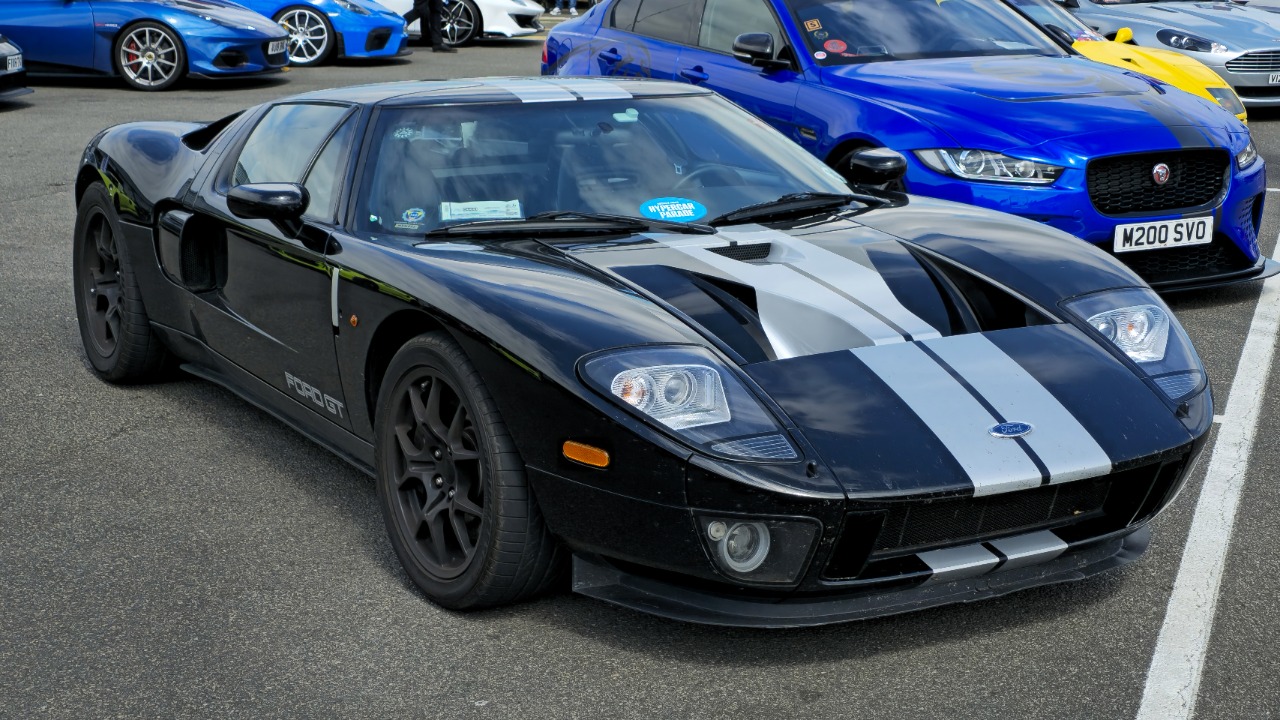
The Ford GT, produced between 2005 and 2006, was a modern interpretation of the iconic GT40. With a supercharged V8 engine and stunning design, it was a marvel of engineering. Ford aimed to revive the legendary status of the GT, and while the car was well-received by automotive enthusiasts, the sales figures didn’t reflect the excitement it generated. Limited production runs and a high price tag meant that many potential buyers were priced out.
Despite its limited availability, the Ford GT has become a symbol of American performance. Car collectors prize the 2005-2006 models, and they frequently appear in automotive discussions about best sports cars. The GT’s performance on the racetrack and its stunning aesthetics have solidified its legacy in the automotive world, proving that sometimes, exclusivity enhances desirability.
Toyota Celica GT-Four
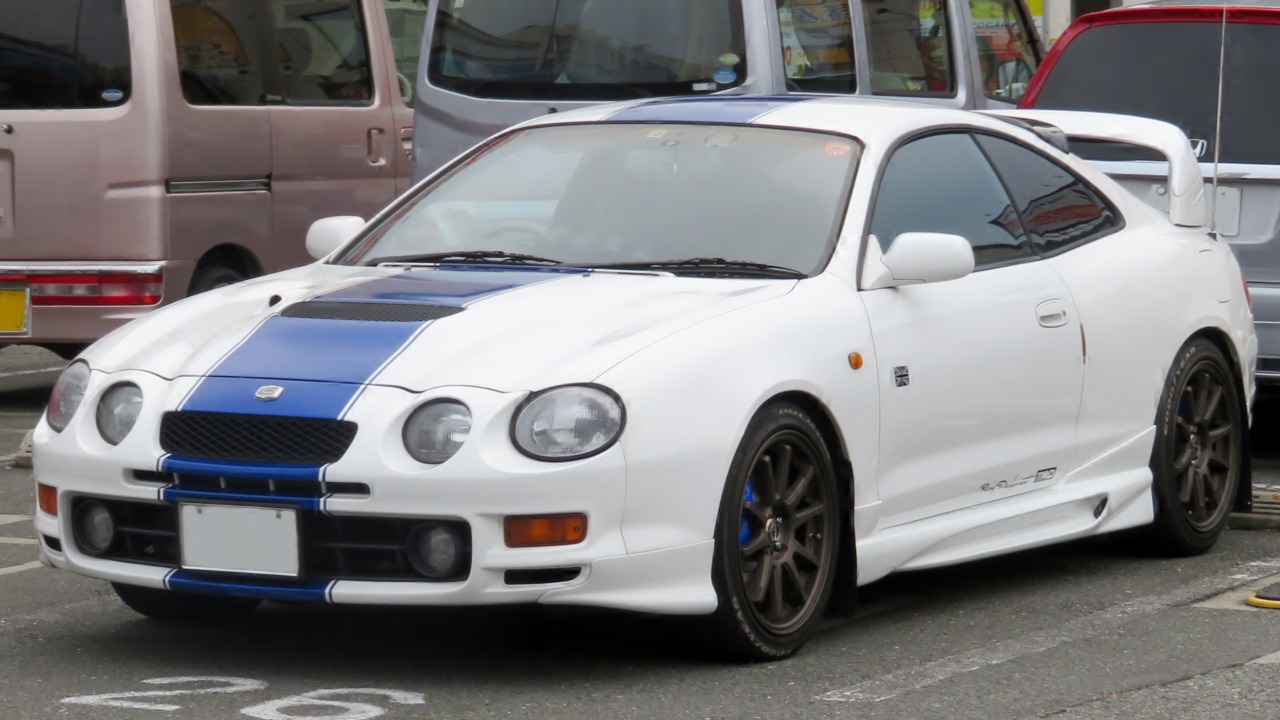
The Toyota Celica GT-Four is a rally-inspired sports car that was produced in the late 1980s and early 1990s. Known for its all-wheel-drive system and turbocharged engine, the GT-Four was a formidable contender on both the road and the rally stage. Despite its impressive credentials, the sales figures were modest compared to its competitors. The car was primarily marketed in regions where rallying was popular, limiting its exposure and appeal to a broader audience.
Car enthusiasts remember the GT-Four for its engaging driving experience and its role in Toyota’s successful rally history. The Celica GT-Four has since become a sought-after classic among collectors, often discussed on forums dedicated to benchmark sports cars. Its rarity on the road today adds to its desirability, proving that sometimes, a limited production run can elevate a car’s status in the enthusiast community.
Acura NSX (first generation)
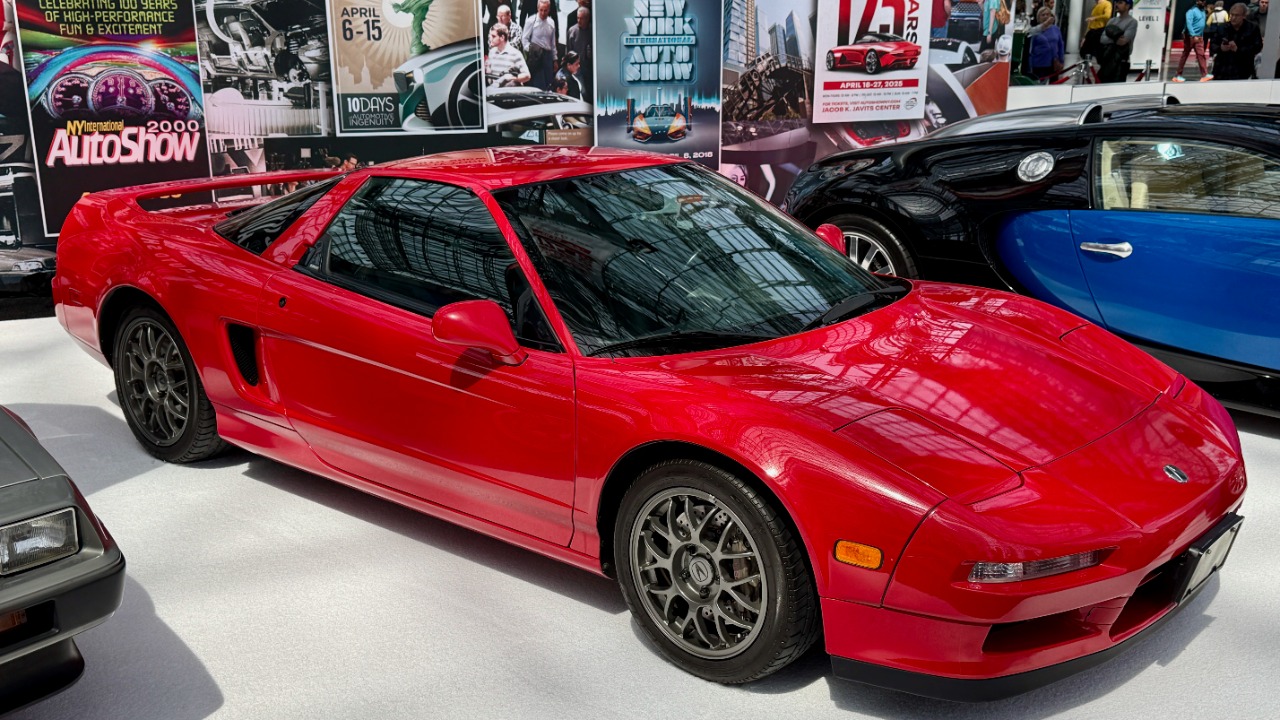
The first-generation Acura NSX, produced from 1990 to 2005, was a groundbreaking vehicle that introduced many enthusiasts to the concept of a reliable Japanese supercar. With its mid-engine layout, lightweight construction, and V6 engine, the NSX offered a thrilling driving experience. Despite its accolades and innovative engineering, sales numbers fell short of expectations. Competing against established European supercars, the NSX was often overshadowed.
However, the NSX has since become a legendary name in the automotive world. Its reputation for reliability and performance has made it a favorite among car collectors and enthusiasts alike. The NSX is frequently discussed in articles and forums, highlighting its significance in automotive history. Its enduring legacy proves that sometimes, a car’s impact is felt long after its production has ceased.
Alfa Romeo 4C
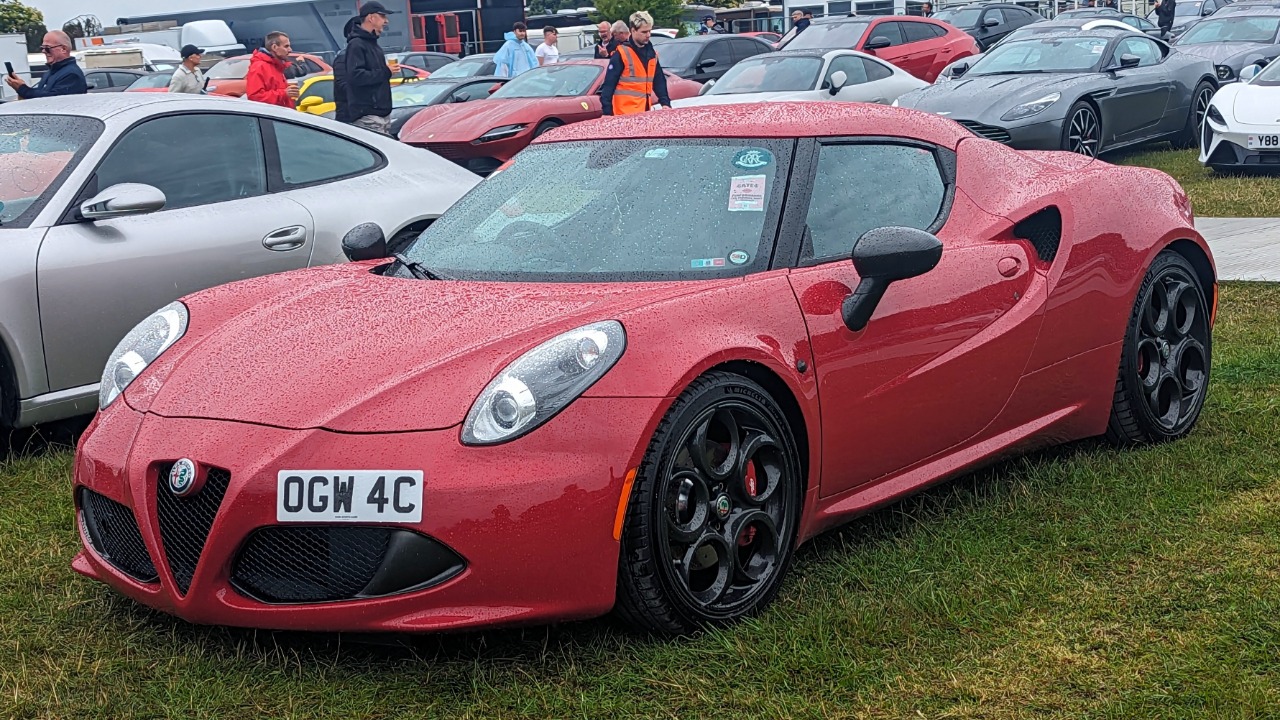
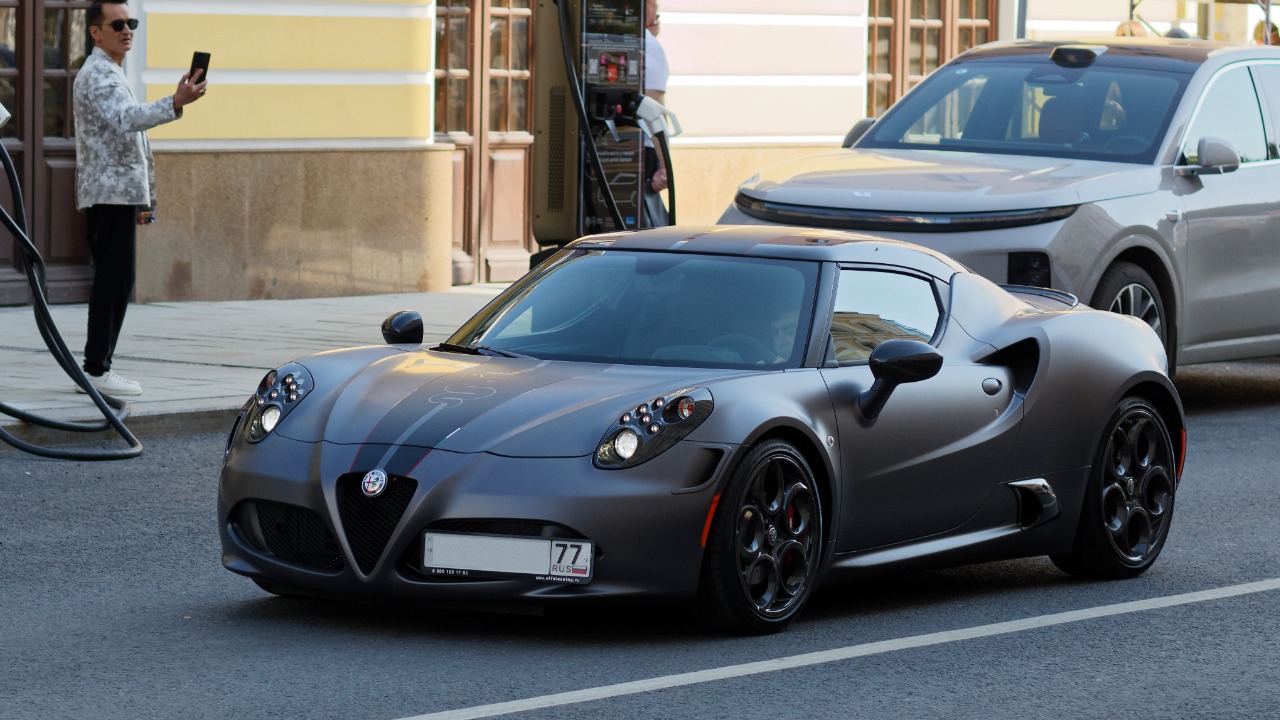
The Alfa Romeo 4C is a strikingly designed sports car that debuted in 2013, showcasing the brand’s commitment to performance and style. With its lightweight carbon fiber construction and turbocharged engine, the 4C offered an exhilarating driving experience. However, despite its captivating design and impressive performance figures, the 4C struggled to achieve significant sales. The high price point and limited availability in markets like the U.S. hindered its commercial success.
Today, the 4C stands out as a testament to Alfa Romeo’s engineering prowess. Its rarity has made it a desirable choice among collectors and enthusiasts, often featured in discussions about unique sports cars. Car shows and enthusiast forums frequently highlight the 4C, emphasizing its importance in Alfa Romeo’s history and its role in pushing the boundaries of automotive design and performance.
Dodge Viper (first generation)

The first-generation Dodge Viper, produced from 1992 to 2002, was a bold statement in the American muscle car landscape. With its monstrous V10 engine and aggressive styling, the Viper offered raw power and a thrilling driving experience. However, despite its cult following and performance credentials, the Viper’s sales were surprisingly low. Its unconventional design and lack of modern amenities made it a niche product, appealing primarily to hardcore enthusiasts.
As time went on, the Viper gained a legendary status, often celebrated in automotive circles for its unapologetic approach to performance. Today, the Viper is a sought-after classic, frequently discussed in forums and at car shows. Its legacy as an American icon remains strong, proving that sometimes the most memorable cars aren’t the best-selling ones, but those that leave a lasting impression on car culture.
More from Fast Lane Only
- Unboxing the WWII Jeep in a Crate
- 15 rare Chevys collectors are quietly buying
- 10 underrated V8s still worth hunting down
- Police notice this before you even roll window down
*Research for this article included AI assistance, with all final content reviewed by human editors.