The story of automotive innovation is often marked by engines that defined their era, yet some have proven to be remarkably resilient, outliving the very platforms they were designed for. It’s fascinating to explore the journey of these engines, examining how their unique designs and adaptability have allowed them to leave a lasting legacy in the automotive world.
Historical Context of Iconic Engines
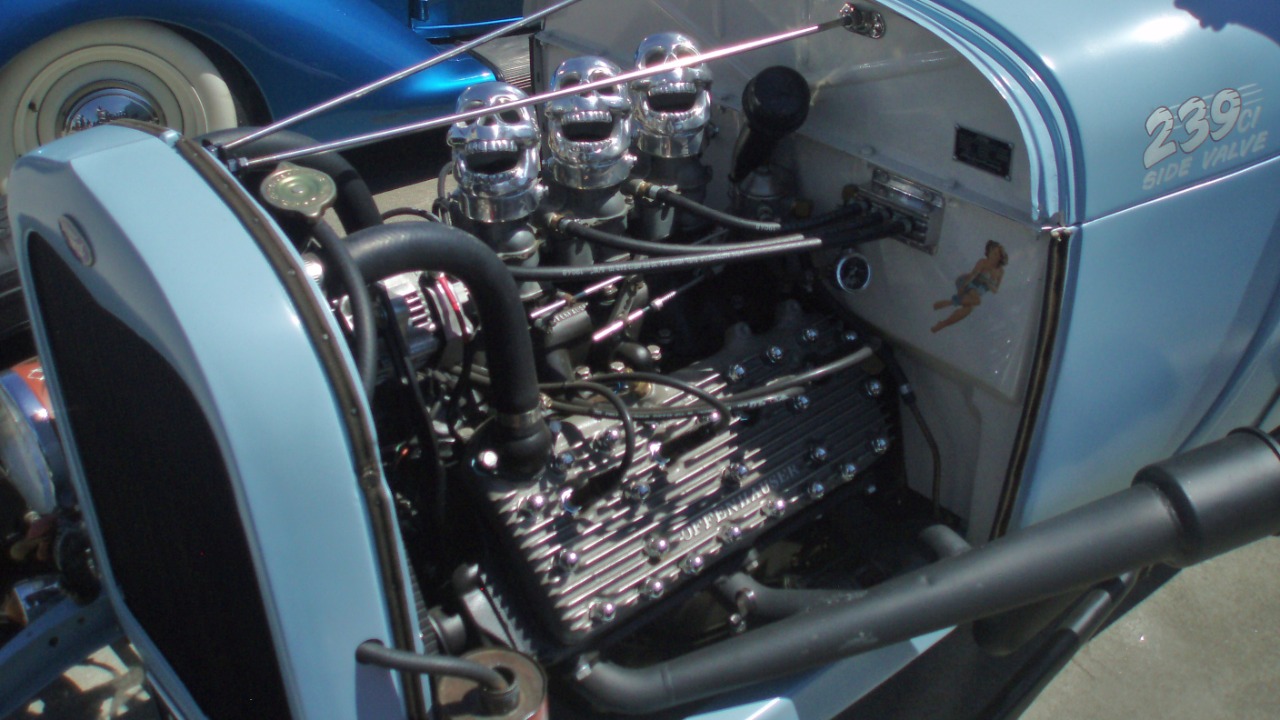
Throughout the history of the automotive industry, engine design has undergone significant changes, each innovation marking a pivotal moment for manufacturers and consumers alike. From the introduction of the internal combustion engine to the rise of electric vehicles, the evolution of engine technology has been driven by the quest for power, efficiency, and reliability. Iconic engines like Ford’s flathead V8 and Chrysler’s Hemi have not only redefined performance standards but also set the stage for future developments in engine design.
A prime example of pioneering innovation is the Buick 215 V8, which debuted in 1961. This engine was among the first to utilize lightweight aluminum in its construction, leading to improved fuel efficiency and performance. Its design influenced a range of vehicles, highlighting how innovative engineering can shape an entire segment of the automotive market. However, as manufacturers continuously seek to improve performance, many platforms have become obsolete, leaving behind engines that continue to thrive.
Case Studies of Enduring Engines
Some engines have demonstrated remarkable versatility, being used across multiple platforms over decades. The Chevrolet small-block V8 is a quintessential example, introduced in 1955 and still in production in various forms today. This engine has powered a wide array of vehicles, from classic muscle cars like the Camaro and Corvette to modern trucks. Its design has evolved through generations, yet its core architecture remains remarkably consistent, allowing it to outlive many of the platforms it originally powered.
Another impressive example is the Ford Modular engine, which debuted in the 1990s. This engine family has been utilized in everything from the Ford Mustang to the F-150 truck, showcasing its adaptability across different vehicle types. Its modular design allows for various displacements and configurations, making it a favorite among enthusiasts and manufacturers alike. The longevity of these engines serves as a testament to their engineering excellence and the foresight of their designers.
Technological Adaptations and Revivals
As emissions regulations and performance standards have evolved, manufacturers have found ways to update older engines to meet modern requirements. For instance, the Chevrolet 350 V8, originally introduced in 1967, has seen numerous updates, including fuel injection and variable valve timing, enabling it to comply with stricter emissions standards while maintaining its iconic performance. This adaptability has allowed it to remain relevant in a rapidly changing market.
Moreover, engines are often repurposed for different vehicle types, demonstrating their versatility. The Toyota 2JZ engine, known for its robust performance in the Supra, has found its way into various applications, from street cars to drift machines and even racing applications. The aftermarket community has played a crucial role in extending the life and performance of these engines, with countless modifications available that allow owners to tailor their vehicles to their specific needs and preferences.
The Cultural Impact of Legendary Engines
Engines that have stood the test of time often develop a following, creating a community of enthusiasts who celebrate their design and performance. The culture surrounding iconic engines is vibrant, with forums and social media platforms dedicated to sharing knowledge and experiences. Groups on platforms like Reddit and Facebook allow enthusiasts to connect and exchange ideas about their favorite engines, modifications, and restoration projects.
Engines like the Chevrolet 350 V8 have transcended their mechanical purpose to become symbols of American automotive culture. They evoke nostalgia and passion among collectors and restorers, who cherish the history and craftsmanship involved in these machines. Events such as car shows and meetups provide opportunities for enthusiasts to showcase their vehicles and share stories, reinforcing the cultural significance of these enduring engines.
Future of Enduring Engines in a Changing Automotive Landscape
The rise of electric vehicles (EVs) and hybrid technology presents both challenges and opportunities for traditional internal combustion engines. As manufacturers pivot toward electrification, many are considering how to integrate legacy engines into future platforms. While some engines may eventually fade into obscurity, others could see a resurgence in niche markets, particularly among collectors and restorers who value their craftsmanship and history.
Looking ahead, it’s intriguing to consider which current engines might outlive their platforms. With the enduring popularity of classic muscle cars and the growing interest in retro-styled vehicles, engines like the Ford Coyote V8 or the Hemi may continue to thrive, especially as aftermarket support remains strong. Collectors and restorers will need to adapt to evolving automotive trends, ensuring these engines maintain their relevance in a landscape increasingly dominated by new technologies.
More from Fast Lane Only
- Unboxing the WWII Jeep in a Crate
- 15 rare Chevys collectors are quietly buying
- 10 underrated V8s still worth hunting down
- Police notice this before you even roll window down
*Research for this article included AI assistance, with all final content reviewed by human editors.