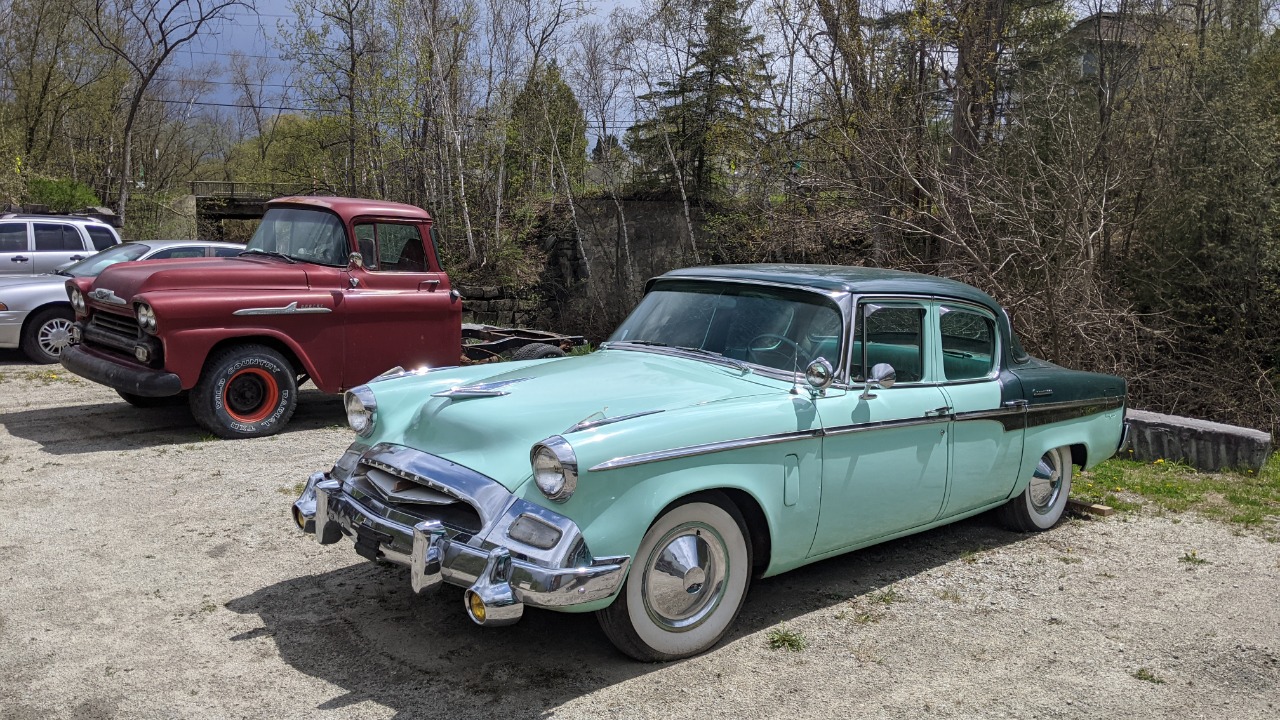
Studebaker may have disappeared decades ago, but its engineers left behind plenty of cars with clever designs, durable engines, and surprisingly sturdy construction. The company often had to compete against much larger manufacturers, so it developed practical solutions that prioritized efficiency and reliability. These nine Studebakers deserve recognition for the mechanical qualities that helped them survive.
Studebaker Champion
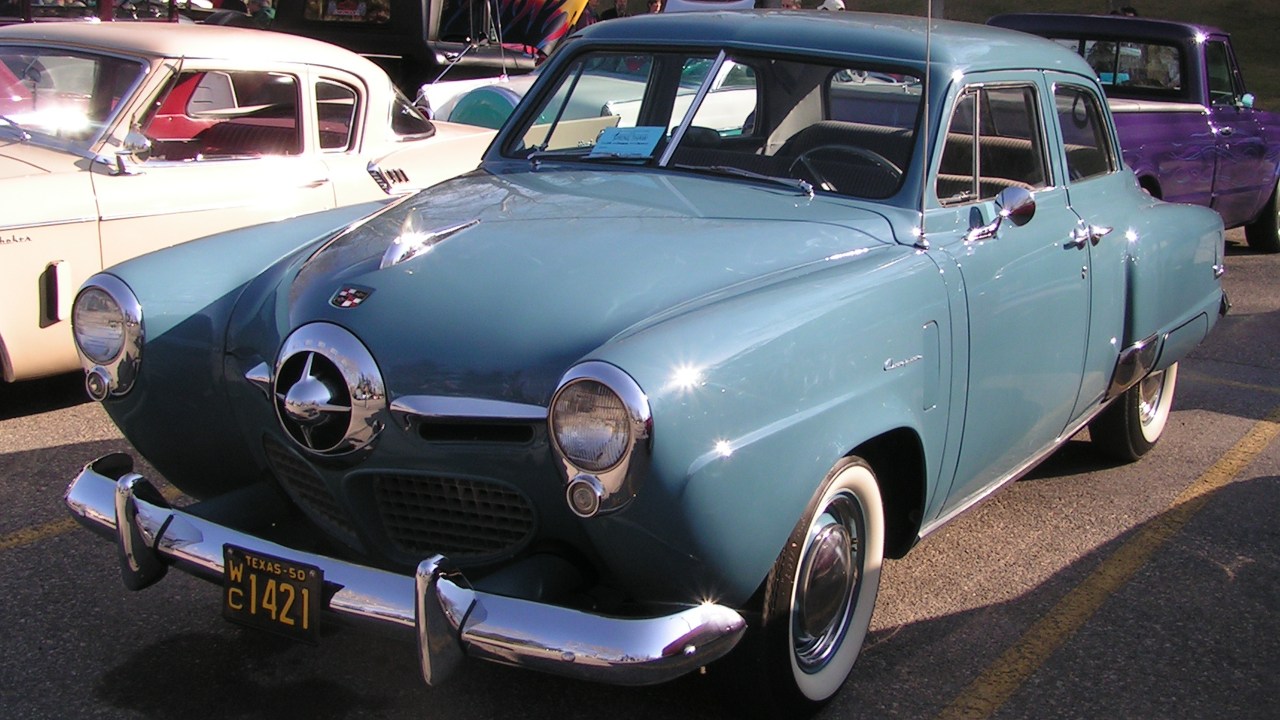
The Champion was designed as an economical alternative to America’s increasingly large cars, but it retained Studebaker’s emphasis on solid engineering. Its six-cylinder engine was relatively simple, while the lightweight body helped reduce mechanical strain. The Champion became an important part of Studebaker’s lineup and remains an interesting example of how the company combined practicality with dependable engineering.
Studebaker Commander
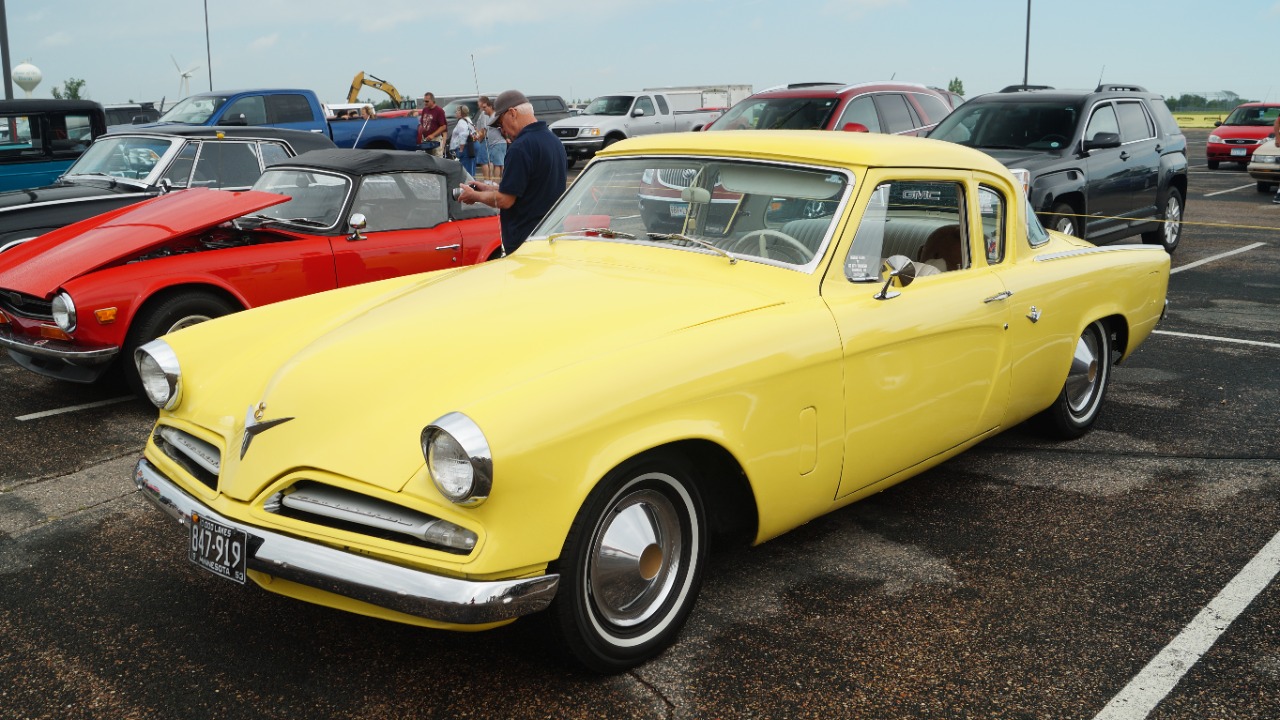
The Commander offered V8 power and substantial American-car comfort without relying on the enormous size of some Detroit rivals. Its drivetrain was designed to provide smooth, dependable performance, while the chassis was sturdy enough for long-distance use. The Commander is often overshadowed by Studebaker’s sportier models, but its straightforward mechanical package makes it an appealing choice for enthusiasts who value durability.
Studebaker President
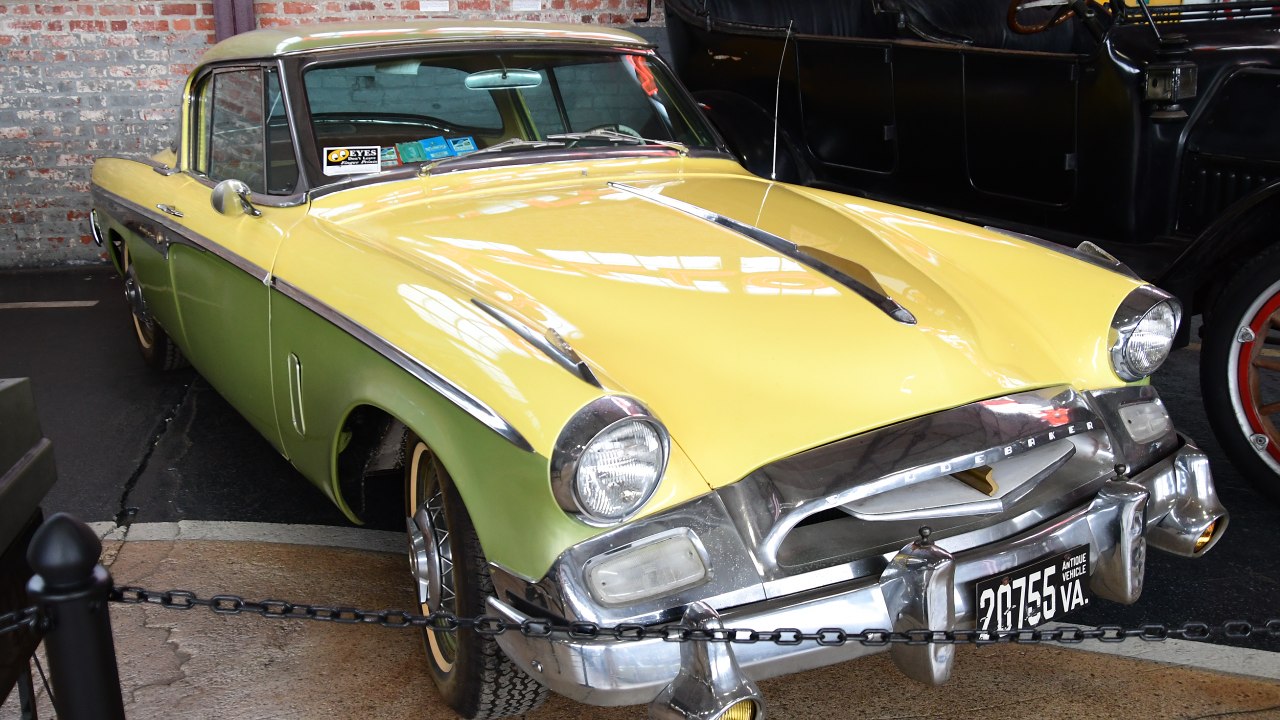
The President sat near the top of Studebaker’s prewar lineup and was built as a serious luxury automobile. Its straight-eight engine delivered smooth power, while the substantial chassis was designed for comfortable highway travel. The mechanical components were robust for their time. Surviving Presidents are rare today, but they demonstrate the engineering quality Studebaker brought to its most prestigious cars.
Studebaker Hawk
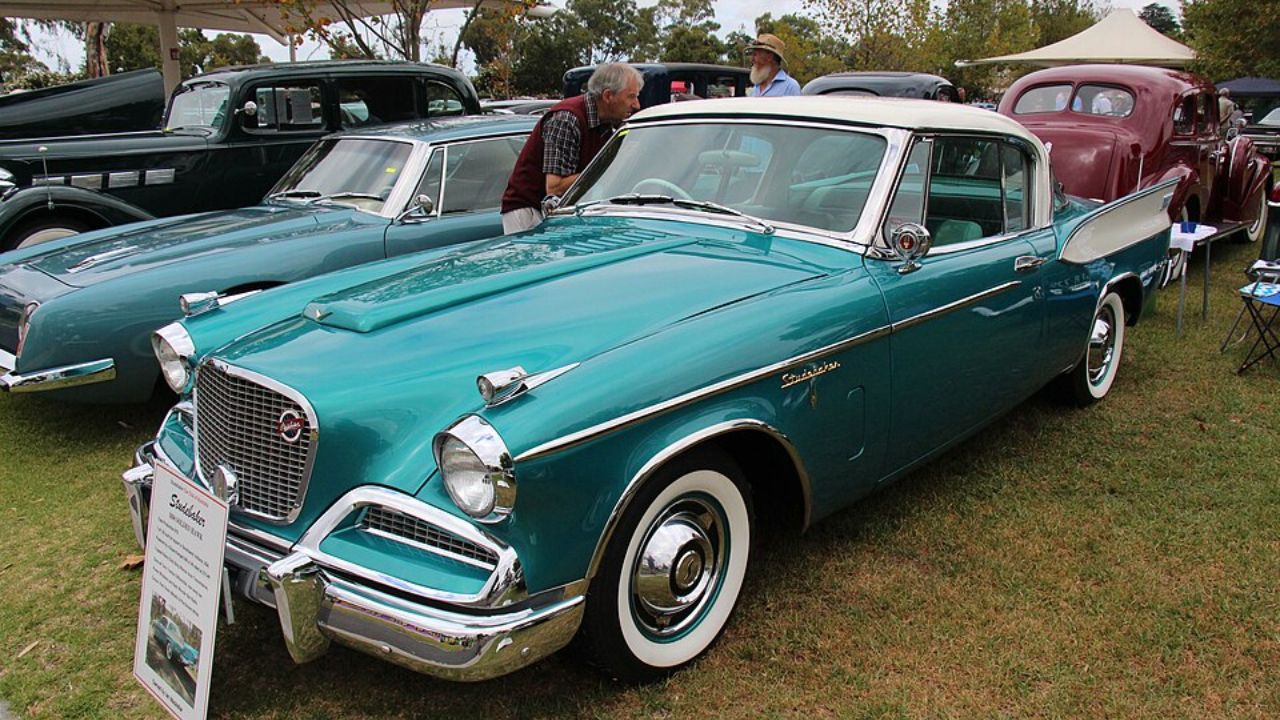
The Hawk combined sporty styling with Studebaker’s established mechanical components. Its available V8 engines delivered strong performance, while the rear-wheel-drive chassis provided a solid foundation for spirited driving. Many Hawks were modified or driven hard, but the underlying mechanical design was relatively straightforward. A well-maintained example remains an engaging classic with mechanical roots that are easier to understand than its dramatic styling suggests.
Studebaker Golden Hawk
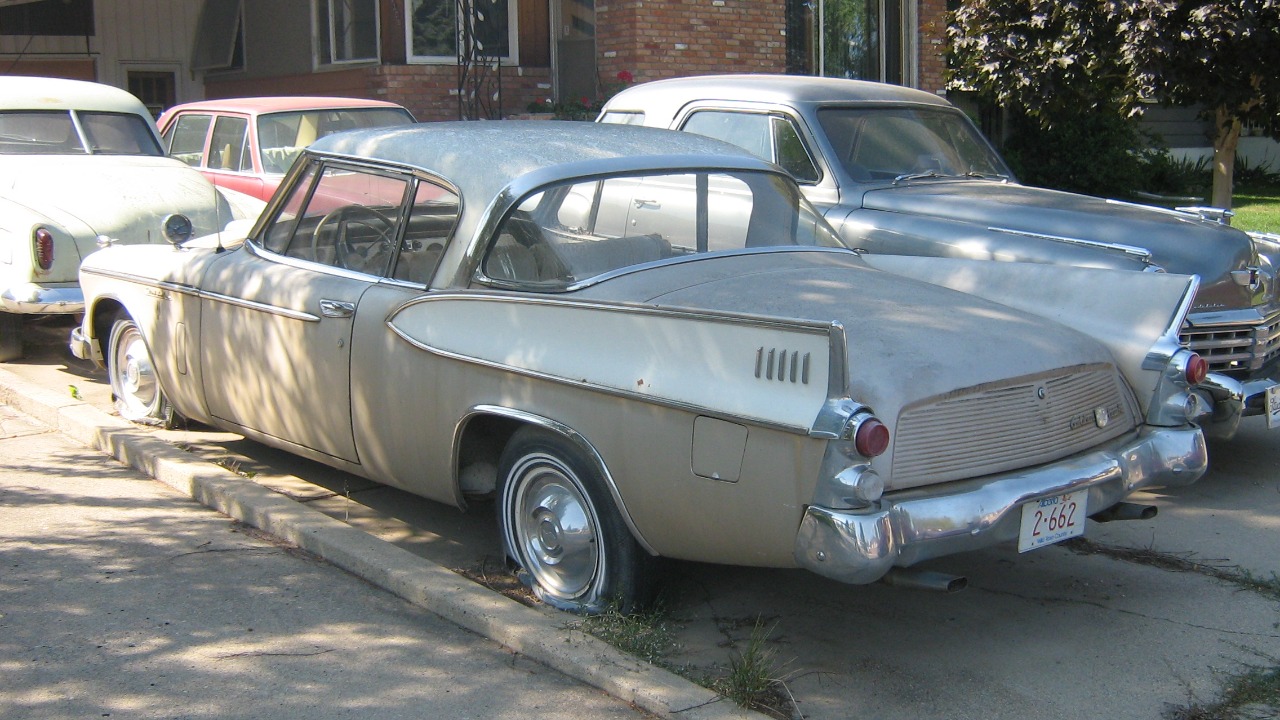
The Golden Hawk took the Hawk formula and added more power and distinctive performance equipment. Its V8 engine produced serious acceleration for the period, while the conventional rear-wheel-drive layout made the car mechanically familiar. The Golden Hawk was built in limited numbers, and surviving examples are increasingly valuable. Its combination of performance and robust engineering makes it one of Studebaker’s standout classics.
Studebaker Lark
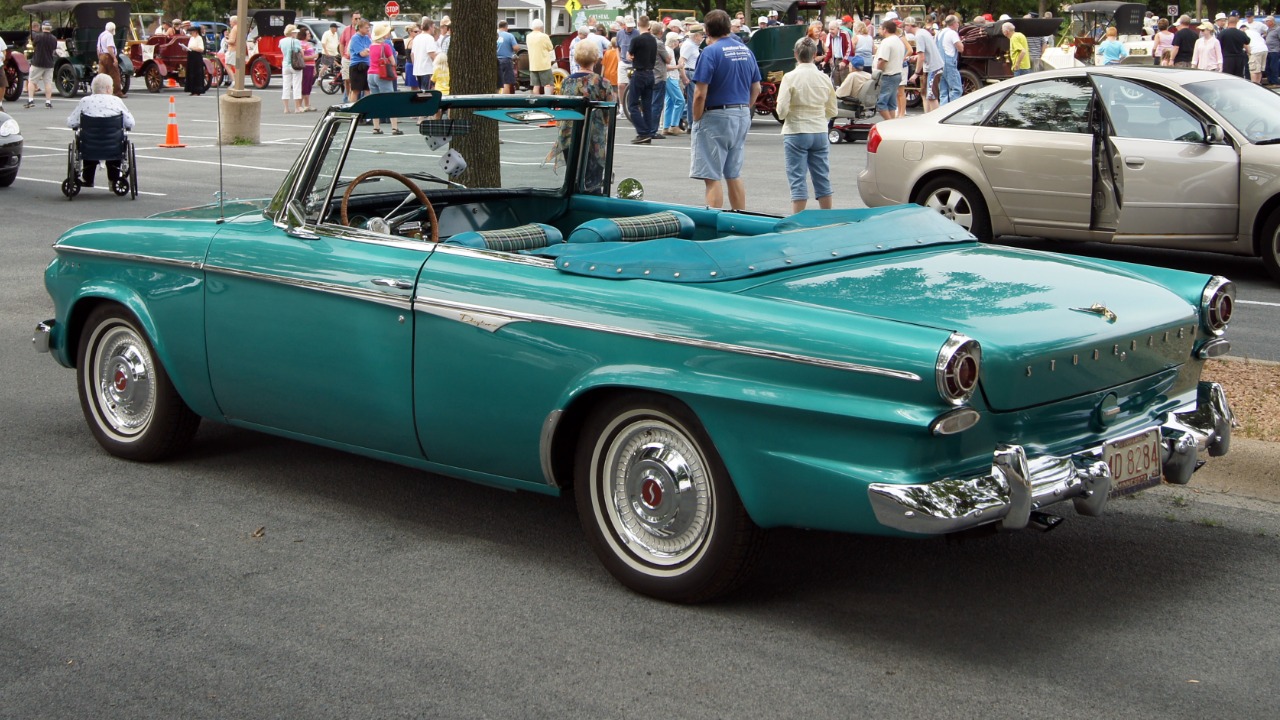
The Lark was one of Studebaker’s most important attempts to survive in an increasingly competitive market. Its compact dimensions and economical engines helped it compete against larger manufacturers. The straightforward mechanical design also made it practical to maintain. Although most were treated as ordinary transportation, surviving Larks demonstrate how Studebaker could build simple cars capable of handling years of everyday use.
Studebaker Avanti
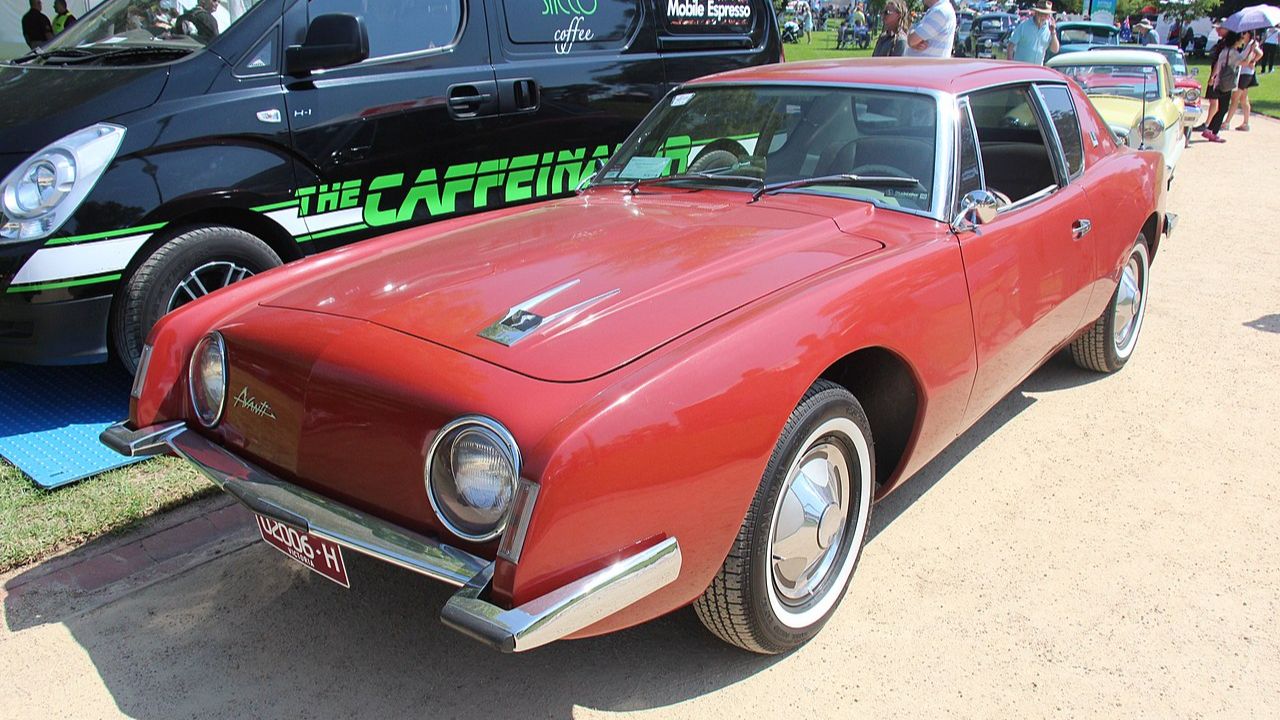
The Avanti was technically ambitious, but its underlying V8 powertrain came from Studebaker’s established engineering. Its fiberglass body avoided conventional steel-body rust, while the lightweight construction helped performance. The car’s specialized body and trim make restoration challenging, but mechanically sound examples can be rewarding. The Avanti remains one of the clearest demonstrations of Studebaker’s willingness to try something completely different.
Studebaker Wagonaire

The Wagonaire was unconventional in appearance but practical underneath. Its sliding roof section created unusual cargo flexibility, while familiar Studebaker engines and drivetrains kept the mechanical package relatively straightforward. Many were used as family and work vehicles, so surviving examples are uncommon. A well-maintained Wagonaire remains an interesting combination of clever packaging and conventional mechanical engineering.
Studebaker Scotsman
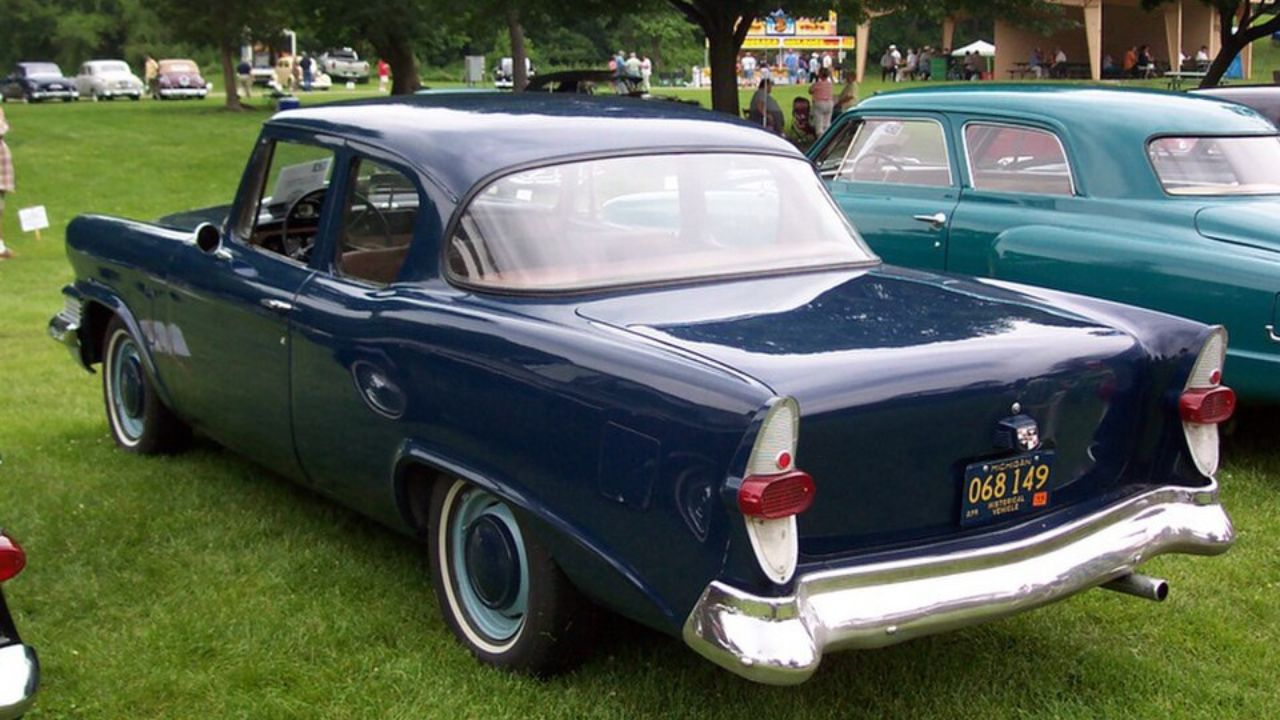
The Scotsman was deliberately simplified to keep costs down, and that simplicity helped make it easy to understand mechanically. It used straightforward engines, basic equipment, and uncomplicated construction. Many were purchased for practical transportation and worked hard throughout their lives. Although finding parts and complete examples can be challenging today, the Scotsman remains an excellent example of Studebaker’s no-nonsense engineering approach.
More from Fast Lane Only
- Unboxing the WWII Jeep in a Crate
- 15 rare Chevys collectors are quietly buying
- 10 underrated V8s still worth hunting down
- Police notice this before you even roll window down
*Research for this article included AI assistance, with all final content reviewed by human editors